2027 Arizona State University Online BS in Counseling and Applied Psychological Sciences - Substance Abuse and Addictions: Cost, Curriculum, Admissions, and Career Outcomes

Co-Founder and Chief Data Scientist
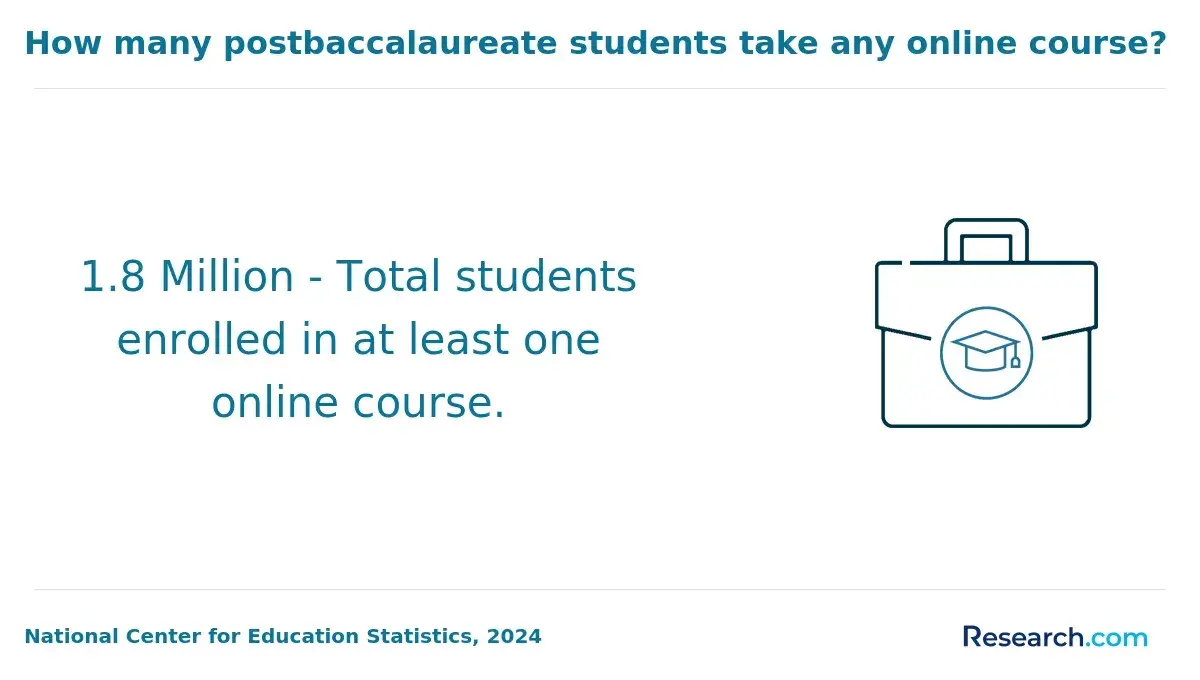
Deciding to pursue an online BS in Counseling and Applied Psychological Sciences - Substance Abuse and Addictions at Arizona State University involves weighing multiple factors that shape academic and career trajectories. With the National Center for Education Statistics reporting a 5% increase in fully online undergraduate enrollment over the past year, accessibility has expanded but so have expectations for program rigor and career relevance. Students must consider how this degree aligns with evolving workforce demands in counseling and substance abuse fields, including practical training and credentials needed for advancement. This article evaluates cost, curriculum, admissions criteria, and career outcomes to clarify if this program fits your goals.
Key Points About Arizona State University's BS in Counseling and Applied Psychological Sciences - Substance Abuse and Addictions Program
- A 90% acceptance rate at Arizona State University offers broad access but raises considerations about program selectivity and peer group diversity, which can influence collaborative learning experiences.
- Faculty expertise in counseling and psychological sciences shapes practical curriculum elements, enhancing workplace readiness and aligning graduate skills with employer expectations in addiction treatment fields.
- The total tuition cost of $34,845 requires weighing long-term career benefits against upfront investment, especially given varied funding options and the financial realities of entry-level counseling positions.
What can students expect from Arizona State University's online BS in Counseling and Applied Psychological Sciences - Substance Abuse and Addictions curriculum?
The structure of Arizona State University's online BS in Counseling and Applied Psychological Sciences - Substance Abuse and Addictions curriculum is closely aligned with national standards but emphasizes practical readiness for complex behavioral health roles. For example, a graduate entering a community treatment center will need both theoretical grounding and applied skills to navigate multifaceted cases involving legal and ethical considerations. The curriculum balances foundational psychology with specialized addiction knowledge. Below are key focal areas illustrating how the program prepares students to meet employer expectations and real-world challenges in behavioral health.
- Abnormal Psychology: Students analyze patterns of atypical behavior and mental health disorders, gaining skills to identify and understand co-occurring conditions common in substance abuse cases. This coursework fosters critical clinical judgment essential for assessment and referral decisions.
- Research Methods: The program requires rigorous engagement with empirical research principles, ensuring students can critically evaluate evidence-based practices and contribute to data-driven intervention strategies within a rapidly evolving field.
- Counseling Techniques: Practical application is stressed through training in communication, ethical decision-making, and counseling interventions, equipping students with tools to effectively support clients in prevention and recovery settings.
The integration of experiential learning components like case studies and fieldwork reflects standard elements found across US programs, providing students tangible opportunities to apply theory in supervised contexts. This approach enhances skill transferability but also demands time management and self-discipline from online learners, factors prospective students should weigh. As labor market demand rises in addiction treatment, graduates with this focused curriculum are positioned for roles that require nuanced understanding of biopsychosocial factors and regulation compliance. However, for students weighing alternatives, it's valuable to compare such offerings alongside other pathways, such as certificate programs or traditional on-campus degrees. Those seeking to explore additional advanced credentials may consult resources on cheap online PhD programs to map longer-term educational investments.
What are Arizona State University's admission requirements for online BS in Counseling and Applied Psychological Sciences - Substance Abuse and Addictions program?
Admission to Arizona State University's online BS in Counseling and Applied Psychological Sciences - Substance Abuse and Addictions program is selective and requires more than just meeting minimum educational standards. For example, a nontraditional adult learner with prior work experience in social services should focus on assembling a comprehensive application that goes beyond high school completion, as meeting basic eligibility does not guarantee acceptance. Below is an overview of key admission components prospective students need to address.
- Educational Background: Applicants must have completed high school or hold a General Educational Development (GED) certificate. This requirement ensures a foundational level of academic preparation necessary for undergraduate study.
- Secondary School Records: Submission of transcripts or equivalent documentation is required. These records help admissions staff assess prior academic performance relevant to the field.
- Standardized Tests: While Arizona State University does not have an open admission policy for this program, SAT or ACT scores are recommended but not mandatory. Additional tests such as Wonderlic or WISC-III can be submitted to strengthen applications, particularly for competitive review.
- Letters of Recommendation: These are recommended but not required, providing an opportunity to highlight personal qualities or professional achievements that transcripts alone do not capture.
- English Proficiency: International applicants should submit TOEFL scores to verify language capability, a practical necessity for participating fully in an online curriculum delivered in English.
The admissions process reflects academic standards and competencies it requires, signaling to employers that graduates have met threshold qualifications for counseling and substance abuse work. However, transfer students should inquire directly about credit acceptance policies as none are explicitly outlined, and credit for life experience or dual credit is not recognized. Additionally, the university's requirement for students to have reliable computer access ensures readiness for the digital learning environment crucial to this specialized degree path.
Is it difficult to get admitted to Arizona State University's online BS in Counseling and Applied Psychological Sciences - Substance Abuse and Addictions program?
Programs in counseling and applied psychological sciences with a focus on substance abuse vary in competitiveness, often influenced by the institution's profile and the modality of study. Many such programs maintain selective criteria due to clinical placement limitations and prioritization of candidates with relevant experience. However, highly accessible online formats typically exhibit a more inclusive admission process, reflecting a strategic aim to broaden entry to the behavioral health workforce.
Arizona State University's online BS in Counseling and Applied Psychological Sciences - Substance Abuse and Addictions aligns with this latter approach. The program admits roughly 90% of applicants, with over 62,000 admitted annually from nearly 69,000 applicants, which signals a relatively low barrier to entry compared to conventional campus-based equivalents. The absence of SAT or ACT requirements further reduces application hurdles, making it particularly viable for students balancing other commitments or lacking standardized test scores.
This openness can be an advantage for candidates looking to gain foundational credentials quickly; however, it may also mean the program attracts a wide range of preparedness levels, which could affect cohort dynamics and pacing. For students targeting highly competitive clinical roles, additional credentialing might be necessary beyond the bachelor's to meet employer expectations.
One graduate recalled feeling uncertain during the application after juggling a full-time job and family obligations but appreciated the program's flexible criteria. "I wasn't sure if skipping the SAT would make my application weaker, but getting accepted took a huge weight off my shoulders," she shared. The streamlined admission process allowed her to focus on coursework rather than entrance exams, ultimately helping her transition into a counseling assistant position sooner than expected.
What is the cost of attending an online BS in Counseling and Applied Psychological Sciences - Substance Abuse and Addictions program at Arizona State University?
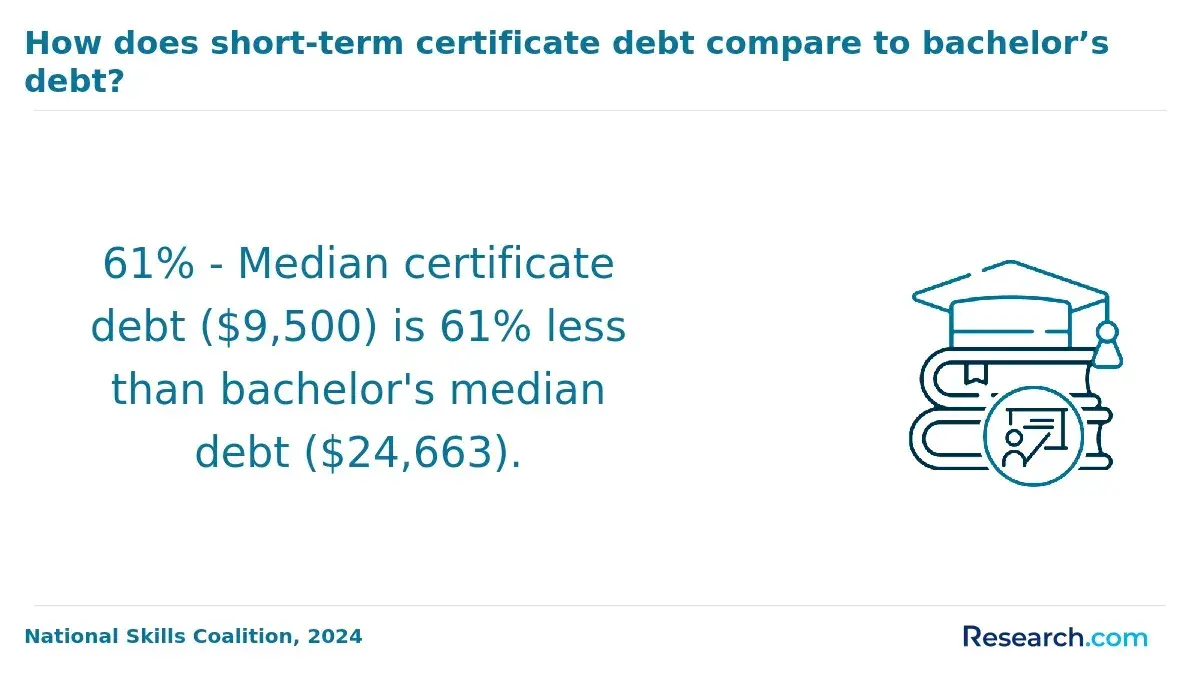
Tuition for an online BS in Counseling and Applied Psychological Sciences - Substance Abuse and Addictions at Arizona State University stands at $12,051 annually, exclusive of average added costs like $1,320 a year for books and supplies. The overall annual cost, factoring in fees, room, and board, reaches $34,845, although this total varies according to student circumstances and financial aid eligibility, influencing the net price a learner faces. Flat-rate tuition for online enrollees regardless of location simplifies budgeting but does not eliminate out-of-pocket expenses linked to materials or living situations.
Compared with similar programs nationwide, ASU's pricing is competitive, especially given its standardized tuition model and comprehensive online support, which can offset some hidden costs associated with distance learning. The federal College Scorecard estimates a somewhat lower cost of $28,047 for in-state students living on campus, highlighting the disparities in how institutions and federal sources calculate cost of attendance. Prospective students evaluating Arizona State University online counseling bachelor tuition details should weigh these distinctions carefully to project realistic expenses.
For students balancing work or other obligations, the absence of additional technology fees at ASU is a notable advantage, reducing incremental costs that often inflate online program budgets. Still, the total financial commitment demands consideration of downstream impacts including licensure preparation and potential delays if supplemental courses or practicum placements incur extra fees or time. Such factors influence how employers perceive graduates' readiness and, ultimately, the practical value of the degree.
Those interested in accelerated study options may compare this program's structure against other degree completion routes, including bachelor degree online in 2 years alternatives, where tuition models and additional costs differ considerably. Making an informed choice involves balancing cost with quality, delivery mode, and career trajectory rather than defaulting to sticker price alone.
Are there financial aid options for online BS in Counseling and Applied Psychological Sciences - Substance Abuse and Addictions students at Arizona State University?
Financial aid for students in the online BS in counseling and applied psychological sciences - substance abuse and addictions program at Arizona State University requires careful consideration of eligibility criteria and funding sources. Securing aid can substantially alter a student's ability to manage tuition costs, which is critical given the varying capacity of learners to handle debt or out-of-pocket expenses. For instance, working professionals using employer tuition reimbursement may face limitations on award amounts or coverage timing, impacting how they budget for schooling. Alternatively, veterans leveraging federal benefits encounter specific documentation and eligibility hurdles that, if unmet, can delay or reduce aid availability. Understanding these tradeoffs alongside how aid interacts with program completion timelines helps maintain financial sustainability through the degree. Below are key financial aid avenues relevant to these students:
- Institutional Scholarships: Offered by the university for merit or financial need, these scholarships target students within the program or underrepresented groups. Award amounts vary and often require maintaining academic performance and application submission within deadlines.
- Federal Financial Aid: Includes Direct Subsidized and Unsubsidized Loans available through FAFSA, requiring demonstration of financial need and satisfactory academic progress. These loans cover tuition and related education expenses but increase long-term debt obligations.
- Grants: Typically need-based and do not require repayment, grants can lessen overall costs but are limited and competitive, often mandating FAFSA completion and adherence to specific eligibility rules.
- Veteran Benefits: Covers tuition for eligible veterans and active service members via federal programs like the GI Bill. Proper certification and enrollment status verification are essential to access these funds timely.
- Tuition Reimbursement Programs: Available through some employers partnering with ASU, these programs reimburse tuition partially or fully based on employment status and course approval but may cap annual funding or restrict eligible courses.
What learning resources are available to online BS in Counseling and Applied Psychological Sciences - Substance Abuse and Addictions students at Arizona State University?
Access to comprehensive learning resources can significantly influence student success in online programs focused on counseling and substance abuse. For students navigating the complexities of a BS in Counseling and Applied Psychological Sciences - Substance Abuse and Addictions, reliable academic and technical support is critical not only to master content but to maintain progress in a virtual environment where direct faculty interaction is limited. This support network also affects how well graduates transition into mental health careers, where practical application and continuous skill development are essential. The following resources illustrate how the institution structures its support to meet these challenges.
- Technical Support: Dedicated help desks and online support centers assist students with system navigation, software challenges, and connectivity issues. This reduces downtime and frustration, helping students maintain steady access to course materials.
- Academic Assistance: Writing centers, tutoring programs, and extensive library resources tailored to counseling and psychological sciences provide critical learning aids available virtually around the clock, accommodating varied schedules typical of online learners.
- Specialized Advising: Advisors knowledgeable about substance abuse and addictions guide students through degree requirements and professional pathways, helping to align academic progress with career objectives in specialized mental health fields.
- Career Services: Virtual job fairs, resume workshops, and interview preparation offer students practical tools to enter the workforce, addressing common barriers faced by online learners seeking internships or jobs in the counseling sector.
- Professional Networking: Access to an extensive alumni network and partnerships with mental health organizations facilitates internship placements and employment opportunities, crucial for building experience in a field where practical exposure matters.
Does Arizona State University's online BS in Counseling and Applied Psychological Sciences - Substance Abuse and Addictions program have in-person clinicals or practicums?
In-person clinicals or practicums remain an industry baseline for counseling programs aiming to equip students with essential hands-on skills. This standard often separates purely academic degrees from those that prepare candidates for licensure and employment in behavioral health settings. Arizona State University's online BS in Counseling and Applied Psychological Sciences - Substance Abuse and Addictions aligns with these expectations by requiring students to complete significant in-person practicum hours despite the program's predominantly online delivery. This requirement reflects the practical realities of the field, where experiential learning in live treatment environments is critical.
Students enrolled in ASU's online BS in Counseling and Applied Psychological Sciences - Substance Abuse and Addictions should expect to fulfill practicum requirements through supervised placements at approved clinical sites, typically community agencies, treatment centers, or health clinics in Arizona. These placements involve administering evidence-based interventions and supporting clients facing addiction challenges, demanding several hundred hours of on-site attendance. Such immersion ensures compliance with accreditation and licensing standards, thereby enhancing employability yet requiring students to manage travel and scheduling logistics alongside remote coursework.
This integration of online education with mandatory in-person clinical training distinguishes the program within the landscape of substance abuse counseling education. Prospective students weighing this option should consider these in-person practicum demands carefully, particularly against alternatives like fully remote or hybrid programs with different clinical site access. Those exploring easiest associate degree pathways or other foundational credentials might find different balances of clinical exposure and flexibility.
What careers can graduates of online BS in Counseling and Applied Psychological Sciences - Substance Abuse and Addictions at Arizona State University secure?
The practical value of an online BS in Counseling and Applied Psychological Sciences - Substance Abuse and Addictions from Arizona State University lies significantly in its ability to prepare graduates for concrete roles within behavioral health sectors, especially in Arizona's evolving workforce. Graduates often enter positions that demand frontline engagement with individuals facing substance use challenges, requiring a balance of clinical knowledge and administrative acuity. This degree offers foundational skills suited for entry-level jobs while recognizing that clinical licensure or certification is often necessary for advanced therapeutic roles. Understanding this tradeoff is crucial for prospective students evaluating how directly their education translates into employment, particularly in substance abuse and addiction specialist jobs in Arizona. Below are relevant career paths illustrating this program's marketability:
- Substance Abuse Counselor: Provides direct support and counseling to clients battling addiction, implementing relapse prevention and education strategies. Median salaries typically range in moderate entry-level brackets, increasing with certification and experience.
- Behavioral Health Technician: Supports mental health professionals by conducting client assessments and facilitating treatment adherence. This role generally requires less licensing, with pay reflecting assistant-level responsibilities.
- Case Manager: Coordinates care plans and links clients to community resources, emphasizing organizational skills over clinical intervention. Compensation varies with organizational setting and experience.
- Addiction Treatment Coordinator: Oversees program logistics and compliance within rehabilitation centers or public agencies, blending administrative oversight with treatment protocol understanding.
Those targeting these careers should consider the degree's limitations in preparing for licensed clinical practice directly, often necessitating subsequent certification pathways. Additionally, integrating the program outcomes with a strategic plan for certification aligns with employer expectations in the behavioral health market. For students weighing accelerated options, examining programs like the shortest masters program may complement this undergraduate foundation and expedite eligibility for advanced roles.
What is the salary outlook for online BS in Counseling and Applied Psychological Sciences - Substance Abuse and Addictions graduates?
The salary outlook for graduates with an online BS in Counseling and Applied Psychological Sciences - Substance Abuse and Addictions from Arizona State University indicates a notable advantage in the mental health sector, especially when compared to related fields. Employers valuing this specialization often seek candidates equipped with targeted knowledge for addressing addiction, which can translate into more competitive compensation than more general counseling or social sciences roles. For individuals weighing career pathways, the choice to pursue this degree aligns with roles demanding focused expertise rather than broad generalist counseling credentials, affecting both job placement and salary trajectories.
Graduates of this program report a median alumni salary of $62,668, positioning them above many peers in the university's broader alumni data including those in ethnic, cultural minority, gender, and group studies ($28,449), psychology ($33,198), and social work ($35,004). This figure reflects a practical benefit for those seeking stable earnings early in their career within Arizona's evolving healthcare landscape. Such financial outcomes suggest the program's relevance for those targeting rehabilitation centers and community outreach organizations where substance abuse counseling skills are in direct demand.
Given the increasing prioritization of behavioral health and addiction services, career earnings for graduates of BS in counseling and applied psychological sciences - substance abuse and addictions in Arizona are poised for steady growth. While some related professions in communication disorders or public health offer median salaries below $40,000, graduates from this degree can expect compensation that corresponds with the specialized nature of their training. Prospective students might also explore pathways offered by online universities for military spouses as a comparative benchmark in flexible education delivery and earnings potential.
How do you know if Arizona State University's online BS in Counseling and Applied Psychological Sciences - Substance Abuse and Addictions program is the right choice for you?
Choosing an online BS in Counseling and Applied Psychological Sciences - Substance Abuse and Addictions program requires assessing how well its structure and resources match your academic style, career aspirations, and personal circumstances. This fit influences your ability to keep pace, engage deeply with material, and ultimately leverage the degree in the workforce. Consider these key factors when deciding if Arizona State University's offering suits your long-term needs:
- Delivery Format and Flexibility: Evaluate if asynchronous, self-paced coursework aligns with your schedule constraints, especially if balancing work or family commitments. Flexibility here impacts your persistence and ability to complete rigorous substance abuse curricula without sacrificing other responsibilities.
- Faculty Engagement and Practical Exposure: Strong mentorship and case-based learning tend to enhance skill development critical for clinical readiness or further certification. Confirm the program's emphasis on real-world application over theory-heavy content.
- Community and Networking Opportunities: The presence of active virtual cohorts and support systems can mitigate isolation common in online learning. Prioritize programs where peer interaction and professional networking are integral, as these connections often translate into career leverage post-graduation.
- Alignment with Career Pathways: Investigate how well the curriculum prepares for certification exams, licensure, or graduate studies relevant to substance abuse counseling. Understanding employer expectations in your target job market will clarify the program's practical usefulness.
A recent graduate shared how the decision hinged on balancing work demands and desire for applied learning: "I needed a program that let me study evenings without sacrificing interaction with instructors who bring real cases into lessons. Arizona State's online BS provided that balance, which felt like a relief given my hectic schedule. It wasn't just about getting the degree but ensuring I'd be ready to meet employers' expectations when I switched to counseling full time."
What Graduates Say About Arizona State University's BS in Counseling and Applied Psychological Sciences - Substance Abuse and Addictions Program
- David: "Studying the BS in Counseling and Applied Psychological Sciences - Substance Abuse and Addictions at Arizona State University gave me a solid foundation in theory, but what really set me up professionally were the applied projects and case simulations. I quickly realized, though, that in hiring, experience and certifications often carried more weight than just the degree alone. Still, the program's flexibility allowed me to complete internships while working part-time, which was crucial in building a portfolio that helped me break into clinical support roles."
- Anika: "Arizona State University's online program was a practical choice when I decided to pivot careers toward substance abuse counseling. The depth of coursework around addiction science combined with developmental psychology really helped me understand the nuances of client care. However, once I graduated, I found that without licensure, upward mobility was limited and I had to focus on roles that valued hands-on experience and additional credentials. The program prepared me well, but navigating the professional path afterward required strategic certifications and networking."
- Adam: "The BS in Counseling and Applied Psychological Sciences - Substance Abuse and Addictions from Arizona State University gave me a comprehensive lens on addiction treatment approaches, which employers appreciated during interviews. I found the ability to study remotely was a game changer in balancing my job and education, letting me enter the workforce faster than I initially expected. Still, I quickly learned that competing for licensed counselor positions wasn't realistic without further education, so I adjusted my expectations and focused on support and prevention roles where my degree had immediate value."
Other Things You Should Know About Degrees
The online BS in Counseling and Applied Psychological Sciences - Substance Abuse and Addictions program at Arizona State University offers asynchronous coursework, which helps students balance studies with other responsibilities. However, some group projects or time-bound assessments may require synchronous participation, potentially limiting flexibility. Prospective students with demanding schedules should evaluate these requirements carefully to avoid conflicts and ensure consistent progress.
This BS program provides a foundational understanding of counseling and addictions but does not meet qualifications for licensure as a professional counselor or substance abuse specialist in most states. Students aiming for clinical licensure will need to pursue further graduate education and supervised experience beyond this degree. Therefore, this program is best viewed as a stepping stone or for roles not requiring licensure, rather than a terminal qualification for clinical practice.
While the program offers virtual interaction with peers and faculty, it lacks the robust, in-person networking opportunities typically found on campus. This can limit exposure to local professionals and reduce chances for informal mentorships or internships critical for career advancement. Students should proactively seek external networking through local organizations or professional associations to mitigate this limitation.
References
- Online Addiction Counseling Bachelor's Degrees - BS in Counseling https://addiction-counselor.org/degrees/online-bachelors/
- BS in Counseling and Applied Psychological Science (Substance Abuse and Addictions) at Arizona State University - Tempe | YMGrad https://ymgrad.com/arizona-state-university-tempe/bs-in-counseling-and-applied-psychological-science-substance-abuse-and-addictions
- Best Part-Time Addiction Counseling Programs | 2026 Guide https://www.addiction-counselors.com/blog/part-time-addiction-counseling-programs/
- Best Online Bachelor's In Addiction & Recovery 2025 https://www.psychology.org/degrees/addictions-and-recovery/bachelors/
- How To Become A Substance Abuse Counselor | Criminal Justice Degree Schools https://www.criminaljusticedegreeschools.com/careers/substance-abuse-counselor/
- Academic & Training Programs https://phoenix.goeducate.com/program-details/Counseling%20and%20Applied%20Psychological%20Science%20(Substance%20Abuse%20and%20Addictions)/761
- How To Become A Substance Abuse Counselor https://www.learnhowtobecome.org/substance-abuse-counselor/