2027 Regent University Online Degree Costs Compared: Which Programs Are Most Affordable?

Co-Founder and Chief Data Scientist
A prospective student seeking an online degree at Regent University faces a maze of tuition rates, digital fees, and program-specific costs that complicate straightforward budgeting. With 48% of online undergraduates nationally balancing debt and earnings below thresholds considered sustainable, financial clarity becomes critical to avoid costly missteps. Navigating these complexities means understanding not only base tuition but also additional expenses that vary widely by discipline and format.
This article breaks down Regent University's online degree costs across programs. It highlights affordability differences, reveals hidden fees, and clarifies paths that deliver the best practical and financial value. This analysis aims to help students make informed decisions aligned with both economic realities and career outcomes.
Key Points About Regent University Online Degree Costs and Affordability
- Regent University's online tuition averages $39,246, but total attendance reported near $30,550 suggests variability from scholarships, fee structures, or program length differences influencing net costs.
- Business and healthcare programs demand higher per-credit tuition than liberal arts, reflecting sector-specific market pricing and signaling greater upfront investment for specialized credentials.
- Tuition rates vary by residency status and program, requiring students to analyze these distinctions alongside potential financial aid to gauge true affordability and avoid underestimating long-term financial commitments.
How Much Does an Online Degree Cost at Regent University?
Regent University's online tuition rates position it above some public counterparts but still competitive within private nonprofit and online-focused institutions. Undergraduate tuition sits around $540 per credit hour, with graduate courses averaging $595 per credit. Unlike some public institutions, Regent's online pricing remains unaffected by residency, simplifying cost expectations for out-of-state learners but potentially increasing total expenses compared to in-state public options with lower fees or resident discounts.
Consider a military-employed student seeking a master's degree paying around $595 per credit with program credits ranging from 30 to 45. Factoring in employer tuition assistance and military discounts can substantially reduce net costs, making Regent's streamlined asynchronous offerings attractive for balancing work, family, and study demands. With National Center for Education Statistics data showing online tuition inflation averaging 3.2% annually, students must weigh current prices against future increases and evaluate if robust academic support and employer-relevant curriculum justify the premium over less flexible or lower-accredited alternatives.
Regent's total program cost, influenced by credit requirements and modest additional fees, reflects a middle ground in online education. The price aligns with the university's accreditation and support services, which help maintain graduate employability in competitive sectors. While less affordable than some online public universities, Regent's investment often returns value through flexible pacing and professional relevance, empowering informed students to optimize long-term career outcomes amid rising online tuition inflation.
Which Online Degree Programs at Regent University Are the Most Affordable?
Online bachelor's programs in Business and Psychology at Regent University represent the most affordable online options. With tuition near $450 per credit hour, these programs fall below the $480 per credit hour benchmark identified in a recent UPCEA report on affordability, making them cost-effective starting points for budget-conscious learners.
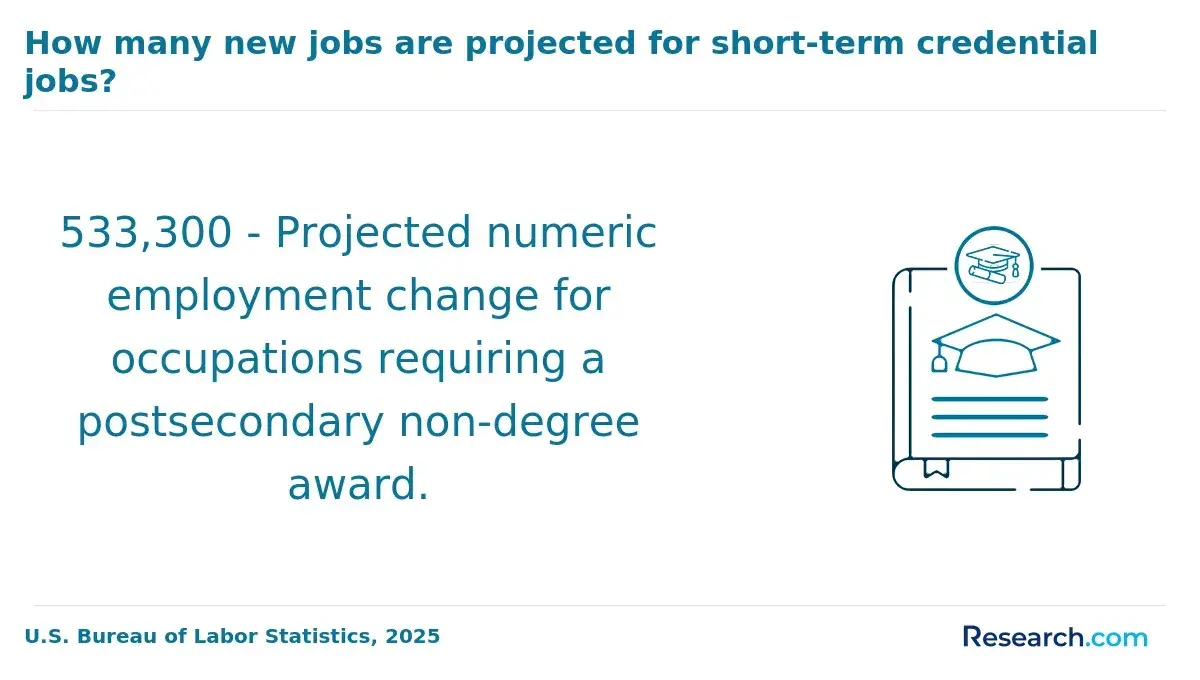
Associate degrees and certificate programs may have lower total credit requirements but are less common and often lack comparable workforce value. Institutional discounts and program-specific financial aid can reduce tuition costs by up to 15%, but such savings vary widely between programs and often depend on departmental policies.
Budget-conscious students should consider that programs requiring 120 or more credits naturally increase overall costs despite lower per-credit tuition. Transfer credits and online residency rules may further impact affordability by shortening time to degree or adding fees. Flat-rate pricing does not apply here, so cumulative costs grow with credit hours completed.
Affordability goes beyond sticker price. Students must weigh the balance of program flexibility, academic support, and career relevance alongside costs. Low-cost business programs align with high-demand digital skills, potentially offering better return on investment than cheaper, less-recognized credentials that extend time-to-completion or limit employer appeal.
How Do Online Bachelor's, Master's, and Doctoral Program Costs Compare at Regent University?
Costs for online degrees at Regent University reveal significant differences depending on degree level, affecting both total investment and affordability for prospective students. Bachelor's, master's, and doctoral programs vary in tuition per credit, credit requirements, and additional fees, shaping who is likely to bear greater expenses or find cost-effective options. This comparison helps clarify financial tradeoffs and decision points among degree tiers, especially for students aligned with specific career goals or time frames. Below are five detailed cost categories explaining the main factors influencing affordability for Regent University online degrees.
- Bachelor's Program Tuition: Regent University online bachelor's degrees charge approximately $455 per credit hour. This rate, multiplied by the typical 120-credit requirement, sets a substantial baseline. Undergraduates benefit from lower tuition compared to graduate tiers and more accessible scholarship opportunities, reducing overall financial burden.
- Master's Program Pricing: Master's online programs cost about $520 per credit hour with degree requirements generally between 30 and 36 credits. The higher per-credit rate reflects more specialized coursework. This upfront expense often appeals to learners focused on quicker degree completion and targeted skill acquisition.
- Doctoral Program Costs: Doctoral degrees carry tuition exceeding $700 per credit hour and usually require upwards of 60 credits. Added fees for residencies, dissertation support, and comprehensive exams can increase the total cost sharply, making doctoral pathways the most financially intensive. These programs are best suited for students with employer sponsorship or assistantships.
- Additional Fees and Residency Requirements: Unlike bachelor's and master's online students, doctoral candidates often face mandatory residency or professional fees. This complexity inflates total costs beyond tuition alone, demanding careful budgeting and potentially extending the time to degree. These factors limit affordability for self-funded learners.
- Financial Aid Availability: Scholarship options and aid tend to be more plentiful for undergraduates and master's students, often lowering net costs significantly. Doctoral students rely more heavily on assistantships, fellowships, or employer support. This disparity influences which learners can realistically afford their desired program without incurring excessive debt.
The price stratification between graduate and undergraduate online programs observed at Regent University matches national trends, with graduate tuition averaging 15% higher according to a recent National Center for Education Statistics report. This difference highlights the premium placed on advanced faculty expertise and complex curricula. However, the higher cost of doctoral study does not always guarantee superior long-term earnings or career benefits, particularly in sectors valuing professional experience over academic credentials.
Applicants to Regent University's online programs, whether evaluating bachelor's, master's, or doctoral options, should weigh detailed cost structures alongside career outcomes. For example, a student considering college majors with clear employability might find master's programs the most cost-effective investment given the credit load and aid availability. Conversely, doctoral paths require a strategic approach due to their elevated upfront costs and specialized fees.
What Is the Cost Per Credit Hour for Online Programs at Regent University?
Regent University's online per-credit-hour costs reflect strategic pricing that varies by degree level, program type, and enrollment intensity, shaping affordability and time-to-degree outcomes. Students engaged in full-time study benefit from a tuition cap that limits costs per term, making heavier course loads economically viable. By contrast, part-time or lower-load enrollees face proportional per-credit fees that may lengthen completion time and raise the average net price to attend Regent University. This factor is crucial when balancing work and study as smaller course loads elevate semester expenses and total student net price costs. The national average cost per credit hour for fully online undergraduate programs is around $420, so Regent's tuition is higher but may justify itself through program reputation and employer demand. The following points break down specific cost details by program and scenario.
- Undergraduate Online Tuition: Typically starting at $510 per credit hour plus mandatory fees ranging from $100 to $150, this rate suits full-time undergraduates who can leverage the tuition cap. Part-time undergraduates may see cost increases when enrolling in fewer credits per term.
- Graduate Degree Courses: Tuition per credit ranges from $615 to $695, with additional fees. Graduate students pursuing accelerated or competency-based education (CBE) options can reduce costs per competency unit, though CBE is mostly limited to specific graduate programs.
- Business and Psychology Programs: These fields generally align with standard per-credit rates but occasionally offer lower-priced certificates or CBE models. Such structures appeal primarily to students aiming for quicker credentialing without enrolling in full degree plans.
- Residency Impact: Residency does not significantly affect online tuition, unlike on-campus programs. However, part-time students without tuition caps may incur higher fees overall, intensifying total expense relative to full-time peers.
- Competency-Based Education Pricing: CBE allows certain graduate students to pay by competency unit rather than credit hour, accelerating program completion and reducing per-unit costs. This approach suits career-focused learners prioritizing educational efficiency and practical skill application.
Students evaluating which online program to pursue at Regent should also consider the interplay between these pricing structures and potential career outcomes. For those interested in exploring what certifications can I get online, certificate options within these programs may provide a cost-effective route to marketable skills without committing to a full degree.
What Additional Fees and Expenses Should Online Students Expect at Regent University?
Online students at Regent University frequently underestimate the true cost of earning a degree due to additional fees beyond tuition. These expenses, especially in specialized programs, can shift what appears to be an affordable choice into a far more costly investment. For instance, a student pursuing a health sciences degree with required software and lab materials may face fees surpassing standard technology charges, raising total out-of-pocket costs significantly. Moreover, proctored exams add recurring fees that can strain budgets for working adults balancing study and income. A clear understanding of these expenses is crucial for realistic planning and comparing programs with true cost transparency. Below is a summary of key additional charges students should anticipate.
- Books and Supplies Cost: Averaging $1,000, this cost covers textbooks and course materials not included in tuition. Digital textbooks may reduce expenses slightly, but inflation on these materials runs nearly 7% annually, outpacing traditional texts, so this figure can grow over time.
- Technology Fees: These mandatory fees support online learning platforms and IT services. While typically consistent, amounts vary and may increase as institutions standardize distance education technology charges, occasionally surprising students with unexpected expenses.
- Program-Specific Fees: Programs, especially in technical or creative disciplines, often require additional fees for special software, lab access, or materials. These fluctuate widely and can exceed basic technology fees, making it essential to review departmental cost disclosures.
- Proctoring Fees: Many online courses demand proctored exams ranging from $30 to $60 per test. These recurring expenses, often overlooked, accumulate over a degree and should be factored into budgeting to avoid financial surprises during final assessments.
- Residency Requirements: Certain programs require short-term on-campus residencies, generating travel and lodging costs outside tuition. These add substantial expenses, especially for distant students, and may not be avoidable depending on program structure.
Does Regent University Offer Financial Aid, Scholarships, and Tuition Discounts for Online Students?
Regent University provides meaningful financial aid to a vast majority of online students, with 96% receiving some form of assistance. Key options include FAFSA-based federal grants, institutional scholarships, and tuition discounts that mirror those available to on-campus learners. Employer tuition reimbursement and military benefits are also significant, reflecting broader workforce trends favoring remote education funding.
For example, an online undergraduate who completes the FAFSA and qualifies for federal and institutional aid can expect about $8,445 in assistance. This substantially reduces the net expenses but varies depending on enrollment status and residency. Employer contributions, now utilized by 28% of distance learners nationally, further lower out-of-pocket payments, making online study more viable for working adults balancing job demands.
However, these discounts and scholarships are not automatic. Eligibility depends on timely applications, maintaining academic progress, and meeting specific renewal criteria. Missing deadlines can mean losing access to key aid streams. Thoroughly verifying total net price, including all fees and discounts, is critical before committing, especially since program choice impacts final costs significantly.
These factors mean affordability hinges on active management of aid opportunities and realistic cost expectations, not simply sticker prices or advertised reductions.
One Regent University graduate recalled stressing over tuition when unexpected fees appeared mid-semester, nearly causing a pause in studies. "I used a mix of scholarships, military benefits, and my employer's tuition assistance," they said. "But I had to scramble to update FAFSA info and confirm scholarship renewals on time. If anything had slipped, I might have dropped out - it wasn't just about aid being available, but about juggling the process while working full-time."
Do In-State and Out-of-State Students Pay Different Online Tuition Rates at Regent University?
Regent University charges a uniform online tuition rate regardless of residency, meaning in-state and out-of-state students pay identical tuition. This flat-rate policy, set at a total cost of $39,246 for an online degree, simplifies financial planning and removes common non-resident premiums found at many institutions. Such uniform pricing aligns with broader trends driven by the State Authorization Reciprocity Agreement (SARA), which has contributed to a 15% decline in non-resident tuition premiums for online programs according to National Center for Education Statistics data. This approach makes Regent attractive compared to many public or private colleges that charge significantly higher rates for non-resident online learners.
For students comparing online tuition costs for Virginia and non-resident students at Regent University, this means that distance learners face less financial complexity. Military-affiliated students and those with transfer credits may see variations in total cost due to fee structures and credit transfers, but residency will not inflate tuition. Working adults and out-of-state professionals gain predictable tuition expenses, which can make Regent a practical choice when weighing cost and career flexibility. Compared to nonprofit competitors, Regent's transparent pricing removes a typical barrier for many students pursuing advanced degrees remotely.
Online learners should carefully evaluate total program costs by confirming the absence of hidden fees, clarifying residency rules, and assessing eligibility for financial aid, which benefits 96% of Regent's online students. Understanding transfer credit acceptance and employer partnerships is also essential. Prospective students might also explore Regents's offerings alongside resources highlighting online degrees for stay at home moms to identify relevant pathways that balance affordability with professional goals.
Ultimately, residency-based tuition differences are irrelevant at Regent University's online programs, but prospective students must still conduct thorough cost assessments. Verifying all potential charges and aid opportunities ahead of enrollment will better position students to manage the real out-of-pocket expenses and avoid surprises after matriculation.
How Does Regent University Compare to Other Universities for Online Degree Affordability?
Evaluating Regent University's online degree affordability against comparable institutions requires looking beyond sticker price to the net impact of aid, tuition structures, and student demographics. Regent's flat tuition across states contrasts with public universities that typically charge much higher out-of-state fees. This means students relocating or transferring may find Regent more predictable and sometimes more affordable overall. However, private nonprofit programs like Regent generally list tuition costs above public peers, necessitating careful assessment of financial aid deployment and career prospects to weigh total value. Below are key distinctions that highlight Regent's cost-benefit profile within the context of national online education pricing models, where private nonprofits average $450 per credit compared with public online ranges of $200 to $350 per credit:
- Financial Aid Penetration: 96% of Regent's online students receive some form of aid, which substantially lowers out-of-pocket expenses. This is critical because the initial sticker price often overstates actual cost, enhancing affordability compared to competitors with lower aid rates.
- Flat Tuition Structure: Regent charges the same tuition regardless of residency, unlike public universities with prominent out-of-state surcharges. This uniform pricing favors non-resident and transfer students by reducing unexpected cost spikes.
- Military and Adult Learner Support: Specialized benefits for service members and working adults improve accessibility and may reduce net expenses for these populations, differentiating Regent from institutions with less targeted aid.
- Program-Level Cost Variation: Professional and graduate degrees tend to cost more, reflecting their specialized nature; students should consider how program choice affects affordability within Regent's framework compared to more uniform public tuition rates.
- Pricing vs. Career Outcomes: Higher upfront tuition can be offset by employment-focused curriculum and strong aid, contributing to better long-term earning potential for some Regent graduates versus more affordable but less career-tailored options.
- Price Transparency: Regent's clear credit-hour pricing facilitates budgeting, whereas some competitors' fees and differential tuition can obscure true costs and complicate financial planning.
After weighing these factors, a Regent University online graduate recalled her decision-making process in choosing this program over local public alternatives. "I almost dropped out because the software licensing fee wasn't in the brochure and hit my budget unexpectedly," she said. "But the flat tuition was easier to manage since I wasn't a state resident. I picked Regent because they offered a decent financial aid package combined with support for working adults like me. It wasn't the cheapest option, but after graduation, the career services helped me get a role that started to pay off what I spent faster than I expected." This grounded experience underscores the practical tradeoffs faced by many online learners evaluating affordability through both immediate costs and post-degree returns.
Which Online Degrees at Regent University Offer the Best Value for Money?
Online degrees at Regent University that combine moderate tuition, flexible pacing, manageable credit requirements, and strong salary prospects deliver the best value for money. For distance learners, this means prioritizing programs with career outcomes that offset total costs while accommodating work-life balance and transfer credits. Below is a breakdown of specific factors shaping value across popular Regent University online degrees.
- Teacher Education and Professional Development: This program's average alumni salary of $40,970 reflects a balance between practical teaching skills and income. Students seeking education careers benefit from this strong earnings-to-debt ratio, especially when leveraging transfer credits to shorten time to completion.
- Human Resources Management and Services: Graduates typically earn above $35,000, making this program attractive for those aiming for HR roles in growing industries. Its moderate tuition and credit requirements improve long-term affordability for working professionals.
- Business Administration, Management and Operations: High demand for managerial skills supports salaries above $35,000. Flexible online delivery and career services reduce time to degree and boost ROI for students balancing employment and studies.
- Graphic Communications: This program's lower post-graduation earnings create a challenging earnings-to-debt dynamic, so it suits students prioritizing creative skills but aware of longer-term financial tradeoffs.
- English Language and Literature: Graduates face modest salaries relative to costs, signaling a less favorable value metric. It may fit students focused on academic or literary fields where income is not the primary motivator.
- Credit Transfer Flexibility: Programs allowing credit transfer reduce total tuition burden and shorten degree timelines. Students with prior college experience or certifications realize the greatest cost savings through this mechanism.
- Integrated Career Services Impact: According to recent data, online programs with embedded career support improve graduates' earnings-to-debt ratios by nearly 20%, highlighting the importance of such resources for maximizing value.
Regent University online degree programs with the lowest tuition costs tend to align closely with these value principles. Prospective students should consult analyses of the most affordable online colleges to compare options and understand how Regent balances tuition, fees, and post-graduation outcomes for distance learners seeking best value online degrees.
What Is the Return on Investment of an Online Degree From Regent University?
The return on investment of an online degree from Regent University depends heavily on balancing tuition costs against post-graduation earnings and debt. With median graduate earnings at $44,498 and an earnings-to-debt ratio of 1.81x, alumni typically experience moderate financial returns. For example, a student in a high-demand field may accelerate career mobility faster than peers in general studies, improving their overall ROI despite similar upfront costs.
Regent University offers affordable online degree programs at Regent University, but total expenses vary by program length and transfer credits, affecting debt load and time-to-degree. Compared to traditional and alternative digital learning models, Regent's online alumni show competitive earning outcomes, though not markedly superior. Career outcomes vary especially by degree level and field, with advanced or specialized programs tending to yield higher wage premiums.
Net present value of online graduate degrees remains sensitive to debt and completion time, according to a Georgetown CEW study. This highlights why candidates must factor in program affordability alongside post-degree income potential when evaluating their options. A realistic assessment may reveal better ROI in fields with strong labor demand or accelerated study tracks.
Prospective students balancing affordability and career goals can also explore best degrees for felons, which illustrate practical paths to improving earnings with manageable educational investment and debt. Understanding this nuanced financial context is crucial for assessing whether Regent's programs align with long-term workforce outcomes.
What Do Graduates Say About the Cost and Value of Regent University Online Degrees?
- Aaliyah: "When I was exploring online degrees at Regent University, I closely scrutinized the advertised tuition against the total program cost, including mandatory fees and textbook expenses, which were often overlooked in marketing materials. I also factored in their transfer credit policy, which allowed me to reduce my credit load and overall expenses substantially. Ultimately, the flexibility of their sequence scheduling made it possible for me to study part-time while working, and that balance was crucial in managing my finances without sacrificing my education. Graduating from Regent gave me credentials that employers recognized immediately, which helped me transition smoothly into a competitive job market."
- Asia: "My comparison of Regent University's online programs started with a strict focus on cost per credit and total tuition, but I soon realized that affordability meant more than just sticker prices. I paid special attention to the availability of financial aid and residency requirements since these factors heavily affected my out-of-pocket costs. The strong accreditation of Regent's programs and their academic support services also influenced my decision, assuring me the investment was worthwhile. Completing my degree online at Regent has been pivotal in opening career opportunities I wouldn't have accessed otherwise, making the somewhat higher initial cost feel justified in hindsight."
- Zara: "I approached my decision to enroll in Regent University's online program very cautiously, comparing the total length of each program alongside tuition and fees to estimate the full financial commitment. I found that programs with fewer mandatory courses per term allowed for greater flexibility, helping me avoid overload and extra expenses. Transfer credits were also a key part of my evaluation since they shortened the time and money needed to graduate. After finishing my degree, I appreciated that the practical curriculum and employer recognition of Regent's credentials directly helped me secure a role in my field, validating my thorough cost-benefit analysis before enrolling."
Other Things You Should Know About Regent University Degrees
Accelerated online degrees at Regent University can reduce overall tuition by allowing students to finish faster, but they require a heavier weekly workload, which may impact employment or family time negatively. The intense pacing might also limit opportunities for internships or practical experience, which employers value. Students prioritizing affordability should weigh whether the time savings justify the increased pressure and potential impact on learning quality.
Regent University offers financial aid options, but award amounts can vary significantly by program and student background, creating uncertainty in actual costs. Students should obtain a clear net price estimate that includes all aid forms rather than relying on published tuition rates. Without this, budgeting is difficult, and students may discover unexpected gaps, especially if aid does not cover fees or materials specific to particular online programs.
While Regent University's online degrees carry the same accreditation as their on-campus counterparts, employer recognition can vary by industry and region. Some employers prioritize practical experience and program reputation over delivery format, meaning students in career fields with strong employer networks may gain more value from online study. Prospective students should assess how well an online degree aligns with their target industry's hiring practices before committing, especially if employer perception is a concern.
References
- Financial Aid Management Software | Regent Education https://www.regenteducation.com/
- Average In-State vs. Out-of-State Tuition [2025]: Cost Comparison https://educationdata.org/average-in-state-vs-out-of-state-tuition
- The Return on Investment in Education https://www.applerouth.com/blog/the-return-on-investment-in-education
- Scholarships & Financial Aid - Regent College https://www.regent-college.edu/admissions/tuition--financial-aid/scholarships--financial-aid/
- How to Pay In-State Tuition at Out-of-State Colleges https://www.fastweb.com/financial-aid/articles/how-to-pay-in-state-tuition-at-out-of-state-colleges
- Regent University Tuition and Financial Aid https://www.prepscholar.com/sat/s/colleges/Regent-University-tuition-financial-aid
- Online College Review: Should I Go to Regent University? https://www.collegetransitions.com/blog/regent-university-online-college-review/
- Regent University - Top Ten Online Colleges https://www.top10onlinecolleges.org/school-profiles/regent-university/
- Regent University Tuition | CollegeData https://www.collegedata.com/college-search/Regent-University/money-matters
- Become Tomorrow's Leader - Lead the Way With Regent https://regentdegreeonline.com/