2027 Online Adult Gerontology Acute Care Nurse Practitioner Degree Programs Costs: Tuition & Fees

Co-Founder and Chief Data Scientist
Choosing an online Adult Gerontology Acute Care Nurse Practitioner (AG-ACNP) program is not just an academic decision. It is a financial decision that affects debt, work schedules, clinical placement planning, and the time it may take to benefit from a higher advanced-practice salary.
For most prospective AG-ACNP students, tuition is the largest cost, but it is not the only one. Per-credit rates, required credits, residency policies, clinical fees, technology charges, books, compliance expenses, and exam-related costs can all change the real price of a program. Two programs with similar tuition rates can produce very different total bills once fees and clinical requirements are included.
This guide explains what online AG-ACNP programs typically cost, what tuition usually covers, which factors raise or lower the total price, how online programs compare with campus-based options, and how financial aid can help. It is designed for registered nurses comparing programs, budgeting for graduate study, and deciding whether the investment fits their career goals in acute and complex adult-gerontology care.
Key Points About Online Adult Gerontology Acute Care Nurse Practitioner Degree Costs
- Average tuition for online Adult Gerontology Acute Care Nurse Practitioner programs ranges from $20,000 to $50,000, varying by institution and program length.
- Costs depend on factors like residency status, program accreditation, clinical placement fees, and technology or course materials charges.
- Despite high costs, graduates benefit from advanced clinical skills, higher earning potential, and expanded scope of practice, often justifying the investment.
What Is the Average Cost of an Online Adult Gerontology Acute Care Nurse Practitioner Degree?
The average tuition for online Adult Gerontology Acute Care Nurse Practitioner (AGACNP) programs in 2025 generally falls between $600 and $1,200 per credit hour. Because most programs require 42 to 56 credits, students often see total tuition estimates of approximately $25,000 to $58,000 before adding books, fees, clinical expenses, travel, and certification-related costs.
The biggest pricing difference usually comes from the school’s tuition model. Public universities may offer lower rates, especially for residents, while private universities and some out-of-state public university options can cost more. However, many online nursing programs now use flat tuition for all online learners, which can make the price easier to compare across states.
| Program example | Published cost detail | What it means for budgeting |
| Northern Kentucky University | Around $600 per credit hour, totaling $29,177 | A lower per-credit rate can make the program more manageable, but students should still check fees and clinical costs. |
| Herzing University | $770 per credit hour for a 48-credit program, about $36,960 before additional fees | The tuition estimate is useful, but the final cost may be higher once required charges are added. |
| University of Connecticut | $1,200 per credit hour for both in- and out-of-state students | A flat rate can benefit out-of-state students who might otherwise pay a higher nonresident rate. |
| Southeastern Louisiana University | Costs as low as $12,012 for in-state students | In-state public options can be among the most affordable, when available and when the student qualifies. |
AGACNP tuition is generally comparable to other online nurse practitioner programs. Higher-profile or highly competitive programs may charge more, but price alone does not determine quality. When comparing programs, confirm whether the listed cost includes only tuition or also includes university fees, clinical fees, technology fees, and other required charges.
What Is Typically Included in the Tuition for an Online Adult Gerontology Acute Care Nurse Practitioner Degree?
Tuition in an online AGACNP program usually pays for the academic portion of the degree: course instruction, access to the online learning environment, faculty support, and credit-bearing coursework. It does not always cover every expense required to complete the program or become licensed and certified after graduation.
Students should review each school’s cost sheet carefully because “tuition” and “total cost of attendance” are not the same. Tuition is commonly charged per credit, while the total cost of attendance may include required fees and estimated living or personal expenses.
Common items included in tuition
- Faculty instruction: Graduate-level teaching from nursing faculty and clinical experts in acute care and adult-gerontology practice.
- Online course access: Use of the virtual classroom, learning management system, recorded lectures, assignments, and digital discussion tools.
- Academic advising: Support from advisors, faculty mentors, or program staff who help students follow degree plans and meet academic requirements.
- Program coordination: Administrative support for progression through courses, practicum requirements, and graduation milestones.
- Clinical placement support: Some programs include help with identifying or approving clinical sites and preceptors, though the level of support varies and may involve separate clinical fees.
Costs that may not be included
- Books and learning materials: Textbooks, clinical references, subscriptions, software, or exam-prep resources.
- Clinical supplies: Scrubs, lab coats, equipment, name badges, or site-specific supplies.
- Compliance requirements: Background checks, drug screening, immunizations, health documentation, CPR certification, HIPAA training, OSHA training, or other mandatory onboarding items.
- Licensure and certification expenses: Exam registration, test preparation, state licensure applications, transcript fees, and credentialing-related charges.
- Travel for clinicals or campus intensives: Even online programs may require travel to approved clinical sites or occasional in-person sessions.
A practical approach is to ask each program for a written estimate that separates tuition, mandatory university fees, clinical-related fees, and optional expenses. This helps prevent underestimating the true cost of attendance.
What Factors Influence the Cost of Pursuing an Online Adult Gerontology Acute Care Nurse Practitioner Degree?
The total cost of an online AGACNP degree depends on more than the advertised per-credit price. Students should compare programs using the full academic plan, not only the tuition rate, because credit requirements, fees, and residency policies can change the final cost substantially.
- Credit hour tuition rates: Tuition is commonly charged per credit hour. Programs requiring 42 to 50 credits may use rates from about $800 to $1,200 per credit, which can result in total tuition costs between $12,000 and over $60,000 depending on the school and program structure.
- Residency status: Many online programs now charge the same tuition for in-state, out-of-state, and international students. However, some public universities still use different pricing, so in-state vs out-of-state AGACNP tuition differences can matter at certain schools.
- Type of institution: Public universities are often more affordable for residents, while private institutions may charge higher tuition. Private schools may also offer scholarships, employer partnerships, or student services that affect the net price.
- Program length and credit requirements: A higher-credit program usually costs more, even if the per-credit rate looks reasonable. Compare the full number of required credits, not only the tuition rate.
- Program format: Fully online programs may reduce commuting and housing costs, but they can still require travel for clinical placements or on-campus intensives.
- Clinical placement model: Programs that provide strong placement coordination may charge clinical or program fees. Programs that require students to find their own preceptors may appear cheaper but can create time, travel, or opportunity costs.
- Additional fees and services: Technology fees, clinical course fees, simulation fees, graduation fees, and program-specific charges can add to the final bill. Programs with extensive support, experienced faculty, and strong clinical partnerships may cost more.
Students who need to continue working while enrolled should also weigh time-to-completion. A shorter or more flexible program may reduce lost income or help students reach advanced-practice roles sooner. For related options, working adults can explore fast degree college options for working adults.
Are Online Adult Gerontology Acute Care Nurse Practitioner Programs Cheaper Than Traditional Programs?
Online AGACNP programs are often less expensive overall than campus-based programs, but they are not automatically cheaper. The better comparison is total cost: tuition, required fees, books, clinical expenses, travel, parking, housing, and lost work time.
Several examples show how the format can affect pricing. Missouri State University's online AGACNP graduate certificate is estimated at $20,538 for the entire program, while Seattle University's campus-based certificate costs about $47,734. West Coast University's online AGACNP master's program charges approximately $36,550 in tuition, but students should also account for charges such as the $2,000 technology fee.
| Cost area | Online AGACNP programs | Traditional campus programs |
| Tuition model | May use flat per-credit rates for all online students, such as the $1,200 per credit cost at UConn | May vary by residency status and campus tuition policies |
| Travel and housing | Often lower, though clinical travel may still be required | Can be higher if students commute, relocate, or pay for campus parking |
| Fees | May include technology, online learning, or clinical fees | May include facilities, campus services, parking, and in-person resource fees |
| Work flexibility | Often easier for working nurses to schedule around shifts | May require more fixed class attendance or campus time |
For out-of-state students, online programs with flat tuition can be especially attractive because they may avoid higher nonresident campus tuition. However, both online and traditional students should expect expenses for books, supplies, compliance requirements, and clinical preparation. Students comparing cost and career value may also want to review online programs that pay well while calculating the complete price of each option.
Are There In-state and Out-of-state Tuition for Online Adult Gerontology Acute Care Nurse Practitioner Programs?
Some online AGACNP programs still distinguish between in-state and out-of-state tuition, especially at public universities. However, many programs have moved to a single online tuition rate that applies to all distance learners regardless of residency.
This shift matters because online students often compare programs across several states. A flat-rate model makes costs easier to understand and can help out-of-state students avoid nonresident tuition premiums. It can also simplify budgeting for nurses who may relocate or complete clinical hours in a different area.
Examples of flat online pricing include Northern Kentucky University at $600 per credit and the University of Connecticut at $1,200 per credit for all learners, including international students. Herzing University and Drexel University also use uniform pricing structures of $770 and $1,169 per credit respectively, with no added fees based on residency.
That said, students should not assume every online program uses the same policy. Some public colleges may still offer resident discounts, employee benefits, partnership discounts, or assistance for specific organizational members. Before applying, ask the admissions or bursar’s office whether the quoted tuition depends on residency, employment status, enrollment level, or program track.
Which Schools Offer the Most Affordable Adult Gerontology Acute Care Nurse Practitioner Degree Programs?
The most affordable online AGACNP programs usually combine lower tuition, manageable credit requirements, transparent fees, and flexible scheduling for working nurses. A low advertised rate is useful, but the best value comes from the full package: accreditation, clinical support, board preparation, student outcomes, and total cost.
Examples of lower-cost or cost-conscious options include the following schools:
- Pennsylvania State University: Pennsylvania State University offers a flexible online graduate certificate in AGACNP with tuition around $1,027 per credit hour. Depending on credit requirements of 22-37 credits, total costs range from approximately $22,594 to $38,999. This CCNE-accredited program is designed for working nurses who need online flexibility.
- The University of Texas at Arlington (UTA): The University of Texas at Arlington provides a fully online Master of Science in Nursing (MSN) AGACNP that often costs less than $20,000 total. Its flat-rate tuition and accelerated format can help reduce overall costs and shorten completion time.
- Walden University: Walden University offers an online MSN AGACNP program costing about $40,650. While higher than some public options, it may appeal to students seeking flexible online delivery and comprehensive course offerings.
How to identify a truly affordable program
- Compare total program cost, not only per-credit tuition. A lower per-credit rate can be offset by more required credits or higher fees.
- Check accreditation. Accreditation affects financial aid eligibility, certification pathways, and employer confidence.
- Ask about clinical placement support. A cheaper program may become more difficult if students must independently secure hard-to-find acute care preceptors.
- Review fee disclosures. Look for technology fees, clinical fees, simulation fees, and graduation charges.
- Estimate opportunity cost. If a program lets you keep working, the financial value may be greater than tuition alone suggests.
Students comparing affordable online AGACNP programs should also pursue scholarships, employer reimbursement, and federal aid where eligible. Those considering different advanced education paths may want to review options such as an online phd without dissertation, though doctoral pathways serve different goals than nurse practitioner preparation.
Which Schools Offer the Most Expensive Adult Gerontology Acute Care Nurse Practitioner Degree Programs?
The most expensive online AGACNP programs are often offered by private or highly recognized universities with extensive faculty resources, established clinical networks, and strong institutional reputations. A higher price does not automatically make a program the best choice, but it may reflect added support, selectivity, or access to specialized learning opportunities.
Examples of higher-cost AGACNP options include:
- Georgetown University: Georgetown University charges approximately $2,358 per credit for its online AGACNP program. With about 40 credits required, total tuition reaches roughly $94,320. Georgetown's rigorous curriculum, high NCLEX pass rates, and strong clinical partnerships make this program a top-tier choice.
- Duke University: Duke University offers an online AGACNP program with tuition around $1,984 per credit and a typical course load of 48 credits, totaling approximately $95,232. The program is noted for its extensive clinical network, dedicated faculty, and focus on serving underserved populations.
- Bradley University: Bradley University provides an AGACNP program costing about $56,750 in total tuition. This program stands out for its investment in student resources such as career services, research opportunities, and advanced simulation labs, which contribute to its higher price point.
When a higher-cost program may be worth considering
- Clinical placement support is stronger. In acute care, reliable clinical placement can be a major advantage.
- The school has a strong employer network. Connections with hospitals and health systems may help with clinical experiences and job searches.
- The curriculum fits your target role. Students aiming for hospital-based acute care, specialty units, or leadership roles may value deeper clinical preparation.
- Scholarships or employer benefits reduce the net cost. The listed tuition may not equal what the student ultimately pays.
Before choosing a high-tuition program, compare expected debt with your likely salary, local job market, certification requirements, and preferred clinical setting. Students searching for nationally accredited online colleges no application fee options should still prioritize program fit, accreditation, clinical readiness, and long-term affordability.
How Long Does It Take to See a Return on an Online Adult Gerontology Acute Care Nurse Practitioner Degree?
Many graduates may see a return on an online AGACNP degree within 2 to 4 years after starting a full-time AGACNP position, but the timeline depends on tuition paid, debt level, salary, work hours, location, and employer type.
Starting salaries in 2025 generally fall between $100,000 and $120,000, with median earnings near $109,000 to $120,000. High-demand locations and acute care hospital roles often offer salaries above $150,000, which can shorten the time needed to recover education costs. This matters because many AGACNP programs have tuition totals between $30,000 and $60,000.
ROI is strongest when students keep borrowing low, continue working during school, receive employer tuition assistance, or graduate into a higher-paying acute care role quickly. It may take longer for students who attend a higher-cost program, reduce work hours substantially, borrow for living expenses, or enter a lower-paying market.
Questions to ask before estimating ROI
- What is the full tuition and fee total for the program?
- How much will you borrow, and at what repayment terms?
- Will your employer provide tuition reimbursement or a raise after certification?
- What do AGACNP roles pay in your target city, hospital system, or specialty area?
- Will you be able to work while enrolled, or will you need to reduce income during school?
A degree can have strong career value even if the payback period is not immediate. The best ROI estimate should include both direct financial return and professional benefits, such as expanded scope of practice, acute care specialization, and access to advanced nursing roles.
Are Online Adult Gerontology Acute Care Nurse Practitioner Students Eligible for Financial Aid?
Online AGACNP students are generally eligible for financial aid when they enroll in an eligible accredited program and meet the aid provider’s requirements. Eligibility can vary by school, enrollment status, citizenship status, academic progress, and whether the program is a degree or certificate pathway.
Students should start with the school’s financial aid office and confirm that the specific AGACNP program qualifies for aid. This is especially important for graduate certificates, post-master’s certificates, and part-time enrollment plans, where eligibility rules may differ from full MSN or DNP programs.
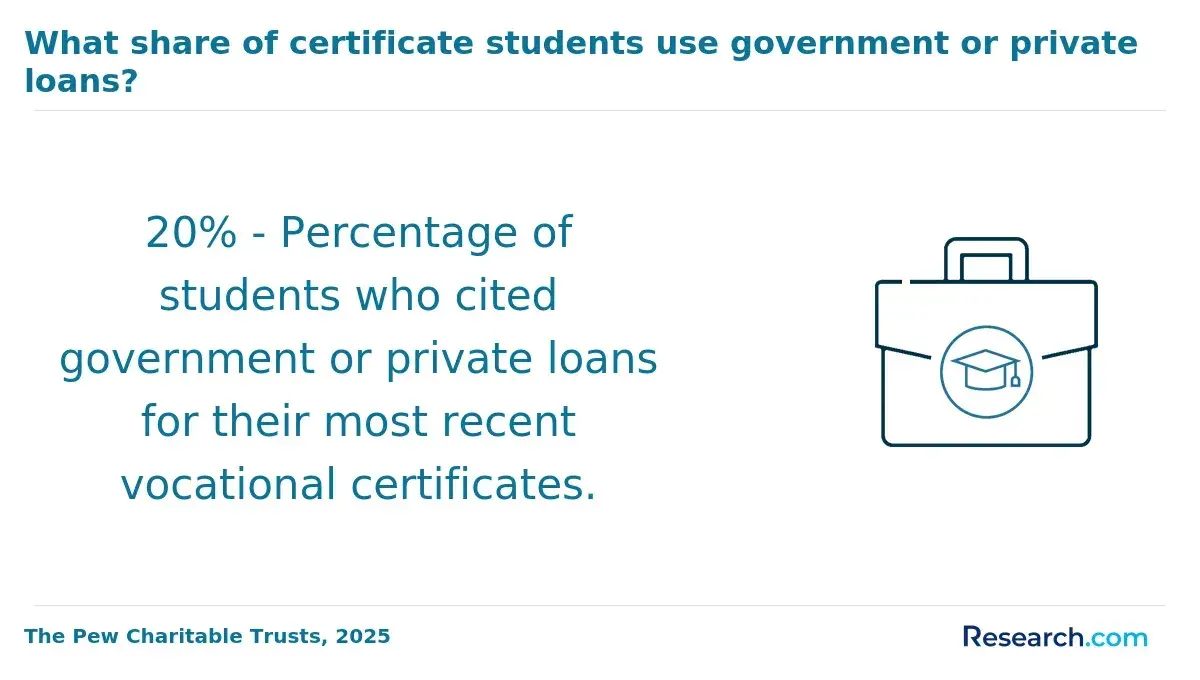
- Federal student aid: Federal loans and grants may be available by completing the FAFSA. Eligibility usually requires U.S. citizenship or eligible non-citizen status, enrollment at least half-time in an accredited program, and maintaining satisfactory academic progress. Federal loans can cover a substantial portion of tuition and fees but must be repaid with interest.
- Scholarships: Nurse practitioner students may qualify for scholarships from universities, professional associations, healthcare organizations, and private foundations. Some awards focus on adult gerontology acute care, leadership, academic merit, service commitments, or underserved populations. These awards often range from $2,500 to $5,000.
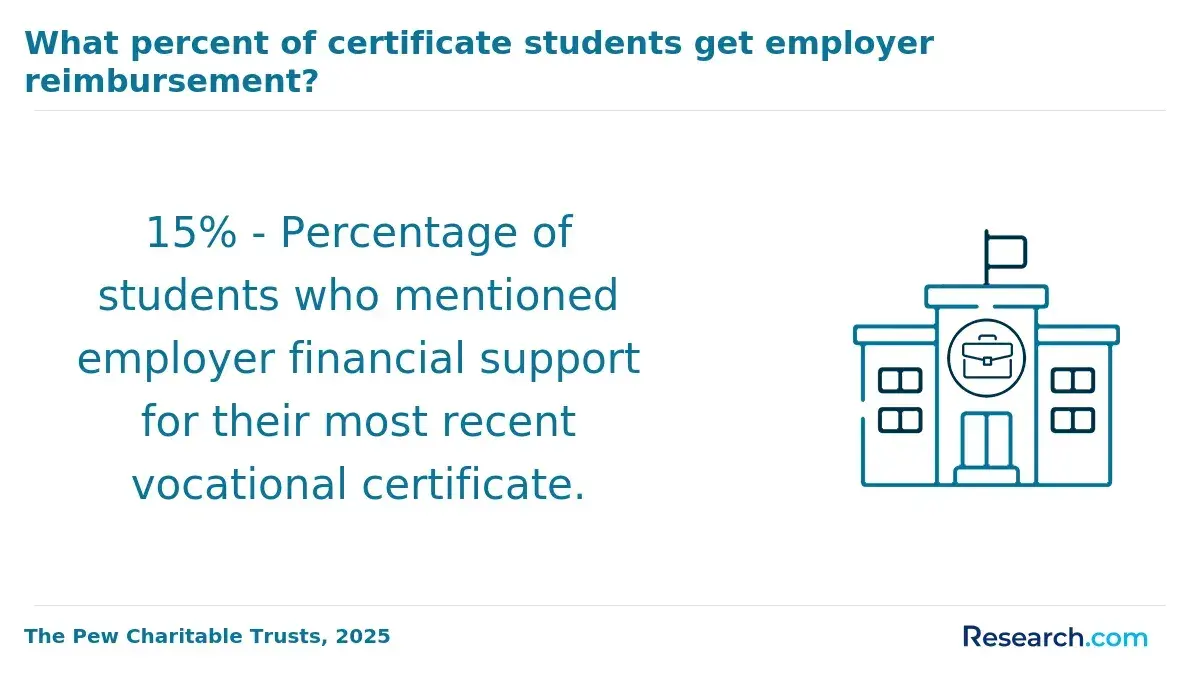
- Employer tuition assistance: Hospitals, health systems, and healthcare employers may offer tuition reimbursement or direct education benefits for nurses pursuing advanced practice roles. Coverage varies and may require continued employment for a set period.
- Payment plans: Some schools allow students to divide tuition across the term instead of paying the full amount upfront. This does not reduce the cost but may help with cash flow.
- Loan forgiveness or service programs: Some nurses may qualify for assistance tied to eligible employers, shortage areas, or public service roles, depending on program rules.
Students should compare aid packages based on net cost, not just the amount offered. Loans increase access but also increase future repayment obligations. Nurses seeking lower-cost programs can also review the best affordable online schools for working students and ask each institution about aid options for working professionals.
Are Online Adult Gerontology Acute Care Nurse Practitioner Program Costs Expected to Increase in the Coming Years?
Online AG-ACNP program costs are expected to rise moderately in the coming years, mainly because of inflation, demand for specialized nursing education, faculty costs, clinical placement support, technology infrastructure, and administrative requirements. However, price changes will vary by institution.
Current tuition fees for online AG-ACNP programs range widely, often between $20,000 and $50,000 in total. Public universities tend to be more affordable, especially for students who qualify for in-state pricing, while private institutions usually charge higher rates. Some programs may also add clinical placement fees, technology fees, or other required charges that affect the real cost.
Online delivery may help keep some expenses competitive because schools can reach students beyond a local campus. At the same time, acute care nurse practitioner education requires high-quality clinical experiences, qualified faculty, and careful compliance oversight, all of which can add cost.
Prospective students can reduce the effect of future increases by requesting a written tuition estimate, asking whether tuition is locked for enrolled cohorts, applying for scholarships early, and checking employer tuition assistance before starting. If a school publishes only per-credit tuition, ask for the total expected program cost under your specific track and enrollment plan.
What Students Say About The Cost of Pursuing Online Adult Gerontology Acute Care Nurse Practitioner Programs
- Devon: "Enrolling in an online Adult Gerontology Acute Care Nurse Practitioner program was a major career decision. The average cost of attendance can be around $30,000, but the online format allowed me to keep working full-time. That flexibility made the investment easier to manage, and I moved into a higher-paying advanced practice role within months of graduation."
- Regina: "The cost was a serious commitment, close to $25,000, so I had to plan carefully before enrolling. What made the program worthwhile was the ability to study around my schedule while building specialized acute care skills. For nurses who are certain they want this scope of practice, the investment can open important career pathways."
- Kaila: "From my perspective, spending approximately $28,000 on the degree was manageable because I used financial aid and scholarships. The curriculum was demanding, but it strengthened my clinical judgment and improved my prospects in acute care settings. The key was understanding the full cost before starting and having a realistic repayment plan."
Other Things You Should Know About Adult Gerontology Acute Care Nurse Practitioner Degree Program Costs
Most online Adult Gerontology Acute Care Nurse Practitioner programs require at least 500 supervised direct patient-care clinical hours, and many require 600 or more. Clinical hours must be completed in approved acute care settings with qualified preceptors, even when the didactic coursework is fully online.
Online Adult Gerontology Acute Care Nurse Practitioner students in 2027 can apply for federal financial aid, scholarships specific to nursing programs, or employer tuition reimbursement. Check with your program for eligibility criteria and application deadlines for these funding options.
References
- AGACNP Programs | Acute Care Nurse Practitioner | Graceland https://www.graceland.edu/programs/msn-agacnp/
- Adult-Gerontology Acute Care Nurse Practitioner – Fitzgerald Health Education Associates https://www.fhea.com/np-certification-exam-review/adult-gerontology-acute-care/
- Online MSN | Adult Gerontology - AC Nurse Practitioner | Rivier University https://www.rivier.edu/academics/all-programs/adult-gerontology-acute-care-nurse-practitioner-online/
- School of Nursing https://www.ohsu.edu/school-of-nursing/acute-care-nurse-practitioner-adult-gerontology
- Online MSN-AGACNP Program | Maryville University https://nursing.maryville.edu/online-programs/master-of-science-in-nursing/agacnp
- The Best Online Acute Care Nurse Practitioner Programs | NurseJournal.org https://nursejournal.org/nurse-practitioner/acute-care/best-online-acute-care-nurse-practitioner-programs/
- Some of the Best Online Nurse Practitioner (NP) Programs for 2025–2026 - Nurse Practitioner Degrees https://npdegrees.org/degrees/best-online-np-programs/
- Adult Gerontology Acute Care Nurse Practitioner Programs https://www.herzing.edu/nursing/agacnp-programs
- Adult Gerontology Acute Care Nurse Practitioner (AG-ACNP) https://nursinglicensemap.com/advanced-practice-nursing/nurse-practitioner/adult-gerontology-acute-care-np/
- Estimated Costs https://www.missouristate.edu/Nursing/AGACNP/estimated-costs.htm