2027 Does an Adult Gerontology Acute Care Nurse Practitioner Degree Require Internships or Clinical Hours?

Co-Founder and Chief Data Scientist
Prospective adult gerontology acute care nurse practitioner students often face uncertainty about mandatory internships or clinical hours, which affects their planning and readiness for demanding healthcare roles. Studies indicate that 85% of accredited programs require substantial clinical hours to ensure hands-on experience in acute care settings, vital for managing complex adult and elderly patient cases.
This rigorous practical training aligns with workforce needs, addressing a 28% projected growth in this specialty through 2030. This article explores the clinical hour requirements in these degree programs, clarifying how they impact curriculum structure, time investment, and effective preparation for clinical practice.
Key Things to Know About Adult Gerontology Acute Care Nurse Practitioner Degree Internships or Clinical Hours
- Adult gerontology acute care nurse practitioner degrees mandate clinical hours, typically 500-700, essential for hands-on experience and national certification eligibility.
- Online programs partner with local facilities, arranging flexible clinical placements, while campus-based programs often provide on-site supervised practice.
- Clinical requirements impact program length and readiness, with comprehensive practical training linked to higher employment rates and faster integration into acute care roles.
Does an Adult Gerontology Acute Care Nurse Practitioner Degree Require Internships or Clinical Hours?
Yes, an adult gerontology acute care nurse practitioner degree typically requires completion of internships or clinical hours as a fundamental part of the curriculum.
These clinical experiences are generally mandatory across accredited programs since they provide essential hands-on training that connects academic knowledge to real patient care. They play a critical role in preparing students to manage complex and acute health issues in adult and elderly patients.
Internships and clinical hour policies for AGACNP programs are designed to meet standards set by regulatory bodies, making these practical experiences crucial for certification and licensure.
Clinical hours usually take place in the later stages of the program after foundational coursework is completed. Students spend supervised time in hospitals, intensive care units, or specialized acute care settings, working closely with experienced practitioners. This exposure develops skills such as diagnostic reasoning, acute patient assessment, and evidence-based intervention.
Prospective students should carefully consider the time commitment and logistics involved, as these requirements can impact the overall program length and scheduling flexibility. Programs often help place students in clinical sites, but it is important to confirm site availability and supervision standards beforehand.
Meanwhile, for those interested in related health fields, researching options such as an online pharmacy school can provide additional career pathways.
Are Internships Paid or Unpaid in Adult Gerontology Acute Care Nurse Practitioner Programs?
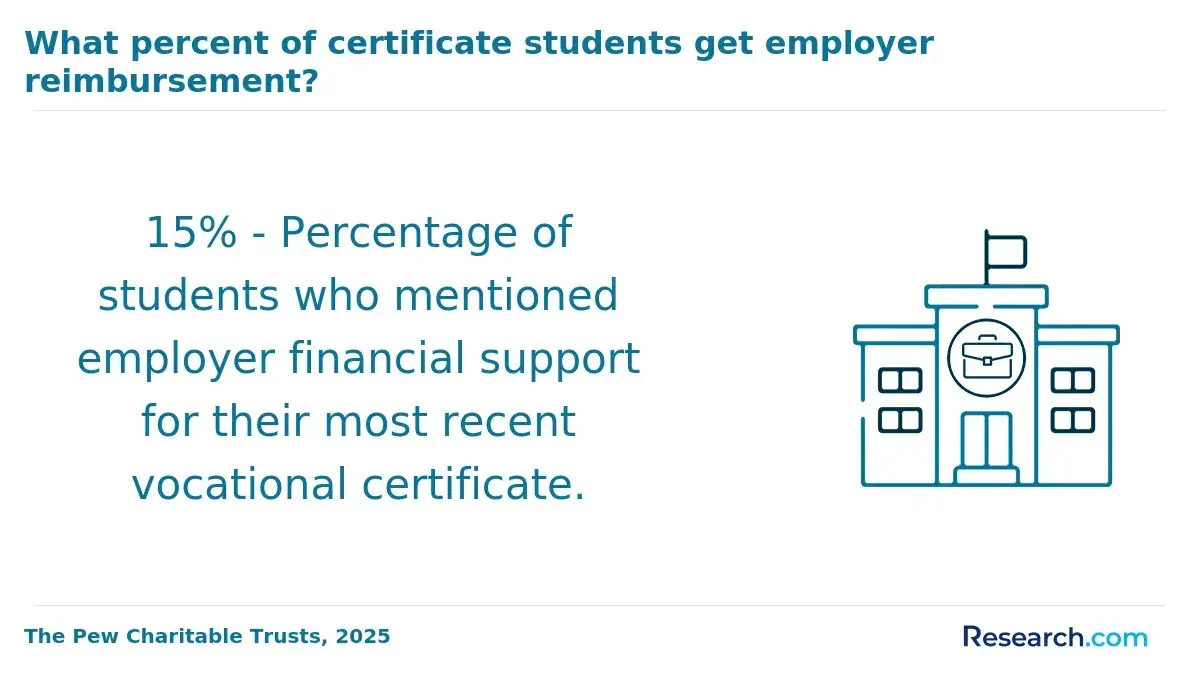
Internships in adult gerontology acute care nurse practitioner programs are typically unpaid. This reflects the educational focus of clinical hours rather than employment, although the specifics can vary by program and setting. Nationwide, about 70% of these nurse practitioner clinical hours remain unpaid.
Key points to understand about paid versus unpaid internships in AGACNP programs include:
- Typical Payment Structures: Most clinical hours serve as integrated educational experiences within the curriculum and do not offer direct financial compensation. This unpaid model supports hands-on training essential to meet adult gerontology acute care nurse practitioner clinical hour requirements.
- Factors Influencing Payment: Whether internships are paid can depend on the institution's funding, state laws, and agreements between schools and clinical sites. Some programs occasionally offer stipends or partner with paid clinical placements, but these are less common.
- Value of Unpaid Internships: Despite lack of pay, unpaid internships often provide important academic credit and foster critical professional networking, both vital for early-career advancement in nursing specialties.
- Financial Considerations: Students should be prepared to cover extra costs during unpaid clinical hours, balancing these with long-term educational and career benefits. Exploring scholarships or support options is advisable.
For those exploring alternative healthcare pathways, pursuing a medical assistant certification may provide a faster route to workforce entry while considering future advanced nursing degrees.
What Is the Difference Between Internships or Clinical Hours in Adult Gerontology Acute Care Nurse Practitioner Degree Levels?
Knowing how clinical hours and internships differ across adult gerontology acute care nurse practitioner degree levels is key for students planning their academic and career paths. These practical experiences vary in scope and supervision, shaping professional readiness and licensure eligibility.
The following overview outlines common expectations by degree level:
- Master's level: Students typically complete 500 to 700 clinical hours focused on foundational acute care skills and honing independent judgment. Supervision is direct but gradually encourages autonomy in patient management, preparing students for acute adult and gerontology care roles.
- Doctor of Nursing Practice (DNP): Clinical hours exceed 1,000 with an emphasis on advanced practice, leadership, and evidence-based care implementation. Supervision is more specialized and indirect, reflecting higher practitioner autonomy and responsibility in complex healthcare settings.
- Internships: Unlike clinical hours, internships may be optional or integrated differently depending on the program. When included, they focus on broader professional development, administrative competencies, or specialty environments, varying widely in duration and emphasis across degree levels.
For students interested in complementary health management training, reputable online medical programs offer flexible options that may enhance professional development. This is ideal for those who aim to become doctors in the long run.
Accelerated adult gerontology acute care nurse practitioner programs tightly integrate clinical hours within an intensive academic schedule. Students typically complete between 500 and 1,000 clinical hours while managing a compressed curriculum designed to meet both educational and licensing standards.
These programs often coordinate clinical placements alongside coursework, requiring students to juggle full-time classes with clinical shifts during evenings, weekends, or block rotations. The demanding structure requires learners to quickly adapt and maintain strong organizational skills to fulfill all requirements within the shortened timeframe.
To help students balance hands-on experience with accelerated studies, programs employ several strategies that ensure readiness for licensure and acute care practice. They partner with a variety of healthcare settings—such as hospitals, outpatient clinics, and specialty units—to provide diverse clinical opportunities.
Supplementing direct patient care with simulation labs helps maximize skill development when clinical access is constrained.
Approximately 30% of nurse practitioner students choose these accelerated paths, reflecting growing interest in faster routes to qualification while preserving rigorous clinical training.
When speaking with a recent graduate from an accelerated adult gerontology acute care nurse practitioner program, he described the process as both exhilarating and overwhelming. "The biggest challenge was the constant shifting between classroom theory and real-world patient care," he shared.
"Sometimes, after a full day of didactic sessions, heading to the hospital for clinical felt exhausting, but it taught me resilience." He recalled how detailed planning and support from faculty were crucial to managing time effectively. "It wasn't just about completing hours; it was about really integrating what I learned into practice under pressure."
This highlights how demanding, yet rewarding, accelerated clinical training can be.
The internship or clinical hour requirements for online and on-campus adult gerontology acute care nurse practitioner programs are generally equivalent. Both formats demand between 500 and 700 supervised clinical hours focused on direct patient care under experienced preceptors.
This ensures students meet professional certification standards and gain competency in managing complex adult health issues. Notably, online enrollment in these programs has grown by nearly 10% annually in recent years, reflecting broader acceptance of remote learning while maintaining rigorous clinical experiences.
While the required clinical hours are similar, there are practical differences in how these hours are completed.
Online students often have more flexibility to choose local clinical sites, helping reduce travel and scheduling challenges. Conversely, on-campus students may benefit from structured access to affiliated hospitals or clinics with on-site supervision.
Coordination between students, clinical sites, and programs is essential in online settings to ensure proper oversight and evaluation, but both formats align with accreditation and certifying body requirements to maintain consistent training quality.

Specialization selection significantly shapes internship and clinical hour requirements in adult gerontology acute care nurse practitioner degree programs.
Different specializations, such as cardiology, pulmonology, or critical care, require distinct clinical experiences tailored to their patient populations. This results in diverse types, settings, and intensities of internships that students must complete.
According to healthcare labor statistics, the demand for adult gerontology acute care nurse practitioners is expected to grow by approximately 32% over the next decade, highlighting the importance of specialized clinical training aligned with workforce needs.
Students choosing different AGACNP specializations will encounter varied clinical hour expectations that reflect the specific skills and environments relevant to their focus.
These differences have practical implications for internship scheduling, workload management, and career readiness. Specializations focusing on acute cardiac or pulmonary care may demand longer or more frequent clinical shifts in intensive care units or specialized diagnostic settings.
Such requirements can increase the complexity of arranging internship hours but enhance hands-on experience directly relevant to future roles. Students must navigate variable workloads depending on their specialization's intensity and clinical demands, which ultimately supports more targeted career preparation.
Prospective students can consult resources like the cheapest FNP programs online as references to compare program structures and clinical expectations.
Work experience can sometimes stand in for required internships in adult gerontology acute care nurse practitioner degree programs, but acceptance varies by institution and accreditation criteria. This option is especially relevant for working nurses seeking to balance employment with their studies.
Programs typically evaluate the professional experience based on its direct relevance to acute care, the duration and depth of clinical responsibilities, and whether the candidate's employer can validate their competencies. In many cases, nurses with extensive hands-on roles in acute care settings may have parts of their internship requirement waived or reduced.
However, most programs still mandate a certain number of supervised clinical hours to comply with certification and licensing guidelines. Work experience is more likely to be credited for mid-career nurses and those pursuing advanced or applied specializations, while newcomers or individuals switching fields are usually required to complete full internships.
Because policies differ widely, prospective students should speak directly with program advisors to clarify if and how their prior experience might be credited in place of internships.
When I spoke with a graduate of an adult gerontology acute care nurse practitioner degree, she shared how her years as a registered nurse in a critical care unit helped her negotiate reduced internship hours. "It was reassuring to have my practical experience recognized, but I still had to complete certain clinical rotations to meet the program's standards," she recalled.
She described the process as challenging but rewarding, emphasizing the importance of clear communication with her program coordinators early on. This approach allowed her to maintain her job while fulfilling educational requirements, ultimately making the transition to her new role smoother and more confident.
Internships or clinical rotations for an adult gerontology acute care nurse practitioner degree usually require between 500 and 700 hours. Completing around 600 clinical hours is linked to better clinical competence and improved job prospects.
Below are common timelines and formats for these clinical experiences:
- Short-Term Rotations: Some programs offer intensive, focused rotations lasting a few months, typically around 500 clinical hours. These are often found in accelerated or hybrid formats, providing flexibility while still meeting accreditation minimums.
- Semester-Long Rotations: Many degree tracks divide clinical hours across multiple semesters, often extending to six months or longer. This approach allows students to rotate through different acute care settings, including critical care and emergency departments, helping build a broad skill set.
- Extended Continuous Placements: Certain programs adopt an integrated design with prolonged clinical experiences lasting close to a full year. This enables immersive learning and greater exposure to complex cases or specialty areas like cardiology or neurology, aligning with student interests and certification requirements.
- Accreditation-Driven Scheduling: Clinical hour requirements are set by bodies such as the American Association of Nurse Practitioners to uphold educational quality and patient safety. Programs tailor rotation lengths to meet these standards, ensuring students complete adequate acute and complex care hours before certification eligibility.
Job placement rates after adult gerontology acute care nurse practitioner degree completion are a primary concern for prospective students due to the advanced skills and adaptability required in acute care settings.
A study found that 72% of nurse practitioner employers prioritized clinical experience in hiring, reflecting the significant impact of internships on employability and career preparation.
The following points highlight key ways internships influence job placement outcomes:
- Employer preferences: Hiring managers often favor graduates who have demonstrated clinical proficiency and professionalism in real healthcare environments. This preference directly affects job placement rates after adult gerontology acute care nurse practitioner degree programs.
- Professional networking: Internships provide valuable opportunities to build relationships with healthcare teams, creating connections that can lead to job referrals or direct employment offers.
- Skill development: Practical experience during internships hones critical skills such as emergency assessment and interdisciplinary collaboration, which classroom-based learning alone cannot fully replicate.
- Conversion to full-time roles: Many internships act as extended evaluations or interviews, with high-performing students often receiving job offers from their internship employers after graduation.
Students looking for affordable options to complete their Adult Gerontology Acute Care Nurse Practitioner degree while gaining necessary clinical experience may find value in exploring the cheapest DNP programs online.
Practical experience often plays a significant role in shaping starting salaries for adult gerontology acute care nurse practitioner graduates. Research shows that candidates with substantial clinical rotations or internships can earn as much as 10% more initially than those lacking this hands-on exposure.
Several key factors contribute to this difference in pay:
- Employer valuation: Hands-on patient care experience is highly prized because it demonstrates a practitioner's ability to apply knowledge effectively in real-world clinical scenarios, increasing employer confidence in their readiness.
- Negotiation leverage: Graduates who have completed robust clinical hours often hold stronger bargaining positions during salary discussions, as practical skills reduce the need for extensive training.
- Industry standards: Many healthcare organizations prioritize applicants with prior hands-on exposure, valuing their capacity to contribute immediately without prolonged orientation periods.
- Program-specific differences: Variations in educational programs, such as those with more intensive clinical requirements, can produce graduates who are better prepared, leading to higher salary offers, especially in acute care settings.
Experience impacts compensation differently depending on the nurse practitioner's specialty within adult gerontology, the structure of their educational program, and the clinical environment they enter. Acute care roles, in particular, often demand advanced clinical competencies, where prior practical training becomes vital in salary negotiations.
What Graduates Say About Their Adult Gerontology Acute Care Nurse Practitioner Degree Internships or Clinical Hours
- Bonnie: "Completing my internship for the adult gerontology acute care nurse practitioner degree program online was an enriching experience that truly cemented my clinical skills. The cost was reasonable, considering this practical component often ranges from $3,000 to $5,000, and it was a crucial investment in my professional growth. Thanks to this internship, I've gained confidence in handling complex cases and have been able to advance my career significantly. "
- Michael: "Reflecting on my internship as part of the adult gerontology acute care nurse practitioner program, I found the balance of convenience and hands-on learning invaluable. Even though the internship added to the overall cost, which can be a financial challenge, it provided real-world exposure that no online coursework alone could offer. This practical experience opened doors in my job search and solidified my decision to pursue this specialty. "
- Jean: "From a professional standpoint, the internship requirement of the adult gerontology acute care nurse practitioner degree program was indispensable. The additional expense, typically several thousand dollars, was justified by the intensive clinical experiences that prepared me thoroughly for advanced practice roles. This phase of training was pivotal in transitioning from theory to practice and has had a lasting impact on my clinical decision-making. "
Other Things You Should Know About Adult Gerontology Acute Care Nurse Practitioner Degrees
Adult gerontology acute care nurse practitioner programs are typically accredited by the Commission on Collegiate Nursing Education or the Accreditation Commission for Education in Nursing. Accreditation matters because state boards and national certification agencies often require graduation from an accredited program before licensure or certification.
Yes, in most U.S. states, adult gerontology acute care nurse practitioners are authorized to prescribe medications, including controlled substances, once they have obtained the necessary state licenses and collaborative agreements if required. Prescriptive authority is contingent on state laws and the scope of practice regulations that govern nurse practitioners in each jurisdiction.
Yes, in 2027, an Adult Gerontology Acute Care Nurse Practitioner (AG-ACNP) degree requires clinical hours as part of the curriculum. These programs typically include a significant portion of hands-on clinical practice to ensure that students gain the necessary experience to provide acute care to adults and older patients.
- Course Plan https://www.barry.edu/en/academics/health-sciences/nurse-practitioner-msn-adult-gerontology-acute-care/course-plan
- School of Nursing https://www.ohsu.edu/school-of-nursing/acute-care-nurse-practitioner-adult-gerontology
- Adult-Gerontology Acute Care Nurse Practitioner Online Program https://www.chamberlain.edu/academics/nursing-school/adult-gerontology-acute-care-nurse-practitioner-online-program
- Adult-Gerontology Acute Care https://www.nursing.emory.edu/program-details/adult-gerontology-acute-care
- How to Become a Community Health Nurse https://www.allnursingschools.com/specialties/adult-gerontology-nurse-practitioner/
- Acute Care Nurse Practitioner (AGACNP) Programs | Widener University https://www.widener.edu/academics/graduate-studies/acute-care-nurse-practitioner-programs
- MSN Track: Adult-Gerontology Acute Care Nurse Practitioner Course Requirements | Ursuline - Liberal Arts College in OH https://www.ursuline.edu/academics/programs/msn-track-adult-gerontology-acute-care-nurse-practitioner/course-requirements
- Interview with Michelle Edwards, MS, AGACNP-BC, CCRN – Adult-Gerontology Acute Care Nurse Practitioner https://www.onlinefnpprograms.com/career-interviews/michelle-edwards-adult-gerontology-acute-care-nurse-practitioner/
- Adult-Gerontology Acute Care Nurse Practitioners https://www.moravian.edu/nursing/adult-gerontology-acute-care-nurse-practitioners
- Are You Considering a Career as an Adult-Gerontology Acute Care Nurse Practitioner? https://www.aanp.org/news-feed/are-you-considering-a-career-as-an-acute-care-nurse-practitioner