
2027 How to Become a Medical Biller & Coder in Minnesota

Co-Founder and Chief Data Scientist
Choosing a medical billing and coding career in Minnesota means deciding whether a short training path can lead to stable healthcare work without becoming a clinician. The field matters because hospitals, clinics, insurers, and health systems depend on accurate codes and clean claims to keep patient records organized and reimbursement moving. The US Bureau of Labor Statistics projects a 9% increase in medical records specialist roles nationwide from 2023 to 2033, and Minnesota has around 3,250 professionals currently employed in health information fields. The state’s average annual wage is $60,240, which is above the national median. This guide explains the education, certification, cost, salary, employers, career options, and practical questions you should review before entering medical billing and coding in Minnesota.
Quick Answer: How do you become a medical biller and coder in Minnesota?
To become a medical biller and coder in Minnesota, you typically complete a medical billing and coding certificate or associate degree, learn ICD-10, CPT, HCPCS, medical terminology, insurance claims, and health information rules, then consider earning a recognized certification such as the CPC, CCS, or CBCS. Minnesota does not require a state license for this work, but many employers prefer candidates who have formal training, certification preparation, and practical experience with electronic health records and billing software.
| Decision point | What to know in Minnesota |
| Minimum education commonly expected | A postsecondary certificate or associate degree is often preferred by employers. |
| State license | Minnesota does not enforce a state-specific license for medical billers and coders. |
| Common certifications | CPC, CCS, and CBCS are widely recognized options. |
| Average annual wage | $60,240 in Minnesota, according to cited wage data. |
| Career outlook | Medical records specialist employment is projected to grow by 9% from 2023 to 2033. |
| Best fit | People who are detail-oriented, comfortable with rules and software, and interested in healthcare without direct patient care. |
Key Things to Know About Becoming a Medical Biller & Coder in Minnesota
- Healthcare organizations in Minnesota continue to need trained billing and coding staff as care delivery expands and electronic documentation becomes more complex; statewide opportunities are projected to increase by 8%-10% in coming years.
- Medical billers in Minnesota may see annual pay ranging from about $35,080 to $77,810, with stronger opportunities often concentrated around Minneapolis, St. Paul, and other healthcare hubs.
- Programs at institutions such as the University of Minnesota Duluth, Hennepin Technical College, community colleges, and technical colleges can help students build coding knowledge, prepare for certification, and understand healthcare billing workflows.
- Education requirements for medical billing and coding in Minnesota
- Certification requirements and employer expectations
- How to prepare for a billing and coding certification exam
- Financial aid options for Minnesota students
- Reasons to choose this career path in Minnesota
- Technology trends affecting medical billing and coding
- Major employers hiring medical billers and coders
- Salary expectations in Minnesota
- Job outlook for medical billing and coding
- Workplace challenges to understand before enrolling
- Alternative career paths using billing and coding skills
- How billing and coding compares with other healthcare careers
- Questions to ask before choosing a program
- Common mistakes to avoid
- Moving from billing and coding into a clinical role
- Complementary healthcare certifications to consider
- Legal and ethical responsibilities
- Continuing education and advanced credentials
What are the education requirements for Medical Billing & Coding in Minnesota?
Minnesota does not require a state license to work as a medical biller or coder, but that does not mean employers hire without training. Most healthcare organizations want applicants who understand medical language, coding systems, claim forms, payer rules, electronic health records, and patient privacy requirements. For many students, the practical entry points are a certificate program or an associate degree.
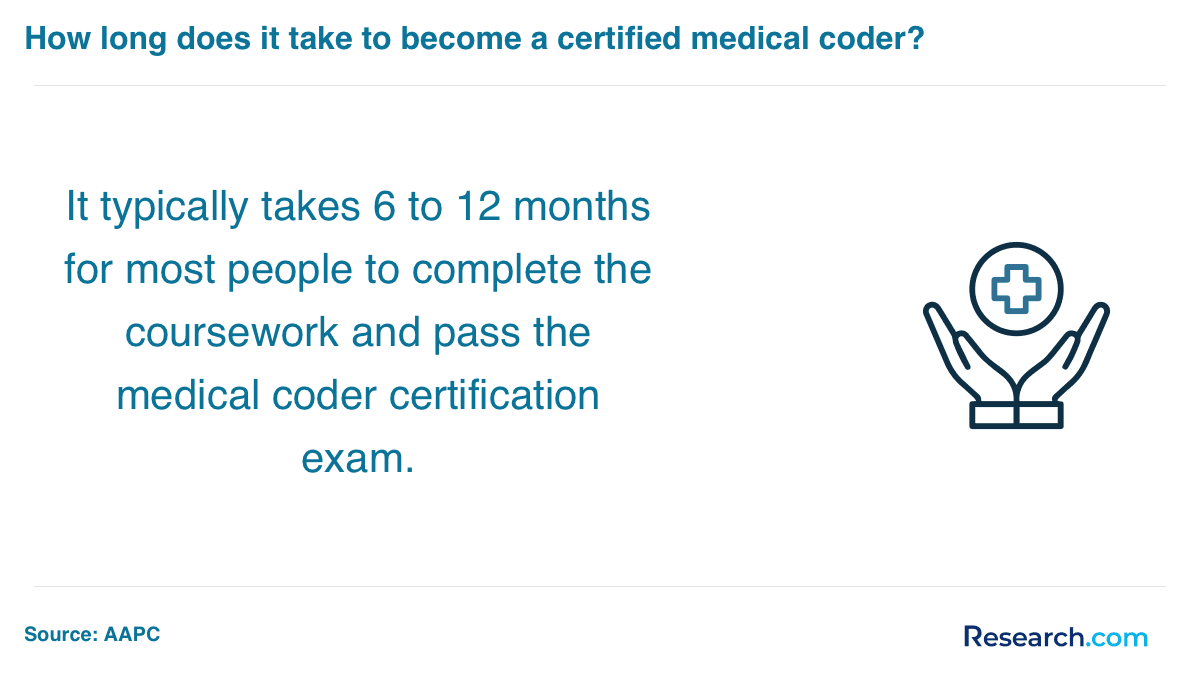
A certificate is usually the faster option. For example, programs such as those at Minnesota State Community and Technical College can be completed in about one year and are designed to focus directly on billing and coding skills. An associate degree, such as the pathway offered at North Hennepin Community College, typically takes roughly two years and adds broader coursework in healthcare administration, office procedures, and general education.
| Education option | Typical timeline | Best for | Trade-offs |
| Medical billing and coding certificate | About one year | Students who want focused training and a faster entry into administrative healthcare work. | May offer less broad preparation for supervisory or health information roles than a degree. |
| Associate degree | Roughly two years | Students who want coding skills plus broader healthcare administration knowledge. | Takes longer and can cost more, but may support future advancement or transfer plans. |
| Employer training after related experience | Varies | People already working in healthcare offices, patient access, claims, or records support. | May not be enough for employers that require formal education or certification preparation. |
Coursework usually covers medical terminology, anatomy basics, reimbursement methods, insurance procedures, claim review, compliance, and coding systems such as ICD-10, CPT, and HCPCS. Many Minnesota programs also include preparation for exams from organizations such as the American Academy of Professional Coders (AAPC) or the American Health Information Management Association (AHIMA). Dakota County Technical College and similar institutions often build certification preparation into their training models.
- Choose a certificate if your priority is a shorter, job-focused route into healthcare administration.
- Choose an associate degree if you want a broader academic foundation and more room for advancement.
- Look for programs that include coding practice, claim scenarios, EHR exposure, and certification exam preparation.
The main education decision is not simply “certificate or degree.” It is whether the program gives you enough supervised practice to code accurately, correct errors, understand payer expectations, and sit for the credential that matches your target job setting.
Do you need certification to work as a Medical Biller & Coder in Minnesota?
Certification is not legally required in Minnesota, but it can make a meaningful difference in the hiring process. A recognized credential signals that you understand coding standards, documentation rules, and the professional expectations of healthcare revenue cycle work. For entry-level applicants with limited experience, certification can help offset a shorter work history.
| Certification | Issuing organization | Primary focus | When it may make sense |
| Certified Professional Coder (CPC) | American Academy of Professional Coders (AAPC) | Outpatient and physician-based coding | A strong option for people targeting clinics, physician practices, outpatient departments, or professional-fee coding roles. |
| Certified Coding Specialist (CCS) | American Health Information Management Association (AHIMA) | More complex coding, including inpatient coding expectations | Useful for candidates who want to work in hospitals or larger health systems where documentation complexity is higher. |
| Certified Billing and Coding Specialist (CBCS) | National Healthcareer Association (NHA) | Billing and coding fundamentals | Appropriate for some entry-level roles that combine claim preparation, coding support, and front-office revenue cycle tasks. |
Each certification route requires exam preparation. Exams generally assess coding systems such as ICD-10 and CPT, as well as billing rules, documentation review, medical terminology, and compliance concepts. Requirements can vary by organization, so students should verify current eligibility rules directly with the certifying body before paying for an exam or prep course.
Certification is most valuable when it matches the job you want. Someone aiming for outpatient coding may benefit more from the CPC, while someone interested in hospital coding may prefer the CCS. If you are unsure, review Minnesota job postings and note which credential appears most often for the positions you want.
How can aspiring Medical Billers & Coders in Minnesota prepare for certification?
Certification preparation should begin before graduation, not after. Students who wait until the end of a program often underestimate the amount of memorization, code-book navigation, and timed practice needed to pass a credentialing exam.
- Choose the right exam for your goal. Compare CPC, CCS, and CBCS requirements. Match the exam to the setting where you want to work: physician office, outpatient department, hospital, claims office, or mixed administrative role.
- Build a study schedule around coding systems. Set aside separate review blocks for ICD-10, CPT, HCPCS, medical terminology, anatomy, payer rules, modifiers, and documentation standards.
- Use official and reputable study materials. Textbooks, code manuals, online review tools, and AAPC study materials can help reinforce classroom learning.
- Practice with timed exams. Mock tests help you identify weak areas and get used to the pace of certification testing.
- Join peer or professional study groups. Local review opportunities, including those connected with groups such as the Minnesota Health Information Management Association (MHIMA), can help students learn from working professionals.
- Track coding updates. Coding guidelines change, so make a habit of checking official sources and professional organizations.
It is also wise to understand the daily realities of the job before investing in certification. Reviewing the advantages and drawbacks of medical billing and coding careers can help you decide whether the work style fits your strengths.
A strong preparation plan combines exam study with hands-on coding practice. Reading definitions is not enough; you need repeated exposure to realistic patient documentation, coding scenarios, claim errors, and payer requirements.
Are there financial aid programs for Medical Billers & Coders in Minnesota?
Students preparing for medical billing and coding in Minnesota may be able to reduce costs through state grants, workforce scholarships, school-based awards, and community funding. Availability, eligibility, deadlines, and award amounts can change, so students should confirm details with the school financial aid office and the organization offering the funds.
| Financial aid option | Amount listed | Who should investigate it |
| Minnesota State Grant | Up to $2,000 per academic year | Eligible low-income students pursuing postsecondary education, including healthcare training. |
| Workforce Development Scholarships | Up to $5,000 | Students entering high-demand fields such as healthcare, especially applicants from underrepresented and low-income backgrounds. |
| Minnesota Health Care Education-Clinical Training Grant | Up to $4,000 | Students preparing for healthcare careers that include training or clinical experience components. |
| University-Specific Scholarships | Varies | Students applying to colleges such as North Hennepin Community College and Minnesota State University, Mankato. |
| Local Community Organizations | Typically $500 to $2,000 | Students seeking healthcare-related scholarships from organizations such as the Minnesota Medical Association. |
When comparing costs, do not look only at tuition. Ask whether books, code manuals, exam fees, background checks, technology fees, and certification prep materials are included. Students comparing online and campus options can also review accredited medical billing and coding programs to understand how accreditation and program structure affect training quality.
Before borrowing, calculate the total program cost against realistic starting pay in your area. A shorter program may not always be the cheapest if it excludes certification materials or offers limited job support.
Why Become a Medical Biller & Coder in Minnesota?
Medical billing and coding can be a practical healthcare career for Minnesotans who want meaningful work in the medical system without direct clinical duties. The role supports patient care indirectly by turning documentation into accurate codes, clean claims, and reliable health records. That work affects reimbursement, compliance, reporting, and the patient billing experience.
- Healthcare stability. Minnesota’s healthcare infrastructure creates ongoing administrative demand across hospitals, clinics, specialty practices, insurers, and revenue cycle departments.
- Shorter training route. Compared with many licensed clinical roles, billing and coding can often be entered through a certificate or associate degree pathway.
- Remote and hybrid potential. Some positions allow remote work after training and performance expectations are met, although entry-level workers may still need on-site experience.
- Clear advancement options. Experienced coders can move into auditing, compliance, health information, revenue cycle management, training, or supervisory roles.
- Transferable healthcare knowledge. Understanding documentation, payer rules, and records systems can support future movement into adjacent administrative or clinical pathways.
This career is not ideal for everyone. It requires patience, concentration, comfort with rules, and a willingness to keep learning as codes and payer requirements change. If you dislike detailed documentation, strict deadlines, or repetitive computer-based work, another healthcare path may be a better fit.
What are the top employers for Medical Billers & Coders in Minnesota?
Minnesota medical billers and coders can find opportunities in large health systems, hospitals, outpatient clinics, specialty practices, insurers, and third-party billing companies. Larger employers often provide structured training, specialized teams, and clearer advancement ladders, while smaller clinics may offer broader responsibilities across billing, coding, scheduling, and patient accounts.
Mayo Clinic
Mayo Clinic is a major nonprofit medical center with extensive clinical operations and research activity. Because of its scale, accurate documentation, coding, claim review, and records management are essential to keeping patient services and reimbursement processes organized.
Allina Health
Allina Health operates a broad network of hospitals and clinics across Minnesota. Its size creates opportunities for billing and coding professionals who can work with complex claims, multiple service lines, and established healthcare information systems.
HealthPartners
HealthPartners combines care delivery and health insurance functions, making it relevant for professionals interested in both provider-side and payer-side revenue cycle work. Its integrated model can appeal to coders and billers who want exposure to operational efficiency and technology-driven healthcare administration.
North Memorial Health
North Memorial Health includes hospitals, urgent care facilities, and other care settings. Billing and coding staff help support accurate claims, timely payment processes, and organized records across a growing patient base.
| Employer type | Common billing and coding work | Best fit for |
| Hospitals and health systems | Facility coding, inpatient or outpatient records, audits, complex documentation review. | Coders who want specialization and advancement opportunities. |
| Clinics and physician practices | Professional-fee coding, claim submission, denials, patient billing support. | People who prefer varied daily duties and closer contact with office teams. |
| Insurance companies | Claims review, reimbursement analysis, policy interpretation, payment accuracy. | Professionals interested in payer rules and claim adjudication. |
| Remote billing vendors | Coding queues, claim edits, denial management, documentation follow-up. | Experienced workers who can meet productivity and accuracy standards independently. |
What is the impact of technology on medical billing and coding in Minnesota?
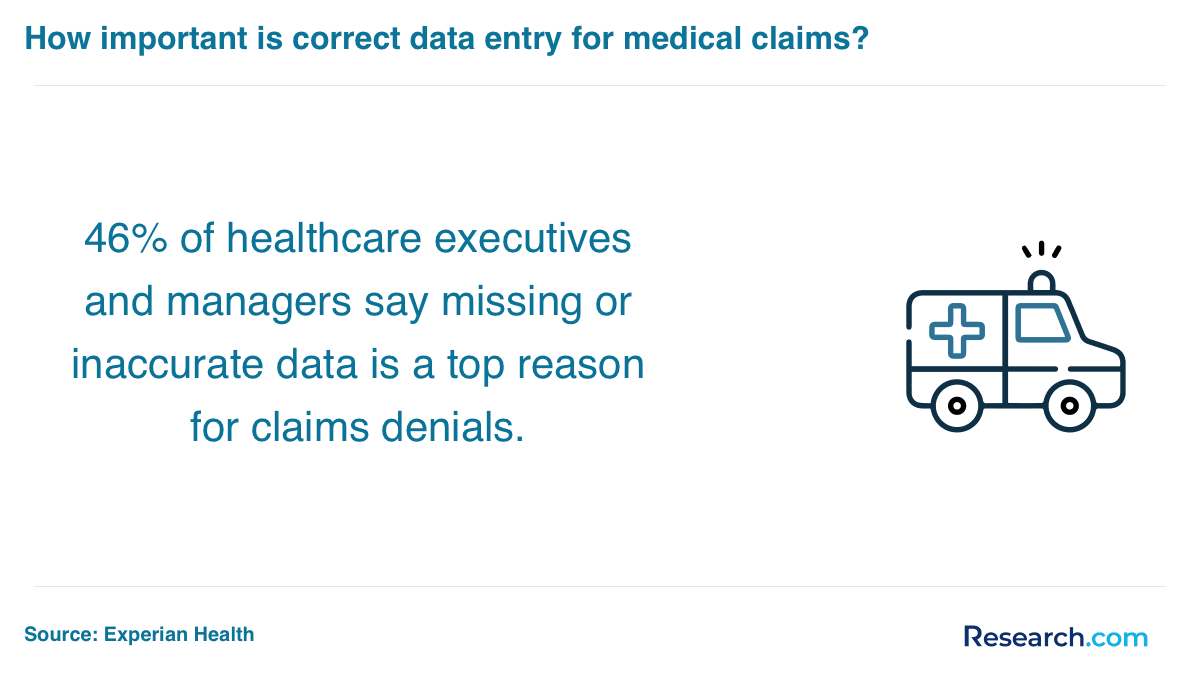
Technology is changing medical billing and coding by increasing automation while raising expectations for accuracy and technical fluency. Minnesota employers increasingly rely on electronic health records, billing platforms, coding tools, claim-scrubbing systems, and analytics dashboards. These tools can reduce manual entry and flag potential errors, but they do not eliminate the need for trained professionals who can interpret documentation and apply coding rules correctly.
Automation is best understood as a support tool, not a replacement for judgment. Software may suggest codes or identify inconsistencies, but coders still need to verify whether the provider documentation supports the selected code. Incorrect assumptions can lead to claim denials, compliance issues, or inaccurate records.
- EHR fluency matters. Employers may expect new hires to navigate patient charts, encounter notes, orders, and billing screens efficiently.
- Data accuracy is increasingly visible. Coding affects reimbursement, quality reporting, audits, and operational decision-making.
- Continuous learning is part of the job. Professionals must keep up with software changes, payer edits, and coding guideline updates.
- Technology can support remote work. Secure systems make remote coding possible, but employers still expect productivity, accuracy, and compliance.
Students who want a more hands-on healthcare role while staying close to administrative systems may also compare billing and coding with medical assistant certification options in Minnesota.
How much do Medical Billers & Coders earn in Minnesota?
According to the US Bureau of Labor Statistics data cited for this guide, the average annual salary for medical billing and coding specialists in Minnesota is approximately $60,240. Reported earnings can vary widely, and medical billers may earn about $35,080 to $77,810 annually depending on experience, setting, geography, certification, and job responsibilities.
| Salary factor | How it can affect earnings |
| Experience level | Entry-level positions may start around $40,000, while professionals with several years of experience can earn up to $65,000 or more. |
| Certification | Credentials such as the CPC or CCS can improve competitiveness and may support higher-paying opportunities. |
| Location | Urban areas, including Minneapolis-St. Paul, often have more healthcare employers and may offer higher compensation than some rural markets. |
| Work setting | Hospitals and large systems may pay differently than small clinics, outpatient offices, or third-party billing companies. |
| Specialization | Advanced coding, auditing, compliance, and revenue cycle roles can require deeper expertise and may offer stronger advancement potential. |
Students should treat salary figures as planning benchmarks, not guarantees. Job title, credential, employer budget, productivity expectations, and local hiring conditions all matter. For more detail on compensation variables, review this guide to medical billing and coding salary and requirements.
What is the job outlook for Medical Billing & Coding in Minnesota?
The job outlook for medical billing and coding in Minnesota is tied to healthcare utilization, electronic health records, insurance complexity, and the need for accurate claims. According to the Minnesota Department of Employment and Economic Development, employment for medical records specialists, a category that includes roles related to medical billing and coding, is projected to grow by 9% from 2023 to 2033.
Demand is supported by several practical factors:
- Hospitals and clinics need accurate records and coding to support care delivery and reimbursement.
- Insurance companies rely on claims professionals who understand coding, billing rules, and payment review.
- Remote and hybrid roles can expand opportunities for experienced coders who meet accuracy and productivity standards.
- Healthcare systems need staff who can reduce denials, correct documentation gaps, and support compliance.
Students who need lower-cost or flexible training options may want to compare online medical billing and coding programs with financial aid before choosing a school.
What are the challenges for Medical Billers & Coders in Minnesota?
Medical billing and coding is often marketed as a convenient healthcare career, but the work can be demanding. The pressure comes from accuracy expectations, productivity targets, changing rules, and the financial consequences of claim errors.
| Challenge | Why it matters | How to prepare |
| Staff shortages | Some teams, especially in rural areas, may have heavier workloads and tighter turnaround times. | Build strong time-management habits and ask employers about productivity expectations before accepting a role. |
| Changing regulations and codes | Guideline updates require ongoing study and can affect claim accuracy. | Join professional associations, attend workshops, and schedule regular continuing education. |
| Claim denials | Small coding or documentation errors can delay payment and require rework. | Practice denial analysis, modifier use, documentation review, and payer-specific rules. |
| Technology learning curves | EHR and billing software can vary by employer and change over time. | Choose programs with hands-on software exposure and stay comfortable learning new systems. |
| Compliance pressure | Patient data and billing accuracy are tied to legal and ethical responsibilities. | Study HIPAA, internal audit processes, and ethical coding standards. |
The best way to handle these challenges is to enter the field with realistic expectations. A good program should teach more than code lookup; it should prepare students for deadlines, documentation gaps, payer rules, audits, and communication with clinical or administrative teams.
What alternative career paths can Medical Billers & Coders in Minnesota pursue?
Billing and coding skills can transfer into several healthcare administration and health information roles. These alternatives may require additional education, experience, or certification, but they can be logical next steps for professionals who want broader responsibility.
| Career path | How billing and coding experience helps | Average salary listed |
| Health Information Technician | Experience with patient records, coding accuracy, privacy, and documentation supports a move into broader health information work. | Around $85,760 per year in Minnesota. |
| Medical Office Administrator | Billing knowledge helps with scheduling, patient accounts, claims, office workflow, and administrative oversight. | Approximately $43,538 annually in Minnesota. |
| Patient Advocate | Understanding billing, insurance language, and medical terminology can help explain care and coverage issues to patients. | About $40,160 per year. |
| Healthcare Compliance Specialist | Coding accuracy, documentation review, and policy awareness can support work in audits, risk management, and compliance monitoring. | Around $86,299 per year in Minnesota. |
If you are comparing pay across roles or planning a long-term move from billing into administration, this overview of how much medical billing and coding professionals make can help you frame your next step.
How does medical billing & coding compare to other healthcare careers in Minnesota?
Medical billing and coding is one of the more accessible healthcare career paths because it is non-clinical and generally requires less training than licensed roles such as nursing, pharmacy, or advanced practice care. That accessibility is a major advantage, but it also means the role has different limits. Billing and coding does not involve diagnosing, treating, or directly caring for patients, and advancement may require certification, experience, or further education.
| Career path | Training intensity | Patient care level | Best for |
| Medical billing and coding | Often certificate or associate degree preparation | Mostly non-clinical | Detail-oriented people who want healthcare work focused on records, claims, and reimbursement. |
| Medical assisting | Career training program, often with administrative and clinical components | Some direct patient interaction | People who want a mix of front-office and basic clinical tasks. |
| Nursing | Formal nursing education and licensure | Direct patient care | People seeking hands-on clinical responsibility and patient care duties. |
| Pharmacy | Longer education and licensing pathway | Medication-focused patient care and safety | Students prepared for an extensive professional route; reviewing how long it takes to become a pharmacist in Minnesota shows how different this commitment can be. |
Billing and coding makes sense if you want to enter healthcare relatively quickly, prefer computer-based work, and enjoy rules-based problem solving. If you want hands-on care, clinical decision-making, or bedside patient interaction, compare this path with nursing, medical assisting, or other licensed healthcare programs.
What questions should you ask before choosing a medical billing and coding program in Minnesota?
Before enrolling, ask specific questions that reveal whether the program is affordable, credible, and aligned with your career goals. A short program can be useful, but only if it prepares you for real employer expectations.
- Is the school properly accredited, and does that accreditation support financial aid eligibility?
- Which certification exams does the program prepare students for: CPC, CCS, CBCS, or another credential?
- Are certification exam fees, code books, software access, and study materials included in tuition?
- Does the program include practice with ICD-10, CPT, HCPCS, EHR systems, and claim scenarios?
- Are courses offered online, on campus, or in a hybrid format?
- What career services are available for resume writing, interview preparation, and job placement?
- Does the program report completion rates, certification exam outcomes, or employer partnerships?
- Can prior college credits transfer into the program?
- Will the schedule work with your job, family responsibilities, and study time?
Do not rely only on marketing claims or rankings. Ask for written details about cost, curriculum, certification preparation, and student support before committing.
What common mistakes should Minnesota students avoid?
Many students choose billing and coding because the path looks straightforward. The biggest problems usually come from skipping due diligence before enrolling or assuming that a certificate alone guarantees employment.
| Common mistake | Why it can hurt you | Better approach |
| Choosing a program without checking accreditation | It may affect financial aid, transfer options, and employer confidence. | Verify accreditation through official school and accreditor sources. |
| Comparing schools by tuition only | Low tuition may not include books, code manuals, exam fees, or software access. | Calculate the full cost of attendance and certification preparation. |
| Assuming online always means easier | Online coding programs still require memorization, timed practice, and independent study. | Choose online only if you can maintain a disciplined schedule. |
| Picking the wrong certification | A credential that does not match your target role may provide less hiring value. | Review local job postings and identify which certifications employers request. |
| Ignoring technology skills | Employers expect comfort with EHRs, billing platforms, spreadsheets, and secure records systems. | Seek training that includes realistic software and claims workflows. |
| Expecting salary outcomes to be guaranteed | Pay depends on location, experience, employer type, and certification. | Use salary data as a benchmark and compare current postings in your region. |
What are the legal and ethical responsibilities for Medical Billers & Coders in Minnesota?
Medical billers and coders work with sensitive patient information and financial records, so legal and ethical responsibility is central to the job. In Minnesota, professionals must follow federal privacy rules such as HIPAA, apply codes honestly, protect patient data, and avoid billing practices that exaggerate services or misrepresent documentation.
- Patient confidentiality: Access only the records needed for your job and protect health information from unauthorized disclosure.
- Accurate coding: Codes must reflect provider documentation, not assumptions or pressure to increase reimbursement.
- Compliance awareness: Coding guidelines, payer rules, and internal policies must be followed consistently.
- Audit readiness: Documentation should support the claim in case of review, denial, or investigation.
- Ethical communication: When documentation is unclear, coders should query appropriately rather than guess.
Professionals considering a broader healthcare education path can also compare administrative work with clinical training options such as top nursing schools in Minnesota.
What Medical Billers & Coders in Minnesota Say About Their Careers
-
: "
“Medical billing and coding in Minnesota gave me a way to grow professionally while contributing to healthcare behind the scenes. Local training helped me build confidence and maintain a healthier work-life balance.” – Corrine
"
-
: "
“The work is detailed and challenging, but Minnesota’s healthcare environment keeps me learning. Every update to a system, rule, or payer process pushes me to sharpen my skills.” – Emilia
"
-
: "
“This career has given me stability and a clear path forward. I like knowing that careful coding and billing support patient care, even when I am not working at the bedside.” – Leander
"
Could Transitioning to a Clinical Role Enhance Your Career as a Medical Biller & Coder in Minnesota?
Moving from billing and coding into a clinical role can make sense if you want more direct patient interaction, broader responsibility, or a long-term healthcare career beyond administrative work. Your background in terminology, documentation, insurance, and compliance can be helpful, but clinical roles usually require separate education, supervised experience, and licensure or certification.
This route is best for professionals who have worked in billing or coding and discovered that they want to be closer to patient care. It is not a shortcut; it is a career change that builds on your healthcare knowledge. If advanced clinical practice is your goal, review the education and credentialing steps for becoming a nurse practitioner in Minnesota.
Can Complementary Healthcare Certifications Broaden Your Professional Skillset?
Complementary credentials can help billing and coding professionals understand the broader healthcare system, collaborate with clinical teams, or move into specialized administrative roles. The right add-on depends on your target job. For example, compliance training may support audit work, while clinical support credentials may help if you want a more patient-facing position.
Before adding a credential, ask whether it supports a clear job goal. More certificates do not automatically lead to better employment outcomes if they are unrelated to your desired role. If you are exploring interdisciplinary healthcare paths, you may also review the steps for becoming a registered dietician in Minnesota.
Related Articles for Nearby States
- 2027 How to Become a Medical Biller & Coder in Wisconsin
- 2027 How to Become a Medical Biller & Coder in Iowa
- 2027 How to Become a Medical Biller & Coder in North Dakota
- 2027 How to Become a Medical Biller & Coder in South Dakota
- 2027 How to Become a Medical Biller & Coder in Nebraska
- 2027 How to Become a Medical Biller & Coder in Illinois
- 2027 How to Become a Medical Biller & Coder in Missouri
- 2027 How to Become a Medical Biller & Coder in Michigan
- 2027 How to Become a Medical Biller & Coder in Kansas
- 2027 How to Become a Medical Biller & Coder in Indiana
How Can Continuing Education and Further Certifications Boost Your Career?
Continuing education is essential in medical billing and coding because codes, payer policies, compliance expectations, and software systems change. Professionals who keep learning are better positioned for auditing, specialty coding, compliance, trainer, revenue cycle, or supervisory roles.
- Maintain certification requirements through approved continuing education when required by the credentialing organization.
- Track annual coding guideline updates and payer-specific changes.
- Develop software skills in EHR platforms, billing systems, spreadsheets, and reporting tools.
- Build expertise in a specialty area such as outpatient coding, inpatient coding, denial management, or compliance.
- Network through professional associations, employer training, workshops, and industry events.
If you are considering a more clinical long-term path, compare administrative advancement with licensure-based options such as getting a nursing license in Minnesota.
Key Insights
- Medical billing and coding in Minnesota is a non-clinical healthcare path that usually begins with a certificate or associate degree, not a state license.
- Certification is optional legally, but CPC, CCS, or CBCS credentials can improve credibility and help align your training with employer expectations.
- The cited average annual wage in Minnesota is $60,240, but actual pay depends on experience, certification, employer type, location, and specialization.
- Employment for medical records specialists is projected to grow by 9% from 2023 to 2033, supporting a generally positive outlook for trained candidates.
- The best programs teach more than code definitions; they include hands-on practice with ICD-10, CPT, HCPCS, EHR systems, claim errors, and compliance.
- Technology is changing the field, but automation increases the need for careful review rather than eliminating the need for trained coders.
- Before enrolling, verify accreditation, total cost, certification preparation, financial aid options, and job support services.
- This career is best for detail-oriented students who like healthcare, rules, records, and computer-based problem solving. Students who want direct patient care should compare clinical pathways before committing.
References
- Bureau of Labor Statistics. (n.d.). Medical records and health information technicians. bls.gov
- Bureau of Labor Statistics. (n.d.). Occupational employment and wage statistics map. bls.gov
- Indeed. (n.d.). Patient advocate salary in Minnesota. indeed.com
- Talent.com. (n.d.). Healthcare compliance salary in Minnesota. talent.com
- ZipRecruiter. (n.d.). Medical billing and coding salary in Minnesota. ziprecruiter.com
Other Things You Should Know About How to Become a Medical Biller & Coder in Minnesota
To work as a medical biller and coder in Minnesota, certification from AAPC or AHIMA is typically required. Minnesota employers often prefer candidates with the Certified Professional Coder (CPC) or Certified Coding Specialist (CCS) credentials, reflecting proficiency and knowledge in medical billing and coding practices.
No. Minnesota does not issue a state license for medical billers or coders. Most employers hire candidates with a certificate or diploma and often prefer national credentials such as the CPC from AAPC or the CCA from AHIMA, especially for billing, coding, and claims work.


