2027 Counselor Education Salary Trends Report: Are Wages Keeping Up With Tuition and Inflation?

Co-Founder and Chief Data Scientist
A prospective counselor education student reviews tuition fees and program duration while questioning the financial viability of the degree. Increasing education costs combined with inflation raise concerns about whether graduate salaries keep pace with these expenses.
Many assume salary growth aligns steadily with rising tuition, but the reality often reveals disconnects that affect net financial outcomes over time. This gap complicates straightforward assessments of a degree's value, especially for those weighing the opportunity cost of their investment.
Tuition, salary growth, and inflation rarely move in sync, which affects real purchasing power and long-term financial security. Graduates must consider more than initial salary figures to truly understand earning potential relative to incurred debt and living costs.
This article delves into counselor education salary trends alongside tuition inflation, analyzing the return on investment and affordability. It also explores the key factors shaping the financial outlook for those pursuing this career path.
Key Things to Know About Counselor Education Salary Trends
- Graduate salaries in counselor education have lagged behind cumulative tuition inflation, with a 12% real wage decline since 2019, indicating that increased debt burdens reduce net lifetime income gains.
- Specialization areas such as trauma-informed counseling show 15% higher starting salaries, suggesting strategic focus within counselor education programs can materially enhance earning trajectories.
- Geographic region remains a dominant factor, with graduates in urban centers earning up to 25% more than rural peers, emphasizing location's critical role in long-term salary outcomes.
- Key Things to Know About Counselor Education Salary Trends Key Things to Know About Counselor Education Salary Trends
- What Is the Current Salary Outlook for Counselor Education Graduates? Salary Outlook
- Are Counselor Education Salaries Keeping Up With Inflation? Inflation Impact
- How Do Tuition Costs Compare With Counselor Education Salary Growth? Tuition vs Salary
- Does a Counselor Education Degree Deliver a Positive Return on Investment? Degree ROI
- Which Industries Offer the Highest Salaries for Counselor Education Graduates? Which Industries Offer the Highest Salaries for Counselor Education Graduates?
- Which States and Cities Offer the Highest Pay for Counselor Education Professionals? Which States and Cities Offer the Highest Pay for Counselor Education Professionals?
- How Do Counselor Education Salaries Grow Throughout a Career? Career Growth
- How Do Counselor Education Salaries Compare With Similar Degrees? Salary Comparison
- How Is Employer Demand Affecting Counselor Education Salary Trends? Employer Demand
- How Can Students Maximize Their Lifetime Earnings With a Counselor Education Degree? Maximizing Earnings
What Is the Current Salary Outlook for Counselor Education Graduates?
Recent data from the U.S. Bureau of Labor Statistics indicates that counselor education graduate salary trends reflect moderate growth, with median annual earnings around $61,000 in 2024. Entry-level counselors often start near $45,000, while seasoned professionals in specialized fields or private practices can surpass $80,000 annually.
However, geographic location and work environment heavily influence these figures-urban areas and regions with higher living costs generally offer better compensation, whereas rural settings may lag behind. For example, one graduate working in a public school system in a metropolitan area might earn significantly more than another employed in a small rural community despite having identical qualifications.
Such disparities highlight why prospective students should consider factors beyond starting salaries when evaluating the value of a Counselor Education degree. Long-term career progression and increasing demand for mental health services in schools and communities suggest steady job prospects and potential wage growth.
That said, salary gains tend to trail behind the rising expenses of graduate education and living costs, particularly as tuition for counselor education programs has increased roughly 5% annually in recent years.
Balancing these financial pressures alongside stable employment expectations is vital for realistic career planning, especially if comparing alternatives like medical assistant programs near me, which may offer faster entry and different earning trajectories.
Ultimately, current earnings for Counselor Education degrees should be interpreted in context: while initial wages provide a starting point, ongoing professional development, certifications, and specialized roles often drive meaningful salary growth.
Graduates must weigh the tradeoffs between their chosen career path and the associated costs of education and living. Recognizing the variability inherent in the field allows students and recent graduates to make better-informed decisions, positioning themselves for sustainable success in a profession with solid demand but nuanced economic outcomes.
Are Counselor Education Salaries Keeping Up With Inflation?
Nominal wage increases for counselor education occupations have averaged about 3% annually since 2021, but inflation, as tracked by the Consumer Price Index, surged close to 5% per year during the same timeframe. This gap means that despite higher paycheck numbers, counselors are effectively losing purchasing power, as wage growth does not compensate for rising living costs.
For example, a recent graduate expecting a 3% salary bump to cover expenses might find that their increased income actually falls short of offsetting rent, groceries, and transportation hikes, potentially requiring additional financial adjustments or supplemental work.
The question of whether counselor education salary growth truly keeps pace with inflation demands looking beyond numbers to factors like supply and demand and funding constraints in education and healthcare. Increased counselor availability and limited public budgets slow wage gains, creating a disconnect between salary adjustments and actual inflation impacts.
Prospective students should also weigh how tuition growth, which rises nearly as fast as inflation, affects the long-term return on investment of counselor education degrees; more information on accelerating degree options can be found through resources such as the fast track bachelor degree pathways.
This dynamic shows that counselor education salary growth compared to inflation reflects systemic challenges-higher tuition fees and wage stagnation combine to put pressure on graduates' real incomes and financial wellbeing.
Without targeted policies or expanded funding to address these imbalances, the practical value of earning a counselor education degree will depend heavily on personal financial planning and career context, especially in regions where salary scales have been slow to adjust.
How Do Tuition Costs Compare With Counselor Education Salary Growth?
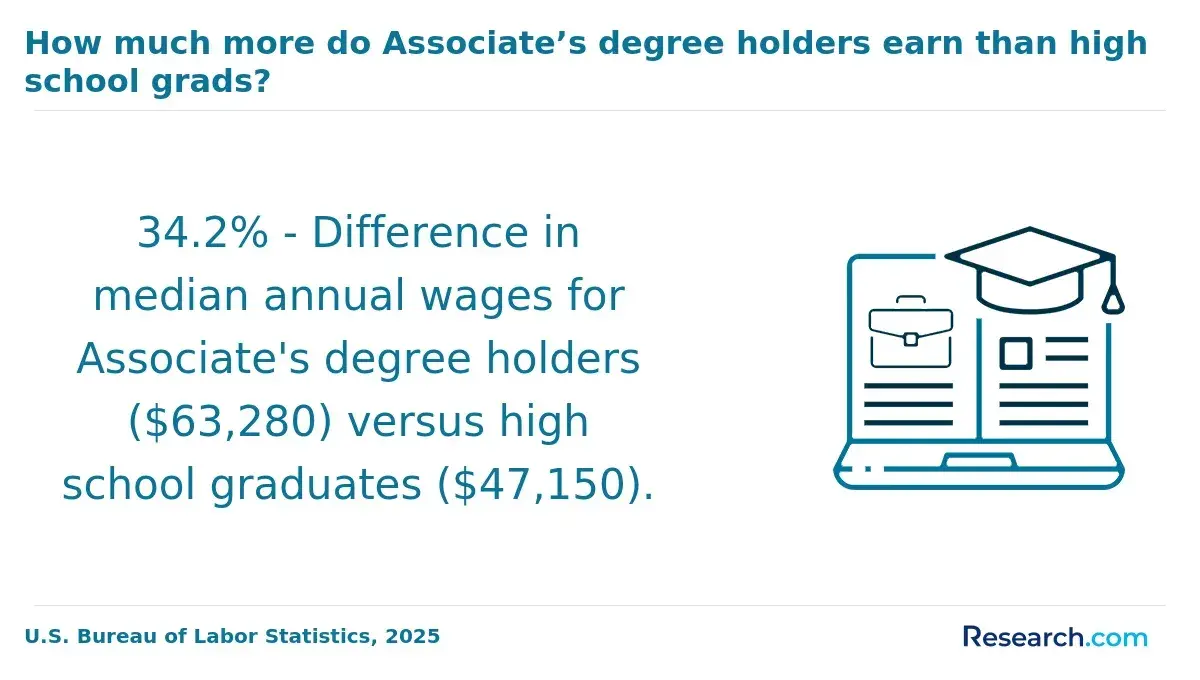
Evaluating the rising cost of tuition alongside salary growth provides a clearer picture of the financial reality for those pursuing a counselor education degree. Data from 2024 indicates that average tuition for master's programs now often surpasses $25,000 annually, accumulating to about $60,000 or more for the full program-well above the current inflation rate of roughly 3.5%.
In contrast, entry-level salaries for graduates typically range between $45,000 and $50,000, growing to approximately $60,000 to $65,000 mid-career. Because salary increases tend to track at or below inflation, the return on investment can appear more limited when viewed through this comparative lens rather than focusing solely on tuition or earnings separately.
This comparison underscores the importance of context: one student financing their degree through substantial loans may face prolonged debt repayment challenges, while another benefiting from employer tuition assistance or living in a lower-cost region could experience a different financial impact.
Geographic differences, specialization within counseling, and employment setting all influence how tuition relates to salary trajectory, making blanket conclusions difficult. This nuanced understanding helps candidates weigh the true cost against potential long-term earning power and informs decisions about financing and career planning.
One recent graduate remembers hesitating before enrolling when tuition had climbed sharply, worried the starting salary might not justify the expense. She weighed taking on significant debt versus delaying education to save more, especially after learning early-career wages in her area stayed relatively flat despite rising living costs.
After committing, she found that loan repayments consumed a sizable share of her income initially, prompting her to explore private practice opportunities that offered better financial terms. Her experience reflects the complex tradeoffs between tuition costs and salary growth, highlighting how financial planning must adapt to individual circumstances and evolving market conditions.
Does a Counselor Education Degree Deliver a Positive Return on Investment?
Evaluating the return on investment for a counselor education degree requires more than comparing tuition costs to starting salaries. True ROI encompasses the balance between upfront educational expenses and the cumulative financial benefits obtained through career progression, job security, and specialized roles over time.
For instance, a graduate from a public university who secures a school counseling position in a state with loan forgiveness programs may break even on their educational costs within five to seven years, supported by a median annual wage near $55,000 to $60,000, according to recent data from the U.S. Bureau of Labor Statistics.
However, individuals who attend higher-priced private programs or enter competitive urban markets with rising living expenses may face longer payback periods, sometimes extending beyond a decade. The variability in ROI stems from tuition inflation, geographic wage disparities, and evolving demand for counselor specialties.
While median wages for clinical mental health counselors and counselor educators hover between $50,000 and $65,000, these figures often increase slowly relative to overall living costs, making careful selection of affordable programs and leveraging financial aid critical to enhancing ROI.
Key factors influencing whether a counselor education degree yields a positive return include the program's cost structure, the graduate's geographical and sectoral employment choice, and access to state or federal loan forgiveness initiatives targeting underserved areas.
According to comprehensive research from the Georgetown University Center on Education and the Workforce, even with substantial tuition increases over the last decade, the stability and advancement opportunities within counseling careers tend to support eventual financial gains. Therefore, individuals committed to long-term practice in counseling, who strategically minimize debt and target advantageous employment settings, are more likely to experience favorable financial outcomes from their degree investment.
Which Industries Offer the Highest Salaries for Counselor Education Graduates?
When evaluating industries with the highest counselor education salaries, it's clear that specialized expertise and the demand for mental health services greatly influence compensation. Graduates in counselor education must weigh not only salary potential but also stability and long-term growth within various sectors.
According to 2024 data from the U.S. Bureau of Labor Statistics, the top-paying sectors are tied closely to organizational complexity, funding sources, and the unique skills required by employers. Below are the primary industries that consistently provide the strongest earning potential for counselor education graduates:
- Management Consulting: This sector rewards counselor education graduates who advise companies on mental health integration, employee wellness, and organizational behavior. Roles here require strong analytical and interpersonal skills, often commanding higher salaries due to the strategic value added to businesses navigating workplace wellbeing initiatives.
- Healthcare Services: Particularly in outpatient care centers and psychiatric hospitals, counselors benefit from consistent demand as these institutions address mental health and substance abuse. Rising insurance reimbursements help ensure stable funding, supporting competitive compensation for experienced professionals.
- Government Agencies: Federal, state, and local governments employ counselor education graduates in roles related to social services, veteran affairs, and juvenile justice. While salaries may vary, government positions often include comprehensive benefits and job security, reflecting the high responsibility and societal impact of these roles.
- Educational Services: Higher education and academic counseling offer steady opportunities in student affairs and career support. Salaries here might be lower than in private sectors, but benefits and tenure prospects provide substantial value. This sector suits graduates prioritizing job stability and institutional support over immediate top-tier pay.
- Corporate Wellness Programs: An emerging field where counselors apply their expertise to improve employee assistance initiatives and workplace mental health strategies. These roles often come with incentives linked to corporate profitability, creating potential for higher earnings, especially in large corporations.
- Private Practice and Counseling Centers: Graduates choosing independent or group practice settings may see variable earning potential based on client base, specialization, and location. Success here relies heavily on entrepreneurial skills and reputation-building over time.
For example, a counselor education graduate working within a large technical consulting firm might develop tailored diversity and inclusion strategies for clients, directly influencing organizational culture and profitability-factors which justify salaries well above average for counselor educators.
Conversely, those in educational services may accept lower pay but gain access to tenure and comprehensive benefits that provide long-term security. Analyzing tradeoffs between salary, job security, and professional impact remains crucial for those exploring the top-paying sectors for counselor education graduates.
Prospective students should consider not only the highest-paying opportunities but also the contextual fit of industries, remembering that sectors like healthcare and government continue to offer robust demand alongside evolving roles in workplace mental health. For those balancing cost and career outcome, exploring a flexible online degree in nutrition may complement counselor education skills and expand interdisciplinary potential in health-focused roles.
Which States and Cities Offer the Highest Pay for Counselor Education Professionals?
Geographic location plays a critical role in shaping the earning potential for counselor education professionals. While some regions offer substantially higher salaries due to economic factors and industry presence, the overall financial benefit must be weighed against local living costs and career demand. High wages in urban centers often come with steep expenses in housing and transportation, potentially offsetting nominal salary gains.
Evaluating a location's long-term job stability and growth opportunities is equally essential. Below are key states and cities where counselor education salaries tend to be highest, along with important considerations for prospective graduates:
- California: California leads nationally with average annual wages over $75,000, particularly in metropolitan areas like San Francisco and Los Angeles. The state's robust university systems and expansive mental health programs fuel demand. However, high costs of living, including housing and transportation, mean salary advantages may be diminished after expenses, so candidates should assess personal budget constraints carefully.
- Massachusetts: Professionals around Boston earn roughly $70,000 to $73,000, supported by the region's concentration of prestigious universities and comprehensive healthcare networks. While the salary is competitive, elevated living expenses remain a factor. Job seekers should consider the dense academic and healthcare sectors driving consistent demand for counselor educators.
- New York Metro: New York City and its suburbs provide salaries generally in the low to mid-$70,000 range. The area's extensive mental health initiatives and broad educational institutions create strong employment prospects. Yet, the high cost of living-especially housing-can substantially reduce disposable income, necessitating careful financial evaluation.
- Texas: Offering moderately high wages in counselor education, Texas balances competitive pay with a lower cost of living compared to coastal hubs. Cities like Austin and Dallas benefit from growing mental health services and expanding higher education institutions, making them attractive for those prioritizing quality of life alongside income.
- Washington State: Urban centers such as Seattle provide solid salaries within the counselor education field, coupled with strong public and private mental health sectors. Though living costs are rising, they remain generally more manageable than in California or New York. This balance may appeal to professionals seeking career advancement without excessive financial strain.
How Do Counselor Education Salaries Grow Throughout a Career?
Initial salaries for professionals with a counselor education degree generally start between $45,000 and $55,000 annually, but this entry-level range often feels constrained given rising tuition and living costs. By mid-career-roughly five to fifteen years in-earnings usually climb to the $60,000 to $75,000 range, reflecting increased expertise and roles with greater responsibilities such as clinical supervision or academic faculty appointments.
Those reaching late career stages, after 15 or more years, may see salaries rise to between $80,000 and $100,000, especially when occupying leadership or tenured positions. The 2024 National Board for Certified Counselors' salary survey confirms this gradual growth, noting that regional differences, advanced degrees, and work settings significantly influence income trajectories.
Consider two graduates starting with similar salaries: one chooses public sector roles with steady but modest raises, while the other pursues doctoral studies and university faculty appointments. Over 15 years, the latter's earnings tend to outpace the former's, mainly due to higher credentials and access to tenure-track or leadership roles.
Key factors driving salary growth include advanced education, geographic mobility, and sector choice-private practice or academia often offering better long-term pay than public agencies. However, even with progression, wage gains frequently struggle to offset ongoing tuition debts and inflation, requiring careful financial planning beyond initial salary expectations.
One counselor education graduate recalls hesitating before enrolling in a doctoral program, worried about the financial strain amid rising costs. After several years in a community agency with limited salary increases, this individual decided to pursue the PhD, partly motivated by the hope of reaching senior academic positions.
The transition involved juggling part-time work and study, which was challenging but eventually led to a tenured faculty appointment offering a significant boost in compensation. This experience highlights how strategic professional development choices can be essential to navigating salary growth challenges inherent in the counselor education field.
How Do Counselor Education Salaries Compare With Similar Degrees?
Salary prospects for those with a counselor education degree often lag behind closely related professions, a consideration that matters greatly given rising tuition and inflationary pressures.
Comparing career earnings counselor education versus related fields reveals salary gaps influenced by scope of practice, licensing complexity, and work settings. For example, a recent graduate juggling student loan repayments in an urban area with high living costs may find the return on investment for counselor education less advantageous than alternatives.
The following points illustrate how counselor education salary comparison by degree aligns with different fields:
- Mental Health Counseling: Median annual wages for mental health counselors averaged around $49,000 in 2023, according to the U.S. Bureau of Labor Statistics. The field typically involves direct client therapy in diverse settings, but licensing demands and billing constraints can cap earnings compared to other mental health professions.
- Clinical Psychology: Clinical psychologists reported median salaries between $60,000 and $65,000, benefiting from broader diagnostic and treatment authority as well as highly specialized expertise. These factors, alongside doctoral-level qualifications, generally lead to higher remuneration than counselor education graduates receive.
- School Counseling: Education majors focusing on school counseling earned median salaries near $58,000 per National Center for Education Statistics data. This pathway tends to offer more stable public-sector positions, which can provide slightly improved financial outcomes compared to private practice roles common in counselor education.
- Social Work: Graduates in social work command similar salary levels to clinical psychology but often engage in broader community services and policy influence. Higher earning potential relates largely to advanced degrees and licensure in clinical social work.
Considering evolving tuition costs and wage growth, counselor education graduates should assess both financial and non-financial returns carefully. Training programs differ widely in cost and delivery flexibility; some prospective students may comparing options find that pursuing online exercise science degrees or other allied fields might offer more favorable earning potential and career mobility.
Ultimately, understanding the real-world tradeoffs between counselor education salary comparison by degree and career satisfaction enables informed decisions in today's competitive landscape.
How Is Employer Demand Affecting Counselor Education Salary Trends?
Employer demand significantly shapes salary trends within counselor education-related occupations by driving competition for qualified candidates and influencing hiring activity and compensation strategies. The U.S. Bureau of Labor Statistics projects a 13% employment growth for school and career counselors between 2022 and 2032, indicating robust demand that can foster faster wage growth.
However, this growth varies considerably across regions and sectors, often reflecting differences in budget constraints and organizational priorities. For instance, a newly certified counselor in a region experiencing acute shortages might see quicker salary increases due to intense competition among employers, while those in areas with budget-limited public schools may encounter more modest wage gains despite strong demand.
Factors such as specialization, years of experience, and economic conditions further complicate the relationship between employer demand and salaries. The National Association for College Admission Counseling highlights that public sector jobs, while stable, typically offer lower salaries than private practice or specialized roles.
Even with increasing employer demand impact on counselor education salaries, long-term wage growth can be tempered by rising tuition costs and inflation, as noted by the National Board for Certified Counselors.
Prospective students and recent graduates must carefully evaluate these dynamics, particularly when weighing the financial outcomes of pursuing a counselor education degree against other options, such as exploring the easiest ABSN to get into, which may offer differing career and salary trajectories.
Ultimately, strong employer demand supports job availability but does not always equate to proportional salary increases across the board. Geographic disparities, funding sources, and sector-specific conditions play pivotal roles in shaping compensation.
Understanding these nuances is crucial for those assessing counselor education salary trends and job market demand in a manner that balances realistic financial expectations with career goals.
How Can Students Maximize Their Lifetime Earnings With a Counselor Education Degree?
Maximizing lifetime earnings with a counselor education degree requires deliberate, evidence-based career planning combined with ongoing skill development. Data from the U.S. Bureau of Labor Statistics (2024) and the National Board for Certified Counselors highlight key factors shaping income trajectories, including work setting, credentials, and specialization.
For example, someone starting as a school counselor in a metropolitan area with an LPC license who later pursues program administration roles can expect stronger earnings growth than peers who remain in generalist or rural positions.
The following strategies reflect actionable pathways supported by current research to enhance financial outcomes over a counselor's career:
- Specialized Settings: Focus on high-demand areas such as healthcare, rehabilitation, or school counseling where median salaries and job growth are higher. Early internships or practicum placements in these environments position graduates competitively.
- Advanced Licensure: Obtaining credentials like the Licensed Professional Counselor (LPC) status correlates with higher salaries and greater job opportunities. Students should integrate licensure requirements into their program timelines.
- Ongoing Education: Engage in continual professional development, especially in niches like trauma or substance abuse, which are linked to enhanced compensation according to the National Board for Certified Counselors.
- Geographic Strategy: Target employment in metropolitan or states with strong demand for mental health professionals to access better pay than rural areas.
- Leadership Skills: Combine counselor education with skills in program administration or data-driven assessment to unlock senior roles with higher earnings.
- Diverse Experience: Build a varied professional portfolio across mental health services, educational institutions, and corporate assistance programs. This flexibility supports upward mobility and income stability.
- Career Longevity: Recognize that earnings increase substantially with experience and seniority, as highlighted by the American Counseling Association, making long-term engagement in the field financially beneficial.
References
- Mental Health Counselor Job Outlook and Salary | Bradley University Online https://onlinedegrees.bradley.edu/blog/mental-health-counselor-job-outlook
- Counselor Salary https://onlinecounselingprograms.com/become-a-counselor/salary/
- Fastest Way To Become A Therapist Or Licensed Counselor https://www.psychology.org/careers/fastest-way-to-become-counselor/
- Despite growth, average teacher salaries lag behind inflation https://www.k12dive.com/news/despite-growth-average-teacher-salaries-lag-behind-inflation/748534/
- Return on Investment For an Online Psychology Degree https://www.onlinepsychologydegrees.com/articles/return-on-investment-for-an-online-psychology-degree/
- Is College Worth It? A Comprehensive Return on Investment Analysis - FREOPP https://freopp.org/whitepapers/is-college-worth-it-a-comprehensive-return-on-investment-analysis/
- Mental Health Counselor Salary and Career Outlook https://teach.com/online-ed/counseling-degrees/online-masters-mental-health-counseling/careers-and-salary/
- The price of college is rising faster than wages for people with degrees | USAFacts https://usafacts.org/articles/is-college-worth-it-the-price-of-college-is-rising-faster-than-wages-for-people-with-degrees/
- 5 High-Paying Jobs with a Master’s in Counseling| University of Bridgeport https://www.bridgeport.edu/news/high-paying-jobs-with-a-masters-in-counseling/
- Inflation is sucking the life out of teacher pay raises, report says https://www.opb.org/article/2026/04/27/teacher-salaries-are-rising-but-inflation-is-rising-faster/
Other Things You Should Know About Counselor Education
Many counselor education professionals face high caseloads, administrative duties, and ongoing supervision requirements that significantly increase work hours beyond what salary increases have reflected. This gap between workload and compensation often leads to dissatisfaction that simple salary figures don't reveal. When evaluating salary trends, it's crucial to factor in these additional professional demands, as earnings may not compensate adequately for time and stress, impacting long-term career sustainability.
Yes, program structure plays a key role in employability and initial salary offers. Robust practicum and internship experiences often lead to better job placements and can offset higher tuition costs by accelerating professional readiness and opportunities for higher initial salaries. However, students must weigh the upfront financial burden against the real-world benefits such hands-on training provides, as not all higher-tuition programs guarantee superior outcomes.
Employers increasingly expect candidates to hold specialized certifications beyond the core counselor education degree to qualify for higher-paying positions. This requirement creates an additional time and financial investment that may not be reflected in entry-level salaries but becomes necessary for meaningful salary growth. Graduates should strategically plan continuing education paths focused on market-demanded specializations to enhance long-term earning potential.
It is unrealistic to expect counselor education salaries to consistently match the rate of tuition inflation. Unlike some fields with higher market-driven wages, counselor education salaries often lag behind rising education costs, especially in public and nonprofit sectors where budgets are constrained. Prospective students should prioritize tuition affordability and explore financial aid options, rather than relying solely on post-degree salary increases to offset debt.