2027 Counselor Education Degree Outlook Through 2030: Enrollment, Salary, and Hiring Projections

Co-Founder and Chief Data Scientist
Deciding whether to pursue or advance a counselor education degree requires more than noting a 10% projected job growth through 2030. Rising enrollment at many programs signals increased graduate competition that may saturate the market in some regions. Meanwhile, salary growth varies widely across states and specializations, often reflecting local funding priorities rather than national trends. Additionally, evolving credential standards and technology integration reshape employer expectations, challenging traditional career pathways.
Understanding these intersecting dynamics is essential for realistic outlooks. This article examines counselor education enrollment, salary patterns, hiring projections, industry demand, geographic opportunity, and emerging workforce changes through 2030 to support more informed education and career decisions.
Key Things to Know About the Counselor Education Degree Outlook Through 2030
- Enrollment in counselor education programs grew modestly by 4% between 2022 and 2024, reflecting rising demand but also signaling increased competition for limited practitioner roles in certain regions.
- Employer surveys from 2024 highlight a preference for candidates with clinical specialization, shaping workforce demand toward niche expertise over generalist credentials.
- Rising program costs combined with longer time-to-completion create barriers to entry, which may constrain supply growth and delay workforce replenishment amid steady hiring projections.
- Key Things to Know About the Counselor Education Degree Outlook Through 2030 Key Things to Know About the Counselor Education Degree Outlook Through 2030
- How is Counselor Education Degree Enrollment Expected to Change Through 2030? Enrollment Trends Through 2030
- How Many Counselor Education Graduates Will Enter the Workforce by 2030? Graduate Workforce Entry Projections
- What Are the Hiring Projections for Counselor Education Graduates Through 2030? Hiring Projections Through 2030
- Which Counselor Education Careers Will Experience the Most Job Growth? Fastest-Growing Career Paths
- What Is the Salary Outlook for Counselor Education Graduates Through 2030? Salary Outlook Through 2030
- Which Industries Will Hire the Most Counselor Education Graduates by 2030? Top Hiring Industries
- Where Will Demand for Counselor Education Graduates Be Strongest? Strongest Geographic Demand
- Which Counselor Education Specializations Will Be Most in Demand by 2030? Which Counselor Education Specializations Will Be Most in Demand by 2030?
- How Will AI and Technology Affect Counselor Education Careers Through 2030? How Will AI and Technology Affect Counselor Education Careers Through 2030?
- Is a Counselor Education Degree Worth Pursuing Based on 2030 Projections? Degree Value Through 2030
How is Counselor Education Degree Enrollment Expected to Change Through 2030?
Enrollment projections for counselor education degree programs through 2030 suggest a steady but disciplined increase shaped by both demand for mental health professionals and institutional capacity constraints. While labor market demand-especially in clinical mental health counseling and school counseling specialties-is rising, many programs must balance growth with rigorous accreditation and supervised training requirements, limiting scalability. Prospective students should consider that expanding enrollment often tightens admission competition and may reduce flexibility in specialization options, which influences both the diversity and volume of graduates entering the workforce. These dynamics illustrate why a projected annual growth rate near 2% to 3%, as reported by the National Center for Education Statistics, does not equate to uniform expansion across all programs or regions.
This moderate growth trajectory aligns with broader shifts in demographic patterns and mental health awareness but also reveals nuanced tradeoffs in workforce planning. For example, increasing enrollment volumes can alleviate shortages in underserved areas but risk oversaturation in markets with already high counselor supply, impacting graduates' employment outcomes. The rise of online NP programs and related digital education formats may influence enrollment by improving accessibility, yet these expansions often intensify scrutiny around the quality of clinical experience and employer expectations. Such complexities mean understanding projected growth in counselor education program enrollment demands careful consideration of evolving curricular standards and funding limitations alongside the raw enrollment numbers.
How Many Counselor Education Graduates Will Enter the Workforce by 2030?
The number of counselor education graduates alone does not directly translate to workforce opportunities, as labor market entry depends on factors beyond degree conferral. While recent trends show moderately increasing completions, with annual graduations rising around 3-4% per year through 2024, workforce absorption varies by region, credential requirements, and employment settings. Many graduates delay workforce entry to pursue licensure or advanced degrees, while others transition into related but distinct roles, tempering the direct correlation between degree output and available counseling positions. State-level oversupply contrasts with shortages elsewhere, so prospective professionals must weigh local market dynamics alongside national projections to avoid geographic or credential mismatches that could limit employment prospects.
National projections estimate roughly 15,000 to 18,000 new counselor education graduates annually by 2030, supporting a strong pipeline aligned with the Bureau of Labor Statistics' forecasted 22% growth for counseling roles through 2032. However, this growth must be contextualized: increased program capacity reflects factors such as online enrollment expansion and evolving workforce demands for interdisciplinary skills rather than uniform job availability. Employers increasingly prioritize applied competencies and cultural responsiveness, meaning graduates' ability to meet shifting service delivery models and reimbursement regimes will shape hiring outcomes more than sheer degree counts. Consequently, a steady rise in graduates suggests opportunity but also underscores intensifying competition and the necessity for strategic career planning.
One recent graduate poised to enter the field shared that despite finishing her master's within an expanding program cohort, she encountered slower-than-expected recruitment cycles in her state, where several providers have saturated the market. Her experience highlights the tension between growing graduate numbers and uneven job demand; she chose to pursue additional certifications while seeking part-time roles in telehealth to build relevant experience. "Knowing the volume of upcoming graduates made me cautious-I needed to find ways to differentiate myself," she reflected, illustrating how increased supply pressures require nuanced decision-making and flexible entry strategies for those aiming to join the counselor education workforce before 2030.
What Are the Hiring Projections for Counselor Education Graduates Through 2030?
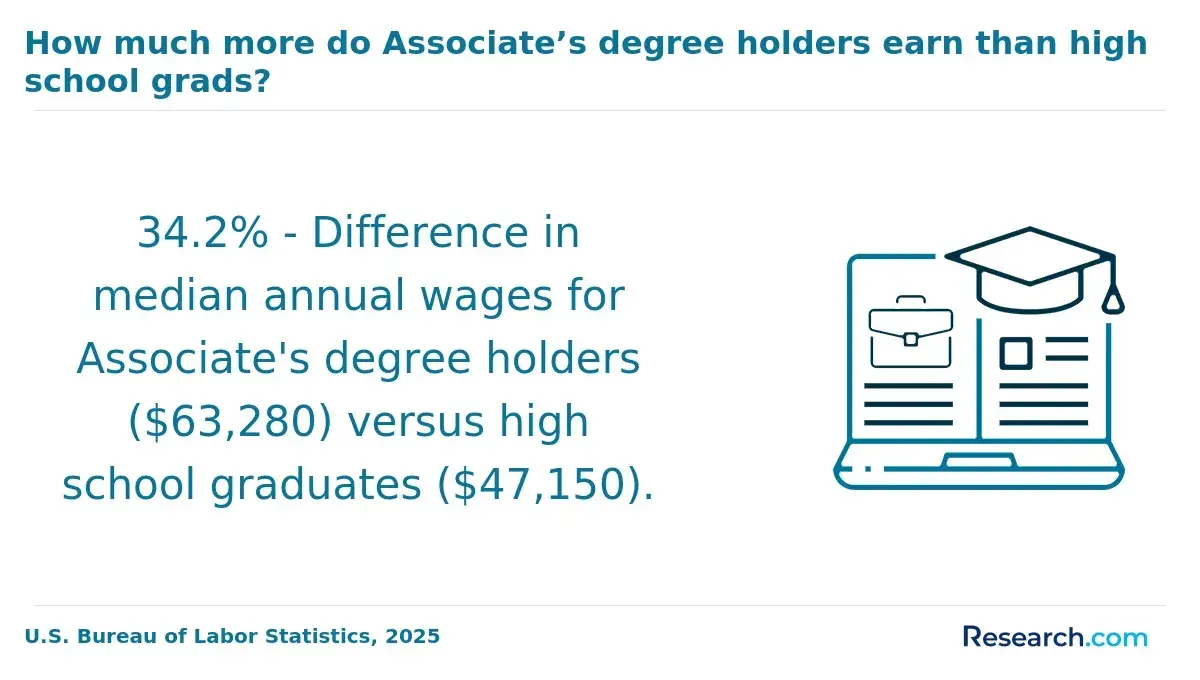
Employer demand for counselor education graduates through 2030 is strong but uneven, reflecting distinct challenges tied to specialization, geography, and credentialing requirements. While overall employment in counseling roles is projected to grow by about 13% from 2022 to 2030 according to the Bureau of Labor Statistics, this growth masks variability in entry-level job availability and regional hiring intensity. Candidates concentrating in mental health or substance abuse counseling may find more openings in urban healthcare systems, whereas those focused on school counseling face fluctuating opportunities influenced by public education budgets and state policy shifts.
Annual openings, estimated near 25,000 nationwide, include both replacement positions and new jobs driven by sector expansion, yet new graduates should anticipate delays in employment related to mandatory licensure processes that often require supervised practice post-degree. For example, a recent graduate in a rural area might encounter limited immediate roles despite favorable national growth statistics, underscoring the importance of geographic flexibility and willingness to pursue specializations aligned with local demand. Additionally, employer preference for candidates with advanced credentials or specific certifications complicates market access, making the pathway to competitive salaries and career longevity contingent on meeting these evolving professional standards.
Long-term career stability in counselor education requires navigating both macroeconomic factors such as healthcare funding and micro-level considerations like institutional hiring policies and community needs. Prospective students and current degree holders should critically evaluate how licensure timelines, specialization choices, and regional labor conditions intersect rather than relying solely on broad projections. This pragmatic approach better equips individuals to leverage the moderately robust but multifaceted counselor education job market over the coming decade.
Which Counselor Education Careers Will Experience the Most Job Growth?
Among counselor education careers, mental health counselors are forecasted to experience the most robust job growth through 2030, with employment expanding roughly 23% according to recent U.S. Bureau of Labor Statistics projections. This surge reflects increasing societal prioritization of mental well-being and broadening demand for services in settings such as outpatient clinics and social service agencies. While this growth rate is high, prospective students should weigh regional hiring disparities and varying credentialing requirements, as entry-level salaries and job availability fluctuate significantly across locations. For instance, a graduate focusing solely on mental health counseling may face more competitive markets in urban centers where demand converges with higher educational qualifications.
School counselors also remain a prominent specialty, with projected growth near 13%, driven by the rising focus on academic guidance, social development, and mental health support within K-12 education. However, hiring trends can be tempered by school district budget limitations, affecting the total number of openings despite strong growth rates. Other counselor roles, including substance abuse and rehabilitation counselors, exhibit moderate growth tied to increased investments in addiction recovery and disability services, though these often require specialized credentials and grapple with funding constraints. When considering which counselor education careers will experience the most job growth in the United States, candidates must evaluate these practical tradeoffs alongside projected hiring trends for counselor education specializations across regions. Exploring options such as colleges with free application fees can reduce initial barriers to entering these pathways.
What Is the Salary Outlook for Counselor Education Graduates Through 2030?
Salary projections for counselor education graduates through 2030 require careful interpretation alongside factors such as inflation, shifting labor market demands, evolving credential standards, and occupational changes within the counseling field. While some growth is expected, it will not be uniform across all sectors or regions, and increases must be considered relative to cost-of-living rises and wage stagnation in some local markets. Graduates with targeted specializations and licensure are more likely to capture premium salaries, though competition remains significant. The following points highlight key elements shaping counselor education salary trends over the next decade.
- Labor Demand Growth: Employment in counseling-related roles is projected to increase by approximately 22% from 2022 to 2030 according to the U.S. Bureau of Labor Statistics, creating opportunities but also emphasizing the need for graduates to differentiate through skills and credentials.
- Licensure Importance: Holding licenses such as Licensed Professional Counselor (LPC) substantially impacts earning potential, with licensed individuals often accessing higher-tier roles in clinical, healthcare, or corporate environments compared to unlicensed peers.
- Sector Variability: Salary growth tends to be stronger in healthcare and private practice settings than in school counseling, where budget constraints frequently suppress pay despite high demand.
- Geographic Impact: Urban centers generally offer higher salaries but face higher living costs, while rural or suburban regions may offer lower wages but more stable employment options.
- Experience and Education Level: Mid- and late-career counselors, especially those with doctoral degrees or specialized certifications, typically command salaries ranging from $60,000 to $95,000, reflecting deeper expertise and leadership roles.
- Professional Development: Continuous upskilling in relevant areas such as mental health specialties, data literacy, or healthcare management can differentiate candidates within an increasingly competitive job market.
- Economic and Policy Factors: Changes in healthcare policy, funding for mental health services, and insurance reimbursement rates will influence salary trajectories and job availability in key counselor education fields.
A recent graduate entering the counseling workforce in a mid-sized city reported an initial offer at the lower end of the $45,000 to $50,000 range due to limited local demand and a lack of state licensure at hiring. Despite initial apprehension about the compensation, the individual chose this position strategically, viewing it as a stepping stone while pursuing licensure and further clinical experience. Negotiations revealed the employer's budget restrictions but an openness to revisiting salary after eighteen months contingent on demonstrated expertise and additional certifications. This situation illustrates the nuanced balance between immediate earnings, regional market limitations, and the need for credential advancement to realize meaningful salary growth in counselor education careers.
Which Industries Will Hire the Most Counselor Education Graduates by 2030?
Hiring trends for counselor education graduates are influenced not only by raw job growth but also by workforce replacement needs, regulatory environments, and increasing societal mental health demands. Technology and policy shifts are reshaping which industries will absorb the most graduates through 2030, with practical credentialing and specialization growing more important for entry and progression. For instance, a graduate entering the healthcare sector may find initial hiring opportunities in outpatient mental health clinics, but advancement often requires familiarity with interdisciplinary care teams and licensure compliance. Below are key sectors projected to lead demand for counselor education graduates through the decade.
- Healthcare Services: This sector will continue to generate the highest volume of counselor education job growth in healthcare and education sectors due to amplified behavioral health awareness and aging population needs. Positions range from behavioral health counselors to integrated care coordinators, with certifications in substance abuse or geriatric counseling enhancing prospects.
- Educational Services: K-12 and higher education institutions maintain steady hiring driven by increased federal and state mental health funding and demographic shifts in students. Counselors focusing on student mental health or career readiness often need additional teacher certification or state licensure to qualify.
- Social Assistance Agencies: Community and nonprofit programs serving vulnerable groups will hire counselors equipped for trauma-informed care, substance abuse intervention, and youth services. Job stability here can be uneven because of reliance on grants, so diversification of skills is crucial.
- Private Corporate Counseling: Although smaller in volume, corporate wellness programs and employee assistance plans require counselors skilled in workplace mental health and stress management, often demanding experience in industrial-organizational psychology or human resources.
- Government Administration: Competitive roles within local, state, or federal bodies exist but generally require specialized credentials or policy expertise alongside counselor education, limiting straightforward hiring compared to other sectors.
These projections emphasize practical tradeoffs: healthcare offers broader job volume and relative salary growth, while education and social assistance demand specific certifications and face funding fluctuations affecting job security. Professionals aiming to navigate counselor education job growth in healthcare and education sectors should weigh credentialing timelines and fluctuating funding environments carefully. For candidates considering parallel or subsequent degree pathways, exploration of RN to BSN online programs may offer complementary healthcare credentials that enhance interdisciplinary collaboration skills.
Where Will Demand for Counselor Education Graduates Be Strongest?
The strongest demand for counselor education graduates will concentrate in metropolitan and suburban areas with dense healthcare and educational infrastructures, notably in West Coast and Sun Belt regions. While urban centers like Los Angeles, Houston, and Miami offer numerous positions driven by public funding and school district expansions, competition and higher living costs can reduce net benefits for applicants. Conversely, rural areas face persistent workforce shortages but present fewer openings and often lower salaries, creating a tradeoff between opportunity volume and geographic or economic preferences.
Specialization within counselor education, such as mental health or substance abuse treatment expertise, enhances employability but requires consideration of local licensure differences that may restrict geographic mobility. Telehealth and digital counseling roles are emerging sectors requiring technological proficiency, responding to increased demand for remote mental health services post-pandemic. These roles, frequently tied to healthcare networks, may offer higher salaries than traditional K-12 school counseling positions, which typically provide stability but lower income, emphasizing the need to align career goals with sector-specific realities and long-term workforce trends.
Data sourced from the U.S. Bureau of Labor Statistics and Lightcast underscores how socio-demographic shifts like aging populations and heightened behavioral health awareness intensify demand in certain pockets of the U.S., yet this demand is far from uniform. Deciding where to pursue credentialing or employment involves weighing job volume against applicant competition, local credential and licensing requirements, and cost-of-living impacts on overall compensation. Effective labor-market planning for counselor education graduates requires nuanced regional analysis rather than reliance on national averages that can obscure critical workforce disparities through 2030.
Which Counselor Education Specializations Will Be Most in Demand by 2030?
Employer demand for counselor education specializations will increasingly favor those aligned with pressing social and healthcare challenges. Mental health counseling and school counseling are projected to lead hiring growth, fueled by rising mental health conditions and institutional needs that transcend geographic and funding variability. Deciding between these and other paths requires weighing factors such as regional salary disparities, credentialing complexity, and the adaptability of acquired counseling skills across sectors. For example, a student comparing mental health counseling and career counseling must consider that while mental health roles emphasize evidence-based therapies and crisis management with somewhat variable local compensation, career counseling focuses on workforce re-skilling, requiring labor market analytics and strong adaptability as workplace dynamics evolve.
Specializations with steady growth reflect broad societal trends including demographic shifts and public health priorities. Understanding employer preferences for culturally responsive and data-driven approaches can enhance employability, yet candidates must remain cognizant of externalities like education policy flux or competitive provider landscapes. According to 2024 data from the U.S. Bureau of Labor Statistics and Lightcast, these projections carry practical weight but should inform rather than guarantee career decisions.
The following counselor education specializations are anticipated to show significant demand through 2030:
- Mental Health Counseling: Driven by increases in anxiety, depression, and substance use disorders, this field prioritizes mastery of evidence-based therapeutic techniques and crisis intervention, serving diverse healthcare settings with growing behavioral health integration.
- School Counseling: Strong demand emerges from heightened student mental health needs and academic support priorities within K-12 environments, favoring counselors skilled in culturally responsive practices and data-informed interventions.
- Career Counseling: Growth reflects accelerating labor market shifts and workforce re-skilling demands, requiring expertise in employment trends analysis and adaptable guidance strategies to meet diverse client needs.
- Substance Abuse Counseling: Sustained by ongoing public health efforts targeting addiction recovery and prevention, candidates benefit from clinical knowledge and coordination skills to navigate both community-based and clinical service networks.
- Rehabilitation Counseling: Increasing demand stems from aging populations and disability services, emphasizing multidisciplinary collaboration and knowledge of assistive technologies to support client independence.
- Marriage and Family Therapy: Gradual growth linked to evolving family dynamics prioritizes competencies in systemic therapy models and relational intervention techniques applicable across clinical and community programs.
How Will AI and Technology Affect Counselor Education Careers Through 2030?
Technology is more likely to augment rather than automate core counselor education responsibilities through 2030, shifting the focus toward integrating digital tools without diminishing the essential human-centered functions of empathy, ethical judgment, and communication. For example, entry-level counselors increasingly need proficiency with telehealth platforms and AI-supported diagnostic tools, which means that failure to acquire these competencies may limit employability in competitive clinical and educational environments. While automation can streamline certain routine administrative and assessment tasks, the nuanced, relational aspects of counseling remain largely resistant to replacement, reinforcing a bifurcation in skill expectations between technical fluency and interpersonal expertise.
The impact of AI on counselor education employment trends in the US highlights a growing demand for professionals capable of interpreting data outcomes alongside traditional counseling methods, emphasizing adaptability amid evolving technology landscapes. Educational programs that balance core therapeutic skills with applied technological literacy will be better positioned to meet employer preferences, which increasingly favor candidates demonstrating integrated capabilities rather than narrowly defined clinical expertise. Workers seeking to maintain relevance should evaluate curricula or continuing education that include hands-on experience with AI-driven tools and telehealth applications, rather than relying solely on foundational counseling theory.
Enrollment patterns in counselor education may reflect this recalibration, as prospective students weigh the practical value of programs offering technology integration in counselor education careers through 2030. Those already in the workforce might consider augmenting their credentials through targeted certifications or applied projects to retain versatility and competitiveness. In related fields, such as nurse practitioner training, accelerated FNP programs illustrate how accelerated pathways with integrated tech components can appeal to time-sensitive candidates and may serve as a useful model for counseling education adaptation. accelerated FNP programs
Is a Counselor Education Degree Worth Pursuing Based on 2030 Projections?
Projected demand for counselor education graduates through 2030 suggests a robust hiring environment driven by a 23% growth in mental health counseling and family therapy roles, yet this hiring strength does not translate into strong salary increases. Median wages remain near $48,000 annually with little growth anticipated, which presents a challenging financial tradeoff for students, particularly given the graduate-level education and licensure requirements needed to enter the field. A prospective student weighing investment in counselor education must consider whether long-term career fulfillment and community impact offset modest income prospects and initial educational costs.
The future career prospects for counselor education graduates in the US depend heavily on specialization, geographic location, and employer expectations for credentials plus practical experience. Those pursuing licensure in clinical, school, or substance abuse counseling may see improved hiring outcomes, but competition remains for entry-level roles with lower salaries compared to other healthcare professions. Students should also factor in that salary variability is significant, and workforce entry often involves supervised clinical hours with limited pay. For individuals comparing pathways, exploring what medical degree can I get online may reveal alternative routes with different balance points between cost, time, and compensation.
Ultimately, counselor education degrees align best with candidates prioritizing job stability and social impact over immediate financial gain. Hiring employers emphasize practical skills and ongoing professional development more than the prestige of the degree itself, meaning that continued training and certification will shape long-term outcomes. The supply of graduates may create pockets of oversaturation, intensifying competition in some markets. Careful evaluation of tuition, program length, and regional job conditions remains essential when considering this educational pathway through 2030.
References
- The National Board for Certified Counselors | NBCC https://nbcc.org/governmentaffairs/grassroots/newsroom/NBCC-responds-DOE-definition-professional-degree
- Counselor Salary https://onlinecounselingprograms.com/become-a-counselor/salary/
- Assessment of priority skills to 2030 https://www.gov.uk/government/publications/assessment-of-priority-skills-to-2030/assessment-of-priority-skills-to-2030
- What is AI-driven career guidance in schools? - Euneos https://www.euneoscourses.eu/what-is-ai-driven-career-guidance-in-schools/
- School Counselor Salary and Career Outlook https://teach.com/online-ed/counseling-degrees/online-masters-school-counseling/school-counselor-salary-and-career-outlook/
- Department of Education Publishes RISE Final Rule - Counselors are left out https://www.amhca.org/blogs/courtney-ackerson/2026/05/01/department-of-education-publishes-rise-final-rule/
- What Degree Do I Need to Become a Counselor or Therapist? https://paloaltou.edu/resources/blog/what-degree-do-i-need-become-counselor-or-therapist
- The Pipeline Problem in Doctoral Counselor Education and Supervision - The Professional Counselor https://tpcjournal.nbcc.org/the-pipeline-problem-in-doctoral-counselor-education-and-supervision/
- Occupation Profile https://nccareers.org/occupation-profile/211012/1284
- School Psychologist roles: Mental health meets education tech https://morganhr.com/blog/school-psychologist-roles-future-workforce-evolution/
Other Things You Should Know About Counselor Education
Accreditation significantly impacts both employability and licensure eligibility in counselor education fields. Graduates from non-accredited programs often face barriers to certification and may have difficulty meeting state licensure requirements, limiting job prospects. Prioritizing programs accredited by recognized bodies such as CACREP ensures alignment with employer expectations and facilitates smoother credentialing, which is critical for long-term career stability.
Yes. Hands-on clinical experience remains a decisive factor for employers hiring counselor education graduates, particularly in mental health and school counseling roles. Programs emphasizing quality practicum and internship partnerships enhance skill development and networking, which can outweigh GPA or test scores alone. Choosing a program with robust fieldwork integration often translates to higher early-career job placement and practical readiness.
Licensure standards vary widely by state, affecting both education program selection and mobility. Some states require additional coursework or supervised hours beyond the degree, potentially extending time before full practice. Candidates must evaluate whether their chosen program's curriculum aligns with their intended practice location's requirements to avoid unexpected delays or need for supplemental education.
While doctoral degrees in counselor education can lead to higher salaries and roles in academia or leadership, they require significant time and financial investment with limited direct salary premium in many clinical settings. Master's programs usually offer quicker workforce entry and sufficient qualification for most counseling roles, but with narrower career advancement. Candidates should weigh immediate employment needs against long-term objectives, prioritizing doctoral work primarily if aiming for research, teaching, or high-level administration.