2027 Counselor Education Affordability by State: Where Students Pay the Most and Least

Co-Founder and Chief Data Scientist
Choosing between a Counselor Education program in-state versus out-of-state often poses a financial dilemma; for example, a student might face tuition rates differing by over 70%, and yet living costs in a supposedly cheaper state may negate any savings. According to a 2024 National Postsecondary Education Study, average tuition inflation in public master's programs rose 6% year-over-year, disproportionately impacting out-of-state enrollees.
This trend signals growing disparities where students must weigh immediate tuition costs against long-term debt and employment prospects linked to regional market demands. This article analyzes counselor education affordability by state, revealing where students face the highest and lowest financial barriers to guide smarter enrollment choices.
Key Things to Know About Counselor Education Affordability by State
- States with lower published tuition often have higher living costs, diluting affordability for counselor education students and increasing total debt, highlighting the need to evaluate cost of attendance beyond sticker price.
- In-state tuition discounts shape enrollment trends, as a 2024 study shows interstate students incur 40% higher borrowing, signaling workforce access challenges in states restricting out-of-state entry.
- Choosing online programs involves tradeoffs: reduced relocation expenses but potential employer preference for campus-based credentials in certain regions, affecting career mobility and return on investment.
- Key Things to Know About Counselor Education Affordability by State Key Things to Know About Counselor Education Affordability by State
- Which States Have the Most Affordable Counselor Education Degree Programs? Most Affordable State Programs
- Which States Have the Highest Counselor Education Degree Costs? Highest State Tuition Costs
- How Much Does a Counselor Education Degree Cost by State? Degree Costs by State
- Why Does Counselor Education Affordability Vary So Much Between States? State Affordability Variations
- How Do In-State and Out-of-State Tuition Rates Affect Counselor Education Affordability? In-State vs. Out-of-State Rates
- How Does the Cost of Living Impact Overall Counselor Education Affordability by State? Living Costs and Affordability
- Which States Offer the Best Value for a Counselor Education Degree? Best Value State Degrees
- What Financial Aid and Scholarship Opportunities Can Reduce Counselor Education Costs? What Financial Aid and Scholarship Opportunities Can Reduce Counselor Education Costs?
- Are Online Counselor Education Degree Programs More Affordable Than On-Campus Options? Are Online Counselor Education Degree Programs More Affordable Than On-Campus Options?
- Is a Counselor Education Degree Worth the Cost Based on Career Outcomes and ROI? Degree ROI and Outcomes
Which States Have the Most Affordable Counselor Education Degree Programs?
States with robust public university systems and policies that prioritize resident tuition subsidies frequently provide the most affordable counselor education degree programs, shaping real cost advantages that directly impact student decision-making. For example, students choosing a program in states with well-funded public colleges often avoid the sharply higher tuition rates charged to out-of-state enrollees, a difference that can exceed 50% and significantly alter total educational expenses. This dynamic means that a prospective student's residency, and even willingness to establish residency prior to enrollment, becomes a key factor in maximizing affordability and minimizing debt burdens associated with counselor education degrees.
Affordability also varies with state-level investments in financial aid and online program availability, which can reduce or amplify non-tuition costs such as housing and transportation. In states where institutions aggressively develop online counselor education options, students can benefit from lower living expenses while pursuing credentials remotely, especially relevant for adult learners balancing work and family. These structural and policy-driven differences not only influence where students enroll but affect degree completion planning and long-term value, as lower overall cost may facilitate quicker entry into the workforce or reduce reliance on costly loans. Students seeking the top states for low-cost counselor education degrees and tuition should weigh these variables alongside program quality and local employment prospects to optimize educational and career outcomes.
Understanding these cost differentials is essential amid increasing demand across healthcare systems for well-qualified counselors, where employers often consider not just credentials but practical readiness shaped by financial and institutional contexts. The National Center for Education Statistics (NCES) and College Scorecard data from 2024 support that states with lower average tuition frequently see reduced average student debt at graduation, which correlates with more sustainable career starts in counseling professions. For those exploring how to become a certified medical assistant or pursue related healthcare roles, this analysis highlights the importance of balancing tuition affordability with program accessibility to ensure educational investments translate into meaningful, manageable career trajectories.
Which States Have the Highest Counselor Education Degree Costs?
States with the highest counselor education degree costs often reflect a complex interplay of limited public funding, elevated living expenses, and the predominance of private institutions. For example, public universities in California may charge over $18,000 annually for graduate counseling programs due to comparatively low state subsidies and expensive metropolitan living costs. This dynamic shifts much of the financial responsibility to students, particularly those out of state who face steeper fees and fewer in-state tuition waivers. Consequently, prospective students must weigh whether the networking opportunities and urban connections offered by these costly programs justify the heavier debt burdens and living expenses.
Understanding these regional cost disparities is crucial for students navigating whether to pursue their degree in-person, online, or in a different state. Areas with dense clusters of private or highly specialized counseling programs generally command premium tuition, further amplifying affordability challenges. This often forces students to balance quality and prestige against financial feasibility, factoring in hidden costs like housing and transportation in expensive cities. Ultimately, these cost structures influence not only enrollment decisions but also long-term career planning, as graduates from high-cost states may confront significant loan repayment pressures that shape their job choices and economic stability.
A recent graduate recounted how she hesitated between enrolling in a well-known counselor education program in a high-cost northeastern state and a less expensive public alternative in a neighboring state. She found that residency policies complicated her prospects: out-of-state tuition nearly doubled costs, and her research revealed limited scholarships targeting nonresidents. Though the prestigious program offered stronger employer ties, the cumulative expenses, including rent and travel, led her to select the in-state option. Her experience underscores how nuanced cost factors and institutional policies can directly steer student decisions beyond mere sticker price comparisons.
How Much Does a Counselor Education Degree Cost by State?
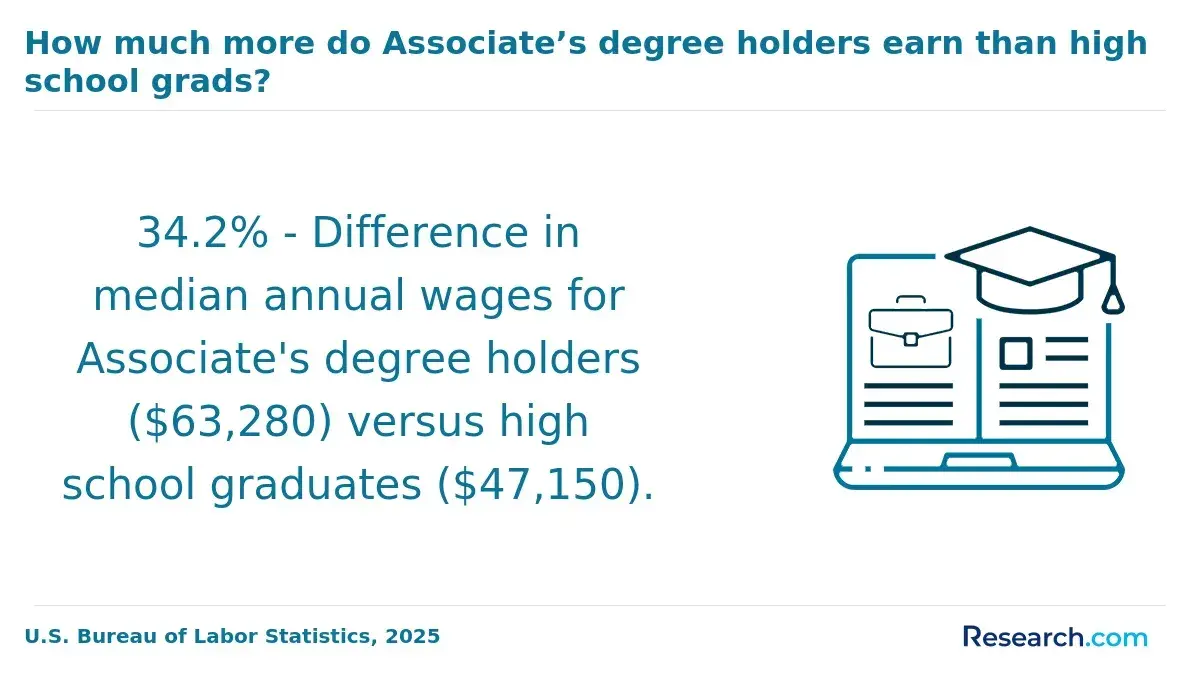
The cost of earning a counselor education degree varies sharply across states, influenced by public versus private university pricing, residency status, and local economic conditions. For instance, in states like Wyoming, in-state students may pay under $25,000 total, while similar public programs in California can exceed $40,000, with private institutions adding $20,000 to $30,000 or more on top of those figures. This gap substantially affects budgeting and borrowing strategies, particularly for those weighing whether to relocate or take advantage of regional tuition exchange programs, which can reduce costs by up to 40% in participating states.
Out-of-state tuition typically doubles program expenses, creating a significant barrier for students from other regions unless they qualify for reciprocity agreements like those in the Western Undergraduate Exchange. Given counselor education's reliance on practicum experiences often tied to local settings, online or out-of-state options might limit access to key placements or employer networks, making cost-saving decisions complex. According to 2024 data from the National Center for Education Statistics, students must also factor in indirect expenses such as housing and transportation, which often align with the state's overall cost of living, impacting affordability beyond tuition alone.
These financial dynamics shape enrollment patterns and accessibility, especially for candidates balancing work, family, and debt. Prospective students must critically assess whether lower tuition in one state offsets potential relocation costs or reduced local employment connections post-graduation. Careful comparison of state-level funding, institutional aid availability, and tuition policies is essential to optimize long-term value and minimize debt burdens while navigating the practical realities of counselor education programs and career entry requirements.
Why Does Counselor Education Affordability Vary So Much Between States?
Differences in state funding allocations create stark variations in counselor education tuition cost differences by state, directly influencing accessibility for residents. States with robust higher education investments, such as Wyoming and New Mexico, subsidize public universities more heavily, leading to significantly lower tuition for in-state students. Conversely, states like California and New York have reduced subsidies in recent years, shifting costs onto students and pushing tuition rates higher. These funding shifts not only alter sticker prices but also affect students' decisions on whether to remain in-state, seek online alternatives, or transfer to more affordable programs in neighboring states.
Beyond funding, the institutional mix plays a critical role; states with a dominance of private universities, exemplified by Florida, experience noticeably higher average tuition costs for counselor education degrees. Additionally, local cost-of-living factors often inflate fees in metropolitan areas like Massachusetts and Illinois, despite available financial aid. While state-sponsored grants can improve affordability, their uneven distribution means many students face steep expenses. For budget-conscious learners, particularly those comparing options such as nursing schools without TEAS exams or counselor education programs, these multi-layered affordability factors require careful consideration of long-term financial and career impacts informed by current data from respected sources like the National Center for Education Statistics.
How Do In-State and Out-of-State Tuition Rates Affect Counselor Education Affordability?
Residency status profoundly impacts the financial feasibility of pursuing a counselor education degree, often dictating whether the program is affordable or prohibitively expensive. For example, public institutions typically charge in-state students less than half the tuition that out-of-state students pay, with 2024 data from the National Center for Education Statistics reporting average annual in-state tuition around $9,500 versus $24,000 for non-residents. This gap forces prospective students to weigh whether relocating to establish residency or selecting local programs outweighs the financial strain of paying out-of-state rates, especially when factoring in living expenses and licensing requirements that tie graduates to specific states. Additionally, regional tuition reciprocity agreements can somewhat alleviate cost disparities, but their limited geographic scope means many out-of-state students still face steep premiums without meaningful financial aid offers.
Private and online counselor education programs present an alternate dynamic by often charging uniform tuition regardless of residency, which can benefit those living far from state borders or in high-cost regions. However, these options bring their own tradeoffs, including potential mismatches in state licensure recognition and less access to in-state financial aid. For many students, the decision hinges on practical factors beyond sticker price-such as how residency rules affect total costs over time, whether a state's regional agreements apply, and the availability of comprehensive aid packages. Ultimately, strategic enrollment planning that integrates these dimensions is essential to avoid unexpected outlays and optimize long-term value within the constraints of licensure and employment outcomes.
One graduate, initially hesitant about applying to an out-of-state public program, found that despite the higher tuition, the online format offered by that institution provided consistent pricing and a curriculum aligned with her state's licensure requirements. She wrestled with the uncertainty of paying out-of-state rates but ultimately appreciated that trying to establish residency would have delayed her education by a year. Her cautious confidence grew as she realized the online program's steadier cost structure and reduced living expenses offset the lack of traditional residency discounts, illustrating how tuition classification intersects with delivery mode to shape real financial decisions for counselor education students.
How Does the Cost of Living Impact Overall Counselor Education Affordability by State?
Cost-of-living differences profoundly reshape the real financial impact of pursuing a counselor education degree across states, often overshadowing nominal tuition figures. For example, a student enrolling in a reputable program in California or New York may face housing expenses more than twice the national average, sharply increasing monthly outlays compared to peers in more affordable Southern or Midwestern states. These regional living expenses impact on counselor education tuition requires students to carefully weigh tradeoffs between program location, housing affordability, and transportation costs-commuting patterns vary widely, with rural students typically incurring higher vehicle-related expenses than those in cities with robust transit systems.
Beyond housing and transportation, fluctuations in food prices, healthcare premiums, and utilities further complicate educational budgeting and financial aid considerations. Students in states like Alaska and Hawaii can expect elevated healthcare costs, which contribute to greater debt exposure if not factored into planning. These differences mean that two programs with similar sticker prices may present vastly different total expenses after factoring in cost-of-living adjustments, influencing enrollment decisions and degree-completion strategies. Budget-conscious students must analyze not only tuition but comprehensive living costs to optimize both affordability and career-readiness in counselor education pathways.
Those weighing options within or across states should also consider flexible learning formats as a strategic choice. For those hindered by high regional expenses, online degrees may mitigate some costs, although some programs require in-person clinical hours that entail local commuting costs. This nuanced balancing of tuition, regional expenses, and practical program demands presents a core challenge for students comparing counselor education affordability by state, especially when financial aid is limited. For prospective students interested in related fields with online options, exploring alternatives like a nutrition degree online may provide insight into remote learning benefits and costs.
Which States Offer the Best Value for a Counselor Education Degree?
Evaluating value for a counselor education degree requires analyzing how tuition policies, completion rates, and local job markets intersect rather than focusing solely on sticker price. For instance, North Carolina's public institutions offer in-state tuition under $9,000 annually with a 75% graduation rate, which can shorten time to degree completion and reduce borrowing. This isn't just about the cheapest tuition; lower student debt combined with reliable workforce demand creates a more sustainable financial outcome than states where high tuition or poor retention inflate costs without commensurate employment gains.
Moreover, cost of living and regional licensing reciprocity significantly affect affordability and workforce entry. Texas illustrates this balance well, with average tuition around $8,500 and a cost of living roughly 10% below the national average, easing overall student expenses. While California's tuition commonly surpasses $15,000 at public flagship universities, the projected 19% occupational growth in counseling offsets some upfront costs by expanding earning potential. Students need to weigh such tradeoffs carefully, considering not just where they can pay the least upfront, but where program completion is feasible, post-graduation debt manageable, and local labor markets robust.
Finally, prospective students should be cautious of states with pricey tuition above $12,000 coupled with high average loan burdens exceeding $35,000, especially if wage growth does not keep pace. These dynamics often result in financial strain without guaranteed returns, underlining why affordability extends beyond tuition to include student services, degree completion support, and credential portability. Ultimately, decisions on enrollment or relocation to pursue counselor education degrees must integrate these layered practicalities rather than defaulting to surface-level cost comparisons.
What Financial Aid and Scholarship Opportunities Can Reduce Counselor Education Costs?
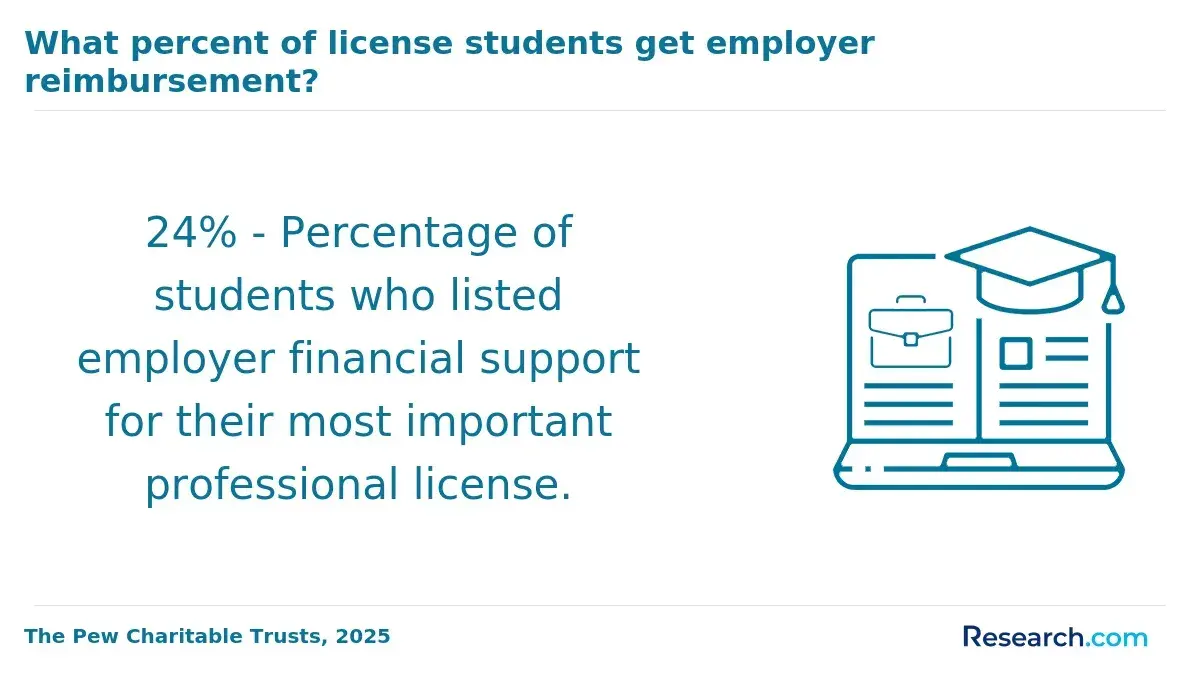
The actual affordability of counselor education programs often hinges on the specifics of financial aid structures across states rather than tuition sticker prices alone. According to the National Center for Education Statistics (NCES) 2024 data, about 75% of education graduate students benefit from some form of financial aid, underscoring how external funding fundamentally shapes net costs. Federal grants like the TEACH Grant can reduce annual expenses by up to $4,000; however, these grants impose service obligations in designated high-need regions, which may restrict geographic and career flexibility post-graduation. Consequently, students must weigh immediate financial relief against longer-term employment constraints when deciding to accept such aid.
State grants and tuition reciprocity agreements further alter the financial calculus, often favoring residents or those enrolled in institutions within cooperative networks. For instance, New York and California offer comparatively generous aid programs that substantially lessen tuition burdens, while learners in states with fewer aid options face proportionally higher out-of-pocket costs. Employer-sponsored tuition assistance presents an alternative for working students but usually demands juggling professional responsibilities with academic requirements, potentially extending program duration. Eligibility variations by enrollment status and institutional policies also affect aid access, with full-time students typically qualifying for more support but incurring higher short-term costs than part-time peers. These factors combined require prospective Counselor Education students to strategically evaluate how aid stacking rules, residency requirements, and renewal conditions interplay with their educational and career trajectories.
Are Online Counselor Education Degree Programs More Affordable Than On-Campus Options?
Choosing between online and on-campus counselor education degree programs requires a nuanced cost assessment well beyond sticker tuition. While online programs generally offer tuition discounts of 10-20% compared to on-campus counterparts, total expenses vary widely depending on factors like state residency policies, technology fees, required practicum travel, and local housing costs. For example, a student in a state with strict residency requirements for clinical hours might face unexpected travel expenses or need to enroll in more costly in-person options despite higher campus tuition. Such practical tradeoffs reveal that affordability comparisons depend heavily on individual circumstances and program design rather than inherent online premium savings.
The cost comparison of online versus on-campus counselor education programs by state also reveals important financial aid disparities. Although federal aid is typically equal, many state grants favor campus-based enrollment, limiting access for remote learners and thereby narrowing affordability gaps in states with substantial in-state funding. Additionally, schedule flexibility inherent in many online programs can help working adults maintain employment and offset opportunity costs, enhancing overall financial viability. However, geographic variations and policy constraints mean prospective students must carefully evaluate these elements alongside tuition and ancillary fees to determine true affordability.
Budget-conscious learners should consider how these complex variables interact with their personal circumstances and career goals to inform decisions about where and how to pursue counselor education. Prospective students might also explore related fields with different cost structures or faster completion timelines, such as a well-researched exercise science online degree, which may offer alternative pathways depending on professional objectives.
Is a Counselor Education Degree Worth the Cost Based on Career Outcomes and ROI?
Assessing the worth of a counselor education degree requires more than comparing tuition costs; it demands scrutiny of how regional variations in expenses, debt accumulation, and employment opportunities interplay. For example, graduates in states like California and New York may face higher tuition and larger debt loads, which can dampen the return on investment despite access to strong job markets. Meanwhile, states in the Midwest and South typically offer more affordable pathways, which can yield better financial outcomes even if starting salaries are comparatively lower. This dynamic is vital for budget-conscious students evaluating counselor education degree return on investment in the United States.
Beyond direct costs, completion rates and workforce demand substantially affect value. Programs with higher graduation rates lower the risk of debt without credential attainment, while increasing national demand for qualified counselors contributes to job security. Advanced licensure further improves earning potential, but candidates must carefully weigh opportunity costs, geographic mobility constraints, and alignment with career goals. Those comparing degrees should also consider specialized education tracks; exploring the types of therapist degrees can clarify which credentials best meet professional expectations. Career outcomes and earning potential for counselor education graduates by state vary widely, urging prospective students to analyze these factors holistically before committing financially.
References
- Call to Action https://www.amhca.org/advocacy/takeaction
- How To Become A Licensed Counselor: A Step-by-Step Guide | Psychology.org https://www.psychology.org/careers/counseling/
- 20+ Best M.Ed. in School Counseling Programs (2025) https://schoolcounselingmasters.org/masters-in-education-school-counseling/
- College Affordability for Counseling Students https://www.counselingschools.com/blog/college-affordability-guide
- Is a master's degree in counseling worth it? | edX https://www.edx.org/resources/is-a-masters-in-counseling-worth-it
- Making College Affordable: Providing Low-Income Students with the Knowledge and Resources Needed to Pay for College - Jack Kent Cooke Foundation https://www.jkcf.org/research/making-college-affordable-providing-low-income-students-with-the-knowledge-and-resources-needed-to-pay-for-college/
- How to Negotiate Your Financial Aid Offer in 2026 | ScholarshipOwl https://scholarshipowl.com/blog/paying-for-college/how-to-negotiate-college-tuition/
- College Affordability Still Out of Reach for Students with Lowest Incomes, Students of Color https://www.ihep.org/college-affordability-still-out-of-reach-for-students-with-lowest-incomes-students-of-color/
- For Students - CACREP https://www.cacrep.org/for-students/
- 50+ Scholarships & Resources for Counseling Master's Students https://www.onlinemastersdegrees.org/student-resources/counseling/
Other Things You Should Know About Counselor Education
While pursuing the lowest tuition can be tempting, students must consider how program accreditation affects licensure and employability. States with more affordable options sometimes have limited accredited programs, which can extend time to licensure or reduce job prospects. Prioritizing programs with strong regional or CACREP accreditation-even if slightly costlier-can improve career outcomes and justify higher initial costs by ensuring smooth licensure and broader employer recognition.
Higher tuition states often correlate with more urban centers offering robust clinical training and networking opportunities, which can boost placement rates and starting salaries. However, this is not guaranteed; some lower-cost states have strong local demand for counselors compensating for fewer clinical partnerships. Candidates should evaluate if the added upfront cost aligns with tangible career benefits like employer connections or specialized training programs that justify the investment.
States vary in credit hour requirements, clinical hour mandates, and available part-time or accelerated options, impacting overall time and expenses. Longer or more rigid programs increase living and opportunity costs beyond tuition. Budget-conscious students should analyze programs' total time commitments and scheduling flexibility, as a slightly more expensive program with fewer required hours or part-time options can reduce indirect costs and improve work-study balance.
For students with significant budget constraints, enrolling in in-state programs offers notable tuition savings but may limit access to specialty tracks or cutting-edge elective courses found elsewhere. If a specific counselor education specialty or clinical focus is essential to career goals, investing in out-of-state or private programs could be worthwhile. Otherwise, establishing residency and selecting strong local programs is generally prudent to minimize debt without sacrificing essential educational quality.