2027 Counselor Education Job Market Report: Open Roles, Salary Bands, and Hiring Momentum

Co-Founder and Chief Data Scientist
The counselor education job market reflects complex shifts driven by evolving credential standards, regional workforce demographics, and the integration of telehealth technologies. Open roles and salary bands reveal how institutional priorities prioritize specialized competencies, such as trauma-informed care and multicultural proficiency, rather than generalist training alone.
Recent labor analytics highlight geographic clustering of hiring momentum in urban centers with growing demand for licensed professionals amid rising regulatory requirements. These employment patterns suggest that salary growth and recruitment intensity respond to a confluence of regulatory pressures, funding cycles, and demographic transitions among both students and practitioners.
The rising median age of counselor education students signals an increasingly diverse mix of career changers and advancing professionals, affecting workforce renewal and educational access. This report examines open roles, salary distributions, and hiring trends as indicators of how the counselor education field is adapting to these structural forces and shifting employer expectations.
Key Things to Know About Counselor Education Job Market
- Open roles in counselor education have grown modestly post-2023, reflecting steady but localized demand; this suggests graduates should target regions with institutional expansions for better hiring prospects.
- Salary bands remain compressed due to public sector funding limits, signaling early-career constraints that require weighing extended credentialing costs against slower income growth.
- Recent studies show hiring momentum favors candidates with specialized skills, underlying a tradeoff between broad generalist training and investing time in niche competencies valued by employers.
- Key Things to Know About Counselor Education Job Market Key Things to Know About Counselor Education Job Market
- How Strong Is Demand for Counselor Education Graduates in Today's Job Market? Demand for Graduates
- Which Counselor Education Careers Have the Most Open Job Opportunities? In-Demand Careers
- What Salary Bands Are Employers Offering Across Counselor Education Careers? Offered Salary Bands
- Which Industries Are Hiring the Most Counselor Education Graduates? Top-Hiring Industries
- How Does Hiring Demand Vary by State, Region, and City? Hiring Demand by Location
- What Skills Are Employers Prioritizing in Counselor Education Job Postings? In-Demand Skills
- Which Certifications Increase Employability and Salary Potential? High-Value Certifications
- How Do Remote and Hybrid Opportunities Affect the Counselor Education Job Market? Remote and Hybrid Opportunities
- Which Counselor Education Careers Show the Strongest Long-Term Hiring Momentum? Strongest Careers
- How Can Students Use Job Market Data to Make Better Career Decisions? Utilizing Job Market Data
How Strong Is Demand for Counselor Education Graduates in Today's Job Market?
Current labor market data indicates that demand for counselor education graduates remains robust, with the U.S. Bureau of Labor Statistics projecting mental health counseling positions to grow by approximately 22% through 2024, outpacing many occupational categories. This growth is reflected in nationwide employment opportunities for counselor education graduates, particularly in healthcare, social services, and education sectors.
However, demand varies by region and specialty area, with enhanced hiring momentum seen for graduates skilled in trauma-informed care, substance abuse counseling, and school-based mental health services, as noted in recent LinkedIn Workforce Reports. Employers increasingly seek candidates who combine licensure with concrete clinical experience, reflecting heightened standards that temper immediate employment gains despite steady demand.
Several factors underpin the evolving demand landscape for counselor education graduates. Expansion of mental health programs and greater societal emphasis on psychological well-being have driven industry-wide workforce needs, but these opportunities are uneven across states due to divergent licensure regulations and credentialing barriers. Technological shifts, including telehealth adoption, create new service models that favor counselors possessing both digital competencies and specialty training.
Geographic disparities remain significant, influencing salary levels and job availability, with metropolitan areas generally offering more resources and higher wages. The competitive environment favors candidates demonstrating adaptability, strong communication skills, and dual-disciplinary qualifications, which further complicates straightforward assessments of counselor education job market demand in the United States.
For prospective students and early-career professionals, understanding these dynamics is critical. Long-term career outlooks favor those who prioritize strategic specialization, maintain licensure currency, and remain flexible with geographic mobility. While foundational counselor education credentials are essential, supplementary skills and continuing education greatly influence stability and upward mobility in this sector.
Evaluating programs against these realities, and relevant workforce projections, including less conventional pathways like online DNP FNP programs that intersect with counseling careers, can better position graduates to navigate an increasingly complex and segmented labor market.
Which Counselor Education Careers Have the Most Open Job Opportunities?
Open job opportunities within counselor education careers are shaped by a combination of industry expansion, skill shortages, and evolving employer demands. Labor market shifts reflect broader societal trends including increased focus on mental health, aging populations, and regulatory pressures, all influencing which counselor roles show the highest hiring activity.
These positions are not just abundant due to vacancy counts but also because of changing organizational priorities, such as integrating telehealth or workforce re-entry programs. Understanding these dynamics helps clarify why certain counselor paths demonstrate sustained demand amid regional and sector-specific variations.
- School Counselors: Sustained growth in demand arises from educational institutions' emphasis on mental health support for students and mandated counselor-to-student ratios, especially in public K-12 settings. Employers frequently require competencies in social-emotional learning frameworks and crisis intervention, responding to policy-driven hiring. The BLS projects a 9% increase in openings through 2032, underscoring persistent regional demand variations across school districts.
- Mental Health Counselors: Strong hiring momentum is fueled by expanding access to outpatient and telehealth services in urban and suburban communities. Mental health awareness campaigns and integrated care models drive employer needs for professionals skilled in trauma-informed care and diverse therapeutic approaches. The NBCC's 2024 workforce data reports a 12% rise in job postings, reflecting solid market traction across sectors like hospitals, private practice, and community health centers. The median mental health nurse practitioner salary is around $132,300, suggesting promising wages.
- Clinical Rehabilitation Counselors: Positions have grown in response to policies promoting workforce re-entry for disabled individuals and aging demographics requiring vocational support. Employers often seek specialized credentials and experience with disability benefit systems. Job openings are notably steady, aligned with continuous funding in public rehabilitation programs and healthcare providers focused on functional independence enhancement.
- Substance Abuse Counselors: While growth is more moderate and geographically restricted, demand persists in public health and criminal justice settings responding to opioid and other substance use crises. Funding fluctuations influence job availability, with employers increasingly valuing skills in harm reduction, motivational interviewing, and co-occurring disorder treatment.
- Career Counselors: Driven by shifts in labor market volatility and the increasing complexity of career pathways, these counselors support workforce transition services in educational and nonprofit sectors. Employer expectations emphasize labor market knowledge, digital literacy for remote counseling, and group facilitation proficiency. Their role continues to evolve in tandem with economic restructuring, offering decision-making support amid changing job market conditions.
What Salary Bands Are Employers Offering Across Counselor Education Careers?
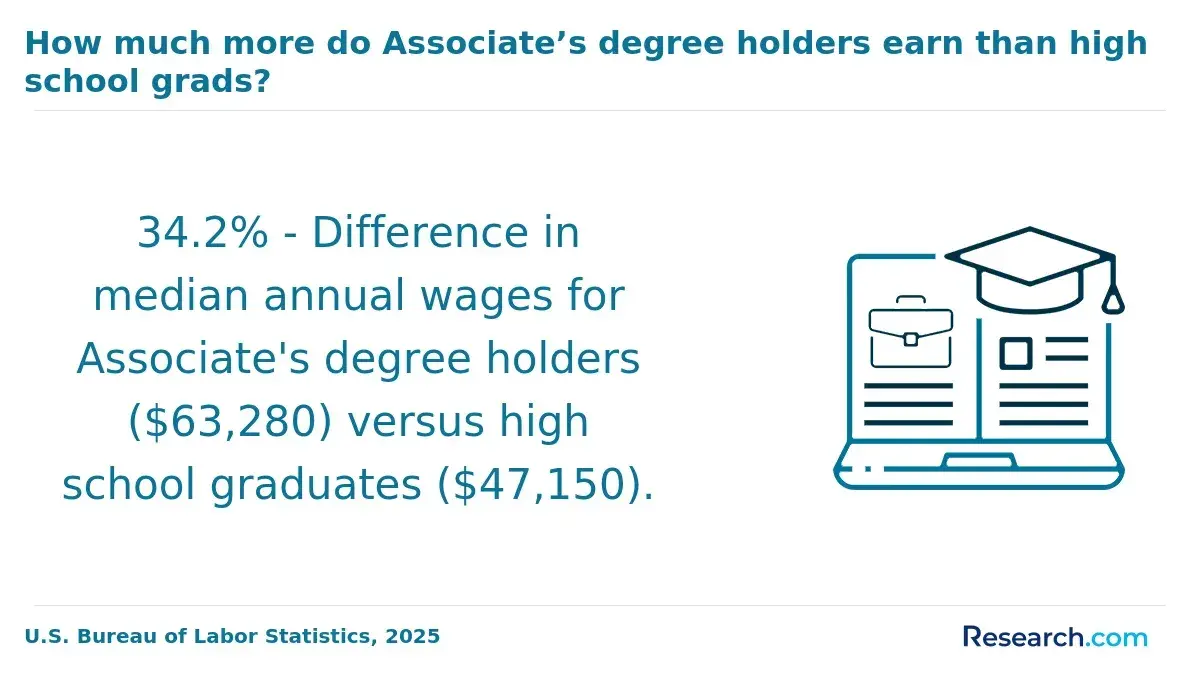
Salary bands in counselor education careers reflect a structured progression tied closely to experience, credentials, and institutional expectations, with 2024 data from sources such as the U.S. Bureau of Labor Statistics and LinkedIn Salary Insights confirming this trend.
Entry-level positions generally offer salaries between $45,000 and $60,000, often corresponding to adjunct roles or initial faculty appointments requiring limited doctoral experience. Mid-level professionals, typically holding completed doctorates and several years of clinical or academic experience, see compensation rise to a range of $65,000 to $90,000, aligning with greater teaching responsibilities, program development, and supervision duties.
At the senior level, where individuals assume leadership roles such as department chairs or tenured professors, salaries extend from $95,000 up to (and sometimes beyond) $130,000, reflecting increased administrative demands and research prominence within competitive academic or specialized counseling institutions.
Variations in these salary bands arise from complex labor market dynamics, including specialization intensity, geographic factors, and institutional funding capacity. Higher living costs in urban or research-intensive areas tend to push salaries upward, while rural or less-funded institutions offer more modest compensation despite similar qualifications.
Specialized clinical skills or administrative expertise command premium wages due to scarcity and heightened demand, especially in healthcare-related settings or larger universities. Furthermore, smaller programs or community-based organizations may lag on salary scales but provide alternative benefits such as stability or mission-driven work, illustrating how job seekers must balance compensation with broader career considerations in this evolving field.
One counselor education graduate recounted grappling with the rolling admissions timeline, initially hesitant to commit while waiting on potential offers from several programs. The uncertainty slowed her application momentum. She reflected, "I wasn't sure if I should wait or move forward, especially since funding details weren't clear early on."
Eventually, she prioritized programs that provided timely communication and clear salary expectations aligned with her career goals, highlighting how early clarity around compensation can significantly influence decision-making during the admission process.
Which Industries Are Hiring the Most Counselor Education Graduates?
Demand for counselor education graduates is largely concentrated in sectors confronting rapid technological change, workforce shortages, and evolving service delivery models. Hiring patterns reflect broader economic shifts such as digital adoption, expanded public health initiatives, and increased emphasis on mental health integration across institutions.
Rather than isolated recruitment spikes, these industries display sustained growth driven by structural needs for specialized counseling skills, adaptability to telehealth environments, and cross-disciplinary collaboration.
- Healthcare: The healthcare sector leads in absorbing counselor education graduates due to rising mental health awareness and expanded behavioral health services within hospitals and community clinics. Employers prioritize expertise in substance abuse treatment, trauma-informed care, and proficiency with telehealth platforms to meet a 7% increase in job openings over the past year reported by national health agencies.
- Education: K-12 schools and higher education institutions are responding to growing demand for student mental health support and career counseling amid shifting educational priorities. With school counseling roles growing over 5% since 2023, recruiters seek candidates skilled in developmental counseling, crisis intervention, and culturally responsive practices tailored to diverse student populations.
- Social Services: Nonprofit and government entities focusing on family services, juvenile justice, and community outreach are expanding their counselor education workforce. Competencies in case management, community engagement, and interagency collaboration align with a 6% hiring increase driven by policy reforms and increased funding for social work initiatives.
- Private Practice and Telehealth: The rise of telehealth has significantly broadened opportunities for counselor education graduates in private practice settings, especially in underserved urban and rural areas. Employers emphasize technological fluency, remote counseling techniques, and business acumen to navigate regulatory complexities and client acquisition challenges in this rapidly evolving market.
How Does Hiring Demand Vary by State, Region, and City?
Hiring demand for counselor education graduates varies significantly across states and broader regions, shaped by differences in population density, healthcare infrastructure, and mental health policy funding. States with large urban centers and well-developed healthcare markets like California, New York, and Texas consistently reflect stronger demand, driven by diverse communities requiring extensive mental health services.
In contrast, states in more rural regions such as parts of the Midwest and Southeast often see slower growth but may present unique opportunities in community-based mental health programs and teletherapy roles, which address service gaps in underserved areas. These geographic labor market variations align with recent 2024 workforce analytics data emphasizing how public mental health investment and economic structure influence hiring needs.
Understanding counselor education job demand by state involves recognizing the interplay between state-level workforce ecosystems and the availability of specialized mental health programs supported by state agencies and funding bodies.
At the city level, demand for counselor education professionals is further concentrated by the presence of economic hubs, academic institutions, and healthcare clusters that form dynamic employment ecosystems. Metropolitan areas such as Boston, Chicago, and Seattle exemplify this trend, where universities and major medical centers generate higher volumes of positions, often attracting candidates with specialized credentials and offering competitive salary bands reflective of local cost-of-living and institutional expectations.
Employer competition is often more intense in these cities, requiring candidates to balance the benefits of larger job markets against the challenges of saturation and licensure portability. Additionally, urban centers tend to require hires with trauma-informed and culturally competent skill sets, while smaller cities and suburban areas might prioritize generalist counseling skills due to narrower service scopes.
For those exploring educational pathways, integrating an understanding of these regional hiring trends for counselor education roles is critical-matching training and licensure portability with targeted geographic markets can significantly improve employment prospects. For related healthcare education options that might complement or inform counselor education pathways, prospective candidates may consider exploring an ultrasound tech school as an example of adjunctive technical programs available in the healthcare sector.
What Skills Are Employers Prioritizing in Counselor Education Job Postings?
Employer priorities in counselor education job listings reflect ongoing shifts driven by technological advancement, changing service delivery models, and the increasing intersection of clinical practice with academic roles. The field demands professionals who not only master therapeutic techniques but also adapt to hybrid learning environments and complex institutional settings.
These evolving expectations highlight a broader trend toward interdisciplinary competence that blends clinical proficiency, research fluency, and educational adaptability.
- Clinical Counseling Techniques: Mastery of evidence-based methods such as cognitive-behavioral therapy (CBT) and trauma-informed care remains central, as employers seek candidates able to integrate these approaches directly into teaching curricula and clinical supervision. The emphasis on these modalities reflects growing recognition of their effectiveness and widespread application in diverse counseling contexts.
- Research Literacy and Curriculum Development: Beyond practical skills, counselor educators are expected to demonstrate the capacity to analyze and interpret empirical research, translating findings into relevant course content. This capability supports program innovation aligned with emerging theory and practice, addressing employer calls for academic rigor and evidence-informed pedagogy in nearly half of job postings.
- Interpersonal and Supervisory Skills: Effective communication and mentorship are fundamental given the multifaceted educator role. More than half of the listings emphasize the need for adeptness in navigating institutional relationships and providing constructive supervision, underscoring how collaboration and leadership contribute to learner success and workforce readiness.
- Technological Fluency for Hybrid and Online Learning: Approximately 40% of job descriptions now require proficiency with digital teaching platforms, reflecting the sustained expansion of hybrid education models. Employers prioritize this skill because it enables accessibility, student engagement, and instructional effectiveness in increasingly tech-driven academic environments.
- Grant Writing and Academic Proposal Expertise: Experience with securing research funding or contributing to grant proposals emerges as a valued skill, linked to institutional expectations for faculty to support program sustainability and advancement through external resources.
Which Certifications Increase Employability and Salary Potential?
Certifications in counselor education often function as critical markers of specialized expertise, technical skill, and readiness for the practical demands of clinical roles. These credentials complement academic qualifications by signaling to employers that candidates meet rigorous professional standards and possess targeted competencies aligned with evolving workplace needs.
Effectively chosen certifications can differentiate applicants in competitive labor markets, improving both hiring potential and salary prospects by validating skills that address specific sector gaps.
- Licensed Professional Counselor (LPC) or Equivalent State Licensure: Nearly a baseline requirement in many counseling roles, this licensure acts as a direct assurance of clinical competency and ethical practice. Data from the U.S. Bureau of Labor Statistics demonstrates a consistent 15-20% salary uplift for licensed candidates, reflecting employers' trust in licensure as a standard that mitigates hiring risk and supports credential portability across states.
- Certified Clinical Mental Health Counselor (CCMHC): As mental health service demands intensify, the CCMHC credential signals advanced clinical skills and a focus on treatment efficacy. This certification meets growing needs for specialized care providers, boosting hiring prospects especially in clinical, hospital, and community health settings where complex case management is required.
- Trauma-Informed Counseling Certification: With increasing legislative and institutional emphasis on trauma-informed approaches, professionals holding this certification fill a critical skills gap. Employers prioritize candidates with trauma-focused credentials for their ability to adapt interventions to sensitive populations, often linked to enhanced client outcomes and compliance with regulatory standards.
- Telehealth Counseling Credentials: The rapid expansion of remote service delivery post-pandemic has created strong demand for digital counseling capabilities. Credentials in telehealth confirm proficiency with virtual technologies and remote client engagement, helping counselors access broader markets and command competitive compensation for tech-enabled care.
- National Certified Counselor (NCC): Recognized nationwide, the NCC demonstrates a broad-based mastery of counseling principles and ethical guidelines. Holding this certification improves employability across various sectors by evidencing adherence to industry-wide standards and commitment to ongoing professional development, traits favored by hiring managers.
One counselor education graduate recounted hesitating during the rolling admissions period due to uncertainty about completing their state licensure within the first year of employment. They weighed applying before finalizing specialty certifications, unsure if earlier admission would reduce competitiveness.
Ultimately, their decision to enter the program sooner allowed on-the-job clinical hours to commence sooner, accelerating licensure fulfillment. This strategic timing, balanced with deliberate post-admission certification planning, proved crucial in securing employment within six months of finishing the degree. Their experience highlights how timing certification efforts and admissions can impact immediate job market readiness and long-term income growth.
How Do Remote and Hybrid Opportunities Affect the Counselor Education Job Market?
Remote and hybrid counselor education job opportunities are reshaping hiring patterns, with workforce analytics from 2024 indicating a steady rise in roles offering some degree of flexibility. Many employers now leverage these models to access talent pools across wider geographic areas, reducing reliance on local candidates and increasing competition for specialized skills.
However, practical demands of counselor education, such as direct supervision and client interaction, limit fully remote options, causing hybrid arrangements to become prevalent in academic and clinical settings. This dynamic shifts employer expectations toward candidates who combine counseling expertise with strong digital communication and self-management skills, particularly in larger institutions with robust technology infrastructures.
The broader labor market implications include shifts in salary structures as geographic salary differentials adjust to remote work's regional pay variations, sometimes compressing wages in traditionally higher-paying areas. Remote and hybrid roles challenge traditional notions of collaboration, requiring more proactive digital engagement and adaptability, which in turn affects long-term career trajectories and access to mentorship possibilities.
As this evolution continues, prospective job seekers must evaluate how these flexible work models influence licensure and supervision requirements specifically within counselor education, acknowledging that despite greater accessibility, such roles often demand navigating trade-offs in workload, compensation, and professional development.
Those assessing these changes may also find value in related workforce insights, such as guidance on how to become a medical examiner assistant, to contextualize multi-disciplinary trends affecting health and education-related careers.
Which Counselor Education Careers Show the Strongest Long-Term Hiring Momentum?
Long-term hiring momentum in counselor education careers reflects deeper, structural changes rather than transient job market fluctuations. This momentum is shaped by enduring economic shifts, evolving mental health frameworks, and technological advancements that redefine service delivery models.
Understanding these persistent drivers offers a clearer lens into workforce demand sustainability and helps prospective students and job seekers evaluate pathways with both current viability and future stability.
- Substance Abuse and Behavioral Disorder Counseling: Projections indicate a 22% employment growth rate through 2032, driven by heightened societal focus on behavioral health and expanded access to treatment programs. The persistent opioid crisis and increasing recognition of co-occurring disorders necessitate specialized expertise, reinforcing sustained demand in clinical and community settings.
- School Counseling: Demand is rising alongside initiatives to address student mental health and social-emotional learning. Policy measures targeting lower counselor-to-student ratios create structural hiring pressure, although licensure and advanced degree requirements create gatekeeping that can limit supply.
- Clinical Mental Health Counseling: This area benefits from broad applicability across healthcare facilities, community organizations, and private practice, with integrated care models and telehealth technologies further expanding reach and job availability. Licensure readiness remains crucial for consistent employment.
These patterns illustrate that top counselor education roles with sustained hiring growth are closely linked to systemic healthcare reforms and educational policy shifts, underscoring the necessity of targeted specialization and credentialing.
Candidates should weigh these workforce realities alongside the availability of programs like the best online CAHIIM accredited health information management degree programs, which highlight related pathways intersecting healthcare and information management.
How Can Students Use Job Market Data to Make Better Career Decisions?
Students pursuing careers in counselor education can leverage 2024 labor reports, hiring platforms, and salary databases to analyze job availability, compensation trends, and sector growth. These data sources reveal important regional hiring disparities and highlight employer preferences for specific credentials or skills, such as licensure or telehealth expertise.
By studying median salaries alongside experience requirements, students can evaluate the financial return of various educational paths within counselor education fields, identifying which specializations, like school or mental health counseling, are expanding versus those with stagnating opportunities. This targeted labor market insight aids in distinguishing sustainable roles from temporary or oversaturated niches.
Interpreting this data requires balancing quantitative indicators with personal and geographic factors to ensure long-term career viability. Overreliance on short-term hiring spikes or singular salary peaks risks misaligned investment in education that lacks stability or flexibility.
Students should weigh growth potential, regional demand, and evolving skill needs against individual interests, recognizing that emerging employer priorities, such as cultural competence, can shift hiring dynamics rapidly. Integrating these market signals with personal career goals fosters informed decision-making that mitigates risks and maximizes employability within counselor education trajectories.
References
- Therapists in counselling and related specialized therapies | WorkBC https://www.workbc.ca/career-profiles/therapists-counselling-and-related-specialized-therapies
- NCDA Credentialing https://www.ncda.org/aws/NCDA/pt/sp/credentialing_ccc
- Soft Skills Employers are Looking for in a Graduate https://www.law.ac.uk/resources/blog/soft-skills-employers-are-looking-for-in-a-graduate/
- 6 experts explain the impact of remote and hybrid work on employee mental health - People Mobility Alliance https://people-mobility.org/6-experts-explain-the-impact-of-remote-and-hybrid-work-on-employee-mental-health/
- How Certification Impacts Mental Health Counselor Pay https://scale.jobs/blog/how-certification-impacts-mental-health-counselor-pay
- Counselor Salary https://onlinecounselingprograms.com/become-a-counselor/salary/
Other Things You Should Know About Counselor Education Job Market
While many open roles value broad counselor education competencies, specialized training in areas like addiction counseling or trauma-informed care often leads to higher starting salaries and quicker placement. However, highly specialized programs may limit your flexibility in a fluctuating job market where employer needs can pivot rapidly. Prioritize specializations that align with both your career interests and demonstrated local or regional demand, balancing depth with enough versatility to pivot as opportunities evolve.
Higher salary bands frequently correlate with increased administrative responsibilities, larger caseloads, or specialized program leadership duties, which can intensify burnout risks. Early-career professionals should weigh whether accepting a lower-paying role with manageable client loads offers better long-term career sustainability than chasing top-tier salaries accompanied by demanding performance metrics. Seek roles that explicitly clarify workload expectations alongside compensation to avoid surprises.
Although adjunct roles provide flexible entry points, current hiring momentum indicates fewer transitions from adjunct to full-time due to institutional budget constraints and strategic shifts. For those aiming at sustainable career growth, securing full-time positions-even if initially at modest salaries-is preferable because they offer benefits, professional development, and clearer advancement tracks. Therefore, prioritize full-time openings when possible and use adjunct roles strategically for networking rather than long-term placement.
Beyond salary, consider employer support for professional development, supervision quality, expected client caseloads, and facility resources, as these heavily influence job satisfaction and effectiveness. High salaries with poor administrative support or oversized workloads often lead to rapid turnover. Prioritize offers that provide structured onboarding and realistic performance expectations to maximize both immediate success and longer-term retention.