
2027 Is Demand for Industrial Organizational Psychology Degree Graduates Growing or Declining?

Co-Founder and Chief Data Scientist
Choosing an industrial organizational psychology degree is ultimately a career decision: will the program help you qualify for roles that improve hiring, training, leadership, employee well-being, and organizational performance? For students interested in psychology but drawn to business, analytics, and workplace strategy, industrial organizational psychology offers a practical bridge between behavioral science and employer needs.
The field is gaining attention because organizations are under pressure to retain talent, manage hybrid teams, reduce burnout, make fairer hiring decisions, and use workforce data responsibly. The U. S. Bureau of Labor Statistics projects a 7% growth in industrial organizational psychologist positions from 2022 to 2032, which points to steady demand for specialized roles. However, the broader opportunity is not limited to the job title “industrial organizational psychologist.” Graduates may also work in human resources, talent analytics, training and development, organizational development, consulting, employee relations, and leadership assessment.
This guide explains what is driving demand, which occupations and industries offer the strongest opportunities, how location and degree level affect employability, what skills employers value, how AI is reshaping the field, and whether the degree is likely to be worth the investment based on current job demand.
Key Things to Know About the Demand for Industrial Organizational Psychology Degree Graduates
- Employment for industrial organizational psychology graduates grew approximately 3 percent annually over the past decade, reflecting steady demand in corporate and consulting sectors.
- Projected job growth for industrial organizational psychology roles is expected to increase by 8 percent through 2030, faster than the average for all occupations.
- Specializing in areas like employee diversity, remote workforce management, or organizational change enhances career prospects amid evolving industry needs and digital transformation trends.
What Factors Are Driving Demand for Industrial Organizational Psychology Degree Professionals?
Demand for industrial organizational psychology professionals is being driven by a basic business problem: employers need better ways to select, support, develop, and retain people. I-O psychology graduates are useful because they combine behavioral science, research design, measurement, and workplace consulting skills.
- Workforce performance pressure: Organizations want measurable improvements in productivity, engagement, retention, and leadership effectiveness. I-O psychology professionals help design selection systems, performance reviews, training programs, and employee surveys that are grounded in evidence rather than guesswork.
- Growth in technology, healthcare, and consulting: These sectors often operate with complex teams, high turnover risks, compliance concerns, and rapid change. Employers in these areas need specialists who can diagnose workforce problems and recommend practical interventions.
- Data-driven HR: Employers increasingly expect workforce decisions to be supported by data. I-O psychology professionals who can analyze employee surveys, hiring metrics, assessment results, and performance data are especially valuable. This shift also overlaps with growing interest in AI degree programs and analytics-focused training.
- Leadership and soft-skill development: Companies need managers who can lead diverse, distributed, and cross-functional teams. I-O psychology graduates may contribute to coaching, leadership assessment, succession planning, and team effectiveness initiatives.
- Diversity, equity, and inclusion expectations: Employers face pressure to make hiring, promotion, evaluation, and workplace culture more fair and consistent. I-O psychology training is relevant because it emphasizes measurement, bias reduction, job analysis, and structured decision-making.
- Remote and hybrid work: Flexible work arrangements have changed how teams communicate, collaborate, and evaluate performance. I-O professionals can help organizations redesign workflows, strengthen virtual leadership, and measure employee experience across work settings.
- Changing labor standards and compliance needs: Employment practices must align with labor laws, ethical standards, and workplace policies. Professionals who understand assessment validity, documentation, and fair employment practices can help reduce risk.
Prospective students should also consider program quality. Choosing accredited industrial organizational psychology degree programs can help ensure that coursework covers research methods, statistics, psychological assessment, organizational behavior, and ethical practice. Accreditation does not guarantee a job, but it can signal that a program meets recognized academic standards and may be more useful for graduate study, employer review, and long-term career planning.
Which Industrial Organizational Psychology Occupations Are Seeing the Highest Growth Rates?
The strongest job prospects for industrial organizational psychology graduates are often found in adjacent roles rather than only in positions with “psychologist” in the title. Students should compare job growth, degree expectations, required experience, and the amount of analytics or consulting work involved. As a point of comparison, the U.S. Bureau of Labor Statistics projects a 14% growth in healthcare support occupations over the next decade, showing how growth rates can signal expanding labor market demand.
- Training and Development Managers: Projected to grow by approximately 11% through 2032, this role is closely aligned with I-O psychology because it focuses on workforce learning, skill gaps, leadership development, and training evaluation. Employers often prefer candidates with experience designing programs and measuring outcomes.
- Human Resources Specialists: With growth rates near 7%, HR specialist roles can be a practical entry point for bachelor's-level graduates. These positions may involve recruiting, employee relations, benefits, onboarding, compliance support, and performance processes.
- Organizational Development Consultants: These professionals help organizations manage change, improve culture, redesign teams, and strengthen leadership systems. Advanced degrees are often useful because the work can require research, facilitation, survey design, and executive-level communication.
- Talent Acquisition Analysts: These roles combine recruiting strategy with workforce data. Candidates with I-O psychology training can stand out when they understand structured interviews, assessment validity, selection fairness, and hiring metrics.
- Employee Relations Managers: Demand for this role is influenced by workplace conflict, labor expectations, policy changes, and employee well-being concerns. I-O psychology graduates who understand motivation, communication, and organizational systems may be well prepared for this work.
Students comparing career paths should separate counseling-oriented work from workplace psychology. Programs such as CACREP-accredited online counseling programs may complement an interest in human behavior, but they are designed for different professional goals than industrial organizational psychology. I-O psychology is typically more focused on organizations, work systems, assessment, analytics, and employee performance than on clinical or therapeutic practice.
Which Industries Hire the Most Industrial Organizational Psychology Degree Graduates?
Industrial organizational psychology graduates are hired wherever employers need to improve people-related decisions at scale. The best industry fit depends on whether a graduate wants to work in internal HR, external consulting, analytics, training, leadership development, or organizational change.
- Corporate and Business Services: Large companies use I-O psychology skills for hiring systems, employee engagement, leadership development, performance management, succession planning, and culture initiatives. Business services and consulting firms may also hire graduates to support client projects.
- Healthcare: Hospitals, clinics, and healthcare systems need workforce solutions for burnout, staffing, training, leadership, safety culture, and regulatory compliance. I-O psychology professionals may help design employee surveys, onboarding programs, retention strategies, and manager development initiatives.
- Government and Public Administration: Federal, state, and local agencies may use I-O psychology methods for personnel selection, workforce planning, job analysis, employee assessment, training, and policy implementation. These roles can be appealing to graduates who value structured systems and public-sector impact.
- Human Resources and Talent Management: HR departments hire graduates for recruiting, employee relations, compensation support, learning and development, talent analytics, and performance systems. This is one of the most accessible paths for students entering the field with a bachelor's or master's degree.
- Technology and Manufacturing: Technology firms may need support with fast growth, distributed teams, leadership development, and talent analytics. Manufacturing employers may focus more on safety culture, training, team performance, shift work, and change management tied to automation or process improvement.
The common thread across these industries is the need for evidence-based workforce decisions. Graduates who can translate research into practical recommendations, communicate with managers, and connect employee outcomes to business goals are often better positioned than those who present psychology knowledge in purely academic terms.
Breakdown of Private Fully Online For-profit Schools

How Do Industrial Organizational Psychology Job Opportunities Vary by State or Region?
Location matters because industrial organizational psychology jobs are often tied to employer concentration. Regions with corporate headquarters, consulting firms, healthcare systems, government agencies, universities, and technology companies tend to offer more opportunities. However, a high number of openings does not always mean a better financial outcome if cost of living is also high.
- High-Demand States: California, New York, and Texas typically offer the most job openings because of their large economies, employer density, and concentration of corporate and professional services roles.
- Industry Clusters: The Northeast and Pacific Northwest can provide specialized opportunities in technology, healthcare, finance, research, and consulting. These regional clusters may be useful for graduates with targeted skills, such as people analytics or organizational development.
- Urban Versus Rural Markets: Urban areas usually have more large employers, consulting firms, and HR departments with specialized roles. Rural areas may have fewer openings, but candidates may face less competition for general HR or workforce development positions.
- Cost of Living: Higher salaries in metropolitan areas may be offset by housing, commuting, taxes, and other living costs. Students should compare actual take-home value, not just posted salary ranges.
- Remote and Hybrid Work: Flexible work has expanded access to some I-O-related roles, especially in HR analytics, consulting, training design, and employee engagement. Even so, some positions still require proximity to headquarters, client sites, or regional offices.
Students who are willing to relocate may have more options, but relocation should be evaluated strategically. A strong regional job market, internship access, alumni network, and employer partnerships can make a program more valuable than a lower-cost degree with limited local connections.
How Does Degree Level Affect Employability in Industrial Organizational Psychology Fields?
Degree level strongly affects the type of work graduates can pursue in industrial organizational psychology. A bachelor's degree may qualify students for HR and training roles, while many I-O-specific, research-heavy, consulting, and assessment-focused positions favor a master's or doctorate.
| Degree Level | Typical Career Access | Employability Considerations |
| Associate Degree | Human resources assistant, administrative support, office coordination, or entry-level business support roles | Usually provides limited access to I-O psychology-specific work. Advancement may require a bachelor's degree or substantial HR experience. |
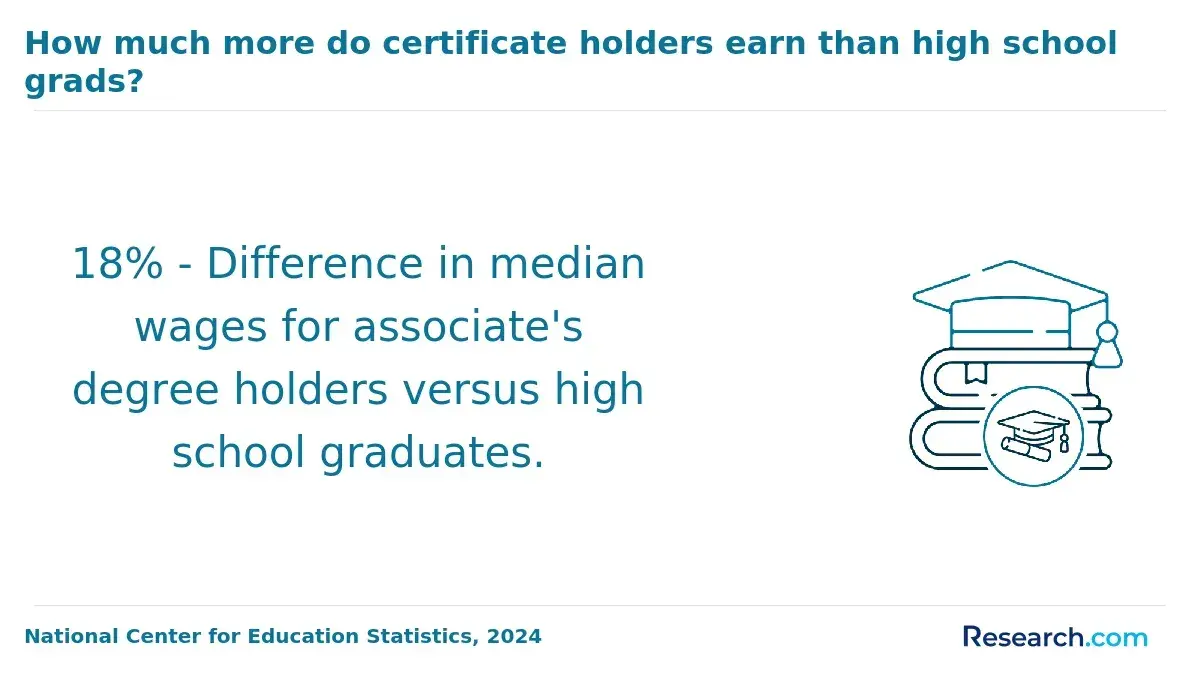
| Bachelor's Degree | HR specialist, training coordinator, recruiting assistant, employee engagement support, or research assistant | Job prospects improve significantly, showing approximately a 10% higher employment rate than those holding only an associate degree. Graduates may need internships, analytics skills, or HR certifications to compete for stronger roles. |
| Master's Degree | I-O psychology associate roles, organizational development consultant, talent management analyst, assessment specialist, or people analytics roles | Often the most practical degree for applied I-O careers. It builds stronger research, statistics, assessment, and consulting skills for evidence-based workplace solutions. |
| Doctorate Degree | Senior consultant, organizational development director, academic researcher, assessment leader, or policy-focused expert | Doctorate holders tend to exhibit employment rates exceeding 90% within the first year of graduation and may pursue advanced research, leadership consulting, assessment development, and academic work. |
The right degree level depends on the target role. Students who want a general HR career may not need a doctorate. Those who want to design assessments, lead complex research, teach, publish, or compete for senior consulting roles may benefit from doctoral training. Professionals who already hold psychology or HR credentials may also consider business-focused options, such as an online executive MBA, when their goal is broader leadership or management advancement rather than specialized I-O practice.
What Skills Are Employers Seeking in Industrial Organizational Psychology Graduates?
Employers look for graduates who can turn workplace data and psychological theory into decisions managers can use. Technical knowledge matters, but I-O psychology professionals also need credibility with leaders, employees, HR teams, and clients.
- Research and measurement skills: Graduates should know how to design surveys, interpret assessments, evaluate training outcomes, conduct job analyses, and use valid measurement methods.
- Data analysis: Employers value candidates who can work with employee engagement data, turnover patterns, selection metrics, performance trends, and other workforce indicators. Statistical literacy is especially important for people analytics and assessment roles.
- Clear communication: I-O professionals must explain findings to non-specialists. A strong analysis has limited value if leaders cannot understand what it means, what to do next, and what trade-offs are involved.
- Consultative problem-solving: Employers need professionals who can identify the real cause of a workplace problem rather than simply recommend a generic training program or survey. This requires listening, diagnosis, stakeholder management, and practical judgment.
- Understanding of human behavior: Motivation, decision-making, team dynamics, leadership, stress, and organizational culture are central to I-O psychology. Graduates should be able to apply these concepts in real work settings.
- Technology and HR systems proficiency: Comfort with HR information systems, survey platforms, spreadsheets, dashboards, and analytics tools can make graduates more effective and more employable.
- Ethical and legal awareness: Hiring tests, performance systems, employee surveys, and workforce analytics can affect people’s careers. Employers need graduates who understand fairness, privacy, validity, and responsible use of data.
One graduate described the transition from school to work as a shift from knowing the theory to making the theory useful: “Understanding how to present data in a way that resonates with non-experts was a steep learning curve.” They also noted that early consulting work required flexibility: “My first consultancy project felt overwhelming because I had to quickly adjust recommendations based on client input.” That experience reflects a common reality in the field: technical skill is necessary, but career growth often depends on adaptability, business communication, and the ability to respond to feedback without losing analytical rigor.
How Does Job Demand Affect Industrial Organizational Psychology Graduate Salaries?
Job demand affects salaries by changing how much competition employers face when hiring qualified candidates. When organizations urgently need talent analytics, leadership development, employee retention, or assessment expertise, graduates with relevant skills may have stronger negotiating power. The U.S. Bureau of Labor Statistics reported a median annual wage of approximately $109,030 for these professionals in 2022.
- Starting Salaries: In stronger labor markets, employers may offer better entry-level pay to candidates with applied experience, analytics training, internships, or graduate-level preparation. Candidates with only classroom experience may still need to start in broader HR or training roles.
- Wage Growth: Sustained demand can support faster salary progression, especially for professionals who move into consulting, people analytics, leadership development, or organizational development roles with measurable business impact.
- Long-Term Earnings: Career earnings often improve when professionals build a portfolio of high-value skills, such as assessment design, executive coaching support, workforce analytics, change management, or large-scale employee research.
- Market Dynamics: Salaries can still vary widely by region, employer size, degree level, industry, and competition. A strong degree alone does not guarantee high pay if the local market has few specialized openings or many qualified applicants.
Students should evaluate salary potential alongside tuition, debt, program format, internship access, and the likelihood of needing graduate school. The most financially sound path is usually the one that connects the degree to a defined occupation, not a vague interest in workplace psychology.
How Is AI Changing Demand for Industrial Organizational Psychology Professionals?
AI is changing the I-O psychology labor market in two ways: it automates some routine HR tasks while increasing the need for professionals who can evaluate, govern, and humanize technology-driven workplace decisions. A cited projection expected AI to impact 50% of workplace tasks by 2025, underscoring why graduates need both behavioral science and data fluency.
- Automation of routine tasks: AI tools can screen resumes, summarize survey comments, schedule interviews, generate training content, and process workforce data. This may reduce demand for purely administrative work but increase demand for professionals who can interpret results and improve systems.
- Need for ethical oversight: AI used in hiring, promotion, monitoring, or performance evaluation can create fairness, privacy, and validity concerns. I-O psychology professionals can help organizations ask whether tools are job-related, explainable, inclusive, and legally defensible.
- Growth in people analytics: Employers need professionals who can combine employee data with psychological theory. The strongest candidates will know how to question data quality, avoid overinterpreting patterns, and connect analytics to workplace outcomes.
- Human-AI collaboration: As employees work with AI tools, organizations need support with training, role redesign, adoption, trust, workload, and change management. These are natural areas for I-O psychology expertise.
- Changing skill expectations: Graduates do not necessarily need to become software engineers, but they should understand analytics concepts, AI limitations, bias risks, and how to communicate technology-related workforce recommendations.
One graduate described the shift this way: “Initially, adapting to AI tools felt overwhelming because I had to learn data analytics on top of psychology concepts. But once I integrated these new skills, I noticed a real boost in the projects I was able to lead.” Her experience captures the practical takeaway for students: AI is not eliminating the need for I-O psychology, but it is raising the skill bar for graduates who want to remain competitive.
Is Industrial Organizational Psychology Considered a Stable Long-Term Career?
Industrial organizational psychology can be a stable long-term career for graduates who build adaptable, employer-relevant skills. The field benefits from recurring workplace problems: hiring the right people, developing leaders, retaining employees, measuring performance, managing change, and improving organizational culture. These issues do not disappear during technological or economic change; they often become more complex.
- Consistent organizational need: Employers continue to seek evidence-based ways to improve productivity, employee satisfaction, leadership, and retention. This supports job stability for industrial organizational psychology graduates who can produce practical results.
- Multiple industry pathways: Graduates can work in healthcare, technology, manufacturing, consulting, government, education, and corporate HR. This range helps reduce dependence on a single sector.
- Adaptability to technology: Professionals who learn data analytics, AI governance, remote assessment, and digital collaboration tools are better positioned for long-term relevance.
- Advancement options: Career growth may come through consulting, people analytics, organizational development, HR leadership, research, training strategy, or executive advisory roles.
- Risk of underemployment without specialization: Stability is weaker for graduates who leave school without applied experience, quantitative skills, or a clear career target. Internships, projects, research experience, and professional networking can make the degree more marketable.
Students considering advanced study should compare I-O psychology with related leadership and education pathways. For example, affordable doctoral options such as low-cost online EdD programs may be relevant for professionals focused on education leadership, training systems, or organizational learning, but they serve different goals than an I-O psychology degree.
Is a Industrial Organizational Psychology Degree Worth It Given the Current Job Demand?
An industrial organizational psychology degree can be worth it for students who want to apply psychology in business, HR, consulting, analytics, training, or organizational development. The U.S. Bureau of Labor Statistics projects employment growth faster than average in the coming decade, and organizations continue to prioritize workforce optimization, employee satisfaction, and competitive advantage through stronger talent management.
The degree is most likely to pay off when students choose the right level of education for their target role. A bachelor's degree may support entry into HR, recruiting, training coordination, or research support. A master's degree can be more useful for applied I-O roles, consulting, people analytics, and organizational development. A doctorate may be appropriate for research-intensive, senior consulting, academic, assessment, or policy-focused careers.
Prospective students should ask practical questions before enrolling:
- Does the program include statistics, research methods, assessment, job analysis, organizational behavior, and consulting skills?
- Are internships, applied projects, or employer partnerships available?
- Do graduates work in the types of roles the student wants?
- Will the degree level be sufficient, or will a master's or doctorate be needed?
- Is the tuition reasonable compared with likely salary outcomes and debt?
- Does the program support remote, hybrid, or working-professional students if flexibility is needed?
Students should also be careful when comparing I-O psychology with broad online degree options. A program listed among the easiest bachelor degree to get online may offer flexibility, but ease should not be the main criterion for a career that rewards analytics, research ability, ethical judgment, and strong communication. The best choice is the degree that aligns with a realistic career plan and builds skills employers actually request.
What Graduates Say About the Demand for Their Industrial Organizational Psychology Degree
- : "Pursuing an industrial organizational psychology degree was a game-changer for me. The investment paid off quickly, as I was able to transition into a leadership role within a year of graduating. This degree did not just open doors; it changed how I approach workplace challenges strategically and empathetically. — Aries"
- : "Looking back, deciding to earn an industrial organizational psychology degree was both practical and fulfilling. The return on investment became evident as I noticed a significant salary increase and enhanced job stability. The knowledge I gained equipped me to make data-driven decisions that improve employee satisfaction and productivity. — Massimo"
- : "My journey through an industrial organizational psychology program was deeply enriching on a personal and professional level. The degree strengthened my credentials, allowing me to consult for diverse organizations and influence positive change. I value how it blends psychological theory with business practice, which has made a tangible impact on my career trajectory. — Angel"
Other Things You Should Know About Industrial Organizational Psychology Degrees
In 2027, salary trends for industrial organizational psychology graduates reveal an upward trajectory, reflecting heightened demand in sectors like tech and healthcare. Competitive salaries in these fields attract more graduates, further indicating sustained growth in demand for this expertise.
As of 2027, licensing is generally not required for industrial organizational psychology roles, though certifications like those from SHRM can enhance career prospects. Importantly, the evolving business environment and focus on workplace psychology continue to drive demand, making these roles increasingly vital despite the absence of licensing mandates.
In 2027, industries such as technology, healthcare, and finance are actively hiring industrial organizational psychology graduates. These sectors value the skills of optimizing workplace productivity and improving employee welfare, which are core competencies of industrial-organizational psychologists.
References
- Industrial and Organizational Psychology Careers https://www.alleydog.com/industrial-and-organizational-psychology-careers.php
- Use of Artificial Intelligence in Industrial-Organizational Psychology: Current Trends and Future Outlook – Society for Industrial and Organizational Psychology https://www.siop.org/tip-article/use-of-artificial-intelligence-in-industrial-organizational-psychology-current-trends-and-future-outlook-2/
- The impact of artificial intelligence (AI) on employees’ skills and well-being in global labor markets: A systematic review https://journals.economic-research.pl/oc/article/view/2603
- How To Become An Industrial Organizational Psychologist | Psychology.org https://www.psychology.org/careers/industrial-organizational-psychologist/
- | School of Health Sciences | Touro University https://shs.touro.edu/news/stories/career-possibilities-io-psych.php
- : Loyola University Chicago https://www.luc.edu/quinlan/whyquinlan/centersandlabs/labforappliedartificialintelligence/research/2025/3rdquarter2025/howaiisreshapingworkandhumanpsychology/
- What is the Industrial Organizational Psychology Job Outlook? - Organizational Psychology Degrees https://www.organizationalpsychologydegrees.com/faq/job-outlook-organizational-psychology/
- I-O psychology tops the list of fastest growing occupations | 2014-02-19 | ISHN https://www.ishn.com/articles/97974-i-o-psychology-tops-the-list-of-fastest-growing-occupations
- Industrial Organizational Psychologists Career Insights https://jobs.siop.org/career-insights/industrial-organizational-psychologists/
- Industrial-Organizational Jobs | Foster Collaboration and Worker Wellbeing https://www.tuw.edu/psychology/industrial-organizational-psychology-jobs/





