2027 Online vs Campus Corrections Outcomes Report: Graduation Rates, Cost, and Career Trade-Offs

Co-Founder and Chief Data Scientist
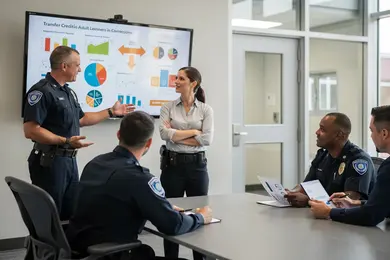
Adult learners seeking to transfer credits into a Corrections program often face unforeseen delays due to inconsistent credit acceptance policies. In 2024, only 58% of corrections programs nationwide offer guaranteed transfer pathways, reflecting a growing institutional divide that forces students to repeat coursework or extend their time to graduation. This trend reveals a fragmentation in how online and campus options value prior learning, which critically shapes degree completion efficiency and overall affordability.
Understanding how these delivery formats differ in graduation rates, cost structures, and career impact can clarify which path aligns with career timelines and financial constraints. This article dissects those trade-offs to guide pragmatic student decisions.
Key Things to Know About Online vs Campus Corrections Outcomes
- Campus corrections programs average a 12% higher graduation rate than online formats, indicating stronger completion likelihood but reflecting more rigid scheduling that may exclude working adults.
- Employers report 2024 data showing a 17% preference for campus graduates in entry-level corrections roles, emphasizing face-to-face training's impact on perceived readiness and interpersonal skill development.
- Online corrections degrees generally reduce total costs by 20%, improving access for nontraditional students but increasing reliance on self-motivation, which correlates with higher dropout risk in demanding curriculum areas.
- Key Things to Know About Online vs Campus Corrections Outcomes Key Things to Know About Online vs Campus Corrections Outcomes
- What Are the Biggest Differences Between Online and Campus Corrections Program Outcomes? Online vs Campus Outcomes
- How Do Graduation Rates Compare Between Online and Campus Corrections Programs? Comparing Graduation Rates
- Why Do Online and Campus Corrections Students Have Different Completion Rates? Why Completion Rates Differ
- How Do Online and Campus Corrections Programs Compare on Total Cost? Total Cost Comparison
- What Hidden Costs Should Students Expect in Online vs Campus Corrections Programs? Hidden Program Costs
- How Does Financial Aid Affect the Cost of Online and Campus Corrections Programs? Financial Aid Impact
- Do Online and Campus Corrections Graduates Have Different Career Outcomes? Comparing Career Outcomes
- How Do Employers View Online vs Campus Corrections Degrees? How Do Employers View Online vs Campus Corrections Degrees?
- Which Corrections Degree Format Offers Better Flexibility for Working Adults? Which Corrections Degree Format Offers Better Flexibility for Working Adults?
- How Should Students Choose Between an Online and Campus Corrections Program? Choosing Your Program Format
What Are the Biggest Differences Between Online and Campus Corrections Program Outcomes?
Graduation outcomes between online versus campus corrections program formats diverge notably due to differences in student engagement, support infrastructure, and scheduling flexibility. Campus programs report roughly 65% completion within six years, markedly outperforming online rates near 48%, a gap influenced by working adults' competing responsibilities and less direct access to academic advising or practicum placements essential for licensure. For example, an online learner managing shift work may extend their time to degree while facing higher dropout risk, underscoring how persistence challenges directly impact timely completion and, subsequently, career momentum in corrections roles.
Cost comparisons further complicate decision-making as advertised online tuition per credit is often lower but total expenses can increase with technology fees, required proctoring, and elevated student debt loads, with data showing online corrections graduates tend to carry more debt. This dynamic stresses the importance of analyzing total cost of attendance rather than sticker price alone as higher debt or extended enrollment may limit long-term financial flexibility. Students should carefully assess how cost differences intersect with program format given the trade-offs between affordability and the campus-based advantages of hands-on learning and professional networking that influence employability and progression opportunities.
The workforce implications of these educational choices are significant because employer preferences for candidates with practical experience often favor campus pathways featuring structured internships and cohort networking. Although online corrections programs offer geographic reach and schedule adaptability that suits working adults or remote learners, weaker fieldwork connections can delay employment entry or constrain career mobility. Those weighing flexibility against comprehensive preparation might also consider alternative fast-track options, such as a 1 year DNP program online illustrating how accelerated formats can mitigate some persistence issues by reducing exposure time, a strategic factor for learners balancing immediate job demands with skill acquisition.
How Do Graduation Rates Compare Between Online and Campus Corrections Programs?
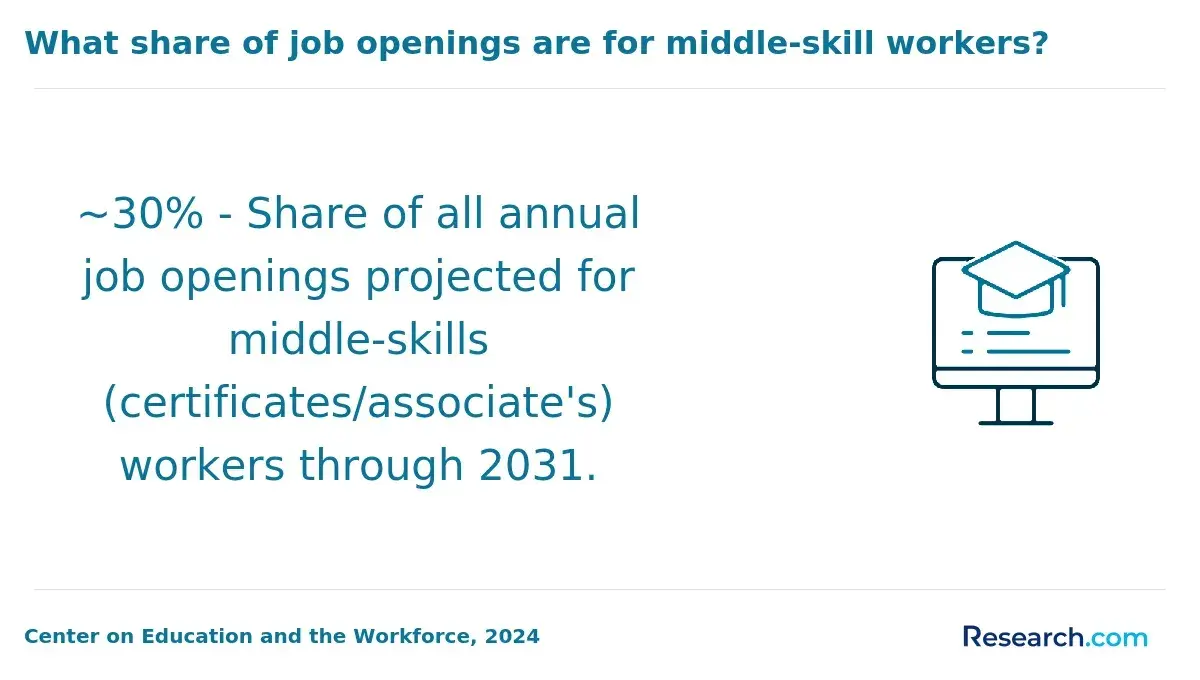
Graduation rates for corrections programs reveal notable gaps shaped largely by enrollment patterns and program design rather than sheer instructional quality. Traditional campus-based programs report about a 60% six-year completion rate for full-time students, according to 2024 National Center for Education Statistics data, while fully online programs average closer to 40%. This difference often reflects online learners balancing part-time status, employment, and family demands, which can interrupt continuous enrollment and delay graduation. In contrast, campus students tend to benefit from cohort structures, face-to-face advising, and more standardized scheduling that support persistence and timely completion.
Comparing raw graduation rates risks oversimplification because program selectivity, transfer policies, and interpretation of enrollment intensity vary widely between modalities. Hybrid models blending online and in-person elements tend to see intermediate completion rates near 50-55%, highlighting how intermittent hands-on training and synchronous interaction bolster outcomes. Understanding these nuances is critical for prospective students: online formats offer flexibility but require strong self-management and acceptance of potentially longer timeframes, whereas campus options typically demand in-person attendance but provide greater scaffolding and cohort accountability. These structural and demographic factors ultimately influence both total cost and career readiness within corrections education.
One corrections student recalled hesitating between formats after noticing the lower online graduation percentages. Working full-time and supporting a family made the online option appealing, yet the student worried about limited access to advising and whether an online schedule would offer enough structure to stay on course. After consulting academic counselors and comparing transfer policies, the student chose a hybrid program that allowed some on-campus engagement, finding this blend better fit their pacing needs and reduced the risk of extended stop-outs. This experience underscored how graduation data alone can't capture the complexities students face when balancing life commitments with corrections training.
Why Do Online and Campus Corrections Students Have Different Completion Rates?
Completion disparities between online and campus corrections students often reflect more than instructional format, stemming instead from entrenched differences in student circumstances and program design. Campus learners typically progress faster due to access to cohort-based sequencing, in-person advising, and integrated practicum experiences that anchor their learning within structured timelines. In contrast, many online students juggle part-time enrollment, irregular work schedules, and less direct faculty contact, increasing stop-out risk and extending time to degree. The National Center for Education Statistics reports that graduation rates for campus students in corrections programs outpace those online by roughly 10 to 15 percentage points in 2024, underscoring how enrollment patterns and support networks critically influence persistence.
Demographic factors also shape these outcomes: older online learners often balance family and job demands without the benefit of campus resources such as on-site tutoring or peer communities that reinforce accountability. This gap can affect motivation and sustained engagement, especially in courses requiring hands-on skill development or practicums essential for corrections careers. Financial pressures compound challenges for online students, who are less likely to receive full-time financial aid or participate in work-study programs, further complicating steady progress. Prospective corrections students should weigh their personal schedule stability and need for structured support against these realities rather than assuming equivalent completion odds across modalities.
How Do Online and Campus Corrections Programs Compare on Total Cost?
Cost comparisons between online and campus corrections programs reveal complexities beyond base tuition differences. While online programs often advertise tuition rates 15% to 30% lower than equivalent public campus courses according to the National Center for Education Statistics and the U.S. Department of Education's College Scorecard (2024), this advantage is frequently offset by mandatory fees unique to each format. Campus students typically incur housing and facility fees-ranging from $8,000 to $12,000 annually for room and board-expenses largely avoided by online learners, but online students face technology fees and potential travel for required fieldwork that can narrow total cost gaps. These nuances mean that students balancing expenses must carefully consider how program format influences both upfront costs and hidden charges.
Considering total cost of attendance for prospective students evaluating campus corrections program cost comparison is crucial in shaping enrollment decisions and financial planning. Eligibility for scholarships, state residency benefits, and employer tuition assistance tends to favor on-campus formats, which can lower loan burdens, whereas online students, especially at for-profit institutions, may rely more on federal loans, affecting debt timelines and work continuity. A decision to pursue an online pathway may benefit those needing flexible schedules but could introduce unforeseen expenses that extend program duration or financial strain. Those exploring program options may also benefit from reviewing the best medical coding programs with financial aid to understand comparable cost structures and aid availability across disciplines.
What Hidden Costs Should Students Expect in Online vs Campus Corrections Programs?
Evaluating corrections programs solely on tuition overlooks substantial hidden expenses unique to each format that shape the financial and practical viability of completing the degree. Online students often face mandatory technology fees, specialized software costs, and proctoring charges that, according to 2024 National Center for Education Statistics data, affect nearly 30% of public institutions, adding several hundred dollars per term. Conversely, campus students encounter considerable spending on housing, meal plans, and transportation-annual housing and food costs can surpass $12,500 while commuting-related expenses often top $500 each semester. These indirect costs also extend to childcare and time lost due to in-person fieldwork or required residency elements, impacting students' ability to maintain steady employment and shaping opportunity costs often absent from sticker price comparisons.
Such financial nuances influence how prospective students weigh program formats given their lifestyle, budget, and career timeline constraints. For example, a working adult enrolling in an online corrections program might find technology and proctoring fees manageable but face unexpected challenges when clinical placements require travel, unpaid absences, or childcare support. Those attending campus-based programs might budget for tuition but underestimate the cumulative burden of daily commuting, parking fees, and campus housing, complicating their financial planning and potentially extending time to graduation. Decision-makers should integrate these multifaceted expenses into cost-benefit analyses to better align educational investments with long-term workforce outcomes rather than assuming format convenience equates to affordability.
A corrections student preparing for enrollment shared that while online tuition appeared initially more affordable, they hesitated after discovering extra technology fees and the need for costly exam proctoring services. Additionally, required in-person residencies meant factoring in travel costs and days off work, which offset anticipated savings. On the other hand, the campus option involved predictable but substantial housing and commuting expenses, as well as childcare logistics due to inflexible class schedules. Balancing these variables prompted the student to create a detailed budget including hidden costs rather than relying on advertised tuition, underscoring how nuanced cost realities critically shape program choice and completion planning.
How Does Financial Aid Affect the Cost of Online and Campus Corrections Programs?
Financial aid nuances critically shape the actual cost of pursuing corrections degrees, demanding close comparison of aid packages across online and campus formats. Campus students typically access institution-specific scholarships and assistantships that exclude many online learners due to residency or enrollment requirements, directly impacting net price. For example, a traditional campus student might secure merit aid covering a significant tuition portion, while an online student-often part-time and out-of-state-may rely more heavily on employer tuition benefits or military education programs, which shift cost liabilities but offer less institutional subsidy.
The interplay between learning format and financial aid eligibility affects borrowing, enrollment pacing, and final cost exposure. Online students often borrow less because many maintain full-time employment alongside studies, offsetting living expenses but incurring technology fees uncommon on campus. State residency restrictions frequently limit grant eligibility for remote learners, complicating affordability calculations and potentially increasing reliance on loans. Given these variables, prospective students should assess specific aid criteria, tuition models, and enrollment intensity to gauge the real net price. This depth of analysis is as essential as traditional cost comparisons when weighing program choices and long-term financial outcomes in corrections education. More details on cost-effective degree options can be explored in specialized areas like the online MBA healthcare field, revealing parallels in financial aid impact across modalities.
Understanding financial aid impact on online vs campus corrections program costs requires recognizing how eligibility constraints and program pacing influence net investment and debt risk. Those investigating financial aid eligibility for corrections programs by learning format must factor how part-time attendance, residency rules, and employer benefits alter aid access and reduce or increase dependence on loans. Such informed financial planning directly affects graduation outcomes and career trade-offs, especially for working adults balancing education with employment.
Do Online and Campus Corrections Graduates Have Different Career Outcomes?
Employment outcomes for online and campus corrections graduates largely align in terms of initial job placement, yet significant distinctions arise in employer perception and practical readiness. Campus graduates often benefit from embedded fieldwork and structured internships, with a 2024 Bureau of Labor Statistics report indicating 65% completion rates for on-site practicals compared to 43% for online students. This hands-on experience influences early career adaptability and can affect hiring decisions, especially where local agencies prioritize demonstrated familiarity with real-world corrections settings.
Licensing and certification protocols frequently necessitate in-person training or supervised practice hours, which campus programs typically integrate more naturally. Online learners may face additional hurdles arranging these requirements independently, influencing the speed and ease of credential attainment. Moreover, campus programs tend to offer greater access to alumni networks and institutional career services, resources that many employers rely on for trusted candidate referrals. For working adults balancing professional schedules, online options provide flexibility but may limit opportunities to cultivate the professional relationships and employer signals fostered by on-campus engagement.
While online corrections education can reduce upfront costs and debt burdens, especially through geographic flexibility, long-term progression depends heavily on accumulating relevant experience and continuing education. Employer recognition of accredited online degrees is improving but remains uneven across jurisdictions and agencies. Prospective students should weigh the trade-offs between convenience, practical training access, and network building when selecting a pathway, considering whether their target employers favor traditional credentials or value the adaptable formats that online study offers.
How Do Employers View Online vs Campus Corrections Degrees?
Employers assessing online versus campus corrections degrees prioritize program rigor, accreditation, and applied learning over delivery format alone. According to the National Association of Colleges and Employers 2024 survey, 78% of hiring managers regard online degrees as equally credible to campus degrees when the institution maintains strong regional accreditation and a solid reputation. However, in corrections and criminal justice sectors, employer confidence hinges more on internships, clinical placements, and partnerships with law enforcement agencies that demonstrate practical job readiness, often presenting a critical advantage for programs with structured experiential components.
In hiring scenarios where candidates are nearly equivalent in background, employers often scrutinize transcript details and diploma wording to verify that rigor and institutional affiliation are clearly communicated. Workforce reports from the Society for Human Resource Management highlight that advanced degrees integrating licensure alignment can boost mobility in corrections careers by up to 15%, regardless of online or campus status. Yet, the format can shape career outcomes differently: campus programs typically facilitate more robust networking and mentorship opportunities, crucial for relationship-driven corrections roles, while online formats offer flexibility appealing to working adults but may require proactive engagement to access comparable experiential depth.
Which Corrections Degree Format Offers Better Flexibility for Working Adults?
Online corrections degree programs for working adults often promise flexibility through asynchronous coursework and reduced commuting, but this flexibility is nuanced by required in-person elements like practicum hours or proctored exams. While online schedules support learners balancing caregiving or shift work more easily than campus formats, mandatory local field placements can still create significant scheduling conflicts and transportation challenges. In contrast, campus versus online corrections degree flexibility varies notably around structured cohort interactions and immediate faculty access, which some students find critical to maintaining motivation and progress toward graduation despite the increased rigidity of fixed class times.
Persistence and completion rates reflect these trade-offs, with data showing online corrections students graduate at rates approximately 12% lower than traditional campus counterparts, likely influenced by less direct faculty engagement and self-directed pacing demands. Working adults must weigh the risk of extended program duration-and thus higher overall cost exposure-if lapses occur under online or hybrid curriculum formats. Employer tuition assistance policies often favor in-person training modalities, further complicating decisions about format. For those exploring options akin to other healthcare-related pathways like nurse practitioner courses, understanding the real-world balance between educational flexibility and career continuity is essential before commitment and financial investment.
Ultimately, selecting between campus versus online corrections degree flexibility depends on individual circumstances including work schedule rigidity, digital literacy, and access to reliable technology, alongside the ability to manage stop-outs or restarts under varying transfer policies. Prospective students who require structured cohort support may endure less adaptable scheduling but improve persistence, while those prioritizing independent pacing in flexible online corrections degree programs for working adults must navigate practical limitations tied to in-person requirements and lower graduation rates. These considerations shape both short-term cost implications and long-term workforce readiness.
How Should Students Choose Between an Online and Campus Corrections Program?
Graduation rates and career support differences create meaningful decision points for students weighing online versus campus corrections programs. According to 2024 IPEDS data, on-campus programs show higher graduation rates, typically between 45%-55%, while online programs usually range from 35%-45%. This gap underscores the persistence challenges online learners may face without consistent in-person engagement or access to campus-based resources such as labs and local field placements, which many corrections employers value. For example, a working adult balancing family commitments might prioritize the schedule flexibility of online learning but must consider that this choice could limit direct practical training and peer networking opportunities crucial for licensure and job readiness in corrections.
Cost and employer expectations also shape outcomes for corrections students. On-campus programs incur additional expenses like housing and commuting, often exceeding $20,000 annually, while online alternatives typically reduce total costs to about $12,000-$15,000 but add technology and connectivity requirements. Employers and state licensing boards often emphasize accredited programs regardless of format but sometimes prefer campus graduates owing to perceived experiential advantages. Prospective students should analyze graduation rates, total cost of attendance, and career services access against their personal risk tolerance and workforce goals, especially since licensing and employer preferences may differ by region and agency.
Choosing between **online and campus corrections programs** demands a nuanced approach, as outlined by comparisons of graduation rates and career outcomes for corrections students. The practical trade-offs between affordability, immersive experience, and scheduling flexibility must align with one's professional pathway. For those interested, exploring online public health masters programs easy to get into reveals similar dynamics in balancing access with career implications, reinforcing the importance of informed, outcome-focused decisions.
References
- Are Education Programs in Prisons Worth It? https://www.mackinac.org/S2023-01
- Corrections Officer | Job Corps http://www.jobcorps.gov/jobs/corrections-officer
- Getting Back on Course: Educational exclusion and attainment among formerly incarcerated people https://www.prisonpolicy.org/reports/education.html
- Best Online Criminal Justice Degrees for Working Adults (2026) https://www.collegetransitions.com/blog/best-online-criminal-justice-degrees-for-working-adults/
- Technology in Higher Education in Prison Programs - Ithaka S+R https://sr.ithaka.org/publications/technology-in-higher-education-in-prison-programs/
- How Employers View Online Degrees: Interviews with Nine Hiring Executives https://www.onlineeducation.com/features/how-employers-view-online-degrees
- Online vs in-person study: which one is right for you? https://www.ube.ac.uk/whats-happening/articles/online-vs-in-person-learning/
- Frequently Asked Questions https://www.insideoutcenter.org/FAQs.html
- Private and Public Prisons: A Comparison of Costs, Programs and Facilities https://oamonitor.ireland.openaire.eu/national/search/publication
- Can U.S. Prisoners Get College Financial Aid for Higher Education? | The Marshall Project https://www.themarshallproject.org/2023/07/08/prison-education-college-financial-aid-pell-grant
Other Things You Should Know About Corrections
Online corrections programs often rely on virtual simulations and case studies, which can limit the hands-on experience essential for many corrections roles. Practical skills like conflict resolution, de-escalation techniques, and facility navigation are typically better developed in campus settings with direct supervision and real-time feedback. Students prioritizing skill acquisition for frontline roles should weigh this trade-off carefully, as online formats may require seeking supplemental in-person internships to fill gaps.
Online programs frequently demand greater self-direction, requiring students to balance asynchronous coursework with personal and professional responsibilities. This can translate into less structured but more intensively scheduled study periods, contrasting with more regimented day-to-day routines typical of campus courses. For working adults without strong time management skills, campus programs may impose clearer boundaries that facilitate steady progress, whereas online students must actively impose discipline to avoid falling behind.
Campus programs naturally facilitate networking through classroom interaction, campus events, and access to faculty with real-world connections in local law enforcement or corrections agencies. Online students often face limited direct peer interaction, which can constrain informal mentorship or job referrals crucial in corrections fields. If career advancement relies on these relationships, particularly in geographically localized jobs, prioritizing a campus-based program may provide tangible advantages.
For prospective students in areas without proximate corrections facilities or internship opportunities, online programs can offer broader access to quality education without relocation costs. However, they must proactively secure practical experience independently or through remote partnerships, as online programs rarely guarantee field placements. Such students should prioritize programs with strong remote internship support or hybrid models that balance flexibility with essential fieldwork components.