2027 Corrections Degree Popularity by Gender, Region, and Degree Level

Co-Founder and Chief Data Scientist
This article examines corrections degree popularity by gender, region, and degree level to clarify their implications for educational choices and workforce integration decisions.
Key Things to Know About Corrections Degree Popularity by Gender, Region, and Degree Level
- Male enrollment dominates corrections degrees, reflecting workforce trends but limiting diversity; this skews programs toward male-centric perspectives, affecting inclusive policy and rehabilitative approaches.
- Regional demand peaks in the Midwest, informing employer hiring patterns focused on local criminal justice challenges, yet restricting national mobility for graduates.
- Associate-level corrections degrees offer quicker entry but constrain advancement, pushing students to weigh upfront cost savings against long-term career ceiling tradeoffs.
- Key Things to Know About Corrections Degree Popularity by Gender, Region, and Degree Level Key Things to Know About Corrections Degree Popularity by Gender, Region, and Degree Level
- How Does Job Market Demand Influence Corrections Degree Popularity? Market Demand and Degree Popularity
- How Does Online Corrections Degree Enrollment Compare to Traditional Campus Programs? Online vs. Campus Enrollment
- What Degree Level Is Most Common Among Corrections Students? Most Common Degree Levels
- How Do Enrollment Trends Differ Between Associate, Bachelor's, Master's, and Doctoral Corrections Degrees? Enrollment Trends by Degree Level
- How Popular Is the Corrections Degree Compared to Other College Majors? Degree Popularity vs. Other Majors
- Why Is the Corrections Degree More Popular in Certain States and Regions? Regional Popularity Drivers
- What Demographic Groups Are Driving Growth in Corrections Degree Programs? Growth by Demographic Groups
- What Is the Future Outlook for Corrections Degree Enrollment by Gender, Region, and Degree Level? What Is the Future Outlook for Corrections Degree Enrollment by Gender, Region, and Degree Level?
- How Have Corrections Degree Enrollment Trends Changed Over the Past Decade? How Have Corrections Degree Enrollment Trends Changed Over the Past Decade?
- Where Is the Corrections Degree Most Popular Across the United States? Geographic Popularity Analysis
How Does Job Market Demand Influence Corrections Degree Popularity?
Employer demand, licensing requirements, and regional labor markets strongly shape the popularity of corrections degree programs, but the relationship is nuanced rather than direct. For instance, states such as Texas and Florida, which face higher incarceration rates and expanding criminal justice systems, report robust demand for correctional officers that translates into increased enrollment in local two-year and bachelor's corrections programs. Yet this demand-driven interest can diverge by degree level; associate degrees often attract candidates prioritizing quicker job entry, while bachelor's students may seek roles requiring formal credentials amid growing employer preferences. These dynamics reflect a labor market in which credentialing trends and workforce shortages coexist but do not always produce proportional increases in program participation.
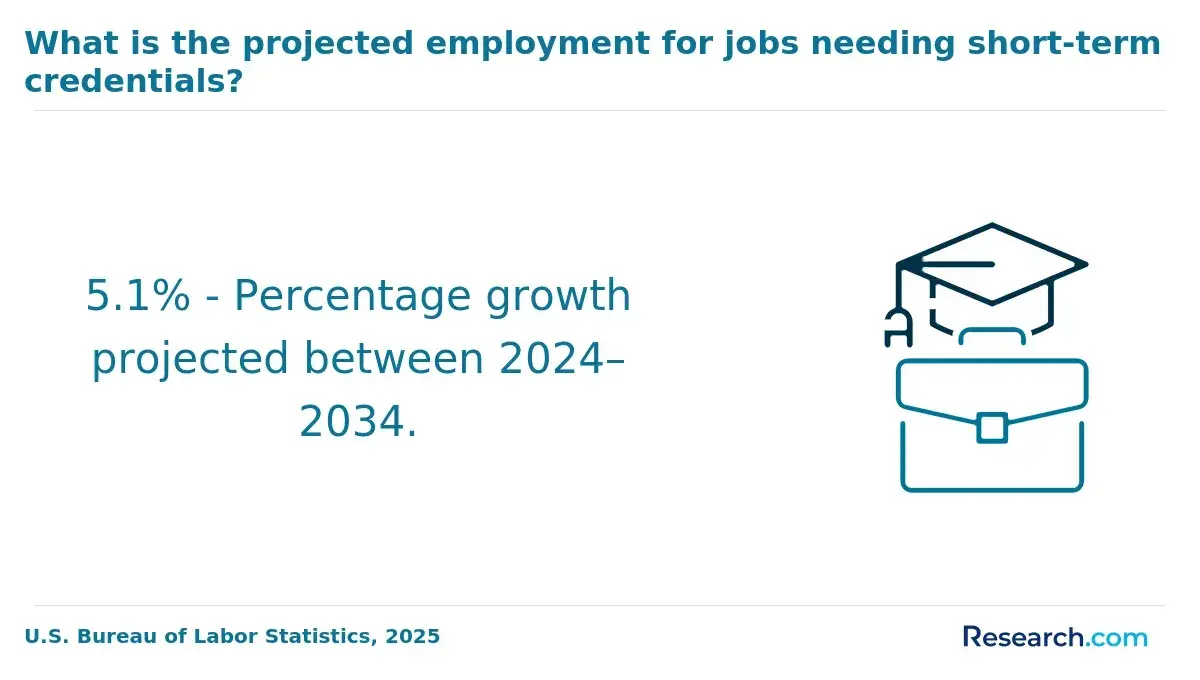
Gender disparities in corrections degree enrollment further illustrate how labor market signals influence educational choices beyond simple job availability. Although corrections occupations have historically skewed male, recent outreach in urban regions has modestly increased female enrollment, indicating how targeted recruitment can shift participation even when overall job stress and physical demands dissuade some candidates. Geographic economic conditions also mediate these patterns, as regional employer expectations and credentialing standards vary and shape who pursues formal education in corrections. Data from government sources show a measured 5% rise in enrollment in corrections-related degrees in recent years, emphasizing that while job market demand for corrections degrees informs student decisions, factors like salary limitations and occupational stress continue to temper growth.
These complexities suggest that prospective students should evaluate corrections degree programs with an understanding that labor market conditions, credential requirements, and demographic trends collectively impact the degree's relevance and practicality. Practical considerations may extend beyond corrections alone; for example, candidates assessing credential value might also explore adjacent fields such as medical billing and coding, which can offer alternative pathways responsive to healthcare's expanding workforce needs. Ultimately, recognizing how regional employment trends affect corrections degree popularity enables informed decisions about educational investments aligned with long-term career prospects.
How Does Online Corrections Degree Enrollment Compare to Traditional Campus Programs?
Online corrections degree programs have expanded notably faster than traditional campus offerings, with enrollment growth around 35% over the past five years compared to roughly 8-10% growth on campus, according to 2024 data from the National Center for Education Statistics. This disparity reflects how online formats better serve older, working adults juggling multiple responsibilities or living in regions without nearby institutions offering specialized corrections curricula. Meanwhile, younger students often favor campus programs for their immersive experiences and in-person networking, which can provide advantages in skill development and completion rates. These enrollment dynamics mean that students must carefully consider whether flexibility or structured support aligns better with their circumstances and professional objectives.
Degree level plays a crucial role in modality preference. Associate-level corrections enrollments largely remain campus-based, corresponding to entry-level workforce needs and localized programs, whereas bachelor's and master's degrees see more robust online participation driven by working professionals seeking advancement without sacrificing employment. However, online corrections students generally face slightly lower graduation rates, often due to reduced face-to-face support and the need for greater self-discipline, though many institutions are responding with virtual advising to address these challenges. These trends suggest that the choice between online and campus study is not simply about convenience but also involves weighing development opportunities, employer expectations, and realistic completion risks, tailored to geographic and demographic realities.
A corrections degree graduate recalled deciding on an online program after discovering no campus option existed within commuting distance. Initially skeptical about the online format's rigor and peer engagement, they found that flexibility allowed completion while maintaining a full-time job and family care. Despite missing on-campus networking, the student leveraged virtual support networks and occasional hybrid meetups to mitigate isolation. This experience highlighted how, for many in corrections education, modality decisions often hinge on practical access rather than preference alone, shaping how programs evolve to accommodate diverse learner profiles and professional realities.
What Degree Level Is Most Common Among Corrections Students?
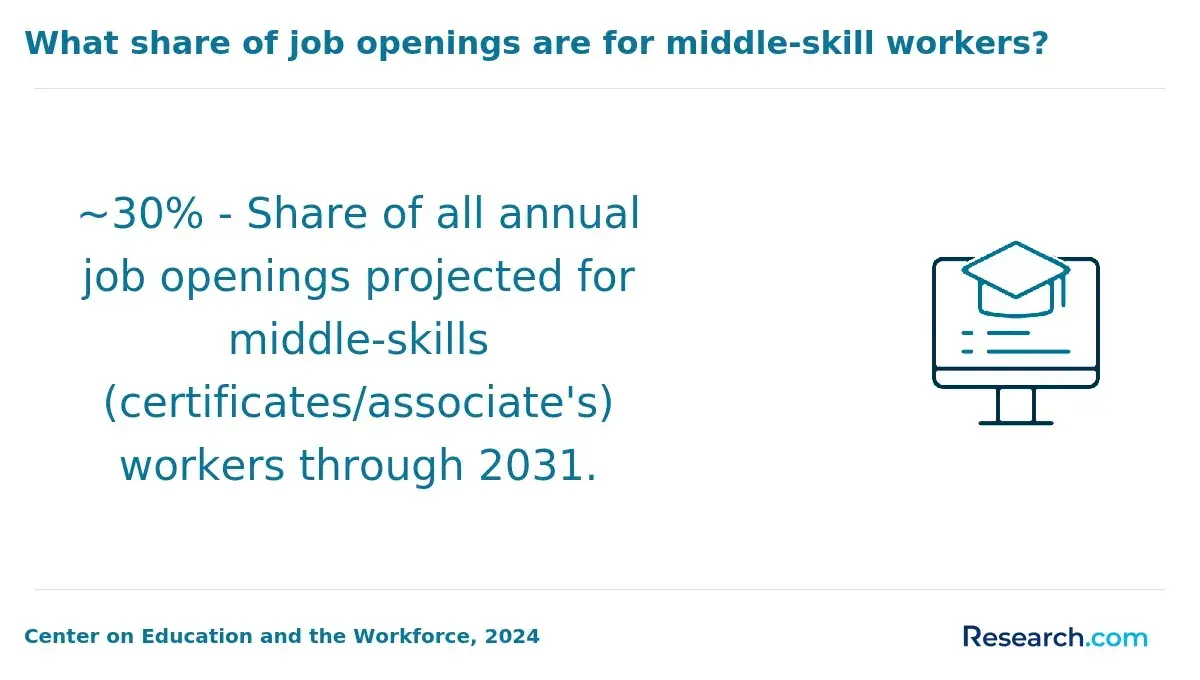
Bachelor's degrees dominate academic attainment in corrections-related programs due to their alignment with the typical minimum qualifications for many entry-level roles such as correctional officers and probation agents. This degree level balances accessibility with comprehensive preparation, offering students a credential widely recognized by employers without the time and financial investment required for graduate studies. Data from the 2024 Integrated Postsecondary Education Data System indicate that about 55-60% of students in these programs pursue a bachelor's, surpassing associate degrees by a notable margin. The bachelor's degree thus serves as a practical and strategic choice for those seeking to enter the corrections workforce with credentials that meet or exceed common hiring standards.
The contrast between associate and graduate degrees highlights distinct student objectives and career trajectories. Associate degrees often appeal to individuals targeting technical or supportive functions within corrections, given their shorter duration and lower cost, though these programs generally attract fewer enrollees. In contrast, master's and doctoral studies cater to a niche population aiming for roles in administration, policy development, or research, where advanced knowledge and specialization become critical. This narrower enrollment reflects both the increased commitment required and the more limited nature of these professional opportunities, reinforcing the bachelor's degree's role as the broadest gateway for upward mobility and sustained employability in the field.
How Do Enrollment Trends Differ Between Associate, Bachelor's, Master's, and Doctoral Corrections Degrees?
Enrollment patterns in associate corrections degree programs demonstrate their role as accessible entry points for a workforce seeking rapid credentialing, especially among those transitioning careers. Data from the National Center for Education Statistics in 2024 indicates steady growth at this level, largely driven by candidates prioritizing practical skills and expedited job entry over academic depth. In contrast, bachelor's programs, which have seen a 5% enrollment increase from 2022 to 2024, attract students aiming for broader supervisory roles or specialized positions, reflecting employers' increasing preference for this credential as a baseline, particularly in community and institutional corrections settings. This level also sees a more balanced gender representation, which may influence recruiting and retention dynamics.
Master's and doctoral enrollments trail behind, highlighting their niche focus within Corrections. Master's degrees cater to leadership, policy development, and research roles but exhibit slower annual growth below 2%, reflecting higher time commitments and fewer accessible programs, often located in urban centers or linked to criminal justice departments. Doctoral programs remain rare and concentrated among professionals focused on academic or policy-driven careers, creating a pronounced funneling effect in which only a few advance to this stage. Prospective students should consider how these enrollment trends reveal the practical tradeoffs between immediate workforce demands and the pursuit of specialized expertise, using resources like online self paced degrees when planning flexible educational pathways.
How Popular Is the Corrections Degree Compared to Other College Majors?
The relatively low popularity of the corrections degree compared to broader criminal justice or social science majors reflects its focused vocational scope rather than a lack of value. Data from the National Center for Education Statistics in 2023 indicates that fewer than 5% of undergraduate enrollments in criminal justice-related programs concentrate specifically on corrections, highlighting the niche specialization within a field that otherwise covers law enforcement, legal studies, and forensic science. This narrower appeal can limit program availability and class sizes, shaping the educational environment and networking opportunities for students. Meanwhile, master's completions in corrections have declined slightly over recent years, according to the Integrated Postsecondary Education Data System, contrasting with stable or growing interest in related disciplines that offer more diverse career trajectories.
Gender patterns also illustrate unique dynamics; women comprise about 40% of students in corrections programs, a share notably higher than in traditional law enforcement fields, which may signal shifting workforce demographics and growing interest among women in corrections roles. Regional enrollment tends to cluster in states with large correctional infrastructures, such as in the South and Midwest, underscoring how locality influences degree demand and potentially aligns educational pipelines with local labor markets. For prospective students, this means corrections degrees offer specialized preparation tied closely to workforce needs but may also present tradeoffs in flexibility and broader academic community size compared to more generalized majors.
A graduate recalled becoming aware of the corrections program's relative rarity during their initial advising appointment when course catalogues showed far fewer class sections and smaller cohorts than other criminal justice concentrations. They remembered feeling uncertain about pursuing a less common major but found the intimate class setting fostered more focused discussions on practical challenges and career realities in corrections work. Though occasionally questioned by peers about the degree's narrower scope, this personal experience underscored the degree's tangible connection to correctional systems in their home state, which helped validate their decision despite its limited popularity.
Why Is the Corrections Degree More Popular in Certain States and Regions?
The demand for a corrections degree in southern states reflects a strategic response to concentrated local industry needs and employment patterns, rather than mere student preference. States like Texas and Florida, which maintain some of the largest correctional systems, demonstrate that program popularity aligns with regional incarceration rates and workforce requirements. This regional cluster effect shapes not only enrollment volumes but also the practical value of the degree, influencing where students should consider studying to maximize employment opportunities and professional networks. The regional prominence of these programs can affect perceptions of degree value, with employers often favoring graduates trained within or near their operational environments.
Similarly, the regional popularity of corrections programs in the Midwest ties closely to economic dependency on public safety sectors and differing educational access. Many Midwestern areas with fewer four-year degree attainment tend to emphasize applied, workforce-oriented credentials like corrections, which entail lower entry barriers and align with local hiring dynamics. The growth of online access to corrections degree programs has particularly expanded options for rural populations, allowing students from otherwise underserved regions to pursue this path. As states balance public policy around criminal justice reform with entrenched incarceration economies, prospective students face practical tradeoffs that must inform their program and career decisions.
Demographic trends further complicate these regional disparities, as male-dominated corrections populations in these areas influence enrollment patterns, though gender diversity is slowly increasing. Students who also consider alternative technical programs, such as 1 year radiology tech programs, may weigh the long-term sustainability and workforce dynamics differently. Understanding these geographic, economic, and demographic factors is critical for corrections degree seekers intent on navigating the nuanced realities of regional educational and job markets.
What Demographic Groups Are Driving Growth in Corrections Degree Programs?
Shifts in enrollment for Corrections degree programs reflect not only changing workforce demands but also the real-world consequences of evolving educational accessibility and demographic participation. Women's growing presence in these programs-rising by about 12% over the past five years according to National Center for Education Statistics data-indicates targeted recruitment efforts alongside broader recognition of gender diversity in criminal justice roles. This shift impacts program culture and peer interactions, potentially fostering more inclusive learning environments while signaling employer expectations for gender representation in the field.
Meanwhile, adult learners aged 25 and older disproportionately drive online and part-time enrollment growth, a trend supported by a 15% increase in online Corrections degrees since 2020 reported by the Integrated Postsecondary Education Data System. The flexibility of program delivery is crucial for this group, balancing education against job and family responsibilities. Such patterns influence curriculum design and resource allocation within institutions, emphasizing adaptable formats over traditional full-time study models.
Geographically, demand surges in the South and West, regions with expanding corrections workforce needs linked to state reforms and economic conditions. These areas see higher enrollments among first-generation college students and diverse ethnic groups, particularly Hispanic students now representing nearly 18% of public institution enrollees, marking a notable demographic shift. Degree preferences also reflect practical tradeoffs: younger students gravitate toward bachelor's programs for career mobility, while older entrants often choose associate degrees for quicker credentialing. These enrollment dynamics highlight the complex interplay between regional labor markets, demographic changes, and educational pathways shaping Corrections workforce development today.
What Is the Future Outlook for Corrections Degree Enrollment by Gender, Region, and Degree Level?
Corrections degree enrollment is poised for nuanced shifts influenced by demographic changes, regional labor demands, and evolving educational models rather than straightforward growth. While total enrollment in criminal justice-related degrees, including corrections specializations, is expected to grow moderately by 2034 according to the National Center for Education Statistics (NCES), the distribution across gender, geography, and degree level will shape program accessibility and student outcomes. Women currently represent nearly 40% of enrollees in corrections, a figure forecasted to rise as institutional support for gender diversity improves, yet men will continue to dominate hands-on associate and bachelor's cohorts due to fieldwork requirements.
Regionally, the Southern and Western United States will remain hotspots for enrollment growth, driven by expanding correctional agencies and population increases, which incentivize institutions to scale online and hybrid programming to meet both local and national demand. In contrast, the Northeast and Midwest face enrollment challenges due to demographic stagnation and tighter public safety budgets, potentially limiting program availability and student options in those areas. Meanwhile, the rising preference for master's-level corrections degrees signals labor market recognition of advanced credentials for supervisory roles, even as associate degrees see slower growth amid workforce automation. These dynamics collectively inform academic planning decisions, emphasizing the importance of aligning degree choices with realistic career trajectories and regional employment prospects.
How Have Corrections Degree Enrollment Trends Changed Over the Past Decade?
Enrollment patterns in corrections degree programs over the past decade reveal important shifts that impact student demand and workforce alignment. While total enrollments grew modestly by around 12% between 2014 and 2024, this aggregate masks divergent trends across degree levels. Associate degree programs in corrections have seen relatively stable or slightly declining numbers, as student preferences increasingly favor bachelor's and graduate-level education, reflecting employer expectations that prioritize four-year degrees for entry and advancement. These shifts influence program availability, as institutions adjust offerings to meet changing demand and practical workforce requirements.
Analysis of corrections degree enrollment trends by gender and region highlights evolving demographics and geographic disparities. Female participation has notably increased, with women representing nearly 40% of completions in 2023 compared to 30% in 2014, driven by societal movements toward gender diversity and targeted recruitment. Regionally, southern and midwestern states experience higher enrollments tied to local corrections employment needs, whereas northeastern and western states show flatter growth, often due to alternative public safety career pathways. Prospective students and graduates should recognize these patterns' practical implications, including varying career prospects by location and demographic group.
The growth in online program formats has facilitated access for working adults and nontraditional students, yet overall expansion remains modest amid persistent challenges such as funding limitations and constrained career mobility based solely on corrections credentials. Those evaluating the value of corrections degrees should weigh these factors carefully to determine if additional qualifications or experience will be necessary for sustained employability. For students comparing these trajectories with other pathways, considerations around degree utility are critical, analogous to questioning is it hard to become a pharmacist-the answer depends heavily on industry demands and credential relevance over time.
Where Is the Corrections Degree Most Popular Across the United States?
Corrections degree popularity in the United States is concentrated in states where larger correctional systems and workforce demand create clear educational and employment incentives, rather than being evenly distributed nationwide. This clustering is evident in Southern and Midwestern states, where institutional availability and the presence of public safety agencies encourage more robust enrollment. These regions provide students with practical networking opportunities and a greater range of corrections-related programs, directly linking degree attainment to local labor market needs. Prospective students exploring corrections degree enrollment by US region should consider how geographic patterns influence access to both academic resources and career pathways.
The divergence seen between regions like the South and Midwest versus the Northeast and West Coast reflects distinct demographic and justice system differences that weigh heavily on program popularity. Lower incarceration rates and alternative criminal justice models in the Northeast, for example, reduce demand for dedicated corrections training, which in turn impacts program development and student interest. This uneven distribution means students in lower-demand regions may face fewer choices or need to pursue online options, such as APA-accredited PsyD programs, that can complement or enhance their career flexibility. Understanding these real-world tradeoffs is crucial for current corrections students comparing their experiences with broader enrollment trends across states.
Recognizing the most popular corrections degree programs in different states helps reveal how workforce composition, educational infrastructure, and regional policy priorities shape student demographics and degree value. Enrollment concentration in urban centers like Dallas or Atlanta supports specialized career pathways and employer connections rarely found in less populated areas. This geographic concentration contributes to a perception of degree value tied to local market strength, impacting long-term career implications for graduates. Aligned with recent National Center for Education Statistics data, these insights underscore why corrections education candidates must weigh location-specific factors carefully in their academic and professional planning.
References
- Degrees for Occupational Advancement in the Corrections Field https://www.correctionalofficer.org/degrees-for-occupational-advancement-in-the-corrections-field
- Criminal Justice Programs | Choose The Right One For You https://online.aurora.edu/program-resources/choosing-the-right-online-criminal-justice-program/
- Online Criminal Justice Degrees (Types, Benefits & FAQ) https://www.allcriminaljusticeschools.com/criminal-justice/criminal-justice-online-degree/
- Getting Back on Course: Educational exclusion and attainment among formerly incarcerated people https://www.prisonpolicy.org/reports/education.html
- A better path forward for criminal justice: Training and employment for correctional populations | Brookings https://www.brookings.edu/articles/a-better-path-forward-for-criminal-justice-training-and-employment-for-correctional-populations/
- Justice-Involved Students’ Education: Barriers to Expanding Programs, but Opportunities for Future Progress https://edinsightscenter.org/justice-involved-students-education-barriers-to-expanding-programs-but-opportunities-for-future-progress/
- Types of College Degrees https://www.act.org/content/act/en/students-and-parents/high-school-success/what-to-do-after-high-school/college-degrees.html
- Online Courses for Corrections - Corrections Learning Academy https://correctionslearning.online/
- Education and work in prison | Prison Reform Trust https://prisonreformtrust.org.uk/adviceguide/education-and-work-in-prison/
- Shrinking enrollments lead to rethinking of criminal justice programs https://www.ccdaily.com/2023/07/shrinking-enrollments-lead-to-rethinking-of-criminal-justice-programs/
Other Things You Should Know About Corrections
Program popularity differs markedly by gender, with male students disproportionately represented, especially in regions with strong law enforcement cultures. Female students often face fewer peer role models and tailored support in heavily male-dominated programs, which can affect both the learning environment and networking opportunities. Prospective students should consider institutions that demonstrate active gender inclusion strategies and mentorship programs, as these improve retention and practical experience for underrepresented genders.
Regional crime rates, correctional system funding, and local employment norms heavily influence how a corrections degree translates into job opportunities. Areas with higher incarceration rates may offer more entry-level roles but also heightened competition and challenging work environments. Choosing a program aligned with the regulatory and operational norms of your preferred region can significantly affect your employability and career growth.
Associate degrees typically offer quicker entry into the workforce but provide less comprehensive training, limiting advancement potential. Bachelor's and master's programs demand greater academic commitment but incorporate more practical components such as internships and policy analysis. Students aiming for leadership roles should prioritize advanced degrees despite heavier workloads, as employers in corrections increasingly prefer candidates with deeper theoretical knowledge and applied skills.
Balancing program structure and regional reputation is critical but often depends on career goals. Programs with strong practicum or partnership opportunities may compensate for weaker regional prestige by facilitating hands-on experience and networking. However, if employment within a specific locale's corrections system is the goal, regional reputation and recognized accreditation often outweigh the curriculum's scope. Prioritize programs that combine solid practical training with acknowledged standing in your targeted job market.