2027 Top Industries Hiring Corrections Graduates: Demand, Pay, and Growth Trends

Co-Founder and Chief Data Scientist
Industries differ significantly in their demand for corrections expertise as well as in compensation structures and advancement prospects. Recognizing these patterns helps graduates prioritize sectors with favorable prospects and align their skill sets accordingly. The following analysis explores the industries employing the most corrections graduates, highlights those offering the highest pay, identifies areas of rapid job growth, examines evolving employer expectations, and outlines strategies for positioning graduates to capitalize on emerging opportunities.
Key Things to Know About the Top Industries Hiring Corrections Graduates
- The criminal justice and government sectors employ over 60% of corrections graduates, indicating significant public-sector reliance but also heightened vulnerability to budget fluctuations affecting hiring stability.
- Private security and rehabilitation industries offer 12% higher median salaries compared to public corrections roles, signaling increased income potential amid expanding private-sector demand for specialized skills.
- Recent 2024 labor reports show a 7% annual growth in community-based corrections roles, reflecting a shift towards rehabilitation-focused hiring that favors candidates with diverse interpersonal competencies.
- Key Things to Know About the Top Industries Hiring Corrections Graduates Key Things to Know About the Top Industries Hiring Corrections Graduates
- Which Industries Hire the Most Corrections Graduates? Top Industries
- Which Industries Offer the Highest Salaries for Corrections Graduates? Highest Salaries
- Which Industries Have the Fastest Growth for Corrections Careers? Growth Trends
- Which Employers Commonly Recruit Corrections Graduates? Top Employers
- Which Skills Are Most In Demand Across Corrections Industries? In-Demand Skills
- How Do Career Paths Differ Across Industries for Corrections Graduates? Career Paths
- How Do Industry Trends Affect Future Opportunities for Corrections Graduates? Industry Trends
- How Can Students Prepare for High-Demand Corrections Industries? Career Preparation
- How Do Different Corrections Degree Programs Prepare Students for Industry Careers? How Do Different Corrections Degree Programs Prepare Students for Industry Careers?
- Which Industry Is the Best Fit for Your Corrections Career Goals? Which Industry Is the Best Fit for Your Corrections Career Goals?
Which Industries Hire the Most Corrections Graduates?
Corrections graduates face a labor market shaped by a blend of public safety priorities, rehabilitation initiatives, and community supervision demands. Employment opportunities cluster primarily in sectors engaged in managing incarcerated populations and supporting reentry, with hiring volume closely tied to regional policies and funding shifts.
According to 2024 data from the U.S. Bureau of Labor Statistics and the National Institute of Justice, nearly 70% of corrections-related jobs are concentrated in government bodies overseeing adult and juvenile facilities. Below are the top industries where corrections graduates typically find the strongest hiring demand:
- State and Local Government: This sector leads in hiring due to the extensive network of prisons, jails, and detention centers requiring custody and rehabilitation personnel. Corrections graduates fill roles such as correctional officers, case managers, and program coordinators, drawn by the sector's stable funding and structured career pathways. The public nature of these jobs often emphasizes a balance of security and rehabilitative efforts, matching graduate training focused on public safety and offender management.
- Private Correctional Services: Growth in privately operated facilities offers an alternative to government employment. These organizations hire corrections graduates for security roles and administrative positions, sometimes providing more competitive salaries and diversified career options. The private sector attracts those interested in dynamic operational environments but requires adaptability given contract-based employment that can fluctuate with policy changes and community attitudes toward privatization.
- Community and Social Services: Focused on probation, parole, and reentry, this industry draws corrections graduates into supportive and supervisory roles aimed at reducing recidivism. Positions like probation officers and counselors involve direct interaction with individuals transitioning from incarceration, demanding strong interpersonal and case management skills. With increasing emphasis on community corrections, this field presents long-term growth potential linked to shifting criminal justice priorities.
- Healthcare and Mental Health Services: Though smaller in scale, this sector's demand reflects rising recognition of the complex health needs within correctional populations. Graduates working in forensic mental health programs or correctional healthcare departments handle medical, psychological, and substance abuse issues, combining clinical expertise with corrections knowledge. This niche offers meaningful work but often requires additional credentials and specialized training.
For students planning their education pathways, exploring programs like an accelerated healthcare administration degree online can complement corrections training, particularly for roles intersecting with healthcare services. Ultimately, understanding where corrections graduates find opportunity helps navigate a field influenced by shifting policies, economic factors, and evolving public safety models.
Which Industries Offer the Highest Salaries for Corrections Graduates?
Salary differences across industries for corrections graduates reflect varying levels of responsibility, the complexity of work environments, and budget priorities within government and private sectors. Federal agencies often demand higher qualifications and handle more sensitive security issues, justifying their premium pay scales. Conversely, state and local departments, which employ the majority of corrections officers, face tighter funding and regional economic constraints, resulting in more modest salaries.
The evolving focus on rehabilitation and specialized roles, such as mental health interventions, further influences wage structures by rewarding advanced skills and certifications. Here are the industries generally offering the highest salaries for corrections graduates:
- Federal Government Positions: These roles typically provide the highest salaries due to the complexity and risk associated with national security and prison management at agencies like the Federal Bureau of Prisons and ICE. Corrections graduates in these positions benefit from structured pay scales that reflect experience and specialized training, with median annual earnings reaching approximately $60,000 to $65,000. These opportunities often include additional benefits and job stability uncommon in other sectors.
- Private Correctional Facilities: Although base salaries may be lower compared to federal roles, private facilities often compensate with performance bonuses and other incentives. Corrections graduates here usually fill operational and supervisory roles, with pay influenced by contract terms and regional cost-of-living factors. The potential for upward salary mobility exists but is closely tied to company profitability and policy shifts in criminal justice privatization.
- State and Local Governments: As the largest employers in the corrections field, state and local agencies offer median salaries typically ranging between $44,000 and $50,000. Budget constraints and regional economic diversity heavily impact pay rates, and promotions or certifications are crucial for earning increases. Many corrections graduates start here to gain experience before moving to higher-paying federal or private sectors.
- Juvenile Correctional Services: Salaries in this sector often begin lower but present steady growth for those who acquire specialized mental health and rehabilitation training. States actively investing in reform initiatives tend to offer better compensation to attract qualified professionals. According to the National Institute of Justice, this segment is showing notable wage growth linked to increased demand for skilled roles addressing behavioral health in youthful populations.
- Community Corrections and Probation Services: Positions in probation, parole, and community supervision generally pay less than institutional corrections but provide greater work-life balance and career development opportunities in policy and administration. Salaries vary widely based on local government funding and program scope, with mid-level roles rewarding experience and advanced certifications rather than tenure alone.
Prospective students may also want to explore a university with free application fee to minimize costs while building credentials that align with these top salary sectors for corrections degree holders.
Which Industries Have the Fastest Growth for Corrections Careers?
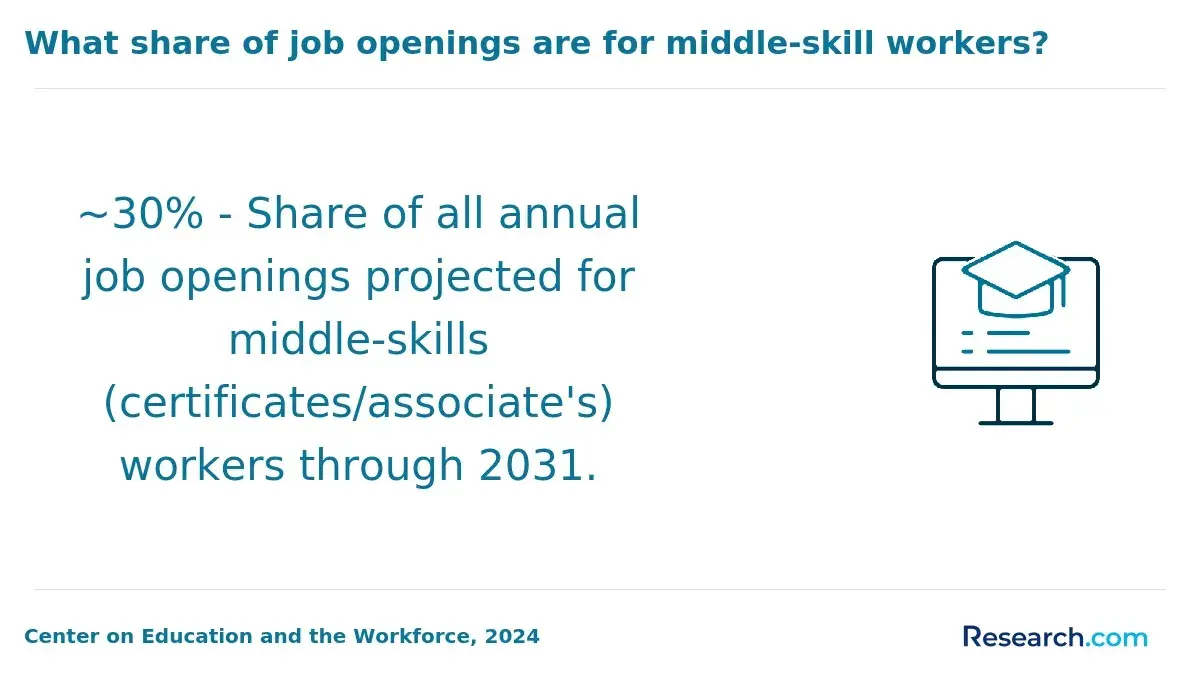
Identifying industries with the fastest growth is crucial for corrections graduates aiming to navigate a competitive job market and secure lasting employment. Growth patterns often indicate where funding, policy changes, and public interest align, directly affecting job availability and wage trends. Corrections careers tied to expanding sectors can offer not only higher earning potential but also diverse roles that leverage specialized skills.
Selecting a focus area with sustainable industry momentum can mean the difference between transient positions and a resilient, progressive career. The following outlines key industries projected to drive the greatest demand for corrections professionals in the coming decade:
- Community-Based Rehabilitation: This sector is growing rapidly due to a shift away from incarceration toward reintegration. Increased investment in alternatives like probation, parole, and local supervision fuels demand for corrections specialists skilled in case management and rehabilitation tactics. Projected growth of 8% to 10% reflects policy emphasis on reducing recidivism and supporting offender transition into society.
- Private Correctional Facilities: Though private prison employment carries variable job security, this niche is expanding faster than traditional public prisons. Private providers often offer specialized roles with potentially higher salaries, especially in states outsourcing incarceration management. Growth is tied to evolving contracts and sometimes controversial policy debates that influence demand regionally.
- Juvenile Justice Programs: With rising focus on youth diversion and preventative justice models, juvenile corrections roles are expected to grow notably. Careers here intersect with social work, mental health, and education, opening pathways for multidisciplinary professionals. Expansion is fueled by demographic trends and reformist legislation targeting early intervention and restorative practices.
- Nonprofit Reentry Services: Support services aiding reentry into communities post-incarceration are expanding quickly in response to criminal justice reforms. These roles require expertise in counseling, resource coordination, and advocacy, often offering career paths with meaningful impact. Economic incentives for nonprofits contribute to sector growth, especially in urban centers.
A corrections graduate recently weighed career options between a stable government probation officer position and a higher-paying but less secure job at a private rehabilitation center. After observing the expanding community corrections programs and the increasing number of youth diversion initiatives in her region, she chose to pursue certifications aligned with juvenile justice roles. This decision, informed by local industry growth data and conversations with professionals in each sector, alleviated her initial uncertainty and positioned her for long-term advancement within a rapidly evolving part of the corrections landscape.
Which Employers Commonly Recruit Corrections Graduates?
Recognizing which employers typically recruit corrections graduates is essential for aligning educational choices, internships, and job search strategies with realistic labor market demands. Hiring patterns in corrections depend heavily on specialization areas, geographic regions, and evolving industry needs, making tailored career planning crucial. For example, a graduate focusing on community reentry programs might prioritize nonprofit opportunities, while those aiming for security roles may lean toward government agencies.
According to the 2024 National Correctional Employment Report, state and local governments remain the largest employers, accounting for over 60% of jobs in corrections-related occupations. Below are key employer categories that frequently seek corrections graduates:
- State and Local Government Agencies: These entities operate prisons, jails, and detention centers and lead the market for hiring correctional officers, probation officers, and supervisors. Their demand is driven by inmate population size and ongoing reforms in rehabilitation approaches, offering stable employment with government benefits.
- Federal Law Enforcement: Agencies such as the Federal Bureau of Prisons and U.S. Immigration and Customs Enforcement provide specialized career paths with competitive pay and advanced training. These roles often combine enforcement duties with opportunities to engage in broader criminal justice functions.
- Private Corrections Companies: Private sector firms managing contracted detention facilities are expanding their workforce to meet growing privatization trends. These employers may offer more flexible roles but often require adaptability to diverse security environments and policy frameworks.
- Nonprofit and Community Organizations: Focused on rehabilitation and reducing recidivism, these groups need corrections professionals to support reentry services, counseling, and alternatives to incarceration. This sector suits those interested in social work-oriented roles within corrections.
- Educational and Healthcare Institutions: Facilities providing counseling, substance abuse programs, and educational services for incarcerated populations increasingly employ corrections graduates. Such positions demand interdisciplinary skills and offer career paths beyond traditional custody roles.
Which Skills Are Most In Demand Across Corrections Industries?
Certain career skills prove valuable across multiple industries because they enable professionals to adapt to diverse challenges and evolving workplace demands. In corrections-related fields, this adaptability is crucial given the sector's integration of technology, human services, and security operations.
Employers consistently seek both technical expertise and effective communication skills for corrections professionals to balance safety with rehabilitation goals. Practical, transferable competencies sharpened in corrections settings also support long-term career flexibility outside traditional correctional roles.
Below are key skills consistently in demand across corrections industries:
- Security Technology Proficiency: Mastery of modern surveillance, biometric systems, and electronic record-keeping is vital as correctional facilities increasingly rely on digital tools. Students develop this expertise by engaging with security hardware and software during training, empowering them to troubleshoot and maintain crucial systems essential across public and private sectors.
- Crisis Intervention Skills: Knowledge of de-escalation and mental health awareness equips staff to reduce violence and recidivism, particularly within community corrections programs. This skill emerges through scenario-based learning and real-world exposure, allowing professionals to respond effectively to tense situations and promote safer outcomes.
- Effective Communication: Clear, respectful interaction with inmates, colleagues, and external agencies underpins success in corrections roles. Strong communication skills for corrections professionals enable coordination and conflict resolution and are cultivated through practice and coursework emphasizing ethical decision-making and cultural competency.
- Critical Problem-Solving: Navigating unpredictable environments requires sound judgment and analytical thinking. Corrections work hones critical problem-solving skills in corrections careers by challenging individuals to assess risks and devise practical solutions that uphold security while supporting rehabilitation.
- Data Literacy: The growing use of analytics to assess program effectiveness places a premium on the ability to interpret and apply data insights. Exposure to data collection and evaluation methods during training enhances employability amid increasing evidence-based practices.
- Leadership and Teamwork: Coordinating multidisciplinary teams and managing diverse offender populations demand collaborative skills and ethical leadership. Training that incorporates group dynamics preparation prepares graduates to succeed in complex institutional settings.
- Adaptability and Stress Management: Working in high-pressure, dynamic environments necessitates resilience and flexibility. Practical experience within correctional settings develops these traits, enabling sustained performance through ongoing change and challenge.
According to recent data from the U.S. Bureau of Labor Statistics and the National Institute of Justice, employers prioritize interpersonal capabilities alongside technical skills to improve workplace safety and rehabilitation outcomes. For students exploring pathways in corrections or those considering complementary fields, developing this balanced skill set remains essential. Career changers may also find value in programs like RN to BSN online programs that build on strong foundational skills such as effective communication and critical problem-solving in corrections careers.
How Do Career Paths Differ Across Industries for Corrections Graduates?
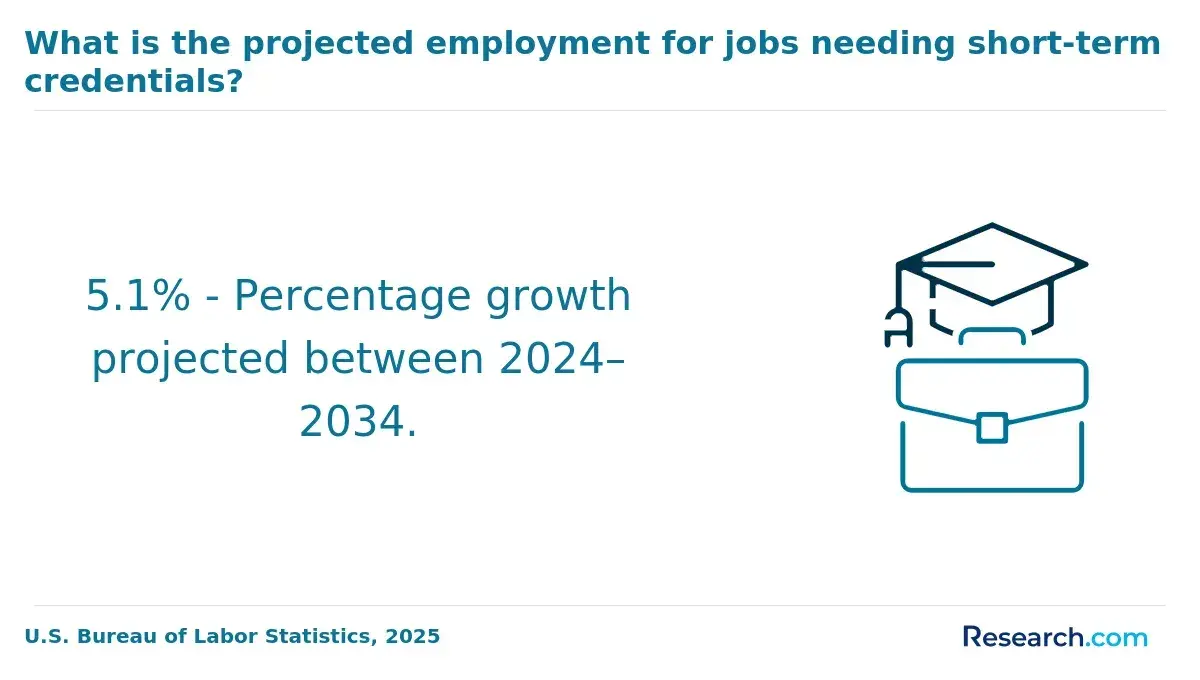
Choosing an industry after earning a corrections degree shapes career progression as much as the degree itself. Different sectors value varied specializations, experiences, and career ambitions, influencing daily duties, promotion speed, and professional growth opportunities. For example, a graduate entering a state correctional system may find a more predictable advancement path compared to someone in a community-based reentry program.
Such contrasts highlight how aligning industry choice with personal goals and working style is essential. Below are key distinctions in career paths across corrections-related industries:
- Promotion Timelines: Government agencies typically offer steady, structured advancement, with entry-level officers often moving into supervisory roles within five to seven years. Private and nonprofit sectors, while less predictable, may provide faster promotions but with variable job security and benefits, calling for graduates to weigh stability against agility.
- Specialization Focus: Public sector positions emphasize custodial and security expertise, whereas private facilities reward skills in rehabilitation programs and crisis management. Social services demand proficiency in case management and policy advocacy, appealing to graduates interested in broader multidisciplinary roles.
- Salary Progression: Senior roles in public corrections average median wages near $75,000 annually, reflecting structured pay scales. Private sector salaries often start 10-15% lower but might include performance bonuses, while social service roles tend to offer lower salaries but stronger prospects for lateral mobility into healthcare or education.
- Educational Advancement: Career growth in community-focused organizations often requires or encourages graduate degrees, extending timelines but opening doors to leadership and policy-making positions. In contrast, public correctional careers rely more on tenure and internal training programs.
- Job Security and Benefits: Government roles generally provide more reliable benefits and retirement plans, appealing to those prioritizing long-term security. Private institutions may offer less comprehensive benefits but opportunities for skill diversification and entrepreneurial approaches within corrections.
- Work Environment and Responsibilities: Corrections professionals in institutional settings focus largely on security and inmate management, while those in community or juvenile justice organizations engage more with counseling, rehabilitation, and advocacy, influencing job satisfaction depending on individual preferences for types of work.
- Occupational Mobility: Data from the National Association of Social Workers in 2024 highlights that professionals in social services linked to corrections have stronger mobility into adjacent sectors like healthcare or education, providing flexible career pathways compared to traditional correctional roles.
How Do Industry Trends Affect Future Opportunities for Corrections Graduates?
Shifts in industry dynamics often redefine job prospects for Corrections graduates by altering employer needs and the skills required to meet emerging challenges. As criminal justice priorities evolve, so do the career paths accessible to those entering the field. These transitions can expand or contract opportunities depending on the sector, making it essential for students and recent graduates to closely monitor workforce trends.
Understanding impactful patterns helps anticipate which roles will have sustained or growing demand. The following points highlight notable trends shaping the corrections labor market:
- Rising Employment Demand: The U.S. Bureau of Labor Statistics forecasts a faster-than-average growth rate for correctional officer roles through 2024, driven by increasing inmate populations and enhanced security demands. This trend underlines steady hiring in traditional correctional facilities, where graduates with practical experience remain competitive.
- Diversification of Roles: Beyond prison environments, community-based rehabilitation, juvenile justice, and forensic service sectors are expanding. These areas require Corrections graduates to develop interdisciplinary skills such as case management and counseling, reflecting a broader shift toward rehabilitation over punishment.
- Technological Integration: Private companies focusing on electronic monitoring, biometric security, and digital offender management seek professionals skilled in both corrections practices and technology. This move toward modernization offers higher-paying roles but demands continuous upskilling in emerging digital tools.
- Policy-Driven Shifts: Decarceration initiatives and alternatives to imprisonment reshape demand, reducing some traditional prison roles while amplifying opportunities in probation, restorative justice, and support services. Staying informed about legislative changes is critical for aligning career strategies with these evolving needs.
One corrections graduate recalled how their early career was dominated by roles in state prisons, but after learning about community supervision trends and attending workshops on digital monitoring systems, they transitioned into a private firm specializing in electronic tracking. Initially hesitant about shifting to a technology-heavy environment, they found that embracing these new competencies not only increased their salary but also provided a stronger sense of professional relevance amid ongoing reforms. This experience illustrates how attentiveness to industry trends and willingness to diversify skills can open unexpected doors in a changing field.
How Can Students Prepare for High-Demand Corrections Industries?
Success in high-demand corrections industries requires more than basic academic credentials; it demands targeted preparation that aligns with employer expectations in this evolving field. Students must integrate classroom learning with practical experience and strategic skill-building to stand out.
Notably, the U.S. Bureau of Labor Statistics and the National Institute of Justice report that participation in internships or cooperative education programs within correctional facilities increases graduate employability by nearly 30%. This finding illustrates how immersive exposure to real-world challenges sharpens competencies employers prioritize.
Below are essential preparation strategies to navigate these competitive industries effectively.
- Practical Internships: Engaging in internships or cooperative education inside correctional institutions offers hands-on experience with security protocols and inmate management. Students can apply theoretical knowledge, build professional networks, and demonstrate work readiness, factors critical for industries with steady hiring demand.
- Targeted Skill Development: Developing strong communication and conflict resolution abilities is crucial, as these skills directly affect daily operations in correctional environments. Enrolling in workshops or relevant certifications sharpens these skills and enhances adaptability.
- Specialized Coursework: Pursuing courses in psychology, social work, or substance abuse counseling broadens understanding of inmate rehabilitation and behavioral dynamics. Such academic versatility improves a candidate's appeal for diverse roles within corrections.
- Professional Networking: Joining associations like the American Correctional Association or attending industry conferences helps students stay informed about emerging trends and job openings. These connections can lead to mentorships and insider insights, vital for career progression.
- Continuous Education: Staying current through training in areas such as trauma-informed care or cybersecurity in corrections differentiates candidates. Continuous learning signals commitment and readiness to handle evolving challenges.
- Integrated Degree Programs: Selecting degree paths that combine coursework with embedded internships and ethics training aligns education with practical demands. This approach prepares graduates for real-world complexities instead of purely academic theory.
- Holistic Preparation: Combining academic achievements with relevant experience and soft skills development creates well-rounded candidates who meet the increasing demand for corrections professionals. For example, a student blending specialized certifications with correctional internships is more likely to secure competitive roles.
The best preparation strategies for corrections careers call for intentional integration of education, practical exposure, and professional engagement. Alongside these, students may explore related fields like exercise science, acquiring transferable knowledge through programs such as online exercise science degrees, which can support rehabilitation efforts and wellness initiatives within corrections environments.
Essential skills for high-demand corrections jobs hinge on adaptability, ethical judgment, and interpersonal communication. Real-world readiness emerges when preparation transcends textbooks and embraces the complexity of corrections work environments.
How Do Different Corrections Degree Programs Prepare Students for Industry Careers?
Corrections degree programs vary significantly in how they prepare students for industry careers, depending largely on curriculum focus and practical training opportunities. For example, a graduate aiming for probation officer roles in juvenile justice systems will benefit differently from programs with strong behavioral science components compared to one focusing solely on entry-level security positions. Real-world success hinges on both specialized knowledge and experiential learning.
According to the 2024 Bureau of Justice Statistics report, students with internships or cooperative education placements exhibit notably higher employment rates in corrections-related fields. The key factors for comparison include:
- Curriculum Depth: Programs differ in foundational versus advanced content, with associate degrees covering criminal justice basics and bachelor's or master's degrees integrating psychology, policy, and leadership skills. Match curriculum depth to your intended career level and industry sector.
- Practical Experience: Hands-on learning through internships or cooperative education is critical. Evaluate whether a program offers placements in government agencies, rehabilitation centers, or community organizations to boost job readiness.
- Specialized Training: Training in trauma-informed care, cultural competency, and offender management equips students for complex environments. Such courses are essential for roles involving direct offender interaction, as highlighted by the National Institute of Justice.
- Industry Alignment: Programs aligned with specific segments of the corrections field—such as juvenile justice, probation, or policy analysis—facilitate smoother transitions into those niche careers.
- Career Support Services: Access to job placement assistance, mentorship, and networking can significantly impact employment outcomes and salary potential after graduation.
- Long-Term Career Flexibility: Consider if the program prepares you for multiple pathways, including administration and program development, to enhance adaptability as industry demands evolve.
- Tuition and Financial Considerations: Compare costs carefully, as programs vary widely. Prospective students mindful of investment returns might reference resources like online speech pathology school cost guides for understanding educational expenses in related fields.
Careful evaluation of these factors in corrections degree programs ensures better alignment with evolving industry careers for corrections graduates.
Which Industry Is the Best Fit for Your Corrections Career Goals?
The best industry fit for a corrections career is inherently personal, shaped by individual priorities such as preferred work environment, specialization interests, earning goals, and lifestyle preferences.
For instance, one student might choose a government correctional facility drawn by structured advancement and pension benefits, while another with the same degree may pursue private sector rehabilitation programs seeking diverse casework and flexible schedules. These choices reflect differing aspirations to impact public safety directly or support offender reintegration, illustrating that no single industry universally ranks highest for all corrections graduates.
To make an informed decision, students should research employer expectations, projected growth rates, required skills, and internship opportunities across sectors. Data from the 2024 Correctional Workforce Survey highlights that work-life balance and ongoing professional development heavily influence graduate retention, alongside salary considerations.
Ultimately, aligning one's strengths and career goals with available industry pathways—rather than simply chasing the highest pay or fastest growth—produces more sustainable, fulfilling corrections careers, whether in federal agencies, community programs, or private security.
References
- Correctional service officers | WorkBC https://www.workbc.ca/career-profiles/correctional-service-officers
- The Future of Corrections: Job Trends and Industry Changes https://www.whallsgroup.com/post/the-future-of-corrections-job-trends-and-industry-changes
- A better path forward for criminal justice: Training and employment for correctional populations | Brookings https://www.brookings.edu/articles/a-better-path-forward-for-criminal-justice-training-and-employment-for-correctional-populations/
- New data on formerly incarcerated people’s employment reveal labor market injustices https://www.prisonpolicy.org/blog/2022/02/08/employment/
- Careers in corrections https://www.corrections.vic.gov.au/work-with-us/careers-in-corrections
- Identifying resiliency: Hiring tips for jobs in corrections https://www.pearsonassessments.com/professional-assessments/blog-webinars/blog/2025/06/identifying-resiliency-hiring-tips-for-jobs-in-corrections.html
- Prison programme https://jobs.kier.co.uk/prison-programme
- Prison Work & Industries - JUSTICE TRENDS Magazine https://justice-trends.press/category/offender-rehabilitation/prison-work-and-industries/
- Work With Us - Unlocked Graduates https://unlockedgrads.org.uk/about-us/work-with-us/
- Corrections Officer https://www.wintec.ac.nz/future-you/explore/jobs/public-order-and-safety/corrections-officer
Other Things You Should Know About Corrections
Workload demands vary significantly between corrections settings, such as government facilities versus private rehabilitation centers. Government roles often involve heavier caseloads and more bureaucratic oversight, which can lead to burnout despite job stability. In contrast, private sector roles may offer more balanced workloads but come with less predictable funding and job security. Graduates should weigh their tolerance for high-pressure environments against the potential for broader job flexibility when choosing an industry.
Industries like federal corrections tend to have clearer, time-based promotion tracks but may limit exposure to varied job functions. Conversely, community-based programs and nonprofit sectors often require multitasking across roles, providing broader skill development but less predictable career progression. Graduates seeking upward mobility quickly should lean toward structured systems, while those valuing a diverse professional portfolio might prioritize flexible environments despite slower promotions.
Many employers, especially in public corrections, increasingly expect ongoing certification and advanced education for career advancement. This demand can impose financial and time commitments beyond initial degrees, impacting work-life balance. Graduates should plan to integrate continuing education into their career paths proactively, prioritizing employers with clear support for professional development to avoid stalled progression or skill obsolescence.
Job security in corrections varies with funding sources; publicly funded institutions generally provide steadier employment but may face political budget cuts impacting resources and programming. Privately funded or nonprofit organizations can offer innovative approaches but might experience unpredictable funding cycles, affecting staffing and operational reliability. Graduates should assess their risk tolerance and preference for consistent resources when selecting industries, aiming for a balance between security and the capacity to influence program quality.