2027 Corrections Degree Enrollment Trends by Age Group: Traditional Students vs Adult Learners

Co-Founder and Chief Data Scientist
Distinct licensing mandates and stringent clinical practicum requirements shape enrollment differences in corrections degree programs between traditional students and adult learners. While 67% of new hires in corrections agencies hold degrees obtained post-career entry, adult learners often enroll to meet credential inflation and adapt to evolving industry standards. Traditional-age students primarily enter programs aligned with initial workforce entry, navigating more accessible hands-on experiences.
Conversely, adult learners juggle work and study amid workforce shortages driving demand for upskilled personnel. These enrollment patterns reveal a profession in transition, with increasing reliance on flexible education pathways to fulfill dynamic hiring criteria and sustain corrections workforce capacity.
Key Things to Know About Corrections Degree Enrollment Trends by Age Group
- Enrollment data shows that adult learners often balance longer program completion times against work and family commitments, which can limit immediate career entry despite higher persistence rates.
- Employers increasingly value experience over rapid degree completion in corrections, meaning older students may leverage practical background more effectively than younger graduates lacking field exposure.
- Traditional college-age students face fewer access barriers to financial aid but often confront higher opportunity costs related to delayed workforce entry, influencing the cost-benefit calculus of degree pursuit timelines.
- Key Things to Know About Corrections Degree Enrollment Trends by Age Group Key Things to Know About Corrections Degree Enrollment Trends by Age Group
- Which Age Groups Represent the Largest Share of Corrections Students? Students by Age Group
- Why Do Traditional Students Choose Corrections Degree Programs? Traditional Students
- Why Do Adult Learners Return to School for a Corrections Degree? Adult Learners
- How Do Academic Goals Vary Between Younger and Older Corrections Students? Academic Goals by Age Group
- How Do Financial Concerns Differ Between Traditional Students and Adult Learners? Financial Concerns by Age Group
- What Challenges Do Adult Learners and Traditional Students Face While Earning a Corrections Degree? Student Challenges by Age Group
- How Does Age Affect Corrections Degree Student Retention? Age and Student Retention
- Which Corrections Specializations Are Most Popular Among Adult Learners? Top Specializations for Adult Learners
- How Does Age Affect Job Opportunities for Corrections Graduates? Impact of Age in Job Opportunities
- What Do Current Corrections Enrollment Trends Reveal About Future Demand? Future Demand
Which Age Groups Represent the Largest Share of Corrections Students?
Enrollment in corrections programs spans a wide age range but tends to concentrate within specific demographics shaped by workforce entry timing, financial readiness, and educational accessibility. These patterns do not merely reflect academic preference but are closely tied to broader labor market dynamics and the structural realities of higher education pathways. Understanding the largest age groups helps clarify how corrections students balance career transitions, ongoing employment, and educational investment. The age distribution also echoes practical demands from employers seeking a combination of experience and formal credentials.
- Ages 25-40: This group typically constitutes the largest share of corrections students, driven by mid-career individuals who seek skill enhancement or credentialing without leaving current employment. The appeal lies in corrections programs' practical focus on certifications and applicable knowledge, aligning with workforce participation trends for adults prioritizing career shifts or upskilling alongside job responsibilities.
- Ages 30-45: Often overlapping with the previous group, these adult learners are highly motivated by clear employment outcomes, frequently preferring part-time or flexible program formats. Their participation reflects a deliberate strategy to re-enter or advance within corrections-related fields amid evolving job requirements and regulatory standards, emphasizing continuing education's role in professional development.
- Ages 18-24: Traditional college-age students represent an important segment but generally do not dominate corrections enrollment as they do other academic fields. This cohort often pursues corrections studies soon after high school, aiming for entry-level roles; however, limited work experience reduces their competitive advantage against older peers who combine credentials with practical background.
- Ages 40+: Although smaller, enrollees in this older bracket participate primarily to maintain relevance and meet ongoing certification demands. Their engagement tends to be motivated by sector re-entry or sustaining career longevity rather than initial entry, impacting how programs adjust delivery to adult learners' needs.
These distributions illustrate how corrections degree enrollment by age group statistics mirror practical workforce entry points and educational accessibility. Factors such as balancing job duties and family commitments steer many toward online or part-time options, seen across adult learner trends in corrections education. For students considering timing and structure, examining such patterns offers insight into how life stage influences both enrollment behavior and employer expectations in this sector.
Given these dynamics, prospective students are increasingly exploring flexible pathways aligned with their career trajectory. For example, participation in specialized tracks related to public safety frequently coincides with professional demands and personal scheduling constraints, a reality also acknowledged in broader education systems offering online DNP program formats that prioritize accessibility for working adults.
Why Do Traditional Students Choose Corrections Degree Programs?
Traditional students often select corrections degree programs based on a combination of clear academic interest and pragmatic early career exploration. Many see these programs as a direct pathway to gain credentials that signal readiness for entry-level roles within a defined public safety sector, balancing theoretical knowledge with practical applications. The appeal lies not only in the specialized nature of the curriculum but also in the opportunity to clarify career intentions soon after secondary education. This aligns with data from the Bureau of Labor Statistics indicating that nearly 30% of correctional officer entrants are under 25, underscoring the presence of younger learners who prioritize career-driven motivations for traditional corrections students in their educational choices.
A range of structural factors deepens this enrollment pattern, including targeted university recruitment and guidance counselor influence, which often highlight the perceived job market stability inherent in corrections roles. Exposure to corrections-related subjects during high school or early college can reinforce interest, especially when combined with practical internship or service-learning opportunities that illustrate workforce realities. These interconnected experiences clarify expectations for students and reduce uncertainty in their academic decision-making behavior, helping explain why traditional-age students often enroll in programs that align with early career goals rather than broader or less defined academic explorations. In some cases, students might explore related fields such as health information management to complement their corrections education, which can further diversify their qualifications and employment prospects through interdisciplinary pathways like a HIM degree.
Why Do Adult Learners Return to School for a Corrections Degree?
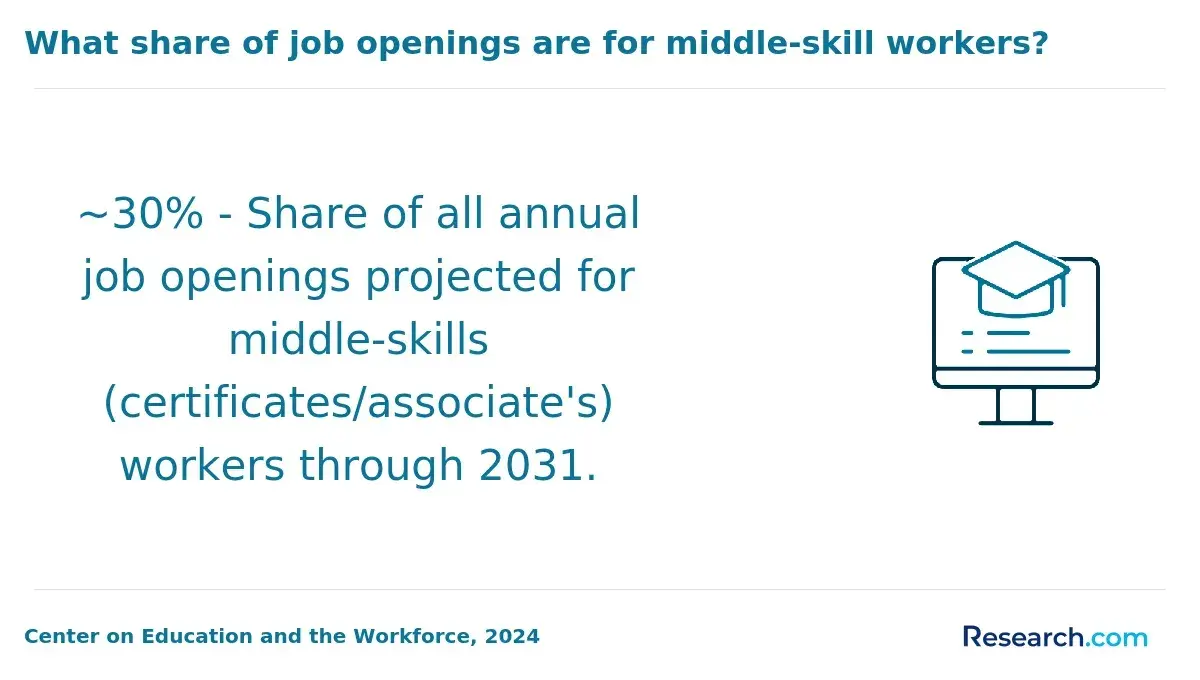
Adult learners pursuing a corrections degree often do so primarily to enhance their professional standing through promotion or specialization within law enforcement and related public safety roles. The financial advantage of obtaining formal credentials is notable; a 2024 report from the U.S. Bureau of Labor Statistics highlights that those with corrections-related postsecondary degrees can expect roughly 12% higher wages compared to peers lacking such education. Many also leverage these programs to transition from declining or unstable industries into the public sector, where credentials increasingly serve as gateways to supervisory positions and steady employment. These decisions reflect a calculated approach to workforce mobility that balances immediate income needs with longer-term career stability and advancement.
Secondary factors influencing re-enrollment include the growing availability of flexible learning modalities such as online or hybrid formats, which accommodate adult learners' substantial work and family commitments. Employer-supported tuition assistance programs further reduce barriers, underscoring how workforce development incentives respond to credential inflation and evolving job requirements that emphasize technical competencies alongside field experience. As agencies raise minimum education standards, adult students often return to update skills or gain specialized knowledge crucial for adapting to policy shifts and rehabilitative approaches shaping corrections work today.
The rising presence of adult learners shapes corrections education by prompting program providers to prioritize accessible delivery and practical application over traditional academic pacing. This demographic shift contributes to a diversification of classroom dynamics, blending experiential backgrounds with formal theory, which enhances peer learning but demands tailored support strategies. Ultimately, this trend illustrates how lifelong learning paradigms and targeted reskilling efforts are redefining both the educational landscape and workforce composition within corrections agencies nationwide.
How Do Academic Goals Vary Between Younger and Older Corrections Students?
Younger corrections students often approach their studies as an exploratory phase focused on building foundational skills and gaining credentials that enable rapid entry into the workforce or progression to advanced study. Their academic goals prioritize practical preparation for entry-level positions, commonly through certificates or associate degrees that align with employer expectations for basic competency. Approximately 62% of these traditional-age students emphasize credentials that facilitate swift employment, reflecting a preference for shorter programs that minimize time and financial investment before starting their careers. This cohort typically views their education as a stepping stone, balancing immediate job readiness with potential longer-term educational pursuits.
Conversely, older corrections students tend to engage with their education through a more strategic lens, often driven by existing professional experience and specific career milestones. Their academic objectives are closely linked to skill enhancement, leadership preparation, or transitioning into administrative roles that require advanced degrees or specialized certifications. Data from the Bureau of Labor Statistics indicates that over 70% of adult learners focus on earning bachelor's or graduate-level credentials to improve promotion prospects or shift responsibilities. These students frequently juggle work and family obligations, making flexible scheduling and part-time study essential to their ability to complete programs aligned with concrete workplace outcomes.
An adult learner returning to obtain a corrections degree recalled feeling uncertain when initially applying, given the rolling admissions timeline and the need to coordinate coursework with a demanding job schedule. The delay in receiving acceptance prompted a period of hesitation, during which they weighed whether to continue working full-time or risk pausing their income to prioritize studies. Ultimately, the learner opted to start once acceptance was confirmed and a manageable class load was planned, valuing the program's flexibility to accommodate their professional responsibilities. This experience highlighted how older students must often balance timing, financial risk, and long-term planning when pursuing their academic goals in corrections education.
How Do Financial Concerns Differ Between Traditional Students and Adult Learners?
Traditional students pursuing a corrections degree typically depend on a combination of financial aid, such as federal grants and subsidized loans, along with significant family support. Their financial concerns are largely shaped by rising tuition costs and the prospect of accumulating long-term debt, which can average around $29,000 upon graduation according to recent National Postsecondary Student Aid Study data. This debt burden influences their urgency to complete programs quickly and manage living expenses prudently. For these younger students, the interplay between dependency and debt tolerance creates a unique financial calculus distinct from older learners, highlighting specific financial aid challenges for adult learners in corrections education when compared to their more dependent counterparts.
Adult learners, often balancing full-time employment and family responsibilities, navigate a more complex financial landscape where opportunity cost takes precedence over debt alone. Many rely on personal savings or employer tuition reimbursement programs rather than federal loans, which reduces student debt exposure but can strain household budgets and increase the risk of attrition if unexpected expenses arise. The need to maintain income while studying means lost wages from reduced work hours or career interruptions weigh heavily in their decision-making. These dynamics compel adult learners to prioritize program flexibility and weigh the efficiency of part-time or online corrections programs to mitigate income disruption and to sustain their financial stability.
These divergent financial profiles directly affect enrollment strategies and program preferences in corrections education. Traditional students may favor accelerated on-campus programs to limit debt duration, while adult learners often seek out accessible formats, including online options, to align with work and family constraints. Such financial considerations influence long-term value assessments of education investment, where assessing opportunity cost and career trajectory becomes essential. Prospective students evaluating corrections programs must consider how income status, financial obligations, and repayment expectations interplay with workforce participation and lifecycle planning-factors that extend beyond mere tuition comparison and into the realm of strategic career funding decisions, as seen notably in fields like corrections. For those exploring alternatives or complementary pathways, resources covering online ultrasound tech programs can offer insight into other workforce education models with differing financial profiles.
What Challenges Do Adult Learners and Traditional Students Face While Earning a Corrections Degree?
Traditional students pursuing a corrections degree often struggle with adapting to the academic rigor and demands of higher education while lacking extensive real-world experience. Many are navigating time management within a structured environment that requires balancing coursework alongside entry-level jobs or internships. According to the 2024 National Center for Education Statistics report, nearly 40% of these students find it challenging to translate theoretical knowledge into practical applications relevant to corrections settings, highlighting a foundational gap between academic preparation and employer expectations during early career development.
Adult learners face a different set of challenges influenced by their stage in life, including full-time employment, family obligations, and the financial impact of reduced work hours when attending school. More than 60% of adult students in corrections-related programs attend part-time, which extends their time-to-degree and elevates dropout risk. Reintegrating into academic environments after a gap, managing limited time alongside professional responsibilities, and often lacking access to traditional financial aid create significant hurdles that affect persistence and completion rates among this group.
Institutions increasingly recognize these divergent needs, offering more flexible scheduling, tailored support services, and incremental credentialing to accommodate both demographics. These adaptations aim to bridge the gap between the practical skills employers demand and the diverse realities students face, yet the effectiveness often depends on program design and the availability of institutional resources. Understanding these lifecycle- and context-driven constraints is essential for prospective corrections students evaluating their educational pathways and long-term career viability.
How Does Age Affect Corrections Degree Student Retention?
Younger students pursuing a corrections degree often encounter retention challenges tied to their transitioning into higher education and uncertainty about their vocational direction. Many face difficulty balancing the social and academic demands of college life as they adapt to institutional expectations without fully formed career goals. This can lead to disengagement early in their studies, with retention rates falling short compared to older peers. Data from the National Center for Education Statistics in 2024 indicates that traditional students aged 18 to 24 have retention rates roughly 15% lower than adult learners in corrections-related fields, highlighting how academic preparedness and motivation shape persistence.
In contrast, older students typically exhibit stronger commitment to completing corrections programs, driven by clearer employment objectives and immediate workforce relevance. However, their retention is tempered by significant external responsibilities, including work schedules and family care, which restrict available study time and complicate educational continuity. While these life demands pose barriers, experiential maturity and pragmatic motivation often sustain engagement, supported by institutions that increasingly offer services tailored to non-traditional learners. Employers' recognition of combined experience and formal education also incentivizes these students to persevere despite logistical constraints.
One graduate recalled how age affected her enrollment strategy during a rolling admissions cycle. Initially hesitant, she delayed applying, uncertain if juggling part-time work and single parenting would allow her to keep up. When a late opening appeared, she acted quickly, balancing urgency with cautious planning to ensure she could manage coursework and external demands. Her experience underscored how older students often navigate admissions timing thoughtfully, weighing readiness and resource availability rather than rushing into enrollment without clear capacity to sustain progress.
Which Corrections Specializations Are Most Popular Among Adult Learners?
Adult learners pursuing a corrections degree often select specializations that directly support career advancement, salary growth, and industry transitions rooted in their existing work experience. These students typically prioritize practical skill sets that enhance managerial capabilities or offender support roles, allowing them to leverage prior employment while aligning with evolving workforce demands. According to a 2024 report by the Bureau of Justice Statistics, about 62% of adult learners (aged 25 and older) choose specializations emphasizing community corrections or rehabilitation, reflecting a preference for pathways with stable employability and upward mobility within the corrections sector.
- Probation and Parole Supervision: This specialization appeals to adult learners aiming to move into roles managing offender reintegration and supervision, capitalizing on counseling, legal knowledge, and case management skills often developed through prior experience in allied fields.
- Security Administration: Focused on institutional leadership and policy enforcement, this area suits those seeking career advancement within correctional facility management, combining operational oversight with compliance expertise to support mid-to-upper-level roles.
- Rehabilitation and Treatment Services: Attracting learners with backgrounds or interests in social work or psychology, this specialization opens pathways to offender counseling and behavioral health services, meeting increasing demand for integrated rehabilitation approaches.
- Community-Based Corrections: This specialization centers on non-institutional supervision and programming, favored by adults looking to transition into roles that balance public safety with supportive offender reintegration strategies.
These choices contrast with younger students who lean toward law enforcement or forensic corrections, areas more closely tied to entry-level officer or investigative functions. Adult learners' focus on corrections degree specializations favored by adult learners reflects a strategic alignment of educational outcomes with workplace realities-addressing skill updating needs and fostering career reinvention rather than initial occupational entry. For those considering broader healthcare or human services career shifts within corrections or related fields, programs such as an accelerated NP program illustrate similar adult learner trends emphasizing expedited pathways to in-demand roles.
How Does Age Affect Job Opportunities for Corrections Graduates?
Younger corrections graduates often benefit from more direct entry-level hiring opportunities shaped by employer expectations for physical fitness, flexibility, and willingness to work shifts or relocate. Many agencies maintain structured internship and trainee pipelines targeting traditional college-age students, typically aged 18 to 24, which facilitate earlier labor market entry and provide critical networking channels. This age group's adaptability and longer potential career span align with operational demands in corrections, although competition is considerable due to high candidate volume. According to the U.S. Bureau of Labor Statistics 2024 report, hiring rates for candidates aged 25-34 in corrections are 12% lower than for those aged 18-24, underscoring systemic preferences favoring younger entrants despite the workforce's evolving composition. These factors influence job opportunities for corrections graduates by age, shaping early career positioning largely around physical requirements and institutional pathways.
In contrast, adult learners pursuing corrections degrees after age 25 often leverage prior work experience, maturity, and transferable skills to pursue roles emphasizing supervision, rehabilitation, or administrative functions, where emotional intelligence and specialized knowledge are increasingly valued. While some face challenges related to perceived physical limitations or age bias, their life experience can provide a competitive advantage in mid-career transitions, especially into less physically taxing positions. This dynamic reflects corrections career advancement for adult learners who navigate hiring structures differently from younger peers, balancing practical realities against institutional preferences. Many adult students seek credentials to reposition themselves within corrections or pivot professionally, much like those exploring online accelerated nursing programs for non nurses in allied fields, highlighting the wider trend of adult learners prioritizing career-relevant flexibility and skill acquisition.
What Do Current Corrections Enrollment Trends Reveal About Future Demand?
Enrollment patterns in corrections degree programs increasingly reflect a shift in student demographics and perceived career utility. Adult learners, often balancing work and study, now constitute the majority of new enrollees, signaling a growing recognition of corrections education as a vehicle for mid-career transition rather than a traditional entry path. Meanwhile, interest from traditional college-age students remains limited, influenced by economic factors and evolving views on corrections as a stable or advancing career. This demographic shift underscores a broader realignment in how corrections credentials are valued-favoring those with practical experience coupled with formal education.
These enrollment trends also align closely with labor market dynamics influencing corrections employment. Employer demand emphasizes candidates capable of integrating academic knowledge with field experience, reflecting workforce shortages and operational complexities within corrections agencies. The adoption of more flexible online and hybrid models caters to adult learner needs while supporting program expansion in response to anticipated growth in corrections occupations, projected at 7% over the next decade by the U.S. Bureau of Labor Statistics. As agencies increasingly prioritize candidates with dual competencies, enrollment behavior offers valuable signals about future program specialization and expansion shaped by evolving sector requirements.
References:
- The Future of Corrections: Job Trends and Industry Changes https://www.whallsgroup.com/post/the-future-of-corrections-job-trends-and-industry-changes
- The prison experience for corrections staff https://www.vera.org/reimagining-prison-web-report/examining-prisons-today/the-prison-experience-for-corrections-staff
- Getting Back on Course: Educational exclusion and attainment among formerly incarcerated people https://www.prisonpolicy.org/reports/education.html
- S.4. (2026) Percentage Distribution of State and Federal Prisoners, Age 25 and Over, by Highest Level of Education Completed: 2016 - The Pell Institute https://www.pellinstitute.org/resources/s-4-2026-percentage-distribution-of-state-and-federal-prisoners-age-25-and-over-by-highest-level-of-education-completed-2016/
- The Role of Policy and Digital Strategy in Shaping the Future of Corrections - JUSTICE TRENDS Magazine https://justice-trends.press/the-role-of-policy-and-digital-strategy-in-shaping-the-future-of-corrections/
- Educating the Nation’s Prison Population May Spur Future Economic Growth and Reduce Public Expenses https://www.ihep.org/press/educating-the-nations-prison-population-may-spur-future-economic-growth-and-reduce-public-expenses/
- Correctional Officer Careers & Degrees | How To Become A Correctional Officer https://www.learnhowtobecome.org/correctional-officer/
- Prison education in England: Educational background, characteristics, and criminogenic needs https://www.gov.uk/government/publications/prison-education-in-england-educational-background-and-needs/prison-education-in-england-educational-background-characteristics-and-criminogenic-needs
- Traditional Vs. Non-Traditional Students in Higher Education https://moderncampus.com/blog/traditional-vs-non-traditional-students-in-higher-education.html
- United States Courts - Page Not Accessible https://www.uscourts.gov/sites/default/files/73_3_5_0.pdf
Other Things You Should Know About Corrections
The typical full-time schedule of traditional students often aligns poorly with the part-time or evening course options preferred by adult learners balancing work and family. Corrections programs designed primarily for younger students may emphasize in-person internships or daytime practicums, which can create accessibility challenges for older students. Adult learners benefit from flexible, hybrid, or fully online formats that accommodate their responsibilities, but these formats sometimes lack the networking or hands-on experience that traditional students gain on campus. Prospective corrections students should prioritize programs offering flexible delivery that aligns with their life circumstances, recognizing that rigidity can slow career progression for adult learners.
Employers in corrections typically expect candidates to demonstrate readiness for fieldwork and practical problem-solving rather than purely academic credentials. Traditional students often have recent exposure to foundational theory but may lack real-world experience, whereas adult learners bring practical workplace skills that can enhance their qualifications. However, some employers may question gaps in formal study or prefer younger candidates for entry-level roles. Adult learners should emphasize relevant work experience in applications, while younger students should seek internships to bridge the experience gap and enhance employability in corrections careers.
Traditional students often have fewer financial and work obligations, allowing more focus on full-time study, which can improve academic performance but delay income generation. In contrast, adult learners frequently juggle full-time jobs alongside their studies, limiting available time for coursework and internships but allowing immediate income and often employer support. This tradeoff means adult learners might progress more slowly through corrections programs but maintain financial stability. Decision-makers should weigh whether pacing their education slower with concurrent employment outweighs the benefits of completing a program more quickly but with reduced income.