2027 Religion & Theology Tuition Inflation Report: How Fast Are Program Costs Rising?

Co-Founder and Chief Data Scientist
Tuition inflation within religion & theology programs reflects unique educational demands and evolving professional standards. These programs increasingly incorporate specialized faculty with advanced expertise and enhanced technology to support fieldwork, pastoral training, and community engagement components essential to the discipline. As accrediting bodies raise expectations for clinical practicums and ethical training, institutions must allocate greater resources to meet these requirements.
According to the 2024 National Center for Education Statistics, enrollment in graduate religion & theology studies grew by 3.5%, intensifying pressure on programs to expand offerings and maintain quality. Rising tuition in this field mirrors complex cost drivers beyond general higher education trends. Longer course sequences and diversified instructional formats, including hybrid models, also contribute to price adjustments.
The age profile of students, often including mid-career professionals entering ministry or academic roles, suggests sustained demand for accessible yet rigorous training. This report analyzes how these factors collectively influence tuition growth and what they signify for the future workforce and educational access within the religion & theology field.
Key Things to Know About Religion & Theology Tuition Inflation
- Annual tuition inflation for religion & theology programs has surpassed 5% since 2023, outpacing many humanities fields. This trend pressures students to weigh long-term debt against limited salary growth.
- Employers often prioritize practical ministry experience over advanced degrees, so rising program costs may not proportionally enhance job prospects in religious organizations.
- Delayed enrollment due to affordability concerns increases time to degree completion, inflating overall expenses and reducing early-career earning potential within faith-based vocations.
- Key Things to Know About Religion & Theology Tuition Inflation Key Things to Know
- How Much Has Religion & Theology Tuition Increased Over the Past Decade? Tuition Increase
- How Does Religion & Theology Tuition Inflation Compare to Overall Inflation? Tuition Inflation
- Which Types of Schools Have Experienced the Fastest Religion & Theology Tuition Growth? Tuition Growth by School Type
- What Factors Are Driving Rising Costs in Religion & Theology Degree Programs? Tuition Cost Drivers
- How Does Religion & Theology Tuition Growth Vary by State and Region? Tuition Growth by State
- Are Online Religion & Theology Programs Becoming More Affordable Than Campus-Based Programs? Online Program Affordability
- How Have Financial Aid and Scholarships Changed as Religion & Theology Tuition Has Increased? Impact on Financial Aid and Scholarships
- How Does Rising Religion & Theology Tuition Affect Student Debt After Graduation? Impact on Student Debt
- Do Higher-Cost Religion & Theology Programs Deliver Better Career Outcomes or Earnings? Impact on Career Outcomes
- What Do Current Tuition Trends Suggest About the Future Cost of a Religion & Theology Degree? Tuition Trends
How Much Has Religion & Theology Tuition Increased Over the Past Decade?
Tuition and fees for religion & theology degree programs in the United States have risen by roughly 35% to 40% in real terms over the past decade, according to recent data from the National Center for Education Statistics and the U.S. Department of Education's College Scorecard.
This growth modestly surpasses general inflation rates and closely matches trends seen across undergraduate programs more broadly, reflecting persistent cost pressures within higher education. Although these programs often carry lower sticker prices than fields like medicine or law, the decade-long trends in religion & theology program costs still represent a substantial financial increase for students and families navigating affordability challenges.
Several factors drive this steady escalation in tuition. Reduced growth in public funding has shifted a greater burden onto tuition revenue, while institutional spending on updated facilities, technology, and administrative functions continues to climb.
Additionally, fluctuating enrollment patterns and changes in academic demand influence pricing strategies across both public and private institutions. These dynamics, combined with the typically modest salaries associated with many religion & theology-related careers, create critical tradeoffs for those considering these educational paths, as rising costs may not align with post-graduation income prospects.
These rising tuition costs mean students must weigh affordability carefully against potential outcomes, particularly because many graduates enter nonprofit or community-based roles with lower-than-average earnings. Evaluating not just sticker prices but program completion rates and employment results becomes essential for sound decision-making.
For those reassessing educational investments, exploring related fields might provide alternatives better aligned with economic realities, as seen in options like a healthcare administration degree online California, which reflects shifting labor market demands and cost considerations within higher education.
How Does Religion & Theology Tuition Inflation Compare to Overall Inflation?
Tuition inflation for religion & theology programs has consistently exceeded general consumer price inflation, with data from the National Center for Education Statistics and the College Board showing annual increases averaging between 3.5% and 4.5% over the past decade.
In comparison, the Consumer Price Index from the U.S. Bureau of Labor Statistics reflects an annual inflation rate closer to 2.5%. This divergence indicates that costs specific to religion & theology education are growing faster than the broader economy, reflecting distinct pressures within the higher education market beyond standard cost-of-living changes.
The gap between religion & theology tuition inflation and overall inflation is driven largely by shifts in institutional funding models and rising operational expenses. Reduced state support for many institutions, particularly private religious colleges, forces greater reliance on tuition revenue.
At the same time, administrative overhead, expanded student services, and investments in technology and infrastructure have grown substantially, pushing program costs upward. These factors amplify tuition inflation above basic economic inflation and signal underlying structural changes affecting affordability in this academic area.
This sustained tuition growth above general inflation raises significant affordability challenges for students pursuing religion & theology degrees. Increasing costs can lead to higher borrowing levels and influence program selection decisions, particularly as families weigh potential returns on investment amid rising education debt.
Understanding regional trends in religion & theology program cost increases is crucial, as is strategic financial planning that accounts for these inflationary pressures. For those exploring options, resources like online colleges with no application fee can also become part of a broader approach to managing expenses effectively.
Which Types of Schools Have Experienced the Fastest Religion & Theology Tuition Growth?
Tuition growth rates for Religion & Theology programs differ markedly based on institutional characteristics such as funding sources, enrollment demand, and the nature of program delivery. Analyzing these variations reveals how financial models and resource allocations influence tuition inflation, directly impacting affordability and perceived value.
According to a 2024 National Center for Education Statistics report, private nonprofit institutions have seen annual tuition increases near 8% for Religion & Theology degrees, roughly double the rate at public universities, highlighting disparities rooted in their operational frameworks.
- Private Nonprofit Universities: These institutions often face limited state funding, relying heavily on tuition revenue to cover smaller class sizes and specialized faculty for Religion & Theology programs. The need to fund additional program components, such as chapel attendance or field placements, and maintain institutional prestige drives sharper tuition growth, reflecting higher operational and infrastructural costs.
- Public Universities: State subsidies significantly temper tuition increases, enabling more moderate growth rates around 4% annually. Their larger-scale programs benefit from economies of scale and broader enrollment, which dilute per-student costs despite growing demand, thus moderating tuition escalation in Religion & Theology offerings.
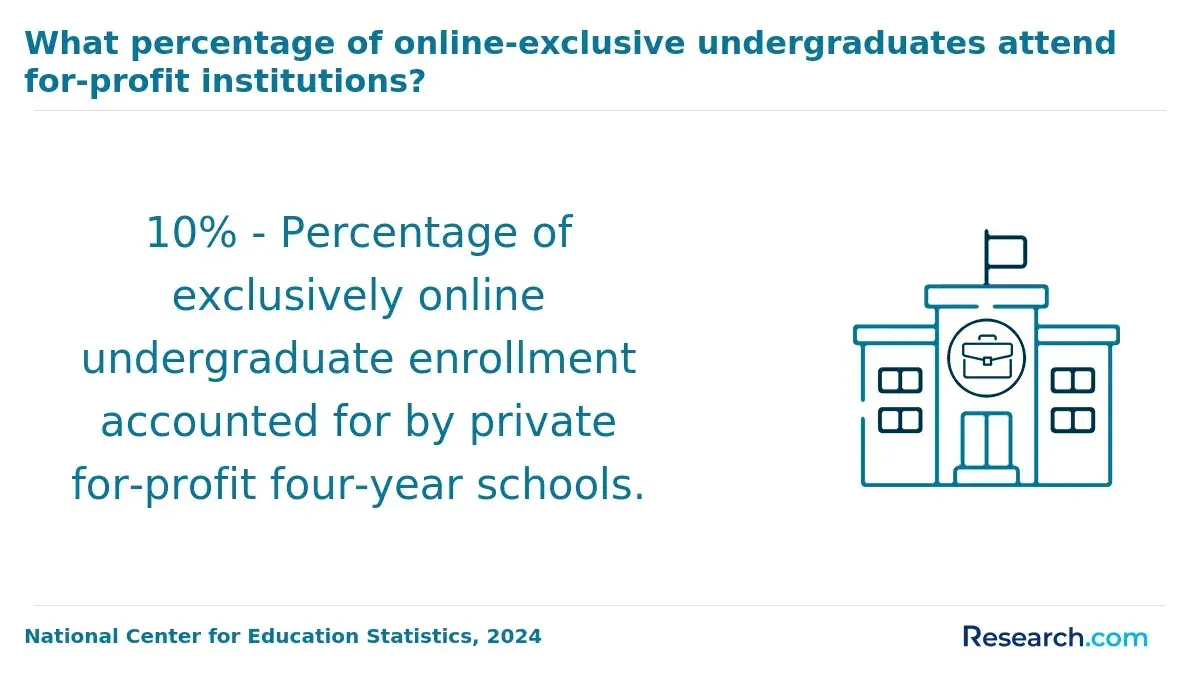
- For-Profit Institutions: Typically focused on flexible delivery and career-oriented curricula, these schools often adjust tuition dynamically based on market demand. However, their Religion & Theology programs constitute a smaller share of offerings, and funding strategies prioritize scalable online modalities that can restrain steep tuition hikes.
- Research-Intensive Universities: While these institutions emphasize interdisciplinary and advanced theological studies, their substantial endowments and diversified funding sources can offset operational expenses, resulting in more controlled tuition increases despite program expansion pressures.
- Regional Colleges: Serving local or specialized communities, regional colleges often experience moderate tuition growth in Religion & Theology due to steady but limited demand and reliance on tuition-driven budgets, balancing affordability concerns with institutional sustainability.
- Online Universities: Increasingly prominent in Religion & Theology education, online universities leverage technology to reduce facility costs and expand access. This model often curbs tuition growth rates, though investments in digital infrastructure and student support services pose ongoing cost factors.
What Factors Are Driving Rising Costs in Religion & Theology Degree Programs?
The upward trajectory of costs in religion & theology degree programs results from a complex set of interconnected institutional and economic influences rather than any singular factor. Unlike larger, more generalized academic fields, these specialized programs contend with limited enrollment which restricts economies of scale and intensifies per-student expenses.
Simultaneously, the specialized nature of faculty expertise, along with requirements for rare and often costly scholarly resources, drive operational costs higher. This dynamic requires institutions to balance constrained public funding with the increasing demands of maintaining academic rigor and relevance in a shifting higher education landscape.
Key drivers of cost escalation include declining state appropriations for public universities, which have compelled heavier dependence on tuition revenue to fund core operations. Rising faculty salaries, reflecting the necessity for doctoral-level scholars with niche expertise, contribute substantially to budget growth. At the same time, many programs have expanded their administrative and student support services, responding to compliance mandates and evolving learner expectations.
Investments in digital infrastructure, such as enhanced access to online resources and upgraded classroom technology, further amplify expenses. According to the National Center for Education Statistics data from 2024, tuition increases in fields like religion & theology have averaged about 4.1% annually, outpacing broader collegiate inflation rates and underscoring the persistent impact of these structural and economic pressures on program costs.
One religion & theology graduate recalls the challenge of navigating the admissions process amidst rising costs and rolling deadlines. They had initially hesitated to apply early, uncertain about the value proposition given the increasing tuition, but eventually prioritized submitting their application once scholarship options became clearer.
The uncertainty about timing and financial aid availability led to careful weighing of when to commit, highlighting how prospective students must strategically manage both financial and procedural complexities inherent in pursuing these specialized degrees today.
How Does Religion & Theology Tuition Growth Vary by State and Region?
Tuition growth in religion & theology programs differs significantly across U.S. states and regions, shaped by a complex interplay of state educational funding policies, institutional types, and regional economic conditions. Variations in funding models, particularly the balance between public and private institutions, drive divergent tuition trajectories.
For instance, private colleges and seminaries, often concentrated in the Northeast, tend to raise tuition more aggressively than public universities, which face legislative caps and fluctuating state budgets. These structural disparities underscore why religion & theology tuition growth trends by state and region resist simple geographic generalizations and instead reflect deeper institutional and policy-driven forces at work.
Key drivers behind this regional variation include state appropriations to public institutions, which influence how much tuition must cover operational costs. In many Midwestern states, constrained public university funding environments help moderate tuition increases, generally hovering around 2-3% annually.
In contrast, regions with a higher density of private religious-affiliated programs, such as New England, see tuition rising closer to 4.5% yearly, partially due to less reliance on state subsidies and the need to cover full expenses.
Additionally, local labor market demand and cost-of-living differences play roles; areas with stronger theological workforce needs or higher living costs, such as certain Western states, experience wider ranges in tuition growth, with California often nearing 4%. These factors combined influence regional pricing strategies beyond simple supply and demand mechanics.
These tuition growth patterns carry implications for student mobility and program selection. Regions with faster tuition hikes can create affordability challenges, leading prospective students to weigh financial trade-offs carefully against employment prospects in theology-related fields, which may not always keep pace with rising debt loads. Conversely, areas with slower increases might offer greater short-term affordability but require students to consider long-term sustainability.
For those seeking efficient pathways to advanced degrees in related fields, examining alternatives such as 1 year MHA programs online can provide useful benchmarks in balancing cost, time, and career outcomes within regional education markets. Understanding how religion & theology tuition growth varies by state and region equips students and families with critical insight to navigate affordability and return on investment decisions.
Are Online Religion & Theology Programs Becoming More Affordable Than Campus-Based Programs?
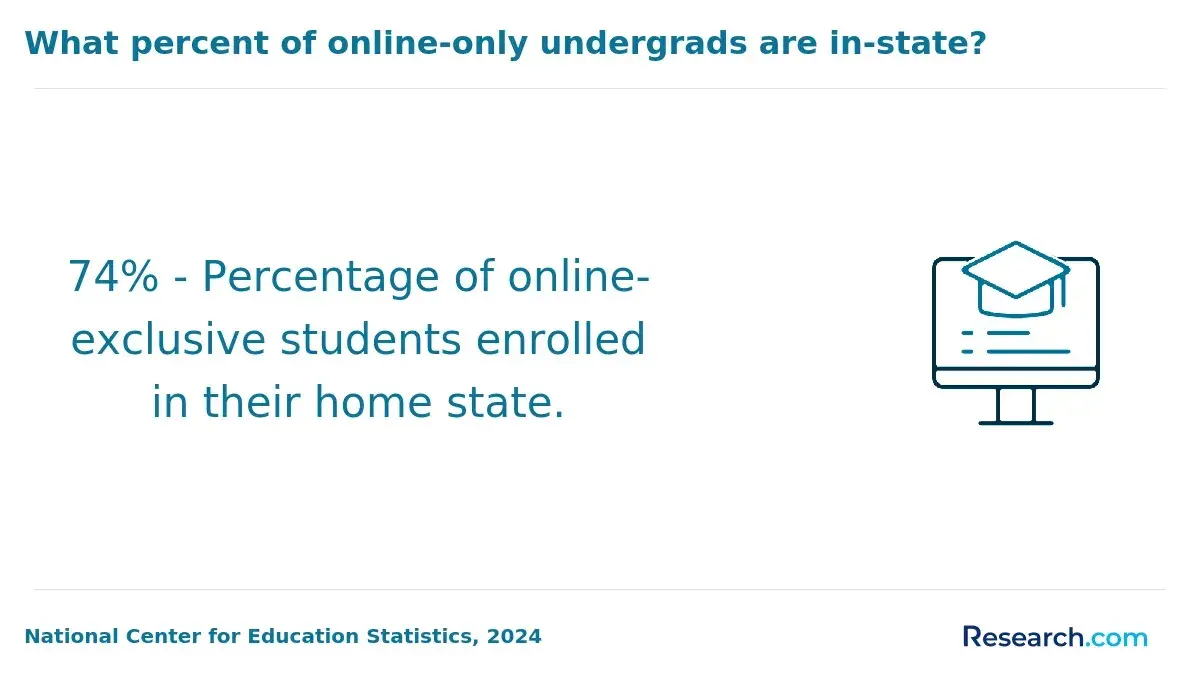
Tuition for online religion & theology programs generally trends lower than their campus-based equivalents, but this is not a straightforward pricing gap. National Center for Education Statistics data from 2024 show online tuition tends to be 15% to 25% cheaper on average, yet these differences vary significantly by institution type and program level.
Public universities often have smaller cost differentials between delivery modes, while private religious institutions may strategically price online options more aggressively to broaden their applicant pools. However, some prestigious universities apply a premium to online degrees, reflecting perceived brand value and exclusive digital offerings that narrow typical savings.
The foundational economic drivers behind this disparity stem from differences in physical infrastructure and operational expenses. Campus programs incur high overheads, including facility upkeep, utilities, and campus services, which online programs largely avoid. Yet, online education necessitates substantial investment in learning management systems, multimedia content development, instructional design, and technical support.
Faculty compensation models can also diverge, as online formats may require additional training or differentiated teaching loads. Student services like advising and community building present further resource challenges that influence institutional pricing strategies. These factors contribute to structural and strategic pricing decisions rather than purely temporary cost savings, highlighting how affordability reflects broader institutional priorities and the economics of digital pedagogy.
One graduate who completed an online religion & theology program shared that the affordability was appealing but navigating the admissions timeline was challenging. The rolling admissions meant waiting weeks between application submission and acceptance notice, causing uncertainty about financial planning and start dates.
She hesitated to commit before confirming tuition assistance options and balancing work demands. When her acceptance arrived, it was just days before the enrollment deadline, prompting a rapid but informed decision weighing cost savings against program logistics. This experience highlights how affordability extends beyond price, involving timing and preparation that affect access to online education options.
How Have Financial Aid and Scholarships Changed as Religion & Theology Tuition Has Increased?
Financial aid and scholarship structures in Religion & Theology programs have shifted notably as tuition costs have increased. Institutions have expanded their overall aid budgets, but these funds are now more strategically targeted rather than broadly distributed. There is a marked move away from general grants toward layered merit- and need-based scholarships with stringent eligibility requirements.
This adjustment reflects an effort to balance limited funding while appealing to academically strong candidates and those with verified financial need, although it increasingly narrows access for many applicants. Meanwhile, federal and state aid programs have maintained a base level of support but generally lag behind tuition inflation, causing growing gaps between sticker price and net cost.
The evolution of financial aid in this field is largely driven by heightened competition among institutions seeking to attract a limited pool of prospective students. In response, many programs have intensified tuition discounting through merit scholarships aimed at securing top performers, sometimes at the expense of broader need-based support.
Government aid adjustments have been modest, with programs like Pell Grants not keeping pace with rising costs, thus shifting a greater financial burden onto students and families. Institutional strategies increasingly emphasize selective aid disbursement to manage revenue and market position, aligning with national trends documented by recent 2024 federal education reports.
These dynamics influence both affordability and access in Religion & Theology education. Although institutions have developed additional relief options such as work-study arrangements and flexible payment plans, these alternatives often require students to take on additional responsibilities that may impact academic progress.
The net effect is that the nominal increase in aid does not fully offset tuition hikes, resulting in higher average debt loads and careful scrutiny of program value. Prospective students must weigh these factors when comparing programs, as aid availability and distribution can significantly affect long-term financial sustainability and career trajectory within this specialized academic field.
How Does Rising Religion & Theology Tuition Affect Student Debt After Graduation?
Rising tuition costs for religion & theology programs significantly increase student borrowing levels, leading to heavier reliance on loans to cover escalating expenses.
As tuition inflation outpaces wage growth and financial aid adjustments in many institutions, students and families must bridge the widening funding gap largely through debt. This often results in larger aggregate loan balances upon graduation, disproportionately affecting those pursuing degrees in religion & theology given the relatively modest income growth typical in related fields.
Consequently, student debt burdens are amplified not only by the base tuition increase but also by longer enrollment durations that add accrued interest and other indirect costs to the total repayment amount. These dynamics reflect the broader trend of religion & theology tuition and student debt correlation in the United States, underscoring practical affordability challenges embedded in program cost escalation.
Several structural factors contribute to the rising debt burden beyond tuition sticker prices. Public and private institution differences create variability in cost exposure, with private college enrollees facing steeper financial demands on average. Moreover, financial aid packages frequently fail to keep pace with tuition increases, compelling students to rely heavily on unsubsidized loans that accrue interest during study.
Post-graduation income disparities within religion & theology gradients accentuate repayment challenges, especially since many positions in ministry or nonprofit sectors offer limited salary ceilings. These factors collectively reduce the debt-to-income ratio viability for graduates and elevate the risk of prolonged repayment periods.
Awareness of these long-term implications is crucial for students evaluating program investment against likely economic returns, particularly in light of the field's evolving employment landscapes and earnings prospects.
Beyond immediate borrowing behavior, escalating debt levels influence repayment stress and decision-making around program selection. Graduates often confront repayment difficulties that necessitate income-driven repayment plans or loan forgiveness programs, which can mitigate short-term burdens but extend debt duration.
This complexity shapes how prospective students assess the value of religion & theology degrees relative to cost, balancing educational goals with financial sustainability. In-depth understanding of these dynamics, including comparisons to other fields such as those highlighted in studies on health information management salary entry-level, informs more strategic enrollment decisions and supports navigating the broader affordability challenges posed by rising tuition.
Do Higher-Cost Religion & Theology Programs Deliver Better Career Outcomes or Earnings?
Higher tuition costs in Religion & Theology programs do not consistently guarantee better career outcomes or higher earnings. Analysis of the higher education tuition impact on religion & theology career outcomes reveals that graduates from expensive institutions often have employment rates and starting salaries comparable to those from lower-cost programs.
This disconnect suggests that program cost alone is not a reliable indicator of career success or labor market advantages, especially given the diverse pathways graduates pursue. Employers in ministry, counseling, and academic roles frequently prioritize factors beyond undergraduate tuition, such as practical experience and denominational fit.
Career outcomes in theology and religion fields depend on a mix of institutional quality differentials, including alumni networks, geographic location, internship opportunities, and specialization depth. Programs with strong employer partnerships or pipelines into denominations often provide better practical training and networking, which can yield incremental returns on investment.
However, these advantages stem from institutional relationships and reputation rather than tuition price. Long-term earnings growth more closely correlates with postgraduate education, ordination, or specialized certifications, reflecting the variable relationship between program cost and graduate earnings in religion and theology.
Prospective students must weigh tuition against career goals and practical training options, focusing on nuanced ROI evaluation approaches rather than assuming higher price equates to better outcomes. Carefully assessing programs for alignment with denominational affiliation, employer expectations, and skill development often provides greater value.
For those exploring career trajectories involving spiritual leadership or counseling, understanding these tradeoffs is as important as reviewing wage data along the lines of fields like the athletic director salary pathway.
What Do Current Tuition Trends Suggest About the Future Cost of a Religion & Theology Degree?
Recent tuition trends for Religion & Theology degree programs reveal a consistent upward trajectory in costs, exceeding general inflation and typical higher education rate increases. Data from the National Center for Education Statistics highlights an average annual tuition increase of 3.8% at private religious institutions between 2020 and 2024, signaling persistent price pressures rather than stabilization.
This pattern reflects entrenched structural factors in the sector, suggesting that future tuition fees will likely continue escalating beyond inflation-adjusted norms unless significant market shifts occur.
Key drivers behind these rising costs include limited endowments and financial reserves within smaller private colleges, which constrains their capacity to absorb expenses or offer substantial subsidies.
Additionally, operational requirements such as maintaining specialized faculty-to-student ratios and curricula tailored to religious and theological studies amplify institutional expenditures. While online education and technology investments can potentially moderate costs, their adoption has not uniformly offset traditional campus expenses, as many programs still emphasize in-person formation and community engagement.
These tuition dynamics imply growing affordability challenges for prospective students, particularly as traditional college-age enrollment declines and adult learners, often with fewer financing options, represent a larger share of the student body. Anticipating these trends, students should critically assess the long-term financial commitments alongside program value and employment outcomes.
Understanding how institutional behaviors and funding limitations shape tuition allows for more informed planning in navigating the evolving cost landscape of Religion & Theology education.
References
- Theological Dimension of Price and Inflation https://www.ceeol.com/search/article-detail
- Why is the cost of college rising so fast? https://ssti.org/blog/why-cost-college-rising-so-fast
- 5 Reasons People of Faith Should Care About Student-Loan Debt - Center for American Progress https://www.americanprogress.org/article/5-reasons-people-of-faith-should-care-about-student-loan-debt/
- Top 20 Countries Where Christianity is Growing the Fastest https://globalchristianrelief.org/stories/countries-where-christianity-is-growing-the-fastest
Other Things You Should Know About Religion & Theology
Programs with longer durations or heavier academic requirements tend to accumulate higher overall costs, even if annual tuition increases are moderate. Students must consider how extended enrollment affects not only tuition but also living expenses and lost income opportunities. Prioritizing programs with a balanced workload and efficient completion timeline can mitigate the financial burden without compromising educational depth or employability.
Higher tuition is not always directly correlated with stronger practical training or improved career outcomes in religion & theology fields. Many employers in religious and community organizations value demonstrated experience, relevant internships, and leadership skills over the prestige attached to costlier programs. Candidates should critically assess whether more expensive programs offer tangible advantages, such as unique hands-on opportunities or network access, rather than assuming cost implies better preparation.
Understanding employer expectations is vital, as some sectors prioritize specific certifications or practical ministry experience over academic pedigree. Tuition inflation can pressure students toward programs promising these credentials, but not all are equally recognized by hiring institutions. Prioritizing programs with clear alignment to employer requirements and practical ministry competencies yields better returns on tuition investment than nominal program rankings or price tags.
Rising tuition costs often force students to choose part-time enrollment to spread expenses over a longer period, but this prolongs program completion and delays workforce re-entry. Conversely, full-time study accelerates graduation but increases short-term financial strain. Careful budgeting that accounts for inflated tuition alongside individual financial capacity and career timelines is essential to minimize debt and optimize educational outcomes.