2027 Religion & Theology Degree Oversupply or Undersupply? Student Volume vs Employer Demand

Co-Founder and Chief Data Scientist
Faced with declining job openings in religious institutions but steady graduation rates, prospective students and educators must assess whether the supply of religion & theology graduates exceeds labor market demand. Recent 2024 projections from the U. S. Bureau of Labor Statistics show employment for clergy is expected to grow only 1% over the next decade-far below the increase in graduates entering ministry and counseling roles. This imbalance suggests heightened competition for limited positions and potential underemployment, especially in regions with fewer religious organizations. Evaluating these trends alongside evolving skill requirements is crucial for informed decisions about degree value and career prospects.
This article analyzes religion & theology student volume against employer demand, job growth, regional disparities, and skill gaps to clarify whether opportunities remain sustainable or competition intensifies.
Key Things to Know About Religion & Theology Graduate Supply and Employer Demand
- Religion & theology graduate output remains steady while specialized religious nonprofit jobs grow under 2% annually; this mismatch signals cautious hiring, pressuring graduates to seek diversifying credentials for competitive entry.
- Data shows strong employer preference for candidates with practical ministry or counseling certifications alongside theology degrees, indicating a skill-set alignment gap that impacts job placement rates in faith-based communities.
- Rising program costs paired with slower job growth extend time-to-employment for graduates, urging prospective students to weigh regional demand disparities and alternative career paths within religious sectors before enrollment.
- Key Things to Know About Religion & Theology Graduate Supply and Employer Demand Key Things to Know About Religion & Theology Graduate Supply and Employer Demand
- Is There an Oversupply or Undersupply of Religion & Theology Graduates? Graduate Oversupply or Shortage
- How is Religion & Theology Degree Enrollment Changing? Degree Enrollment Trends
- How Many Religion & Theology Graduates Enter the Workforce Each Year? Annual Graduate Workforce Entry
- Does Job Growth Support the Rising Supply of Religion & Theology Graduates? Job Growth Versus Supply
- How Competitive is the Entry-Level Market for Religion & Theology Graduates? Entry-Level Market Competition
- Which Industries Have the Greatest Demand for Religion & Theology Graduates? Top Hiring Industries
- Where are Religion & Theology Graduates Most in Demand? Top Geographic Demand
- Which Religion & Theology Specializations and Degree Levels Face the Strongest Demand? Which Religion & Theology Specializations and Degree Levels Face the Strongest Demand?
- Are Employer Skill Gaps Affecting Demand for Religion & Theology Graduates? Are Employer Skill Gaps Affecting Demand for Religion & Theology Graduates?
- What is the Future Supply-and-Demand Outlook for Religion & Theology Graduates? Future Supply-Demand Outlook
Is There an Oversupply or Undersupply of Religion & Theology Graduates?
The relationship between the supply of religion and theology graduates and employer demand reveals a nuanced labor market rather than a simple imbalance. Although about 9,000 bachelor's degrees in this field are conferred annually, the Bureau of Labor Statistics projects only modest growth of 3-4% in clerical, educational, and counseling roles through 2030. This relatively slow expansion, paired with employers favoring candidates holding advanced degrees or specialized certifications, creates intense competition for entry-level positions, resulting in what often appears as an oversupply at the national level. Yet, this broad surplus does not account for geographic and sector-specific differences, where demand may outpace supply, especially in regions with concentrated faith-based institutions or nonprofit activity.
As the field diversifies, some graduates navigate alternative career pathways such as ethics consultancy, interfaith dialogue facilitation, or religious publishing, where quantifiable employer demand may be less visible yet offers emerging roles. Prospective students weighing a religion and theology graduate job market analysis might also consider how enrollment trends and skill expectations intersect with occupational growth to avoid credential inflation and underemployment. For those seeking flexible credentials that supplement theology backgrounds, exploring options like the easiest DNP programs could represent a strategic pivot, especially where interdisciplinary and healthcare-related roles intersect with ethical and spiritual expertise.
How is Religion & Theology Degree Enrollment Changing?
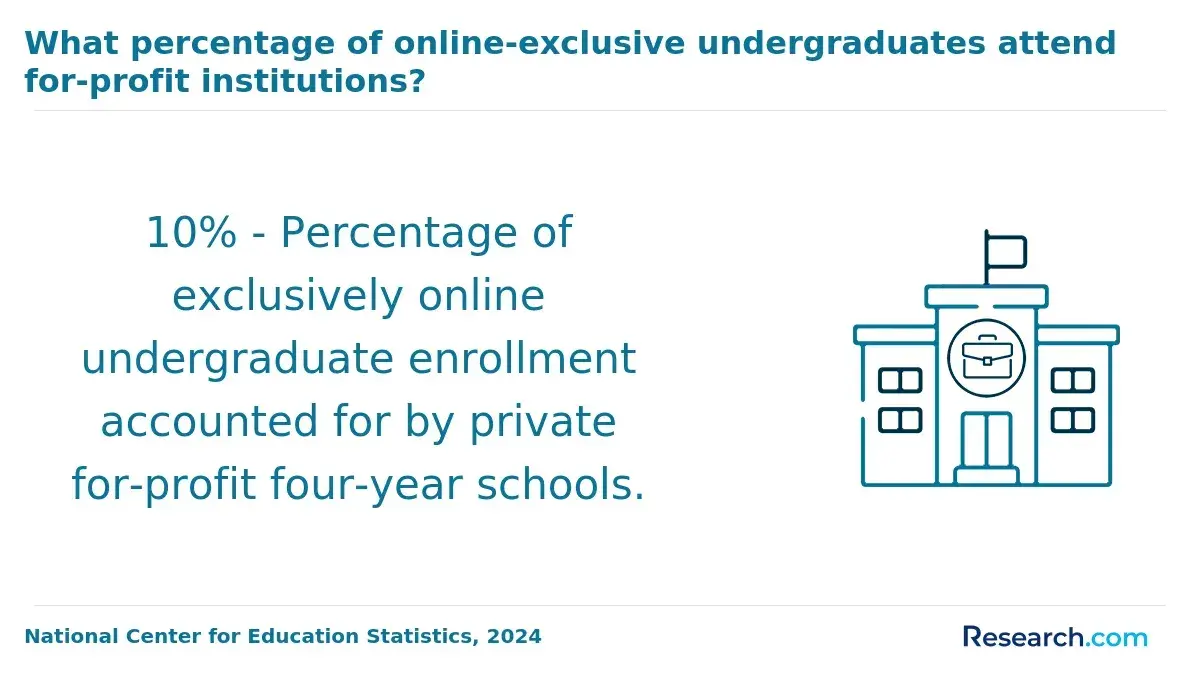
Enrollment in religion & theology degree programs is declining modestly, with an approximate 8% drop in undergraduate completions from 2020 to 2023 reported by the National Center for Education Statistics. This trend signals increased competition among graduates rather than easing employer demand, as job openings in religious institutions and related fields remain limited and highly selective. The rise in online program participation has broadened access, especially for nontraditional students, but has not fully compensated for reductions in traditional campus-based enrollments, shifting program delivery dynamics without alleviating graduate supply pressures.
Demographic shifts show a slightly older and more female student population alongside a gradual increase in racial and ethnic diversity, yet bachelor's degrees continue to dominate over advanced credentials due to practical cost-benefit considerations and the narrow specialized job market for doctoral and master's holders. This uneven distribution across degree levels complicates workforce forecasting, particularly because regional labor demands and institutional constraints produce localized variances that national enrollment figures obscure. Graduates with additional qualifications in counseling or nonprofit management tend to have better labor market outcomes, underscoring the importance of interdisciplinary skills in addressing employment challenges within this field.
A current master's student observed that their program's cohort size has shrunk compared to previous years, noting a palpable drop in applications that raises uncertainty about future competition. They also remarked on the recent expansion of online course offerings, which has attracted more part-time and geographically dispersed learners, yet questioned whether this growth truly reflects improved career prospects or simply a shift in study mode. This student's experience highlights the nuanced balance between declining enrollment numbers and the persistent need to evaluate how supply aligns with available roles in theology-related careers.
How Many Religion & Theology Graduates Enter the Workforce Each Year?
The volume of religion & theology graduates produced annually is an insufficient metric alone to assess workforce supply and demand dynamics within the field. Data from sources like NCES and IPEDS reveal roughly 5,000 to 6,000 bachelor's degrees are awarded each year, climbing to around 7,000 to 8,000 when accounting for graduate degrees.
However, these figures encompass diverse subfields, online and on-campus modalities, and students who may delay or forgo entry into religion-related occupations, making raw completion numbers a blunt instrument for gauging labor market fit. For instance, many graduates with these credentials pivot to careers outside traditional religious vocations, applying transferable skills like ethics or communication instead of pursuing ministry or chaplaincy roles directly tied to their degree specialization.
This underscores the risk of overstating supply constraints or pretending labor market saturation without nuanced assessment of job function alignment, skill credentialization, and temporal entry patterns. Prospective students and workforce planners must therefore contextualize graduation data alongside local demand signals and real-time employment outcomes to balance expectations and investment in these academic programs effectively.
Does Job Growth Support the Rising Supply of Religion & Theology Graduates?
Analysis of religion & theology graduate employment trends and employer demand demonstrates that many job openings in this sector do not align with the rising supply of graduates, especially at the undergraduate level. This mismatch leads many to seek employment in related fields such as nonprofit leadership or social services, where their academic background is supplementary rather than central. Employers increasingly prioritize practical skills and certifications over purely academic credentials, reflecting the sector's nuanced expectations. Prospective students weighing this degree should also consider transferability of skills and alternatives like programs in adjacent disciplines, including nursing schools that don't require TEAS or HESI exams, which may offer clearer links to workforce demand.
How Competitive is the Entry-Level Market for Religion & Theology Graduates?
Employers emphasize relevant experience even for entry-level roles, effectively raising the qualification bar and filtering out many fresh graduates without practical exposure. Industry demand remains concentrated mainly within faith-based organizations, education, and nonprofit sectors, with some geographic hubs offering marginally greater opportunities.
The following key factors illuminate why competition is intense and nuanced:
- Applicant Volume: Graduates entering annually often outnumber dedicated entry-level positions, leading to high applicant-to-vacancy ratios. Job seekers need to anticipate broad competition even for niche roles.
- Experience Expectations: Many employers require prior volunteer work, internships, or community leadership, which places recent graduates at a disadvantage without established networks or practical credentials.
- Industry Concentration: Opportunities are concentrated in religious institutions and nonprofits, limiting diversification. Graduates should examine industry health and turnover rates to gauge realistic hiring chances.
- Supplementary Skills: Additional certifications in counseling, mediation, or nonprofit management increasingly differentiate candidates, reflecting employer preference for multifaceted skill sets beyond theological knowledge.
- Geographic Variability: Urban centers tend to have more openings but also attract larger applicant pools, forcing graduates to weigh location flexibility against local market saturation.
- Indirect Competition: Overlap with broader humanities, social sciences, or education graduates intensifies competition as many candidates pursue similar roles without religion-specific backgrounds.
- Selection Processes: Employers often implement multi-stage hiring emphasizing demonstrated community engagement and practical skills, requiring candidates to prepare thoroughly and strategically.
One recent religion & theology graduate experienced the market's challenges firsthand. Despite earning solid academic credentials, she found that the frequent requirement for hands-on ministry or counseling experience was a recurring barrier during interviews. She initially targeted urban nonprofit agencies but found candidate pools overwhelming and the selection criteria rigid. After a series of setbacks, she shifted focus to smaller faith-based organizations in suburban areas where fewer applicants competed, enabling her to receive more positive responses. This strategic redirection underscored the importance of geographic and sectoral flexibility along with supplementary skills, illustrating how nuanced decisions can influence employability in this constrained field.
Which Industries Have the Greatest Demand for Religion & Theology Graduates?
Employer demand for religion and theology graduate employment by industry is highly concentrated where the need for spiritual guidance, ethical interpretation, and educational roles persists. The largest hiring sectors emphasize direct application of theological expertise combined with interpersonal and counseling skills, limiting opportunities in broader corporate or government settings.
As graduates assess whether the supply of degree holders matches employer demand, they must consider not only job availability but also the competitive landscape and credential requirements that vary significantly by sector. For example, a graduate may find a greater number of openings but intense competition in religious organizations, while healthcare chaplaincy offers fewer jobs, but specialization can improve hiring odds.
The top industries hiring religion and theology graduates reveal these dynamics clearly:
- Religious Organizations: This sector is the primary employer, offering roles such as clergy, pastoral counselors, and religious educators. Demand is driven by congregational needs and faith community support, with employers prioritizing theological knowledge and leadership experience.
- Education: Opportunities are mostly in private religious schools, seminaries, and faith-based nonprofits. Postsecondary teaching positions require advanced degrees and subject-matter expertise, with institutional stability underpinning steady demand.
- Healthcare Chaplaincy: Growing emphasis on holistic patient care is expanding roles for chaplains and spiritual counselors. Additional certifications beyond a standard degree are typically necessary, reflecting the clinical and ethical complexity.
- Nonprofit and Social Services: Faith-based advocacy, community outreach, and interfaith dialogue roles are increasing but limited, demanding cultural competence and ethical navigation skills that exceed basic theological training.
- Corporate and Government: These sectors offer minimal roles, often in ethics compliance or diversity programs, where religion and theology graduates compete on specialized skills not universally developed in standard programs.
Graduates weighing these industries should factor in how competition, credentialing, and mission alignment influence employability. Those pursuing related fields may benefit from exploring complementary training, similar to career paths where degrees in theology overlap with fields including healthcare or education administration. The practical realities highlight a careful market assessment beyond simply counting jobs, exemplified by how some candidates investigate radiology tech programs as part of a comparative evaluation of sustainable employment options.
Where are Religion & Theology Graduates Most in Demand?
By contrast, regions in the South and Midwest often reveal moderate undersupply, where employer demand modestly outpaces graduate numbers. These areas may lack the extensive religious education infrastructures of coastal cities but offer less competitive job markets, potentially translating to steadier employment for those open to relocation and adapting to more limited program diversity. The tradeoff includes fewer total positions and often less opportunity for remote work, which can influence long-term career trajectory depending on personal priorities and professional focus within healthcare chaplaincy, nonprofit ministry, or educational roles.
Industry aggregation critically shapes opportunity: places with dense networks of hospitals, correctional institutions, and faith-based nonprofits consistently seek chaplaincy and spiritual care services, reflecting growing awareness of holistic care models. Yet, local supply-demand imbalances mean that prospective students and degree holders should assess employer density alongside local credentials preference and cost of living. U.S. Bureau of Labor Statistics data from 2024 indicate hiring growth clustered in specific metro areas but warn that choosing a high-demand region without acknowledging these surrounding dynamics may limit realistic employment prospects and long-term job security.
Flexible options such as online self paced colleges can help religion and theology students pursue their education while balancing ministry, work, or family commitments. These programs may also make it easier for learners in regions with fewer local institutions to access specialized coursework without relocating.
Which Religion & Theology Specializations and Degree Levels Face the Strongest Demand?
Employers seeking religion & theology graduates increasingly favor candidates who combine theological knowledge with practical, applied skills, particularly in counseling and community engagement. Demand is unevenly distributed, with certain specializations and degree levels outperforming others in terms of job prospects. For example, a graduate holding a master's degree in divinity with a counseling practicum often finds more opportunities in faith-based social service agencies and nonprofit organizations than a bachelor's degree holder focused solely on academic theology.
Conversely, doctoral graduates frequently face more competitive, niche markets primarily in academia or specialized research roles. According to data from the U.S. Bureau of Labor Statistics and LinkedIn Workforce Insights, roles requiring graduate-level counseling or social work skills demonstrate stronger growth potential compared to traditional clergy positions, which show slower growth and greater competition due to higher graduation rates.
The key specialization and degree-level factors influencing employability include:
- Master's-Level Counseling Integration: Employers prioritize graduates who couple theological study with licensed counseling or social work credentials, often for pastoral care, mental health support, and nonprofit leadership roles focused on community well-being.
- Pastoral Care Specialization: Practical experience in pastoral counseling and interfaith engagement attracts demand in religious organizations and social services seeking conflict resolution and culturally sensitive outreach professionals.
- Doctoral Academic Focus: Doctoral degree holders typically qualify for fewer but more competitive roles centering on academic research, curriculum development, and theological scholarship within higher education.
- Religion and Technology Ethics: Emerging but limited niches in ethics related to technology and digital media require multidisciplinary expertise and show potential for future growth in faith-and-technology advisory roles.
- Bachelor's Degree Limitations: Bachelor's-level graduates often face significant hiring barriers for formal religious roles unless supplemented by ministry experience, additional certifications, or graduate degrees.
Are Employer Skill Gaps Affecting Demand for Religion & Theology Graduates?
Current employer demand for religion & theology graduates does not reflect a simple shortage of candidates but rather a gap in the specific, practical skills these graduates bring to the labor market. Employers often seek individuals with a combination of theological knowledge and applied competencies such as counseling, leadership in nonprofit settings, and digital communication proficiency.
For example, community organizations filling roles related to pastoral care or ethics advising typically prioritize candidates who demonstrate relevant certifications or tangible experience managing social programs, not just academic credentials. This mismatch can leave positions unfilled even when graduate volume is high, creating a misleading perception of oversupply or undersupply in the field.
Skill mismatches influencing employer demand affect hiring competition unevenly across regions and sectors, particularly in roles requiring intercultural communication and technology use for outreach. Graduates lacking interdisciplinary skill sets may struggle in secular nonprofits or education, where versatility is prized alongside doctrinal expertise.
Developing targeted project experience, internships, or certifications—akin to credentials like acute care NP certification in healthcare fields—can sharpen candidacy and improve market alignment. Recognizing these dynamics is essential for prospective students and degree holders assessing how religious education programs align with practical workforce expectations and long-term career viability in a nuanced labor market.
Analyzing religion & theology graduate skill gaps impacting employer demand in the US reveals that hiring managers weigh candidates' abilities to apply theological insights within complex social contexts and digital environments. This credential mismatch often translates into unfilled vacancies despite ample graduate supply, highlighting the importance of adaptability and cross-disciplinary skill development. Employability hinges on bridging traditional theological education with employer-valued competencies, influencing hiring trends and affecting workforce absorption in ways that extend beyond mere degree counts.
What is the Future Supply-and-Demand Outlook for Religion & Theology Graduates?
For example, a graduate who tailors their resume to emphasize practical experience in nonprofit chaplaincy or academic research, emphasizing relevant keywords from job descriptions, can distinguish themselves in a competitive job market. Neglecting this focused approach risks spreading efforts thin across low-fit roles, reducing interview callbacks despite high application numbers.
The future supply and demand trends for religion & theology graduates reveal the crucial importance of geographic and sectoral choices, as regions with stronger religious adherence or faith diversity tend to offer more viable openings. Graduates should invest time in researching local market fluctuations and emerging roles that incorporate technology or remote engagement to enhance employability. Demonstrating job readiness through volunteer projects, internships, or specialized training helps convert applications into interviews more effectively. This disciplined strategy contrasts starkly with generalist efforts that overlook these nuances, which frequently result in job search fatigue and stalled placements in a degree market generally characterized by modest employment growth.
Understanding the employment outlook and career prospects for religion & theology degree holders means also recognizing alternative multidisciplinary credentials that complement core theological studies. Pursuing certifications in allied fields—such as the fastest online medical billing and coding certificate programs—can open doors in related nonprofit or healthcare sectors where demand is rising.
Consequently, strategically combining theological expertise with transferable skills and timely market intelligence offers religion & theology graduates meaningful pathways despite the inherent oversupply challenges highlighted by recent labor statistics.
References
- A Deeper Look at Trends in Undergraduate and Graduate Religion Enrollments and Degree Completions - AAR https://aarweb.org/news/a-deeper-look-at-trends-in-undergraduate-and-graduate-religion-enrollments-and-degree-completions/
- Types of Theology Degrees | Saint Paul https://www.spst.edu/types-of-theology-degrees/
- Theology major facts and statistics https://employedhistorian.com/humanities/theology-major-facts-statistics/
- Is the Skills Gap Real? Changes in Employer Skill Requirements During the Great Recession https://econofact.org/is-the-skills-gap-real-changes-in-employer-skill-requirements-during-the-great-recession
- What Are The Types of Theology Degrees | BMATS https://bmats.edu/2023/10/05/what-are-the-types-of-theology-degrees/
- 20 Job Options With a Degree in Theology: Career Guide | Franciscan School of Theology https://www.fst.edu/jobs-in-theology/
- Seminary Enrollment Is Up, But Some Big Seminaries Are Stalled https://religionunplugged.com/news/seminary-enrollment-up-but-some-big-seminaries-stalled
- Exploring Career Paths After Graduating in Theology: Beyond the Pulpit https://la.oikos.edu/the-highest-ranked-university/
- What can I do with a Theology degree? - Birmingham Newman University blog https://www2.newman.ac.uk/blog/2020/07/15/what-can-i-do-with-a-theology-degree/
- Religion's Impact on Success: God, Grades, and Graduation https://heterodoxacademy.org/blog/god-grades-and-graduation-religions-surprising-impact-on-academic-success/
Other Things You Should Know About Religion & Theology
The curriculum focus in many religion & theology programs tends to emphasize theoretical, historical, and philosophical components rather than practical skills directly applicable to non-academic jobs. Graduates from programs with limited applied training-such as counseling techniques, intercultural communication, or nonprofit management-may face narrower employment prospects outside traditional ministry roles. Prospective students should prioritize programs that integrate interdisciplinary skills and offer experiential learning opportunities, as these features better align with employer expectations in diverse sectors.
While advanced degrees can deepen specialization and open doors to academia or senior leadership roles within religious institutions, the extended time and financial investment may delay earnings and practical experience acquisition. For many employers, skills and proven abilities often outweigh degree levels beyond the bachelor's, especially in congregational, nonprofit, or community settings. Students should carefully weigh whether specialized graduate study aligns with their career goals or if gaining workplace experience earlier could provide a more strategic path forward.
Employers increasingly value candidates who combine religion & theology knowledge with skills in areas such as social work, education, or business administration. Graduates who supplement their degrees with certifications, internships, or complementary studies tend to stand out in competitive applicant pools. For those concerned about employment oversupply, integrating interdisciplinary competencies can enhance adaptability and attractiveness, suggesting a clear advantage in actively broadening one's educational scope.
Large programs often provide more resources, networking opportunities, and name recognition that may facilitate access to diverse job markets, but smaller institutions sometimes offer closer faculty mentorship and tailored career guidance. The choice depends on the student's career objectives-those targeting academic or high-profile leadership roles generally benefit from larger programs with extensive alumni networks, whereas students seeking specialized ministry or community engagement paths might gain more from personalized support at smaller schools. Evaluating program connections to employers and real-world placement rates is essential regardless of size.