2027 Online vs Campus Religion & Theology Outcomes Report: Graduation Rates, Cost, and Career Trade-Offs

Co-Founder and Chief Data Scientist
Adult learners transferring credits into Religion & Theology programs often confront unanticipated delays as online and campus pathways differ significantly in credit recognition, affecting time to degree completion. Recent 2024 data shows only 57% of transfer credits are accepted on average in campus programs compared to 74% in online formats, signaling a systemic shift where online institutions increasingly prioritize flexible degree benchmarks.
This trend reflects growing institutional responsiveness to non-traditional students but also reveals hidden costs: extended enrollment and financing challenges for campus learners. This article evaluates graduation rates, costs, and career outcomes to clarify which delivery mode aligns best with specific learner priorities and constraints.
Key Things to Know About Online vs Campus Religion & Theology Outcomes
- Campus-based programs show approximately 15% higher graduation rates than online, reflecting challenges in student engagement and persistence that can delay credential completion for online learners.
- Online Religion & Theology graduates face mixed employer recognition; a 2024 study found 40% of ministry recruiters weigh campus experience more heavily, impacting pastoral placement chances.
- Though online options reduce relocation and housing costs, they often extend time-to-degree by 20%, increasing indirect expenses and affecting students balancing work and study commitments.
- Key Things to Know About Online vs Campus Religion & Theology Outcomes Key Things to Know About Online vs Campus Religion & Theology Outcomes
- What Are the Biggest Differences Between Online and Campus Religion & Theology Program Outcomes? Online vs Campus Outcomes
- How Do Graduation Rates Compare Between Online and Campus Religion & Theology Programs? Comparing Graduation Rates
- Why Do Online and Campus Religion & Theology Students Have Different Completion Rates? Why Completion Rates Differ
- How Do Online and Campus Religion & Theology Programs Compare on Total Cost? Total Cost Comparison
- What Hidden Costs Should Students Expect in Online vs Campus Religion & Theology Programs? Hidden Program Costs
- How Does Financial Aid Affect the Cost of Online and Campus Religion & Theology Programs? Financial Aid Impact
- Do Online and Campus Religion & Theology Graduates Have Different Career Outcomes? Comparing Career Outcomes
- How Do Employers View Online vs Campus Religion & Theology Degrees? How Do Employers View Online vs Campus Religion & Theology Degrees?
- Which Religion & Theology Degree Format Offers Better Flexibility for Working Adults? Which Religion & Theology Degree Format Offers Better Flexibility for Working Adults?
- How Should Students Choose Between an Online and Campus Religion & Theology Program? Choosing Your Program Format
What Are the Biggest Differences Between Online and Campus Religion & Theology Program Outcomes?
Completion rates in Religion & Theology programs significantly favor traditional campus settings, where median six-year graduation rates cluster around 60-65%, versus 35-45% for online formats. This disparity reflects not only student demographics, such as the higher incidence of part-time and working adult learners online, but also the structural supports onsite programs offer, including cohort models and immediate access to faculty and practicum experiences.
For example, an individual balancing a full-time ministry job might choose an online program for flexibility but face prolonged completion timelines and greater debt due to extended enrollment, as reported by the U.S. Department of Education's College Scorecard. This underscores a trade-off between the convenience of remote study and the higher persistence rates linked to campus immersion in Religion & Theology education.
Cost considerations further highlight critical differences in total financial burden. Although online programs often market lower tuition, hidden expenses like technology fees, travel for required residencies, and longer time-to-degree narrow these savings, with online Religion & Theology graduates frequently incurring greater average student debt compared to their campus counterparts.
On-campus students benefit from access to institutional financial aid, on-site employment, and housing subsidies, factors that reduce net costs and support retention. Additionally, many employers treating program graduates with clinical or field-based training preferences tend to favor campus education backgrounds given their integrated practicum components, affecting career mobility and job placement in ministry or religious service roles.
Students weighing program choices in this field must balance geographic flexibility and self-directed pacing against the more structured, resource-rich environment of campus programs. Access to peer networks and in-person advising often correlates with employer perceptions favoring campus graduates especially in roles demanding strong interpersonal skills and field-based experience.
For learners prioritizing convenience without sacrificing long-term career signaling, evaluating outcomes related to graduation rates, cost, and practical training involvement is essential before committing. This analysis parallels considerations detailed for those exploring an online health admin degree, where similar cost and career trade-offs dictate strategic program selection.
How Do Graduation Rates Compare Between Online and Campus Religion & Theology Programs?
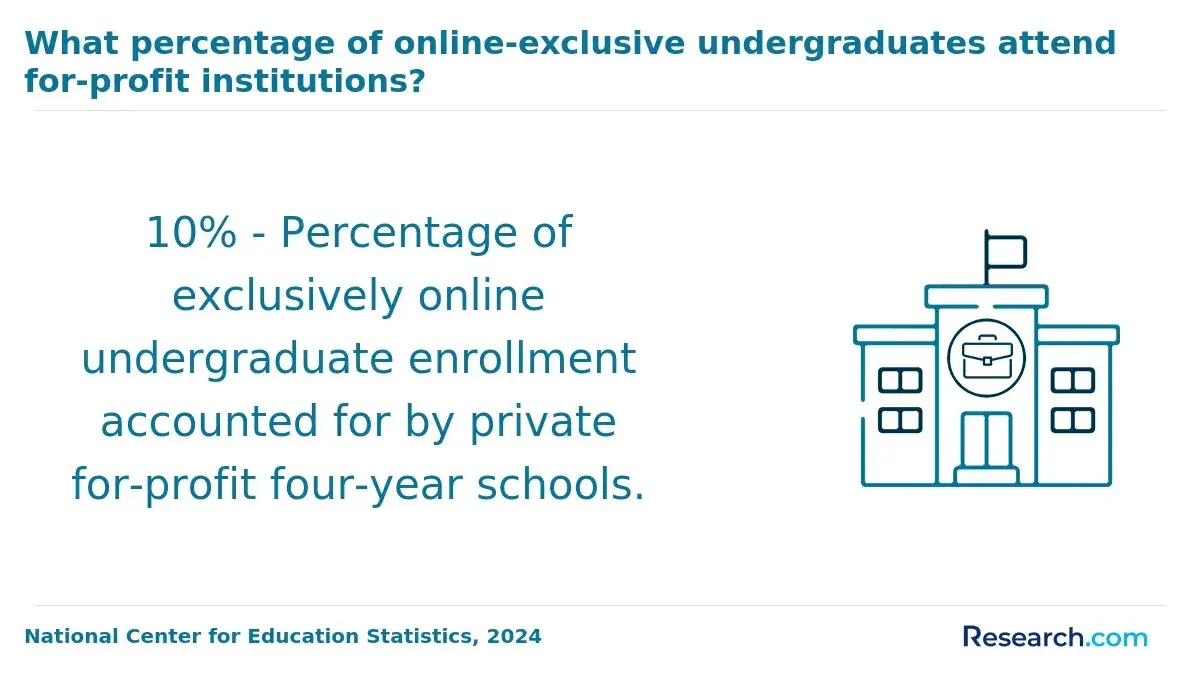
Graduation rates in religion & theology programs highlight distinct challenges shaped more by student composition and program structure than simply delivery mode. Campus-based programs report a six-year completion rate near 48% according to the 2024 Integrated Postsecondary Education Data System, while fully online counterparts often see rates between 30% and 35%. These differences largely reflect the prevalence of working adults, part-time learners, and transfer students in online cohorts, who frequently balance complex schedules and family responsibilities. Unlike campus students who typically study full-time within a cohort and have steady access to in-person advising, online learners may face variability in academic support and reduced peer engagement, factors that influence persistence and on-time completion.
Interpretation of graduation statistics requires acknowledging that online programs often intentionally serve populations with interrupted educational pathways or less academic preparation, which lowers aggregate retention figures but broadens access to credentialing for nontraditional students. Program design decisions, such as pacing flexibility, availability of synchronous sessions, and integration of practicum requirements, also heavily impact student progress. Consequently, straightforward comparisons between online and campus religion & theology graduation rates can mislead prospective students if these contextual elements are ignored. Choosing between formats should therefore hinge on realistic expectations around advising support, cohort dynamics, personal time constraints, and the likelihood of stopouts or transfers, rather than on raw completion metrics alone.
One recent graduate recalled spending weeks weighing online and campus options, concerned that an exclusively online religion & theology program might lack the structured rhythm needed to stay on track amid family and work demands. She ultimately prioritized a hybrid offering with scheduled cohort meetings and reliable faculty access, recognizing that while on-campus programs offered stronger peer connections, the commute and rigid schedules would be difficult to sustain long-term. Her experience underscores how nuanced considerations around program design, academic support, and student lifestyle are critical in interpreting graduation outcomes beyond headline rates.
Why Do Online and Campus Religion & Theology Students Have Different Completion Rates?
Completion disparities between online and campus Religion & Theology students largely stem from differences in enrollment patterns and program design rather than academic standards alone. For example, online learners frequently juggle part-time study alongside employment and family responsibilities, leading to longer timelines and a higher risk of interrupting their education. By contrast, campus students often benefit from full-time enrollment within structured cohorts, which provide consistent pacing, peer engagement, and ready access to advising and campus resources that support steady progression.
Beyond scheduling, the nature of student support varies significantly. Campus environments offer more immediate opportunities for academic advising, group interaction, and participation in experiential activities like chapel or ministry internships, which help sustain motivation and persistence. Online students typically navigate asynchronous courses requiring greater self-discipline and often lack the same level of proactive advising or cohort integration, factors linked to higher attrition.
National Center for Education Statistics data from 2024 show campus Religion & Theology students graduate at rates near 60% within six years, while online completion rates tend to fall below 40%, reflecting demographic and structural differences rather than solely instructional quality. Prospective students should weigh how their own external commitments, need for community, and capacity for self-regulation align with these divergent program characteristics when interpreting graduation data.
How Do Online and Campus Religion & Theology Programs Compare on Total Cost?
The total cost comparison between online and campus Religion & Theology programs goes beyond sticker tuition, hinging on nuanced factors like state residency, technology fees, and campus-related expenses. While on-campus students often face added costs averaging $12,000 annually for housing and transportation, online learners might encounter smaller but persistent technology or distance learning fees.
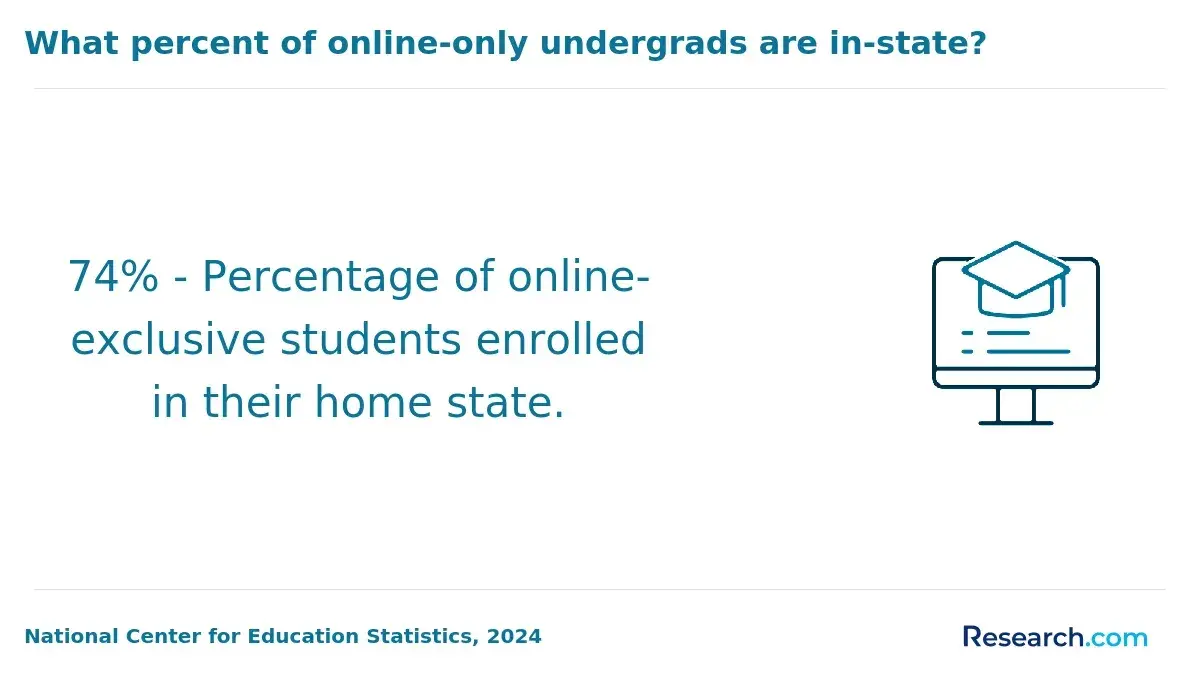
Residency-based discounts at public institutions can sharply reduce campus tuition for in-state students, a benefit less accessible in many online formats, influencing the real cost difference and potentially extending program length or increasing course load to maintain affordability and progress.
Financial aid availability further complicates cost evaluations. Online students frequently report reduced access to institutional aid compared to their campus counterparts, which may increase reliance on federal loans and contribute to slightly higher average debt at graduation. These dynamics affect the student's ability to sustain employment and balance work-study demands, urging prospective learners to consider how total cost, aid fluctuations, and timeline impacts align with their individual career and financial circumstances when selecting a Religion & Theology program. Those seeking options without upfront charges might explore no application fee colleges as part of their planning for cost-efficient pathways.
What Hidden Costs Should Students Expect in Online vs Campus Religion & Theology Programs?
Hidden expenses often challenge assumptions about the real cost differences between online and campus religion & theology programs. While traditional programs add commuting, parking, and on-campus housing that can exceed $12,000 annually, online formats are not inherently cheaper due to technology fees that affect nearly 40% of public universities, ranging from $200 to $600 per semester, as reported by the National Center for Education Statistics.
Beyond tuition and fees, online students frequently face extra costs for software, reliable high-speed internet, and equipment upgrades necessary to keep pace with coursework demands. Additionally, both formats may require in-person proctoring or fieldwork, introducing travel, lodging, and childcare expenses that erode expected savings and complicate planning for those balancing work and family.
The financial impact extends to income loss with campus students often reducing work hours due to fixed schedules and commuting, while online students might prolong program completion or take tutoring to manage self-paced learning. Differences in financial aid packaging also matter: online learners in theology tend to rely more heavily on loans, contributing to a 12% higher average debt load for graduates. These financial and logistical trade-offs underscore the need for careful budgeting beyond published tuition, as underestimated supplementary costs can affect both time-to-degree and long-term career flexibility in faith-based vocations.
One recent religion & theology distance learner recounted initially choosing an online program due to lower tuition, only to be surprised by recurring technology fees and a proctoring travel requirement that added hundreds in extra expenses. Weighing these alongside savings on housing, the student hesitated but ultimately felt better informed when factoring unpaid time off from work needed for local residency days. This experience emphasized how indirect costs can balance out advertised savings, highlighting the importance of deeper cost analysis before enrollment decisions in this field.
How Does Financial Aid Affect the Cost of Online and Campus Religion & Theology Programs?
Financial aid packaging significantly shapes the real cost differences between online and campus Religion & Theology programs, but its impact is nuanced and tied to enrollment patterns and institutional policies. Campus students typically have better access to merit scholarships and assistantships, which not only reduce net tuition but also offer experiential benefits valuable for graduate-level work or employment. For example, a full-time on-campus student may offset a $15,000 annual net price through these aides, whereas online students-often enrolling part-time and thus receiving less comprehensive aid-face smaller but steadier costs near $12,000, affected by limited eligibility for certain institutional grants tied to physical attendance.
This dynamic means students must weigh immediate expenses against long-term financial outcomes and program pacing. Online learners often save on living costs and can use employer tuition reimbursement programs more effectively, reflecting distinct workforce demographics such as working adults. However, extended time-to-degree due to part-time enrollment can increase borrowing and overall debt exposure, despite consistent access to Pell Grants and federal loans across formats. Those comparing financial aid options for Religion & Theology students in online and campus programs should also consider that campus attendance may entail higher living expenses and stricter full-time requirements, influencing net cost and borrowing strategies in complex ways.
Prospective students balancing cost and career trajectory should examine how financial aid affects not just tuition but the total investment required, including time and debt. The varied aid landscapes mean decisions hinge on eligibility for assistantships, institutional scholarships, and employer benefits, not just sticker price. Students researching the most effective educational pathways might find parallels between Religion & Theology programs and the best RN to BSN programs, where packaging and delivery format also fundamentally shape affordability and outcomes.
Do Online and Campus Religion & Theology Graduates Have Different Career Outcomes?
Employment outcomes for graduates of online versus campus religion & theology programs hinge less on delivery mode and more on institutional factors such as accreditation, practicum components, and network strength. While employment rates within a year of graduation generally align in the 75% to 80% range, campus graduates often leverage richer internship opportunities and face-to-face mentoring that directly feed into roles requiring relational skills, such as pastoral work or nonprofit leadership. For instance, employers in faith-based organizations still show a modest preference for campus degrees due to perceived superior practical training, though this bias diminishes when online graduates present transcripts evidencing regional accreditation and embedded fieldwork.
Licensure and certification often demand supervised field experiences that campus programs more readily facilitate, enabling smoother credential processing and earlier entry into ministry or educational positions. Conversely, online learners benefit from lower tuition costs and flexible scheduling, which can be crucial for working adults balancing ministry, family, and employment. However, limitations in alumni networking and in-person career advising for online students may affect long-term career mobility and geographic job access. Choosing between formats thus involves weighing immediate cost savings and scheduling convenience against potential advantages in hands-on preparation, employer recognition, and professional relationship-building inherent in campus settings.
How Do Employers View Online vs Campus Religion & Theology Degrees?
Employer evaluation of online versus campus religion & theology degrees centers more on accreditation, curriculum rigor, and practical experience than on delivery format. According to a 2024 survey by the National Association of Colleges and Employers, over 70% of employers equate accredited online degrees with campus credentials, provided the institution is regionally accredited and recognized theological accreditors like the Association of Theological Schools endorse the program. Nonetheless, job candidates with campus degrees often benefit from more direct access to internships and ministry placements, which remain critical for employers seeking verified applied skills and real-world ministry exposure.
In practical hiring scenarios, an applicant from a reputed online program might face closer scrutiny if their résumé lacks documented experiential learning or if their diploma distinctly labels the credential as "online," potentially triggering questions about academic rigor. Conversely, many institutions now issue identical credentials across formats, blunting this bias over time. Employer familiarity with online education is increasing as remote work normalizes, yet fields that prioritize in-person collaboration, such as pastoral leadership or community ministry, may still lean toward campus-trained graduates for their broader networking opportunities and face-to-face training advantages.
Ultimately, the career implications for students choosing between an online or campus religion & theology degree hinge on program reputation, demonstrated competencies through practicum or internships, and the clarity of credential equivalence. For working adults balancing cost and schedule, reputable online programs increasingly present viable paths but may require proactive efforts to secure relevant experiential opportunities. These nuanced trade-offs shape not just initial hiring prospects but long-term professional trust and advancement within faith-based and nonprofit sectors.
Which Religion & Theology Degree Format Offers Better Flexibility for Working Adults?
True flexibility for working adults pursuing religion & theology degrees hinges on how well a program accommodates varied work schedules and outside responsibilities. Online religion & theology programs for working adults flexibility often comes with asynchronous coursework that supports self-paced progress; however, scheduled synchronous sessions and cohort timelines can restrict this freedom. In contrast, campus programs usually offer richer faculty engagement and structured access to labs or practicums but impose fixed daytime schedules and commuting demands, complicating enrollment for those juggling full-time jobs or caregiving.
Balancing campus vs online religion & theology degree work schedule balance requires weighing immediate access to face-to-face support against the cost and schedule disruptions of attending classes in person. Online study typically reduces non-tuition costs related to commuting and allows part-time enrollment with fewer residency constraints, which can improve persistence and reduce time-to-degree for students managing irregular shifts. Yet, the tradeoff includes less direct interaction with faculty and peers, potentially affecting academic outcomes and professional networking-a key consideration when fieldwork or community ministry practicums carry significant weight in credentialing and career trajectory.
Employer support favors online formats due to minimal interference with work, aiding sustained enrollment and graduation timelines essential for long-term career continuity. For learners interested in accelerated healthcare-related tracks that align with ministry or counseling professions, it's worth exploring related options like 6 year PharmD programs, which demonstrate how varied degree formats impact return on investment and workforce readiness. Ultimately, decision-making should reflect the specific demands of one's professional, familial, and financial situation rather than defaulting to perceived convenience alone.
How Should Students Choose Between an Online and Campus Religion & Theology Program?
Graduation outcomes for religion & theology programs vary notably between on-campus and online formats, with 2024 data from the National Center for Education Statistics showing a 65% six-year completion rate for campus students versus 57% for fully online learners. This gap reflects differences in course sequencing, faculty access, and peer interaction, all of which help sustain student persistence.
For example, a student balancing work and family obligations might opt for an online program for scheduling flexibility, fully aware that relying solely on virtual networking and digital resources could impact opportunities for internships or immediate career placement in religious vocations where personal mentorship is valued.
Cost considerations hold significant weight; online religion & theology learners often face 10-20% lower total expenses when factoring in housing and commuting, despite occasional technology fees. Career readiness also hinges on employer expectations, which in some faith communities can favor degrees involving in-person practicum or accreditation standards tied to campus programs.
Students analyzing cost and career trade-offs in religion & theology online and campus programs should assess how each format aligns with their financial aid access, local job market demands, and long-term licensure goals. Those seeking a model that integrates flexibility with recognized spiritual leadership requirements might explore degrees offered by accredited online colleges for drug and alcohol counseling, demonstrating how specialized online credentials can also serve career aims within religious support contexts.
References
- Top 50 Low-Cost Online Bachelor's in Religious Studies and Theology https://www.greatvaluecolleges.net/affordable/online-religious-studies-theology-bachelors/
- The Best Online Christian Colleges And Universities https://www.learnhowtobecome.org/online-universities-and-colleges/christian/
- Best Online Master’s Degrees in Religious Studies for 2025 https://www.onlinemastersdegrees.org/best-programs/religious-studies/
- 5 Hidden Costs of Traditional Learning (And How PAIU Solves Them) - Paris American International University https://parisamerican.org/5-hidden-costs-of-traditional-college-and-how-paiu-solves-them/
- Online Theology Degrees, From Classroom to Congregation https://globaluniversity.edu/online-theology-degrees-classroom-beyond-global/
- How To Pay For Seminary — TheosSeminary https://www.theosseminary.com/blog/pay-for-seminary
- How Employers View Online Degrees: Interviews with Nine Hiring Executives https://www.onlineeducation.com/features/how-employers-view-online-degrees
- Teaching theology online - ResearchOnline@ND https://researchonline.nd.edu.au/cgi/viewcontent.cgi
- 2026 Best Theology, Divinity, & Religious Schools https://bold.org/blog/theology/
- How Do Employers View a Degree From a Christian College? - Online Christian Colleges https://www.onlinechristiancolleges.com/faq/how-do-employers-view-a-degree-from-a-christian-college/
Other Things You Should Know About Religion & Theology
Online programs often struggle to replicate the immersive community experience foundational to many religion & theology disciplines. Campus settings provide face-to-face interaction crucial for mentorship, peer support, and informal learning, which are instrumental in spiritual formation and career connections such as internships or placements. For students prioritizing deep communal bonds or ministry networking, on-campus programs generally offer stronger organic opportunities that can influence long-term vocational success.
Religion & theology study relies heavily on critical dialogue, reflective practice, and guided discussion. Many online programs employ asynchronous methods that reduce real-time engagement, which can dilute these interactive elements. Prospective students should assess whether a program integrates synchronous sessions or robust discussion forums, since weaker interaction may hinder the depth of theological reasoning and diminish the quality of learning outcomes.
Employers in ministry and religious organizations often place higher value on degrees earned through traditional campus settings due to perceived rigor, community immersion, and practical experience opportunities. While online degrees are increasingly accepted, those aiming for leadership or ordination roles may benefit from campus programs that provide access to denominational endorsements and fieldwork. Prioritizing campus options may streamline credential recognition and improve placement prospects in clerical careers.
Online programs typically offer scheduling flexibility that helps working adults balance studies with employment but often demand greater self-discipline and time management. Campus programs may have more rigid schedules but provide structured environments that can aid focus and accountability. Students who struggle with self-motivation may find traditional classrooms beneficial, whereas those with strong time-management skills might leverage online formats to integrate study more seamlessly into their daily lives.