2027 Best Accredited Online Physical Education Degree Programs: Compare Tuition, Admissions, and Career Outcomes

Co-Founder and Chief Data Scientist
Choosing an online physical education degree is not just about finding a convenient program; it is about meeting licensure rules, completing fieldwork, and keeping total cost realistic. The U.S. Bureau of Labor Statistics reported a 2024 median pay of $64,580 for high school teachers, which makes program quality and state approval especially important for students pursuing PE teaching roles.
This guide is for first-time students, transfer students, working adults, and current educators comparing accredited online options by tuition, admissions, flexibility, financial aid, and career outcomes.
Key Things You Should Know
- Best overall value usually comes from regionally accredited public or nonprofit programs that combine reasonable per-credit tuition, clear teacher-licensure alignment, strong transfer policies, and supervised field placements near the student.
- Physical education teaching degrees are not always fully online because student teaching, practicums, or clinical placements must be completed in person; non-licensure kinesiology, coaching, or wellness tracks are often more flexible.
- Career outcomes vary by goal: BLS May 2024 wage data lists median pay of $64,580 for high school teachers, $45,910 for coaches and scouts, and $46,480 for fitness trainers and instructors.
Which Accredited Online Physical Education Degree Programs Offer the Best Overall Value?
The best accredited online physical education degree program is the one that matches your career goal at the lowest realistic total cost, not simply the one with the lowest advertised tuition. For PE teaching, value depends heavily on state-approved educator preparation, supervised fieldwork access, and whether the program leads to the endorsement or license you need.
Because physical education is a hands-on field, the strongest online programs usually blend online coursework with local practicum, observation, coaching, or student-teaching requirements. Students comparing PE with broader online study options can also review best online degrees to understand how accreditation, transfer credit, and student support affect online program quality.
The table below summarizes common high-value online PE-related degree options in the U.S. Use it as a decision framework, then verify current tuition, licensure eligibility, and field placement rules directly with each school before applying.
| Program type | Best fit | Value strengths | Potential limitations |
| Online bachelor's in physical education with teacher preparation | First-time or transfer students seeking K-12 PE licensure | Can combine degree completion, pedagogy, and state-approved educator preparation | Usually requires in-person field experiences, background checks, and student teaching |
| Online bachelor's in kinesiology, exercise science, or health and wellness with PE-related electives | Students interested in coaching, wellness, recreation, or graduate study | Often more flexible than licensure programs and may support broader fitness or health careers | May not qualify graduates for public-school PE teaching without additional licensure coursework |
| Online master's in physical education, coaching, or physical education pedagogy | Licensed teachers, coaches, or career changers with a bachelor's degree | Can support salary advancement, leadership roles, or specialized instructional skills | Initial licensure is not always included, so applicants must check state requirements |
| Online alternative certification or post-baccalaureate PE pathway | Bachelor's degree holders seeking teacher certification | May be faster than earning a second bachelor's degree | Eligibility, testing, and placement rules vary significantly by state |
The best-value choice for a future public-school PE teacher is usually a state-approved educator preparation program, even if it costs more than a non-licensure wellness degree. Students who want coaching, youth fitness, recreation, or corporate wellness roles may get better ROI from a broader kinesiology or exercise science program with internship options.
What Accreditation Should Students Look for in an Online Physical Education Degree Program?
Accreditation is the first filter for any online physical education degree. At minimum, the college or university should hold institutional accreditation from an agency recognized by the U.S. Department of Education or the Council for Higher Education Accreditation. This affects federal financial aid eligibility, transfer credit, graduate school admission, and employer recognition.
For students who want to teach PE in public schools, institutional accreditation is not enough. The program must also meet the educator preparation requirements of the state where the student plans to become licensed. Some programs are approved for teacher licensure only in their home state, while others may support out-of-state licensure through reciprocity or additional steps.
Before enrolling, students should verify accreditation and licensure alignment in this order:
- Confirm the institution's recognized accreditation status through official federal or accreditor databases.
- Check whether the PE degree is part of a state-approved educator preparation program.
- Ask the school whether the program meets licensure requirements in your state of residence.
- Review required exams, student-teaching placements, background checks, and GPA progression rules.
- Get licensure guidance in writing from the program or certification office before committing tuition.
A common mistake is assuming that "online," "accredited," and "teacher preparation" mean the same thing. A regionally accredited online kinesiology degree may be legitimate and valuable, but it may not qualify a graduate for K-12 PE licensure unless the program includes the required educator preparation sequence.
How Do Tuition Costs Compare Across Accredited Online Physical Education Degree Programs?
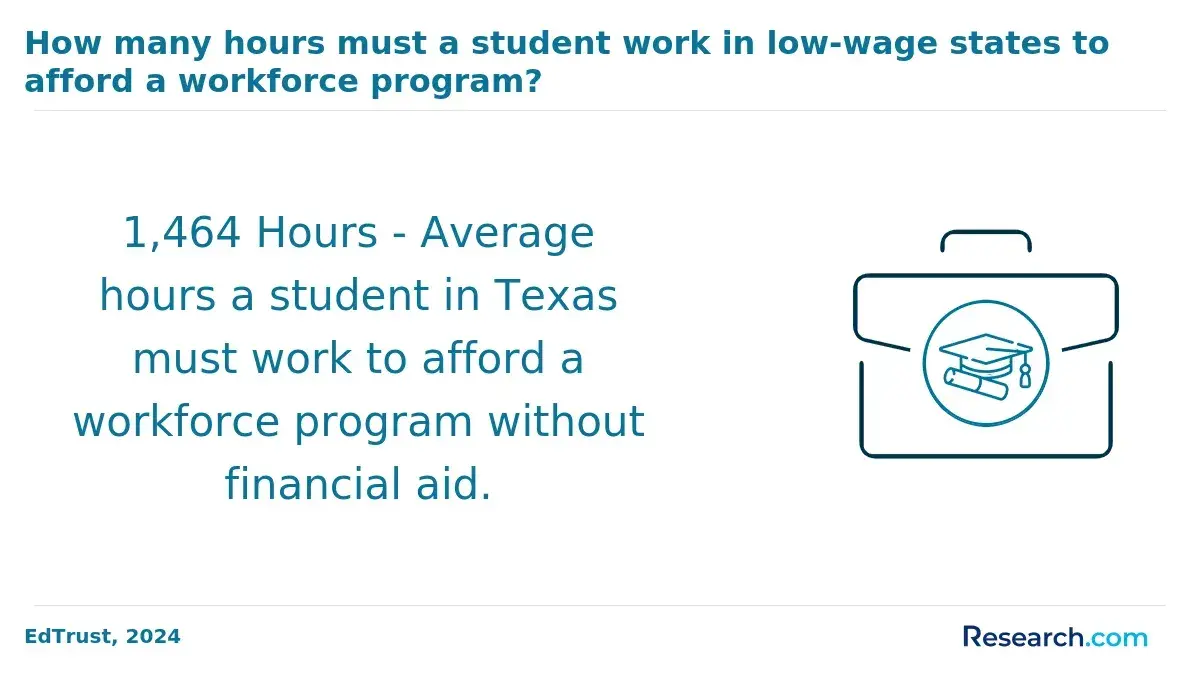
Tuition for online physical education programs varies by institution type, residency status, degree level, and whether the program charges online students a flat per-credit rate. College Board's 2024 Trends in College Pricing data reported average published tuition and fees of $11,610 for in-state students at public four-year colleges and $43,350 at private nonprofit four-year colleges, which shows why comparing total cost is more useful than comparing school names alone.
Online PE students should budget for more than tuition. Teacher-preparation programs may require background checks, liability insurance, testing fees, travel to field placements, uniforms or activity equipment, and unpaid student-teaching time. Students trying to reduce costs may also compare accelerated general education options, including 5 week college courses online, if their target school accepts those credits.
The table below shows how common cost structures differ across PE-related online degrees. These are decision categories, not guaranteed prices, because exact costs change by school and residency status.
| Cost factor | Lower-cost scenario | Higher-cost scenario | Why it matters |
| Institution type | Public university with in-state or flat online tuition | Private nonprofit or out-of-state public pricing | Institution type can affect sticker price, but scholarships and transfer credit may change the net cost |
| Transfer credits | Generous transfer policy for general education and lower-division courses | Strict residency requirements or limited acceptance of prior credits | Accepted credits can shorten time to graduation and reduce total tuition |
| Licensure requirements | Field placements arranged near the student | Required campus visits or placements far from home | Travel and unpaid clinical time can raise the real cost of attendance |
| Program level | Graduate certificate or master's for already licensed teachers | Full bachelor's degree for first-time students | The best value depends on how much education the student already has |
The most practical way to compare programs is to calculate net cost to completion. That means subtracting accepted transfer credits, estimating fees and required fieldwork expenses, and comparing financial aid offers after the FAFSA and school scholarship review are complete.
How Competitive Is Admission to Accredited Online Physical Education Degree Programs?
Admission competitiveness depends on the degree level and whether the program includes teacher certification. Many online bachelor's completion programs are moderately accessible, especially for transfer students with college credit. Teacher-preparation admission can be more selective because schools must verify academic readiness, background eligibility, and field-placement suitability.
In 2024, the National Center for Education Statistics reported that many public four-year institutions remain broadly accessible compared with highly selective universities. For PE applicants, this means the bigger hurdle is often not general college admission but progression into the teacher education sequence.
The table below compares typical admissions expectations by program type. Requirements vary, so students should treat this as a checklist for questions to ask admissions counselors.
| Program type | Common admissions requirements | Competitiveness level | Best applicant profile |
| Online bachelor's in PE or health and physical education | High school diploma or GED, transcripts, minimum GPA, placement requirements | Low to moderate | First-time students or transfers seeking a structured undergraduate path |
| Online bachelor's completion program | Prior college credits, transfer GPA, prerequisite coursework | Moderate | Community college graduates or adults returning to finish a degree |
| Teacher-preparation PE track | Minimum GPA, professional education admission, background check, fieldwork eligibility, testing requirements | Moderate to high | Students who are prepared for classroom observations and student teaching |
| Online master's in PE, coaching, or pedagogy | Bachelor's degree, transcripts, recommendation letters, teaching license or experience for some programs | Moderate | Current educators, coaches, or graduates seeking specialization |
Students should not automatically avoid programs with stricter requirements. Selective progression standards can indicate that the school is serious about preparing candidates for licensure, classroom management, safety, and professional practice.
Which Learning Formats Offer the Greatest Flexibility in Online Physical Education Degree Programs?
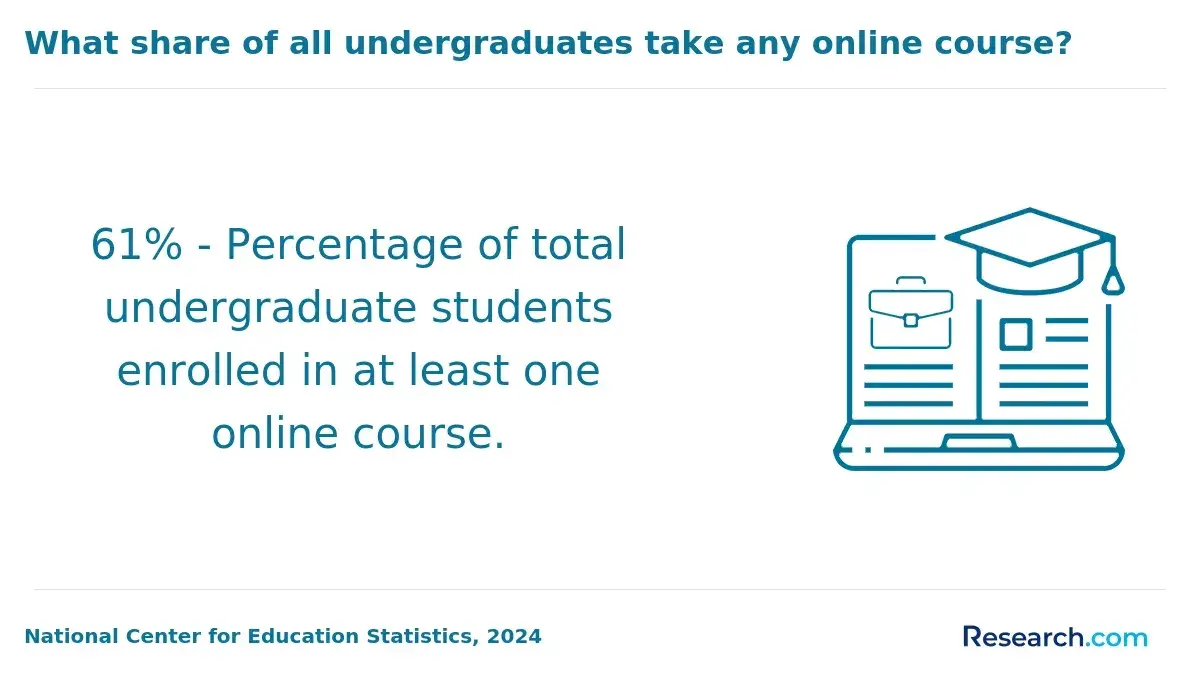
The most flexible online physical education programs offer asynchronous coursework, multiple start dates, local field placements, and part-time enrollment. However, PE is an applied field, so even highly flexible programs may include scheduled teaching demonstrations, synchronous meetings, practicum hours, or supervised student teaching.
Students should compare learning format based on their weekly schedule, not just whether the program says "online." The following format differences have the biggest impact on working adults, parents, military students, and transfer students:
- Asynchronous online courses: Best for students who need to complete lectures, discussions, and assignments around work or caregiving responsibilities.
- Synchronous online courses: Best for students who want live interaction but can commit to scheduled class meetings.
- Hybrid fieldwork model: Best for PE licensure candidates because online theory courses can be paired with in-person school-based practice.
- Cohort-based format: Best for students who want structure and peer support, but less ideal for those who need to stop out or change pace.
- Self-paced or accelerated format: Best for experienced students with strong time-management skills, but risky for those who need instructor feedback and routine.
The biggest red flag is a program that claims to prepare students for PE teaching but does not clearly explain how observations, practicum hours, and student teaching are arranged. If you plan to teach in a school, flexibility should never come at the expense of licensure eligibility.
What Student Support Services Improve Success in Online Physical Education Degree Programs?
Student support matters because online PE students often balance academic coursework with physical skills assessment, fieldwork, and certification requirements. Strong support services can reduce delays, especially for transfer students and licensure candidates who must follow a strict course sequence.
Before enrolling, students should ask how the program supports online learners from admission through graduation. The most useful services are the ones tied directly to persistence, placement, and career readiness:
- Licensure advising: Helps students understand state-specific PE teaching requirements before they complete the wrong course sequence.
- Field-placement coordination: Supports students who need observation hours, practicum sites, or student-teaching placements near home.
- Transfer credit evaluation: Shows how prior coursework applies to the degree before the student pays for duplicate credits.
- Academic tutoring and writing support: Helps online students manage research papers, lesson plans, health education assignments, and assessment projects.
- Career services: Provides resume help, interview preparation, school-district job search guidance, and coaching or fitness career advising.
- Technology support: Reduces disruption in courses that use video demonstrations, online assessment platforms, or virtual collaboration tools.
A practical sign of quality is whether the program assigns a dedicated advisor who understands teacher preparation. General online advising can be helpful, but PE licensure students need someone who can track certification exams, clinical deadlines, and state documentation.
Which Financial Aid Options Are Available for Accredited Online Physical Education Degree Students?
Students in accredited online physical education degree programs may qualify for many of the same financial aid options as campus students, including federal grants, federal student loans, state aid, institutional scholarships, employer tuition assistance, and military education benefits. The key requirement is that the institution and program meet aid eligibility rules.
The U.S. Department of Education's 2024-25 FAFSA changes affected how many families calculate aid eligibility, making it especially important for students to compare actual aid offers rather than relying on sticker price. PE students should also ask about scholarships for future teachers, transfer students, adult learners, and shortage-area educators where available.
Use this sequence to compare financial aid offers without underestimating debt:
- Submit the FAFSA as early as possible and list every school you are seriously considering.
- Request a full cost-of-attendance estimate that includes tuition, fees, books, equipment, testing, travel, and student-teaching expenses.
- Separate gift aid, such as grants and scholarships, from loans that must be repaid.
- Ask whether scholarships renew automatically or require a minimum GPA, enrollment load, or licensure-track status.
- Compare the net cost of finishing the degree, not the first-term bill.
- Check whether employer reimbursement, state teacher scholarships, or service-based forgiveness programs apply to your career plan.
A common mistake is borrowing for the lowest monthly payment without estimating total repayment. Physical education careers can be rewarding, but students should keep debt proportional to realistic salaries in teaching, coaching, fitness, or wellness roles.
Which Career Outcomes Are Associated With Accredited Online Physical Education Degree Programs?
Career outcomes depend on whether the program leads to teacher licensure, coaching preparation, fitness credentials, graduate study, or wellness roles. A PE teaching program is usually the best fit for students who want to work in K-12 schools, while kinesiology or exercise science pathways may be better for students interested in fitness, recreation, sports performance, or health promotion.
BLS May 2024 data gives students a useful salary benchmark: the median pay for high school teachers was $64,580, while coaches and scouts had a median wage of $45,910. These figures do not predict any individual graduate's earnings, but they help students compare expected outcomes with tuition, debt, and the cost of unpaid fieldwork.
The table below connects common PE-related degrees with career directions. Students comparing PE with broader earning potential can also review majors that make the most money to understand how salary outcomes differ across fields.
| Career path | Typical education route | Common responsibilities | Important considerations |
| K-12 physical education teacher | State-approved PE teacher preparation degree and licensure | Teach movement skills, fitness concepts, health habits, safety, teamwork, and assessment-based PE lessons | Licensure, student teaching, and state exams are usually required |
| Coach or athletic program assistant | PE, kinesiology, coaching, or related degree; sport-specific experience | Plan practices, teach skills, support athlete development, manage safety, and coordinate competition | Some roles are part-time or seasonal; school roles may require teaching credentials |
| Fitness trainer or wellness instructor | Exercise science, kinesiology, PE, or certification pathway | Lead exercise sessions, assess fitness goals, demonstrate safe movement, and motivate clients | Industry certifications may matter as much as the degree for some employers |
| Recreation or youth program coordinator | PE, recreation, health promotion, or sports management background | Organize physical activity programs, supervise staff, manage events, and support community wellness | Leadership, communication, and program-planning skills are essential |
| Graduate study in allied health or education | Bachelor's degree with prerequisites for the target graduate program | Prepare for advanced study in education, occupational therapy, athletic training, or related fields | Prerequisites vary, so students should plan early with an advisor |
Technology is also changing PE and wellness careers. Wearable devices, online coaching platforms, video-based movement analysis, and AI-assisted lesson planning are becoming more common, so students should look for programs that teach assessment, data literacy, inclusive instruction, and safe technology use.
How Do Online and Campus-Based Physical Education Degree Programs Compare?
Online and campus-based PE programs can both be strong choices when they are accredited and aligned with the student's career goal. The right format depends on how much flexibility the student needs and how the program handles hands-on learning.
Online PE degrees are often better for working adults, transfer students, rural students, military learners, and current educators. Campus programs may be better for students who want direct access to athletic facilities, in-person labs, campus recreation departments, and local school partnerships arranged by the university.
The table below highlights the trade-offs students should compare before choosing a format. Similar format questions apply to other licensed or clinical fields, such as an online speech pathology masters, where online coursework still has to be paired with supervised practical experience.
| Comparison factor | Online PE degree | Campus-based PE degree |
| Schedule flexibility | Usually stronger, especially with asynchronous courses | Usually tied to class meeting times and campus schedules |
| Fieldwork access | May be completed locally if the program approves placements | Often coordinated through nearby partner schools or campus networks |
| Facilities and labs | May rely on local sites, video assignments, or short residencies | Often provides direct access to gyms, labs, equipment, and athletic facilities |
| Peer and faculty interaction | Depends on course design, live sessions, and cohort structure | More frequent face-to-face interaction |
| Best fit | Independent learners who need flexibility and can manage local requirements | Students who want immersive campus experiences and hands-on access |
Students should not assume that campus is automatically higher quality or that online is automatically easier. The deciding factors are accreditation, instructor access, fieldwork quality, student support, and whether the format fits the student's real schedule.
How Should Students Choose the Best Accredited Online Physical Education Degree Program?
Students should choose an accredited online physical education degree by starting with the career outcome they want, then working backward to licensure, curriculum, cost, format, and support. This prevents the most expensive mistake: completing a legitimate degree that does not qualify the student for the intended job.
The following steps help students compare programs in a practical order:
- Define the target career first, such as K-12 PE teacher, coach, fitness professional, wellness coordinator, or graduate-school applicant.
- Verify institutional accreditation and, for teaching, state educator-preparation approval.
- Ask whether the program meets licensure requirements in the state where you plan to work.
- Request a transfer credit review before enrolling, especially if you have community college or prior university credits.
- Compare total net cost, including fees, books, exams, travel, fieldwork, and unpaid student-teaching time.
- Review graduation requirements, practicum expectations, course sequence, and minimum GPA rules.
- Ask how online students receive advising, field-placement support, tutoring, and career help.
- Compare career outcomes using public salary data, school placement information, and local employer expectations.
Students should also be honest about fit. A PE teaching degree is a strong choice for someone who wants to teach movement, health, teamwork, and lifelong fitness in schools. It may not be the best fit for someone who dislikes classroom management, cannot complete daytime field placements, or wants a high-paying corporate career immediately after graduation.
If your interests are closer to sports communication, fitness branding, or online wellness entrepreneurship, you may want to compare PE programs with business or marketing pathways, including colleges for social media marketing. The best degree is the one that connects your strengths with a realistic credential, cost, and career path.
Other Things You Should Know About Physical Education
Possibly, but only if the program is state-approved for PE teacher preparation and includes required in-person fieldwork or student teaching. A fully online non-licensure degree may not qualify you for public-school PE teaching.
A bachelor's degree usually requires about four years of full-time study, while transfer students may finish faster depending on accepted credits. Online master's programs commonly take one to three years depending on enrollment pace.
No. PE programs value movement knowledge, teaching ability, safety awareness, communication, and inclusive instruction. Athletic experience can help, but it is not a substitute for pedagogy, assessment skills, and licensure preparation.
It can be, but students should compare it with kinesiology, exercise science, recreation, health promotion, or sports management programs. If teaching is not the goal, choose the curriculum with the strongest internships, certifications, and employer alignment for your target role.
References
- Find an Accredited Program https://caate.net/Search-for-Accredited-Programs
- Costs of Online and Campus Colleges | University of Phoenix https://www.phoenix.edu/blog/comparing-the-costs-of-online-and-campus-colleges.html
- What are the Career Opportunities for a BA (Hons) Physical Education Graduate? https://blog.portobelloinstitute.com/what-are-the-career-opportunities-for-a-ba-hons-physical-education-graduate
- Commission on Accreditation of Athletic Training Education | Council for Higher Education Accreditation https://www.chea.org/commission-accreditation-athletic-training-education
- Emerging Careers In Sports: Job Options, Salaries, & Resources https://www.learnhowtobecome.org/career-resource-center/careers-in-sports/
- Education Overview https://www.nata.org/about/athletic-training/education-overview
- Average Cost of College [2025]: Yearly Tuition + Expenses https://educationdata.org/average-cost-of-college
- Athletic Training Programs | IATA https://www.illinoisathletictrainers.org/athletic-training-programs
- Online Physical Education Degree | Forest Trail Academy https://foresttrailacademy.com/exploring-an-online-physical-education-degree-and-its-benefits-for-high-school-students/