2027 Online Physical Education Degree Programs With No Application Fee and Rolling Admissions

Co-Founder and Chief Data Scientist
Applying to an online physical education degree can feel risky when every application costs money and deadlines are easy to miss. No-fee, rolling-admission programs reduce that friction, especially for working adults, transfer students, and career changers. The timing matters because the BLS projects 14% growth for fitness trainers and instructors from 2023 to 2033, showing steady demand for movement, wellness, and coaching skills. This guide explains which programs to compare, what "rolling admissions" really means, and how to judge total value beyond a waived fee.
Key Things You Should Know
- No-application-fee programs can save money upfront, but the real affordability test is total tuition, mandatory fees, transfer-credit acceptance, fieldwork costs, and financial aid eligibility.
- Rolling admissions usually means applications are reviewed continuously, but popular start dates, scholarships, clinical placements, and student-teaching slots may still have priority deadlines.
- Career outcomes vary by pathway: BLS May 2024 data places median pay at $46,480 for exercise trainers and group fitness instructors, while PE teaching roles usually depend on state licensure and local school district salary schedules.
Which Online Physical Education Degree Programs Have No Application Fee and Rolling Admissions?
Online physical education degrees are offered under several labels, including physical education, health and physical education, kinesiology, exercise science, sport and recreation, coaching, and health promotion. If your goal is K-12 PE teaching, prioritize programs that clearly lead to teacher preparation or meet your state's licensure expectations. If your goal is coaching, wellness, recreation, or fitness leadership, a non-licensure PE-related degree may be a better fit.
The table below highlights examples of online or primarily online PE-related programs that commonly advertise no application fee or a waived online application fee along with rolling admissions, multiple start dates, or continuous application review. Policies can change by term, campus, state authorization, and student type, so use this as a shortlist and confirm the details directly with the school before applying.
| School | Online PE-related program | Degree level | No application fee status | Rolling or flexible admission pattern | Best fit |
| Arkansas State University | Online MSE in Physical Education | Master's | Online application fee is commonly promoted as waived or $0 | Multiple online start dates | Licensed or aspiring educators seeking graduate PE preparation |
| University of West Alabama | Online MEd in Physical Education P-12 | Master's | Online application is commonly promoted with no application fee | Multiple start dates across the year | Teachers seeking advanced PE credentials or professional growth |
| Eastern New Mexico University | Online physical education, sport, or recreation-related bachelor's options | Bachelor's | University application is commonly promoted as free | Rolling or term-based admission review | Transfer students seeking an affordable public-university pathway |
| American Public University | Online BS in Sports and Health Sciences | Bachelor's | $0 application fee is commonly advertised | Monthly course starts and continuous enrollment cycles | Military-affiliated students, working adults, and fitness-focused learners |
| Liberty University | Online physical education, health, sport, exercise science, or coaching-related options | Bachelor's or master's | Online application fee is often waived or promoted as $0 | Multiple annual start dates | Students wanting many online start windows and Christian-university context |
A strong shortlist should include more than schools with a free application. Compare whether the degree matches your target role, whether online courses are asynchronous, whether student teaching or practicum work is required in person, and whether the school accepts transfer credit. Students who are still exploring broader online study options can also compare program format and institutional quality through guides to the best online degrees.
How Does Rolling Admission Work for Online Physical Education Degree Programs?
Rolling admission means a school reviews applications as they arrive instead of waiting for one fixed deadline. For online physical education programs, that can be valuable because many schools run accelerated terms, multiple start dates, or eight-week sessions. However, rolling admission does not mean unlimited seats, instant admission, or no deadlines at all.
The comparison below shows how rolling admissions usually differ from fixed-deadline admissions for online PE-related degrees. This matters because application timing can affect course availability, financial aid processing, and field placement planning.
| Feature | Rolling admissions | Fixed-deadline admissions |
| Application review | Applications are reviewed as they are completed | Applications are reviewed after a set deadline or committee cycle |
| Start-date flexibility | Often tied to several annual online terms | Usually tied to fall, spring, or summer entry |
| Best advantage | Students can apply when transcripts and materials are ready | Students have more predictable scholarship and cohort timelines |
| Main risk | Late applicants may miss preferred course sections or aid deadlines | Missing the deadline may delay enrollment by a full term |
| Best for | Working adults, transfer students, and students changing plans midyear | Students applying to selective cohorts, licensure programs, or funded graduate options |
For students comparing accelerated online formats, rolling admissions can pair well with shorter academic sessions. If speed is a major factor, it may help to understand how compressed terms work by reviewing resources on 5 week college courses online, even though PE programs may use different session lengths.
To avoid confusion, ask admissions three direct questions before you submit: whether the program uses true rolling review, whether your preferred start date has a priority deadline, and whether all required PE, practicum, or methods courses are available in that start term.
How Much Can Students Save by Choosing an Online Physical Education Degree With No Application Fee?
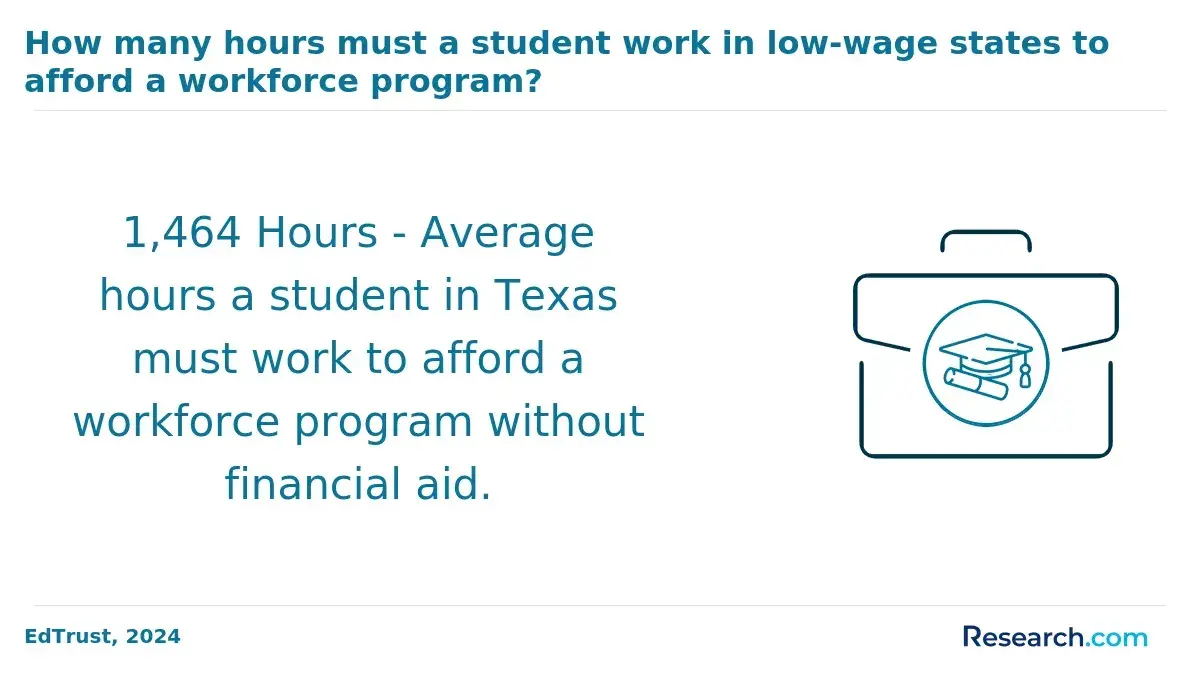
A no-application-fee online physical education degree can reduce upfront risk, especially if you are comparing several schools. But the application fee is usually a small part of the total degree cost. The better question is whether the waived fee helps you apply strategically to stronger-fit programs without distracting you from tuition, transfer credits, technology fees, books, background checks, and fieldwork expenses.
The examples below show how application-fee savings work in practical terms. These are simple scenarios, not school-specific cost estimates, and they help illustrate why a waived fee should be treated as an entry-cost benefit rather than proof of affordability.
| Application strategy | If each application costs $50 | If each application costs $0 | Immediate savings | What to remember |
| Apply to 2 programs | $100 | $0 | $100 | Helpful, but small compared with tuition differences |
| Apply to 4 programs | $200 | $0 | $200 | Useful for comparing aid offers and transfer evaluations |
| Apply to 6 programs | $300 | $0 | $300 | Only worthwhile if each program is genuinely relevant to your goal |
The common mistake is assuming "free to apply" means "low-cost to attend." A program with no application fee can still be more expensive overall if it has higher tuition, limited transfer credit, required campus visits, or costly practicum requirements. Conversely, a program with a small application fee may be the better value if it has lower tuition, strong licensure alignment, generous transfer policies, or better employer recognition.
Use the waived fee to broaden your comparison, not to lower your standards. It is reasonable to apply to several no-fee programs, request official transfer-credit evaluations, and compare financial aid offers before committing to one school.
What Are the Admission Requirements for No-Fee Online Physical Education Degree Programs?
Admissions requirements vary by degree level and whether the program prepares students for teacher licensure. Bachelor's programs usually focus on high school completion, transfer credit, and minimum GPA. Master's programs often require a bachelor's degree, official transcripts, a minimum GPA, and sometimes a teaching certificate or professional experience.
The table below summarizes common requirements so you can identify missing materials early. Requirements are not universal, so always confirm the current checklist for your student type: first-year, transfer, graduate, military, international, or licensure-seeking.
| Requirement | Bachelor's PE-related programs | Master's PE-related programs | Why it matters |
| Official transcripts | High school and any college transcripts | All undergraduate and graduate transcripts | Admissions and transfer-credit decisions depend on complete records |
| Minimum GPA | Often required for full admission or transfer standing | Often required for unconditional admission | Students below the threshold may need conditional admission options |
| Teaching license | Usually not required at entry unless it is a completion program | May be required for teacher-focused graduate programs | Licensure status can determine eligibility and career fit |
| Background check | May be required before school-based fieldwork | May be required before practicum or internship | PE teaching programs often involve minors and school placements |
| Statement or goals essay | Sometimes required | Common in graduate admissions | Helps explain career goals, teaching interest, and readiness |
| Test scores | Often optional or not required for online adult learners | GRE is often not required, but policies vary | A test-optional policy can speed up application completion |
Students should be especially careful with licensure language. "Physical education degree" does not always mean "teacher certification program." If you want to teach PE in a public school, ask whether the program leads to initial licensure, adds an endorsement, supports reciprocity, or is designed only for already licensed teachers.
When Should Students Apply to Online Physical Education Degree Programs With Rolling Admissions?
The best time to apply is usually earlier than the final rolling-admission cutoff. Even when applications are accepted continuously, earlier applicants often have more time to resolve transcript delays, complete financial aid documents, register for preferred courses, and arrange fieldwork or student teaching.
A practical timeline can prevent the most common rolling-admission mistake: waiting because there is no single visible deadline. Use the steps below to work backward from your desired start date.
- Choose your target start term and ask admissions for the last date to submit a complete application, not just the online form.
- Request official transcripts at least several weeks before the deadline because processing time can vary by prior school.
- Confirm whether financial aid, scholarships, graduate assistantships, or tuition discounts have separate priority dates.
- Ask whether required PE courses, practicum placements, or student-teaching options are available in your intended first term.
- Submit the application only when all required materials are ready, then monitor the student portal for missing-item notices.
Working adults should also consider workload timing. PE-related courses may include movement analysis, assessment design, coaching practice, health education projects, or field observations. If your job schedule is seasonal, choose a start date that gives you room to complete both online coursework and any local placement requirements.
How Can Students Strengthen an Online Physical Education Degree Application?
A strong application does more than meet minimum requirements. It shows that your goals match the program, that you understand the physical education field, and that you can handle online learning. This is especially important if your GPA is borderline, your transcripts are from several institutions, or you are changing careers.
Focus on the parts of the application that help admissions staff see readiness and fit. The following actions are practical ways to strengthen an online PE degree application before submission.
- Write a focused goals statement that connects the degree to a specific pathway, such as K-12 PE teaching, coaching, adapted physical education, recreation leadership, fitness programming, or health promotion.
- Document relevant experience, including coaching, athletic participation, youth mentoring, camp leadership, personal training, military fitness work, school volunteering, or wellness programming.
- Explain academic weaknesses directly if needed, then point to stronger recent coursework, professional experience, certifications, or improved study habits.
- Ask recommenders who can speak to reliability, communication, leadership, teaching potential, or ability to work with diverse learners.
- Prepare a transfer-credit packet with syllabi, course descriptions, and transcripts if you have prior credits in anatomy, physiology, health, education, psychology, or exercise science.
Do not submit an incomplete application just because the school reviews files continuously. Rolling admissions can speed up a decision, but missing transcripts, unclear licensure status, or weak goal statements can still delay review or lead to conditional admission.
Are Online Physical Education Degree Programs With No Application Fees Accredited and Legitimate?
No application fee and rolling admissions do not determine whether a program is legitimate. Accreditation, state authorization, licensure alignment, faculty qualifications, fieldwork structure, and institutional transparency are much stronger indicators of quality. A legitimate online PE degree should be offered by an institution recognized by an accreditor accepted by the U.S. Department of Education or the Council for Higher Education Accreditation.
For teacher-preparation programs, institutional accreditation is only the starting point. You should also verify whether the program is approved for educator preparation in the relevant state and whether it meets requirements for PE teacher licensure, endorsement, or advancement. Some online master's programs are designed for already licensed teachers and will not qualify a career changer for initial certification.
Use this checklist before enrolling. It helps separate genuine flexibility from marketing language.
- Confirm the institution's accreditation through official accreditation databases, not only the program website.
- Ask whether the PE program is licensure, non-licensure, endorsement, or professional-development focused.
- Check whether your state accepts the program for teacher certification, especially if the school is located in another state.
- Review required in-person components, including student teaching, practicum, internships, background checks, and school-site observations.
- Ask for graduation, retention, licensure-test, or employment information when available, but be cautious of programs that promise outcomes.
A major red flag is a program that claims to prepare you for PE teaching but does not clearly explain state approval, supervised field experience, or licensure limitations. Online delivery can be legitimate, but PE education often still requires in-person practice because teaching, assessment, movement instruction, and classroom management are hands-on skills.
How Do Financial Aid and Total Costs Compare Among Online Physical Education Degree Programs?
Financial aid can matter far more than the application fee. For eligible undergraduate students, the maximum federal Pell Grant for the 2024-25 award year is $7,395. That figure is important because even a modest grant can outweigh application-fee savings many times over, but only if the school participates in federal aid and the student completes aid requirements on time.
When comparing total costs, separate one-time application savings from the full cost of attendance. Tuition is only one part of the decision, and online PE students may face extra expenses for technology, books, liability insurance, certification exams, background checks, CPR training, travel to field sites, or equipment.
The table below shows the main cost categories to request from each school. It is designed to help you compare programs consistently instead of focusing only on the advertised tuition rate.
| Cost or aid factor | What to ask | Why it affects value |
| Tuition rate | Is tuition charged per credit, per term, or by program? | A lower per-credit rate may not be cheaper if more credits are required |
| Mandatory fees | Are there online, technology, graduation, clinical, or assessment fees? | Fees can narrow the difference between programs |
| Transfer credits | How many credits can be accepted and applied to the major? | Generous transfer policies can reduce time and cost |
| Financial aid | Does the program qualify for federal aid, scholarships, employer benefits, or military benefits? | Aid eligibility may matter more than a waived application fee |
| Fieldwork costs | Will placements require travel, background checks, insurance, or unpaid hours? | Practical requirements can affect working adults and caregivers |
| Licensure costs | Are exams, certification applications, or state fees required? | Teaching pathways may have costs after graduation |
Students comparing education and health-related graduate pathways should also look at how aid differs by field. For example, tuition structures and clinical requirements in an online speech pathology masters can look very different from a PE master's, even when both are offered online and lead to school-based roles.
Which Students Benefit Most From No-Fee, Rolling-Admission Online Physical Education Degrees?
No-fee, rolling-admission online PE degrees are most useful for students who need flexibility without delaying their next academic step. They are especially helpful when a student is ready to apply but missed a traditional deadline, wants to compare several offers, or needs a program that can start before the next fall term.
The students below tend to benefit most from this combination of features. The key is that the admissions flexibility supports an already sensible academic and career plan.
- Working adults who need multiple start dates because their schedules do not align with a single fall deadline.
- Transfer students who want several schools to evaluate prior credits before choosing the lowest total-cost path.
- Licensed teachers seeking a graduate PE, health, or coaching credential for advancement, endorsement, or professional growth.
- Military-affiliated students who may need frequent start dates, online delivery, and clear tuition-assistance processes.
- Career changers who want to test fit across PE, exercise science, wellness, coaching, recreation, or health education programs without paying multiple application fees.
Some students should be more cautious. If you need initial teacher licensure, a rolling-admission non-licensure program may not meet your goal. If you are mainly interested in brand strategy, sports communication, or digital wellness campaigns, you may be better served comparing marketing-oriented programs, including colleges for social media marketing, rather than choosing PE because the application is free.
The main rule is simple: admissions convenience should support your goal, not replace goal-setting. A free application is valuable only if the program is accredited, affordable, aligned with your intended role, and realistic for your schedule.
How Should Students Choose Among No-Fee Online Physical Education Degree Programs?
Choosing among no-fee online PE degree programs should be a structured comparison, not a race to submit the easiest application. Start with career fit, then evaluate accreditation, licensure alignment, total cost, online format, fieldwork, transfer credit, and start-date flexibility.
Use the following decision process to compare programs in a practical order. This prevents the most common mistake: choosing the school with the easiest admissions process instead of the best long-term value.
- Define your target outcome first, such as PE teacher, coach, recreation coordinator, fitness professional, wellness program assistant, or graduate-study candidate.
- Eliminate programs that do not match your licensure needs, state requirements, or career direction.
- Confirm the current application-fee policy in writing because waivers can depend on term, student type, or online campus.
- Ask whether admissions are truly rolling and whether your preferred start date has a priority, document, scholarship, or registration deadline.
- Compare total program cost after transfer credits, financial aid, fees, fieldwork expenses, and time to completion.
- Review online format details, including synchronous class meetings, local placement requirements, campus visits, and course sequencing.
- Request outcomes information when available, such as licensure exam support, placement partnerships, alumni roles, or career services.
Return on investment should be judged against your career goal. PE teaching, coaching, fitness, recreation, and wellness roles have different salary structures and advancement paths. If compensation is a major deciding factor, compare PE with broader lists of majors that make the most money before committing to a degree path.
A no-fee, rolling-admission program is worth serious consideration when it reduces application barriers and still performs well on the bigger factors: accreditation, cost, career alignment, scheduling, transfer credit, and student support. It is not worth choosing if the waived fee distracts from higher tuition, weak licensure alignment, unclear outcomes, or required in-person components you cannot complete.
Other Things You Should Know About Physical Education
Some non-licensure PE-related degrees can be completed fully online, but teacher-preparation programs often require in-person fieldwork, student teaching, or supervised school placements. Always ask whether any campus visits, local placements, or synchronous sessions are required.
Physical education usually focuses on teaching movement, health, and activity skills, often in school settings. Kinesiology and exercise science focus more broadly on human movement, fitness, performance, anatomy, physiology, and wellness careers.
Some programs include activity-based assignments, movement analysis, coaching demonstrations, or video-recorded teaching tasks. Requirements vary, so students should ask whether they need equipment, local facilities, or a safe space to complete physical assignments.
Yes, depending on the curriculum. Graduates may pursue roles related to coaching, recreation, fitness instruction, wellness programming, youth sports, or community health, but some roles may require separate certifications, experience, or state-specific credentials.
References
- Physical Education, BS - Elementary-Secondary Certification Kâ12 Option https://www.ucmo.edu/academics/programs/majors/coe/early-elementary-middle-and-physical-education/physical-education/physical-education-bs-elementary-secondary-cert-k-12/
- Cost of College by Country [2025]: Average Tuition Fees https://educationdata.org/average-cost-of-college-by-country
- B.S.Ed. in Physical Education https://mayvillestate.edu/msu-online/programs/bsed-physical-education/
- Physical Education https://al.edu.pl/en/studies/full-time-english-studies/physical-education
- Free Study Abroad: Complete List of Countries with No Tuition Fees for International Students - Spain Internship https://spain-internship.com/blog/list-country-free-study-abroad/
- Fees and financial support https://uwc.org/apply-ibdp/fees-and-financial-support/
- Universities in USA Without Application Fee (2026 Guide) https://northcypruseducation.com/blog/universities-in-usa-without-application-fee-study-abroad-without-application-fee/
- 2025 Best Military-Friendly Online Colleges https://www.onlineu.com/online-schools/military-friendly