2027 Medical Office Administration Tuition Inflation Report: How Fast Are Program Costs Rising?

Co-Founder and Chief Data Scientist
Rising tuition in medical office administration programs reflects distinct pressures tied to the discipline's evolving demands. Enhanced accreditation standards increasingly require sophisticated technology systems and electronic health records training, prompting significant investment in software and lab infrastructure. Faculty specialization in healthcare regulations and compliance also drives staffing costs.
Additionally, growing employer expectations for clinical competencies have led to expanded field-based learning, increasing operational expenses. Enrollment data from the U. S. Department of Education (2024) shows steady growth in medical office administration students aged 25 and older, suggesting career changers value these credentials, which shapes program delivery and cost structures. These dynamics uniquely influence tuition trends in medical office administration education.
Key Things to Know About Medical Office Administration Tuition Inflation
- Tuition for medical office administration programs rose 8% nationally from 2022 to 2024, outpacing average inflation and tightening educational affordability for students balancing work and study.
- Employers increasingly expect candidates to hold credentialed medical office administration training, but rising costs may limit applicant pools, potentially reducing workforce diversity and access.
- The acceleration in program fees compresses time-to-completion decisions, prompting students to weigh expedited paths against potentially higher financial strain over longer academic timelines.
- Key Things to Know About Medical Office Administration Tuition Inflation Key Things to Know About Medical Office Administration Tuition Inflation
- How Much Has Medical Office Administration Tuition Increased Over the Past Decade? How Much Has Medical Office Administration Tuition Increased Over the Past Decade?
- How Does Medical Office Administration Tuition Inflation Compare to Overall Inflation? How Does Medical Office Administration Tuition Inflation Compare to Overall Inflation?
- Which Types of Schools Have Experienced the Fastest Medical Office Administration Tuition Growth? Tuition Growth by School Type
- What Factors Are Driving Rising Costs in Medical Office Administration Degree Programs? Tuition Cost Drivers
- How Does Medical Office Administration Tuition Growth Vary by State and Region? Tuition Growth by State
- Are Online Medical Office Administration Programs Becoming More Affordable Than Campus-Based Programs? Online Program Affordability
- How Have Financial Aid and Scholarships Changed as Medical Office Administration Tuition Has Increased? Impact on Financial Aid and Scholarships
- How Does Rising Medical Office Administration Tuition Affect Student Debt After Graduation? Impact on Student Debt
- Do Higher-Cost Medical Office Administration Programs Deliver Better Career Outcomes or Earnings? Impact on Career Outcomes
- What Do Current Tuition Trends Suggest About the Future Cost of a Medical Office Administration Degree? What Do Current Tuition Trends Suggest About the Future Cost of a Medical Office Administration Degree?
How Much Has Medical Office Administration Tuition Increased Over the Past Decade?
Medical office administration tuition has escalated significantly over the past decade, with data from the National Center for Education Statistics and the U.S. Department of Education College Scorecard showing increases generally between 35% and 45% since 2014. This rise outpaces broader inflation trends and highlights a sector experiencing rapid cost growth due to evolving educational demands.
Regional trends in medical office administration program cost growth reveal disparities, often linked to variations in institutional resources and local economic conditions, which influence overall affordability for prospective students.
Several factors drive this upward trajectory in tuition. Institutions have allocated more funding to integrate advanced technologies, including electronic health record systems training and compliance education aligned with healthcare regulations.
Declining state funding and increased operational costs add to the tuition burden as schools invest in specialized curricula to meet employer expectations for graduates proficient in both administrative and healthcare privacy skills. Such investments, while necessary to maintain program relevance, contribute to higher expenses passed on to students.
Rising tuition complicates affordability and forces students to carefully weigh potential outcomes against costs, especially as medical office administration programs often cater to learners balancing work or family responsibilities. Students might weigh alternatives like easy nursing programs to get into or employer-sponsored training to offset expenses.
Ultimately, navigating these increases requires an informed assessment of local job markets, expected wages, and financing options to determine whether the higher price aligns with realistic return on investment and long-term employment prospects.
How Does Medical Office Administration Tuition Inflation Compare to Overall Inflation?
Medical office administration tuition inflation rates in the US have consistently outpaced general consumer inflation as measured by the Consumer Price Index, with recent reports showing tuition increases averaging between 5-7% annually compared to roughly 3-4% CPI growth.
This gap reflects a trend where specialized program costs expand more rapidly than standard goods and services, underscoring a divergence in how education and broader economic factors evolve. Even as prospective students evaluate expected outcomes like a medical coding salary or healthcare administrative wage, analysis from national education sources such as the National Center for Education Statistics and the College Board highlights this sustained tuition inflation.
The reasons behind this divergence extend beyond simple market inflation and are intertwined with the changing financial landscape of higher education institutions. Declines in public funding subsidies have forced colleges to compensate through higher tuition revenue, while administrative expenses and investments in compliance, technology, and on-campus infrastructure have grown substantially.
Additionally, medical office administration programs often require up-to-date software, accreditation, and compliance training aligned with evolving healthcare industry standards, all of which contribute to rising operational costs that do not track directly with consumer price changes. These structural factors create a persistent pressure on tuition levels, reflecting institutional cost behaviors rather than broader economic inflation alone.
For students and prospective learners, this sustained tuition inflation relative to general inflation poses real affordability challenges and influences financial planning decisions. Increased borrowing to finance these programs, coupled with rising program costs, can affect both access to training and perceptions of return on investment.
The inflation gap also shapes program selection, pushing students to weigh the tradeoffs between cost and curriculum relevance amid increasing demand across healthcare systems. Navigating this landscape requires awareness of how tuition inflation interacts with broader economic conditions and institutional system dynamics, particularly as students seek to balance quality education with sustainable financing strategies in medical office administration.
Which Types of Schools Have Experienced the Fastest Medical Office Administration Tuition Growth?
Tuition increases for medical office administration programs vary widely across institutional types due to differing funding structures, market pressures, and program delivery methods. Understanding these distinctions is crucial to interpreting cost trajectories and assessing the financial value of these degrees. Changes in public funding, competitive positioning, and resource allocation directly influence how quickly tuition rises in each sector.
- Public Community Colleges: Typically reliant on state and local funding, these institutions have the most modest tuition growth, often below 3% annually. Their mandate to provide affordable, accessible education keeps cost increases restrained despite rising operational expenses, supporting adult learners who require economically feasible pathways.
- Private For-Profit Institutions: Fueled by investor expectations and aggressive enrollment strategies, these schools have seen annual tuition growth rates surpassing inflation by 7% or more. Their business-driven model prioritizes revenue maximization, often reflecting in rapid cost escalation that can challenge affordability despite flexible formats.
- Private Nonprofit Universities: These institutions balance tuition growth with a focus on maintaining competitive program quality and reputation, resulting in moderate increases. Their reliance on tuition revenue supplemented by endowments and donations makes pricing sensitive to both market demand and institutional prestige.
- Research-Intensive Universities: Often not primary providers of medical office administration programs, when they do offer such programs, tuition growth is influenced by broader institutional expenditures on research and infrastructure. This can indirectly elevate costs but is typically less volatile compared to specialized for-profit or regional colleges.
- Regional Colleges and Universities: Serving primarily local populations with targeted medical office administration offerings, these schools experience tuition changes driven by enrollment shifts and community economic factors. Their pricing tends to be more stable than for-profit schools but can reflect moderate increases due to limited state funding.
- Online Universities: Growing demand for flexible delivery has driven expansion in online medical office administration programs, with tuition growth influenced by investment in digital infrastructure and marketing. While some online providers keep costs competitive, others raise prices as convenience and technology integration become key selling points.
What Factors Are Driving Rising Costs in Medical Office Administration Degree Programs?
Rising costs in medical office administration degree programs reflect a complex interplay of institutional funding shifts and evolving economic pressures rather than a singular cause. Tuition increases often mirror broader trends in higher education finance, where public institutions face dwindling state support and consequently lean more heavily on student payments to bridge budget gaps.
At the same time, programs must allocate resources to meet updated industry standards, maintain accreditation, and invest in infrastructure that supports healthcare-specific training, such as electronic health records technology and data privacy compliance. These overlapping demands place upward pressure on overall program expenses, influencing how colleges and universities structure tuition and fees.
Key contributors to escalating costs include the persistent rise in faculty salaries, driven by the need for instructors who combine academic qualifications with frontline healthcare experience to ensure curriculum relevance. Administrative growth aimed at enhancing student support, compliance monitoring, and career services further strains institutional budgets.
Additionally, significant capital outlays for digital infrastructure, including telehealth platforms and advanced software licenses, reflect healthcare industry digitization imperatives. According to recent data from the Bureau of Labor Statistics, inflation affecting education-related expenses averaged 6% in early 2024, amplifying these cost pressures.
Consequently, tuition adjustments in medical office administration programs represent the intersection of reduced public funding, increased operational complexity, and market-driven demands for credential currency and educational quality.
One recent graduate recalled navigating the application process amid these rising costs, noting how the timing of decisions complicated matters. With rolling admissions offering some flexibility, they hesitated to commit prematurely given tuition increases announced mid-cycle and uncertainty about financial aid packages.
This delay, while stressful, allowed time to gather better information and weigh options across competing programs with different pricing structures and technology investments. Their experience underscores how rising costs entwined with administrative timelines create practical challenges for prospective students seeking affordability without sacrificing program quality or career-readiness.
How Does Medical Office Administration Tuition Growth Vary by State and Region?
Tuition growth for medical office administration programs varies significantly across states and regions due to differences in state funding structures, institutional types, and broader economic conditions. This regional variation reflects how states prioritize education financing and how colleges respond to fiscal pressures, particularly in healthcare-adjacent training.
The South and Midwest often exhibit more modest tuition increases, while the Northeast and West Coast experience steeper rises, influenced by higher operational expenses and living costs. Such disparities are an essential factor when considering how medical office administration tuition growth differs by state, especially as prospective students weigh affordability against local labor market opportunities.
Key drivers behind this variation include the level of state appropriations for public institutions, which can directly affect tuition inflation when budget shortfalls force colleges to raise fees. Public community colleges, a common entry point for medical office administration learners, tend to mirror these state-level funding patterns, with fiscally constrained regions seeing faster tuition escalation.
Additionally, regional labor market demand for healthcare administrative professionals influences program pricing, with greater demand in urban centers leading to sharper tuition growth. Cost-of-living differences and the concentration of private institutions or research universities also play roles, as private colleges often have more flexible tuition-setting mechanisms that can result in more rapid increase tied to program enhancements or market positioning.
These regional tuition trends have practical implications for student mobility and program selection, as affordability varies widely across state lines. Students facing steep tuition growth without matching employment advantages may find diminished return on investment, especially when certification requirements and local employer expectations remain unchanged.
Conversely, regions with slower tuition inflation but stable healthcare workforce demand could offer better value and more accessible pathways. Those balancing cost constraints alongside their educational goals might also explore alternatives such as online DNP programs or other flexible healthcare education options to mitigate cost pressures.
Are Online Medical Office Administration Programs Becoming More Affordable Than Campus-Based Programs?
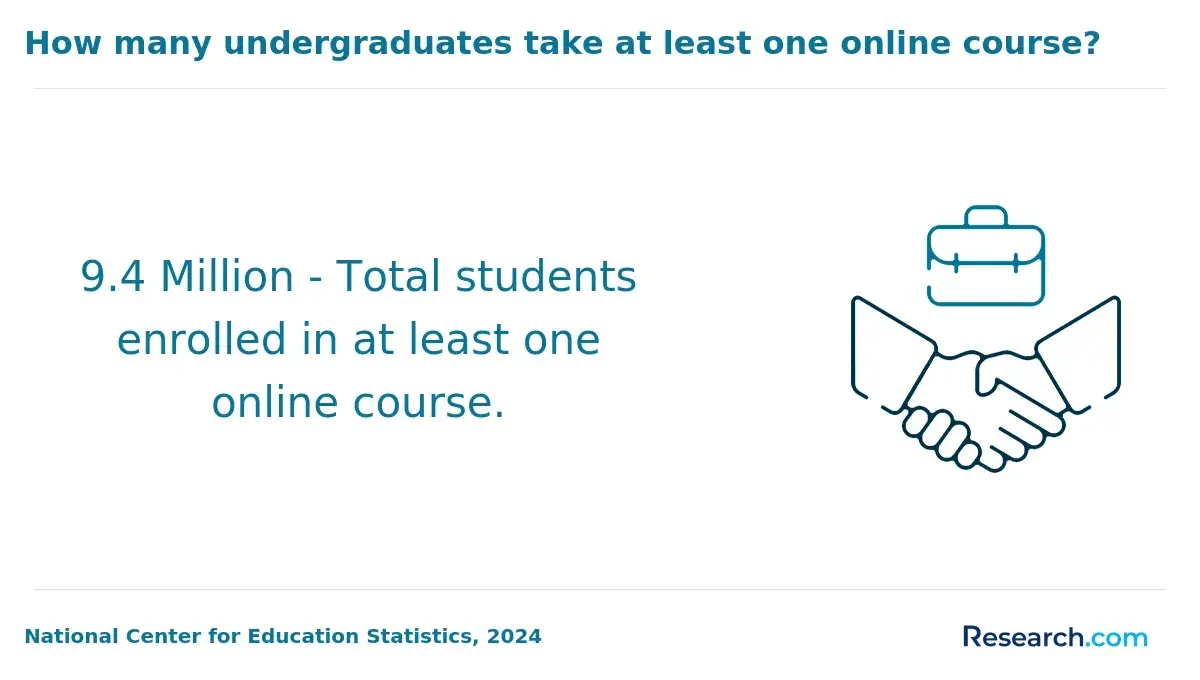
Tuition trends for online medical office administration programs increasingly diverge from those of campus-based offerings, reflecting distinct pricing strategies shaped by delivery mode. Recent data from the National Center for Education Statistics reveals that, over the past two years, tuition for fully online medical office administration programs has grown by approximately 5%, whereas campus-based program costs rose by about 7.2%.
This slower inflation rate for online programs suggests a gradual shift toward relatively greater affordability, but these differences cannot be fully understood through price alone. Institutions tailor online tuition to balance market competitiveness, institutional priorities, and the perceived value of including in-person experiential components, leading to structural pricing variations that align with differing resource allocations and student expectations.
Key factors contributing to the relative affordability of online medical office administration include reduced expenditures on physical facilities, campus maintenance, and on-site student services-cost drivers that inflate the overhead of traditional programs. However, online education incurs its own significant investments, such as advanced digital learning platforms, specialized instructional design, and faculty training oriented toward virtual delivery.
Additionally, scaling online enrollments can improve cost efficiency, yet robust student support services remain essential to retention and completion, adding complexity to pricing decisions. These patterns indicate that affordability differences between online and campus programs reflect enduring structural economic realities rather than solely temporary or tactical pricing adjustments.
One recent graduate recalled their decision-making experience during the application process for an online medical office administration program. Because of rolling admissions and the need to gather transcripts and recommenders' inputs, the timing was uncertain, and they hesitated about committing early given the fluctuating tuition rates they tracked at different institutions.
Waiting for clear financial information and program start dates created anxiety but ultimately allowed a more informed choice aligned with budget constraints and flexible scheduling needs-underscoring that affordability is also shaped by administrative factors and strategic enrollment planning, not just sticker prices.
How Have Financial Aid and Scholarships Changed as Medical Office Administration Tuition Has Increased?
As tuition for medical office administration programs has steadily increased, adjustments in financial aid and scholarship offerings have not consistently matched this upward trajectory. While some institutions have expanded their financial aid pools, much of this growth favors merit-based scholarships targeting academically competitive applicants rather than broad, need-based support.
At the same time, community colleges and vocational schools have introduced or increased institutional grants to attract students, but these often come with restrictive eligibility criteria that limit their accessibility. Federal aid components like Pell Grants have seen only modest increases, insufficient to fully offset tuition inflation, leaving students reliant on loans to cover remaining costs.
Several factors drive these evolving aid dynamics. Increasing competition for enrollment in health-related programs has pushed institutions to prioritize merit awards as a recruitment tool, sometimes at the expense of more equitable need-based aid distribution. Despite demand growth, federal grant maximums have risen only incrementally, failing to close the affordability gap created by tuition hikes.
Meanwhile, many schools employ tuition discounting strategies aimed less at reducing net price universally and more at selectively drawing higher-achieving students. This shift aligns with broader higher education trends but complicates financial planning for students primarily dependent on income-based assistance.
The net effect of these trends is a nuanced affordability landscape where average net costs for medical office administration remain challenging for many. The relative stagnation of need-based aid amidst rising tuition contributes to increased borrowing, with long-term debt considerations becoming a significant factor in program selection decisions.
Students weighing educational investments must carefully assess how changing aid formulas and institutional pricing policies impact the real cost, especially given the modest entry-level salaries typical in medical office administration roles. Understanding these complex funding patterns is essential for realistic financial planning and evaluating the potential return on investment.
How Does Rising Medical Office Administration Tuition Affect Student Debt After Graduation?
Rising tuition costs in medical office administration programs have a clear impact on student borrowing levels. As tuition inflates, students often face greater gaps between their financial resources and program expenses, resulting in higher immediate borrowing.
This trend, evidenced in recent government data from 2024, reflects how even moderate tuition increases can compound borrowing amounts when combined with the cost of textbooks, technology, and lost income during study periods.
Such increases in debt are especially pronounced for those attending private institutions, where tuition hikes tend to be steeper than in public programs. These factors together illustrate the complex ways how rising medical office administration tuition influences student debt burden beyond just sticker price.
Several structural factors intensify this burden. Widening gaps between tuition and financial aid availability force students to finance more through loans, often tapping into sources with varying interest rates and repayment conditions. Additionally, accruing interest during enrollment periods adds to the total amount owed upon graduation.
Post-graduation income disparities across medical office administration roles further affect borrowers' ability to manage repayment efficiently. Adult learners, who constitute a significant share of enrollment, frequently juggle family and work obligations, limiting their repayment flexibility and prolonging debt payoff timelines. These compounded dynamics underscore the impact of increased medical office administration program costs on graduate debt levels and long-term financial outcomes.
The resulting repayment obligations contribute to sustained financial stress, impacting early career choices and life decisions such as homeownership or family planning. With limited employer support for loan repayment, graduates often face pressures to accelerate program completion or seek alternative credentials with shorter, more affordable paths.
Income-driven repayment plans and loan forgiveness programs offer partial relief but do not fully counterbalance rising debt levels. Prospective students should carefully evaluate these tradeoffs alongside expected career earnings, including comparisons to fields like pharmacy where income data, such as how to become a pharmacist salary, might influence financial planning differently.
Do Higher-Cost Medical Office Administration Programs Deliver Better Career Outcomes or Earnings?
Evaluating whether higher-cost medical office administration programs deliver better career outcomes or earnings requires examining multiple layers beyond tuition fees. While it is intuitive to associate higher costs with superior employment prospects, recent workforce studies indicate that cost alone is not a reliable predictor of initial job placement or salary gains.
A 2024 report from the U.S. Bureau of Labor Statistics notes a generally modest correlation between program expenses and earnings, underscoring the complexity of career trajectories in medical office roles. Understanding the impact of medical office administration tuition on earnings means recognizing that other influences weigh heavily in shaping career outcomes.
More decisive factors include program accreditation, the availability and quality of clinical externships, and employer partnerships that provide pathways into healthcare organizations. Institutional prestige can benefit graduates through established alumni networks and local industry connections, yet these advantages frequently exist in programs with a broad range of price points.
Regional labor market conditions and specialization depth also play critical roles; programs offering targeted training in electronic health records or medical billing certifications, for instance, may enhance employability independently of cost. Starting salaries reported by the National Center for Education Statistics in early 2024 range from $35,000 to $42,000 annually, showing no clear premium for more expensive programs in medical office administration.
For prospective students, a strategic approach to evaluating return on investment involves balancing tuition expense against practical outcomes such as skill acquisition, internship opportunities, and job market fit rather than assuming higher tuition guarantees better results.
Employers commonly prioritize tangible certifications and proven skills over the prestige tied to educational cost. Additionally, assessing program affordability is vital to avoid excessive debt loads that may offset long-term earnings growth. Those exploring advanced educational options in related healthcare fields might also consider alternatives like a doctorate in counseling online to expand career trajectories beyond medical office administration.
What Do Current Tuition Trends Suggest About the Future Cost of a Medical Office Administration Degree?
Current tuition trends for Medical Office Administration degree programs reveal a persistent upward trajectory in costs that outpaces general inflation, with an average annual increase near 3.5%, according to the National Center for Education Statistics. This pattern reflects deeply rooted pressures within higher education financing, where reduced state and federal funding compels institutions to rely more heavily on tuition revenue.
Over time, this trajectory suggests that the long-term cost of obtaining a Medical Office Administration degree will continue to rise steadily rather than follow short-term inflation fluctuations, challenging assumptions about affordability and necessitating more nuanced financial planning for students.
Key factors driving these tuition increases include constrained institutional budgets coupled with growing demand for credentialed administrative professionals in healthcare settings. The expansion of online program delivery offers some operational efficiencies but also requires sustained investments in technology platforms and student support services, which contribute to cost structures.
Moreover, rising expectations from employers for specialized, up-to-date skills push programs to enhance curricular offerings, further pressuring program budgets and tuition prices. These intertwined forces create a complex pricing environment where tuition does not simply reflect inflation but also institutional priorities and market demand.
For prospective students, these trends imply heightened challenges in funding a Medical Office Administration education without accruing significant debt or relying extensively on employer assistance programs, which are not guaranteed to keep pace with costs.
Understanding tuition forecasts within this wider context emphasizes the importance of carefully assessing program duration, delivery format, and total cost of attendance. Adult learners and traditional students alike must weigh the value proposition of these programs against potential earning outcomes and evolving labor market requirements to make informed decisions about how and when to enroll.
References
- Why inflation has limited impact on healthcare trends https://www.milliman.com/en/insight/why-inflation-has-limited-impact-on-healthcare-trends
- 5 Emerging Trends in Medical Office Administration: Insights for Aspiring Medical Office Assistants https://algonquinacademy.com/news
- Student Debt Cancellation Raises the Price Level and Inflation https://www.richmondfed.org/research/national_economy/macro_minute/2022/mm_10_11_22
- Online Medical Office Manager (CPPM) (Vouchers Included) from Oakton College https://careertraining.oakton.edu/training-programs/medical-office-administration/
- Healthcare Administration Job Outlook: 2025 Trends | IntuitionLabs https://intuitionlabs.ai/articles/healthcare-admin-job-market-2025
- Administrative Support Technology, Specialization in Medical Office Administration - Virginia Peninsula Community College https://www.vpcc.edu/program/admin-support-technology-specialization-medical-office/
- Find Canada's Best Medical Office Administration Courses | CourseCompare.ca https://www.coursecompare.ca/subject/medical-office-administration-course/
- Why Become A Medical And Dental Office Administrator? https://edisoncollege.ca/blog/medical-and-dental-office-administrator-is-it-a-good-career/
- Online Medical Office Manager (CPPM) (Vouchers Included) from Central Arizona College https://careertraining.centralaz.edu/training-programs/medical-office-administration/
- The burden of medical school debt: How to advocate for change https://thedo.osteopathic.org/columns/the-burden-of-medical-school-debt-how-to-advocate-for-change/
Other Things You Should Know About Medical Office Administration
Higher tuition does not always correspond to reduced workload or accelerated program completion in medical office administration. In many cases, programs with increasing costs still require the same extensive hours of study and practical training, which can limit students' ability to work part-time or manage other responsibilities.
Prospective students should prioritize programs that balance cost with realistic scheduling and robust support services rather than assuming higher prices equate to a lighter workload or faster credentialing.
Tuition inflation disproportionately affects students balancing work and study because rising fees increase the financial strain without necessarily improving flexibility. These students face tradeoffs between longer time to completion and accruing higher education costs. Prioritizing affordable programs with flexible scheduling and comprehensive online or evening classes can reduce overall financial pressure and support steady progress without sacrificing income from employment.
Not necessarily. Rising tuition may fund amenities or administrative costs rather than curriculum improvements directly tied to employer preferences. Some lower-cost programs maintain strong employer networks and offer comparable practical training through internships or externships. Decision-makers should critically assess program content and employer engagement rather than equate cost with improved workforce readiness or hiring outcomes.
Students need to focus on programs with transparent graduate employment rates and clear pathways for advancement rather than simply choosing the lowest or highest tuition. Rising costs without demonstrable outcomes risk extending debt without improving career trajectory. It is essential to evaluate programs based on strong employer connections, certification exam pass rates if applicable, and opportunities for skill development that align with evolving medical office roles.