2027 Medical Office Administration Degree Growth by State: Where Interest Is Rising the Fastest

Co-Founder and Chief Data Scientist
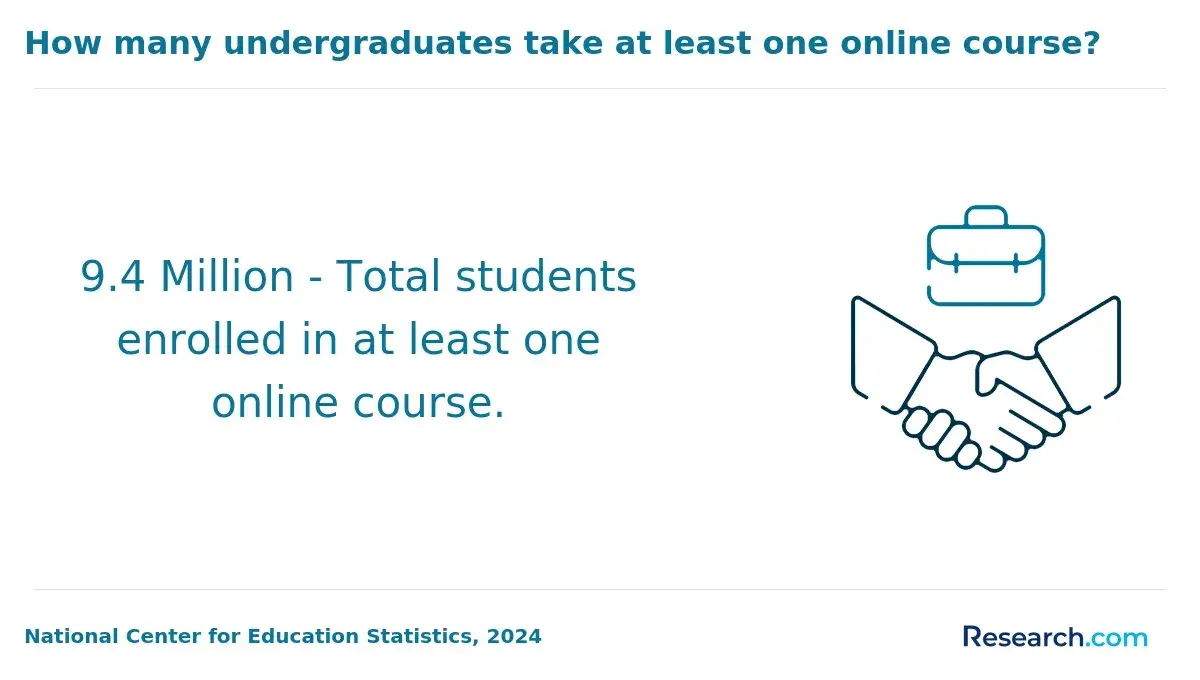
States across the U. S. display strikingly uneven growth in medical office administration degree enrollment, shaped by unique economic pressures and regulatory frameworks. For example, regions with expanding healthcare industries alongside flexible online program access see surging interest, accommodating a rising number of adult learners balancing work and study. A 2024 National Center for Education Statistics report highlights a 15% increase in online graduate health program enrollments, signaling shifting preferences toward adaptable learning models.
Understanding these state-specific dynamics informs where prospective students might find the strongest pipelines to employment, highlighting how institutional and labor-market conditions intersect to influence educational pathways in medical office administration.
Key Things to Know About the State Where Medical Office Administration Degree Interest Is Rising the Fastest
- States like Texas show rapid enrollment growth driven by aging populations increasing healthcare demand, yet rising program costs mean students must balance immediate expenses against long-term workforce opportunities.
- Florida's regulatory environment favors certification, pressuring programs to align curricula with evolving employer standards, impacting graduate readiness and job placement in competitive metropolitan markets.
- California's expansion of online Medical Office Administration access suits adult learners, reflecting shifting enrollment behaviors but also posing challenges in practical skills acquisition crucial for workforce mobility.
- Which States Are Seeing the Fastest Growth in Medical Office Administration Degree Enrollment? States Seeing the Fastest Growth in Enrollment
- What Does Enrollment Growth in Medical Office Administration Programs Actually Tell Prospective Students? Interpreting Enrollment Growth
- How Do Regional Job Market Conditions Drive Medical Office Administration Degree Demand by State? Role of Regional Job Market Conditions
- Which States Have Added the Most New Medical Office Administration Degree Programs in the Last Five Years? States That Have Added the Most Programs
- How Has the Rise of Online Education Changed Which States Lead in Medical Office Administration Program Interest? Role of Online Education in Increased Program Interest
- What Demographic Trends Are Fueling Medical Office Administration Degree Growth in Specific States? Demographic Trends Fueling Growth
- How Do State Funding Levels for Medical Office Administration Services Influence Degree Program Growth? Role of State Funding Levels
- Which States Are Emerging as Unexpected Leaders in Medical Office Administration Degree Interest? States Emerging as Unexpected Leaders in Growth
- How Does State Population Size Affect the Interpretation of Medical Office Administration Degree Growth Data? Role of State Population Size
- What Role Do State Licensing Requirements Play in Driving or Suppressing Medical Office Administration Enrollment? Role of State Licensing Requirements
Which States Are Seeing the Fastest Growth in Medical Office Administration Degree Enrollment?
Growth in medical office administration degree enrollment is not uniform across the United States but is largely concentrated in states where demographic, economic, and healthcare industry dynamics intersect to create robust demand and accessible educational infrastructure. Nationally, both undergraduate and graduate programs have expanded as healthcare providers respond to increasing administrative complexities, but the fastest growing medical office administration degree programs by state reveal pronounced regional disparities with tangible consequences for workforce supply and student decision-making.
- Texas: Demonstrates strong enrollment growth fueled by major urban healthcare hubs like Houston and Dallas, which require administrative professionals versed in increasingly sophisticated billing and compliance systems. For prospective students, this growth signals robust local job markets but also heightened competition among graduates from expanding program cohorts.
- Florida: Enrollment spikes here reflect the state's aging population, which drives demand for outpatient and long-term care administrative services. Institutions offering specialized curricula to align with geriatric care administration capitalize on this trend, though students must weigh the volatility of seasonal tourism economies that impact healthcare staffing needs.
- Arizona: Growth is tied to state workforce initiatives and a strong community college presence enabling cost-effective pathways into the field. This creates options for career changers and working professionals seeking flexible programs, but the resulting proliferation of graduates may require enhanced skills or credentials to differentiate in the job market.
- Georgia: Atlanta's rise as a Southeastern medical and administrative services nexus underpins enrollment growth, supported by public and private investment in allied health education. Students benefit from networking and employment opportunities here, but should consider that regional saturation risks demanding ongoing skill development to maintain employability.
- Colorado: The state's growth stems from a combination of healthcare provider shortages and telehealth expansion, attracting a diverse student body including those interested in remote and hybrid program formats. While this flexibility addresses geographic mobility, graduates face the challenge of meeting varied employer expectations in a rapidly evolving service delivery environment.
This pattern of enrollment increase, particularly pronounced in the South and Southwest, informs how prospective students and career changers evaluate programs, balancing regional labor market dynamics against educational quality and delivery format. Subsequent analysis will explore economic and regulatory variables as well as institutional factors shaping this trend, clarifying why enrollment momentum matters when assessing program relevance and employment prospects. For those interested in accelerated entry, pathways like medical assistant programs also represent strategic alternatives in aligned healthcare administration careers.
What Does Enrollment Growth in Medical Office Administration Programs Actually Tell Prospective Students?
Enrollment growth in medical office administration programs provides some insight into program demand but can be misleading without deeper outcome analysis. For example, a program expanding rapidly due to relaxed admissions may produce graduates less prepared for evolving employer expectations, impacting job prospects negatively despite high enrollment.
Raw enrollment numbers measure interest but fall short of reflecting academic quality or workforce alignment. To evaluate growth meaningfully, prospective students must consider additional factors such as retention, graduation, employment placement, and licensure success. These dimensions reveal whether increased enrollments translate into real-world readiness or are driven by non-academic factors like aggressive marketing.
- Retention Rates: Strong retention suggests effective support and student satisfaction, while low rates warn of potential instructional or preparedness issues.
- Graduation Rates: High graduation converts enrollment into credentialed outcomes, which directly influences timely labor market entry and return on educational investment.
- Job Placement Outcomes: Alignment with healthcare administrative positions evidences whether a program prepares students for current employer demands and sector changes.
- Licensure Pass Rates: Where certification is needed, success rates indicate program rigor and professional readiness valued by many hiring organizations.
- Growth Drivers: Genuine program growth correlates with regional labor market need and healthcare complexity; growth spurred by enrollment tactics risks diluting graduate quality and program reputation.
- Critical Evaluation: Students should synthesize enrollment data with transparency reports and feedback from alumni and industry insiders to gauge program effectiveness in practice.
- Contextual Awareness: Economic, demographic, and regulatory variations across states shape demand and program viability, so enrollment surges in one area may not forecast similar outcomes elsewhere.
How Do Regional Job Market Conditions Drive Medical Office Administration Degree Demand by State?
State-specific labor market conditions directly shape where demand for medical office administration degrees intensifies, significantly affecting program enrollment patterns. For example, a surge in public health infrastructure or school district hiring drives not only job availability but also expands practical training options-a critical factor for graduates aiming to enter competitive job markets. Conversely, slower regional healthcare growth or regulatory hurdles can limit employer incentives and suppress salary leverage, compelling candidates to weigh relocation or alternative career pathways carefully. Aligning educational pursuits with robust labor market projections enhances graduate outcomes, as evidenced by recent Bureau of Labor Statistics data and workforce reports.
- Texas: Rapid population expansion fuels hospital and outpatient clinic growth, translating into some of the highest projected job openings for medical office administration graduates, supported by increasing public health system hiring.
- Florida: An aging population generates elevated demand for administrative roles in long-term care and specialty medical practices, reinforced by public funding and employer-led training programs.
- California: Despite complex regulatory environments, the state's large, integrated healthcare networks produce steady job growth and practical placement opportunities in medical office administration fields.
- Georgia: Investment in community health centers and educational administration, bolstered by targeted workforce development efforts, drives upward employment trends in this sector.
- Washington: State initiatives expanding healthcare access, particularly in underserved rural areas, correlate with rising credential attainment and job openings for medical office administration professionals.
Prospective students and career changers should diligently analyze regional workforce demand for medical office administration graduates and factor in employer incentives such as tuition reimbursement or certification bonuses when choosing a program. The interplay between local labor dynamics and educational pathways can influence everything from practicum placement availability to post-graduation salary negotiation strength. For those seeking flexible educational options, comparing workforce projections alongside academic offerings, including specialization areas like a HIM degree online, can provide a strategic advantage in navigating this evolving job market.
Employer Confidence in Online vs. In-Person Degree Skills, Global 2024

Which States Have Added the Most New Medical Office Administration Degree Programs in the Last Five Years?
Growth in accredited medical office administration degree programs varies sharply by state, reflecting localized workforce pressures, funding availability, and institutional competition. Expansions often result from strategic responses to labor shortages, with schools either launching new tracks, scaling enrollment, or adding flexible online options. For students, states exhibiting substantial program growth tend to offer diverse specializations but also present intensified scholarship competition and tuition challenges.
- California: The state's rapid program increase aligns with aggressive state grants aimed at bridging healthcare workforce gaps and intensifying competition among numerous public and private colleges. The proliferation of online pathways caters to working professionals, meeting employer demands for credentialed yet flexible candidates.
- Texas: Community colleges drive expansion here, supported by state workforce development funds. Population growth, particularly in suburban and rural sectors, fuels demand for medical office administrators, prompting both new program launches and capacity enlargements.
- Florida: Demographic shifts toward an aging population push institutions to introduce targeted specializations and boost scholarship offerings tied to healthcare training grants, addressing a growing administrative burden in healthcare delivery.
- Ohio: Growth is measured but strategic, with a notable emphasis on accredited online programs. Workforce shortage designations and accreditation standards guide program development to improve graduate marketability.
- Nebraska: Incremental program scaling reflects an intentional focus on regional healthcare employer needs, prioritizing practical administrative skills and transparent funding practices to attract non-traditional students.
In these states, expanding program options can improve access and allow specialization but also require students to navigate greater financial aid competition and tuition variability. Comparing curricula, accreditation status, and graduate outcomes within state boundaries is critical before committing, as seemingly similar programs may differ substantially in real-world value and employer recognition.
One graduate recalls applying during a period of rapid program growth in a competitive state. They experienced delays in admission decisions due to rolling deadlines compounded by new program logistics. Initially hesitant about enrolling without clear financial aid details, the candidate balanced timing pressures against uncertainty about program capacity and started looking at multiple schools simultaneously before finally gaining clarity. This nuanced admissions experience underscored the importance of flexible planning and early engagement when pursuing medical office administration studies in fast-expanding states.
How Has the Rise of Online Education Changed Which States Lead in Medical Office Administration Program Interest?
Online education has fundamentally disrupted the geography of medical office administration program enrollment, shifting demand away from traditional proximity-based patterns. Students no longer need to confine their choices to nearby institutions or those requiring relocation, enabling programs in select states to attract students nationwide. For instance, states with well-established online medical office administration programs that combine strong reputations, competitive tuition, and recognized accreditation now serve as national hubs for learners who are geographically dispersed. This shift reconfigures workforce pipelines as graduates trained online may enter labor markets far beyond their own states, influencing regional skills availability and employer hiring pools.
- Geographic Decoupling: The detachment of student location from program access broadens options but challenges many institutions reliant on local enrollment, altering traditional recruitment dynamics.
- Program Reputation: Institutions with proven outcomes, including job placement and faculty expertise, gain a competitive edge in attracting remote students.
- Tuition Competitiveness: States offering lower-cost online programs benefit from drawing out-of-state students sensitive to price disparities typical in in-person out-of-state tuition.
- Accreditation Standing: Credentials from widely accredited programs maintain importance since employers and licensing agencies prioritize recognized qualifications.
- Licensure Restrictions: Students must confirm state-specific licensing requirements in advance, as online program access does not guarantee eligibility to practice everywhere.
- Workforce Impact: The redistribution of graduates trained through online platforms affects local workforce compositions and may create new talent surpluses or shortages across regions.
What Demographic Trends Are Fueling Medical Office Administration Degree Growth in Specific States?
Enrollment growth in medical office administration degree programs is primarily shaped by specific demographic trends that create uneven demand across states. For students and career changers evaluating where to focus their education, recognizing these patterns offers insights into regional workforce opportunities and long-term career stability beyond national averages. States that align with multiple reinforcing demographic factors tend to provide more resilient employment prospects, while those driven by cyclical or singular market forces may pose greater risks of enrollment volatility and job market mismatch.
- Population Aging: States like Florida, Arizona, and Maine with rapidly aging populations face increased pressure on healthcare systems for complex administrative coordination, driving demand for medical office administration professionals skilled in managing billing, appointments, and care transitions for elderly patients.
- Immigration Patterns: Texas, California, and New York show enrollment increases linked to growing immigrant communities that require expanded, culturally sensitive healthcare services, elevating the need for administrative staff fluent in multiple languages and adept at navigating diverse regulatory landscapes.
- Urbanization: Fast-expanding metropolitan areas in Colorado, Georgia, and North Carolina foster the development of diverse healthcare facilities, pushing demand for medical office administrators able to support the operational complexity and volume in high-density urban care settings.
- K-12 Enrollment Growth: Rising youth populations in states such as Utah and Idaho correlate with higher utilization of pediatric and school-based health services, generating localized demand for medical office administration graduates to manage these niche healthcare environments.
- Rising Rates of Diagnosed Mental Health Conditions: States including Oregon and Vermont are expanding integrated mental health services; these require administrators trained in handling sensitive health information and coordinating multi-provider networks, a trend that also reflects in specialized enrollment growth similar to that seen in online PMHNP programs.
These demographic drivers create highly localized growth hotspots for medical office administration degrees, highlighting the importance of evaluating state-specific economic, regulatory, and institutional conditions. For example, some Rust Belt states face stagnant or shrinking healthcare administrative workforces despite national demand growth, underscoring why prospective students should prioritize states exhibiting sustained demographic momentum rather than transient spikes. Analyzing these trends alongside state health department data and U.S. Census Bureau projections helps identify markets with stable or increasing need, offering a more grounded perspective on employability and program outcomes in the medical office administration field.
How Do State Funding Levels for Medical Office Administration Services Influence Degree Program Growth?
Variations in state funding for medical office administration services directly shape the expansion or contraction of degree programs, influencing not just availability but the quality and relevance of training. States with robust investment in Medicaid reimbursements, community health centers, and school-based health initiatives create a dependable channel of employment that incentivizes educational institutions to grow and innovate their offerings. This funding stability also sends a signal to students: the local job market for graduates is viable and accessible. In contrast, states with fluctuating or inadequate financial support commonly face stagnant program enrollment and a "brain drain" as graduates move to regions with stronger healthcare infrastructure and administrative demand. These dynamics underscore the strategic necessity for prospective students and working professionals to weigh not only program attributes but also the broader policy and economic context driving the profession's local vitality.
- Funding Stability: Reliable state budgets focused on medical office administration create an environment that supports program growth and sustained employer demand, essential for long-term career planning.
- Employment Pipeline: Investments in public healthcare services cultivate partnerships between programs and employers, facilitating hands-on experiences and smoother job transitions for graduates.
- Graduate Retention: Limited funding narrows job prospects and salary potential, prompting many trained professionals to relocate, weakening local professional networks and discouraging program expansion.
- Legislative Indicators: Recent state healthcare funding legislation provides insight into the expected direction of job availability and program viability, serving as a critical decision-making factor.
- Program Transparency: Direct inquiry about in-state graduate employment rates over multiple years helps gauge a program's alignment with local labor market realities and career sustainability.
A graduate recalled navigating a program admission during a period of uncertain funding. The rolling admissions timeline stretched longer than anticipated due to pending state budget approvals affecting program capacity. Hesitant to commit without a clear picture of financial support and job prospects, the candidate waited through several weeks before receiving confirmation. This delay underscored the practical implications of funding volatility-not just on program availability but on applicants' ability to plan and secure post-graduate employment. Ultimately, the graduate's cautious approach allowed for wiser timing of enrollment, advocating that awareness of state funding patterns is crucial well before application submission.
Which States Are Emerging as Unexpected Leaders in Medical Office Administration Degree Interest?
The states leading growth in medical office administration degree enrollment challenge conventional expectations, driven by specific economic conditions, policy shifts, and workforce demands rather than historic educational prestige. For students weighing program options, emerging states often present lower competition and tuition advantages but also require scrutiny of funding stability and employer engagement to avoid volatile career outcomes.
- Arkansas: Arkansas's enrollment spike hinges on state-funded workforce grants targeting rural healthcare staffing. This creates compelling entry points for students who can benefit from subsidized tuition, yet graduates should consider the risks tied to rural healthcare's evolving infrastructure and state budget fluctuations.
- Nevada: Nevada's adoption of accredited online and hybrid medical office administration degrees attracts diverse students by leveraging interstate education compacts. The state's expanding healthcare market supports sustained hiring but growing program supply may intensify competition among new graduates.
- West Virginia: Federal workforce investments catalyze growth in West Virginia, especially among working adults shifting careers. However, this momentum is contingent on continued Appalachian-focused funding and meaningful partnerships with local health employers, underscoring the importance of alignment between education and labor market demand.
- Louisiana: Legislative reforms simplifying accreditation and licensure reciprocity underpin Louisiana's growth. While these changes facilitate program scalability, graduates face uncertainty regarding whether current investments will translate into long-term absorption by healthcare employers or remain temporary responses to staffing shortages.
- Idaho: Idaho is benefiting from demographic shifts and healthcare infrastructure expansion, making it a competitive, lower-cost option. Nonetheless, the nascent state of some programs and untested demand trajectories call for caution when projecting future employability across regional health systems.
Recent enrollment data shows that many programs nationwide experience student applications peaking in late summer, reflecting hiring cycles where employers prioritize candidates completing certifications before fall recruitment. Prospective students must factor these timing dynamics into their decision-making, especially in emerging markets where program maturity varies.
Balancing affordability and access is critical, particularly for career changers and mobile students pursuing medical office administration degrees. Those comparing program costs might also consult resources highlighting the cheapest psych NP programs online as part of their broader financial planning in healthcare education pathways.
These nuanced state-level developments illustrate the complex interplay between program availability, workforce needs, and policy frameworks shaping medical office administration degree enrollment growth by state. Recognizing such factors helps candidates make informed choices aligned with labor market realities rather than mere program popularity metrics.
How Does State Population Size Affect the Interpretation of Medical Office Administration Degree Growth Data?
Interpreting medical office administration degree growth without considering state population size can create misleading conclusions about workforce expansion. For example, a large state producing 2,000 new graduates annually may seem more dynamic than a smaller state with only 300 new graduates. However, when adjusted for population, the smaller state could be experiencing a sharper per-capita increase, signaling a more meaningful rise in local workforce capacity relative to its population size. This distinction is crucial because absolute growth numbers do not reflect market saturation or the baseline presence of licensed professionals already working in the field.
Using per-capita growth rates-graduates per 100,000 residents-provides a more accurate gauge of genuine market expansion and demand pressure. States with lower ratios of medical office administration professionals relative to their population often present stronger early-career hiring prospects, as supply has yet to meet demand. Evaluating multiple states requires considering not only enrollment growth but also the impact of state population demographics on medical office administration enrollment trends and local workforce saturation to identify where opportunities truly exist.
Professionals and students should also weigh licensing complexity, as restrictive credentialing can impede new entrant integration regardless of enrollment growth. In addition, pursuing specialized credentials can make a difference; for instance, many looking for expedited degree options might explore the quickest online ABA masters program as a comparative example of how program duration affects career entry.
What Role Do State Licensing Requirements Play in Driving or Suppressing Medical Office Administration Enrollment?
The level of transparency and rigor embedded in state licensing requirements profoundly influences whether prospective students choose to enroll in medical office administration programs within that state. For example, in states where candidates face clear, consistent certification processes-often involving written exams, defined work experience, and streamlined application protocols-enrollment tends to rise as students judge the pathway as feasible and worthwhile. Conversely, in states where requirements are ambiguous, frequently revised, or impose extensive hurdles without clear benefit, students often defer or seek programs in states with more straightforward post-degree licensing systems.
This dynamic impacts workforce readiness, as employers in states with well-established licensing frameworks generally prefer or require credentialed candidates, reinforcing demand for licensed graduates. In turn, this employer expectation shapes enrollment decisions and encourages programs to adapt curricula toward licensure success. This feedback loop often strengthens advocacy for improved licensure policies, creating an environment where program growth and regulatory clarity co-evolve. Considering recent labor studies of healthcare support roles, licensed medical office administrators can command salaries ranging from $38,000 to over $50,000 annually, depending on regional demand and credentials, making thorough licensure assessments critical for return-on-investment calculations.
Prospective students should, therefore, scrutinize not only degree prerequisites but also post-graduation certification requirements in their target states, evaluating the difficulty, timing, and cost associated with licensing relative to other viable locations. This informed comparison aids in aligning educational choices with long-term employability and geographic mobility.
References
- Is Medical Office Administration a Good Career? | Herzing College https://blog.herzing.ca/is-medical-office-administration-a-good-career-6-points-to-consider
- Licensing and Regulation – State Health Workforce Toolkit https://www.nga.org/state-health-workforce-toolkit/licensing-and-regulation/
- The Growing Demand for Certified Medical Administrative Assistants https://www.utsa.edu/pace/news/the-growing-demand-for-certified-medical-administrative-assistant.html
- Medical Office Administration AS - Management Option https://www.hcfl.edu/academics/subjects/office-administration/medical-office-administration-management-option
- Nearly 9 in 10 Colleges Plan to Expand Online Programs as Student Demand Soars, New Report Finds https://encoura.org/resources/press-room/Nearly-9-in-10-Colleges-Plan-to-Expand-Online-Programs-as-Student-Demand-Soars-New-Report-Finds
- 5 Reasons You Should Start Your Medical Office Administration Career | United Career Institute | February 2023 https://unitedcareer.edu/5-reasons-you-should-start-your-medical-office-administration-career/
- WVJC | The Rise Of Online Education | June 2026 https://www.wvjc.edu/the-rise-of-online-education/
- How Online Learning Has Changed Education | ACE Blog https://ace.edu/blog/how-online-learning-has-changed-education/
- What Can You Do with a Medical Administration Degree? | Rasmussen University https://www.rasmussen.edu/degrees/health-sciences/blog/what-can-you-do-with-a-medical-administration-degree/
- Medical Administrative Assistant Certification Requirements by State - USCI https://www.uscareerinstitute.edu/online-medical-administrative-assistant-school/state-requirements
Other Things You Should Know About Medical Office Administration
Employers in states with rapid growth in medical office administration degrees often prioritize graduates who demonstrate adaptability to evolving healthcare technologies and regulatory environments. This means that schools emphasizing practical experience with electronic health record systems and compliance training are more likely to produce job-ready candidates. Prospective students should evaluate programs based on how well their curriculum aligns with state-specific employer expectations to improve job placement prospects, as rigid or outdated coursework may limit opportunities despite high enrollment growth.
States with lower tuition rates but high cost of living often see restrained enrollment growth, as overall financial burden deters prospective students. Conversely, some states with moderate tuition and affordable living expenses are experiencing faster interest increases, suggesting that total cost perspectives weigh heavily in decision-making. Students should prioritize programs where the combination of tuition, fees, and living costs aligns with their long-term financial sustainability, rather than focusing solely on sticker price or location prestige.
Enrollment growth data can indicate rising demand and institutional investment but does not guarantee local job market saturation or quality education. Students should interpret growth figures as one factor among many, placing more emphasis on regional employer engagement, internship opportunities, and program accreditation. Making program choices based solely on enrollment spikes risks entering crowded fields without sufficient employer connections, so prioritizing programs with demonstrable job placement support in those states is advisable.