2027 Medical Office Administration Degree Program Availability Report: Which States and Schools Offer the Most Options

Co-Founder and Chief Data Scientist
The concentration of medical office administration programs across various states reflects deeper connections between regional healthcare demands and educational infrastructure. States with expansive program options often respond to local workforce needs, aligning curricula with employer expectations for administrative proficiency and regulatory compliance. According to the U. S. Bureau of Labor Statistics' 2024 report, employment in healthcare support roles is projected to grow 13% over the decade, influencing program expansion patterns.
These growth trends suggest that program availability signals not only institutional priorities but also adaptation to evolving labor markets. This report examines which states and schools present the broadest range of options and what these patterns imply for access and workforce alignment.
Key Benefits of States and Schools That Offer the Most Medical Office Administration Degree Program Options
- States and schools offering diverse medical office administration programs create competitive tradeoffs; wider choice may delay enrollment decisions due to complex credit transfer and curriculum alignment variations.
- Employers in states with abundant program options often expect graduates to demonstrate adaptable administrative skills linked to varied coursework, influencing hiring preferences toward candidates with broader practical exposure.
- Greater program availability correlates with improved access timelines and pricing competition, enabling students to start programs sooner, but potential cost savings must be weighed against differing accreditation standards affecting credential acceptance.
- Key Benefits of States and Schools That Offer the Most Medical Office Administration Degree Program Options Key Benefits of States and Schools That Offer the Most Medical Office Administration Degree Program Options
- Which States Offer the Most Medical Office Administration Degree Programs? Top States
- Why Do Some States Have More Medical Office Administration Programs Than Others? Medical Office Administration Programs
- Which Colleges Offer the Largest Number of Medical Office Administration Degree Options? Top Schools
- How Do Online Programs Improve Access in States With Limited Options? Online Program Access
- How Much Does Medical Office Administration Program Tuition Vary by State? Medical Office Administration Program Tuition
- How Does Medical Office Administration Program Demand Affect Admissions Decisions? Program Demand
- How Do Medical Office Administration Specialization Options Vary by Region? Specialization Options
- How Does Regional Employer Demand Affect Career Outcomes? Employer Demand
- What Factors Matter Most When Comparing Medical Office Administration Programs Across States? Key Comparison Factors
- Which Regions May See the Fastest Growth in Medical Office Administration Education? Fastest Growing Region
Which States Offer the Most Medical Office Administration Degree Programs?
Program availability for medical office administration degrees correlates strongly with states that have large populations, diverse healthcare sectors, and robust higher education infrastructures. These factors drive both demand for trained administrative professionals and the institutional capacity to prepare them. States with numerous community colleges, technical schools, and universities offering specialized programs tend to create concentrated hubs for students seeking varied educational pathways aligned with workforce needs.
The geographic presence of medical industry clusters and healthcare employer concentration further influences where program offerings expand, providing students with stronger local employment pipelines and practical training connections. This dynamic shapes the top states when considering which states with the highest number of medical office administration degree programs.
- California: Home to a vast and diversified healthcare market, California hosts numerous accredited medical office administration diploma, associate, and bachelor-level programs. Its dense urban and suburban regions support a wide range of academic choices tailored to complex, technology-integrated medical environments. The state's deep network of community colleges and universities benefits students by offering access to specialization and pathways linked closely to major healthcare employers.
- Texas: Texas emphasizes affordable and accessible community college programs that serve a broad geographic area, including both metropolitan and rural regions. This state's extensive healthcare employer base, spanning large hospital systems and outpatient services, drives program design toward clear labor market alignment. The availability of cost-effective training options improves access for diverse student populations while reflecting regional workforce demands.
- Florida: Concentrated primarily in metropolitan centers like Miami, Tampa, and Orlando, Florida's programs address its growing elderly population and expanding healthcare services. The state increasingly incorporates online offerings, enhancing flexibility for working adults and non-traditional students. This adaptive model broadens access and meets the demand for administrative staff attuned to evolving healthcare operational needs.
Besides these states, others such as New York and Illinois maintain program clusters near major cities, though options wane in rural areas. This variation underscores the practical challenge for students who must consider both location constraints and program relevance to employer expectations. For those balancing these tradeoffs, exploring options like the easiest RN to BSN online program can illustrate the growing role of flexible, online pathways in healthcare education ecosystems nationwide.
Why Do Some States Have More Medical Office Administration Programs Than Others?
Variations in medical office administration program availability across states largely reflect differences in higher education infrastructure and regional labor market needs. States with larger, well-funded community college systems and vocational institutions tend to support a wider array of programs due to their capacity to adjust quickly to local workforce demands. Population density and the presence of diverse healthcare providers create sustained demand for trained administrative staff, incentivizing schools to develop or expand related curricula. This dynamic is central to understanding regional differences in medical office administration program availability beyond mere population counts.
Key drivers behind these disparities include state funding priorities, research capacity within universities, and the clustering of healthcare industries. States that allocate robust resources toward workforce development and community college expansion enable more specialized program offerings. Additionally, areas hosting dense healthcare clusters see employer-driven demand for graduates possessing specific certifications and skill sets, prompting institutions to align programs accordingly. According to the U.S. Bureau of Labor Statistics, the healthcare support services sector grew by 7% over the past two years, underscoring the increasing need for workforce alignment in states with major healthcare markets.
These structural and economic factors have broader implications for access and program delivery. In states with limited healthcare infrastructure or smaller populations, students often rely on remote learning through no application fee online colleges or partnerships with out-of-state institutions to fulfill educational requirements. Such trends highlight the evolving role of online education in mitigating geographic disparities while emphasizing the importance of state-level education policies and employer engagement in shaping viable medical office administration pathways. This systemic context is essential for prospective students and researchers examining state factors influencing medical office administration education options.
Which Colleges Offer the Largest Number of Medical Office Administration Degree Options?
The breadth of medical office administration degree options available at a college largely reflects its institutional scale, funding structures, and academic organization rather than its mere geographic presence. Larger state systems and research-intensive universities offer diverse, often highly specialized program tracks, integrating multiple delivery formats such as certificates, associate degrees, and bachelor's credentials. These institutions leverage interdisciplinary departments and industry collaborations to expand program variety and meet evolving employer expectations, emphasizing practical skills aligned with healthcare administration demands.
- Public community colleges within extensive state systems: These institutions typically provide the largest quantity of programs, driven by their mission to serve diverse regional populations with workforce-ready credentials. Systems like those in California and Texas benefit from unified governance and substantial public investment, allowing them to offer multiple options from certificates to associate degrees, emphasizing hands-on training relevant to current healthcare technologies.
- Large public universities with allied health or business faculties: Though fewer in total options compared to community colleges, these universities offer specialized bachelor's degrees and concentrated certificate pathways. Their stronger research orientation facilitates integration of updated healthcare policy and technology content, often incorporating internships and applied projects through industry partnerships.
- Technical institutes and vocational schools: These institutions focus on accelerated or competency-based models, which increases program variety in format and length. However, inconsistencies in accreditation and variable emphasis on comprehensive curriculum depth can impact long-term employability outcomes, necessitating careful evaluation of program rigor and industry alignment.
- Private for-profit colleges: While offering numerous program formats including diplomas and accelerated courses, their expansion in options stems more from flexible delivery than institutional capacity. This often results in varied quality and less consistent alignment with employer-valued competencies, underscoring a tradeoff between numeric choice and program substance.
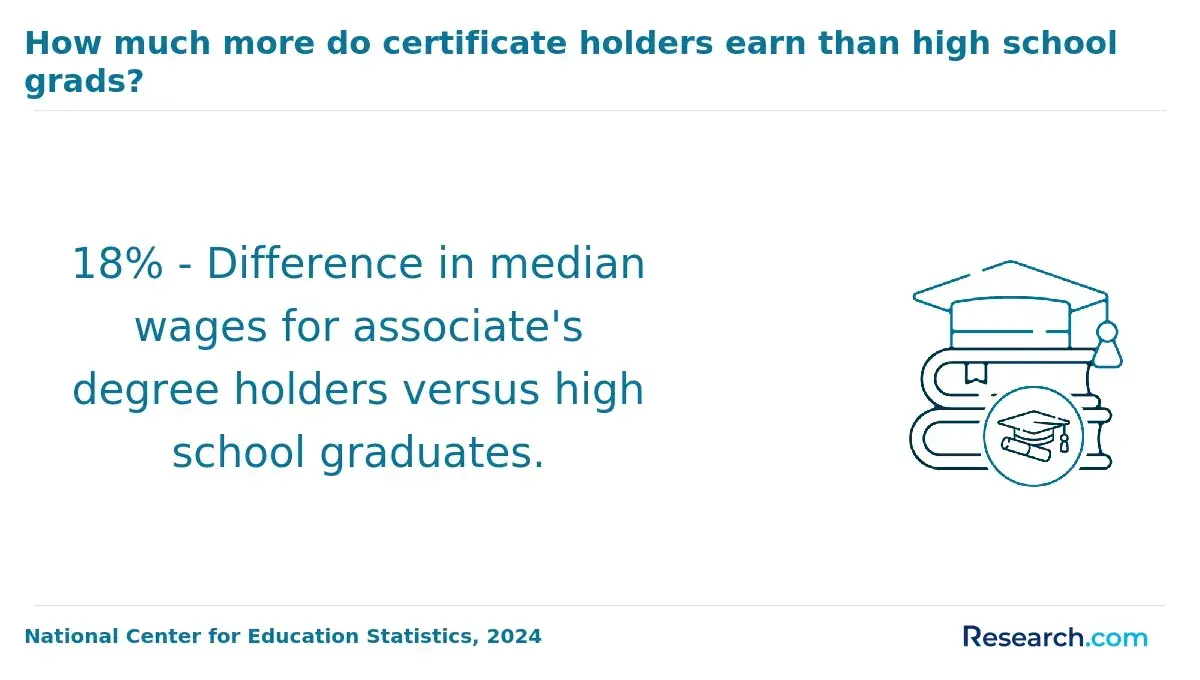
According to recent data from the National Center for Education Statistics, states with large, coordinated higher education systems consistently demonstrate greater program diversity, highlighting the role of institutional infrastructure in facilitating multiple degree paths within medical office administration. Employers frequently prioritize candidates from programs that embed practical training, certifications, and exposure to current electronic health record technologies, factors more accessible in institutions with broader resources and industry ties.
How Do Online Programs Improve Access in States With Limited Options?
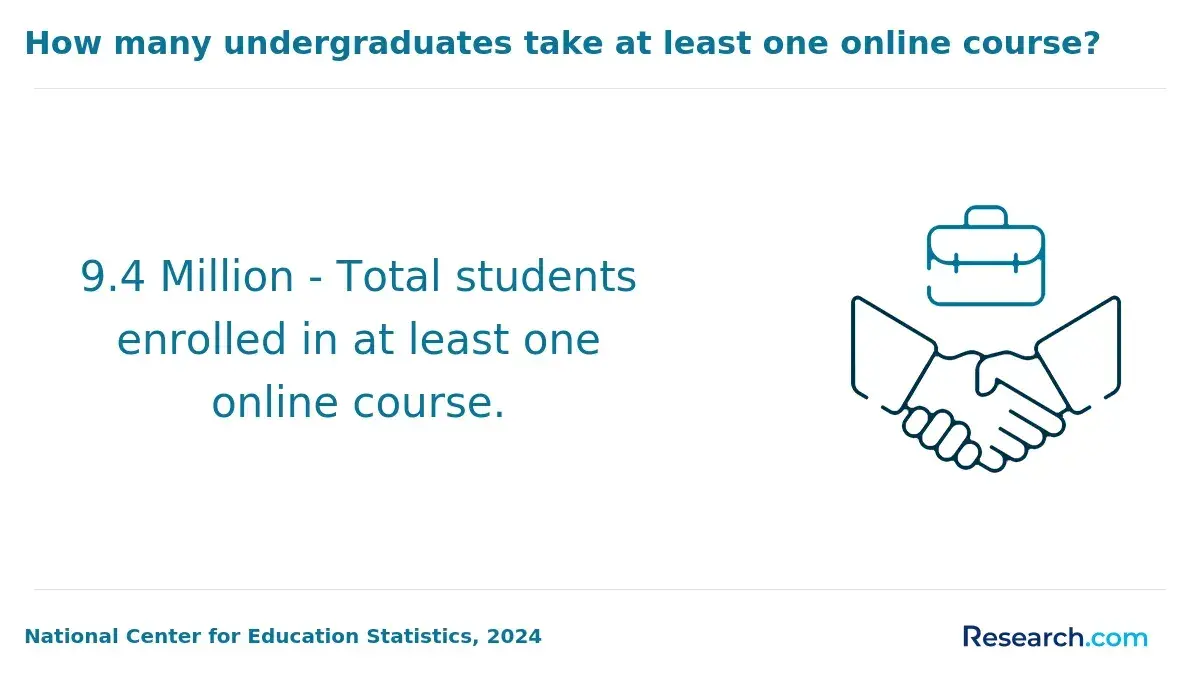
In regions where in-person medical office administration programs are scarce, online delivery expands educational access by eliminating geographic limitations that traditionally restrict enrollment. Students in states with few or no local offerings can now pursue accredited programs without relocating or enduring lengthy commutes, which has been a significant barrier especially in rural and underserved areas. According to the National Center for Education Statistics 2024 data, almost 40% of allied health students are opting for online formats, reflecting a shift toward distance learning as a practical alternative for those constrained by limited physical options. This modality not only broadens access but also diversifies student populations by reaching individuals balancing work, family, and other responsibilities.
The structural flexibility of online programs-through asynchronous coursework and digital resources-enables institutions to scale enrollment beyond traditional campus limits and serve students across multiple states. Cross-state enrollment circumvents dependency on local academic markets, allowing schools to extend specialized medical office administration curricula to wider and more varied demographics. This mode of delivery also facilitates standardized credit transfer and streamlines access to credentialing pathways regardless of state residency, which helps reduce educational silos and promotes more equitable distribution of learning opportunities. Consequently, online programs function as key mechanisms that realign institutional reach and student mobility, reshaping regional educational ecosystems.
Beyond immediate access, online medical office administration degrees influence broader workforce patterns by enabling career pipeline development in areas lacking sufficient training infrastructure. They encourage inter-state competition among providers while supporting workforce diversification by connecting students to programs prioritizing relevant certifications and practical skill development remotely. This model helps mitigate talent shortages in healthcare administration sectors and fosters adaptable learning communities that respond to shifting labor market demands across geographic boundaries.
One graduate recalled applying to an online medical office administration program during a period when their local college had no immediate openings. The admissions process was rolling, so they faced uncertainty about start dates and application cutoffs. They hesitated briefly, weighing whether to delay enrollment for an in-state option or move ahead with the online program out of necessity. The flexibility of asynchronous classes allowed them to begin coursework within weeks of acceptance, providing crucial momentum that would have been lost waiting for a traditional term. This experience underscored how online programs can offer timely and practical access where standard pathways are disrupted or unavailable.
How Much Does Medical Office Administration Program Tuition Vary by State?
Tuition for medical office administration programs fluctuates widely by state, largely influenced by complex state-specific public funding models, institutional types, and residency-based tuition structures. States with substantial public investments in higher education, often through expansive networked community colleges and public university systems, can offer considerably lower tuition for in-state residents. Conversely, states that rely more heavily on private institutions or where state budgets allocate fewer resources to vocational and health services education tend to generate higher price points. Residency status plays a crucial role-out-of-state learners frequently face surcharges that can double the tuition of in-state students, reflecting both funding mechanisms and regional policy priorities.
In states like California, Texas, and Florida, annual tuition for medical office administration at public institutions typically ranges from $3,000 to $8,000 for residents, according to recent data from university system reports and the NCES. In contrast, states such as New York and Massachusetts, with a proportionally larger presence of private colleges offering comparable programs, see tuition levels often exceeding $10,000 and reaching up to $15,000 or more annually. These figures illustrate the premium placed on non-subsidized educational delivery and more limited public alternatives. Understanding the variation in medical office administration program tuition across US states requires considering the underlying funding structures rather than viewing these differences as arbitrary; institutional pricing ultimately reflects the balance of state appropriations, market demand, and local economic factors.
Students weighing program options must navigate these disparities carefully, as affordability directly affects access and long-term value. Tuition variations influence student mobility, with some prospects choosing in-state public programs to minimize debt, while others may accept higher costs for perceived program quality or location advantages. These financial tradeoffs are critical in workforce alignment, where employer expectations and regional health sector demands interact with credential recognition and practical readiness. For those interested in related career pathways, programs like the shortest online nurse practitioner program may provide alternative routes with differing cost and time commitments to consider alongside medical office administration tuition costs by state comparison.
How Does Medical Office Administration Program Demand Affect Admissions Decisions?
Rising demand for medical office administration programs directly intensifies admissions selectivity, pushing institutions to refine enrollment criteria. Programs experiencing surges in applications often respond by tightening acceptance standards to balance class sizes with limited resources. This increased competitiveness frequently leads to preference for applicants exhibiting relevant healthcare experience or technical aptitude, as schools aim to align candidate profiles with employer expectations and workforce readiness. Consequently, many programs implement waitlists or additional screening steps when application volume exceeds available seats.
Institutional capacity constraints heavily influence these decisions, with factors such as clinical placement availability, faculty-to-student ratios, and accreditation mandates shaping enrollment limits. Schools juggling quality assurance against expanding demand may prioritize candidates who demonstrate competencies likely to translate into successful certification and job performance. Regional labor market conditions also affect admissions strategies; programs in states with robust healthcare sectors tend to enforce stricter selection tied to local employer needs, while less saturated areas offer more accessible admissions to maintain program viability and broaden training opportunities.
These dynamics drive applicants to prepare strategically, emphasizing relevant skills and experience early in the process to improve acceptance odds amid growing competition. The trend toward selective admissions can enhance program reputation by ensuring graduates meet industry standards, but it also raises barriers to entry that may limit accessibility for some students. Over time, this interplay between demand and capacity compels programs to continuously adapt enrollment policies, balancing inclusivity with the practical realities of workforce alignment and educational quality.
One graduate shared that during their application cycle, rolling admissions created a tense waiting period as the applicant pool swelled unexpectedly. They hesitated to fully commit to alternate plans while awaiting an offer, recognizing that enhanced selectivity meant early submission and demonstrated healthcare experience were critical. The delay in acceptance notifications, coupled with the uncertainty caused by increasing demand, forced decisions about pacing preparation and managing risk. This experience underscored how fluctuating program demand can introduce unpredictability, shaping not just admissions outcomes but applicants' strategic approach and emotional resilience throughout the process.
How Do Medical Office Administration Specialization Options Vary by Region?
Specialization options in medical office administration programs are closely tied to the economic profiles and healthcare industry concentrations within different U.S. regions. In areas with extensive hospital networks and technologically advanced healthcare markets, such as the Northeast and West, programs emphasize skills aligned with electronic health records management, regulatory compliance, and emerging fields like telehealth coordination. These curricula reflect the needs of large, integrated health systems that demand administrative professionals capable of navigating complex technological and regulatory environments. Conversely, regions with smaller healthcare markets, including many parts of the South and Midwest, tend to offer more generalized training focused on core administrative tasks suited to community hospitals and smaller practices, where specialization is less critical to local employer expectations.
Regional variation in specialization also stems from the alignment between educational institutions and their local healthcare ecosystems. Universities and colleges in regions with robust research infrastructure and employer partnerships are more likely to design programs incorporating in-depth training in health informatics, billing, coding, and bilingual administrative skills to meet workforce shortages identified by regional labor market analyses. State-specific licensing requirements and the availability of practical internships shape curricular focus, particularly where clinical placement opportunities support hands-on learning in niche areas. A 2024 Bureau of Labor Statistics report underscores that graduates from specialized programs in high-demand skills such as coding and informatics experience roughly a 12% higher employment rate within six months, showing how regional program emphases signal tangible labor market advantages.
These regional disparities have practical consequences for students and institutions alike. Prospective students must weigh local program offerings against broader career goals, recognizing that specialized tracks available in one state may be scarce or absent in another. The tendency for specialized programs to cluster in certain regions influences student mobility and shapes workforce distribution, with graduates often drawn to areas matching their training's technical depth. Consequently, strategic selection of programs that align with local industry demands can improve early employability and foster long-term career relevance in a field where administrative roles are increasingly intertwined with technology and regulatory expertise.
How Does Regional Employer Demand Affect Career Outcomes?
Regional employer demand critically shapes job availability and early career prospects for graduates with a medical office administration degree. Areas with concentrated healthcare infrastructures, such as major metropolitan hubs and states like California, Texas, and New York-where employment growth rates for relevant health services roles exceed the national average-offer more openings and competitive entry salaries. Graduates from regions with robust employer demand typically experience faster transitions into full-time roles and have greater leverage in negotiating initial compensation and benefits, compared to peers entering markets with fewer healthcare employers. This disparity highlights why medical office administration employer demand by state directly influences not only how quickly graduates find work but also the quality of that work.
The mechanisms driving these regional outcome differences include the density of healthcare providers and the presence of specialized industry clusters that foster employer partnerships with academic programs, creating pipelines for student recruitment and on-the-job training. Wage competition intensifies in areas with multiple large healthcare systems, elevating starting pay and accelerating advancement opportunities. Conversely, regions lacking these specialized hiring ecosystems often see graduates accepting part-time positions or lower wages, which can constrain practical skill development and limit career trajectory. For those analyzing regional career outcomes for medical office administration graduates, understanding these labor market geographies offers essential context for comparing program effectiveness and employment potential.
Broader implications for graduates involve geographic mobility decisions and adapting to evolving work modalities, including remote opportunities that are gradually reshaping traditional hiring patterns. While remote work expands some access, the strongest demand continues to cluster in regions investing heavily in healthcare infrastructure and administration. Consequently, medical office administration graduates must consider both their location of study and employment market when evaluating programs and career paths to maximize long-term employment stability and earnings. Those interested in advancing within healthcare administration may also explore interdisciplinary education options, such as BSN to MSN programs, which can complement administrative expertise with clinical knowledge, particularly in high-demand states.
What Factors Matter Most When Comparing Medical Office Administration Programs Across States?
Comparing medical office administration program availability by state involves more than just assessing how many options exist. State-level distinctions in tuition rates, program specializations, and employer demand significantly shape educational access, affordability, and career relevance. Recognizing these factors helps prospective students and researchers gauge not only the quantity but the quality and long-term value of programs offered regionally.
- Program Accreditation: Accreditation ensures curriculum rigor and recognized credential value, affecting eligibility for federal aid and employer acceptance. States with a higher proportion of ABHES-accredited programs typically deliver consistent educational quality, which influences graduate preparedness and local workforce integration.
- Program Structure and Flexibility: Availability of online, hybrid, or campus-based formats varies by state and impacts accessibility for working students. For instance, a 2024 National Center for Education Statistics survey found that over 40% of students enrolled in medical office administration pursued online options, reflecting increasing demand for adaptable learning paths especially important in states with fewer campus programs.
- Curriculum Alignment with Industry Needs: Regional healthcare systems' investment in technologies like electronic health records (EHR) drives program content updates. States with robust digital infrastructure tend to offer curricula emphasizing practical skills aligned with contemporary employer expectations, improving graduate employability in entry-level roles.
- Cost and Program Length: Variations in tuition and program duration affect time to market entry and debt burden. While longer programs may correlate with higher starting pay, many students prioritize affordability due to financial constraints, making shorter diploma paths in some states strategically advantageous.
- Local Job Market Conditions: States with concentrated healthcare industries provide stronger clinical placement opportunities and more substantial hiring pipelines. Such environments enhance post-graduation employment prospects, ensuring that program investments translate into tangible workforce outcomes.
Regional differences in medical office administration degree programs thus shape not only academic experiences but also financial feasibility and career trajectories. Navigating these factors is essential for informed decision-making.
For more on clinical placement success aligned with workforce needs, see online PMHNP programs with clinical placement.
Which Regions May See the Fastest Growth in Medical Office Administration Education?
Growth in medical office administration education tends to occur where employer demand, demographic shifts, and higher education investment converge, reflecting broader regional economic and workforce patterns. Future expansion of programs is closely tied to healthcare system development, population increases, and institutional capacity to respond to labor market needs. Identifying these intersecting factors clarifies which U.S. regions may see the most significant increases in educational offerings.
These regional distinctions underscore the importance of aligning educational offerings with evolving community healthcare needs, institutional abilities, and workforce development priorities to optimize student outcomes in medical office administration.
References:
- Medical Office Administration https://www.herzing.edu/healthcare/medical-office-administration-program
- Future Students https://www.aupha.org/resourcecenter/futurestudents
- Launch Your Medical Office Administration Career: 12 Options https://sundancecollege.com/blog/medical-office-administration-career-paths/
- Pros and Cons of Being a Medical Office Assistant https://careercitycollege.ca/blog/pros-and-cons-of-being-a-medical-office-assistant/
- Online Medical Administration Courses in Canada | Online Classes at CD-ED https://cd-ed.com/online-programs/medical-office/
- 2025 Top Picks: 20 Best CAHME-Accredited Master of Healthcare Administration Degree Programs https://mhadegree.org/top-picks-20-cahme-accredited-mha-programs/
- Medical Office Administration Online | 8 Month Program | UCI https://unitedcareer.edu/online-medical-office-administration/
- Office Administration – Health Services (Online) - Loyalist College https://loyalistcollege.com/program/office-administration-health-services-online/
- Medical Office Admin Training: What to Expect | Pharma Medical https://pharmamedical.ca/medical-office-admin-training-what-youll-learn-and-expect/
- Associate of Science in Medical Office Administration - South College https://www.south.edu/program/associate-of-science-in-medical-office-administration/
Other Things You Should Know About Medical Office Administration
The availability of diverse medical office administration programs in a state provides students with more opportunities to specialize in their desired areas. In 2027, states with numerous program options allow students to tailor their education to specific interests, enhancing their skills and making them more competitive in the job market.
Having numerous programs doesn't guarantee all are equally balanced in workload or pacing. Some states feature accelerated programs designed for rapid entry into the workforce, which can be intense and leave less time for skill reinforcement. Others offer more extended, part-time, or hybrid paths that might better support working adults or those seeking deeper mastery. Prospective students must weigh the tradeoff between completing training quickly and acquiring sufficient hands-on experience often required by employers.
More program options in a state can indicate a more competitive educational landscape, potentially raising admission standards and program quality. Yet, graduates still face local employer expectations for relevant, practical skills and professional experience. In some cases, graduates from less saturated states may benefit from closer ties to regional healthcare networks and targeted internships. Therefore, students should prioritize program quality and employer connections over quantity of programs alone.
With many degree programs available, accreditation status and active partnerships with healthcare providers become critical differentiators. Programs lacking accreditation or real-world affiliations may struggle to provide credible training or effective job placement support. Priority should be given to programs that maintain recognized standards and offer clinical practicums or internships, as these factors significantly impact readiness and employer acceptance in the competitive medical office administration job market.