2027 Medical Office Administration Job Market Report: Open Roles, Salary Bands, and Hiring Momentum

Co-Founder and Chief Data Scientist
The medical office administration labor market reflects a complex interplay of technological integration, regulatory shifts, and evolving employer priorities that shape demand patterns. Automation of routine tasks and the adoption of advanced electronic health record systems have recalibrated skill requirements, emphasizing technical proficiency alongside traditional administrative capabilities.
Concurrent changes in healthcare compliance and data security regulations influence credential expectations and staffing models, often affecting salary structures and hiring volumes. Geographic clusters of healthcare providers compound these dynamics, revealing localized talent constraints.
Observed open roles and compensation trends thus signify broader structural adjustments within the profession. Notably, the age distribution of entrants suggests ongoing transformation in workforce composition, impacting educational access and future sector adaptability.
Key Things to Know About Medical Office Administration Job Market
- Open roles in medical office administration are growing modestly, reflecting healthcare system expansions but also increased automation, which suggests candidates should emphasize adaptable tech skills alongside traditional office competencies.
- Salary bands remain stratified by region and facility size, meaning graduates must weigh geographic flexibility carefully, as local market saturation can depress wages despite growing job counts elsewhere.
- Hiring momentum shows seasonal variability linked to hospital budget cycles, signaling that timing program completion to coincide with hiring peaks may improve job placement chances but could also delay workforce entry.
- Key Things to Know About Medical Office Administration Job Market Key Things to Know About Medical Office Administration Job Market
- How Strong Is Demand for Medical Office Administration Graduates in Today's Job Market? Demand for Graduates
- Which Medical Office Administration Careers Have the Most Open Job Opportunities? In-Demand Careers
- What Salary Bands Are Employers Offering Across Medical Office Administration Careers? Offered Salary Bands
- Which Industries Are Hiring the Most Medical Office Administration Graduates? Top-Hiring Industries
- How Does Hiring Demand Vary by State, Region, and City? Hiring Demand by Location
- What Skills Are Employers Prioritizing in Medical Office Administration Job Postings? In-Demand Skills
- Which Certifications Increase Employability and Salary Potential? High-Value Certifications
- How Do Remote and Hybrid Opportunities Affect the Medical Office Administration Job Market? Remote and Hybrid Opportunities
- Which Medical Office Administration Careers Show the Strongest Long-Term Hiring Momentum? Strongest Careers
- How Can Students Use Job Market Data to Make Better Career Decisions? Utilizing Job Market Data
How Strong Is Demand for Medical Office Administration Graduates in Today's Job Market?
Recent labor market data, including projections from the U.S. Bureau of Labor Statistics, indicate a roughly 10% growth in positions for medical office administration graduates between 2022 and 2032, a pace exceeding the overall occupational average. However, LinkedIn Workforce Reports from early 2024 suggest the hiring environment remains moderately competitive, with many entry-level roles requiring candidates to demonstrate practical experience or healthcare exposure beyond formal education.
The reality of this demand is nuanced; while openings exist, employers increasingly prioritize applicants adept with electronic health records (EHR) systems and digital workflows, elevating the baseline expectations for administrative support roles. This competitive landscape reflects evolving employer requirements within the context of medical office administration graduate job demand in the United States.
The key drivers of sustained demand encompass demographic shifts, notably an aging population that amplifies healthcare utilization, alongside an expansion of outpatient services that depend on skilled administrative support. Technological adoption, including telehealth platforms and patient management software, reshapes the skill sets necessary for medical office administration professionals, creating a premium on adaptability and tech proficiency.
Regional labor market variations further influence salary bands and role availability, with metropolitan areas typically offering higher compensation but also intensifying competition. The focus is no longer solely on traditional administrative tasks but on integrated competencies that combine healthcare knowledge with digital fluency.
Graduates evaluating their prospects should interpret these labor trends as calling for a balanced approach between foundational credentials and practical, technology-centered skills to enhance employability. Although starting salaries hover in the moderate range, stability in these roles can be supported by continuous skill development aligned with sector innovations.
Prospective students contemplating enrollment in healthcare administration programs would find value in curricula that emphasize real-world applications and technology integration, reflecting ongoing shifts in the medical office administration job market and long-term workforce needs.
Which Medical Office Administration Careers Have the Most Open Job Opportunities?
Open job opportunities within medical office administration reflect a complex interplay of healthcare industry growth, technological advancement, and shifting administrative priorities. Roles with the highest demand tend to align with both foundational patient interaction responsibilities and specialized data management competencies.
Employers increasingly seek professionals who can navigate electronic systems while maintaining operational fluidity in diverse clinical environments. In particular, variations in hiring patterns across North America emphasize that regional needs and healthcare network expansions strongly shape job availability.
- Medical Receptionists: Serving as the frontline contact in many clinical settings, medical receptionists continue to experience robust demand due to expanding patient volumes and emphasis on smooth patient flow. Their role extends beyond greeting patients to coordinating appointments, managing communication, and supporting efficient office operations. The need for strong interpersonal skills combined with adaptability makes this position a gateway into medical office administration job openings in North America.
- Medical Records and Health Information Technicians: Growth in these roles is driven by widespread adoption of electronic health records (EHR) and the critical need for data accuracy and privacy compliance. Employers prioritize candidates skilled in health IT systems and regulatory standards, leading to sustained hiring momentum particularly in hospitals and outpatient facilities. Approximately 40,000 positions remain open nationwide at any time, underscoring the significance of this technical specialization.
- Insurance Billing Specialists: The increasingly complex landscape of insurance claims and reimbursement processes fuels demand for billing specialists with detailed knowledge of healthcare policies. Effective coding skills and familiarity with payer requirements are essential, and certified individuals often benefit from higher salary brackets. This role reflects growing employer emphasis on reducing claim denials and ensuring revenue cycle integrity.
- Medical Office Managers: Offices require experienced managers who can oversee both personnel and daily administrative functions while ensuring compliance and workflow optimization. The demand here is partly attributable to organizational growth and the need for leadership capable of balancing clinical and insurance-related administrative challenges. Their ability to integrate operational oversight with evolving healthcare regulations makes them vital across outpatient and specialty care providers.
- Certified Coding Specialists: Professionals holding certifications in coding, such as those covered in common credential comparisons found in CPC vs CCS discussions, are increasingly sought after for their expertise in translating clinical documentation into standardized codes. This skill set supports accurate billing and compliance, especially in metropolitan regions with large healthcare networks where vacancies reflect a competitive talent market.
What Salary Bands Are Employers Offering Across Medical Office Administration Careers?
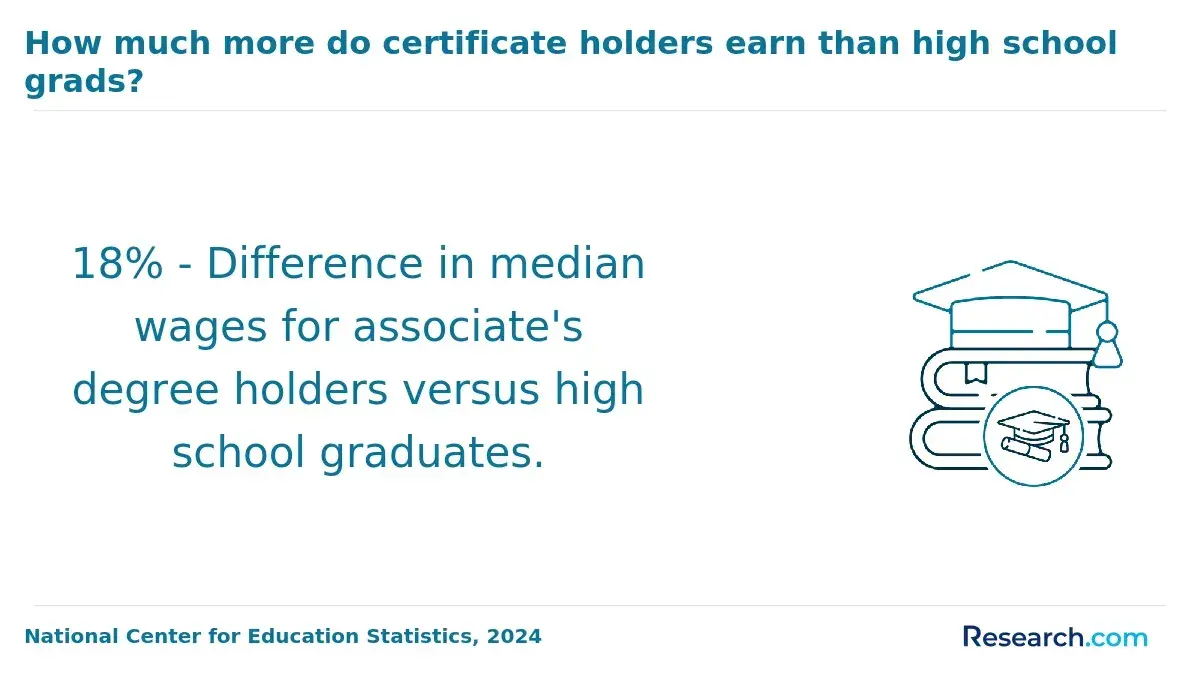
Salary ranges within medical office administration roles distinctly mirror varying experience levels and responsibilities, with entry-level positions offering between $32,000 and $40,000 annually according to 2024 labor data from the U.S. Bureau of Labor Statistics and LinkedIn Salary Insights. Professionals with two to five years of relevant experience typically see compensation rise to a $42,000-$54,000 bracket as they handle more complex duties such as billing compliance and staff oversight.
At the senior tier, which includes office managers and leaders overseeing multi-provider practices, salaries climb further, reaching $55,000 to $70,000 or more, reflecting the increasing demands of organizational management, financial control, and regulatory expertise required in these roles. These figures underline a clear progression tied to skill accumulation and role complexity within healthcare administrative environments.
Wage disparities in medical office administration are shaped by several intersecting factors beyond tenure and skills. Geographic differences significantly affect pay, with urban hospitals and specialized clinics generally offering more competitive wages compared to rural or smaller private practices due to market dynamics and local healthcare funding.
Staffing scale and employer type further influence salaries, as larger organizations demand broader supervisory capabilities and often require advanced certifications, increasing the value of specialized credentials in fields like medical billing and healthcare compliance. Ultimately, salary bands reflect not just experience but the scarcity of specific administrative competencies and the intensity of regulatory adherence necessary to maintain efficient and compliant medical operations.
One graduate recalled the uncertainty of navigating rolling admissions while applying to medical office administration programs, noting how delays in acceptance notices created a difficult balance between pursuing the credential immediately or reapplying in a later cycle. "It was stressful waiting because I wanted to start working as soon as possible, but I also needed the right program fit and financial aid," they explained.
The timing of application feedback influenced their decision to temporarily continue in a support role while refining their enrollment strategy, underscoring how administrative program access and timing can directly impact early-career entry and income trajectory in this field.
Which Industries Are Hiring the Most Medical Office Administration Graduates?
Hiring demand for medical office administration graduates is concentrated in sectors undergoing either digital transformation, workforce growth, or pronounced skill shortages tied to regulatory complexity.
These industries require candidates who can navigate evolving healthcare technologies, manage increasingly sophisticated patient data workflows, and ensure compliance with expanding administrative standards. Rather than isolated spikes in hiring, the demand reflects systemic shifts in healthcare delivery models and administrative infrastructure.
- Ambulatory Healthcare Services: Outpatient clinics and medical practices drive nearly half of medical office administration hiring, fueled by rising patient volumes and expanded outpatient treatments. Employers prioritize graduates skilled in electronic health record management, claims processing, and patient communication systems that streamline front-office efficiency in fast-paced environments.
- Hospitals and Health Systems: Hospitals demand administrators who can handle intricate scheduling, regulatory compliance, and coordination across multiple departments. With ongoing investments in health IT infrastructure, these organizations seek candidates capable of integrating administrative duties with complex healthcare technologies, reflecting high operational stakes and salary premiums.
- Health Insurance Companies: Expansion in claims processing and customer service functions creates growing need for staff who understand insurance protocols and can manage documentation accurately. Graduates versed in data accuracy, policy administration, and customer interfacing tools align well with insurer requirements amid digital claims adjudication efforts.
- Long-Term Care Facilities: Nursing homes and rehabilitation centers are increasing administrative staffing in response to aging populations and regulatory oversight. Candidates who demonstrate proficiency in patient record management, billing accuracy, and compliance monitoring are essential to supporting care continuity and administrative accountability in these settings.
Across these sectors, the steady shift toward digitized healthcare operations elevates demand for graduates with strong technical aptitude and adaptability to dynamic workflows.
Employers favor candidates who combine foundational administrative competencies with familiarity around healthcare-specific software, regulatory frameworks, and patient-centered communication. This intersection of technological fluency and sector-specific knowledge positions medical office administration graduates to meet both current and emerging workforce needs.
How Does Hiring Demand Vary by State, Region, and City?
Hiring demand for medical office administration roles shows marked variation across states and larger regions, shaped by healthcare infrastructure scale, economic vitality, and the density of healthcare providers. States like California, Texas, Florida, and New York lead with higher openings due to their extensive hospital networks and aging populations needing diverse medical services.
Regional trends further illustrate these contrasts. The Northeast and West Coast benefit from concentrated teaching hospitals, outpatient centers, and specialty clinics, fostering stronger demand supported by robust healthcare funding and demographic shifts.
Conversely, less urbanized areas in the Midwest and South often face thinner labor markets for these roles, driven by smaller provider networks and constrained budgets. This geographic variation in medical office administration job demand by state reflects how workforce needs align closely with economic ecosystems and healthcare delivery models documented in recent labor market analyses.
At the city level, metropolitan hubs such as Boston, Chicago, Houston, and Los Angeles exhibit the highest hiring intensity for medical office administration due to their complex healthcare clusters, research institutions, and diverse provider contexts. These cities not only host a higher volume of employers but also demand specialized administrative skills to operate within sophisticated electronic health record systems and regulatory frameworks.
Salary levels in these markets generally surpass those of smaller towns but are often offset by elevated living costs, affecting net earnings for job seekers. Urban centers also benefit from established talent pipelines and healthcare IT infrastructure, which sustain competitive hiring environments and influence the availability of opportunities.
Considering these factors alongside regional employer expectations is essential for candidates strategizing their job search or evaluating programs such as the best online post master's PMHNP programs in areas reflecting regional hiring trends for medical office administration roles.
What Skills Are Employers Prioritizing in Medical Office Administration Job Postings?
Employer expectations within Medical office administration job postings reflect significant shifts driven by healthcare digitization, automation of routine tasks, and an increased demand for multifaceted professional competencies. Hiring preferences now emphasize not only technical expertise but also the integration of interpersonal and organizational skills to navigate complex workflows and regulatory frameworks.
These evolving requirements highlight a workforce dynamic where adaptation to technology and effective cross-functional communication are critical for sustained employability.
- Electronic Health Records (EHR) Proficiency: Mastery of EHR systems like Epic, Cerner, or Meditech is foundational as healthcare providers digitize patient documentation. Proficiency here reduces errors and streamlines data access, which employers consistently rank as essential given that over 75% of job listings emphasize this capability.
- Effective Communication Skills: The ability to interact clearly and empathetically with patients and clinical teams directly influences patient satisfaction outcomes, increasingly tied to performance metrics. This skill's prominence reflects a broader recognition that technical accuracy must be paired with quality interpersonal engagement.
- Medical Billing and Coding Knowledge: Detailed understanding of billing and coding is crucial to maintain revenue cycle integrity and compliance with insurance requirements. Its rising demand aligns with industry trends toward specialization, as roles requiring certification in these areas have grown by nearly 20% since 2022.
- Regulatory Compliance Expertise: Familiarity with HIPAA and other healthcare regulations ensures lawful handling of sensitive patient information, minimizing institutional risk. Employers prioritize candidates who can navigate these standards as healthcare environments become more rigorously audited and standardized.
- Organizational and Multitasking Abilities: Efficient scheduling, task prioritization, and maintenance of accuracy under fluctuating patient volumes are vital operational skills. These competencies help sustain the workflow in fast-paced settings, underscoring employers' preference for adaptable candidates capable of managing concurrent demands.
Which Certifications Increase Employability and Salary Potential?
Certifications in the medical office administration field function as critical indicators of specialized knowledge, technical skill, and readiness to handle evolving workplace demands. They serve as strategic tools that build on formal education by signaling to employers a candidate's ability to manage complex administrative tasks, compliance requirements, and relevant technology applications.
Holding recognized credentials often strengthens competitiveness and opens doors to higher wages in contexts where credentialed expertise is increasingly sought after.
- Certified Medical Administrative Assistant (CMAA): This certification is highly regarded because it verifies competence in core administrative functions and familiarity with industry-standard software systems, addressing a persistent skills gap in efficient office workflow. Employers frequently associate CMAA certification with reduced training time and increased reliability, which can translate to salary premiums typically ranging from 10% to 15% higher than uncertified counterparts.
- Certified Professional Coder (CPC): While centered on coding and billing, CPC holders bring dual value as many medical offices require combined administrative and coding capabilities due to fluctuating staffing models. This credential reflects proficiency in navigating regulatory coding standards and often accelerates hiring processes and compensation adjustments, with observed salary growth averaging around 12% within medical office settings.
- Certified Healthcare Administrative Professional (cHAP): Emphasizing office management and regulatory compliance, cHAP certification aligns with heightened employer demand for professionals who can navigate complex healthcare regulations and ensure operational integrity. Certified individuals benefit from enhanced negotiation leverage during salary discussions and demonstrate leadership potential, influencing promotion trajectories.
- Registered Medical Assistant (RMA): Although traditionally clinical, an RMA credential broadens employability by integrating clinical insight into administrative roles, which is increasingly valued in multidisciplinary practices. This crossover capability can indirectly boost compensation by enabling candidates to fill hybrid roles that address both patient care and office duties.
- Certified Medical Office Manager (CMOM): Targeting leadership within medical offices, CMOM certification signals advanced skills in practice management and staff supervision, satisfying organizational needs for efficient team oversight. Employers prize this credential when filling supervisory positions, consequently associating it with higher-level salary brackets and career advancement opportunities.
One graduate of a medical office administration program shared that during the rolling admissions period, uncertainty about the timing of certification eligibility created stress. They had to postpone applying until receiving prerequisite documentation, which delayed job search activities.
The delay prompted strategic shifts: the graduate focused intensively on completing the CMAA exam promptly once eligible, recognizing that timely certification would improve job prospects and earning potential in the competitive local market. This experience underscored the importance of aligning certification timelines carefully with application planning to avoid gaps that might hinder momentum during early career stages.
How Do Remote and Hybrid Opportunities Affect the Medical Office Administration Job Market?
Remote and hybrid opportunities are subtly reshaping hiring patterns in medical office administration roles, despite the sector's traditional reliance on onsite functions like patient interaction and regulatory compliance. According to recent workforce analytics from 2024, many employers now favor hybrid arrangements that split duties between remote administrative tasks and necessary onsite presence.
This approach maintains operational efficiency while expanding candidate pools beyond immediate geographic areas, though job openings often still prioritize candidates with secure remote access to electronic health records and proven digital communication skills. Such changes reflect a growing expectation for candidates to manage workflows independently and maintain productivity across distributed teams, directly influencing how hiring managers source and evaluate talent in medical office administration sectors.
The broader labor market implications include expanded geographic mobility and a relative normalization of salary scales across regions, as hybrid roles reduce the premium on location-based compensation. Competition intensifies as candidates from less urbanized areas gain access to positions historically bound by commute limitations, subtly shifting the supply-demand dynamic in medical office administration job availability.
Employers increasingly expect robust remote technology setups and adaptable soft skills to sustain collaboration and compliance, embedding digital readiness as a core competency. These trends suggest a gradual but steady evolution in workforce structure, where hybrid models may become standard in administrative healthcare roles, reinforcing a demand for continuous learning and integration of remote security protocols.
Students exploring these pathways should consider training that balances physical clinic skills with remote technology proficiency, such as programs emphasizing data security aligned with clinical schedules, or even an accelerated PharmD program for related healthcare career advancements.
Which Medical Office Administration Careers Show the Strongest Long-Term Hiring Momentum?
Long-term hiring momentum for medical office administration roles is driven by structural shifts in healthcare delivery and information management rather than by short-term job market fluctuations. This momentum reflects enduring economic and technological trends that reshape workforce demand, such as increased digitization of health records and expanded regulatory oversight.
Understanding which medical office administration careers maintain this sustained demand requires analyzing how evolving operational needs and compliance environments impact role stability and growth.
- Medical Office Coordinators: These professionals remain essential due to their role as operational hubs managing patient flow, appointment scheduling, and communication across healthcare teams. Structural demand is reinforced by healthcare providers' drive to optimize efficiency and patient experience amid growing service volumes, creating a consistent need for coordinators skilled in both administration and technology.
- Health Information Specialists: Long-term growth in this role stems from expanding requirements for precise electronic health record (EHR) management and data integrity. As regulatory standards intensify and healthcare systems prioritize interoperability and data security, specialists who blend technical proficiency with compliance knowledge remain indispensable.
- Billing and Coding Clerks: The increasing complexity of insurance reimbursement processes and regulatory coding updates sustain demand for skilled clerks. This role's momentum is linked to systemic healthcare financing mechanisms, where accuracy in coding directly impacts revenue cycles and compliance audits.
According to the U.S. Bureau of Labor Statistics' 2024 projections, employment for health information technicians, a category overlapping significantly with medical office administration, is expected to grow about 11% from 2022 to 2032, outpacing average occupational growth. Employers prioritize candidates who combine administrative expertise with technical skills in EHR systems and healthcare compliance, underscoring a structural skill shortage in these areas.
These employment trends reflect broader shifts including an aging population driving higher healthcare demand, increased regulatory documentation requirements, and more providers outsourcing non-clinical tasks to specialists. Salary bands mirror this specialized skill demand, rewarding familiarity with medical terminology, insurance processes, and EHR software. Early-career professionals interested in sustaining employability should focus on credentials that balance core office administration with healthcare-specific technical competencies.
For those evaluating education options, understanding the labor market realities behind the medical office administration career growth trends in the United States is critical. Programs that integrate practical skills aligned with these long-term industry shifts tend to position graduates better for the evolving job landscape, including those researching the easiest SLP grad schools to get into as a comparative consideration within healthcare education pathways.
How Can Students Use Job Market Data to Make Better Career Decisions?
Students evaluating Medical Office Administration career paths can leverage labor market data from sources like 2024 labor reports and salary databases to pinpoint areas with high job availability, competitive wages, and sustained growth. Analysis of hiring platforms reveals which geographic regions and healthcare sectors prioritize these roles, helping students target programs aligned with strong employer demand.
Salary bands provide a crucial lens for assessing whether the financial return justifies educational investments, especially when viewed alongside role experience requirements and employer preferences documented across different facility types. These data points collectively inform realistic expectations about entry-level positions and potential advancement within the industry.
Interpreting such job market data requires balancing short-term hiring surges against indicators of long-term career resilience, including sector stability and evolving skill requirements like proficiency in electronic health records management. Students should weigh these factors relative to their geographic flexibility and personal career interests, recognizing that overreliance on transient trends risks misaligned decisions.
Combining quantitative data with qualitative insight into the operational realities of Medical Office Administration enables more strategic education and employment choices, fostering adaptability in a field influenced by technological change and regulatory demands.
References
- Launch Your Medical Office Administration Career: 12 Options https://sundancecollege.com/blog/medical-office-administration-career-paths/
- What is a Medical Office Assistant? - Career Insights | Teal https://www.tealhq.com/career-paths/medical-office-assistant
- What does a Medical Office Administrator do? Career Overview, Roles, Jobs | APOS https://careers.apos-society.org/career/medical-office-administrator
- Medical administrative assistants | WorkBC https://www.workbc.ca/career-profiles/medical-administrative-assistants
- Medical Office Administrator Career https://slchc.edu/medical-office-administrator/medical-office-administrator-career/
- Future Skills Centre • Centre des Compétences futures https://fsc-ccf.ca/projects/hybrid-work-models/
- Medical Office Administration Skills Employers Look For https://bayrivercolleges.ca/medical-office-administration-skills-employers-want/
Other Things You Should Know About Medical Office Administration Job Market
Higher salary offers often come with increased responsibilities, such as managing complex billing systems, overseeing multiple departments, or handling regulatory compliance. Candidates must consider whether the pay premium justifies the additional stress, longer hours, or less supportive work environments. Prioritizing roles with balanced workloads and clear task delineation can lead to better job satisfaction and sustainable career growth even if the starting salary is modest.
Larger organizations typically offer more structured career pathways, formal training, and often better benefits but may also involve rigid hierarchies and less autonomy. Smaller clinics can provide broader role diversity, quicker advancement opportunities, and closer exposure to decision-makers, although they may lack formal development programs. Job seekers should align their choice with their preference for structure versus flexibility and consider how each setting affects their skill development and long-term employability.
While foundational administrative skills remain essential, expertise in widely used specialized medical software significantly improves chances of landing competitive roles and commanding higher wages. However, investing heavily in software training may limit adaptability if employers use different systems or update technologies frequently. Prioritizing a balance-solid administrative fundamentals with proficiency in at least one popular software-typically offers the best return on time invested.
Certifications can boost initial employability by signaling baseline competency, but without relevant job experience, they rarely guarantee access to higher-paying or advanced positions. Early-career professionals benefit most by securing roles that offer exposure to varied tasks and real-world office environments, then pursuing certifications as a way to formalize and leverage their experience. Prioritizing experiential learning before or alongside certification often leads to more meaningful career advancement.