2027 Medical Office Administration Affordability by State: Where Students Pay the Most and Least

Co-Founder and Chief Data Scientist
Choosing between a medical office administration program in neighboring states can reveal stark cost differences that ripple far beyond tuition. For example, a 2024 report from the National Center for Education Statistics highlights that out-of-state tuition averages nearly 70% higher than in-state rates, forcing students to weigh the immediate savings of attending locally against potential quality or network advantages elsewhere. Beyond sticker price, living expenses and ancillary fees frequently erode expected affordability gains, disproportionately affecting students in high-cost regions. These financial disparities can dictate debt levels and career flexibility, critically shaping long-term outcomes for medical office administration students.
This article examines state-by-state affordability variations to clarify where pursuing a medical office administration degree is most and least financially viable, supporting more strategic enrollment decisions.
Key Things to Know About Medical Office Administration Affordability by State
- States with lower published tuition often have higher indirect costs like fees and living expenses; this tradeoff means cheapest tuition may increase total attendance cost, affecting budget-conscious students' overall affordability.
- Employer preference trends indicate graduates from states with stronger health systems networks gain better practical training access, influencing post-graduation employability despite sometimes higher tuition premiums in those regions.
- Recent 2024 data reveals out-of-state tuition premiums are rising faster than in-state rates, creating access barriers that prompt more students to consider community college transfers or online programs, impacting timing and completion.
- Key Things to Know About Medical Office Administration Affordability by State Key Things to Know About Medical Office Administration Affordability by State
- Which States Have the Most Affordable Medical Office Administration Degree Programs? Most Affordable State Programs
- Which States Have the Highest Medical Office Administration Degree Costs? Highest State Tuition Costs
- How Much Does a Medical Office Administration Degree Cost by State? Degree Costs by State
- Why Does Medical Office Administration Affordability Vary So Much Between States? State Affordability Variations
- How Do In-State and Out-of-State Tuition Rates Affect Medical Office Administration Affordability? In-State vs. Out-of-State Rates
- How Does the Cost of Living Impact Overall Medical Office Administration Affordability by State? Living Costs and Affordability
- Which States Offer the Best Value for a Medical Office Administration Degree? Best Value State Degrees
- What Financial Aid and Scholarship Opportunities Can Reduce Medical Office Administration Costs? What Financial Aid and Scholarship Opportunities Can Reduce Medical Office Administration Costs?
- Are Online Medical Office Administration Degree Programs More Affordable Than On-Campus Options? Are Online Medical Office Administration Degree Programs More Affordable Than On-Campus Options?
- Is a Medical Office Administration Degree Worth the Cost Based on Career Outcomes and ROI? Degree ROI and Outcomes
Which States Have the Most Affordable Medical Office Administration Degree Programs?
The affordability of medical office administration degree programs varies markedly due to state-level policies around tuition, public education funding, and institutional pricing strategies. States that invest substantially in expanding workforce development in healthcare administration tend to maintain lower in-state tuition rates, incentivizing local enrollment and reducing overall barriers to degree completion. For instance, a student from Wyoming may pay less than half the tuition fees compared to peers in states with limited public support, making relocation or online enrollment a strategic choice to minimize debt. Such financial dynamics underscore how residency policies and institutional commitment to affordable education directly shape access and long-term value for students targeting healthcare administration roles.
State differences also extend to the availability of financial aid and regional living costs, which affect the true affordability beyond headline tuition numbers. Mississippi's robust grant programs, for example, substantially lower net expenses and diminish reliance on student loans, reflecting an important contrast to states where average loan balances among graduates can exceed $20,000. These nuances influence enrollment decisions, as budget-conscious learners weigh potential debt against earning prospects in environments of growing demand across healthcare systems. Understanding these tradeoffs and locating programs within supportive state frameworks can improve both degree completion odds and post-graduate financial stability, particularly for those balancing work and study commitments in hybrid or online formats similar to accelerated offerings like an 1 year MSN to DNP program.
Ultimately, the most affordable medical office administration degree programs by state reflect not only direct tuition costs but also how each region integrates education policy with economic realities. States with urban concentrations of private institutions tend to push prices upward, contrasting sharply with less costly public models that emphasize in-state advantages and flexible learning structures. For prospective students, these variations mean that choosing where to pursue a degree is as consequential as which program to select, with affordability influencing both immediate investment and the cumulative value of their educational path within healthcare administration.
Which States Have the Highest Medical Office Administration Degree Costs?
States with persistently high costs for medical office administration degrees often reflect deeper structural and economic variables rather than mere tuition differences. Elevated tuition in places like California and Massachusetts stems from factors such as high local living expenses, reduced state appropriations to public institutions, and stringent residency policies that inflate out-of-state charges. For many students, these combined elements create a tradeoff between proximity and affordability, forcing difficult decisions about whether paying a premium for regional access to healthcare networks and employer connections justifies increased educational debt. According to the College Board's 2024 Trends in College Pricing, some public two-year institutions in these states charge more than $6,000 annually in tuition and fees, nearly double the national average.
The uneven distribution of accredited programs also shapes where students can realistically pursue their studies, with dense metropolitan areas often monopolizing specialized courses but at a higher cost. Limited in-state options and the sometimes prohibitive rates for non-residents encourage some learners to weigh online alternatives or relocate to states with more balanced pricing structures. This dynamic underscores the tension between financial accessibility and potential local labor market advantages, as higher tuition does not always correlate with better employment outcomes but can significantly affect long-term financial stability. Strategic planning around these factors is crucial for students prioritizing debt management alongside credential attainment.
One student who researched programs across states found herself hesitant about enrolling in a Massachusetts community college despite its strong ties to local healthcare providers. As an out-of-state applicant, the tuition doubled, and combined with living expenses in Boston, her projected costs far exceeded her budget. While online options existed, she worried they might lack sufficient hands-on training or employer networking opportunities. After comparing financial aid availability and institutional prices, she decided to consider institutions in neighboring states with more affordable programs and less restrictive residency policies, balancing her desire for quality education against the long-term implications of accumulating substantial debt for a credential that she needed to enter a competitive job market.
How Much Does a Medical Office Administration Degree Cost by State?
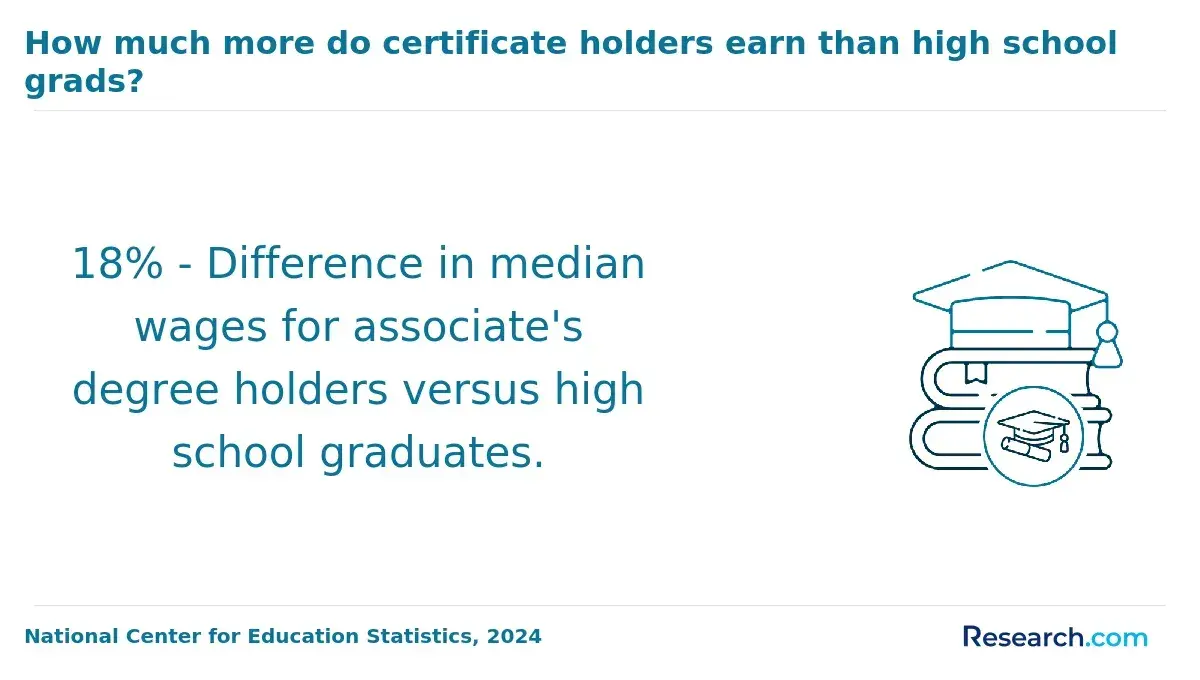
State-level disparities in the cost of earning a medical office administration degree directly influence how prospective students prioritize their options, especially when balancing tuition with living expenses and funding opportunities. For example, public community colleges in states like Wyoming or New Mexico typically charge around $3,500 annually for in-state tuition, contrasting sharply with prices exceeding $14,000 in Massachusetts or California. Such differences are not merely sticker prices; they affect borrowing needs, eligibility for in-state financial aid, and considerations about relocating or enrolling in online programs. When Texas public colleges average roughly $5,000 for residents but more than double that for out-of-state students, non-residents face tough decisions about whether the extra cost can be offset by future employment prospects or if attending cheaper local institutions is more viable.
The presence and scale of community colleges substantially shape cost structures, with states hosting extensive public systems offering more affordable routes than those dominated by private institutions. This dynamic, coupled with state-specific residency policies and workforce development funding, means students must carefully evaluate how these factors interplay with regional cost-of-living differences. High-expense states not only require higher tuition but also add the burden of increased housing and transportation expenses, sometimes pushing total annual costs beyond $25,000, according to 2024 data from national education statistics. Students weighing these financial realities must integrate them into long-term planning, considering not just tuition but overall investment against practical career entry timelines.
These cost variations underscore the critical need for budget-conscious learners to assess local economic conditions and state-based financial supports when selecting a medical office administration program. In some cases, relocating or leveraging online coursework can mitigate higher tuition demands, but these strategies bring tradeoffs in engagement and networking opportunities. Ultimately, understanding how residency status, institutional type, and state funding policies intersect offers the best framework for making informed decisions that align with both immediate financial constraints and realistic workforce entry expectations in healthcare administration roles.
Why Does Medical Office Administration Affordability Vary So Much Between States?
Variations in medical office administration tuition differences by state largely stem from differing public funding priorities and institutional mixes. States like Wyoming and New Mexico benefit from higher per-student state allocations, which tend to suppress in-state tuition costs, whereas regions with constrained budgets such as California or New York often encounter steeper fees. This disparity often pushes budget-conscious students to weigh in-state affordability against potential savings from online or out-of-state programs, factoring in state residency rules and transfer policies to navigate these financial tradeoffs effectively.
Cost-of-living and regional demand further complicate affordability assessments. Urban centers with concentrated healthcare industries may drive up institutional expenses through higher salaries for qualified instructors and specialized facilities, which get passed onto students. Additionally, students must consider the availability of state-specific grants or scholarships that can offset costs, as limited financial aid programs in some states amplify the burden despite demand for medical office administration education. For those exploring alternative educational routes, evaluating options such as a LPN fast track program can also factor into a strategic approach to workforce entry under differing state cost environments.
How Do In-State and Out-of-State Tuition Rates Affect Medical Office Administration Affordability?
Tuition rates tied to residency status substantially influence how accessible a medical office administration degree is for prospective students, often shaping key decisions about where and how to study. According to 2024 data from the National Center for Education Statistics, in-state tuition at public two-year colleges averages $3,900 annually, while out-of-state students face nearly double that cost, around $7,600 per year. This discrepancy forces many nonresident students to weigh the benefits of attending an affordable local program against the appeal of potentially higher-ranked or more conveniently located institutions that come with steep financial premiums. Reciprocity agreements among some states can ease this burden near borders, but these are unevenly distributed, leaving students in other regions to shoulder the full out-of-state rates or seek costlier private programs typically unaffected by residency.
Residency-based tuition policies also intersect with state funding priorities and financial aid availability, which often favor local students, amplifying cost differences beyond sticker price. For example, a student relocating states specifically to enroll in a medical office administration program must consider both the unpredictability of gaining in-state residency status quickly and the immediate financial strain of paying full nonresident tuition. Online program options occasionally offer a workaround by providing uniform tuition regardless of location, yet these may not align with all students' needs or employer expectations for certain hands-on competencies. Ultimately, tuition differentials can compel students to strategize carefully about institutional choices, geographic mobility, and even their educational timelines to manage cumulative costs effectively without sacrificing quality.
A recent graduate shared their experience deciding between attending a program in their home state and enrolling out-of-state to pursue a particular medical office administration certificate. Initially unaware that their new residency status wouldn't qualify for in-state tuition, they faced unexpectedly high fees, prompting them to reassess their budget and seek additional financial aid. "I was hesitant about whether the extra cost justified the program's benefits," they recalled, "but changing schools midstream seemed more disruptive than just pushing through. It taught me early on how critical it is to understand tuition rules before committing to a program far from home."
How Does the Cost of Living Impact Overall Medical Office Administration Affordability by State?
Variations in regional living expenses significantly impact the overall cost of pursuing a medical office administration degree, often overshadowing differences in tuition expenses. For instance, students in states like California and New York face housing costs that can surpass $1,500 per month, forcing a tradeoff between essential living expenses and academic or career investments. In contrast, students in more affordable regions of the Midwest or South benefit from housing costs that are often less than half that amount, which can reduce reliance on loans and influence decisions about whether to enroll locally or explore online options. These disparities in the medical office administration cost of living by state shape not only financial aid needs but also strategies for balancing work, study, and living arrangements.
Transportation costs and food prices further alter the financial landscape, with states offering limited public transit presenting higher expenses in vehicle ownership and fuel. Additionally, healthcare and utility bills add less visible but meaningful burdens, especially for working adults managing education alongside family and health responsibilities. Such real-world costs affect student decisions about commuting, housing, and even degree completion timelines. Prospective students weighing programs must consider these factors alongside tuition, particularly given that some may opt for remote learning, including specialized paths like an online PhD in healthcare management, to mitigate geographic cost disparities and improve long-term affordability.
Which States Offer the Best Value for a Medical Office Administration Degree?
Evaluating value for a medical office administration degree requires looking beyond tuition alone to factors such as degree completion rates, financial aid availability, and the local healthcare job market. For instance, a student comparing states like Florida and Texas might notice that while Texas offers lower in-district tuition averages near $3,500, Florida's moderately higher tuition is offset by stronger graduation rates and a healthcare sector expanding at above-average rates. This dynamic highlights how states with slightly higher sticker prices but better support systems and workforce demand can ultimately reduce student debt and improve employment outcomes.
Public universities in states like North Carolina underscore the importance of state investment in education, reporting over 70% completion rates alongside tuition costs typically under $6,000 annually. Such conditions suggest that eligible residents benefit not only from affordable sticker prices but also from effective financial aid programs and a rapidly growing healthcare industry, which employers increasingly rely on for qualified medical office administration personnel. Conversely, states with high tuition and living costs-such as California or Massachusetts-may offer prestigious programs but present financial tradeoffs, often resulting in higher average debt exceeding $15,000 and competitive local job markets that can soften immediate returns on investment.
Choosing where to study should involve weighing in-state tuition policies, access to merit- and need-based aid, and regional labor demand rather than focusing solely on lowest sticker prices. Relocation or online study options can also affect affordability and job-market relevance depending on residency qualifications and program quality. In practical terms, the cheapest state option may not provide sufficient institutional support or timely degree completion, limiting long-term value despite lower upfront costs. Accordingly, informed decision-making should balance these financial and educational metrics to align with individual goals and regional workforce realities.
What Financial Aid and Scholarship Opportunities Can Reduce Medical Office Administration Costs?
Financial aid availability profoundly shapes the affordability of a medical office administration degree, but navigating varied eligibility rules and renewal requirements often demands strategic planning. Federal need-based grants like the Pell Grant can substantially lower costs but are tied to income thresholds and enrollment status, which means part-time or accelerated students may receive less support or none at all. For example, a student attending a public institution in California might access more generous state grant funds combined with federal aid, while a similar student in a state without robust funding may face heavier reliance on loans or out-of-pocket payments. According to the National Center for Education Statistics (NCES) 2024 data, 85% of career-related program students benefit from some form of financial assistance, highlighting its critical role in reducing educational expenses.
Institutional scholarships and merit awards provide supplemental relief but frequently cover less than half of tuition and may disadvantage working students balancing employment, especially when academic performance is prioritized over financial need. Employer-sponsored tuition benefits offer an alternative for employed learners, although these programs are typically limited to certain healthcare organizations and require continued employment, restricting flexibility. Tuition reciprocity agreements between states create additional complexity: students must verify residency qualifications and institutional partnerships to leverage these cost reductions effectively. The combined influence of federal, state, institutional, and employer aid varies widely by location, demonstrating that cost comparisons across states must factor in not only sticker prices but also the nuanced availability and stacking policies of financial support when planning a medical office administration education.
Are Online Medical Office Administration Degree Programs More Affordable Than On-Campus Options?
Online medical office administration degree programs can offer cost advantages over traditional on-campus options, but these savings are highly contingent on state policies, residency status, and institutional pricing strategies. Some public universities maintain identical tuition for in-state students whether enrolled online or on-campus, limiting direct financial benefit. Additionally, technology fees ranging from $200 to $500 per semester often offset savings from avoided commuting and housing costs. For example, a student balancing work and family responsibilities might find flexibility in an online format reduces income loss from reduced hours, presenting a valuable indirect cost saving absent from purely tuition-focused comparisons.
The affordability of online versus traditional medical office administration degrees by state further complicates decision-making. Differences in how institutions allocate aid and scholarships also impact net costs, as on-campus students typically access more federal grants and institutional support. However, many online programs are closing this gap by expanding financial aid eligibility. Students evaluating educational pathways must weigh tuition structure, geographic factors, and practical cost tradeoffs alongside their personal and career circumstances to determine the best investment.
Prospective learners should consider program design innovations like accelerated pacing, which some institutions offer through pathways such as a 12-month FNP program online, to balance affordability with time-to-completion. These factors collectively shape the financial accessibility of medical office administration degrees and influence long-term outcomes for budget-conscious students evaluating where and how to pursue their qualifications.
Is a Medical Office Administration Degree Worth the Cost Based on Career Outcomes and ROI?
Evaluating the medical office administration degree return on investment in the United States requires close attention to geographic and economic variables, since tuition and living costs vary widely across states. Graduates in regions with lower tuition but stable healthcare employment may experience stronger financial outcomes than those in high-cost areas with similar job markets. For example, states in the Midwest and South typically offer more affordable programs without sacrificing access to medical office roles, offsetting opportunity costs and limiting debt burden compared to high-tuition states in the Northeast or West Coast. Employment projections from the U.S. Bureau of Labor Statistics indicate a 12% growth for related administrative roles, but this demand translates unevenly into ROI depending on state-specific educational expenses and completion rates.
Students should weigh completion rates and program quality alongside affordability, as programs with graduation rates above 75% tend to better position graduates for jobs requiring the credential. Career outcomes and earning potential for medical office administration graduates by state also hinge on certifications and relevant experience, factors that can elevate salaries beyond entry-level expectations. Non-monetary benefits like job flexibility and steady demand further complicate a strict financial calculus. Those considering allied credentials might also explore pathways such as an online speech pathology bachelor degree for veterans as alternative or supplementary qualifications, depending on personal and professional goals.
References
- Healthcare Affordability in America | Commonwealth Fund https://www.commonwealthfund.org/publications/surveys/2023/oct/paying-for-it-costs-debt-americans-sicker-poorer-2023-affordability-survey
- Cheapest Medical Assistant Programs: Online & In-Person https://www.stepful.com/post/cheapest-medical-assistant-programs
- Medical Office Administration Diploma | Blue Cliff College https://www.bluecliffcollege.edu/online-programs/moa/
- Program Fees | NSCC https://www.nscc.ca/programs-and-courses/programs/programfees/program.aspx
- Medical Office Administration A.S. Degree https://www.tsc.fl.edu/academics/programs/as-degrees/medical-office-administration/
- Medical Office Administration - Forsyth Tech Community College https://www.forsythtech.edu/programs/medical-office-administration/
- How State Health Care Cost Commissions Can Advance Affordability and Equity - Center for American Progress https://www.americanprogress.org/article/how-state-health-care-cost-commissions-can-advance-affordability-and-equity/
- How to pay for medical education programs | University of Idaho https://www.uidaho.edu/newsroom/blog/how-to-pay-for-medical-programs
- U.S. doctors' administrative costs 4 times higher than in Canada https://pnhp.org/news/u-s-doctors-administrative-costs-4-times-higher-than-in-canada/
- Medical Administrative Assistant Training https://www.pennfoster.edu/programs/healthcare/medical-admin-assistant-career-diploma
Other Things You Should Know About Medical Office Administration
Lower tuition often means limited resources, which can affect the quality and quantity of hands-on experiences critical to medical office administration roles. Students prioritizing affordability should carefully evaluate whether programs in low-cost states provide access to real clinical environments, modern office technology, and accredited internships. Sacrificing these elements for cheaper tuition can reduce preparedness and employability, ultimately increasing the time and money spent on supplemental training or on-the-job learning.
States with higher tuition frequently have denser healthcare markets and stronger institutional partnerships offering internships, networking, and job placement support. Paying more upfront can enhance immediate employment prospects, but students must assess their career goals and local job market realistically. For those targeting leadership or specialized roles, the cost premium might be worthwhile, whereas budget-conscious students aiming for entry-level roles may find better value in more affordable states with growing healthcare sectors.
Employer demands vary by state, influencing the relevance of certain certifications, course content, and even program length. Students should prioritize programs aligned with the credentialing that local employers recognize to avoid additional certification hurdles post-graduation. Ignoring state-specific employer expectations can lead to delayed employment or extra expenses to meet certification standards, negatively impacting return on investment.
Immediate affordability is critical for many, but a narrow cost focus may limit long-term career growth if the program lacks skills or credentials valued beyond entry-level positions. Students anticipating career advancement should weigh programs' abilities to build transferable skills and maintain relevance as healthcare administration evolves. States offering programs with broader curricula or hybrid learning that balance cost and flexibility often produce graduates better equipped to adapt, justify higher initial expenses, and realize stronger career returns.