2027 Medical Office Administration Degree Completion Rates by Format: Online, Hybrid, and Campus Programs Compared

Co-Founder and Chief Data Scientist
Choosing how to complete a medical office administration degree involves weighing multiple factors beyond cost and convenience. A prospective student might wonder whether an online program's flexibility offsets the potential lack of direct support or if a traditional campus environment provides better structure to ensure completion. Hybrid formats add complexity by blending modalities, raising questions about consistency and student engagement.
Completion rates vary significantly across these formats, influenced by student demographics, institutional resources, and learning demands. Understanding these differences is crucial, as they directly impact the likelihood of graduation and long-term career readiness. This article compares completion rates for online, hybrid, and campus medical office administration programs, examines key factors affecting student success, and offers insights to help prospective students choose the format best aligned with their goals.
Key Things to Know About Medical Office Administration Degree Completion Rates by Format
- Online medical office administration programs show a 12% lower completion rate than campus formats; this reflects challenges with self-discipline and reduced peer interaction affecting sustained engagement.
- Hybrid formats combine in-person support with online flexibility, improving completion rates by about 8% over purely online programs, signaling a balance beneficial for complex skill application.
- Campus-based programs report the highest completion rates, attributed to structured environments and immediate access to resources, which enhance persistence but may limit accessibility for some students.
- Key Things to Know About Medical Office Administration Degree Completion Rates by Format Key Things to Know About Medical Office Administration Degree Completion Rates by Format
- How Do Completion Rates Compare Across Online, Hybrid, and Campus Medical Office Administration Programs? Completion Rate Comparison
- What Factors Have the Greatest Impact on Medical Office Administration Degree Completion? Degree Completion Factors
- Which Medical Office Administration Degree Format Is Hardest to Complete? Completion Difficulty
- How Does Each Medical Office Administration Learning Format Affect Student Success? How Does Each Medical Office Administration Learning Format Affect Student Success?
- How Does Enrollment Status Affect Medical Office Administration Completion Rates? How Does Enrollment Status Affect Medical Office Administration Completion Rates?
- Can Transfer Credits Improve Medical Office Administration Degree Completion? Transfer Credits
- What Student Support Services Improve Medical Office Administration Completion Rates? Student Support Services
- How Do Medical Office Administration Completion Rates Affect Career Outcomes? Impact on Career Outcomes
- How Should Students Choose the Best Medical Office Administration Learning Format? Choosing the Best Format
- What Are the Long-Term Pros and Cons of Each Medical Office Administration Learning Format? Learning Format Pros & Cons
How Do Completion Rates Compare Across Online, Hybrid, and Campus Medical Office Administration Programs?
Completion rates for medical office administration programs should be viewed less as direct reflections of program quality and more as indicators intertwined with student demographics and life circumstances. For instance, campus-based programs tend to draw younger students whose schedules and commitments allow immersion in a structured learning environment—this dynamic often boosts persistence and degree attainment. Differences in completion rates across formats largely mirror these varied student profiles rather than uniform educational effectiveness.
Variation between online, hybrid, and campus modalities often stems from external factors such as work demands, family responsibilities, and enrollment intensity. Fully online students, frequently balancing jobs or caregiving, benefit from flexible scheduling but face challenges in sustaining motivation and accessing peer or instructor support. Hybrid programs offer a compromise by combining flexible online coursework with intermittent in-person engagement, yet success still hinges on personal time management and resource availability. These nuances emphasize that the completion rates for medical office administration program completion rates online and other formats reflect complex interplay between delivery method and individual circumstance.
Prospective students weighing the comparison of hybrid and campus medical office administration graduation rates should integrate these statistics with their own lifestyle, preferred learning style, and career aims. For example, a working adult with irregular hours might find greater completion success in online or hybrid settings if they possess strong self-discipline, whereas those seeking direct contact and structured progression may thrive in campus environments. Consulting comprehensive resources on healthcare administration degree options can further clarify which pathway aligns best with one's goals and resources, ultimately fostering informed decisions to maximize the likelihood of graduation.
What Factors Have the Greatest Impact on Medical Office Administration Degree Completion?
Degree completion in medical office administration programs hinges on a complex interplay of personal circumstances, academic engagement, and program-specific supports rather than sheer motivation alone. Students often face competing demands outside the classroom, making persistence dependent on how well they manage time, access institutional resources, and integrate socially and academically.
Understanding these multifaceted influences helps clarify why some learners succeed while others stall, regardless of program delivery format. Below are the key factors that most strongly impact completion rates in medical office administration programs:
- Academic and social integration: Students who establish strong connections with peers and faculty tend to persist longer and perform better, as these bonds provide motivation and immediate assistance. Campus programs naturally foster these relationships through face-to-face interactions, but hybrid formats can also offer similar benefits by combining in-person engagement with online flexibility.
- Self-regulated learning and time management skills: Particularly crucial for online students juggling work or family, these skills enable learners to structure study time effectively without external scheduling pressures. Students lacking these capabilities are more likely to fall behind, so developing proactive habits significantly improves the odds of finishing the program.
- Access to advising and academic support services: Robust institutional support—such as tutoring, mentoring, and technical help—has been linked to a 15% higher completion rate regardless of delivery style. Students who actively utilize these resources can overcome academic and logistical hurdles that might otherwise lead to dropout.
- Program flexibility and pacing: Programs accommodating varied schedules and allowing paced progress reduce stress for learners managing external obligations. Hybrid and online formats that thoughtfully design modular coursework help sustain student engagement by aligning learning demands with real-life constraints.
- Technological readiness and infrastructure: Reliable internet access and technological literacy are indispensable for online learners. Inadequate tech support or connectivity challenges disproportionately affect these students, undermining their learning experience and increasing attrition risks.
- Individual life circumstances: Work commitments, family responsibilities, and financial pressures weigh heavily on whether students can persist. Those with significant external demands benefit from choosing formats and programs that acknowledge and accommodate these realities rather than expecting full-time availability.
- Motivation combined with realistic planning: While motivation initiates enrollment, completion relies on aligning personal goals with a realistic assessment of challenges. For example, a part-time working adult returning to school may succeed more by selecting hybrid learning with scheduled campus visits rather than fully online or strictly on-campus programs.
Prospective students reflecting on their likelihood of degree completion should weigh these factors carefully. Programs such as those offering a healthcare administration masters demonstrate that persistence and success hinge on comprehensive support and personal readiness just as much as the learning format itself. Completion outcomes improve when students consider both their individual contexts and the institutional structures supporting them.
Which Medical Office Administration Degree Format Is Hardest to Complete?
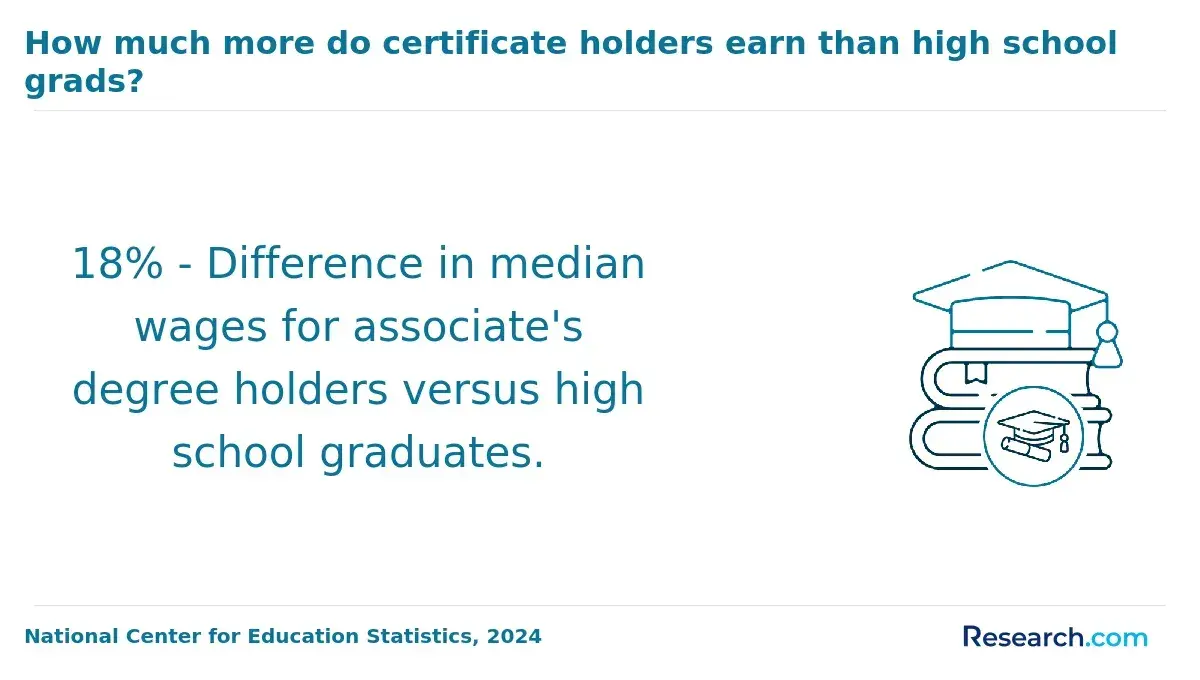
Degree completion rates in medical office administration vary significantly by program format, with fully online formats typically showing the lowest persistence. Recent findings from the National Center for Education Statistics indicate completion rates for fully online programs range from 40% to 60%, largely due to limited direct interaction, challenges in maintaining disciplined study routines, and competing external responsibilities like work or family.
Hybrid programs strike a balance, combining up to 75% completion rates by offering both flexibility and periodic face-to-face engagement that supports accountability and application of practical skills. Campus-based formats lead with completion rates often exceeding 75%, benefiting from structured schedules and immediate access to resources, though this environment can be impractical for learners juggling complex life demands.
These variations underscore the importance of aligning program choice with individual circumstances rather than assuming one format is inherently easier. For example, a working parent might find fully online courses more accessible in scheduling but may struggle to stay motivated without regular personal interaction, whereas a traditional student on campus may thrive with direct support but face inflexibility in managing non-academic commitments. The hybrid model often suits those seeking balance but requires the discipline to navigate both online and in-person components effectively.
One graduate recalls enrolling in an online medical office administration program while managing two part-time jobs and homeschooling young children. The initial appeal was flexibility, yet the lack of live discussions led to feelings of isolation and frequent procrastination. She switched to a hybrid program midway, finding the scheduled in-person sessions helped her stay focused and clarify difficult material. Despite ongoing challenges juggling responsibilities, the hybrid structure ultimately enabled her completion, illustrating how program format can deeply affect persistence depending on personal context.
How Does Each Medical Office Administration Learning Format Affect Student Success?
Student success in medical office administration programs depends largely on how well a chosen learning format fits an individual's study habits, time constraints, and life responsibilities rather than the modality itself. For example, a working parent may thrive in a hybrid program that balances online flexibility with scheduled in-person sessions, while a recent high school graduate might benefit more from the structure of a campus-based program.
Recognizing the unique demands and advantages of online, hybrid, and campus formats is essential for maximizing degree completion. The following points highlight key ways these formats impact student outcomes:
- Engagement and Accountability: Campus programs typically foster higher student interaction through regular face-to-face contact, increasing accountability and timely academic support. Online learners often face challenges maintaining motivation without structured routine, making self-discipline crucial for success in fully remote settings.
- Flexibility Versus Structure: Online formats offer unmatched scheduling flexibility, benefiting those balancing work or family; however, this can extend time to graduation if students struggle to establish consistent study habits. Hybrid models try to merge flexibility with periodic structure, which can aid in steady progress.
- Support Services Accessibility: Institutions offering robust virtual tutoring, career counseling, and interactive technology tend to see improved retention in online and hybrid programs. Without such supports, fully remote students may feel isolated, increasing dropout risk.
- Academic Performance Outcomes: Recent data from the National Student Clearinghouse Research Center in 2024 reports that hybrid students sometimes outperform those solely on campus, suggesting that strategic blending of delivery methods can optimize learning efficiency and retention.
- Student Demographics and Life Circumstances: Online programs attract many non-traditional students who juggle multiple responsibilities. Their success often relates more to resource availability and time management skills than the format itself.
- Peer Interaction and Networking Opportunities: Campus environments facilitate informal peer support and professional networking, which can enhance learning and career pathways. Online students need deliberate efforts to connect with classmates to gain similar benefits.
- Technology Proficiency Requirements: Online and hybrid students must be comfortable with digital tools, which can be a barrier or advantage depending on prior experience. Mastery of these platforms is critical for accessing course materials and completing assignments efficiently.
How Does Enrollment Status Affect Medical Office Administration Completion Rates?
Enrollment status is one of the most crucial factors influencing completion rates in medical office administration programs. Its impact extends beyond simply the number of courses a student takes each term; it hinges on how enrollment pace aligns with individual circumstances, such as work commitments and personal responsibilities.
Recognizing this interplay helps prospective students select a path that balances feasibility with timely progression. The following key points illustrate how enrollment status shapes degree completion outcomes:
- Time Commitment and Focus: Full-time students typically benefit from dedicating consistent hours to coursework, which supports sustained engagement and quicker fulfillment of degree requirements. Part-time students managing external obligations often face fragmented study periods, making steady progress more challenging.
- Structured Support and Environment: Campus-based full-time enrollment often provides streamlined access to academic advising, peer networks, and on-site resources, enhancing persistence. Part-time or online learners may need to proactively seek such supports to compensate for reduced immersion.
- Balancing Work and Study Demands: Part-time enrollment suits students juggling jobs or family care, but extended duration increases exposure to dropout risk. Full-time attendance reduces external pressures but is feasible only for those with fewer competing responsibilities.
- Motivational Dynamics in Online Formats: Part-time online students benefit from flexibility but may encounter decreased structure and accountability, negatively affecting completion. Enhanced advising and peer programs can improve outcomes for these learners but do not fully close the graduation gap compared to full-time peers.
- Program Pacing and Progress: Part-time students often take longer to graduate, affecting employability timelines. Full-time students generally complete faster, which may lead to earlier workforce entry, though this depends on individual energy and resource availability.
- Financial and Opportunity Tradeoffs: Full-time education may entail higher short-term costs but can reduce total time invested, while part-time enrollment allows income continuation but potentially prolongs financial commitments to education.
- Individual Readiness and Discipline: Success hinges on realistic self-assessment of one's capacity to maintain study momentum; students who overestimate their availability may stall, regardless of enrollment status.
Data from recent national educational research indicates that full-time medical office administration students complete their degrees at rates approximately 30-40% higher than part-time students across online, hybrid, and campus programs. Yet this metric alone doesn't define the best choice, as factors like part-time enrollment with robust support systems can substantially improve persistence. Prospective students should weigh their unique responsibilities and preferred learning environments rather than relying solely on generalized completion statistics.
Those selecting part-time pathways might explore programs designed with clear pacing and enhanced advising. For others who can commit to full-time enrollment, especially in campus or hybrid formats, statistical outcomes favor faster degree completion and concentrated skill acquisition. Given the complex tradeoffs, aligning enrollment choices with personal and professional realities optimizes the chances of timely success in medical office administration.
For individuals considering further healthcare education options, examining the fastest online master's in healthcare administration can also provide insight into accelerated learning formats and their associated completion trends.
Can Transfer Credits Improve Medical Office Administration Degree Completion?
Transfer credits can meaningfully accelerate degree completion in medical office administration by eliminating repetitive coursework and reducing total credits needed. Students entering with prior college classes, military training, or professional certifications often benefit most, as they can focus on new or advanced material rather than repeating fundamentals. For example, data from the 2024 National Student Clearinghouse Research Center shows students utilizing transfer credits from accredited institutions graduate up to 22% faster than those starting from scratch. This faster path not only cuts costs but can improve motivation to finish programs on time.
However, the impact of transfer credits varies considerably depending on each program's curriculum and institutional policies. Competency-based or highly structured campus programs may restrict credit acceptance to maintain academic rigor and accreditation standards, potentially lengthening time to finish but ensuring deeper skill development. Conversely, online and hybrid programs often offer more flexible transfer evaluations, which can help working adults balance school with other responsibilities and improve completion rates, as reflected by a 7% higher graduation rate among institutions with generous online transfer policies reported by the U.S. Department of Education's 2024 IPEDS data.
Transfer credits do not automatically speed up graduation for all students. Evaluation delays and unclear articulation agreements may cause uncertainty or pause progress, especially if students don't receive timely and accurate credit assessments. For prospective learners, a practical approach involves requesting an official transfer credit evaluation before enrollment, comparing applicable credits against program requirements, and realistically assessing how the remaining coursework fits their schedule. This informed review helps determine whether transferring credits aligns with their pace and career goals or if starting fresh in a particular format might offer better preparation.
Ultimately, while transfer credits frequently improve degree completion odds by shortening study time and reducing redundancy, they represent just one factor among many. Students must weigh credit transfer benefits against program structure, advising support, and personal circumstances to make strategic decisions that best position them for success in medical office administration.
What Student Support Services Improve Medical Office Administration Completion Rates?
Completion rates in medical office administration programs vary notably depending on the delivery format, but student support services emerge as a decisive factor across all modalities. While campus-based programs benefit from direct interpersonal interactions, online and hybrid formats rely heavily on digital resources to bolster persistence.
Data from the U.S. Department of Education in 2024 indicates institutions with comprehensive support infrastructures see a 10-15% increase in graduation rates, underscoring the critical role these services play. The following list outlines key support mechanisms shown to enhance degree completion:
- Tailored Academic Advising: Personalized guidance aligned with each student's schedule and career aims helps maintain focus and resolve academic challenges early, especially important for non-traditional learners balancing multiple responsibilities.
- Accessible Mental Health Resources: Ready availability of counseling services addresses stress and isolation, common barriers, particularly in online programs where students lack daily peer and instructor engagement.
- Proactive Risk Alerts: Automated notifications about falling behind or nearing critical academic thresholds enable timely interventions, preventing minor issues from derailing overall progress.
- Hybrid Model Community Building: Offering periodic in-person sessions within hybrid programs fosters accountability and peer support, blending structure with flexibility to better accommodate varied learning styles.
- Comprehensive Career Services: Early integration of career counseling and skill workshops reinforces motivation by linking coursework to tangible employment outcomes, which sustains student commitment through program completion.
- Robust Virtual Tutoring: On-demand academic assistance through online platforms mitigates the challenge of limited real-time support, filling gaps that otherwise contribute to attrition in remote learners.
- Advanced Learning Management Systems: Technology that streamlines access to course materials, forums, and instructor interaction enhances engagement and prevents students from feeling disconnected or overwhelmed.
An online medical office administration graduate recalled starting her program unsure about managing work and family while studying remotely. She found that routine check-ins with an academic advisor who understood her constraints made a tangible difference, helping her set realistic goals each term. Coupled with timely email alerts about missing assignments, this structure reduced the anxiety of "falling behind." Mental health services also proved crucial when she faced personal stress, providing confidential support that kept her on track.
Reflecting back, she recognized that no single resource guaranteed her success but rather the combined, accessible network of support tailored to her non-traditional circumstances ultimately enabled her to persist and graduate.
How Do Medical Office Administration Completion Rates Affect Career Outcomes?
Completion rates for medical office administration programs are a critical factor shaping graduates' career trajectories. Completing the degree not only validates a candidate's knowledge and skills but also significantly improves access to employment and advancement opportunities.
Students who persist and finish their programs, whether online, hybrid, or campus-based, generally experience better career growth, although the mode of study can influence completion likelihood and, subsequently, professional outcomes. Below are key ways in which finishing a medical office administration degree can affect career success:
- Enhanced employability and immediate workforce entry: Graduating signals to employers a candidate's commitment and preparedness. Higher completion rates correlate with stronger employment prospects. For example, campus-based programs often yield the highest completion rates due to immersive learning and resources, benefiting students seeking faster workforce entry. This advantage is especially crucial when labor market conditions favor degree holders for administrative roles.
- Improved earnings and promotion potential through demonstrated proficiency: Completion is increasingly viewed by employers as evidence of dedication and competence. According to data from 2024, medical office administration graduates with completed degrees tend to secure better-paying jobs and faster promotions, though real-world results depend also on work experience and performance. Students balancing work or family might find hybrid formats helpful in sustaining momentum toward graduation.
- Access to advanced education and specialized training opportunities: Degree completion serves as a prerequisite for graduate studies. Longitudinal research shows completed bachelor's degrees significantly increase the likelihood of enrolling in graduate programs, which in turn can open leadership and niche career tracks. For individuals interested in roles requiring certification or specialization—such as those highlighted in NASP approved online school psychology programs—completion is essential.
How Should Students Choose the Best Medical Office Administration Learning Format?
Choosing the best medical office administration program format goes beyond simply selecting between online, hybrid, or campus options. The National Center for Education Statistics and recent studies from the Education Research Institute show that individual student circumstances and preferences strongly determine degree completion success.
For example, an adult working full-time with family obligations may thrive in a flexible online setting, while a recent high school graduate might benefit from immersive campus experiences. Here are key factors to consider when choosing a format for completing a medical office administration degree:
- Time management and flexibility needs: Students balancing work or caregiving responsibilities often perform better in online or hybrid programs that allow asynchronous study, helping sustain momentum over time. Campus programs require strict schedules that may conflict with external commitments, increasing dropout risk for some.
- Learning style and interaction preferences: Those who learn best through direct engagement and immediate feedback may find hybrid or campus formats more effective, as fully online learners can face challenges with limited real-time interaction and self-discipline.
- Access to hands-on practical training: Medical office administration fields often demand experiential components that are easier to complete on campus or through hybrid models offering in-person clinical or lab work, directly impacting employability.
- Financial and logistical considerations: Campus attendance can add commuting and housing costs, which may strain non-traditional students. Online formats reduce these burdens but sometimes at the expense of resource availability and networking.
- Support systems and motivation: Research indicates students with strong academic advising and peer support networks—more commonly found in campus and hybrid programs—tend to complete degrees at higher rates.
- Career goals and credential recognition: Students should ensure their chosen format meets industry expectations and prepares them adequately for certification exams and job requirements within medical office administration professions.
- Program accreditation and quality: Verifying accreditation status is vital; for those seeking flexible options, consider programs like the accredited online bachelors in sociology as an example of how online degree quality can meet rigorous standards.
Ultimately, success in choosing online hybrid or campus medical office administration degree paths depends on aligning format strengths with individual life context. Recognizing these nuanced trade-offs helps prospective students commit to an option they can realistically sustain, maximizing their chances of completion and employment readiness.
What Are the Long-Term Pros and Cons of Each Medical Office Administration Learning Format?
Choosing how to complete a medical office administration degree involves weighing long-term advantages and challenges tied to online, hybrid, and campus formats. These options differ significantly in flexibility, engagement, and career readiness, affecting graduation success and post-completion outcomes. The following points highlight key considerations for students deciding which path aligns best with their personal and professional circumstances.
- Flexibility and Accessibility: Online formats excel in offering flexible schedules ideal for working adults or those with family commitments, though they may increase dropout risk due to less peer interaction. Hybrid programs blend this flexibility with periodic in-person support, while campus formats provide immersive access but often pose geographic and time barriers.
- Completion and Retention Rates: Campus programs traditionally have the highest completion rates due to structured environments and immediate faculty access. Hybrid models show better retention than online-only, likely because of combined face-to-face engagement and remote convenience.
- Hands-On Skill Development: Campus and hybrid formats better foster practical medical office skills through direct practice and real-time feedback, whereas purely online programs might limit experiential learning unless supplemented by in-person modules.
- Career Networking Opportunities: Students on campus benefit from robust local employer connections and peer networks, boosting job placement. Hybrid formats maintain some of these ties, while online students may need to proactively build networks virtually.
- Long-Term Career Outcomes: Data from the National Center for Education Statistics (2024) show campus-trained graduates often secure employment faster locally. However, advances in online training technology are narrowing this gap, especially for hybrid learners.
- Suitability for Different Learners: Self-motivated students balancing multiple priorities often thrive in online programs, while those seeking structured guidance or hands-on experience may prefer hybrid or campus paths.
References
- Find Canada's Best Medical Office Administration Courses | CourseCompare.ca https://www.coursecompare.ca/subject/medical-office-administration-course/
- Medical Office Administration; an Amazing Career after Recalling Following Six Factors https://bayrivercolleges.ca/medical-office-administration-an-amazing-career-after-recalling-following-six-factors/
- Pros and Cons of Being a Medical Office Assistant https://careercitycollege.ca/blog/pros-and-cons-of-being-a-medical-office-assistant/
- 3 Accounting Tips for Those in Medical Office Admin Training https://medixcollege.ca/Home/NewsArticle/3-accounting-tips-for-those-in-medical-office-admin-training/
- Office Administration – Health Services (Online) - Loyalist College https://loyalistcollege.com/program/office-administration-health-services-online/
- Business Office Admin - Medical Office Concentration https://www.cltcc.edu/programs-and-courses/business-office-administration-medical-office-concentration
- Medical Office Administration https://slchc.edu/academics/programs/medical-office-administration/
- Medical Office Administration | Free Online Course | Alison https://alison.com/course/medical-office-administration
- Medical Office Administration ǀ Sandhills Community College https://www.sandhills.edu/programs/health-sciences/med-office-admin.html
- Healthcare Administration Degree Online Guide - Healthcare Administration Degree Programs https://www.healthcare-administration-degree.net/healthcare-administration-degree-online-guide/
Other Things You Should Know About Medical Office Administration
While online programs offer greater schedule flexibility, this often comes with increased risk of reduced accountability, which can lower completion rates. Students juggling work and family may benefit from online formats but must self-motivate more rigorously than in campus or hybrid settings. Therefore, those without strong time management skills or external discipline might find campus or hybrid programs better for fostering steady progress and completion.
Medical office administration relies heavily on hands-on learning, like medical coding and office software, that online formats struggle to fully replicate. Hybrid and campus programs offer more direct access to labs and supervised practice, which supports skill acquisition and engagement crucial for persistence. Prospective students who prioritize practical training should weigh hybrid or campus options more heavily if that influences their ability to complete and gain marketable skills effectively.
Employers often value demonstrated practical experience, which campus or hybrid programs facilitate through internships and face-to-face training; this practical exposure can motivate students to complete their degrees. Online students may need to seek out additional work or practicum experiences on their own, adding to their workload. Students who aim for seamless transition into employment should consider how each format aligns with workforce expectations and may prioritize hybrid or campus programs accordingly.
Peer support and instructor feedback are critical in overcoming challenges in coursework and staying on track, factors more naturally integrated in campus and hybrid formats. Online programs often lag in providing real-time interaction, which can increase feelings of isolation and lower completion likelihood. Students who require more direct engagement should lean toward hybrid or campus programs to maintain motivation and clarity throughout their studies.