2027 Medical Office Administration Skills Gap Analysis: What Employers Want vs What Degree Programs Teach

Co-Founder and Chief Data Scientist
Recent graduates with a medical office administration degree often find themselves ill-prepared for the realities of the job market. Employers report gaps in essential skills such as advanced electronic health record management, effective communication within healthcare teams, and up-to-date billing procedures. This disconnect can leave candidates struggling to meet employer expectations despite their formal education.
Prospective students face a similar dilemma when choosing programs that may emphasize theory over practical skills. Without clear insight into employer priorities, they risk investing time and money in training that does not fully equip them for workforce demands.
This article examines the skills gap between what medical office administration degree programs teach and what employers require, offering guidance to bridge that divide and enhance career readiness.
Key Things to Know About Medical Office Administration Skills Gap
- Employers increasingly expect proficiency in electronic health records and data privacy beyond basic administrative tasks, yet many medical office administration programs underemphasize these, leading to onboarding delays.
- Graduates often must develop advanced communication and multitasking skills on the job, reflecting a skills gap where classroom training lacks the dynamic patient interaction realities common in practice.
- Students improving career readiness should seek internships emphasizing workflow software and compliance training, as 62% of 2024 employers report these significantly boost graduate employability.
- Key Things to Know About Medical Office Administration Skills Gap Key Things to Know
- What Skills Do Employers Expect From Medical Office Administration Graduates? Employer Expectations
- What Do Medical Office Administration Degree Programs Typically Teach? Program Curriculum
- Where Is the Biggest Skills Gap Between Medical Office Administration Programs and Employers? Biggest Skills Gap
- Which Technical Skills Are Most Important for Medical Office Administration Careers? Technical Skills
- Which Workplace Skills Matter Beyond Technical Knowledge? Workplace Skills
- How Do Internships and Real-World Experience Improve Career Readiness? Career Experience
- How Can Students Close the Medical Office Administration Skills Gap Before Graduating? Closing Skills Gap
- How Is the Medical Office Administration Job Market Changing Employer Skill Requirements? Changing Skill Requirements
- How Do Different Medical Office Administration Programs Compare in Career Preparation? Career Preparation Differences
- How Should Students Choose a Medical Office Administration Program That Builds Career-Ready Skills? Choosing a Program
What Skills Do Employers Expect From Medical Office Administration Graduates?
Employers looking to hire graduates in medical office administration increasingly expect a sophisticated mix of technical knowledge and interpersonal skills to meet the multifaceted challenges of healthcare environments. Labor market research in 2024 from LinkedIn and Lightcast consistently shows high demand for both digital competencies and professional communication.
Nearly 70% of job postings emphasize proficiency in electronic health records (EHR) and billing systems as baseline requirements, reflecting a shift toward more technologically integrated workflows. However, beyond technical skills, real-world scenarios often require graduates to interpret patient data accurately while simultaneously managing front-desk interactions, highlighting the need for multitasking and emotional intelligence.
Below are essential medical office administration skills for employers frequently cited across various healthcare settings.
- Electronic Health Record Management: Employers prioritize graduates who can navigate EHR software efficiently, ensuring precise and timely documentation. Hands-on training during clinical practicums helps students develop this skill, which minimizes errors and supports compliance with healthcare regulations.
- Advanced Communication Abilities: Effective verbal and written communication is crucial for coordinating with providers, insurance companies, and patients. Programs that embed simulated patient interactions and report writing enhance graduates' capacity to convey complex information clearly and compassionately.
- Organizational Dexterity: Managing appointment scheduling, billing workflows, and patient files simultaneously demands exceptional organizational skills. Realistic internships encourage students to refine task prioritization and workflow management, which are essential for avoiding administrative backlogs.
- Adaptability to Healthcare Technology: With the rapid adoption of telehealth and new compliance software, graduates must stay flexible and quickly learn emerging tools. Exposure to up-to-date platforms during coursework prepares students for continuous technological shifts.
- Regulatory Knowledge and Compliance: Understanding HIPAA and other privacy laws is fundamental. Employers expect graduates to consistently safeguard patient data, a competency often reinforced through targeted coursework and practical assessments.
- Emotional Intelligence and Patient Interaction: Handling sensitive health information and patient concerns requires empathy and professionalism. Strong customer service orientation learned through role-playing scenarios helps graduates maintain positive patient experiences under pressure.
- Critical Problem Solving: Employers value graduates who can promptly address administrative errors or patient scheduling conflicts. Practical exposure to real-world problems in training programs fosters proactive thinking and effective resolution skills.
Integrating these capabilities aligns with the top competencies employers seek in medical office graduates, equipping students to meet both current and evolving healthcare operational demands. For those looking to accelerate this readiness, exploring options like accelerated medical assistant programs can offer focused, outcome-driven pathways.
What Do Medical Office Administration Degree Programs Typically Teach?
Medical office administration degree programs are designed to build foundational skills that align closely with the essential functions of healthcare environments. Rather than focusing on abstract theories, these programs emphasize practical abilities that prepare students for real-world demands such as scheduling, billing, and regulatory compliance.
Curriculum trend analyses by the U.S. Department of Education's National Center for Education Statistics in 2024 reveal that most programs maintain a core structure centered on administrative efficiency combined with healthcare-specific knowledge. Still, the extent of hands-on training and technology integration varies significantly and can influence both program completion and career readiness.
The following areas represent key competencies typically emphasized in medical office administration degree curriculum overviews.
- Administrative Competencies: Programs focus on developing skills in office management, appointment coordination, and customer service, essential for maintaining smooth clinic operations. These skills form the backbone of daily responsibilities and support workflow continuity.
- Healthcare Regulations: Instruction covers legal frameworks such as HIPAA compliance and other healthcare-related laws to ensure graduates understand privacy and regulatory obligations. Familiarity with these requirements minimizes organizational risk and supports ethical practice.
- Medical Terminology: Learning basic medical vocabulary and concepts is crucial for effective communication with clinical staff, patients, and insurers. Mastering terminology aids in accurate documentation and reduces errors.
- Electronic Health Records (EHR) Management: Students gain experience using software systems to manage patient data securely and efficiently. Given the digital shift in healthcare, proficiency in EHR is increasingly indispensable and recommended by accreditation standards.
- Billing and Coding Practices: Programs teach standard procedures for processing claims and managing accounts receivable, preparing students for responsibilities that directly impact organizational revenue cycles.
- Practicum Experiences: Many programs include internships or externships to expose students to clinical environments where they apply theory to practice. However, variability in these experiences can affect workforce readiness significantly depending on placement quality.
- Emerging Technology Literacy: While still underrepresented, some curricula integrate telemedicine scheduling and advanced management software, reflecting gradual adaptation to evolving healthcare delivery models.
The integration of core skills taught in medical office administration programs with experiential learning strongly impacts a graduate's practical readiness. For those comparing formats, programs featuring structured practicum components and up-to-date technological training often increase the likelihood of career alignment.
The existence of an accelerated degree program option highlights that some institutions also cater to motivated learners seeking streamlined pathways without sacrificing essential competencies.
Where Is the Biggest Skills Gap Between Medical Office Administration Programs and Employers?
Recent employer feedback reveals a consistent mismatch between medical office administration programs and real-world job demands. A 2024 survey from the Medical Administrative Professionals Association found that over 60% of employers believe new graduates lack the advanced skills needed for efficient office operations. This gap stems partly from curricula focusing more on foundational knowledge than applied skills tailored to evolving workplace technologies and interpersonal complexities.
Below are core areas where graduates often face challenges and actionable strategies to close these gaps before entering the workforce.
- Advanced Technology Proficiency: Graduates typically receive basic training on electronic health records (EHR) and telehealth platforms, but employers expect hands-on command of specific software integrations and troubleshooting. This disparity can slow onboarding and impact billing accuracy. Students can bridge this gap through internships or certifications in popular EHR systems to gain practical expertise beyond theoretical instruction.
- Real-World Communication Skills: Programs often include communication theory but lack immersive scenarios requiring emotional intelligence and conflict management under pressure. New hires frequently need additional coaching to navigate sensitive patient interactions effectively. Participating in role-playing exercises or volunteer opportunities in diverse healthcare settings helps develop these situational skills.
- Regulatory and Compliance Understanding: Though HIPAA and healthcare policies are covered academically, graduates miss applied training that reinforces legal and ethical responsibilities in daily tasks. This can result in costly mistakes or compliance risks. Engaging in case-based workshops or shadowing compliance officers offers better readiness for practical enforcement of regulations.
One recent graduate recalled feeling overwhelmed during their first weeks on the job when asked to manage complex EHR workflows alongside patient inquiries. Despite solid classroom knowledge, the graduate hesitated when unfamiliar software errors arose.
They quickly realized the importance of hands-on experience and promptly enrolled in specialized EHR certification to improve confidence and efficiency. This blend of classroom and field learning markedly reduced the stress of early career transitions and increased their value to the employer within months.
Which Technical Skills Are Most Important for Medical Office Administration Careers?
Technical skills serve as the bridge between academic theories and real-world applications in medical office administration. As healthcare practices evolve alongside rapid technological advancements, the skill sets employers prioritize also shift, reflecting changes in regulatory demands, software adoption, and patient care models.
Students and career changers must recognize that possessing up-to-date technical competencies not only enhances immediate workforce readiness but also supports adaptability over time. Research from the National Health Career Association in 2024 emphasizes that nearly 70% of employers require proficiency in specific healthcare technologies upon hiring.
Below are key technical skills that consistently underpin successful careers in this field.
- EHR management: Mastery of electronic health records platforms like Epic, Cerner, or Meditech is foundational. This skill enables accurate patient data entry, retrieval, and privacy compliance, often gained through hands-on training and internships. EHR expertise reduces administrative errors and safeguards health information, pivotal for career stability.
- Medical coding proficiency: Familiarity with ICD-10 and CPT coding systems is critical for ensuring the accuracy of insurance claims and billing processes. Coursework combined with certification prep typically sharpens this ability, which directly impacts an organization's revenue cycle and compliance with payer requirements.
- Practice management software: Skills in scheduling and insurance verification through platforms like Athenahealth or Kareo streamline daily operations. Developing this competence in training environments prepares graduates to juggle multiple administrative tasks efficiently, improving patient flow and office productivity.
- Data privacy and HIPAA compliance: Understanding regulations that protect patient confidentiality is indispensable. Training that integrates legal and ethical standards fortifies a candidate's reliability, a non-negotiable aspect in healthcare organizations sensitive to data breaches and audits.
- Telehealth technology: Comfort with virtual communication tools and remote patient monitoring systems has become increasingly important as telemedicine expands. Experience gained through simulated telehealth scenarios equips candidates to manage evolving patient interaction channels.
- Basic IT troubleshooting: The ability to resolve common technical issues supports smoother office operations and reduces downtime. Practical exposure during educational programs helps build this troubleshooting mindset, which also fosters independence and problem-solving skills.
For example, a medical office administrator proficient in both EHR systems and telehealth platforms can seamlessly coordinate a patient's in-person and virtual visits, ensuring accurate documentation and billing without delays, demonstrating how integrated technical skills translate into tangible workflow efficiencies. While skill demands may vary by employer or setting, these core competencies remain essential across much of the sector's hiring landscape.
Which Workplace Skills Matter Beyond Technical Knowledge?
Success in a medical office administration career hinges on more than just technical skills like coding or billing. Employers seek graduates who can navigate complex, dynamic healthcare settings with strong interpersonal and problem-solving abilities. Technical knowledge is foundational, but workplace effectiveness increasingly depends on professional competencies that facilitate communication, coordination, and adaptability.
This reflects a critical reality: a medical office administrator's role involves constant interaction with patients, clinical staff, and insurers where errors or delays can have significant consequences. The National Consortium for Health Science Education reports that employers emphasize these soft skills due to their direct impact on operational accuracy and efficiency.
Below are key skills beyond technical knowledge that medical office administration graduates should cultivate.
- Effective Communication: Communication proficiency-both verbal and written-is paramount for clear, compassionate patient interaction and accurate information exchange with healthcare providers and insurers. Strengthening this skill through role-playing exercises, professional writing assignments, or internships sharpens clarity and reduces costly misunderstandings.
- Critical Thinking: Handling unexpected challenges like policy shifts or software upgrades requires strong analysis and decision-making skills. Incorporating case studies and problem-solving projects during coursework helps build flexibility and sound judgment under pressure.
- Adaptability: Healthcare regulations and office technology evolve rapidly, demanding agility from administrators. Experiential learning opportunities allow students to practice adjusting workflows and priorities, preparing them for the realities of a fast-paced medical environment.
- Time Management: The ability to juggle appointment schedules, billing cycles, and patient records without errors is essential. Coursework emphasizing organizational techniques and real-world scheduling simulations supports development of this crucial competency.
- Team Collaboration: Seamless coordination across clinical, administrative, and insurance departments depends on cooperative teamwork. Group projects and interprofessional workshops within the program encourage collaborative skills and build professional rapport.
- Organizational Skills: Managing voluminous records and regulatory documentation requires meticulous attention to detail. Practical exercises in electronic health record management enhance these skills, leading to higher accuracy and compliance.
- Professionalism and Ethical Judgment: Navigating sensitive patient information mandates a strong ethical framework and discretion. Ethics coursework and supervised practice foster integrity and trustworthiness valued in all healthcare settings.
These competencies align closely with employer expectations for medical office administration soft skills for employers. According to the American Health Information Management Association's 2024 workforce survey, over 70% of healthcare employers rate communication and problem-solving abilities as critical hiring criteria.
Prospective students should recognize that strengthening these skills through internships or simulated practice is vital to enhance employability and career longevity. For those exploring educational pathways, examining what is the easiest RN to BSN online program may provide insights into how professional competencies integrate with technical learning in healthcare education broadly.
How Do Internships and Real-World Experience Improve Career Readiness?
Classroom instruction in medical office administration often provides essential theoretical frameworks but falls short of fully preparing students for the unpredictable realities of healthcare settings. Real-world experiences such as internships allow students to translate academic knowledge into practical skills, enhancing their ability to navigate patient communications, manage electronic health records, and respond to workflow interruptions.
For example, a student who has only learned about scheduling systems in class may struggle during a busy office day without prior hands-on exposure, whereas an internship cultivates confidence and adaptive problem-solving by placing students in authentic clinical environments.
Internships and similar experiential learning opportunities strengthen technical competencies and professional communication, while familiarizing students with workplace culture and expectations. They also facilitate networking and informed career decision-making, helping individuals assess which roles or settings suit their strengths and interests.
However, access to these experiences and their quality can vary significantly among programs and healthcare sectors, making it crucial for students to actively seek structured placements that emphasize both routine and complex administrative functions to foster meaningful growth.
Evidence from a 2024 National Center for Education Statistics report reveals that medical office administration graduates with internship experience are 35% more likely to secure employment within six months post-graduation than those without.
To maximize these benefits, students should pursue internships early, engage deeply with applied tasks, cultivate professional relationships, and reflect on their learning to connect workplace insights with career goals. While internships markedly boost career readiness, their full value emerges when combined with solid academic achievement, continuous skill refinement, and proactive career planning.
How Can Students Close the Medical Office Administration Skills Gap Before Graduating?
Students do not have to wait until graduation to develop the practical skills employers demand in medical office administration. Actively engaging in real-world learning alongside coursework accelerates readiness for clinical office roles and significantly improves hireability. Early exposure to workplace technologies and protocols bridges the common disconnect between academic theory and daily operational needs.
The following strategies offer targeted ways to build relevant competencies while still in school.
- Internship Participation: Securing an internship provides immersive experience with electronic health records, billing systems, and patient interactions. According to the National Association of Colleges and Employers 2024 Job Outlook Survey, graduates with internship experience are 30% more likely to find employment within six months, highlighting internships as crucial for practical skill acquisition and employer recognition.
- Hands-On Software Training: Beyond basic classroom use, mastering industry-standard healthcare management software during internships or lab sessions solidifies technical proficiency. Employers prioritize candidates who can efficiently navigate electronic record systems and scheduling platforms, reducing onboarding time and errors.
- Project-Based Learning: Engaging in interdisciplinary projects related to workflow optimization and compliance builds analytical and problem-solving skills. Such involvement, emphasized by recent American Association of Colleges of Nursing findings, enhances systems-thinking essential for innovating administrative processes in medical offices.
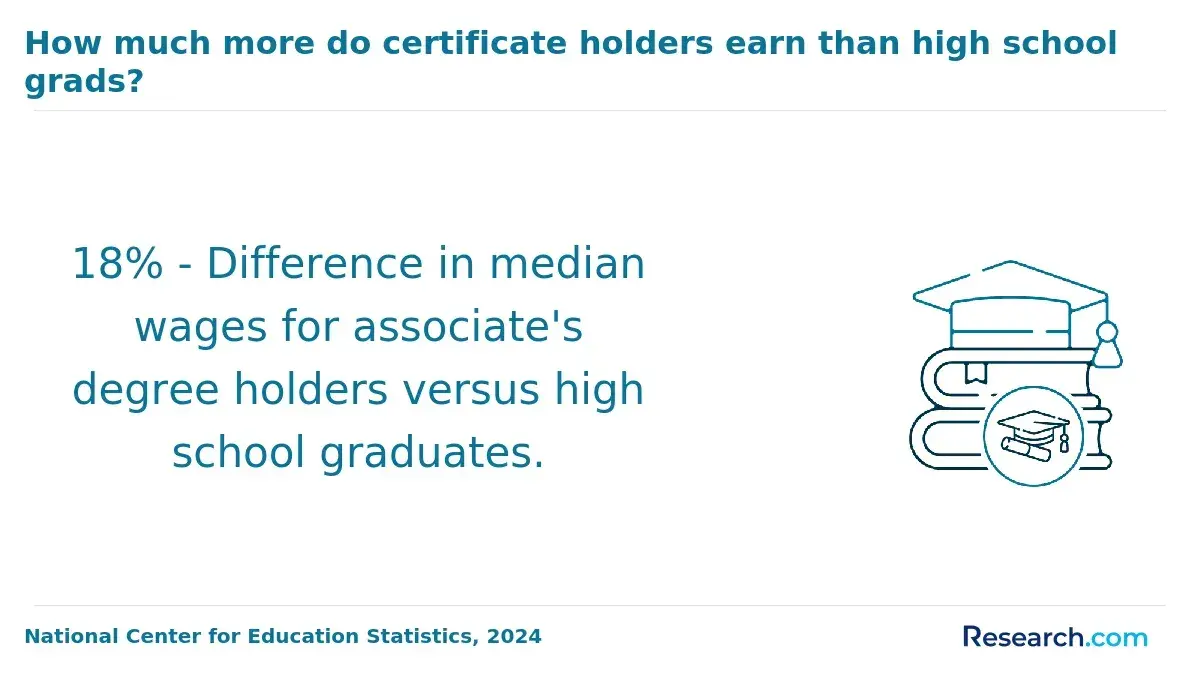
- Professional Certifications: Earning credentials like the Certified Medical Administrative Assistant (CMAA) or Certified Healthcare Administrative Professional (CHAP) signals validated competency. Labor statistics from 2024 demonstrate these certifications correlate with increased wages and faster career progression, reinforcing their value beyond classroom achievements.
- Developing Soft Skills: Building adaptability, communication, and teamwork through group assignments and workplace settings prepares students for the interpersonal dynamics common in clinical environments. These attributes complement technical skills and are frequently cited by employers as critical gaps among new graduates.
- Undergraduate Research: Participating in research relevant to healthcare administration encourages critical thinking and familiarity with regulatory standards. This experiential approach promotes deeper insight into quality assurance and operational efficiencies.
- Networking and Mentoring: Connecting with healthcare professionals through alumni networks or campus programs opens doors to advice and job leads. Early mentorship can guide students on skill priorities and realistic workplace expectations, smoothing the transition from student to employee.
A recent graduate recalls hesitating to apply for an internship due to balancing school and part-time work but chose to commit after learning that hands-on experience was a decisive factor in job offers. During the placement, they encountered authentic challenges like navigating unfamiliar billing software and handling sensitive patient information under supervision.
This real-world exposure built confidence and led to a job offer shortly after finishing the program. Reflecting on that choice, the graduate noted that prioritizing experiential learning alongside academics was instrumental in closing the skills gap and easing entry into the healthcare administrative workforce.
How Is the Medical Office Administration Job Market Changing Employer Skill Requirements?
Rapid advancements in technology, automation, and regulatory shifts are reshaping the medical office administration job market, driving demand for a more complex skills profile. According to LinkedIn Economic Graph data in 2024, employers increasingly prioritize expertise in electronic health record systems, telehealth coordination, and data privacy compliance over traditional office tasks like scheduling or basic billing.
For example, a new medical office administrator may be expected to troubleshoot EHR software issues while ensuring strict HIPAA adherence during virtual patient visits—tasks that require both technical fluency and regulatory knowledge. This evolution reflects broader changes in healthcare delivery models and increasing reliance on digital health platforms.
The changing employer skill requirements in healthcare administration now blend advanced technical capabilities with strong interpersonal and problem-solving skills. Emotional intelligence and adaptability are crucial as office staff engage more directly with patients navigating complex care pathways.
Lightcast's labor market insights highlight that continuous learning and real-world experience, such as internships or applied projects, are becoming essential complements to academic credentials. Graduates who supplement foundational coursework with certifications, networking, and hands-on practice position themselves more competitively amid rising expectations.
Prospective and current students should recognize that aligning with evolving workforce trends involves ongoing skill development rather than one-time degree completion. Combining core medical office administration knowledge with practical exposure and digital literacy can bridge gaps between traditional program curricula and employer needs.
For those exploring how this adaptation applies across fields, resources on what jobs can you get with a bioinformatics degree offer insight into parallel industry transformations and credential strategies.
How Do Different Medical Office Administration Programs Compare in Career Preparation?
Career preparation in medical office administration depends on more than the degree title alone; it hinges on how effectively a program bridges classroom learning with real workforce demands.
Recent data from the National Center for Education Statistics (2024) show that programs integrating experiential components like internships consistently achieve higher graduate employment rates in healthcare settings. However, differences in curriculum focus, technology training, and industry connections can significantly affect how ready graduates are to meet employer expectations.
Below are critical factors to weigh when comparing medical office administration program comparisons in career readiness.
- Experiential Learning Integration: Programs that incorporate practical internships, live project work, or simulation training help students develop hands-on skills. These components provide exposure to real-world clinical environments and electronic health record (EHR) systems, improving job readiness. Prospective students should question the availability and quality of such opportunities in curricula.
- Current Industry Software and Compliance: Employer demand increasingly centers on proficiency with up-to-date health informatics, coding accuracy, and regulatory compliance. Programs vary widely in their coverage of contemporary EHR software and billing protocols, which affects graduate preparedness. Evaluating course content relevance to ongoing healthcare regulatory changes is crucial.
- Accreditation and Industry Alignment: Accreditation by recognized bodies often signals a curriculum aligned with workforce needs and evolving healthcare standards. Programs with strong employer partnerships and recognized credentials tend to offer deeper insights into billing procedures and patient communication. Accreditation status should be a benchmark in program comparisons.
- Soft Skills Development: Communication, problem-solving, and interdisciplinary teamwork are essential yet often underserved areas. Graduates commonly report a need for additional training post-hire in these skills, indicating that students should assess how programs incorporate interpersonal and organizational skills training.
For example, a graduate from a program lacking current billing software training might excel theoretically but require supplemental on-the-job learning to handle real-world medical office demands efficiently. Assessing these differences helps align program selection with long-term career goals and immediate employability.
Prospective students could also explore specialized professional certifications or complementary fields, such as the fastest BCBA program, to enhance workforce readiness beyond the traditional medical office administration program.
How Should Students Choose a Medical Office Administration Program That Builds Career-Ready Skills?
Choosing between online, hybrid, or campus formats for medical office administration programs shapes more than just immediate learning-it influences long-term career adaptability and success. Different formats affect access to networking, skill acquisition, and employer perceptions in unique ways.
Below are key long-term considerations to help evaluate which format aligns best with individual goals and circumstances.
- Networking Opportunities: Campus programs often provide richer, in-person networking with peers and local healthcare employers, which can lead to stronger job placement. Hybrid formats offer a mix, while online formats may require proactive effort to build virtual connections, benefiting self-motivated learners.
- Skill Application: Hands-on training such as internships or simulated office environments is more prevalent in campus and hybrid programs, enhancing practical readiness. Online programs must integrate virtual labs or partnerships to match this, favoring students skilled in digital learning environments.
- Curriculum Currency: Programs that consistently update content to reflect 2024 healthcare regulations and technology trends support long-term relevance. All formats can maintain this if accreditation standards and course revisions are prioritized equally.
- Graduate Outcomes Transparency: Access to comprehensive job placement and employer satisfaction data, commonly reported by campus and some hybrid programs, helps assess real-world effectiveness. Online programs vary widely, so researching individual institutions is critical.
- Soft Skills Development: Communication and cultural competence training flourish with face-to-face interaction in campus settings but can be effectively taught online with interactive tools, benefitting flexible learners balancing work and study.
- Learning Flexibility: Online formats offer maximum scheduling adaptability for working adults or caretakers, though they may risk lower completion rates without strong self-discipline. Hybrid options balance flexibility and structure, supporting diverse learner needs.
- Employer Perceptions: Although the stigma against online credentials has lessened in healthcare fields, some employers still prefer hybrid or campus-trained graduates for perceived hands-on experience, a factor important for candidates targeting specific local employers.
References
- Medical Office Administration Skills Employers Look For https://bayrivercolleges.ca/medical-office-administration-skills-employers-want/
- Medical Office Administration Guide 2026 | Career & Salary https://a1globalcollege.ca/medical-office-administration/
- Career In Medical Office Administration | The Complete Guide | UCI https://unitedcareer.edu/medical-office-administration-career/
- Medical Office Management Best Practices: An Evidence-Based Strategy https://fullscript.com/blog/medical-office-management
- Cape Fear Community College Catalog https://catalog.cfcc.edu/departments/a1b8aa2f-2fd5-4cca-a6d2-6c7c71ffee8d/programs
- Bridging gaps in healthcare worker knowledge with skill assessments https://www.mgma.com/mgma-stat/bridging-gaps-in-healthcare-worker-knowledge-with-skill-assessments
- Medical Office Administration AS - Management Option https://www.hcfl.edu/academics/subjects/office-administration/medical-office-administration-management-option
- 10 Soft skills you need to succeed as a Medical Administrative Assistant | NCC https://www.northwestcareercollege.edu/blog/10-soft-skills-you-need-to-succeed-as-a-medical-administrative-assistant/
Other Things You Should Know About Medical Office Administration Skills Gap
While many programs cover foundational theory extensively, employers often prioritize candidates who demonstrate real-world proficiency through practical experience. Students should prioritize programs that integrate substantial applied learning-such as simulations or robust externships-over those focused mainly on textbook knowledge. This decision significantly impacts graduate readiness and can determine initial job performance quality and confidence under typical office pressures.
Employers seek a balance, but the relative value depends on the healthcare setting. Highly specialized technical skills may limit flexibility in smaller or more generalized practices, whereas broad administrative abilities improve adaptability. Students should evaluate their target employment environment; prioritizing a well-rounded skill set that includes adaptability and communication can enhance long-term career mobility more than narrowly focused technical expertise.
Soft skills like problem-solving, communication, and time management are crucial but do not fully replace the need for specific technical competence. Programs emphasizing these traits alongside technical training produce more robust candidates. For students, actively developing soft skills can mitigate certain technical deficiencies but must be paired with proactive efforts to close major technical gaps to meet employer standards effectively.
While program reputation influences perceived credibility, direct employer partnerships often yield clearer benefits through networking, internship opportunities, and curriculum responsiveness to industry needs. Choosing programs with active employer engagement tends to enhance job placement rates and relevance of skills taught. Students focused on employment outcomes should prioritize practical employer connections over abstract prestige when making their choice.