2027 Best Online Creative Writing Degrees for Poetry Writers

Co-Founder and Chief Data Scientist
Choosing an online creative writing degree for poetry is a high-stakes decision because the right program can sharpen your craft, build a publishable portfolio, and connect you with editors, teachers, and literary communities. It also requires realistic expectations: the U.S. Bureau of Labor Statistics reported a May 2024 median annual wage of $72,270 for writers and authors, but poetry income is often mixed with teaching, editing, publishing, or freelance work.
This guide helps aspiring poets, working adults, and career changers compare degree options, costs, accreditation, online formats, and outcomes before enrolling.
Key Things You Should Know
- The best online creative writing degrees for poets are usually accredited BA, BFA, MA, or MFA programs that include poetry workshops, literature study, manuscript development, and faculty feedback rather than only self-paced writing exercises.
- Cost varies widely: College Board's 2024-25 data placed average published tuition and fees at $11,610 for in-state public four-year colleges and $43,350 for private nonprofit four-year colleges, so online students should compare total cost, transfer credit, residency fees, and financial aid.
- Career outcomes are broad rather than guaranteed; BLS data shows writers and authors had a May 2024 median wage of $72,270, while many poets combine publication, teaching, editing, grant writing, communications, or digital content work.
What is an online creative writing degree in poetry and how does it work?
An online creative writing degree in poetry is a college program that teaches literary craft, close reading, revision, and professional writing practice through a virtual learning environment. Poetry may be the main concentration, one genre track within a creative writing major, or part of a broader English, literature, or writing program.
At the undergraduate level, students usually earn a BA or BFA. A BA often balances writing workshops with literature, general education, and electives. A BFA usually offers a heavier studio-style writing sequence, which can be a better fit for students who want a highly structured creative portfolio. At the graduate level, MA and MFA programs are more specialized. The MFA is commonly treated as a terminal creative writing degree for writers who want advanced workshop training, a book-length thesis, and possible teaching opportunities.
Online poetry programs typically use a mix of asynchronous and live learning. Asynchronous courses let students read lectures, submit poems, comment on peer work, and revise manuscripts on their own schedule. Live sessions may include workshops, craft talks, guest readings, or thesis meetings. Some programs are fully online, while others are low-residency, meaning students complete most coursework online but attend short campus or retreat-style residencies.
The best format depends on how you write and learn. Students who need flexibility because of work, caregiving, military service, or location may benefit from fully online programs. Students who want intensive community and in-person literary events may prefer low-residency or campus-based options. If you are comparing creative paths outside literary writing, a more technical program such as an online game development degree may make more sense for narrative design, interactive storytelling, or game writing roles.
Common online degree types differ in purpose, intensity, and career fit. The table below summarizes how each option usually serves poetry-focused students.
| Degree type | Typical level | Best fit | Common outcome |
| BA in Creative Writing or English | Undergraduate | Students who want broad literary study plus writing practice | Portfolio development, graduate school preparation, communications roles |
| BFA in Creative Writing | Undergraduate | Students who want more intensive workshop time | Stronger creative manuscript, publishing preparation, MFA preparation |
| MA in English or Creative Writing | Graduate | Students who want scholarship, literature, teaching, or writing specialization | Advanced critical and creative writing skills |
| MFA in Creative Writing | Graduate | Poets seeking advanced workshop training and a thesis manuscript | Book-length poetry project, teaching preparation, literary network |
| Graduate certificate | Post-bachelor's | Writers who want focused study without a full degree | Targeted craft training and portfolio improvement |
Are online creative writing degrees for poetry respected and accredited by universities?
Online creative writing degrees can be respected when they are offered by properly accredited institutions and taught with the same academic standards as campus programs. The word "online" does not determine quality by itself. Accreditation, faculty credentials, workshop rigor, thesis expectations, student support, and graduate outcomes matter much more.
For U.S. students, the most important quality marker is institutional accreditation from an accreditor recognized by the U.S. Department of Education or the Council for Higher Education Accreditation. Creative writing does not usually have a separate professional licensure accreditor the way nursing, counseling, or education programs may. That means students should focus on whether the college or university is accredited and whether the degree title, transcript, and faculty structure are legitimate.
A reputable online poetry degree should make its academic expectations visible. Before applying, check whether the program identifies faculty publications, workshop sizes, thesis requirements, residency obligations, student literary journals, teaching assistant options, and career support. A serious program will not promise publication, representation, or guaranteed writing income.
Students should also understand the difference between accreditation and reputation. Accreditation tells you the institution meets recognized academic and administrative standards. Reputation reflects how faculty, alumni, editors, employers, and graduate schools perceive the program. A lesser-known accredited program with strong faculty feedback and affordable tuition may be a smarter choice than a famous program that leaves a student with excessive debt.
Use the following checks to reduce the risk of enrolling in a weak or unsuitable program:
- Confirm the school's institutional accreditation through official accreditation databases, not only the school's marketing pages.
- Ask whether online students receive the same degree title and transcript language as campus students.
- Review poetry faculty publications, teaching experience, and availability for thesis supervision.
- Look for clear policies on workshop participation, peer critique, plagiarism, AI-assisted writing, and intellectual property.
- Compare graduation requirements, transfer credit rules, and residency obligations before calculating cost.
- Avoid programs that make unrealistic claims about book deals, literary prizes, or guaranteed teaching positions.
Accreditation is especially important if you plan to pursue graduate school, teach at the college level, transfer credits, or use federal financial aid. If your goal is personal enrichment rather than a credential, a non-degree workshop may be enough; if your goal includes teaching or advanced study, an accredited degree is usually the safer path.
How do online creative writing programs for poets compare to campus-based degrees?
Online and campus-based creative writing programs can both provide serious poetry training, but they create different learning experiences. The right choice depends on your need for flexibility, community, mentorship, cost control, and access to literary events.
Online programs are often strongest for students who need to keep working while studying. They can also expose poets to classmates from different regions, backgrounds, and literary communities. Campus programs may offer more frequent in-person readings, informal conversations, teaching assistantships, and access to local publishing scenes. Low-residency programs sit between the two, giving students online flexibility with periodic intensive community-building experiences.
Education format should also be viewed alongside time to completion. Students who want to finish an undergraduate degree quickly may compare creative writing options with broader pathways such as 2 year accelerated bachelor degrees online, but acceleration can reduce reflection time, which matters in poetry workshops where revision and reading are central.
The comparison below highlights practical differences that affect learning quality and fit.
| Factor | Online poetry degree | Campus-based poetry degree | Decision point |
| Schedule | Often more flexible, especially asynchronous courses | Usually tied to fixed class times | Online fits working adults; campus fits students who can relocate or attend daily |
| Workshop experience | Written critiques, discussion boards, video sessions | Face-to-face critique and live classroom dynamics | Choose based on how you give and receive feedback best |
| Community | Requires intentional networking | More spontaneous literary community | Online students should seek readings, journals, and peer groups |
| Cost | May reduce relocation and commuting costs | May include campus fees, housing, or relocation | Compare total cost, not only tuition |
| Residencies | Some programs require short in-person sessions | Usually not applicable because courses are already in person | Residency travel can change affordability |
Online learning is not automatically easier. In strong programs, students read heavily, critique peers carefully, revise multiple drafts, and meet firm deadlines. The main trade-off is not rigor versus convenience; it is independent structure versus immersive campus presence.
What courses and workshops do poetry-focused online creative writing degrees include?
Poetry-focused online creative writing degrees combine writing practice with literary study. The purpose is not just to produce more poems, but to help students understand poetic traditions, experiment with form, revise with intention, and locate their work within contemporary literary conversations.
Most programs include a sequence of workshops and craft courses. Workshops focus on submitting original poems, receiving critique, and revising. Craft courses examine how poems work at the level of image, line, sound, syntax, rhythm, voice, metaphor, and structure. Literature courses teach students to read as writers by studying historical and contemporary poetry across cultures, movements, and forms.
Students can expect course requirements like the following, though exact titles vary by school:
- Introductory creative writing, often covering poetry, fiction, and nonfiction before specialization.
- Poetry workshop courses where students submit original poems and critique classmates' work.
- Forms of poetry, including free verse, sonnets, elegies, prose poetry, hybrid forms, spoken word, or documentary poetics.
- Contemporary poetry seminars focused on recent books, literary movements, and publishing trends.
- Revision-focused courses that teach students how to rework drafts beyond surface edits.
- Literary editing or publishing courses tied to journals, presses, chapbooks, or digital publishing.
- Pedagogy courses for graduate students who want to teach composition or creative writing.
- Capstone or thesis projects, often requiring a polished poetry manuscript and critical reflection.
Technology is also changing the curriculum. Many programs now address digital publishing, online literary magazines, audio performance, social media audiences, and the ethical use of generative AI. For poets, AI tools may be useful for research, organization, or revision prompts, but programs increasingly expect students to disclose or limit AI assistance when submitting original creative work.
A strong poetry curriculum should leave students with a portfolio, not just completed assignments. By graduation, students should have revised poems, experience giving professional critique, familiarity with literary journals, and a clearer sense of their poetic voice.
What admission requirements and application materials do poetry writing programs expect?
Admission requirements depend on the degree level. Undergraduate programs usually evaluate academic readiness, while graduate programs place much more weight on the writing sample. For poetry students, the writing portfolio is often the most important part of the application because it shows voice, craft awareness, risk-taking, and revision potential.
Undergraduate applicants commonly need a high school diploma or equivalent, transcripts, an application form, and sometimes a personal statement. Some BA programs do not require a creative portfolio for admission to the university but may require one for entry into the creative writing major, BFA track, or upper-division workshop sequence.
Graduate applicants usually need a bachelor's degree, transcripts, a statement of purpose, letters of recommendation, and a poetry writing sample. MFA programs may care less about whether the bachelor's degree was in English and more about whether the applicant demonstrates promise, reading depth, and commitment to the genre.
Typical materials include the following:
- Official transcripts from prior high school or college study.
- A creative writing sample, usually a set of poems for poetry-focused admission.
- A statement of purpose explaining writing goals, influences, and reasons for choosing the program.
- Letters of recommendation from teachers, mentors, editors, or supervisors who can speak to writing ability and discipline.
- A resume or CV, especially for graduate applicants with teaching, editing, publication, or community arts experience.
- Proof of English proficiency for applicants whose prior education was not in English, when required by the university.
Applicants can improve their chances by submitting a coherent sample rather than a random collection of poems. Admissions readers usually look for attention to language, control of line and image, originality, and evidence that the writer can benefit from workshop critique. Published work can help, but it is not always required.
A common mistake is applying only to the most recognizable schools without checking fit. A better strategy is to compare faculty interests, workshop culture, cost, funding, online format, and thesis expectations. Another mistake is using a personal statement only to praise poetry in general. Strong statements explain what the applicant is working on, what they read, and why a specific program supports those goals.
How long do online poetry writing degrees take, and what do they typically cost?
Program length depends on degree level, enrollment intensity, transfer credits, and residency requirements. An online bachelor's degree typically takes about four years for first-time full-time students, but transfer students may finish faster. MA and MFA programs commonly take two to three years, while graduate certificates may take less time.
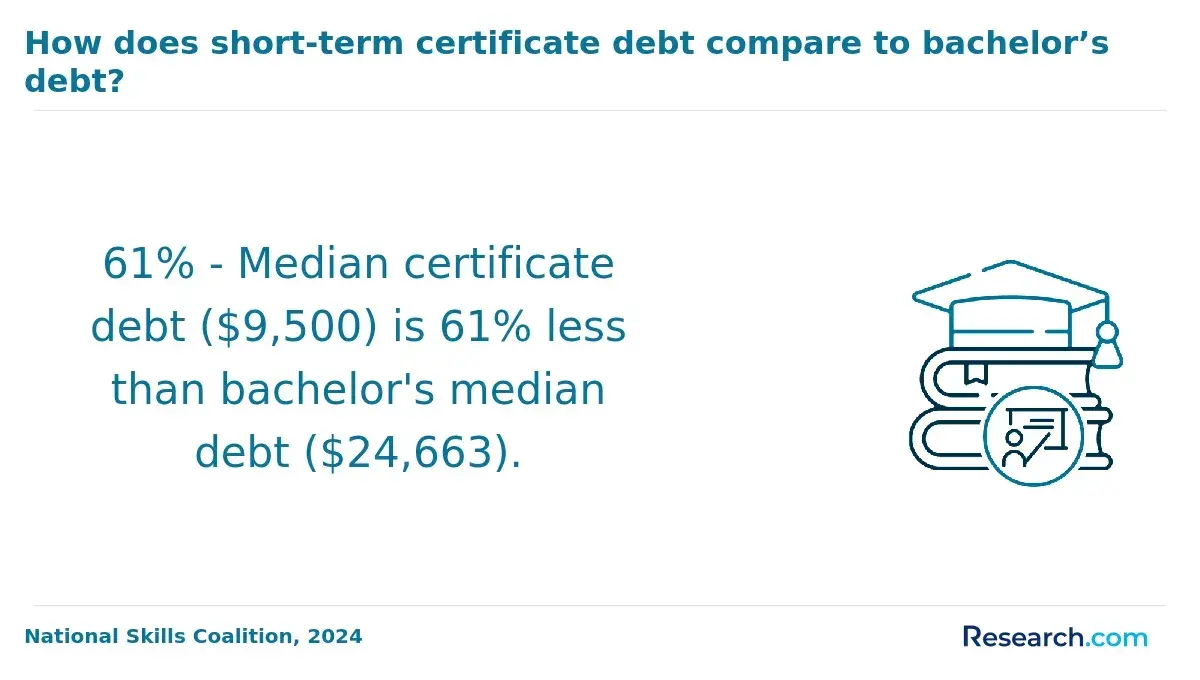
Cost is more variable than duration. Tuition may be charged per credit, per term, or at a flat online rate. Students should also account for technology fees, books, residency travel, thesis expenses, graduation fees, and lost work time. College Board's 2024-25 figures show why total-cost comparison matters: average published tuition and fees were $11,610 for in-state students at public four-year colleges and $43,350 at private nonprofit four-year colleges. Online pricing may differ, but the gap illustrates how institutional choice can significantly affect debt.
The table below summarizes common timelines and cost considerations by credential type.
| Credential | Typical completion time | Cost factors to compare | Best financial fit |
| Undergraduate certificate | Several months to one year | Per-credit tuition, transferability, whether credits apply to a degree | Students testing the field before committing to a degree |
| BA or BFA | Two to four years depending on transfer credits | Tuition, general education requirements, transfer credit limits, online fees | Students who need a bachelor's credential for broader career options |
| MA | One and a half to three years | Graduate tuition, thesis or exam requirements, assistantship access | Students interested in literature, writing, editing, or teaching preparation |
| MFA | Two to three years, sometimes longer part time | Workshop credits, residencies, thesis supervision, funding availability | Poets seeking advanced manuscript development and teaching preparation |
| Graduate certificate | Less than two years in many programs | Credit cost, admission requirements, stackability into a master's degree | Working writers who want focused training without a full graduate degree |
To estimate affordability, students should compare net price rather than published tuition. Net price accounts for grants, scholarships, tuition discounts, employer assistance, and transfer credits. Federal Student Aid continued to list the maximum Pell Grant at $7,395 for the 2024-25 award year, which can be meaningful for eligible undergraduates but will not cover the full cost of many four-year programs.
Before enrolling, take these practical steps:
- Request a full cost breakdown that includes tuition, fees, books, residency travel, and graduation charges.
- Ask how many transfer credits will apply directly to the degree, not just to elective credit.
- Compare full-time and part-time pacing to see how it affects aid eligibility and completion time.
- Check whether scholarships are renewable and whether they apply to online students.
- Estimate loan repayment under conservative income assumptions rather than best-case publishing outcomes.
Creative writing can be a worthwhile investment when the cost matches the student's goals. It is riskier when students borrow heavily for a program that does not improve their portfolio, teaching prospects, professional network, or employable writing skills.
What careers can graduates of online poetry writing programs pursue?
Graduates of online poetry writing programs can pursue literary, educational, editorial, communications, and nonprofit roles. Very few poets rely only on poetry publication income, so the strongest career plans combine creative identity with transferable writing skills.
A poetry degree can help students build abilities that employers value: clear language, audience awareness, editing, research, narrative structure, close reading, project management, and feedback-based revision. These skills can support careers in publishing, marketing, teaching, grant writing, content strategy, arts administration, and community programming.
The following career paths are common for graduates who want to stay close to writing and literature.
| Career path | Typical responsibilities | How poetry training helps | Additional preparation often needed |
| Poet or literary writer | Write, revise, submit, perform, publish, and promote creative work | Develops voice, craft, manuscript discipline, and publication awareness | Ongoing submissions, readings, residencies, grants, or fellowships |
| Editor or literary magazine staff member | Review submissions, edit manuscripts, manage publication workflows | Builds close-reading and critique skills | Editing software, publishing internships, journal experience |
| Teacher or writing instructor | Teach composition, creative writing, literature, or community workshops | Provides workshop practice and genre knowledge | State licensure for K-12 roles or graduate degree for many college roles |
| Grant writer | Draft proposals, narratives, reports, and funding materials | Strengthens persuasive language and storytelling | Nonprofit knowledge, budgeting basics, funder research |
| Content writer or strategist | Create web, brand, email, or campaign content | Improves concision, tone, imagery, and audience awareness | SEO, analytics, CMS tools, portfolio samples |
| Arts administrator | Coordinate programs, events, communications, and literary outreach | Connects literary knowledge with community programming | Event planning, budgeting, fundraising, nonprofit operations |
Some students discover that they want a broader management or entrepreneurship path after studying writing. In that case, pairing literary skills with a business administration degree online can be useful for writers who plan to manage a press, launch a literary nonprofit, build a freelance business, or work in communications leadership.
This degree is a strong fit for students who want sustained writing mentorship and can accept a portfolio-based career path. It may be a poor fit for students who need a direct licensure route, a predictable starting salary, or a technical credential with a narrow job title attached to it.
What salary ranges and income sources are common for professional poets and writers?
Income for poets and creative writers is often diversified. A poet may earn money from teaching, freelance writing, editing, speaking, residencies, prize awards, book royalties, grants, content work, or a full-time communications job. Because literary publishing is competitive and often modestly paid, students should evaluate the degree as a craft and career-flexibility investment rather than a direct salary pipeline.
The most useful benchmark is the broader writers and authors category. The U.S. Bureau of Labor Statistics reported a May 2024 median annual wage of $72,270 for writers and authors. This figure includes many types of writers, not just poets, so it should be used as a labor-market reference point rather than a prediction of poetry earnings.
Income sources commonly fall into several categories. The table below explains how each source tends to function for poetry graduates.
| Income source | How it works | Reliability | Degree relevance |
| Teaching | Income from schools, colleges, community programs, or workshops | More stable when tied to full-time employment | Graduate study may help, but requirements vary by employer and level |
| Freelance writing or editing | Project-based work for clients, publishers, nonprofits, or businesses | Variable and dependent on client pipeline | Portfolio and editing skills are highly relevant |
| Literary publication | Poems, chapbooks, books, royalties, honoraria, or contest awards | Usually unpredictable | Workshops and mentorship can improve submission quality |
| Grants and fellowships | Competitive funding for artists, projects, residencies, or research | Intermittent and application-based | Strong artist statements and manuscripts matter |
| Communications roles | Full-time or part-time jobs in marketing, content, nonprofit, or public relations | Often more stable than literary income alone | Writing, revision, and audience skills transfer well |
Salary also depends on geography, industry, experience, publication record, technical skills, and whether the writer works independently or for an employer. A poet with SEO, grant writing, editing, curriculum design, or digital publishing skills may have more paid opportunities than a poet relying only on literary submissions.
The safest financial strategy is to build a layered portfolio. Students should graduate with creative work, professional writing samples, editing experience, and a plan for income beyond book publication. This approach protects the creative practice while making the degree more practical.
How is the job outlook for poets, authors, and creative writing professionals today?
The job outlook for poets is best understood through the broader writing, teaching, publishing, and communications market. Poetry itself is not usually tracked as a separate occupation in federal labor data, so students should look at related roles and the skills that connect them.
The U.S. Bureau of Labor Statistics projects employment for writers and authors to grow 5% from 2024 to 2034. That is a moderate outlook, but competition remains strong because writing attracts many applicants and remote work has expanded the candidate pool. For poetry students, this means the degree should be paired with practical experience in editing, teaching, publishing, digital content, or community arts.
Current trends affecting creative writing graduates include generative AI, hybrid publishing, online literary communities, and demand for cross-platform communication. AI can draft generic text quickly, which increases pressure on writers to show original voice, editorial judgment, ethical authorship, and human-centered storytelling. At the same time, digital platforms make it easier for poets to share work, build audiences, and collaborate outside traditional publishing gates.
Graduate education can also intersect with technology-focused writing careers. Writers interested in the future of language, creativity, and machine learning may eventually explore interdisciplinary study such as an online PhD in artificial intelligence usa, especially if their interests move toward computational creativity, digital humanities, or AI ethics.
To improve employability while studying poetry, students should intentionally build marketable experience:
- Work on a literary journal, small press, student magazine, or online publication.
- Create professional samples beyond poems, such as reviews, interviews, grant narratives, lesson plans, or web content.
- Learn basic digital tools, including content management systems, newsletter platforms, accessibility practices, and analytics.
- Attend readings, submit to journals, and track submissions professionally.
- Seek internships or assistantships in publishing, arts nonprofits, writing centers, or communications offices.
- Develop a public-facing portfolio that separates polished creative work from professional writing samples.
The outlook is strongest for graduates who treat poetry as a core artistic practice supported by adaptable writing skills. It is weakest for students who assume a degree alone will create a stable literary career without networking, publication effort, or practical work experience.
How can prospective students evaluate and choose a reputable online poetry program?
The best online poetry program is the one that matches your writing goals, budget, learning style, and career plan. Rankings can be useful starting points, but they should not replace careful program evaluation. A low-cost accredited program with strong poetry mentorship may be better than a prestigious option that is poorly matched to your work or financially unrealistic.
Start by defining your goal. If you want to improve as a writer while earning a bachelor's degree, a BA or BFA may be appropriate. If you already have a bachelor's degree and want intensive manuscript development, an MFA may fit better. If you want short-term craft development, a certificate, local workshop, or noncredit writing course may be enough.
Prospective students should compare programs using questions that reveal quality, fit, and hidden costs:
- Is the institution properly accredited, and is the online degree identical in title to the campus degree?
- Who teaches poetry workshops, and are faculty actively publishing, editing, translating, or performing?
- How large are workshops, and how often will students receive detailed faculty feedback?
- Does the curriculum include contemporary poetry, revision, publishing, and professional development?
- Are residencies required, and what are the travel, lodging, and time-off costs?
- Can online students access writing centers, library databases, career advising, literary events, and journals?
- What funding, scholarships, assistantships, or tuition discounts are available specifically to online students?
- What do recent graduates do after completing the program, and how does the school verify those outcomes?
Watch for red flags. Be cautious if a program lacks clear accreditation information, hides total cost, uses vague faculty biographies, has no meaningful workshop structure, or promises publication and career outcomes it cannot substantiate. Also be careful with programs that require expensive residencies but do not explain the academic value of those sessions.
A strong final shortlist should include three to five programs across different price points. Compare the total cost after aid, the fit between your poems and faculty expertise, the amount of feedback you will receive, and the professional opportunities available to online students. The smartest choice is not simply the most famous program; it is the program you can complete, afford, and use to become a stronger writer.
Other Things You Should Know About Creative Writing
Most programs ask for 5–10 pages of original poetry, often 5–8 poems in a single PDF. Some schools also require a brief artist statement and 1–2 pages of revised work to show revision skills and poetic range.
Yes, several institutions offer scholarships tailored for poetry writers enrolled in online creative writing programs. These may be based on merit, need, or a poetry submission competition. It’s advisable to check each school’s financial aid options for specific eligibility criteria and deadlines.
A portfolio should include your strongest and most representative poems, whether or not they have been published. Admissions committees and mentors usually look for craft, originality, range, and potential for growth.
References
- Creative Writing Programs: Finding the Right Fit for Your Learning | Writers.com https://writers.com/creative-writing-programs
- Charting your writing journey: Top creative writing courses in Canada, Ireland, UK https://www.oncreativewriting.com/post/charting-your-writing-journey-top-creative-writing-courses-in-canada-ireland-uk
- Creative Writing Degree | Online Creative Writing Degree https://www.creativewritingedu.org/degree-creative-writing/
- Will Poets, Lyricists and Creative Writers be replaced? https://willrobotstakemyjob.com/poets-lyricists-and-creative-writers
- MA in Writing Poetry • Poetry School https://poetryschool.com/postgraduate-course-in-writing-poetry/
- Writers: How much should we be paid? | Peepal Tree Press https://www.peepaltreepress.com/blog/inscribe/writers-how-much-should-we-be-paid
- Creative Writing Courses Online https://www.open.edu.au/study-online/media-communications/creative-writing
- The Best Poetry Writing Programs to Help You Hone Your Craft - PocketMFA https://pocketmfa.com/the-best-poetry-writing-programs-to-help-you-hone-your-craft/
- 5 Tips for Creating an Online Poetry Course - Read Poetry https://www.readpoetry.com/5-tips-for-creating-an-online-poetry-course/
- 10 Considerations Before You Apply to a Creative Writing MFA Program — Set Your Muse on Fire! https://www.setyourmuseonfire.com/blog/10-considerations-before-you-apply-to-a-creative-writing-mfa-programnbspnbsp