2027 Cheapest and Shortest Online Animal Science Degree Programs That Pay Well: Cost, Duration, and Salary Outlook

Co-Founder and Chief Data Scientist
Choosing an online animal science degree is a cost-and-time decision as much as an academic one. You may want a credential that helps you move into animal care, agriculture, livestock management, research support, or veterinary-adjacent work, but you also need to know whether the program is affordable, credible, and realistic to finish while working.
Online education has grown by over 30% in the past decade, which has expanded access for students who cannot relocate or attend daytime classes. Still, animal science is a hands-on field. The best cheap and accelerated online programs are not simply the lowest-priced options; they are programs that clearly explain lab expectations, transfer-credit policies, internship or practicum opportunities, accreditation status, faculty qualifications, and career outcomes.
This guide explains what affordable online animal science degrees typically cost, how financial aid works, what accelerated formats look like, which skills students build, how to judge legitimacy, and what career outcomes may be possible after graduation. It is designed for working adults, transfer students, career changers, and cost-conscious students who want a faster path without choosing a weak or unrecognized program.
Key Benefits of the Cheapest and Shortest Online Animal Science Degree Programs That Pay Well
- Lower tuition fees in online animal science programs reduce student debt, with average savings of 25-40% compared to traditional degrees, making education more accessible for diverse learners.
- Accelerated online animal science degrees allow completion in as little as 18 months, enabling faster entry into the workforce and minimizing opportunity costs associated with longer programs.
- Graduates with online animal science degrees typically earn a median salary around $55,000, reflecting a strong return on investment relative to program cost and duration in this growing sector.
How Much Does an Affordable Online Animal Science Degree Typically Cost?
An affordable online animal science degree typically costs less than many campus-based options, but the final price depends on credit requirements, transfer credits, fees, residency rules, and whether the program requires in-person labs or field experiences. Online tuition often runs 10% to 30% lower than equivalent in-person programs, but students should compare the total cost of attendance rather than tuition alone.
For many programs, affordable online animal science degree tuition typically falls between $15,000 and $40,000 total. Most bachelor’s degrees require around 120 credits, so even a small difference in per-credit pricing can significantly change the final bill.
| Cost factor | What to check before enrolling |
| Tuition range | Affordable online animal science degree tuition typically falls between $15,000 and $40,000 total, depending on school pricing, degree level, and transfer credits accepted. |
| Cost per credit | Most programs charge per credit hour, averaging $300 to $600 per credit. Multiply the per-credit rate by remaining credits, not by the full degree, if you already have transfer credits. |
| Online vs. on-campus pricing | Online tuition often undercuts on-campus prices by 10% to 30%, but some schools charge online technology or distance-learning fees that narrow the savings. |
| Additional fees | Budget for technology fees, lab materials, proctored exams, course resources, and possible travel for required experiences. These can add $500 to $1,000 or more per academic year depending on program requirements. |
| Accelerated pacing | The cost of accelerated animal science programs can be lower overall when students finish sooner, transfer in credits, or avoid extra terms of fees. However, accelerated courses can be difficult to combine with full-time work. |
Salary prospects should be part of the cost conversation. Median wages are around $70,000 for relevant biology and agricultural science roles, but actual earnings vary by job title, location, experience, employer type, and whether the role requires additional certification or graduate education.
When comparing low-cost online programs, ask for a full tuition-and-fee estimate in writing. Also verify whether required labs, internships, or field experiences can be completed near your home. Students comparing flexible online formats in other fields may also find it useful to review models such as RN to BSN programs without clinicals, especially for understanding how online programs handle reduced hands-on requirements.
Can You Get Financial Aid in the Cheapest Online Animal Science Programs?
Yes. Students in the cheapest online animal science programs may qualify for financial aid if the school is eligible to participate in federal aid programs and the student meets enrollment, citizenship, income, and academic progress requirements. National data indicate that about 85% of online undergraduates benefit from some form of financial assistance, so online students should not assume they must pay entirely out of pocket.
The most important first step is confirming that the institution is properly accredited and eligible for federal student aid. A very low tuition price is not helpful if the program is ineligible for aid, has limited transfer value, or lacks employer recognition.
- Federal grants and loans: Pell Grants are a major source of need-based aid for low-income students and do not require repayment. Direct Loans can help cover remaining costs, but they must be repaid after graduation or when enrollment drops below the required level.
- Scholarships: Students in animal science, agriculture, food systems, livestock production, and related fields may find merit-based or need-based scholarships through schools, industry groups, agricultural organizations, and local foundations.
- Employer tuition assistance: Working adults employed by farms, veterinary offices, animal shelters, agricultural companies, laboratories, or public agencies may be able to use employer tuition benefits. Ask whether the employer requires a minimum grade, continued employment, or repayment if you leave the job.
- Enrollment status and eligibility: Aid may depend on whether you attend full time or part time, maintain satisfactory academic progress, and enroll in courses that apply to your degree plan.
- Total annual cost: With average annual tuition between $7,000 and $12,000, combining grants, scholarships, employer assistance, and careful borrowing can make affordable online animal science degrees more manageable within typical 2- to 4-year programs.
Before choosing a program, compare the net price after aid, not only the advertised tuition. A school with slightly higher tuition but stronger scholarships, more transfer-credit acceptance, or better employer connections may cost less in the end.
Students exploring affordable online healthcare pathways for comparison can also review the easiest DNP program online to see how aid, flexibility, and program structure are discussed in another professional field.
What Are the Shortest Online Animal Science Degree Programs?
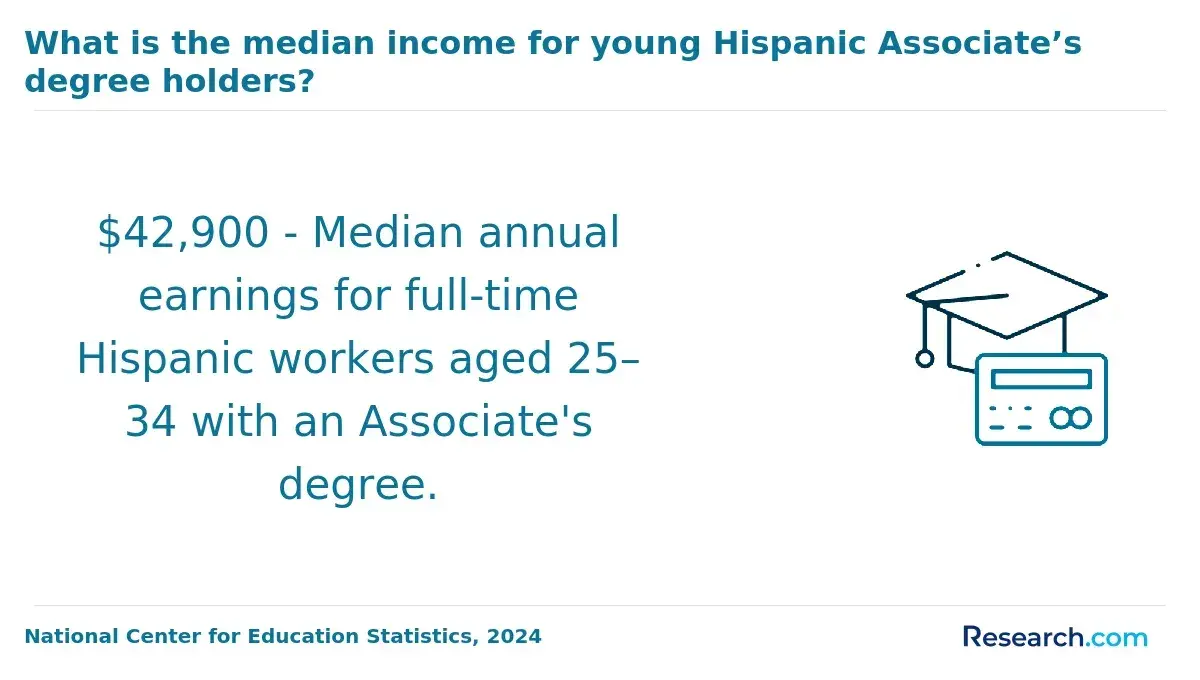
The shortest online animal science degree programs usually fall into three categories: online associate degrees, accelerated bachelor’s degrees, and competency-based programs. These options are designed for students who want to finish faster than a traditional schedule, but the fastest route depends heavily on transfer credits, prior learning, course load, and whether the program has in-person requirements.
Enrollment in fast-track online degrees has increased by over 40% in recent years, reflecting demand from working adults and students who want quicker career entry. In animal science, however, speed should be balanced with practical training. A shorter program should still teach core science, animal health, nutrition, genetics, management, and applied problem-solving.
| Program type | Typical timeline | Best fit |
| Two-year online associate degrees | Approximately two years | Students seeking a shorter credential in animal science, agriculture, or a related field, or those planning to transfer later into a bachelor’s program. |
| Three-year bachelor degrees | Often shortened from four years to three through year-round quarterly schedules | Students who can handle continuous enrollment and want a bachelor’s degree faster than the traditional path. |
| Competency-based programs | Varies by pace and prior knowledge | Experienced learners who can demonstrate mastery quickly and move through familiar material faster. |
Cost also matters when speed is the selling point. Average online tuition ranges between $250 and $450 per credit, and graduates from these programs typically find roles such as animal health technicians or farm managers, earning median salaries from $45,000 to $65,000. That can indicate a positive return on investment, especially for students who minimize debt and finish on schedule.
The main risk of a shortest-track program is overload. Condensed terms can compress readings, labs, exams, and projects into a tight schedule. Before enrolling, ask how many hours per week students should expect to study, whether courses are offered every term, and whether any required experiences can delay graduation.
Students comparing expedited college options in other fields may also review the easiest nursing programs to get into to understand how admissions flexibility and accelerated completion can differ by discipline.
What Is the Typical Format of the Shortest Online Animal Science Degree Programs?
The shortest online animal science degree programs usually use condensed terms, asynchronous coursework, structured deadlines, and limited but important interaction with instructors and classmates. The adoption of modular formats has increased by 25% in recent years, largely because shorter terms allow students to complete more credits across the year.
These formats can work well for organized students, but they are not easier than traditional courses. In many cases, they cover the same material in less time.
- Term length: Programs commonly break semesters into 6 to 8-week terms instead of the usual 16 weeks. This lets students focus on fewer courses at once while maintaining steady progress toward graduation.
- Course delivery: Most coursework is asynchronous, meaning students access lectures, readings, assignments, and discussion boards on their own schedule. Some programs include occasional live sessions for instructor Q&A, presentations, or group work.
- Weekly workload: Students typically dedicate 12 to 15 hours per course each week. A student taking two accelerated courses while working full time should plan carefully, because deadlines arrive quickly.
- Student interaction: Communication usually happens through discussion boards, email, video meetings, peer review, and group projects. Strong programs make expectations clear and provide regular instructor feedback.
- Applied learning: Animal science programs may use virtual labs, case studies, local field assignments, data analysis projects, or supervised experiences to connect online coursework to real animal systems.
A graduate of an accelerated online animal science program described the initial adjustment as demanding but manageable. She said balancing multiple intensive courses in short terms required strong time management and self-discipline. The clear structure and steady deadlines helped her stay organized and motivated, and finishing the program in just 18 months allowed her to enter the workforce more quickly.
Before committing to an accelerated format, review a sample course calendar if available. Look for weekly due dates, exam windows, lab requirements, and group-project expectations. The schedule should feel challenging but possible, not vague or unrealistic.
How Do Online Classes Work for Accelerated Animal Science Degrees?
Online classes in accelerated animal science degrees combine independent study with structured deadlines. In 2022, nearly half of undergraduates taking online courses reported shorter completion times thanks to accelerated options, which helps explain why compressed online programs have become more common.
In a strong accelerated program, flexibility does not mean working whenever you want with no structure. Students usually have weekly modules, assigned readings, recorded lectures, quizzes, discussions, labs or case activities, and instructor feedback within a fast timeline.
- Asynchronous learning: Students access recorded lectures, readings, demonstrations, and course materials on their own schedule. This is useful for working adults, but it requires self-direction because the class continues moving even if a student falls behind.
- Synchronous sessions: Some courses include scheduled live classes, review sessions, presentations, or office hours. These meetings can improve accountability and give students a chance to ask questions in real time.
- Compressed timelines: Coursework is often delivered in 5 to 8 weeks instead of a full semester. The shorter format can accelerate graduation, but it requires consistent weekly effort.
- Weekly assignments and deadlines: Students may complete quizzes, projects, discussions, lab reports, exams, and readings every week. Waiting until the end of the term is rarely realistic in an accelerated class.
- Faculty communication: Instructors typically communicate through email, discussion boards, learning platforms, feedback notes, and virtual office hours. Before enrolling, check whether faculty response-time expectations are published.
- Peer collaboration: Group projects and online forums can help students learn from classmates working in farms, shelters, clinics, laboratories, or other animal-related settings.
Students should also ask how science and lab-based content is handled online. Animal science is applied, so programs may use virtual simulations, home-based assignments, local field observations, data sets, or approved site experiences. If a program claims to be fully online, confirm whether “fully online” includes every lab, exam, internship, and practicum requirement.
What Skills Do Students Gain from a Shortest-Track Online Animal Science Degree?
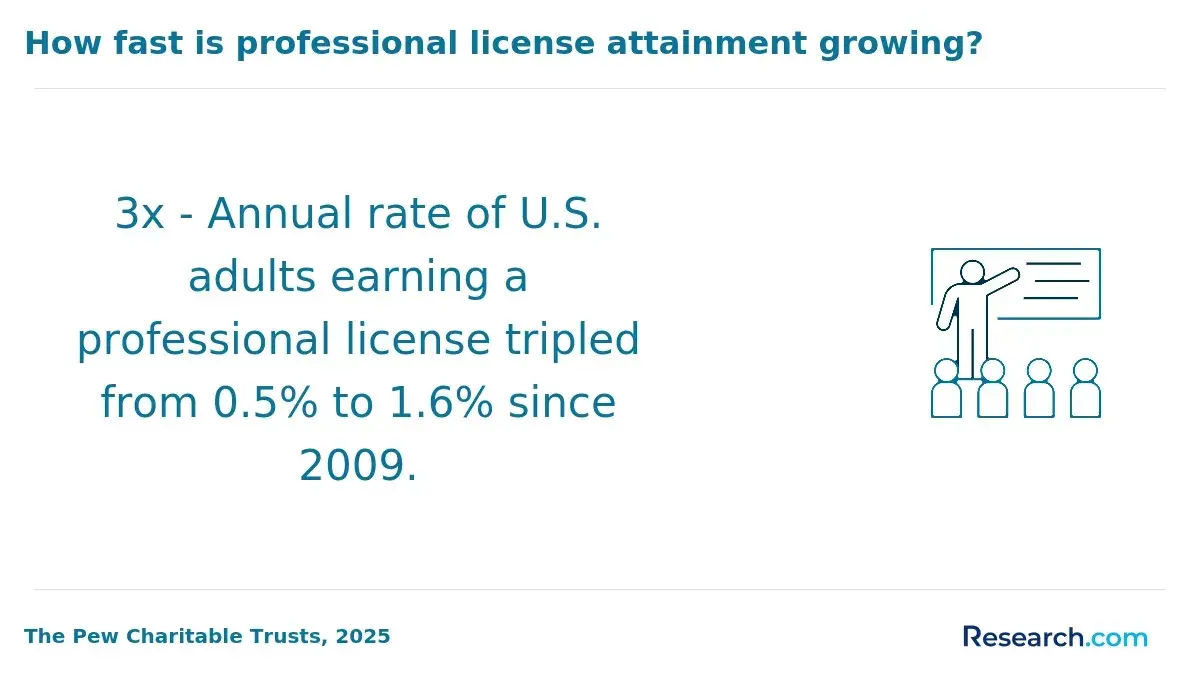
A shortest-track online animal science degree should build both scientific knowledge and workplace-ready skills. Nearly 70% of graduates secure jobs shortly after completion, which suggests that accelerated programs can support employment when they are well structured and aligned with industry needs.
Students should expect more than general animal care content. A credible program teaches how to interpret evidence, solve practical animal-management problems, communicate with different audiences, and apply science in real-world settings.
- Technical expertise: Students study animal biology, nutrition, genetics, reproduction, health management, and production systems. Depending on the program, they may also learn to interpret lab results, analyze performance data, and apply breeding or feeding principles.
- Critical thinking: Case studies and applied assignments help students evaluate problems such as disease risk, animal welfare concerns, production efficiency, or nutrition planning.
- Communication skills: Graduates must be able to explain scientific information clearly to supervisors, clients, producers, veterinarians, researchers, and nontechnical audiences.
- Problem-solving: Coursework can prepare students to identify animal-health, management, or facility issues and propose practical strategies based on evidence rather than guesswork.
- Time management and professionalism: The accelerated format pushes students to plan ahead, meet frequent deadlines, manage competing responsibilities, and work independently.
- Data and decision support: Many animal science roles require students to work with records, productivity measures, health data, or research findings, so comfort with data interpretation can improve employability.
A recent graduate described the fastest online animal science degree as intense but rewarding. He said that working full time while completing demanding coursework forced him to build strict daily routines. “At times, it felt overwhelming, especially during exams and lab assignments, but the support from instructors and peers helped me stay focused,” he recalled.
The strongest programs connect each skill to a practical outcome. For example, nutrition coursework should help students evaluate feeding strategies, while genetics coursework should help them understand breeding decisions and inherited traits. This practical link matters when graduates apply for roles in agriculture, animal care, veterinary support, research assistance, or farm management.
Are Cheap and Fast Online Animal Science Degree Programs Considered Legitimate?
Cheap and fast online animal science degree programs can be legitimate, but students should verify quality carefully. A lower price or shorter schedule does not automatically mean a weak program. At the same time, animal science students should be cautious of programs that promise unusually quick completion, avoid explaining lab requirements, or provide little information about accreditation and outcomes.
The first legitimacy test is accreditation. Start with institutional accreditation from a recognized accreditor. Accreditation helps determine whether credits may transfer, whether students can access federal aid, and whether employers or graduate schools are likely to recognize the degree. The Council for Accreditation of Educator Preparation (CAEP) may be relevant only for programs connected to educator preparation; for animal science programs, students should focus first on institutional accreditation and any field-specific expectations tied to their career goals.
- Accreditation: Confirm that the institution is accredited by a recognized agency. Be wary of schools that use vague claims such as “internationally approved” without naming a recognized accreditor.
- Faculty credentials: Look for instructors with advanced degrees, research experience, industry experience, veterinary or agricultural backgrounds, or specialized expertise in animal science topics.
- Curriculum quality: Even accelerated programs should include animal biology, nutrition, genetics, health, management, ethics, and applied learning. A 2-3 years timeline should not remove essential scientific foundations.
- Licensing and certification alignment: If your goal involves veterinary technology, teaching, inspection, or another regulated pathway, ask whether the program meets the requirements for professional certifications or licenses in your state or field.
- Industry recognition: Graduates from accredited online programs may access careers in agriculture, veterinary technology, or research, with potential salaries ranging from $40,000 to $60,000 annually according to government data.
Students should also check whether the school publishes graduation rates, transfer policies, career services, employer partnerships, and student complaint processes. A legitimate program should make these details easy to find and should not pressure students to enroll before they understand the full cost and requirements.
What Are the Highest-Paying Roles for Online Animal Science Degree Graduates?
Online animal science degree graduates can pursue roles in agriculture, research support, livestock operations, animal health, veterinary support, food systems, and related industries. The highest-paying roles usually require a combination of science knowledge, applied experience, technical skill, and sometimes advanced credentials.
Salary outcomes vary. A bachelor’s degree may qualify graduates for entry-level or midlevel roles, while research, management, and specialized technical positions may require experience, certification, or graduate study.
- Animal Scientist: Animal scientists conduct research to improve animal-related agricultural practices, with work often focused on genetics, nutrition, reproduction, productivity, and animal welfare. According to the BLS, the median annual salary is $68,000, with the top 10% earning over $120,000. Demand for this expertise is connected to sustainable and efficient animal production systems.
- Veterinary Technologist and Technician: These professionals support veterinarians by assisting in diagnosis, treatment, laboratory testing, and clinical procedures. Median salaries typically range from $37,000 to $45,000, with potential increases through certification and experience. Students should verify state requirements because veterinary technology roles may have specific accreditation, exam, or licensure expectations.
- Livestock Manager: Livestock managers oversee farm or ranch operations, including animal health, productivity, staffing, facilities, records, and business decisions. Earnings vary widely between $50,000 and $80,000 depending on operation size and location. Business skills, animal-health knowledge, and experience with modern production systems can improve earning potential.
Several factors can influence salary growth: advanced certifications, years of experience, supervisory responsibility, geographic location, employer size, and familiarity with emerging tools such as genomics and data analytics. Students who want higher-paying roles should look for programs that include practical projects, internship options, research exposure, and career advising.
For students comparing cost-conscious online degrees with management-focused career pathways, an affordable healthcare administration degree online can provide a useful contrast in how administrative and operational skills support career advancement in science-adjacent sectors.
What Is the Job Placement Rate for Online Animal Science Graduates?
Job placement rates for online animal science graduates vary by school, program quality, student experience, location, and the type of role pursued. Approximately 85% of graduates secure relevant employment within six months of graduation, a strong outcome for accredited online degrees when programs offer practical training and career support.
Students should read job placement claims carefully. Ask whether the rate includes only graduates who responded to a survey, whether jobs are full time or part time, and whether the roles are directly related to animal science.
- Industry demand: The BLS forecasts 4% to 6% growth in agricultural and food science jobs over the next decade, supported by interest in sustainable farming, animal health, food production, and research.
- Program reputation: Graduates from well-regarded online animal science programs may have stronger employment outcomes because employers recognize the curriculum, faculty, and training standards.
- Internships and practicum experience: Programs that include hands-on learning, virtual labs, local partnerships, farm experiences, shelter work, or research projects can help students build evidence of practical ability.
- Alumni networks: Active alumni networks can support job referrals, mentorship, informational interviews, and employer introductions in agriculture, animal health, research, and related fields.
- Student background: Prior animal care, farm, veterinary clinic, laboratory, or agricultural experience can improve placement outcomes, especially when combined with a degree.
For cost-conscious students and career changers, average tuition for online animal science degrees ranges from $200 to $400 per credit, with typical program completion between two and three years. Median starting salaries fall between $45,000 and $55,000, with experienced professionals able to earn over $70,000 annually.
When evaluating employment outcomes, ask the admissions office for the most recent job placement data, employer examples, internship partners, and graduate roles. Students comparing other quick and affordable professional pathways may also review the cheapest DNP program online.
How Do You Choose the Best Cheap Online Animal Science Degree Program?
To choose the best cheap online animal science degree program, compare value rather than price alone. A low-tuition program is only a good investment if it is accredited, academically sound, realistic to complete, and connected to the career outcomes you want.
Use the following criteria before applying or enrolling.
- Accreditation: Verify that the institution has regional accreditation or another recognized institutional accreditation. This matters for credit transfer, financial aid eligibility, graduate school options, and employer recognition.
- Curriculum quality: Look for coursework in animal biology, nutrition, genetics, reproduction, health, management, ethics, and applied decision-making. Programs with practical or virtual lab experiences can strengthen hands-on learning.
- Program length and flexibility: Shorter degree tracks of two to three years can help working adults finish efficiently, but the schedule must match your weekly availability. Ask whether part-time enrollment is allowed and whether courses are offered year-round.
- Student support services: Academic advising, tutoring, library access, technical support, career counseling, and internship assistance can affect whether you finish on time.
- Career outcomes: Review graduation rates, employment rates, employer partnerships, and alumni roles. Data from the BLS shows animal science careers pay a median salary of nearly $68,000 annually, with opportunities to surpass $90,000 as experience grows.
- Total net cost: Compare tuition, fees, books, lab materials, transfer credits, financial aid, and time to completion. The cheapest sticker price is not always the lowest total cost.
- Hands-on requirements: Confirm whether labs, practicums, internships, or fieldwork can be completed online or locally. This is especially important for students who cannot travel.
A practical way to compare programs is to create a shortlist of accredited options, request official cost estimates, ask about transfer credits, and speak with an advisor about career alignment. If a school cannot clearly explain cost, timeline, accreditation, and applied learning requirements, keep looking.
What Graduates Say About Their Cheapest and Shortest Online Animal Science Degree
- : "I was initially hesitant about online education, but discovering a cost-effective animal science program changed my outlook completely. The entire program cost me less than $12,000, which relieved a lot of financial pressure while still providing quality learning. Now, as an animal nutrition consultant, I often reflect on how crucial this affordable and quick degree was in my professional growth. — Greg"
- : "Balancing work and education was tough until I enrolled in a fast, affordable online animal science degree program. The total tuition hovered just around $11,000, making it accessible without sacrificing quality. This degree has been instrumental in advancing my career as a wildlife rehabilitator, providing both knowledge and credibility. — Anne Marie"
- : "Finding an affordable and fast online animal science degree felt like the perfect fit for my busy schedule and budget. At around $10,000 total, it was well below traditional programs, and the accelerated format let me graduate in under two years. This degree opened doors to a rewarding career in veterinary support that I hadn't imagined possible before. — Isabelle"
Other Things You Should Know About Animal Science Degrees
Some programs may require prior work experience or internships related to animal science. Typically, these requirements vary but could include a minimum of 100 hours in a relevant field. Check individual program specifications for exact details as this could impact your eligibility and admission.
In 2027, online animal science degree programs typically require 120 credit hours for completion. This includes a mix of core animal science courses and electives. Some programs may offer accelerated pathways or accept transfer credits, reducing total credit requirements.
References
- Animal Sciences and Industry Bachelor's Degree https://online.k-state.edu/programs/animal-science-industry-bachelors/
- Which online animal science or conservation degree should I choose? https://ecampus.oregonstate.edu/news/explore-3-online-degrees-focused-on-animal-science-and-conservation/
- Animal Science BS https://animalscience.uconn.edu/undergraduate/bachelors/animal-science/
- Making the Most of Your Animal Science Degree https://unity.edu/distance-education-blogs/animal-science-internships/
- Online Option for Animal Science Degrees - Peterson's https://www.petersons.com/blog/online-option-for-animal-science-degrees/
- Top 10 High-Paying Animal Care Jobs to Start in 2026 – The Animal Care https://theanimalcare.org/top-10-high-paying-animal-care-jobs-to-start-in-2026/