2027 Online vs On-Campus Animal Science Degree Programs: Pros & Cons

Co-Founder and Chief Data Scientist
The popularity of online animal science degrees has surged, with recent data showing that over 7.5 million U.S. students took at least one online course in 2024. This shift reflects growing demand for flexible educational options without sacrificing academic rigor. Comparing online and on-campus animal science programs reveals distinct advantages and challenges in flexibility, cost, learning experience, and career outcomes.
Understanding these factors is essential for students aiming to make informed decisions about their education and future in the animal science field. This article provides a thorough, impartial analysis to guide prospective students in navigating these choices effectively.
Key Benefits of Online vs On-Campus Animal Science Degrees
- Online animal science degree programs offer flexible scheduling that allows students to balance work and study, with 63% of online learners citing convenience as their main reason for enrollment.
- Distance learning often reduces overall costs by eliminating commuting and housing expenses, making education more affordable compared to traditional on-campus programs.
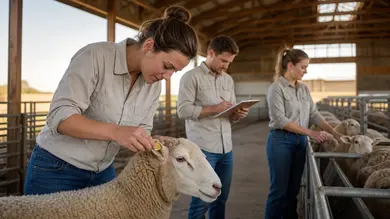
- On-campus animal science degrees provide hands-on laboratory experience and direct access to research farms, which 78% of employers consider crucial for practical skill development in the field.
Are online vs. on-campus animal science programs structured the same way?
Online and on-campus animal science degree programs differ notably in their structure, especially regarding how coursework is delivered, schedules are managed, and students engage with content and peers. These structural variations can affect how students balance their education with other life commitments and their overall learning experience.
Below is a comparison of key structural elements in online and on-campus animal science programs that highlight these differences:
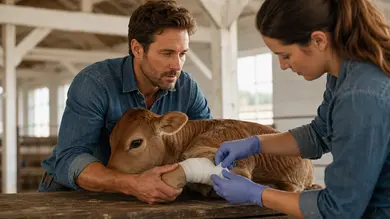
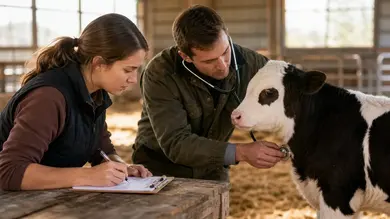
- Course Delivery: On-campus programs emphasize in-person lectures, laboratory sessions, and direct interaction with animals, providing hands-on learning central to animal science. Online programs are mainly asynchronous, offering flexibility through recorded lectures and virtual labs, though these alternatives may not fully replicate in-person experiences.
- Class Schedules: Traditional on-campus programs have fixed schedules that require attending classes and labs at set times each week, promoting routine. Online formats offer flexibility, allowing students to complete coursework on their own timelines, which benefits those balancing work or family responsibilities.
- Interaction and Collaboration: Students on campus engage directly with faculty and peers through discussions, group work, and campus events, fostering strong networking opportunities. Online students interact via digital platforms like discussion boards and video calls, which can broaden access but may make forming connections more challenging.
- Experiential Learning and Labs: Hands-on lab work and farm visits are integral to on-campus programs, enhancing practical skills. Online programs often use virtual simulations and video demonstrations as substitutes, but these usually offer less depth than actual, in-person experiences.
- Student Engagement: On-campus settings encourage spontaneous participation and immersive campus life events that promote engagement. Online programs rely on structured digital interactions, which can be less dynamic but are sometimes supplemented with hybrid models and interactive online tools.
Are admission requirements the same for online vs on-campus animal science degree programs?
Colleges and universities offering animal science degree programs maintain consistent academic standards across both online and on-campus formats to ensure graduates are equally prepared for their careers. However, they may differ in assessing applicants' readiness, particularly for online learning where self-motivation and prior experience often weigh more heavily.
Below are some key similarities and differences in admission requirements between online and on-campus animal science programs:
- Academic qualifications: Both program types generally require a high school diploma or GED for undergraduate admission and a relevant bachelor's degree for graduate studies. However, some online animal science degree admission requirements include an associate's degree prerequisite before entering a bachelor's program, while on-campus animal science program prerequisites often allow direct entry from high school.
- Work experience: Online programs, especially at the graduate level, may request prior lab animal experience, such as Drexel's online Master of Laboratory Animal Science requiring two years of experience or completion of a practicum. Such requirements are less common for on-campus admissions.
- Application materials: Both formats ask for transcripts, letters of recommendation, and personal statements. Online applicants might also need to demonstrate technology readiness or access to necessary equipment as part of their application materials.
- Standardized tests: GRE scores may be required for graduate programs in both formats, but some online programs waive this to accommodate non-traditional students balancing other responsibilities.
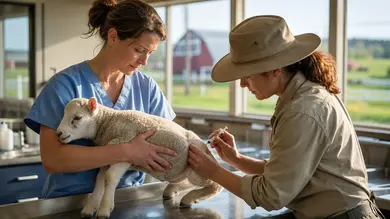
- Hands-on learning: On-campus programs integrate labs and fieldwork directly, while online students complete remote labs or visit approved sites, which can impact admission conditions and learning outcomes.
- Flexibility and schedule: Online programs tend to cater to working professionals with asynchronous schedules, whereas on-campus options often require full-time daytime attendance.
Students interested in the best options for balancing career and study might explore the best accelerated bachelor's degree online programs, which often incorporate flexible online animal science degree admission requirements to suit diverse needs.
Do online animal science students receive the same academic support as on-campus students?
Universities have significantly expanded their academic support systems to ensure that online animal science students receive resources and assistance comparable to those available to on-campus students. These efforts reflect a commitment to educational equity across both learning formats.
Here is an overview of the main academic support services typically offered to animal science students in online and on-campus programs:
- Faculty Interaction and Mentorship: On-campus students benefit from face-to-face office hours and spontaneous classroom discussions, while online students engage with faculty through scheduled virtual meetings, email, and discussion boards. Both formats emphasize regular communication to support student learning and academic guidance.
- Library and Research Resources: Physical access to university libraries and lab materials supports on-campus learners, whereas online students utilize digital databases, e-books, and remote research portals. Universities ensure nearly identical access to scholarly resources regardless of format, enabling equal research opportunities.
- Technical and Learning Support: On-campus students typically access in-person tutoring and writing centers, while online students have dedicated technical support and virtual tutoring options. Many institutions now provide hybrid tutoring services to accommodate all students' needs effectively.
- Assessment and Feedback: Both formats use regular quizzes and exams to measure progress, with studies indicating that online and on-campus students perform similarly when assessments are well-structured. Feedback mechanisms are designed to be timely and meaningful, supporting continuous improvement.
The time it takes to complete an animal science degree varies widely depending on whether the program is online or on-campus, as well as factors like student pace and scheduling flexibility. Different delivery formats offer unique structures that can either accelerate or extend the duration of study.
Here is a comparison of the typical completion times for online versus on-campus animal science degree programs, highlighting their scheduling options and key factors influencing graduation timelines:
- Online animal science degree: These programs are often designed with flexible pacing, allowing students to study full-time or part-time based on their personal schedules. For example, some online master's degrees permit up to six years for completion to accommodate working professionals, while others can be completed in as little as two years if pursued full-time. The asynchronous format allows learners to speed up or slow down their progress according to individual needs.
- On-campus animal science degree: Traditional on-campus degrees follow a set academic calendar, with bachelor's programs generally requiring four years and master's programs about two years of full-time study. Scheduling is usually less flexible, with fixed class times and in-person attendance expected. Experiential components like labs and internships are integrated into the curriculum and can impact the total time needed to graduate.
A professional who pursued an online animal science degree shared insights about his own experience with duration and flexibility. Balancing full-time work and family commitments, he appreciated the ability to take courses at his own pace, noting, "Some semesters I took a heavier course load when my schedule allowed, and other times I slowed down without feeling pressured."
Although he completed his bachelor's degree in just over four years, this timeframe felt manageable given the flexibility to adjust his studies around life's demands. "It wasn't just about rushing to finish but making sure I absorbed the material and applied it practically," he reflected. His journey underscored how online programming can accommodate diverse lifestyles without sacrificing educational quality or completion goals.
Online animal science programs generally have lower tuition, fees, and overall expenses compared to their on-campus counterparts. However, various cost components beyond tuition contribute to the total price, making it important to consider all factors carefully.
Below is a breakdown of the main cost factors influencing the total cost difference between online and on-campus animal science degrees, highlighting where affordable online animal science degree programs can provide savings.
- Tuition and Fees: Online animal science programs typically charge less per year than on-campus programs. For example, the average tuition costs for an online undergraduate program stand at about $12,216 annually, whereas on-campus students pay around $18,981, reflecting a significant yearly saving of $6,765.
- Living Expenses: Students enrolled in on-campus programs usually face higher costs for room and board, averaging $744 more each year compared to online students who often live off-campus or at home. Avoiding relocation and campus housing fees makes online learning more affordable for many.
- Technology Costs: While online students may encounter additional expenses for computers, internet access, and software, these costs are generally modest. They usually do not outweigh the savings made from eliminating daily commuting and campus fees.
- Financial Aid Availability: Access to federal financial aid is comparable for both learning formats; however, on-campus students often have more opportunities for institutional scholarships and grants. This difference can affect the net cost, although online students still benefit from federal loans and some merit-based aid.
- Program Flexibility and Time to Degree: Flexible scheduling and accelerated formats available in many online programs allow students to finish sooner, reducing tuition and associated costs. Online learners may also receive credit for prior coursework or professional experience, contributing to overall savings.
Employer perception and career outcomes remain important considerations; however, students interested in exploring advanced degrees might benefit from programs such as the easiest doctorate paths, which can help balance affordability with career advancement.
Both online and on-campus animal science students in the US may qualify for various financial aid options, but eligibility and accessibility can differ based on program format and institution policies. Understanding these differences is essential for prospective students to make informed decisions about their education funding.
Here is an overview of the main financial aid options available for animal science students, highlighting key distinctions between online and on-campus programs:
- Federal Aid: All accredited animal science programs allow students to apply for federal financial aid, including Pell Grants, Direct Loans, and work-study. Online students must maintain at least half-time enrollment to qualify for most loans, while part-time online students may receive reduced amounts, unlike many on-campus students who can access full aid more easily.
- State Aid: State grants and scholarships generally favor residents attending in-state public institutions and often limit eligibility to on-campus students or those taking in-person credits. Online animal science students should verify whether their program qualifies for state aid, as these restrictions can significantly affect funding availability compared to traditional students.
- Scholarships and Grants for On-Campus Animal Science Programs: Institutional scholarships tend to be heavily weighted toward campus-based students; for example, online learners at some universities receive a smaller share of these funds despite representing a significant student portion. Additionally, many scholarships require full-time status or specific start terms, which can disadvantage online students.
- Employer Tuition Reimbursement: Both online and on-campus students working in agriculture or animal health may benefit from employer-sponsored tuition assistance. The flexibility of online programs often increases eligibility for working adults, making this option particularly attractive for online learners.
- Private Student Loans: Available to all students regardless of format, private loans should be considered only after federal options due to less favorable terms. Both online and on-campus students have equal access when enrolled in accredited programs.
For those exploring affordable degree paths, several quick associate degree programs might complement financial aid options in animal science and related fields.
Accreditation, faculty qualifications, and curriculum standards play a crucial role in establishing the credibility of both online and on-campus animal science programs. Recognized accrediting bodies like the American Veterinary Medical Association (AVMA) and the Animal Science Council on Accreditation (ASCA) ensure that programs meet rigorous academic and professional criteria regardless of delivery format.
Typically, the same qualified faculty-holding advanced degrees and industry experience-teach in both formats, ensuring consistent quality. Curriculum standards set by these agencies mandate uniform learning outcomes, academic support, and hands-on training, whether students attend classes online or in person. This alignment means accredited online programs with qualified instructors generally match the academic rigor of traditional campus programs.
Perceptions among employers, academic institutions, and licensing bodies are evolving as virtual learning technologies and industry collaborations advance. While historically some employers preferred on-campus degrees, recent data from a Northeastern University survey reveals 61% of HR leaders now regard online degrees from accredited institutions as equivalent to traditional ones, with this approval higher in STEM and technical fields.
Licensing authorities, such as state veterinary boards, typically require graduation from an AVMA-accredited program for licensure, whether earned online or on campus, reinforcing equal professional standing. Innovations like virtual labs, interactive case studies, and partnerships with animal facilities have enhanced practical training for online students, narrowing the credibility gap. These developments continue to blur distinctions, fostering growing acceptance of online animal science education within academic and professional communities.
Employer attitudes toward online versus on-campus animal science degrees have evolved considerably over recent years. Surveys indicate that over 70% of organizations have hired candidates with online degrees, reflecting growing acceptance of this educational format. However, because animal science programs often demand hands-on laboratory and fieldwork experience, fully online degrees are less common and sometimes viewed as less comprehensive in practical training compared to on-campus options.
Hybrid programs that combine online coursework with in-person lab sessions are frequently favored for offering both flexibility and essential experiential learning. Still, employer preferences tend to hinge more on the reputation of the university and whether the program is accredited than strictly on how the degree was earned.
Accreditation and university reputation remain pivotal in shaping employer perceptions since they assure adherence to industry standards, which is critical for careers in areas like veterinary medicine and animal nutrition. Research also shows that employers increasingly emphasize demonstrated skills and practical experience over degree format. With the rise of remote and hybrid work environments, employers have grown more comfortable with online education, valuing the self-discipline and time management skills graduates from these programs often possess.
Ultimately, candidates with strong hands-on experience, relevant internships or projects, and degrees from respected, accredited institutions tend to be the most competitive in the animal science job market, regardless of whether their education was completed online or on-campus.
When I spoke with a professional who completed her animal science degree online, she highlighted how her program's strong emphasis on practical assignments and access to local labs helped bridge the gap between theory and hands-on learning. She shared that employers initially inquired about her degree format but quickly shifted focus to her demonstrated skills during interviews and internships.
"My online education required a lot of self-motivation and time management, which employers appreciated once they learned about it," she noted. Securing employment at a reputable animal nutrition company, she found that her ability to adapt and apply knowledge practically outweighed biases about online degrees. Her experience underscores how well-structured online programs paired with real-world experience can positively influence hiring outcomes in the animal science field.
Salary comparisons between online and on-campus animal science graduates are increasingly shaped by various factors beyond the mode of study. Employers and industry trends show that earning potential depends more on experience, location, and program quality than simply where the degree was earned.
Below is an outline of current salary trends and key factors influencing differences or similarities in pay.
- Employer Perception of Degree Format: Many employers now view accredited online degrees as equivalent to on-campus ones, especially when practical training or internships are included. However, some traditional employers might still favor on-campus graduates for entry-level roles, causing slight variations in starting salaries.
- Access to Experiential Learning: On-campus students typically have greater access to hands-on labs, research facilities, and networking, which can lead to higher starting salaries. Online programs that integrate local internships or virtual labs help reduce this gap, but disparities remain when practical experience is highly valued.
- Geographic Location: Regional factors have a strong influence on salary outcomes. For instance, California offers average salaries around $169,156 for animal science roles regardless of degree format, indicating location matters more than whether the degree was obtained online or on-campus.
- Program Reputation and Accreditation: Graduates from well-ranked and accredited programs tend to command higher salaries regardless of delivery method. The caliber and recognition of the institution often weigh more heavily than whether the degree was earned online or in person.
- Cost and Schedule Flexibility: Online programs often allow students to work during their studies, reducing debt and accelerating career growth. These financial and scheduling advantages can indirectly increase salary potential for online graduates even if initial offers are similar.
- Industry Sector and Advanced Training: Salaries vary widely with specialization and additional qualifications. For example, emergency veterinarians earn roughly 10% more than average graduates. On-campus research opportunities may provide a slight edge in gaining specialized skills.
Prospective students should also explore options among best universities online to find accredited programs that balance credibility, flexibility, and hands-on learning to maximize salary opportunities in animal science careers.
Choosing between online and on-campus animal science programs depends largely on your personal learning preferences, lifestyle, and professional goals. Each format offers quality education but is suited to different needs. To help you determine which option is best, consider these key factors before making your decision.
- Learning Style: If you benefit from hands-on experience and in-person interaction, on-campus programs may be more suitable. However, many of the best online animal science programs in the US now provide virtual labs and interactive coursework that can be equally effective for self-motivated learners comfortable with digital platforms.
- Flexibility Needs: Online programs generally offer more flexibility, allowing you to balance studies with work or family commitments. This can be vital if your schedule requires non-traditional study hours or if you prefer a self-paced learning environment.
- Budget: Online education often reduces costs related to commuting and housing, making it more affordable in many cases. Conversely, on-campus programs might have more scholarship opportunities and financial aid, so assessing total expenses is important.
- Networking Opportunities: On-campus programs tend to facilitate richer face-to-face networking with faculty and peers, as well as internships, which can be invaluable for career development. While online courses may offer virtual networking events, these are often less frequent and can feel less personal.
- Access to Campus Resources: Attending classes on-campus grants direct access to labs, libraries, and research facilities crucial for some aspects of animal science study. Some online programs offer hybrid options or virtual visits, but resource availability may be limited compared to in-person access.
To further explore your options and compare online and on-campus animal science degrees, you might consider looking into a dual degree program that combines the advantages of both formats.
Here's What Graduates of Online vs On-Campus Animal Science Programs Have to Say About Their Degree
- Jamal: "Completing my animal science degree online was a game-changer for me. The flexibility allowed me to balance work and family commitments while advancing my education at my own pace. I truly appreciated how my program offered real-world applications through virtual labs and interactive discussions, which prepared me well for my current role in livestock management. It's empowering to have earned this degree without sacrificing my personal responsibilities, and my career stability has significantly improved. I'm proud to contribute to sustainable farming practices in my community."
- Asha: "Attending the on-campus animal science program was an incredibly immersive experience. Being surrounded by dedicated professors and peers fueled my passion for animal welfare and research. The hands-on opportunities working directly with animals and on-campus farms enhanced my practical skills beyond what I expected. This in-person learning environment helped me build lasting connections that opened doors to my career as a veterinary technician. Reflecting on this journey, I feel deeply grateful for the community and mentorship that supported my growth both personally and professionally."
- Carlos: "The hybrid animal science program perfectly suited my learning style and career goals. Having the best of both worlds-online coursework with in-person labs-allowed me to gain theoretical knowledge at home and practical experience on campus. This approach challenged me to be self-disciplined while still engaging directly with faculty and fellow students. Starting my career as a farm consultant, I've leveraged both the adaptability learned online and hands-on skills developed in person to advise clients effectively. I'm enthusiastic about advancing in a field that combines science with meaningful community impact."
Other Things You Should Know About Online & On-Campus Animal Science Degree Programs
In 2027, online animal science programs often lack the direct hands-on experience that on-campus programs offer through in-person labs and fieldwork. However, online programs can provide greater flexibility and access to digital resources, accommodating diverse learning preferences and schedules, which may appeal to some students.
Online animal science programs often face challenges with internships due to geographical and networking limitations. While on-campus programs typically offer direct access to local internships and university partnerships, online students may need to proactively seek remote or local opportunities independently.
Many animal science programs require 1 to 2 laboratory courses per semester, and hands-on majors often include 3 to 6 credit hours of supervised labs in genetics, nutrition, or physiology. Accreditation standards from the American Society of Animal Science do not set one fixed lab total.
- What can you do with an animal science degree? https://ecampus.oregonstate.edu/news/animal-science-degree-careers/
- Application Animal Science: University of Hohenheim https://www.uni-hohenheim.de/en/application-animalscience-info
- Online and on-campus colleges | University of Phoenix https://www.phoenix.edu/blog/cost-of-online-vs-traditional-college.html
- Online Programs https://animalscience.unl.edu/academic-programs/online-programs/
- Earning Your Vet Tech Degree Online vs. On Campus | Penn Foster https://www.pennfoster.edu/blog/online-vet-tech-degree-vs-on-campus
- Study programme - BSc Animal Sciences https://www.wur.nl/en/education-programmes/bachelor/bsc-programmes/bachelors-animal-sciences/study-programme-bsc-animal-sciences.htm
- Opportunities for Learning about Animal Welfare from Online Courses to Graduate Degrees | Journal of Veterinary Medical Education https://utppublishing.com/doi/10.3138/jvme.37.1.49
- Admissions - UF/IFAS Animal Sciences - University of Florida, Institute of Food and Agricultural Sciences https://animal.ifas.ufl.edu/graduate/admissions/
- The Surprising Cost of Online Education: Why 83% of Online Degrees Aren’t More Affordable https://www.nexford.edu/insights/the-surprising-cost-of-online-education-why-83-of-online-degrees-arent-more-affordable
- Animal Science https://online-distance.ncsu.edu/program/master-of-animal-science/tuition/