2027 Fastest Accredited Online Animal Science Master's Programs With No Thesis Requirement

Co-Founder and Chief Data Scientist
Choosing an online Animal Science master's often means balancing a working schedule against research ambitions. Accredited no-thesis options exist, but they are less common than broad agriculture degrees and may use capstones or exams instead. The U.S. Bureau of Labor Statistics projected 6% growth for agricultural and food scientists from 2023 to 2033, supporting demand for advanced applied expertise. This guide compares legitimate fast-track paths, explains what "no thesis" really means, and helps you protect your career and doctoral options.
Key Things to Know About the Fastest Accredited Online Animal Science Master's Programs
- Fastest legitimate options are usually non-thesis Master of Agriculture or professional master's pathways; many require about 30-36 graduate credits and can be completed in roughly 18-24 months with continuous enrollment, not necessarily in one year.
- Institutional accreditation - not a separate programmatic Animal Science accreditor - is the central legitimacy check; verify the university's recognized regional accreditor and confirm that the exact online degree is approved and transcripted.
- A no-thesis degree can suit industry, extension, management, and technical careers, but students considering a PhD should deliberately add research methods, statistics, faculty mentorship, and a substantial applied project.
Are there accredited Animal Science master's programs that don't require a thesis?
Yes, but choices are limited and labels matter. Accredited universities may offer a non-thesis Master of Science, Master of Agriculture, Master of Professional Studies, or interdisciplinary agriculture master's with an Animal Science emphasis. A "no-thesis" option does not mean no culminating requirement: students commonly complete a capstone, professional paper, internship, portfolio, or comprehensive examination.
Online availability also varies. Some programs deliver coursework fully online but require an orientation, laboratory intensive, proctored examination, practicum, or final presentation. Others admit distance students only into a broader agriculture degree rather than a standalone Animal Science MS. Ask admissions to confirm the degree title, concentration, residency requirements, and final requirement in writing before applying.
The distinction below helps readers avoid assuming that every animal-focused graduate degree offers the same preparation.
| Program format | Typical final requirement | Best fit | Primary limitation |
| Thesis MS in Animal Science | Original research study and defended thesis | PhD preparation, research careers, scientific publication | Usually slower and dependent on research supervision |
| Non-thesis MS in Animal Science | Capstone, exam, professional paper, or additional coursework | Technical professionals who still want MS-level specialization | Research depth can differ substantially by school |
| Master of Agriculture with animal focus | Applied project, portfolio, or comprehensive exam | Industry, production, extension, and management professionals | May be less suitable for research-intensive doctoral admission |
| Interdisciplinary agriculture master's | Applied capstone or coursework plan | Students combining animal systems with business, nutrition, or education | May not carry "Animal Science" as the degree name |
Do not reject a broader degree automatically. For an operations, feed, livestock systems, extension, or agribusiness goal, course content and faculty expertise can matter more than whether the diploma says MS or Master of Agriculture.
What replaces thesis requirements in fast-track Animal Science master's programs?
Fast-track programs replace the thesis with an assessment that demonstrates graduate-level integration of knowledge. The strongest alternatives require students to solve a real animal-production, nutrition, welfare, genetics, food-systems, or business problem using evidence rather than merely submit a final class assignment.
Common substitutes deserve close comparison because they shape both workload and career value.
- Applied capstone: A supervised project such as designing a herd-health protocol, feed evaluation plan, welfare audit, or production-improvement proposal.
- Professional paper: A literature-based analysis of an Animal Science problem that may be shorter and less research-intensive than a thesis.
- Comprehensive examination: A written, oral, or combined assessment covering core graduate coursework.
- Internship or practicum: Documented field experience with an employer or extension setting, usually paired with a reflective report or presentation.
- Additional coursework: Extra electives or advanced classes in place of a research project.
A capstone is not automatically easier than a thesis. It can be demanding when it includes data analysis, external stakeholders, formal presentation, and faculty evaluation. As a useful comparison of accelerated professional education pathways, shortest DNP programs online also show why final-practice requirements should be examined separately from advertised program length.
Ask whether the final product is individually supervised, graded by a committee, publicly presented, and retained in an institutional repository. Those details indicate whether the alternative creates credible evidence of advanced work.
How rigorous are Animal Science master's programs without thesis requirements?
A no-thesis Animal Science master's can be rigorous when it retains graduate-level coursework, meaningful assessment, qualified faculty oversight, and clear learning outcomes. Rigor is not determined by a thesis title alone. However, the format generally shifts time away from original research and toward applied decision-making, technical knowledge, and professional implementation.
The U.S. Bureau of Labor Statistics projected 6% employment growth for agricultural and food scientists between 2023 and 2033. That projection is not a guarantee for any graduate, but it supports the value of programs that build practical analytical and scientific skills relevant to agricultural employers.
Use the following review process to test whether an accelerated option is appropriately demanding.
- Compare required credits with the institution's on-campus graduate degree and identify whether online students take the same core courses.
- Read course descriptions for statistics, research methods, animal nutrition, physiology, genetics, welfare, production systems, or another relevant technical foundation.
- Confirm the capstone's scope, supervision, deadlines, and grading rubric rather than relying on the word "capstone."
- Ask how often students interact with tenure-line or subject-matter faculty and whether advising is available outside standard business hours.
- Check whether accelerated terms require simultaneous courses that would create an unrealistic workload alongside full-time employment.
Speed should not be the only comparison point. Students exploring other intensive health-education routes, such as nursing schools that don't require TEAS or HESI, face a similar need to distinguish streamlined admissions from reduced academic standards.
What are the fastest accredited online Animal Science master's programs?
There is no reliable national ranking of "fastest" online no-thesis Animal Science master's programs because schools calculate time differently and course availability changes by term. The options below are examples of institutions known for distance graduate study in agriculture or animal-related fields. Treat stated pacing as a planning estimate and verify the current catalog, delivery format, and non-thesis pathway directly with each institution.
| Institution and potential pathway | Credential format to investigate | Typical published credit structure | Speed considerations | What to confirm before applying |
| Texas A&M University | Distance Master of Agriculture with Animal Science coursework or concentration options | Often structured around graduate coursework and a professional final requirement | May be suitable for year-round part-time progression | Exact Animal Science curriculum, capstone requirement, and any campus expectations |
| Kansas State University | Graduate Animal Sciences and Industry distance-study options | Graduate credit requirements vary by degree plan | Course rotation may determine the actual completion timeline | Whether the chosen plan is fully online and explicitly non-thesis |
| University of Nebraska-Lincoln | Animal Science graduate study with distance-accessible coursework | MS requirements and final-option rules depend on the approved program of study | Faculty advising and research expectations can affect pace | Availability of a non-thesis option for online students |
| Other land-grant universities | Master of Agriculture, agricultural education, or interdisciplinary agriculture with animal systems electives | Frequently 30-36 graduate credits | Continuous summer terms can shorten calendar time | Degree title, institutional accreditation, and animal-specific depth |
For a working professional, an 18-24 month plan is often more credible than a heavily marketed 12-month promise because required courses may be offered only once a year. Transfer credit can shorten a plan at some schools, but it is never automatic; obtain a written transfer evaluation and confirm the maximum transferable credits.
Compare the total cost, not only tuition per credit. Include mandatory online fees, technology costs, travel for any intensives, lost work time, and whether employer tuition assistance applies. A low-cost program with weak course access or an unsuitable final requirement can be a poor return on investment.
What accreditation should you verify for no-thesis Animal Science master's programs?
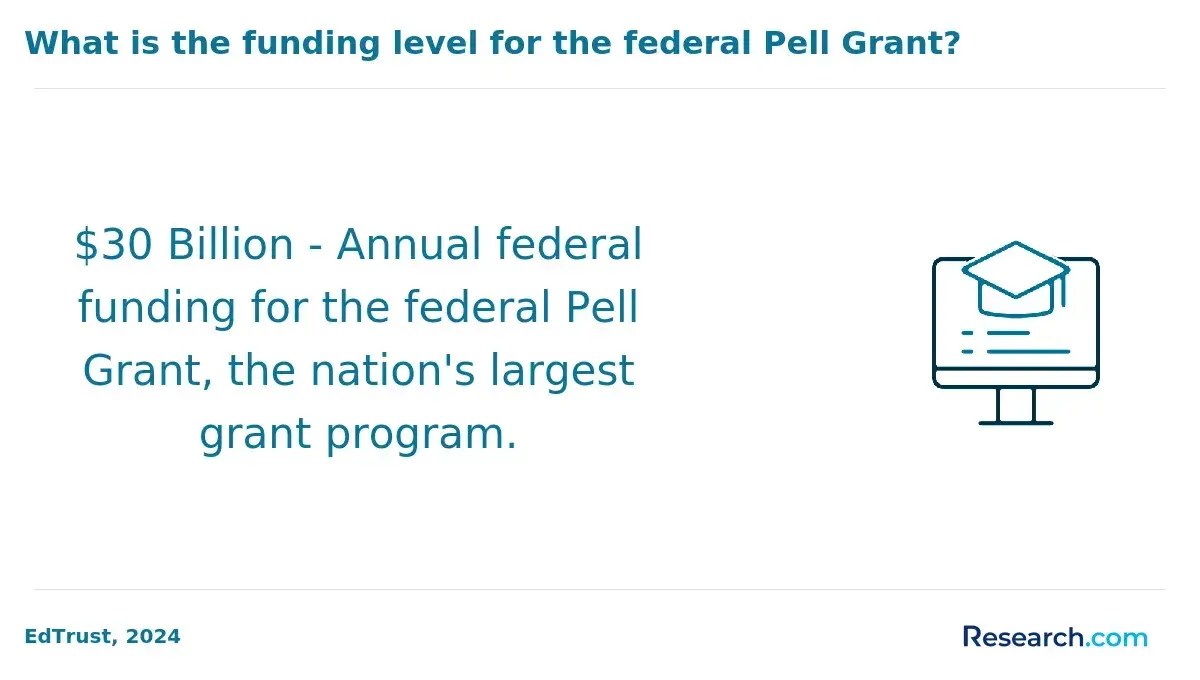
For a U.S. online Animal Science master's, verify institutional accreditation first. Animal Science graduate degrees generally do not have a universal specialized accreditor comparable to those used in some licensed professions. The key question is whether a recognized institutional accreditor accredits the university and whether the school is authorized to deliver the program to students in your state.
A sound verification check should cover the following signals and warning signs.
| Legitimacy signal | Why it matters | Red flag |
| Accreditation listed by a U.S. Department of Education- or CHEA-recognized institutional accreditor | Supports eligibility for federal aid and broader credential recognition | Vague claims of "international accreditation" without naming a recognized accreditor |
| Degree requirements appear in the official graduate catalog | Lets you verify credits, final requirement, grading, and residency rules | Marketing page conflicts with the official catalog |
| Named faculty with relevant Animal Science expertise | Shows access to qualified academic supervision | No faculty names, credentials, or department information |
| Transparent state authorization information | Confirms the institution can enroll students where you live | School will not confirm authorization before enrollment |
| Clear transcripted degree title | Helps employers and future schools understand the credential | Unclear distinction between a certificate, concentration, and master's degree |
Request the catalog link, a sample degree plan, and confirmation of state authorization from admissions. If your career plan involves a licensed profession, veterinary pathway, or regulated laboratory role, contact the relevant state board or employer as well; institutional accreditation alone does not establish professional eligibility.
What skills might you miss without Animal Science thesis requirements?
Without a thesis, students may have fewer structured opportunities to formulate original research questions, manage a long-term study, navigate research ethics, analyze raw data, and write for a scientific audience. Those skills matter most for research assistantships, laboratory leadership, doctoral applications, and jobs that involve experimental design or publication.
The gap is manageable when students intentionally choose coursework and experiences that preserve research exposure.
| Skill commonly strengthened by a thesis | Potential no-thesis gap | Practical way to strengthen it |
| Experimental design | Less practice building a study from start to finish | Take graduate statistics and research-design courses |
| Data analysis | Fewer opportunities to work with original datasets | Choose a capstone requiring data collection or secondary-data analysis |
| Scientific writing | Less experience producing a long formal manuscript | Develop a professional paper and seek faculty feedback |
| Research dissemination | May not present work beyond a class | Submit a poster to a student, extension, or industry meeting when feasible |
| Faculty research mentorship | Advising may focus on course completion | Ask one faculty member about assisting with an existing project |
Hands-on technical learning can also be constrained online. Readers considering clinical diagnostic careers should recognize that programs such as an ultrasound tech school online typically require supervised clinical training; Animal Science programs likewise may need in-person experience for laboratory or production competencies.
The mistake is treating "no thesis" as permission to avoid evidence-based work entirely. Choose a program with a capstone aligned to the type of work you want to show employers or doctoral committees.
How do employers view Animal Science master's programs without thesis requirements?
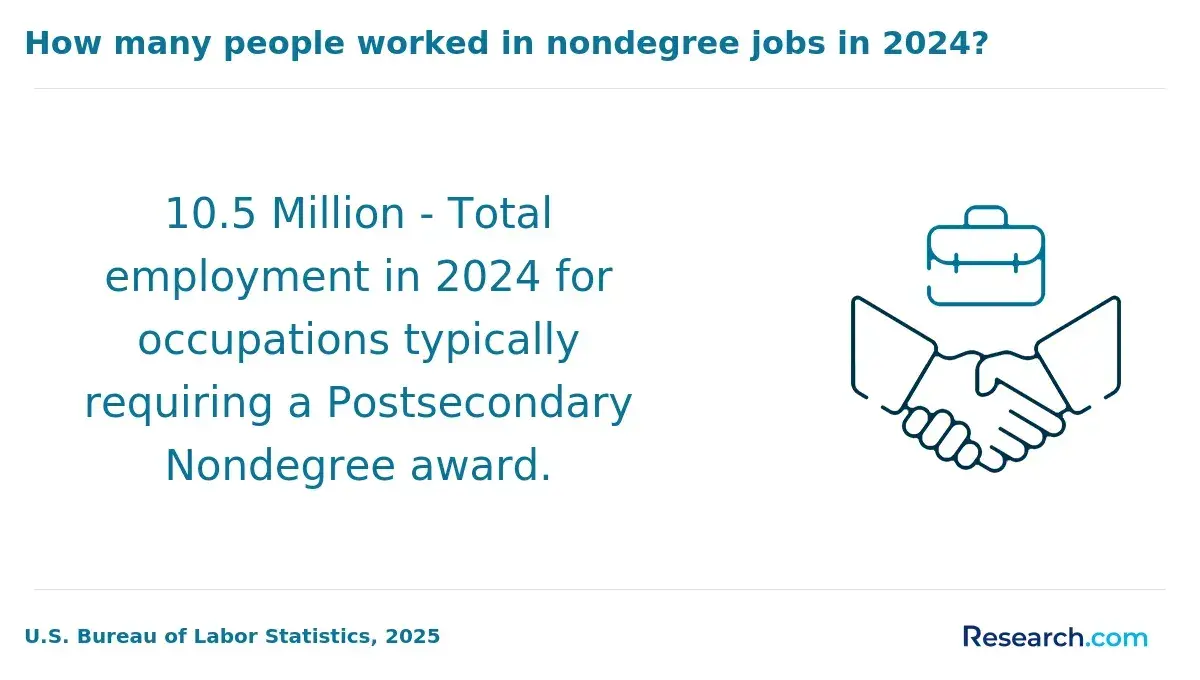
Employers usually focus more on the institution, degree relevance, technical coursework, experience, and demonstrated results than on whether the master's required a thesis. In animal production, feed, nutrition, extension, sales, quality assurance, animal welfare, and agribusiness settings, a well-designed applied project may be directly relevant to workplace needs.
Employer perception becomes less favorable when a program is unclear about accreditation, has little animal-specific content, offers minimal faculty interaction, or provides no concrete work sample. Hiring managers may not ask about thesis status, but they can ask what you analyzed, designed, implemented, or improved during graduate study.
Present a no-thesis degree effectively by connecting it to evidence of competence: identify the production issue addressed in your capstone, the analytical methods used, the relevant species or systems studied, and measurable recommendations you developed. Avoid describing the program as "easier"; describe its applied focus accurately.
For research scientist positions, university roles, and some advanced product-development jobs, employers may value publication history and experimental experience more heavily. In those cases, a thesis track, research assistantship, or substantial capstone with data analysis can improve competitiveness.
Will skipping thesis requirements limit PhD options in Animal Science?
Skipping a thesis can limit PhD options at research-intensive Animal Science departments, but it does not automatically close them. Doctoral admissions committees commonly assess research fit, academic preparation, faculty recommendations, quantitative readiness, and evidence that the applicant understands sustained research. A thesis offers a clear, standardized signal for several of those areas.
If you might pursue a PhD, build a contingency plan before enrolling in the no-thesis route. Take research methods and statistics, select a data-based capstone, establish a relationship with a research-active faculty member, and seek a poster, report, or collaborative project. Keep syllabi and examples of technical work because they can help explain your preparation later.
A thesis track is generally the safer investment for students who already know they want research training, grant-funded laboratory work, or a faculty career. A no-thesis pathway can remain reasonable for someone whose immediate objective is industry advancement and whose possible doctoral interest is uncertain, provided the degree plan leaves room for research preparation.
What advantages come with finishing Animal Science master's programs faster?
Finishing faster can reduce the time you spend delaying a promotion, changing roles, or applying new technical knowledge. It may also lower indirect costs, particularly when continuous enrollment avoids an extra academic year. These benefits depend on completing at a sustainable pace; overloading courses can undermine learning and delay graduation.
Accelerated study works best when a student has stable work hours, reliable technology, strong time-management habits, and a clear concentration. It is less attractive when a student needs extensive laboratory access, is changing scientific fields, or expects major personal or seasonal work demands.
Professionals comparing fast graduate routes across fields may find that nurse practitioner courses illustrate an important general principle: a short academic sequence does not remove prerequisite, supervised-practice, or credentialing requirements. Apply the same caution to Animal Science programs that advertise rapid completion.
The best financial comparison includes tuition, fees, employer support, likely travel, and the opportunity cost of reduced work hours. A faster program is a better investment only if its curriculum supports the role you intend to pursue and its pace lets you complete meaningful work rather than simply accumulate credits.
Are Animal Science master's programs without thesis requirements right for you?
A no-thesis online Animal Science master's is often a strong fit for experienced agricultural professionals seeking deeper technical knowledge, a credential for advancement, or a structured pathway into animal systems leadership. It can be especially practical for people in livestock production, feed and nutrition, extension, agribusiness, animal welfare, food systems, technical sales, or related operations who need flexibility.
A traditional thesis MS is usually the better choice for students targeting a PhD, research scientist work, university teaching, competitive laboratory roles, or a career where publications and experimental design are central. Students without sufficient undergraduate science preparation may also benefit from a slower, more mentored route.
Before making a final decision, use this checklist to compare your strongest options.
- Write down the job title or doctoral goal you expect to pursue within three to five years.
- Match that goal to required competencies, including data analysis, laboratory work, production expertise, management, or research experience.
- Verify institutional accreditation, state authorization, the exact online delivery method, and the transcripted degree title.
- Request a term-by-term degree plan showing required courses, summer availability, and the actual final requirement.
- Ask whether faculty supervise capstones individually and whether distance students can access research, internships, or industry projects.
- Calculate total cost after employer assistance, transfer-credit decisions, fees, and any required travel.
- Choose the thesis option if a future PhD remains a serious possibility and the no-thesis program cannot provide substantial research evidence.
Career changers should also evaluate prerequisites rather than focusing solely on speed. Guides to online accelerated nursing programs for non nurses reflect the same broader lesson: accelerated formats can be useful, but prior preparation and required experiential learning still determine whether the pathway is realistic.
Other Things You Should Know About Animal Science
Often, yes. Many distance programs are designed for working professionals, but realistic pacing depends on course load, seasonal work demands, synchronous sessions, group projects, and any in-person requirements. Request a sample schedule before enrolling.
Requirements vary by university and can change by admission cycle. Some programs waive or do not require the GRE, while others may request it for applicants with limited academic evidence. Check the graduate admissions page for the specific term.
Possibly. Universities commonly limit the number, age, grade, and relevance of transfer credits. Obtain written approval because a course that transfers as elective credit may not replace a required core course.
Not always, but relevant experience can strengthen an application and help you apply coursework. Programs focused on laboratory techniques, production systems, or clinical-adjacent skills may have additional expectations, so review prerequisites and practical requirements carefully.
References
- Application for Master's in Agricultural Sciences, major in Animal Science https://dein-studium.uni-hohenheim.de/en/applying-and-enrollment/applying/application-for-masters-in-agricultural-sciences-major-in-animal-science
- Non-thesis Master of Animal Science degree available https://www.petfoodindustry.com/pet-food-market/article/15464520/non-thesis-master-of-animal-science-degree-available
- Animal Science M.S. Admission https://www.angelo.edu/academics/programs/animal-science-ms/admission/