2027 Online Animal Science Degree Programs With Monthly Tuition Payment Plans

Co-Founder and Chief Data Scientist
Paying an entire term of Animal Science tuition at once can be difficult, especially when online students are balancing work, livestock responsibilities, or family costs. Monthly tuition payment plans divide a semester's eligible balance into scheduled installments rather than reducing the price of the degree.
The maximum Federal Pell Grant for the 2024-25 award year was $7,395, which may cover part of eligible costs but often does not eliminate a remaining balance. This guide helps prospective online Animal Science students compare payment plans, tuition, aid coordination, deposits, and hidden costs before enrolling.
Key Things to Know About Animal Science Programs with Monthly Tuition Payments
- Online Animal Science programs may offer semester-based installment plans, but availability, enrollment fees, due dates, and the number of payments vary by institution and can change by term.
- At published online per-credit rates of roughly $409 to $525, a 12-credit term can create tuition charges near $4,908 to $6,300 before fees; dividing that amount into four installments can still mean payments above $1,200 per month.
- A payment plan usually does not replace financial aid or lower tuition: students should apply aid first, confirm the remaining balance, and compare plan fees with loan interest and employer reimbursement timing.
Which online Animal Science degree programs have monthly tuition payment plans?
Several universities with online Animal Science or closely related animal-focused bachelor's study have institutional installment options. A school's payment plan generally applies to its student-account balance, not to one academic major alone, so students should verify that their online enrollment, residency classification, and term format are eligible before relying on a plan.
The comparison below identifies examples of online Animal Science study and the type of payment arrangement prospective students should ask the bursar or student accounts office to confirm. Published tuition and plan policies can change, and a listed plan is not a guarantee of eligibility.
| Institution and online study option | Published tuition reference | Payment-plan approach to confirm | Why confirmation matters |
| Oregon State University Ecampus Animal Sciences | Online undergraduate tuition is published by credit level and academic year. | Institutional tuition payment plan for eligible term balances. | Plan availability and installment count may depend on when the student enrolls. |
| Kansas State University Animal Sciences and Industry distance study | Distance-learning tuition and fees are published by course and student classification. | Term-based installment billing may be available through student accounts. | Course delivery, campus affiliation, and due-date timing can affect eligibility. |
| University of Arizona Online Animal Sciences | Arizona Online publishes a per-unit undergraduate tuition rate. | University payment arrangement for qualifying account balances. | Students should ask whether fees, course materials, and prior balances are included. |
Start by asking for the plan disclosure for the exact semester in writing. It should state the enrollment deadline, the first payment amount, how financial aid is applied, automatic-payment requirements, and the consequence of a missed installment.
Students comparing healthcare pathways may also find it useful to see how financing expectations differ in an medical assistant certification accelerated program, where a shorter timeline can compress tuition due dates rather than make the total balance easier to manage.
How much do online Animal Science degree programs typically cost?
Online Animal Science bachelor's tuition is commonly charged per credit, while the total price depends on transfer credit, course load, residency rules, institutional fees, and required science or animal-related course components. Students should calculate cost by term rather than relying only on a four-year estimate, because payment plans are normally built around a semester or shorter session.
The following illustrations use published online undergraduate per-credit tuition figures that schools listed for recent academic-year catalogs. They show tuition only and assume a 12-credit term; they are not quotations or guaranteed bills.
| Published online tuition example | Per-credit tuition | Illustrated 12-credit tuition | Illustrated four-payment schedule |
| Oregon State University Ecampus undergraduate rate | $409 | $4,908 | About $1,227 per payment before plan fees and aid |
| Kansas State University distance undergraduate rate | About $455 | About $5,460 | About $1,365 per payment before plan fees and aid |
| University of Arizona Online undergraduate rate | $525 | $6,300 | About $1,575 per payment before plan fees and aid |
These examples demonstrate an important limitation: "monthly payments" can improve cash flow without making a full-time schedule inexpensive. A student who cannot reliably cover the largest scheduled installment may be better served by a lighter course load, additional aid, savings, employer support, or a lower-cost program.
For perspective on how credential level affects education budgets, the average cost of DNP program can help illustrate why comparing total required credits, not only monthly bills, is essential across health and science education options.
How common are monthly tuition payment plans among Animal Science programs?
Monthly payment plans are fairly common across colleges because they are usually managed at the institutional billing level, but they are not universal and should not be assumed for every online Animal Science program. A plan may be unavailable for a short summer session, a past-due account, a study-abroad component, or enrollment that begins after the plan deadline.
Schools increasingly present installment plans as a billing option rather than as student financing. That distinction matters: an institutional plan typically spreads the balance across a limited academic term, while private financing may extend repayment after enrollment and can involve interest or credit approval.
To identify a workable option, complete these checks before paying an application or enrollment deposit.
- Locate the university's student accounts or cashier page and search for "payment plan," "installment plan," or "deferred payment."
- Ask whether fully online students in the Animal Science program may enroll and whether a minimum balance is required.
- Request the current term's installment calendar, enrollment fee, late fee, and cancellation policy.
- Compare the scheduled payment dates with paydays, scholarship disbursements, employer reimbursement, and expected financial-aid timing.
Do not confuse program flexibility with billing flexibility. An asynchronous course can be convenient to complete, but the university may still require a substantial payment before classes begin.
Students evaluating financially structured online clinical programs can compare how aid and billing are presented by medical billing and coding online schools; program length and aid packaging can materially change the cash-flow picture.
Can monthly tuition plans make paying for Animal Science degrees more attainable?
Monthly plans can make an Animal Science degree more attainable when a student has predictable monthly income but does not have several thousand dollars available at the start of each term. They are especially useful for students whose employer reimburses tuition after grades post, provided the student can bridge the reimbursement period without missing installments.
A payment plan is usually a better fit in the following circumstances.
- You can cover every scheduled installment from income or savings without using high-cost credit.
- Your financial aid, scholarship, or employer reimbursement will reduce the balance after the school applies it.
- You understand that the plan ends within the academic term and have a backup source for an unexpected expense.
- You are taking enough credits to justify the enrollment fee but not so many that the monthly amount exceeds your realistic budget.
It may be a poor fit for a student with unstable income, no emergency reserve, or a need to finance the final installment after the term ends. In that situation, reducing credits, delaying a course, seeking need-based aid, or comparing federal loan eligibility may be safer than repeatedly using a credit card.
Compared with a traditional student loan, a no-interest institutional plan can cost less if it is completed on time. The trade-off is speed: loans may permit repayment over years, while a payment plan may require the entire balance within three to five months. Upfront payment can be preferable when it earns a discount or avoids an enrollment fee, but only if it does not deplete funds needed for housing, food, transportation, and required course materials.
Applicants considering a nursing route alongside animal-related interests can review an ASN program to compare how clinical scheduling and program-specific expenses can affect both affordability and monthly budgeting.
Does monthly payment plans have an effect on the overall cost of Animal Science degrees?
Monthly payment plans generally do not change the school's tuition rate. They can, however, increase the amount paid if the institution charges a plan-enrollment fee, assesses late charges, requires a returned-payment fee, or cancels the arrangement after a missed installment. Unlike federal student loans, many institutional plans do not charge interest when payments are made as agreed, but students must read the agreement rather than assume the plan is cost-free.
This comparison shows why students should evaluate total out-of-pocket cost, not only the lowest first payment.
| Payment method | Potential cost advantage | Primary trade-off | Best use case |
| Pay tuition in full | May avoid a plan-enrollment fee and late-payment risk. | Requires substantial cash at the beginning of the term. | Students with available savings and no need to preserve cash flow. |
| Institutional monthly plan | Often spreads the balance without loan interest. | May include an enrollment fee and requires full repayment within the term. | Students with reliable monthly income and a clear payoff schedule. |
| Federal student loan, if eligible | Repayment is generally deferred while enrolled at least half time. | Interest and borrowing limits can affect long-term cost. | Students who need longer repayment and have exhausted grants and savings. |
| Employer tuition reimbursement | Can reduce the employee's net education cost. | Funds may arrive after payment deadlines and may have work-service conditions. | Employees with written reimbursement approval and bridge funds. |
Calculate the plan's true cost by adding tuition, mandatory fees, the plan fee, expected payment-processing charges, and a realistic estimate of any late fee risk. Do not choose a longer installment arrangement merely because the first payment is smaller; confirm whether it adds a fee or extends beyond the period when you expect aid or reimbursement.
Students exploring food, wellness, or animal nutrition work may also compare curriculum length and financing needs with a nutritionist bachelor degree online before committing to a specific academic path.
Do monthly payment plans affect your financial aid eligibility for Animal Science programs?
Enrolling in a monthly payment plan does not normally reduce eligibility for federal financial aid. Aid eligibility is determined through the FAFSA, institutional policies, enrollment status, satisfactory academic progress, and other applicable requirements - not by whether a student pays in installments. However, the billing sequence can affect what the student must pay out of pocket before aid disburses.
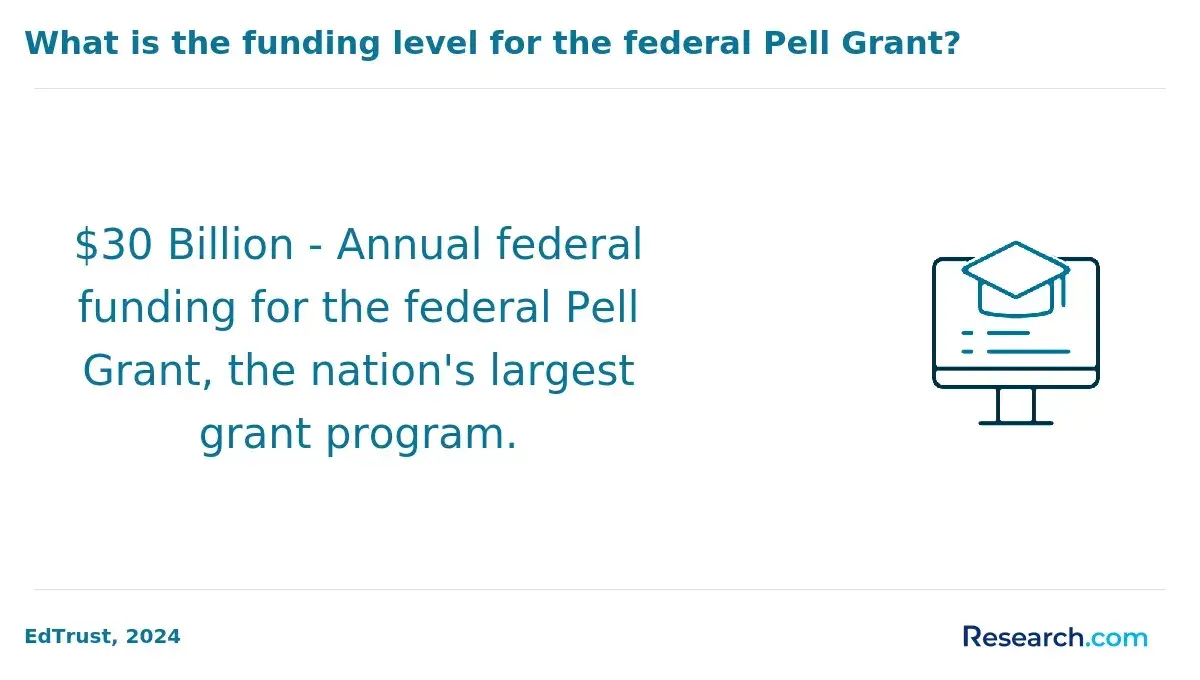
For the 2024-25 award year, the maximum Federal Pell Grant was $7,395. Eligible students may use grants, scholarships, and accepted loans to reduce their account balance, but awards are individualized and may not cover tuition, fees, books, housing, or all program costs.
Before enrolling in a plan, ask the financial-aid office whether anticipated aid will appear as a credit in the installment calculation. Some schools reduce the planned balance by pending aid, while others require a payment until aid is officially disbursed. If aid is later reduced because of a dropped course, withdrawal, verification issue, or changed enrollment level, the student may immediately owe a larger balance.
Students should submit required aid documents early, accept only needed loans, and keep enough cash available for the first bill. Never treat an estimated award as spendable until the school confirms its status and disbursement timing.
Is there a deposit required before starting Animal Science monthly payment plans?
A deposit is not required by every institution, but many tuition payment plans require an initial payment when the student enrolls. That first amount may be called a down payment, first installment, enrollment payment, or plan setup fee. It is separate from an admissions deposit when the school charges one.
The upfront amount often depends on when the student joins the plan. Students who enroll early may have more installments remaining; students who enroll close to the term deadline may need to pay a larger first installment because fewer billing dates remain.
Confirm these items before selecting a plan.
- Whether an admissions or enrollment deposit is required and whether it is credited toward tuition.
- The exact first installment amount and its due date.
- Whether the payment-plan enrollment fee is refundable if you drop courses or do not begin the term.
- Whether pending grants, scholarships, veteran benefits, or employer payments reduce the initial amount.
- Whether a past-due balance must be paid before you can enroll in a new plan.
A low advertised monthly installment can be misleading when it excludes a required first payment. Compare the total cash required before classes start, not just the recurring amount shown in a payment-plan calculator.
Are there fees not covered by monthly tuition payment plans for Animal Science programs?
Usually, a monthly plan covers only eligible charges posted to the student account. Depending on the institution, this may include tuition and some mandatory institutional fees, but it may exclude expenses that are billed separately, charged later, or paid directly to a third party.
This table highlights costs students should verify instead of assuming they are part of the installment balance.
| Potential expense | Often included in a tuition plan? | What to verify |
| Tuition for registered courses | Usually | Whether dropped or added courses automatically change installments. |
| Mandatory university fees | Sometimes | Whether technology, distance-learning, laboratory, or service fees are included. |
| Books, access codes, and supplies | Often no | Whether charges appear on the student account or must be purchased separately. |
| Animal handling, laboratory, fieldwork, or travel costs | Often no | Whether the course has site-specific equipment, transportation, or placement expenses. |
| Late, returned-payment, and plan-enrollment fees | No | Exact amount, grace period, and whether the charge is refundable. |
Animal Science can involve costs beyond a typical online lecture course, particularly if a curriculum includes laboratory work, proctored exams, local field experiences, animal facilities, or specialized protective equipment. Request a program-specific cost sheet from the department and compare it with the student-account billing estimate.
What should you look for in payment plan terms for Animal Science programs?
Payment-plan terms determine whether an installment option is genuinely manageable. The most important document is the current term agreement, not a general web page or a verbal estimate from admissions. Read it before providing bank-account or card information.
Use the following checklist to compare plans consistently across Animal Science programs.
- Confirm the number of installments, every due date, and whether payments are monthly or tied to specific dates.
- Identify the total plan-enrollment fee, payment-processing charges, late fees, and returned-payment fees.
- Ask whether automatic payments are mandatory and what happens if the payment method expires or fails.
- Check whether financial aid, scholarships, and third-party sponsorships are deducted before installments are calculated.
- Review the course-drop, withdrawal, and refund policy, including whether the plan is recalculated after enrollment changes.
- Find out whether a missed payment causes a registration hold, loss of system access, plan cancellation, collections activity, or immediate payment of the remaining balance.
- Request written confirmation of any exception promised for employer reimbursement, military benefits, or delayed scholarship funding.
Common mistakes include joining too late and facing a large first payment, overlooking non-tuition costs, and assuming that a plan automatically adjusts after a financial-aid change. Avoid these errors by saving the agreement, setting payment reminders several days before each due date, and contacting student accounts immediately if a change in enrollment or income affects your ability to pay.
How do you know if online Animal Science degrees with monthly payments are right for you?
An online Animal Science degree with monthly payments may be right for students who need better short-term budgeting, have steady income, and can complete the balance within the school's payment period without costly borrowing. It is not automatically the least expensive option, and it does not resolve a program that is unaffordable at its total price.
Consider a monthly plan when the term balance fits your written budget after grants, scholarships, and employer benefits. Paying upfront may be stronger when you have sufficient savings and the plan charges a fee. Federal loans may be more practical for an eligible student who needs repayment beyond the end of the term, though they should be borrowed carefully because interest and long-term repayment can increase total cost.
Make the decision using this short process.
- Choose only programs that support your academic goal, including appropriate institutional accreditation and any in-person requirements you can complete.
- Obtain the full cost of attendance and separate direct university charges from books, travel, animal-related course requirements, and living expenses.
- Subtract confirmed grants, scholarships, employer assistance, and available savings from the term bill.
- Divide the remaining eligible balance by the actual number of installments, then add any plan fee and excluded expenses.
- Proceed only if the highest payment fits your budget with room for ordinary emergencies.
Students should avoid relying solely on a monthly plan if they would need to miss a housing, food, medical, or transportation payment to make tuition installments. A smaller course load or later start can be a better financial decision than a plan that creates repeated late fees or forces high-interest borrowing.
Other Things You Should Know About Animal Science
Some universities offer online Animal Science bachelor's completion or degree pathways, but requirements vary. Even an online program may include laboratory, fieldwork, proctored testing, internships, or other experiences that require travel or local arrangements. Review the curriculum before applying.
A typical bachelor's degree requires about 120 credits. Full-time students may finish in roughly four years, while transfer credits, part-time enrollment, prerequisites, and course availability can shorten or extend the timeline.
Depending on coursework and experience, graduates may pursue work in animal production, feed and nutrition, agribusiness, animal health sales, extension-related services, research support, laboratory operations, or animal-care management. Specific jobs may require additional training, licensure, or employer-defined experience.
Students should generally look for an institution accredited by an appropriate recognized accreditor and confirm that the degree meets any employer, graduate-school, certification, or state-specific requirements tied to their intended career. Programmatic expectations vary because Animal Science is a broad academic field.
References
- Payment and Loan Options Bay Path Online https://www.baypath.edu/admissions-aid/undergraduate-online-programs/tuition-and-financial-aid/payment-and-loan-options-2/
- Purina Animal Nutrition Scholarship - Scholarship America https://scholarshipamerica.org/scholarship/purina/
- Top Veterinary & Animal Science Scholarships https://www.vettechcolleges.com/blog/50-veterinary-animal-science-scholarships
- Discover the Online Vet Tech Schools with Financial Aid https://www.edumed.org/online-schools/vet-tech-programs/financial-aid/
- Lallemand Animal Nutrition Scholarship https://www.lallemandanimalnutrition.com/en/united-states/lallemand-animal-nutrition-scholarship-program/
- 4 Ways to Pay for Veterinary School After the OBBB - ELFI https://www.elfi.com/how-to-pay-for-veterinary-school-after-the-one-big-beautiful-bill/
- Why Tuition Payment Plans Help Students Stay Enrolled - Campus Commerce https://campuscommerce.com/blog-why-tuition-payment-plans-help-students-stay-enrolled/
- Affordable College Tuition and Fees https://www.calsouthern.edu/admissions/affordable-tuition/
- Do Colleges have Payment Plans? | Ascent Funding https://www.ascentfunding.com/blog/how-to-secure-and-use-a-college-tuition-payment-plan/
- Do Online Colleges Offer Payment Plans? https://www.collegetransitions.com/blog/do-online-colleges-offer-payment-plans/