2027 Best Online Real Estate Degrees for Appraisal Careers

Co-Founder and Chief Data Scientist
Securing a specialized degree in real estate to pursue appraisal careers often collides with the challenge of balancing work, licensing requirements, and family commitments. The National Center for Education Statistics reports a 23% increase in adult learners enrolling in online programs since 2023, indicating a strong shift toward flexible education pathways essential for professionals managing competing priorities.
This trend reflects not only growing demand for accessible formats but also intensifies the need to discern which online degrees deliver rigorous appraisal skills aligned with industry licensing and employer expectations. This article evaluates top online real estate programs tailored for appraisal careers, focusing on flexibility, accreditation, and career outcomes to aid informed decision-making.
Key Things You Should Know
- According to the Bureau of Labor Statistics, 15% wage growth discrepancy exists between candidates with accredited appraisal degrees versus certificates, prompting applicants to weigh additional schooling time against long-term salary gains.
- Employer surveys from the Appraisal Institute in 2024 reveal that 62% of hiring managers prioritize degree completion combined with licensure over mere certificate credentials, pressing candidates to secure formal bachelor's or master's degrees for competitiveness.
- Higher tuition and extended study duration for regionally accredited online real estate degrees delay licensure eligibility by up to 12 months, impacting early-career cash flow despite stronger positioning in urban appraisal markets.
What is an online real estate degree for appraisal, and how does it prepare you for licensure?
An online real estate degree for appraisal licensure preparation provides a focused route to satisfy state-mandated education and supervised experience requirements. Candidates develop proficiency in appraisal principles, real property law, and finance, supplemented by practical report writing directly aligned with licensure exams. This pathway bypasses inconsistent on-the-job training, condensing timelines for professionals shifting from sales to appraisal roles that expect formal credentialing over solely experience-based qualifications.
Licensing bodies require competency in market data collection, value calculation, and adherence to Uniform Standards of Professional Appraisal Practice (USPAP). Programs embedding case studies and applied tasks bridge gaps often present in self-study approaches, offering an evidence-based demonstration of skills critical to passing certification steps.
An online real estate appraisal degree supports licensing requirements by integrating technological fluency with contemporary appraisal software, critical as the valuation industry moves toward digital workflows across residential, commercial, and industrial sectors.
Employment growth projections for property appraisers, at 4% through the decade, reflect steady demand, with an average annual wage near $65,420. Choosing this educational path impacts employability and positioning amid evolving market expectations.
Those weighing accelerated study will find value in exploring an accelerated finance degree option that may complement appraisal licensure preparation.
How do you become a real estate appraiser in the U.S., and what education is required?
The path to becoming a real estate appraiser in the U.S. demands a deliberate blend of education and supervised experience, with state licensure hinging on meeting specific thresholds that vary by credential level. Candidates face a minimum of 75 hours of foundational coursework, covering appraisal principles and legal frameworks, followed by 1,000 to 2,500 hours of supervised fieldwork spanning half a year to two years. This reality means aspiring appraisers often invest months and thousands of dollars before licensure, without guaranteed immediate employment.
Licensing candidates must also pass state exams assessing valuation accuracy, ethical practice, and regulatory knowledge. Notably, continuing education every two years ensures professionals adapt to fluctuating market conditions and evolving legal standards. The job outlook projects a modest 4% growth from 2024 to 2034, reflecting stable but regionally variable demand depending on transaction volume and lending activity. For those weighing educational strategies, an accredited bachelor's degree in real estate, finance, or related fields can be instrumental in meeting prerequisites for advanced licenses and enhancing analytical capabilities.
Residential and commercial appraisal routes diverge in educational intensity and career timing, with commercial appraisal requiring advanced financial expertise and specialized classes. Students exploring education requirements for real estate appraiser careers in the United States should also consider programs with strong state recognition and industry links to expedite licensure and bolster employer credibility. For professionals seeking broader operational leadership roles, pursuing an operations management MBA online can complement appraisal skills by expanding business acumen within real estate contexts.
Which online real estate degrees are best for aspiring appraisers, and how are rankings determined?
Candidates seeking the best online real estate degrees for aspiring appraisers must weigh the concrete impact of program design on licensure and employability. Programs combining appraisal-specific coursework with state-approved accreditation directly accelerate entry into state licensing, whereas general real estate degrees often require costly and time-consuming additional certification. Practical skills in property valuation, market analysis, legal frameworks, and finance are non-negotiable to meet employer expectations and licensing board standards.
The criteria used to rank online real estate degree programs for appraisal careers emphasize measurable outcomes such as graduate employment rates in appraisal roles, licensing exam pass rates, and curriculum alignment with the Appraisal Qualifications Board's rigorous standards. Salaries typically align with these indicators, with national average appraisal earnings near $58,400 and top earners reaching $97,080, reflecting how program quality translates into economic returns.
Working professionals pivoting into appraisal roles should consider programs offering flexible schedules combined with solid internship or mentorship opportunities that facilitate swift workforce integration. Degrees lacking state-specific licensure guidance or applied appraisal components often impede timely certification, delaying career progression.
Employers prioritize graduates who demonstrate advanced data analysis and applied project experience tailored to appraisal challenges, unlike those holding degrees focused primarily on real estate sales or management. Verifying that programs satisfy local licensing education hours and incorporate relevant technology tools is critical to avoid credentialing setbacks.
For related professional directions, exploring a degree in project management may complement appraisal expertise and broaden career possibilities.
How do online real estate appraisal degrees compare with campus programs in flexibility and outcomes?
Flexibility remains the paramount advantage of an online real estate appraisal degree, allowing professionals to maintain income while fulfilling licensing continuing education across multiple jurisdictions. This online real estate appraisal degree flexibility suits working appraisers targeting diverse markets, where scheduling constraints and geographic limitations could otherwise hinder progress.
Conversely, campus versus online real estate appraisal outcomes show nuanced tradeoffs. Traditional programs tend to offer immersive networking, internships, and mentorship opportunities critical for newcomers in competitive urban areas seeking local market insights and employer recognition. Employers in some states prefer graduates from regional institutions due to tailored curricula and established reputations, a factor often absent in purely online formats without strong regional ties.
Data indicate that 41.7% of appraisers hold bachelor's degrees and 8.1% master's degrees, reflecting employer preference for analytical and legal coursework over certificate training. Choosing between modalities involves weighing logistical factors-travel, family obligations, and employer expectations-against career goals.
For those exploring health-adjacent credentials, programs such as CAHIIM accredited health information management degree online demonstrate the increasing relevance of flexible, accredited online education.
What accreditation and program approvals should online real estate appraisal degrees have?
Accreditation and program approval have tangible effects on the feasibility and cost-efficiency of pursuing an online real estate appraisal degree. Without institutional accreditation recognized by the U.S. Department of Education or CHEA and program-level approval from the Appraisal Qualifications Board (AQB), students risk investing in credits that won't qualify for state licensing. For instance, a commercial appraiser transitioning careers might face unexpected delays and additional coursework if their degree program lacks AQB compliance, increasing both time and expense.
Employers and state boards often require dual validation: regional accreditation ensures overall academic rigor, while AQB approval certifies that coursework meets licensure education criteria. This two-tier assurance impacts marketability and licensure at the state level, where some boards impose extra educational requirements beyond AQB standards. As a result, systematically verifying these credentials aligns the student's investment with realistic licensing outcomes.
One consequence of ignoring these standards is prolonged credentialing timelines, which translates into lost income opportunities and higher education debt. Programs that transparently communicate credit transferability and licensure implications reduce these risks.
Key checkpoints for program credibility include:
- Regional institutional accreditation recognized by the U.S. Department of Education or CHEA
- AQB-compliant program approval confirming adherence to appraisal licensing education
- Alignment with state appraisal board criteria that may extend beyond AQB requirements
- Clear disclosure of credit transferability and effects on licensure timelines
What courses and competencies are typically included in an online real estate appraisal curriculum?
Real estate appraisal education must respond realistically to the complexities of market volatility, regulatory nuances, and diverse employer demands. Core coursework covers property valuation techniques like sales comparison and income capitalization while integrating legal frameworks such as zoning laws and contract compliance essential for reliable appraisals. However, the practical gap lies in applying these concepts through field inspections, report writing, and adapting models to unpredictable market shifts-skills prioritized by employers.
Technical competence with appraisal software and data analysis tools is critical. Residential appraisers focus on granular local market trends and neighborhood factors, whereas commercial appraisers require proficiency in forecasting income streams and valuing complex assets. Programs that incorporate case studies and simulation exercises better prepare candidates for these challenges by fostering analytical flexibility necessary in real-world scenarios.
Employers also value coursework on appraisal review and litigation support, expanding career pathways beyond standard appraisal roles into regulatory and expert witness positions. The financial investment varies considerably; tuition ranges from approximately $107.50 to over $780 per credit hour, influencing prospective students' risk-reward calculations given the three-year supervised experience prerequisite post-education before certification.
- Programs emphasizing extensive practicum reduce licensure friction by mirroring day-to-day tasks.
- Choosing value-focused curricula affects long-term debt and return on investment more significantly than institutional prestige.
- Tradeoffs exist between technical depth and legal-ethical education depending on the appraisal specialty pursued.
What are the typical admission requirements, program length, and credit loads for these degrees?
Online degrees tailored to appraisal careers in real estate must be evaluated through the lens of regulatory demands and field experience requirements rather than solely academic duration or credit accumulation. While associate and bachelor's programs envelop 60 to 120 semester credits respectively, only a fraction-20% to 40%-focuses on appraisal-specific learning. This division reflects a necessary balance between general education and technical competence but emphasizes that coursework alone does not suffice for licensure or market readiness.
Practical experience remains a decisive factor. States commonly require 150 hours of focused appraisal coursework and at least 1,000 supervised fieldwork hours. These work hours demand real-world inspection and market analysis that online platforms cannot replicate, thus pushing candidates to seek mentorships or internships with licensed appraisers. Failure to secure these experiences can delay licensure and limit employment prospects.
Program lengths vary, with associate degrees typically taking two years full-time, bachelor's up to four years, and certificates offering a quicker route to meet appraisal-hour thresholds. Part-time or accelerated enrollment can stretch completion time beyond traditional frames, an important consideration for working professionals balancing career pivots.
Choosing programs with established partnerships or applied learning opportunities directly impacts how smoothly candidates fulfill experience mandates, which are non-negotiable in many licensing jurisdictions. Evaluating these tradeoffs is essential for realistic career planning in appraisal-focused real estate pathways.
How much do online real estate appraisal degrees cost, and what financial aid is available?
Focusing narrowly on tuition costs overlooks the crucial balance between program length, credential value, and workforce impact in real estate appraisal education. Bachelor's degrees typically range from $15,000 to $45,000 depending on whether the institution is public or private and the student's residency status. Public universities tend to offer the most cost-efficient paths, but specialized or private programs often hold particular appeal due to accreditation recognized by state appraisal boards.
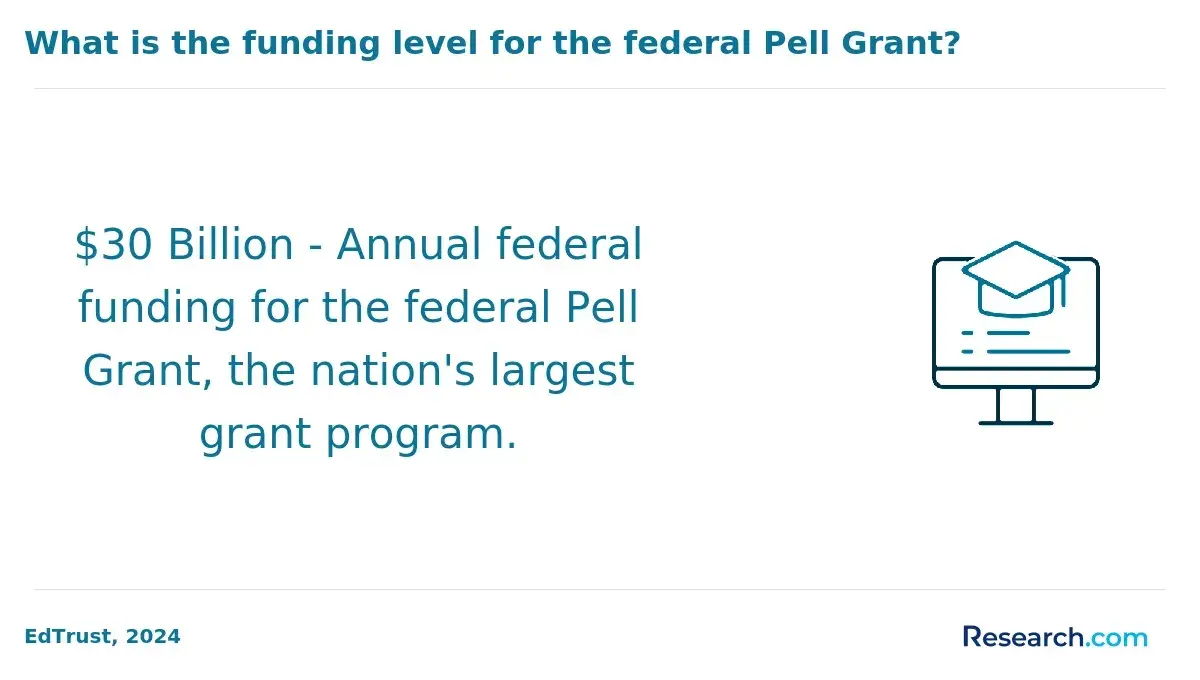
Financial aid options substantially affect affordability and timing. Pell Grants, Direct Stafford Loans, institutional scholarships, and state workforce development funds provide multiple avenues, although limited scholarship availability often demands early application. Employer tuition reimbursement remains vital for those currently employed in real estate-related roles seeking to upgrade credentials without assuming full out-of-pocket costs.
Program duration also dictates opportunity cost. Accelerated online degrees can increase per-credit expenses but reduce total indebtedness and time away from income. Longer, more affordable programs lower monthly outlays but may delay licensure and earning potential. Because state licensing increasingly favors degrees aligned with The Appraisal Foundation's Real Estate Degree Review Program, selecting approved programs ensures credentials translate directly to appraisal career milestones-an essential consideration for professionals targeting rapid, measurable workforce entry.
What appraisal careers, specializations, and advancement opportunities can these degrees lead to?
Online real estate degrees in 2026 often serve as a critical step toward specialized appraisal roles, but their practical value hinges on how well programs integrate licensure pathways and field experience. Graduates frequently start as appraiser trainees, progressing to positions overseeing appraisal teams in banks, government, or private firms. There is a marked difference between residential appraisers, who may advance faster but face volatile local market incomes, and commercial specialists, whose licensing process is longer yet yields higher metropolitan salaries.
Decision-making around which program to choose should consider the balance between tuition costs-typically $11,000-$12,000 annually-and embedded internship or mentoring opportunities, since employers expect a blend of technical appraisal expertise with firm knowledge of real estate law, finance, and data analysis. Programs emphasizing these competencies better position students for competitive markets.
Those targeting public-sector roles, such as HUD appraisers or property tax assessors, must select programs aligned with government-specific standards. Specializations like agriculture or environmental risk assessment enhance marketability but require additional certifications. Ultimately, graduates will need to navigate state licensing boards' requirements, integrating education with practical experience to manage the demanding tradeoffs of timing, cost, and career niche.
What are the salary expectations and job outlook for real estate appraisers and related roles?
Appraising careers in the U.S. often hinge on regional demand and licensure level, with median earnings near $62,000 annually but exceeding $100,000 for top-tier professionals. The stable 5% job growth through 2032 indicates consistent assignment flow, yet geographic and specialty-based income disparities are significant-certified residential and commercial appraisers generally command higher fees than trainees or rural counterparts.
Ongoing continuing education (CE) substantially impacts working appraisers, as maintaining licensure involves recurring costs and time investments. Major online CE providers report course package prices from $840 to $1,190, which can affect cash flow when balanced against professional income. Investment in upskilling, especially for niches like agricultural or industrial valuation, often yields improved contract opportunities and pay scales.
Employers look for formal education paired with licensed experience, making appraisal-related degree programs-particularly online ones-useful but not without risks. Graduates must gauge local market demand carefully; for example, moving to a low-demand rural area can prolong intervals without stable appraisal work, while metropolitan markets provide higher assignment volumes and fee income.
Other Things You Should Know About Real Estate
After graduation, candidates must complete the state’s required appraisal education, usually 75 qualifying education hours for the Licensed Residential credential, plus the required experience hours and the AQB-approved exam. Each state appraisal board sets the exact licensing path and supervises registration, background checks, and renewal rules.
Students enrolling in online real estate degree programs in 2027 typically need a reliable computer, high-speed internet connection, and access to platforms like Zoom or Microsoft Teams. Specific software such as Adobe Acrobat for PDF handling might also be required to complete coursework effectively.
While online degrees from accredited institutions are increasingly accepted, employers often scrutinize the program's rigor and reputation more than the delivery method. Traditional campus programs may offer more networking and face-to-face mentorship opportunities, which are valuable in appraisal careers. If choosing online, seek programs with live instruction components, practical assignments, and documented success in placing graduates in appraisal roles to offset potential concerns.
Yes, scholarships are available for online real estate degrees with a focus on appraisal careers in 2027. Many institutions offer scholarships based on merit and need. Additionally, industry-specific scholarships may be available through professional organizations like the Appraisal Institute.
References
- Career development opportunities: better than a promotion https://www.neobrain.io/en/blog/redefining-career-growth-opportunities
- Education Approval Process https://reab.alabama.gov/appraisal-education/education-approval-process/
- Real Estate Appraiser Course | Stratford Career Institute https://www.scitraining.com/real-estate-appraiser
- How to Become an Appraiser https://appraisalfoundation.org/pages/how-to-become-an-appraiser
- Comprehensive Guide to Financial Aid for Real Estate School https://www.colibrirealestate.com/career-hub/blog/financial-aid-real-estate-school/
- Cameronacademy - Continuing Education Requirements https://www.cameronacademy.com/continuing-education-requirements
- How Many Credits Do You Need to Graduate College? https://www.edvisorly.com/student-guides/how-many-credits-do-you-need-to-graduate-college
- Degree and Certificate Requirements < Oakland Community College https://catalog.oaklandcc.edu/graduation-requirements/degree-certificate/
- Education and Training https://www.nbarea.org/become-an-appraiser/education-and-training/
- How To Become a Real Estate Appraiser | Champions School https://www.championsschool.com/resources/career-hub/appraisal-license-steps/