2027 Online Game Programming & Development Bachelor's Degree Programs With Open Enrollment

Co-Founder and Chief Data Scientist
Imagine a working adult eager to switch careers but unable to meet traditional college deadlines. Open enrollment online bachelor's degree programs in game programming & development provide this flexibility, yet many prospects remain unaware of these accessible options.
According to the National Center for Education Statistics, over 60% of online students prefer programs without strict application deadlines, highlighting demand for adaptable enrollment. This article explores various online game programming & development bachelor's programs with open enrollment, offering guidance on how to find flexible learning paths that accommodate busy schedules and facilitate timely degree completion.
Key Benefits of Online Game Programming & Development Bachelor's Degree Programs With Open Enrollment
- Flexible start dates allow students to begin coursework multiple times a year, increasing accessibility and accommodating diverse schedules without waiting for traditional semester cycles.
- Open enrollment policies reduce barriers by often waiving standardized test requirements, creating accessible admissions pathways for nontraditional and returning students.
- Online delivery offers convenience for working adults, enabling balance between job responsibilities and study with 24/7 course access and asynchronous learning options.
Who Qualifies for an Online Game Programming & Development Bachelor's Degree With Open Enrollment?
Open enrollment policies in online game programming & development bachelor's degree programs help broaden access to higher education by reducing traditional entry barriers. Nearly 40% of undergraduates are considered nontraditional, underscoring the value of such inclusive policies. This approach allows a wider range of learners to pursue educational goals aligned with their career aspirations.
Typically, these programs qualify diverse student groups, including:
- Recent High School Graduates: Individuals seeking a flexible and accessible pathway to a technology-focused degree often find these programs suitable for starting their postsecondary education without restrictive admissions processes.
- Working Adults: Those aiming to change careers or enhance skills can benefit from online options that accommodate employment schedules, enabling skill upgrades without interrupting their jobs.
- Nontraditional Students: Learners managing family responsibilities or returning to education after a break can pursue degrees at their own pace, making education more adaptable to varied life circumstances.
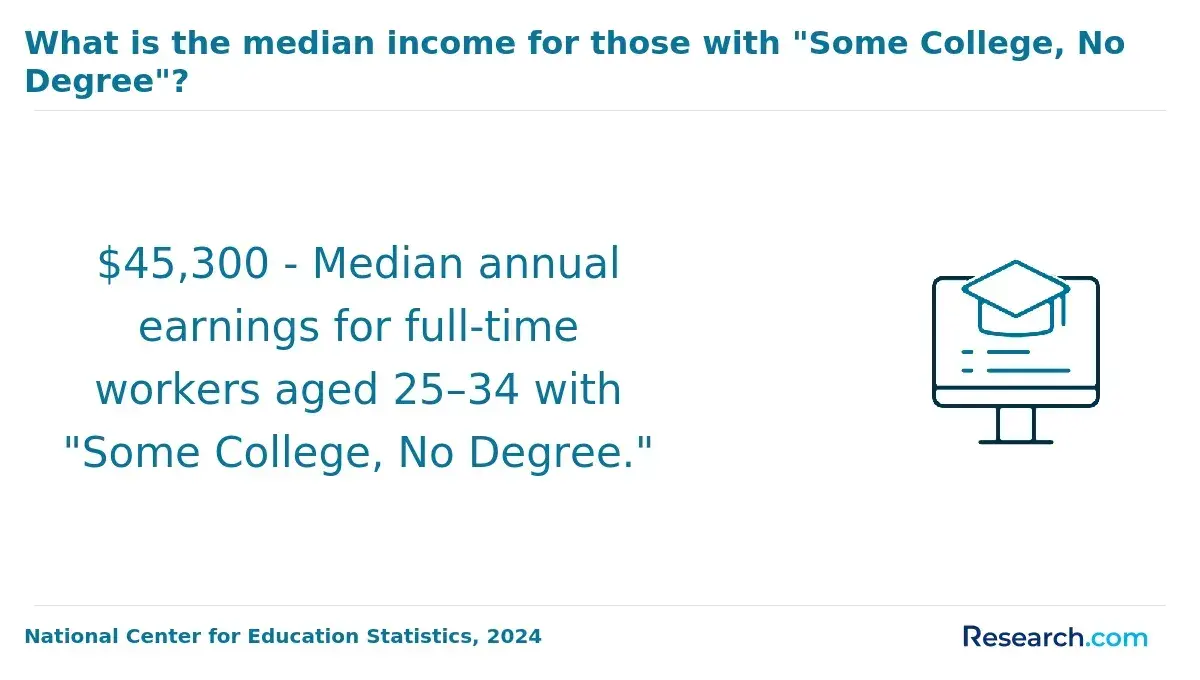
- Prior College Experience: Individuals with some prior college credits who want to complete their degree or shift to game programming & development can do so without starting over.
- Military Veterans and Active Service Members: Flexible scheduling and affordability allow service members to balance education with their unique commitments effectively.
Such programs recognize varied backgrounds and often bypass stringent academic records or standardized test score requirements. Prospective students should consider eligibility criteria for open enrollment game programming & development programs carefully to determine if these options suit their needs. For those exploring educational pathways, resources like bcba programs provide additional insights into accessible online degrees in related fields.
What Is the Difference Between Open Enrollment and Rolling Admission in an Online Game Programming & Development Bachelor's Degree?
Open enrollment and rolling admission are often confused but represent distinct approaches to admission and enrollment timing for online game programming & development bachelor's degrees. As many as 44% of online students select programs with flexible admission policies, reflecting strong interest in adaptable education models. These differences are important for prospective students navigating online game programming & development bachelor's degree programs with open enrollment.
Here is a closer look at each approach and their defining characteristics.
Open Enrollment
- Admission Flexibility: Open enrollment accepts all applicants who meet basic criteria such as a high school diploma, without a competitive selection process, easing entry barriers.
- Application Timing: Enrollment periods align with set academic terms, allowing students to begin at designated start dates.
- Evaluation Process: There is no ongoing competitive review; the focus is on accessibility and inclusivity for a broad range of learners.
- Enrollment Structure: This model supports predictable term schedules, ideal for students seeking planned academic progress.
- Ideal Candidates: Open enrollment is well-suited for nontraditional or flexible learners looking for straightforward admission into game programming & development programs.
Rolling Admission
- Selective Review: Applications are evaluated as they arrive, and acceptance depends on meeting program standards, making it more competitive.
- Year-Round Applications: Students can apply at any time throughout the year without waiting for a fixed deadline.
- Continuous Evaluation: Institutions review each application promptly, providing quicker admission decisions.
- Flexible Start Dates: Rolling admission allows staggered matriculation, accommodating students who want to begin their studies without delay.
- Admissions Uncertainty: Acceptance is not guaranteed, so applicants should be prepared for competitive selection processes.
For those comparing admission strategies for online game programming & development bachelor's degrees, understanding these distinct models can clarify choices. Students can explore a broader range of options, including online social work programs, which also occasionally employ flexible admission policies similar to open enrollment.
2026 Update: Checking Curriculum Fit Before You Enroll
This 2026 update adds guidance on evaluating whether an open enrollment online game programming and development bachelor’s program matches current student goals, technical needs, and portfolio expectations before committing.
- Confirm that courses cover both game programming fundamentals and applied development workflows.
- Check which programming languages, engines, and development tools are used in required classes.
- Look for portfolio-building assignments, playable projects, or a final capstone you can show employers.
- Review hardware and software requirements before enrolling, especially for 3D development courses.
- See whether the program includes team-based projects that reflect real game production environments.
- Ask how often the curriculum is reviewed so tools and project expectations do not feel outdated.
By looking beyond open enrollment and comparing curriculum details, students can choose a flexible program that also supports practical game development skills and career-ready work samples.
What Are the Admission Requirements for an Online Game Programming & Development Bachelor's Degree With Open Enrollment?
Admission criteria for online game programming & development bachelor's degrees with open enrollment are generally more inclusive and flexible than those for traditional programs. Nearly 30% of colleges offering open enrollment report nonselective admissions, accepting most applicants who meet minimum requirements. This approach aims to broaden educational access for a diverse student body. Below are typical admission components for these programs.
- Proof of Prior Education: Applicants usually need to provide evidence of having completed high school or an equivalent credential. This confirms a baseline level of academic preparation suitable for college-level coursework.
- Application Submission: Prospective students fill out a form containing essential personal and academic details, ensuring the institution can evaluate eligibility and maintain records efficiently.
- Identity Verification: Programs require confirmation of the student's identity, which helps safeguard academic honesty and secure personal information.
- Online Learning Readiness: Some programs assess familiarity with virtual learning environments through questionnaires or brief orientations. This step supports student success by preparing them for digital coursework demands.
A current student enrolled in an online game programming & development bachelor's degree with open enrollment shared his experience: "The process felt straightforward, but I was a bit nervous about proving I could handle the online setup." He mentioned that orientation materials helped him adjust to the tech tools used in classes, and the school's flexible admissions allowed him to start his studies without delays despite his nontraditional background. He appreciated that the procedures focused on readiness rather than heavy documentation, making the entry less stressful and more accessible.
Which Online Game Programming & Development Bachelor's Degree Programs Have Open Enrollment?
Open enrollment programs span numerous academic fields, offering greater flexibility and access to a wide range of students, including working adults and those with varied educational backgrounds. Currently, more than 60% of online bachelor's programs in technology include some form of open enrollment or rolling admissions, highlighting a shift toward more inclusive education models. The following areas within game programming & development often incorporate open enrollment options to accommodate diverse learners.
- Game Design and Interactive Media: These programs emphasize storytelling, user interface, and creating immersive experiences. They provide a creative foundation suited for students interested in visual and narrative aspects of games.
- Software Engineering for Games: Focused on the coding, debugging, and system-level optimization that drive game functionality, this specialization suits those aiming to develop strong technical programming skills.
- 3D Modeling and Animation: Concentrating on crafting game assets and dynamic visuals, these pathways enhance artistic and technical abilities in digital content creation.
- Artificial Intelligence and Simulation: Covering game environments that adapt and respond to player actions, this area explores advanced programming techniques for realistic gameplay.
Prospective students seeking online game programming & development bachelor's programs with open enrollment can find various flexible routes designed to fit their schedules and backgrounds. For those looking for good online colleges offering these options, resources such as good online colleges provide helpful guidance and rankings.
How Do I Apply to an Online Game Programming & Development Bachelor's Degree With Open Enrollment?
Applying to an online game programming & development bachelor's degree program with open enrollment is usually a simple process designed to be accessible to a diverse range of students. These programs remove many traditional barriers, making it easier to get started quickly. Below is an outline of the key steps involved in the application journey.
- Create an Account: Begin by setting up an applicant profile on the school's website. This account acts as your hub for managing the application and later communications.
- Complete the Application: Fill out the online form with your personal and educational details. Since these programs have open enrollment, there's typically no need for standardized test scores or essays.
- Submit Documents: Upload or send required paperwork such as high school transcripts, proof of identity, and sometimes immunization records. Financial aid forms like FAFSA may be requested depending on the institution.
- Confirm Enrollment: Once your documents are reviewed, you'll receive confirmation along with information on start dates, course schedules, and payment options.
- Receive Instructions: The school will guide you on the next steps, including orientation access, online learning tools, and advising resources to help set you up for success.
A graduate of an online game programming & development bachelor's degree with open enrollment shared that, while the process was straightforward, balancing application tasks with a busy work schedule proved challenging. She appreciated the clear communication from the program's admissions team, noting their prompt responses helped ease her anxiety. "Having access to a dedicated portal made tracking everything manageable," she explained, emphasizing how the flexibility allowed her to apply without stress. Her experience highlights that even with few formal barriers, proactive engagement and organization are key to navigating the application smoothly.
Can I Start an Online Game Programming & Development Bachelor's Degree at Any Time?
Many online game programming & development bachelor's degree programs designed with open enrollment provide flexible start dates, allowing students to begin their studies at various times throughout the year. In fact, about 60% of fully online degree programs offer multiple annual start dates to accommodate diverse schedules. However, the specific timing options often depend on the structure and delivery format of each program. Consider these important factors when planning your start date:
- Continuous Enrollment: Some programs permit students to register and start courses at any point during the year, eliminating the need to wait for fixed start dates and supporting immediate enrollment.
- Multiple Start Dates: Other programs schedule several start windows annually, commonly spaced every 8 to 12 weeks, to give students several opportunities to begin their coursework.
- Program Pacing: Many online game programming & development programs offer asynchronous classes, allowing learners to progress at their own rhythm, though certain courses might require adherence to specific timeframes.
- Administrative Processing: Even with open enrollment, factors such as application evaluation, financial aid approval, and orientation scheduling can influence how quickly a student can officially commence their studies.
- Course Availability: While there may be flexibility in start dates, some specialized courses may only be available during particular terms, which can affect the ideal time to start the program.
Is It Easier to Get Into an Online Game Programming & Development Bachelor's Degree With Open Enrollment?
Open enrollment policies for online game programming & development bachelor's degree programs typically lower traditional admission barriers, making it easier for a wider array of students to gain access. These policies often remove or reduce minimum GPA requirements, standardized test scores, and limited seat availability that usually restrict entry into selective programs. According to data from the National Center for Education Statistics, nearly 40% of all U.S. undergraduate degree programs now employ open or nonselective admission models, reflecting a trend toward greater accessibility in higher education. As a result, more students-including nontraditional learners or those returning to education after time away-can pursue their goals in this field without facing usual bottlenecks.
While open enrollment simplifies entry, it does not eliminate all standards for admission. Prospective students are still expected to demonstrate basic readiness for college-level work, which may include submitting transcripts, completing placement tests, or proving a high school diploma or equivalent. The application process requires verification to ensure candidates are prepared for the demands of an online bachelor's curriculum. Success in these programs hinges on self-discipline, technical skills, and persistence, as learners must effectively manage their time and work independently within a virtual learning environment.
How Much Does an Online Game Programming & Development Bachelor's Degree With Open Enrollment Cost?
The cost of an online game programming & development bachelor's degree with open enrollment varies widely due to differences in program structure, institution type, and credit-hour requirements. On average, tuition for online bachelor's degree programs in the U.S. is about $320 per credit hour. Total tuition can range from approximately $38,000 to over $42,000, depending on the credit load and rate. Several key cost factors add to this baseline expense.
- Tuition Per Credit: This represents the largest portion of the total cost and differs notably between public and private institutions as well as by state. Programs usually require between 120 and 130 credits for completion, impacting overall expenses.
- Technology and Online Learning Fees: Many schools charge additional fees to support digital platforms, course delivery, and technical support. These fees may be levied per credit hour or as a flat rate each semester.
- Course Materials: Textbooks, software licenses, and specialized programming tools essential for game development courses contribute to the total cost. These materials can be costly but are vital for hands-on learning.
- Administrative Fees: Registration and enrollment processing fees, along with access to university resources, can add to the financial commitment required for earning the degree.
- Advising and Retake Fees: Some open enrollment programs impose provisional advising or charges for course retakes, which may increase the overall investment.
Students seeking affordable open enrollment bachelor's degree programs in game programming & development should evaluate these costs carefully. For learners interested in related fields, exploring options like an online master's degree in counseling can also offer flexible, cost-effective education pathways.
Are There Disadvantages to Open Enrollment Online Game Programming & Development Bachelor's Degrees?
Open enrollment online game programming & development bachelor's degrees widen access to higher education, especially for nontraditional students. However, this accessibility comes with certain limitations that may impact student success. For example, data from the National Student Clearinghouse Research Center show that only around 40% of students in fully online programs complete their degree within six years, a significant concern for retention and completion rates. The following points highlight some potential drawbacks emerging from the limitations of open admission online game programming and development bachelor's programs.
- Less Selective Admissions: Open enrollment programs accept a broad range of applicants, resulting in varied academic preparedness among students. This mix can create challenges for instructors aiming to maintain consistent course rigor and for students who may find the pace difficult to follow.
- Student Preparedness Variance: Differences in technical skills and foundational knowledge affect classroom dynamics and peer learning. Some students may struggle with complex programming concepts, potentially slowing overall progress.
- Limited Cohort Interaction: The lack of a physical campus environment reduces spontaneous collaboration and networking opportunities. While forums and online sessions exist, these often cannot fully replicate the rich peer engagement that benefits subjects like game programming & development.
- Self-Discipline Demands: Flexible schedules require strong time management and motivation. Students without these skills risk falling behind, especially given the open enrollment format's reduced external structure.
For those interested in related fields, a bachelor applied artificial intelligence degree might also offer flexible learning options while targeting a different tech discipline.
How Do I Manage Time in an Open Enrollment Online Game Programming & Development Bachelor's Degree?
Success in flexible, self-paced online game programming & development bachelor's programs depends heavily on managing one's time effectively. Research from the Online Learning Consortium shows that 59% of online students find time management their greatest hurdle. Implementing focused strategies can help maintain progress and meet academic goals.
- Consistent Study Schedule: Designate regular blocks of time for coursework to build a steady routine. This approach reduces procrastination and establishes momentum for learning.
- Task Prioritization: Focus on high-priority assignments linked to your career objectives. Breaking tasks into manageable parts helps prevent feeling overwhelmed and keeps efforts targeted.
- Minimize Distractions: Choose a quiet, well-organized area free from interruptions. Limiting notifications on digital devices supports sustained concentration during study sessions.
- Progress Tracking: Use weekly checklists or apps to monitor completed work and deadlines. Visualizing achievements motivates continued commitment and enables adjustments to study plans.
What Graduates Say About Online Game Programming & Development Bachelor's Degree Programs With Open Enrollment
- Jayce: "I chose the online game programming & development bachelor's degree program with open enrollment because I needed flexibility around my full-time job. The ability to start anytime and progress at my own pace was a game-changer, though staying motivated without fixed deadlines was sometimes challenging. Completing the program boosted my confidence and helped me land a role as an indie game developer, where I apply what I learned daily."
- Kaizen: "Enrolling in the open enrollment game programming & development program allowed me to jump into my studies without waiting for a traditional semester start, which was crucial for me. The main challenge was balancing the self-directed structure with my personal discipline. Looking back, this experience taught me valuable time management skills and significantly expanded my professional network in the gaming industry."
- Dominic: "What attracted me to the game programming & development bachelor's degree with open enrollment was the accessibility to a wide range of courses tailored to current industry standards. The challenge was adapting to a fully online platform where collaborative projects required proactive communication. Ultimately, the degree enhanced my technical expertise and opened doors for advancement as a software engineer focused on gaming applications."
Other Things You Should Know About Game Programming & Development Degrees
Yes, many programs allow credit transfers. Typically, up to 60 credits can be transferred, subject to evaluation of course equivalency and relevance. Check specific program guidelines for exact policies and deadlines to ensure your credits are eligible.
Open-enrollment programs usually require a high school diploma or GED, not prior coding experience. Many 2027 online game programming bachelor’s degrees place beginners into introductory courses such as programming fundamentals, algebra, and digital design, with remedial support available for students who need it.
References
- Game Development Degree Online https://www.snhu.edu/online-degrees/bachelors/bs-in-game-programming-and-development
- Game Development Bachelor's Degree https://www.fullsail.edu/degrees/game-development-bachelor
- One moment, please... https://autoconfig.econollantas.com/live-sensor/open-university-degree-programs-a-comprehensive-guide-1767647670
- Returning to STEM: Week 5: 4.1 | OpenLearn - Open University https://www.open.edu/openlearn/ocw/mod/oucontent/view.php
- Engineering studies - Computer Science, specialization: Game Developer https://www.wsb-nlu.edu.pl/en/engineering-studies-computer-science-specialization-game-developer
- Start Anytime: The Benefits Of Online Degrees With Rolling Admissions https://degreeonline.education/start-anytime-the-benefits-of-online-degrees-with-rolling-admissions/
- Bachelor of Science inGame Design and Development Online or On Campus https://www.albany.edu/cehc/programs/bs-game-design-and-development
- Game & Simulation Programming | Bachelor of Science Degree (B.S.) https://www.pct.edu/academics/et/information-technology/game-simulation-programming
- Top Benefits Of Online Degree Programs https://www.enepsters.com/2023/02/top-benefits-of-online-degree-programs/
- Game Design Courses | Game Development Courses https://www.open.edu.au/study-online/information-technology/game-design-and-development