2027 Online Animal Science Master's Programs With No Letters of Recommendation

Co-Founder and Chief Data Scientist
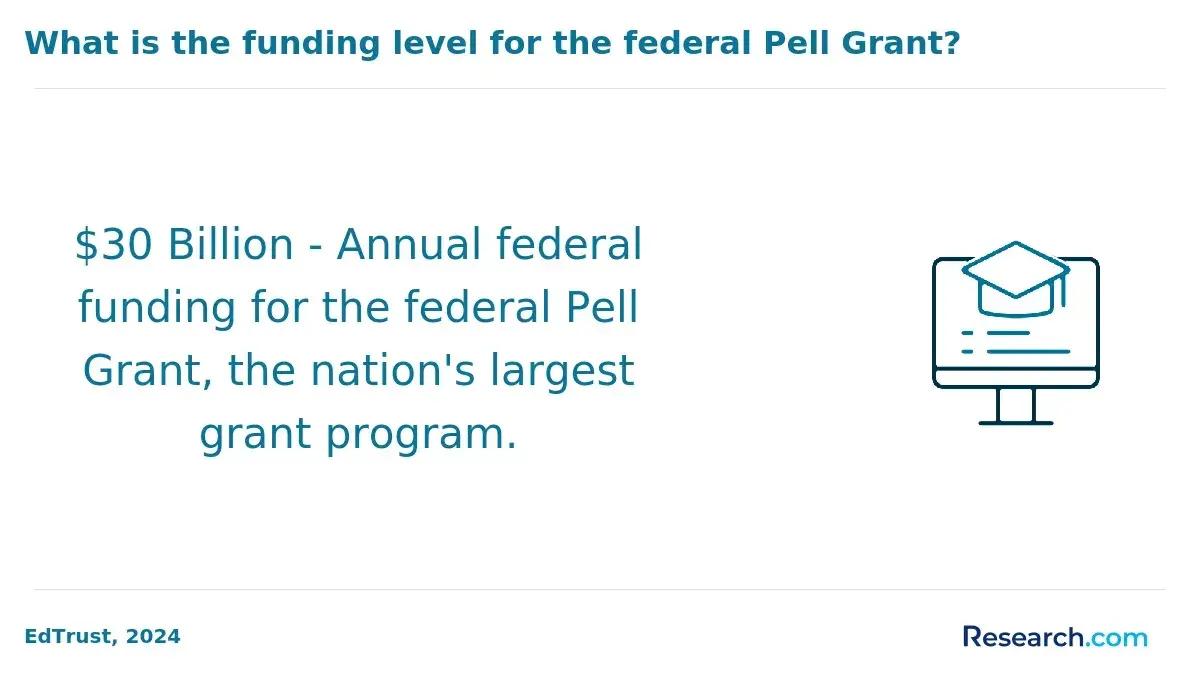
Finding an online Animal Science master's program without recommendation letters can be difficult because many research-focused graduate programs still use them. This matters for working professionals, career changers, and applicants who no longer have contact with professors. NCES reported about 3.2 million graduate students enrolled in U.S. postsecondary education, underscoring the large market for flexible graduate admissions paths. This guide explains where no-letter options may exist, how to verify policies, what can replace letters, and when securing a recommender is still the better choice.
Key Things to Know About Animal Science Master's Programs with No Letters of Recommendation
- Fully online, standalone Animal Science master's programs with a clearly published "no letters required" policy are uncommon; admissions requirements must be verified directly with each program because policies can differ by concentration and term.
- Most Animal Science graduate programs that waive letters still evaluate transcripts, prerequisite science coursework, a statement of purpose, and relevant livestock, laboratory, veterinary, feed, nutrition, or agricultural experience.
- There is no national database reporting the share of Animal Science master's programs that require recommendations or their acceptance rates, so applicants should compare official program-level requirements rather than assume a no-letter policy means easier admission.
What purpose do letters of recommendation serve in Animal Science admissions?
Letters of recommendation give an admissions committee third-party evidence of abilities that a transcript cannot fully show. In Animal Science, they are especially useful when a program includes research, laboratory work, animal handling, data analysis, fieldwork, or a thesis. A strong letter can explain how an applicant works with animals, follows safety protocols, contributes to a research team, responds to feedback, and handles graduate-level scientific work.
The table below shows the common qualities a recommender may help an admissions team evaluate. These are not always measured equally; a non-thesis, professionally oriented online program may place more weight on work history, while a research master's program may place more weight on scholarly potential.
| What letters may assess | Why it matters in Animal Science | Possible evidence when letters are waived |
| Academic readiness | Shows whether the applicant can manage advanced biology, nutrition, genetics, physiology, or statistics coursework. | Official transcripts, prerequisite grades, academic statement |
| Research potential | Helps faculty assess readiness for a thesis, laboratory project, or research assistantship. | Research résumé, poster abstract, publication, project summary |
| Professional judgment | Relevant for animal care, production, food systems, welfare, and regulated settings. | Detailed résumé, certifications, supervisor-verified employment record |
| Communication and teamwork | Graduate students may collaborate with faculty, producers, veterinarians, technicians, and peers. | Statement of purpose, work portfolio, interview if offered |
Letters are therefore not merely a formality. They are a way to reduce uncertainty about an applicant's readiness. When they are not required, the rest of the application needs to make that readiness easy to see.
Does missing a letter of recommendation hurt your admission odds for Animal Science programs?
It can hurt only when letters are required, strongly recommended, or central to a research-based review. If a program officially states that letters are not required, an applicant should not be penalized simply for following that policy. However, the absence of letters can make it harder to distinguish yourself when your grades are uneven, your major differs from Animal Science, or your intended concentration involves research.
Animal Science master's programs generally do not publish standardized acceptance rates by online format, concentration, and recommendation-letter status. That limitation means applicants should avoid treating a no-letter policy as a signal of high admission odds or low academic standards. Use published prerequisites, minimum GPA rules, required science credits, thesis expectations, and cohort capacity as more meaningful indicators of fit.
A letter may still be worth submitting when it is optional and the recommender can offer specific, credible evidence. A vague letter from someone who barely knows you is usually less valuable than a focused application with strong transcripts, a precise career statement, and documented experience.
Applicants considering other flexible professional pathways may notice similar admissions differences in healthcare programs, including nursing schools that don't require TEAS or HESI. In every field, flexibility in one admissions requirement does not eliminate the need to demonstrate readiness for the curriculum.
Are there Animal Science graduate programs that don't require letters of recommendation?
Some graduate programs may omit letters, accept professional references instead, make letters optional, or grant exceptions for certain applicants. However, no-letter policies are substantially more common in course-based, professional, interdisciplinary agriculture, agricultural leadership, or applied science programs than in thesis-based Animal Science master's programs.
Applicants should distinguish among four policies that can look similar in a search result but have different consequences.
| Published policy | What it means | Best applicant response |
| Not required | The application can be complete without letters. | Submit strong required materials and confirm that the policy applies to the intended term. |
| Optional | Letters are not mandatory but can add context. | Submit only a specific, favorable letter that adds information not already in the file. |
| Professional references accepted | The school may request contact information rather than a traditional narrative letter. | Choose supervisors who can verify duties, performance, and technical responsibilities. |
| Waiver considered | Letters remain required unless the graduate school or department approves an exception. | Request clarification early and obtain written confirmation before the deadline. |
Do not assume that a university-wide graduate application rule applies to every department. Animal Science departments, graduate schools, and online program offices may set separate standards. Ask whether the requirement applies to your exact degree, concentration, delivery format, and thesis or non-thesis track.
What are some online Animal Science master's programs that don't require letters of recommendation?
Applicants should be cautious with lists claiming to identify guaranteed no-letter online Animal Science master's programs. Requirements change, and many programs described as "online Animal Science" are actually agricultural science, animal and veterinary science, agricultural education, or Master of Agriculture programs with different admission rules.
A reliable current shortlist should be built from official admissions pages rather than third-party directory labels. At the time of application, look for professionally oriented online graduate programs in Animal Science or closely related agricultural fields that explicitly state one of the policies below.
| Program type to investigate | Why it may be more flexible | What to verify before applying |
| Online non-thesis Master of Agriculture with Animal Science coursework | Professional programs may emphasize work experience and academic preparation over faculty references. | Whether Animal Science is a formal concentration and whether letters are required for that concentration |
| Online applied animal or veterinary science master's program | Some programs serve employed animal-care and agricultural professionals. | Prerequisite sciences, animal-handling expectations, clinical limitations, and reference policy |
| Online agricultural science master's program with animal-focused electives | Interdisciplinary programs can offer broader admissions routes. | Whether the degree title and curriculum meet your employer, doctoral-study, or career goal |
| Graduate certificate leading into a master's pathway | A certificate can document recent academic performance before a degree application. | Transfer-credit rules, minimum grade requirements, and whether later master's admission is guaranteed |
Contact the program before paying an application fee. Ask: "For the online master's program and my intended Animal Science concentration, are recommendation letters required, optional, replaced by references, or eligible for a waiver?" Save the response with the staff member's name and date.
Program fit matters more than a single waived requirement. For readers comparing other accelerated health-profession education routes, online accelerated nursing programs for non nurses illustrate why curriculum, placement requirements, and professional outcomes should be reviewed alongside admissions convenience.
Why are more Animal Science programs moving away from requiring recommendation letters?
Some graduate programs are reexamining letters because access to recommenders is unequal. Working adults may have graduated years ago, changed careers, worked remotely, or lack a faculty relationship that reflects their current abilities. Online programs also recruit applicants with substantial agricultural and animal-care experience that may be better documented through employment records than through an academic reference.
Requirement flexibility does not necessarily mean reduced standards. Schools can evaluate applicants through a holistic file that includes recent coursework, prerequisite grades, a résumé, work history, and a statement connecting professional goals to the curriculum. This approach can be particularly relevant for non-thesis programs designed for people already working in livestock production, feed and nutrition, food systems, animal welfare, extension, or related roles.
Graduate enrollment also includes a large adult and professional learner population. NCES's reported graduate enrollment of about 3.2 million students indicates why institutions may design admissions processes that are workable for applicants outside a recent undergraduate setting. It does not prove that any individual Animal Science program has waived letters, so applicants still need program-specific confirmation.
Flexible evaluation is appearing in several professional education areas. Prospective students exploring advanced nursing routes, for example, may compare shortest DNP programs online, but should separately review clinical, licensure, and faculty-reference requirements because they vary by discipline.
What documents do Animal Science master's programs accept in place of letters of recommendation?
When letters are waived, programs commonly rely on documents that show both academic preparation and career direction. The exact substitution is not automatic: submit only the materials listed in the application instructions, and ask admissions whether optional evidence can be uploaded.
The following materials can help fill the information gap left by recommendation letters. Their value depends on relevance and specificity, not on length.
| Alternative material | What it can demonstrate | Most useful for |
| Statement of purpose | Career goals, concentration fit, motivation, and readiness for graduate study | All applicants, especially career changers |
| Professional résumé or CV | Animal-care, production, laboratory, nutrition, quality-control, research, or leadership responsibilities | Working professionals |
| Official transcripts | Performance in biology, chemistry, statistics, genetics, physiology, nutrition, and related prerequisites | Applicants demonstrating academic readiness |
| Research or technical portfolio | Posters, abstracts, protocols, data-analysis projects, publications, or presentations | Thesis-track or research-oriented applicants |
| Professional certifications or training records | Documented specialized learning and compliance training | Applicants in agricultural production, laboratory, food safety, or animal-care settings |
| Employer verification or reference contact | Employment dates, duties, and role scope | Programs that accept references instead of letters |
A personal statement should not simply repeat a résumé. Explain the setting in which you gained experience, the questions or problems you want to study, the skills you need next, and why the selected online curriculum is the right academic step. If a low undergraduate GPA needs context, address it briefly, factually, and then point to stronger recent evidence.
Can you get into reputable Animal Science programs without a recommendation?
A reputable program can waive recommendation letters while maintaining rigorous expectations. Reputation should be assessed through institutional accreditation, graduate-school oversight, transparent curriculum information, qualified faculty, clear tuition and fee disclosures, appropriate student-support services, and realistic descriptions of online learning requirements.
For Animal Science, also evaluate whether the degree supports your intended outcome. A research career or doctoral application may favor a thesis program with faculty mentorship and research opportunities.
A professional goal in animal production, nutrition, agricultural business, extension, operations, or quality assurance may align better with a course-based online program. Neither route is automatically better; the right investment depends on the work you want the degree to support.
Before enrolling, use this screening checklist to avoid confusing convenience with quality.
- Confirm that the institution is institutionally accredited and that the program is administered through the university's graduate school or an established academic department.
- Review whether the curriculum includes the Animal Science subjects needed for your goal, such as nutrition, genetics, reproduction, welfare, meat science, production systems, or research methods.
- Ask whether the degree is thesis, non-thesis, or course-based and whether online students can access faculty advising, research experiences, or required practical components.
- Request the full estimated cost, including technology, laboratory, travel, residency, proctoring, and graduation fees.
- Verify that the program does not imply veterinary licensure, technician credentialing, or clinical qualification unless it clearly meets the applicable professional requirements.
Applicants who are also comparing animal-health-adjacent education should remember that program formats vary widely; an ultrasound tech school online, for example, may still require in-person clinical training despite online coursework. The same principle applies to any Animal Science program with laboratories, fieldwork, or supervised practical experiences.
How can you strengthen your Animal Science master's application without recommendation letters?
A no-letter application should make the admissions reader confident about three points: you can handle graduate coursework, you understand the field, and you have a realistic reason for pursuing the degree. The most effective applications use concrete evidence rather than broad claims such as "I love animals" or "I am hardworking."
Use the following steps to create a stronger file before the deadline.
- Match your statement to the curriculum by naming the skills, courses, or concentration areas that support your stated goal.
- Translate job duties into relevant evidence, such as managing herd records, supporting feed trials, monitoring welfare protocols, collecting samples, maintaining laboratory records, or analyzing production data.
- Highlight recent academic success, including upper-level science coursework, post-baccalaureate classes, certificates, or employer training that demonstrates current readiness.
- Explain academic irregularities briefly and responsibly, then provide stronger recent evidence rather than making excuses.
- Submit polished materials early enough to resolve missing transcripts, prerequisite questions, and technical upload issues.
- Use optional letters only when the writer can provide detailed examples that strengthen your file beyond your résumé and statement.
Common mistakes include choosing a program solely because it waives letters, copying a generic statement across schools, failing to explain a major career transition, and overlooking prerequisite science courses. Another mistake is sending an unsolicited portfolio containing confidential employer data or animal records. Remove sensitive information and follow every upload instruction.
Admissions flexibility can also be relevant to students comparing health-care career routes, including nurse practitioner courses. In either field, an efficient path should still be evaluated against academic prerequisites, supervised training, and the credential required for the intended role.
Where can you get recommendation letters if your target Animal Science program requires it?
If your preferred program requires letters, choose people who have directly observed work relevant to graduate study. A professor is often ideal for a thesis-focused application, but an employer or supervisor can be equally persuasive for a professionally oriented online program when they can describe technical responsibilities, judgment, reliability, communication, and growth.
The table below helps match the type of recommender to the evidence an Animal Science program is likely to value.
| Potential recommender | Best when they know you through | What to ask them to address |
| Professor or academic advisor | Upper-level science course, research project, independent study, or laboratory work | Academic ability, scientific writing, research skills, intellectual curiosity |
| Research supervisor or principal investigator | Laboratory, field, data, or animal-research responsibilities | Methods, reliability, ethics, problem-solving, research potential |
| Farm, ranch, facility, or operations supervisor | Animal production, welfare, feeding, records, staff coordination, or compliance work | Technical competence, safety, decision-making, leadership, consistency |
| Veterinarian, extension educator, or industry mentor | Supervised professional collaboration or structured mentorship | Professional judgment, communication, field knowledge, career readiness |
Make the request at least several weeks before the deadline. Provide your résumé, unofficial transcript, program description, statement draft, submission deadline, and a short reminder of work you completed together. Ask whether the person can write a strong and specific letter; this gives them a respectful way to decline if they cannot advocate effectively.
Do not ask a relative, close friend, or prominent person who cannot describe your work. A detailed letter from a direct supervisor is usually more useful than a generic endorsement from someone with an impressive title.
Can you still apply to Animal Science programs if you're unable to get a recommendation letter?
You can still apply if the program does not require letters, accepts an approved substitute, or grants a written waiver. If letters are mandatory and no waiver is available, submitting an incomplete application is usually not a productive strategy. Instead, identify a second-choice program with a published no-letter policy, ask whether professional references are acceptable, or postpone the application long enough to develop a qualified recommender relationship.
When requesting an exception, be concise and factual. Explain why a traditional academic recommender is unavailable, identify the evidence you can provide instead, and ask whether the school accepts a supervisor reference, employment verification, additional statement, portfolio, or waiver. Do not assume a waiver will be granted, and do not wait until the final day to ask.
A practical decision framework can help you choose between applying now and waiting.
- Apply now when the program explicitly requires no letters and your transcript, prerequisites, résumé, and statement already present a credible case for readiness.
- Seek a waiver when the obstacle is temporary or unusual, you otherwise closely match the program, and the admissions office confirms that exceptions are reviewed.
- Wait and secure a letter when applying to a thesis, research-intensive, or highly specialized program where faculty endorsement is likely to be meaningful.
- Choose another program when the required-letter rule is firm, the timeline does not allow a strong request, and a comparable accredited program better fits your circumstances.
The most important step is to communicate early and follow the answer you receive in writing. A transparent explanation and a complete, well-matched application are stronger than silently leaving a required item missing.
Other Things You Should Know About Animal Science
Employer recognition depends more on the university, curriculum, your skills, and the relevance of the degree to the role than on whether coursework was online. Review the degree title, faculty, practical learning opportunities, and whether the program develops skills used in your target position.
An Animal Science master's can strengthen academic preparation or research experience, but it does not replace veterinary-school prerequisites, entrance requirements, or clinical and animal-experience expectations. Check each veterinary school's current admissions rules directly.
Many online master's programs are designed for part-time study and may take roughly two years or longer, depending on credit load, transfer-credit policies, course sequencing, and thesis requirements. Confirm the expected completion timeline with the program rather than relying on an advertised minimum.
Submit an optional letter only if the writer knows your relevant academic or professional work well and can provide specific examples. Skip a generic letter and focus instead on a strong statement, complete résumé, and clear evidence that you meet prerequisites.
References
- Graduate Program - Denver Zoo Conservation Alliance https://denverzoo.org/graduate-program/
- 2025 Most Affordable Online Master's Programs https://www.onlineu.com/most-affordable-colleges/masters-degrees
- Are Online Master’s Degrees Respected? https://www.snhu.edu/about-us/newsroom/education/are-online-masters-degrees-respected
- Master's Degree (MS) in Animal and Food Sciences https://academics.uky.edu/programs/masters/animal-and-food-sciences
- animal science masters programs online https://export.gettingtoglobal.org/scholarship/ToUhA4/9AD291/animal_science__masters__programs__online.pdf
- Online Graduate Programs in Animal Welfare & Behavior https://www.vet.upenn.edu/programs/graduate-awb/
- 2025's Best Online Master’s Programs: No GRE Required https://www.onlinemastersdegrees.org/best-programs/no-gre/
- Non-thesis Master of Animal Science degree available https://www.petfoodindustry.com/pet-food-market/article/15464520/non-thesis-master-of-animal-science-degree-available