2027 Best Online Animal Science Master's Programs at Nonprofit Universities

Co-Founder and Chief Data Scientist
Choosing an online Animal Science master's program means weighing specialized coursework against cost, research access, and a format that fits work or farm responsibilities. Nonprofit universities can offer established agricultural faculty, institutional accreditation, and degrees recognized by employers. This guide compares leading options, explains how to verify quality, and helps you evaluate total cost, scheduling, curriculum, and career fit. The U.S. Bureau of Labor Statistics reported a $76,400 median annual wage for agricultural and food scientists in 2024, underscoring the value of advanced technical expertise for many science-focused roles.
Key Things You Should Know
- Strong options include public nonprofit agricultural universities with institutionally accredited online or distance graduate programs; compare the exact degree title, required campus experiences, faculty expertise, and state authorization before applying.
- Most online Animal Science master's degrees require roughly 30 to 36 graduate credits and can take about 18 months to three years part time; total tuition depends heavily on resident status, online fees, transfer credit, and whether a thesis is required.
- For career-focused value, match the program to a target such as livestock production, nutrition, food safety, research, extension, or agribusiness; the 2024 median wage for agricultural and food scientists was $76,400, but pay varies substantially by employer, location, experience, and role.
Which Nonprofit Universities Offer the Best Online Animal Science Master's Programs, and How Were They Selected?
The best online Animal Science master's program is not necessarily the lowest-priced or fastest option. It is the program that combines recognized institutional accreditation, a curriculum aligned with your intended work, transparent online delivery, qualified animal-science faculty, and a manageable total cost.
The nonprofit universities below are practical starting points for prospective students seeking graduate-level animal-science study at established U.S. agricultural institutions. Program availability, concentrations, tuition, residency requirements, and delivery methods can change, so applicants should confirm details directly with each graduate school before relying on a comparison.
| Nonprofit university | Online or distance graduate option to investigate | Potential strengths | Best fit for |
| Kansas State University | Distance graduate study in animal sciences and industry | Land-grant agricultural focus; livestock, production, and industry expertise | Working professionals seeking applied animal-agriculture study |
| University of Nebraska-Lincoln | Online graduate study in animal science | Research-oriented agricultural faculty and flexible distance education infrastructure | Students interested in production systems, nutrition, or research-informed practice |
| Texas Tech University | Online agriculture graduate pathways that may include animal-science study | Broad agricultural curriculum and professional graduate options | Students seeking an applied agriculture degree with animal-science relevance |
| University of Arkansas | Distance graduate opportunities in agricultural and animal-related disciplines | Land-grant setting and regional livestock-industry connections | Students who want agricultural systems or extension-oriented context |
Selection should start with institutional legitimacy and then move to program-level fit. Public land-grant universities are nonprofit institutions, but nonprofit status does not automatically mean every online program has identical rigor, price, or support.
Use these comparison criteria when narrowing your list:
- Verify the university's institutional accreditation and confirm that the exact degree is awarded by the university, not merely hosted on an external platform.
- Read the curriculum and identify whether it covers your intended specialty, such as animal nutrition, breeding, physiology, welfare, production, food safety, or agribusiness.
- Calculate the full cost using required credits, mandatory fees, travel, software, laboratory expenses, and possible thesis or practicum costs.
- Ask whether courses are asynchronous, whether live attendance is required, and whether any campus, laboratory, field, or examination visit is mandatory.
- Request information on faculty advising, graduate outcomes, employer partnerships, research options, and career services.
Rankings can be useful screening tools, but they should not replace this program-by-program review. A lower-ranked school may be the stronger choice when it offers the precise specialization, faculty mentor, delivery model, or in-state tuition structure you need.
Why Choose a Nonprofit University for an Online Animal Science Master's Degree?
A nonprofit university reinvests revenue into its educational mission rather than distributing profits to owners or shareholders. In practice, nonprofit institutions include public universities, private nonprofit colleges, land-grant institutions, and many research universities. The classification alone does not establish program quality, but it can be a useful first filter when evaluating governance, academic oversight, and access to university resources.
For Animal Science, nonprofit universities may be especially attractive because many operate agricultural experiment stations, extension systems, livestock facilities, veterinary or food-science collaborations, and research laboratories. Online students may not use every physical resource in person, but they can benefit from curricula developed by faculty who work in these settings.
The comparison below shows the trade-offs that matter more than an institution's tax status alone.
| Factor | Public nonprofit university | Private nonprofit university | What to evaluate |
| Tuition structure | May offer lower resident tuition; online rates may be separate | May charge a single rate regardless of residency | Compare total program cost, not only per-credit tuition |
| Agricultural infrastructure | Often extensive at land-grant campuses | Varies widely by institution | Review faculty labs, extension links, and industry partnerships |
| Course scheduling | May follow traditional academic terms | May offer multiple start dates or accelerated terms | Confirm whether pacing works with employment and seasonal duties |
| Program focus | Often research, production, and extension oriented | May be professionally or leadership oriented | Match coursework and capstone expectations to your goal |
Choose a nonprofit university when you value established academic governance, faculty depth, and a degree that may connect to agricultural research or extension networks. Consider another route, such as a graduate certificate, an MBA with agribusiness coursework, or employer training, when your goal is narrowly managerial and does not require advanced animal-science research or technical coursework.
Students comparing health-profession graduate pathways should also recognize that Animal Science is generally different from regulated clinical education. For example, accelerated clinical pathways such as shortest DNP programs online are designed around professional nursing requirements that do not usually apply to Animal Science degrees.
What Accreditation Should an Online Animal Science Master's Program Have?
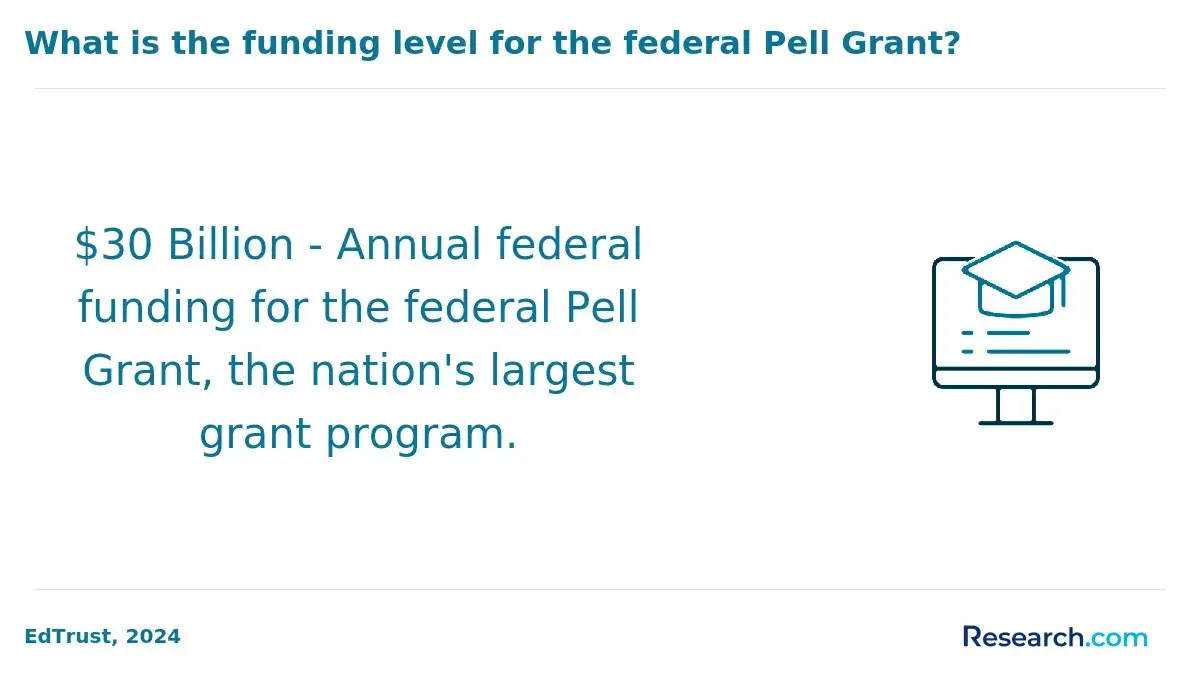
Institutional accreditation is the first credential to verify. It means an accrediting agency recognized by the U.S. Department of Education or the Council for Higher Education Accreditation has evaluated the university as a whole. A legitimate online master's degree should be issued by an institution with current institutional accreditation.
Animal Science does not typically have one universal programmatic accreditor equivalent to the accrediting systems used in some licensed health professions. That makes institutional accreditation, graduate-school oversight, faculty qualifications, curriculum transparency, and disciplinary reputation especially important.
| Credential or requirement | Why it matters | How to verify it |
| Institutional accreditation | Supports degree recognition, federal aid eligibility, and academic quality review | Check the university accreditation page and the accreditor's directory |
| State authorization | Confirms the institution can enroll students in your state for distance education | Review the university's state authorization disclosure |
| Graduate-school approval | Shows the degree follows the university's graduate academic standards | Confirm the program in the official graduate catalog |
| Faculty credentials | Indicates whether instructors have relevant scholarly and industry expertise | Read faculty biographies, research profiles, and course assignments |
| Practicum or research requirements | Clarifies whether the degree can be completed fully online and what local arrangements are needed | Request the current degree plan and handbook |
A common mistake is assuming that a polished website, a university-like name, or nonprofit claims prove legitimacy. Avoid this by checking the exact awarding institution, not just a marketing partner or online platform. Also confirm whether the degree is an M.S., M. Ag., MPS, or another graduate credential, since research expectations and employer interpretation may differ.
Professional programs can have additional admissions and licensure rules. Students researching clinical alternatives should not assume those rules transfer to Animal Science; for example, nursing schools that don't require TEAS or HESI address entrance examinations specific to nursing education, not standard Animal Science graduate admissions.
How Much Does an Online Animal Science Master's Degree at a Nonprofit University Cost?
Total cost is more useful than advertised tuition per credit. Most programs require about 30 to 36 credits, so even a modest difference in the online per-credit rate can materially affect borrowing. Public nonprofit universities may offer resident discounts, but many charge all online graduate students a separate standardized rate.
Rather than relying on a single national price, build a school-specific estimate using the categories below. Tuition schedules change frequently, and some institutions assess separate technology, distance-learning, graduate, or course fees.
| Cost component | How it affects total cost | Question to ask |
| Tuition per credit | Usually the largest charge; multiply by required credits | Is the published rate guaranteed for continuing students? |
| Mandatory university fees | May be charged per term, per credit, or per course | Which fees apply specifically to online graduate students? |
| Travel and residency costs | Can be significant if campus visits, defenses, labs, or orientations are required | Are any visits mandatory, and how often? |
| Books, software, and equipment | May include statistics software, laboratory materials, or proctoring tools | What non-tuition expenses should students expect? |
| Opportunity cost | Reduced work hours can outweigh a tuition difference | Can the course load be adjusted during busy work or production seasons? |
Federal financial aid may be available to eligible graduate students at accredited institutions, commonly through Direct Unsubsidized Loans and, when needed, Graduate PLUS Loans. Borrow only after comparing employer tuition assistance, departmental scholarships, assistantships that may be available to distance students, veterans' education benefits, and payment plans.
Ask each school for a written estimate based on your residency, intended credit load, and starting term. The strongest affordability choice is often the program with the lowest expected net cost after aid and expenses, not the one with the lowest posted tuition.
Do not compare Animal Science tuition with clinical-program pricing without accounting for differing requirements. An ultrasound tech school online may involve clinical placement, equipment, and accreditation considerations that are distinct from an online animal-science graduate degree.
What Are the Admission Requirements for Online Animal Science Master's Programs?
Admissions requirements vary by university and degree type, but applicants usually need a bachelor's degree from an accredited institution and academic preparation in biological, agricultural, animal, or related sciences. Programs may review both academic readiness and professional experience, especially when applicants work in livestock production, feed, food systems, laboratories, extension, or agribusiness.
The following requirements are common, but they are not universal. Checking the current graduate catalog matters because some programs have prerequisite courses or stricter expectations for thesis-based study.
- A completed bachelor's degree and official transcripts from all colleges attended.
- A minimum undergraduate GPA set by the graduate school or department, sometimes with conditional-admission options.
- Prerequisite coursework that may include biology, chemistry, statistics, genetics, animal nutrition, physiology, or animal production.
- A statement of purpose explaining professional goals, research interests, and fit with the program.
- Letters of recommendation, particularly for research-oriented M.S. programs.
- A resume or curriculum vitae documenting relevant work, research, veterinary, laboratory, or agricultural experience.
- English-language proficiency documentation when required for applicants whose prior education does not meet the institution's exemption criteria.
GRE policies vary. Many graduate programs have reduced or eliminated standardized-test requirements, but a test-optional policy does not remove the need to demonstrate quantitative and scientific readiness. Applicants with limited science preparation should ask whether they can complete prerequisites before enrollment or during the first year.
Apply early if you need financial aid, an assistantship, transfer-credit review, or a faculty research adviser. For students considering a later transition into a regulated clinical profession, understand that Animal Science admissions are separate from pathways such as nurse practitioner courses, which have profession-specific clinical and licensure requirements.
What Will You Study in an Online Animal Science Master's Program?
An online Animal Science master's degree develops advanced knowledge of animals as biological systems and as part of agricultural, food, environmental, and commercial systems. The exact curriculum differs by degree title. A research-focused Master of Science commonly includes methods, statistics, and a thesis or research project, while a professional Master of Agriculture or similar degree may emphasize applied coursework and a capstone.
Review the course sequence rather than relying on a specialization label. This table shows common subject areas and the decisions they can support.
| Study area | Typical topics | Career relevance |
| Animal nutrition | Feed ingredients, ration formulation, metabolism, feed efficiency | Feed industry, production consulting, nutrition support |
| Genetics and breeding | Selection, inheritance, population genetics, breeding systems | Breeding operations, data analysis, genetic-services roles |
| Physiology and reproduction | Growth, endocrine systems, reproduction, developmental biology | Research, reproductive management, technical sales |
| Production systems | Beef, dairy, swine, poultry, equine, or small-ruminant management | Operations management, extension, producer support |
| Animal welfare and behavior | Handling, stress, welfare assessment, ethics | Compliance, welfare programs, research, operations |
| Research methods and statistics | Experimental design, data interpretation, scientific writing | Research, quality assurance, graduate study, analytics |
| Food safety and product quality | Animal products, production controls, quality systems | Food and feed industries, regulatory and quality roles |
Online delivery can work well for literature-based, analytical, and discussion-driven courses. However, laboratory techniques, live-animal handling, field sampling, and original research may require local supervision, scheduled intensives, or a campus visit. Students seeking hands-on veterinary clinical training should consider a different educational path because an Animal Science master's does not qualify a graduate to practice veterinary medicine.
AI-supported data analysis and precision-livestock technologies are increasing the value of statistics, data literacy, sensor interpretation, and ethical data use. Ask whether the curriculum teaches students to evaluate technology critically rather than simply use a particular software product.
How Flexible Are Online Animal Science Master's Programs, and How Long Do They Take?
Online does not always mean fully self-paced. Most reputable graduate programs use term-based courses with weekly deadlines, discussion participation, team projects, examinations, and instructor feedback. Some are primarily asynchronous; others require live evening sessions, virtual presentations, or limited campus attendance.
Completion time depends on required credits, transfer policies, thesis expectations, summer availability, and the number of courses taken each term. The patterns below are planning estimates, not guarantees.
| Enrollment pattern | Typical planning timeline | Who it may suit | Main trade-off |
| Full time | About 18 to 24 months for many 30- to 36-credit programs | Students able to prioritize graduate study | Heavier weekly workload and possible reduced employment capacity |
| Part time | About two to three years | Working professionals and active producers | Longer exposure to tuition increases and changing program requirements |
| Accelerated course sequence | Potentially shorter when courses run year-round | Students with predictable schedules and strong academic preparation | Less flexibility during demanding work, travel, or production periods |
| Thesis or research track | May extend beyond a coursework-only plan | Students considering research careers or doctoral study | Requires adviser alignment, research access, and project milestones |
Before enrolling, obtain a sample degree map and ask whether required courses are offered every term. A program can appear flexible but become difficult to finish if one prerequisite is offered only once per year. Also ask how leaves of absence, missed terms, and changes in employment affect progression.
Distance graduate education is especially useful for students who need to remain employed, but it demands consistent time management. Block time each week for reading, data work, discussion, and group projects; do not assume that online study requires less effort than campus study.
What Student Support, Faculty Access, and Networking Do Online Animal Science Master's Programs Offer?
Program quality depends partly on what happens outside the learning-management system. Online students should be able to access academic advising, library databases, writing and statistics support, disability services, technology help, and clear escalation channels when a course or scheduling issue arises.
Faculty access is particularly important in Animal Science because specialized career opportunities often emerge through an adviser's research, extension, commodity-group, laboratory, or industry relationships. Ask whether online students can attend office hours, identify a faculty mentor, participate in research meetings, and receive feedback on professional goals.
These questions can reveal whether a program offers meaningful support rather than only course access:
- How quickly do instructors normally respond to academic questions, and are office hours available across time zones?
- Can online students work on applied research, extension projects, case studies, or capstones connected to their local employer or operation?
- What career services are available to distance students, including resume review, interviewing support, and employer events?
- Are alumni, commodity organizations, producer groups, laboratories, or agricultural employers involved in networking opportunities?
- Can students access scholarly journals, statistical consultation, online tutoring, and graduate writing support remotely?
- What support exists if a required field placement, research site, or practicum arrangement falls through?
A common red flag is a school that cannot clearly identify who teaches core courses, how students contact faculty, or what support online learners receive. Another is a program that markets "networking" but offers only a generic alumni directory. Seek specific examples of virtual events, mentoring, employer engagement, and recent student projects.
Cross-disciplinary career exploration can be useful, but professional fields have distinct training rules. Students reviewing options such as online accelerated nursing programs for non nurses should treat them as a separate career pathway rather than an extension of an Animal Science degree.
What Jobs, Salaries, and Career Outcomes Can You Expect From an Online Animal Science Master's Degree?
An Animal Science master's can support advancement in research, livestock production, feed and nutrition, technical services, quality assurance, food systems, extension, and agribusiness. It does not automatically qualify graduates for every role, especially positions requiring a veterinary license, a specific laboratory certification, or a doctoral degree.
The U.S. Bureau of Labor Statistics reported that agricultural and food scientists had a median annual wage of $76,400 in 2024. This occupation-level figure is a useful benchmark, not a promised graduate outcome: titles, educational requirements, geographic markets, specialization, experience, and employer type all influence compensation.
| Potential role | Typical responsibilities | How the master's may help | Important limitation |
| Animal scientist or research associate | Design studies, analyze animal data, report findings | Builds methods, statistics, and subject-matter depth | Some research scientist roles prefer or require a Ph.D. |
| Livestock production manager | Oversee health protocols, performance, staffing, and production decisions | Supports evidence-based management and technical leadership | Experience and operational results remain highly important |
| Feed or nutrition specialist | Support feed programs, product use, and client education | Strengthens nutrition and metabolism knowledge | Employers may seek species-specific experience |
| Technical sales representative | Explain animal-health, genetics, feed, or equipment products | Combines scientific credibility with communication skills | Compensation can include variable commission structures |
| Quality assurance or food-safety specialist | Monitor procedures, documentation, and product quality | Supports analytical and regulatory understanding | Some employers require additional compliance training |
| Extension, education, or outreach professional | Translate research for producers and communities | Develops communication and applied-science expertise | Jobs may have location-specific public-sector requirements |
Career outcomes improve when students build evidence of applied capability during the degree: a capstone based on a workplace problem, strong quantitative work samples, conference participation, research posters, professional association involvement, and relationships with faculty or industry mentors. Ask schools for role titles, employer categories, and methodology behind any published outcomes rather than relying on broad salary claims.
Is an Online Animal Science Master's Degree From a Nonprofit University Worth It?
An online Animal Science master's degree can be worth the investment when it fills a defined gap between your current qualifications and a realistic next role. It is often a strong fit for working professionals who need deeper technical expertise, want to move into research-informed leadership, or need a graduate credential for advancement in agricultural, food, feed, livestock, or education settings.
It may offer weaker value if you are enrolling only because you are uncertain about your career direction, need hands-on clinical veterinary training, or would need substantial debt without a plausible salary, promotion, or career-transition benefit. In those cases, targeted certificates, prerequisite courses, professional certifications, direct industry experience, or employer-supported training may be better first steps.
Use a simple return-on-investment review before accepting admission:
- Identify two or three target job titles and review their actual education, skills, travel, and experience expectations.
- Estimate total degree cost, including tuition, fees, travel, lost work time, and borrowing interest.
- Ask your employer whether a master's degree affects eligibility for promotion, tuition assistance, or technical leadership roles.
- Compare the program's specialization, delivery format, and capstone options with the work you want to do after graduation.
- Speak with admissions staff, faculty, and if possible alumni about online-student support and the realities of completing the degree while working.
- Choose the least expensive credible program that still provides the curriculum, faculty access, and flexibility your goal requires.
The best choice is therefore individual: a research-oriented M.S. may justify added time for someone considering doctoral study, while a coursework-based professional master's may provide better value for an experienced manager seeking advancement. Treat nonprofit status as a positive institutional characteristic, not a substitute for verifying accreditation, fit, affordability, and outcomes.
Other Things You Should Know About Animal Science
It can be, particularly when the degree comes from an institutionally accredited university with a recognized agricultural or science program. Employers usually care most about the awarding university, curriculum, relevant experience, technical skills, and whether you can apply knowledge to their production, research, food, or business environment.
Some programs are designed to be completed fully online, while others require a short residency, oral examination, laboratory intensive, thesis defense, or locally supervised research activity. Obtain written confirmation of every in-person requirement before enrolling.
The degree can strengthen science preparation or research experience, but it does not confer veterinary licensure and does not replace a Doctor of Veterinary Medicine degree. Veterinary-school admissions requirements vary and should be verified directly with each veterinary college.
Choose a thesis option if you want substantial research experience, may pursue a Ph.D., or need to demonstrate independent scientific work. A non-thesis or professional option may fit working students who want advanced coursework and an applied capstone without the timeline and research demands of a thesis.
References
- Online Animal Science Graduate Certificate https://www.idea.edu/program/animal-science
- Lallemand Animal Nutrition Scholarship https://www.lallemandanimalnutrition.com/en/united-states/lallemand-animal-nutrition-scholarship-program/
- Animal Welfare and Zoo Science Research Internships | North Carolina Zoo https://www.nczoo.org/animal-welfare-and-zoo-science-research-internships
- Schools Ranked by Student-Faculty Ratio | OEDB.org https://www.oedb.org/rankings/student-faculty-ratio/
- Purina Animal Nutrition Scholarship - Scholarship America https://scholarshipamerica.org/scholarship/purina/