2027 Questions to Ask About Online Animal Science Degree Programs Before You Enroll

Co-Founder and Chief Data Scientist
Choosing the right online animal science degree program poses challenges for many students unsure about career prospects and program quality. Recent data shows that enrollment in animal science programs increased by 12% nationally over the past five years, reflecting growing industry demand.
Prospective students must evaluate critical factors such as accreditation, faculty expertise, and post-graduation employment rates. This article explores essential questions to ask before enrolling, providing clear guidance to help students make informed decisions about their education and future in animal science.
Key Benefits of Enrolling in Online Animal Science Degree Programs
- Online animal science degrees offer flexible scheduling, allowing students to balance coursework with personal and professional commitments effectively.
- These programs often reduce costs by eliminating commuting and housing expenses, making education more affordable for a broader range of students.
- Students pursuing animal science online frequently report improved work-life balance, with 63% citing better time management as a key benefit of remote learning.
Is the Online Animal Science Degree Program Accredited?
Accreditation is essential for online animal science degree programs as it ensures the education provided meets recognized quality standards that affect degree acceptance and licensure eligibility. An accredited program signifies a rigorous curriculum, qualified faculty, and valid assessments, all critical for successful career outcomes in animal science.
Data from the National Center for Education Statistics finds that students graduating from accredited programs are 30% more likely to pass relevant licensure exams than those from non-accredited schools.
While no single specialized accreditor exists for animal science degrees, regional accreditors such as the Higher Learning Commission (HLC) or the Southern Association of Colleges and Schools (SACS) commonly ensure program integrity and value.
Prospective students researching accredited online animal science degree programs should prioritize these accreditations for their education's credibility.
Checking accreditation status for animal science degrees involves verifying institutions through the U.S. Department of Education's Database of Accredited Postsecondary Institutions and Programs or the Council for Higher Education Accreditation's directory.
Some programs may also have endorsements from professional bodies such as the American Society of Animal Science (ASAS), though these are less formal than regional accreditation. Choosing a fully accredited program can lead to better career prospects, smoother licensure processes, and assurance that the curriculum aligns with current industry standards.
For students considering related fields, exploring a reputable pharmacy school may also provide insight into the value of accreditation in professional education.
What Are the Admission Requirements for Online Animal Science Programs?
Prospective students considering online animal science degrees must carefully review admission requirements to gauge their eligibility and prepare adequately. These criteria not only uphold academic standards but also help applicants understand what is expected for successful program completion.
Key admission requirements for online animal science programs commonly include the following:
- High school diploma or equivalent: This verifies that applicants have completed basic education, confirming eligibility for undergraduate-level study and ensuring foundational knowledge.
- Minimum GPA: Most programs require a certain grade point average to demonstrate prior academic achievement. This helps identify candidates capable of managing rigorous college coursework.
- Standardized test scores (optional for some programs): Tests like the SAT or ACT may be requested to assess overall academic aptitude, though many schools now waive this requirement for online programs.
- Letters of recommendation: These provide valuable insights into an applicant's character, work ethic, and academic potential, offering admissions committees a broader perspective beyond grades.
- Personal statement or essay: Applicants explain their motivation for pursuing animal science, career goals, and relevant experiences, which helps programs identify committed and focused students.
- Prerequisite courses: Foundational classes in biology, chemistry, or math are frequently required to ensure readiness for specialized animal science topics and to build a solid academic base.
When evaluating programs, it's also wise to consider related fields-for example, students interested in allied areas might explore medical billing and coding online schools financial aid options to support their education financially.
What Classes Do You Take in an Online Animal Science Program?
Grasping the curriculum details is vital when comparing online animal science programs, as it directly impacts how well a degree prepares you for your career. Enrollment in online programs has risen steadily, increasing by more than 5% annually, highlighting the growing importance of understanding course offerings.
Here are the typical types of classes students encounter in an online animal science program:
- Core Courses: These classes focus on foundational subjects like animal biology, genetics, nutrition, and physiology. They equip students with essential knowledge needed for roles in animal health, research, and agricultural management.
- Electives: Electives provide opportunities to broaden or deepen expertise with topics such as animal welfare, livestock production, or introductory veterinary science concepts. Selecting relevant electives allows students to tailor their studies toward specific career goals.
When I spoke with a student currently enrolled in an online animal science degree, he shared his experience balancing the coursework alongside work and family responsibilities.
He mentioned that some classes required adapting to complex scientific materials without in-person interaction, which initially felt isolating but later became manageable through active participation in online discussion boards.
He appreciated how the program offered flexibility while still demanding rigorous study, noting that mastering topics like animal nutrition and genetics virtually challenged him to develop strong self-discipline and time management skills.
Reflecting on his journey, he said, "The hardest part was staying motivated during challenging courses without face-to-face support, but that process improved my confidence and independent learning."
Knowing the expected duration of an online animal science degree helps students effectively organize their studies and career path. This awareness also aids in setting realistic expectations around workload and life balance during their education.
Below are common timeframes and factors influencing completion speed for these programs:
- Full-time study: Typically, a bachelor's degree takes about four years with a standard semester schedule. Students follow a consistent course load, which supports steady progress toward graduation.
- Part-time enrollment: Designed for those balancing jobs or other responsibilities, part-time options often extend completion to six or more years. Flexibility is high, but careful planning is essential to keep momentum.
- Accelerated programs: Some students opt for intensive tracks enabling them to finish in three years or less. These require heavier course loads or continuous enrollment, ideal for learners eager to enter the workforce quickly.
- Programs with practical components: Internships, clinical hours, or research activities may add time beyond coursework alone. While essential for hands-on experience, these elements demand additional scheduling and commitment.
- Influencing factors: Transfer credits, course availability, and personal time management play key roles in how long the degree takes. Prospective students should align these with their goals and circumstances for best results.
Most online animal science programs include internships or practicums to ensure students receive necessary hands-on experience that online classes alone cannot provide.
These practical components are generally completed at nearby farms, clinics, or research centers, allowing flexible scheduling while developing vital skills in areas like animal care, nutrition, and laboratory work. Such experiential learning is essential to boost career readiness, meet licensure requirements, and connect academic knowledge with real-world applications.
Prospective students should carefully consider whether they need to arrange their own placements or if the program offers support, as this impacts planning, time commitment, and expenses.
Notably, a survey found that nearly two-thirds of animal and agricultural science students engaged in internships or similar experiential learning during their studies, underscoring their prevalence in the field.
When I spoke with a graduate of an online animal science degree, she described how securing an internship independently was initially daunting but ultimately rewarding.
"Finding a local farm willing to take me on required persistence and confidence," she recalled, emphasizing the value of communication skills and proactive networking.
Balancing coursework with on-site hours challenged her scheduling, but the experience solidified her understanding and motivated her career path. She also appreciated how real-world exposure helped her build professional relationships and clarified her interests within animal science.
Her story highlights that while internships add complexity, they enrich learning and prepare students for success beyond graduation.
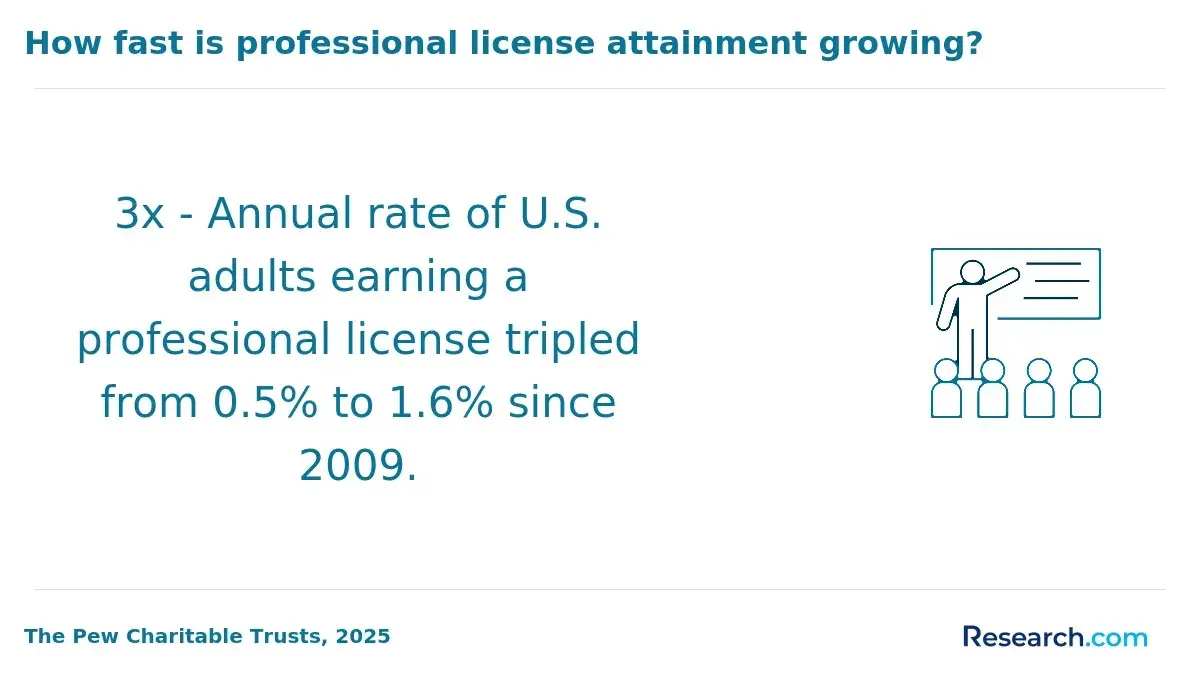
Graduates of online animal science degree programs can often obtain professional licensure, but this depends largely on the specific career path and state regulations. Licensure is generally required for positions like veterinary technicians, animal health inspectors, or wildlife rehabilitators.
Typically, earning licensure involves completing an accredited degree program, passing relevant state or national exams, and fulfilling supervised work experience or internship hours.
Online animal science degree licensure requirements are accommodated by many programs through curricula aligned with accreditation standards and by offering clinical components or internships via local partnerships. These opportunities ensure students gain the hands-on experience necessary for licensure eligibility and career readiness.
Licensure is a key consideration for students evaluating online animal science programs because it significantly affects employability and career advancement. According to the U.S. Bureau of Labor Statistics, employment of animal scientists is projected to grow, reflecting steady demand for licensed professionals.
Without proper licensure, graduates may face limited job opportunities or lower salaries in regulated fields. Students researching how to get licensed with an online animal science degree should verify accreditation, licensure exam pass rates, and practical learning availability to ensure their program supports successful licensure.
For those also considering other fields, resources like the health administration degree online can offer insights into accelerated pathways in related healthcare fields.
Evaluating program costs is essential for prospective students comparing online animal science programs to make well-informed financial decisions. Research indicates that the average cost of online animal science degrees typically ranges from $300 to $700 per credit hour, depending on residency and institution type.
Here is an outline of typical costs you can expect when budgeting for accredited online animal science programs:
- Tuition per Credit: This is the largest portion of total costs, covering instruction and course materials. Some programs charge a flat tuition rate for full-time enrollment, while others bill by credit, affecting total costs based on course load.
- Additional Fees: Many programs include technology, registration, and lab fees to support online platforms, software, and remote hands-on learning experiences. These fees vary widely by school and should be carefully reviewed.
- Materials and Equipment: Students may need to purchase or rent textbooks, specialized supplies, or equipment used for experiments and animal care activities. While some digital resources may be included in tuition, others come as separate expenses.
- Residency and Accreditation Factors: Tuition fees for accredited animal science programs online can differ based on whether you are an in-state or out-of-state student, impacting affordability. Accreditation ensures program quality but may also influence cost structures.
When comparing costs, requesting detailed fee breakdowns from schools is vital to understand true expenses and avoid surprises. For those also exploring affordable healthcare-related programs, consider reviewing the cheapest FNP programs online to evaluate other cost-effective options in higher education.
Nearly 85% of undergraduate students in agriculture-related fields utilize some form of financial aid, underscoring its significance in supporting online animal science learners.
The following outlines the primary financial aid options available to these students.
- Federal Grants: Need-based awards like the Pell Grant require no repayment and are determined through the Free Application for Federal Student Aid (FAFSA). These grants can substantially lower overall tuition costs and make earning an online animal science degree more affordable.
- Scholarships: Various organizations offer scholarships that may be merit-based or tailored specifically for animal science students. These awards recognize academic achievement or community involvement and do not have to be repaid, helping students manage education expenses more effectively.
- Federal Student Loans: For students requiring additional support beyond grants and scholarships, federal loans offer low-interest borrowing options. Although repayment with interest is required, careful loan management can bridge funding gaps without excessive debt.
- Work-Study Programs: These programs provide part-time employment opportunities to earn money while studying. While availability can vary for online learners, participating can help offset living and educational costs.
Prospective students should explore all financial aid options to find scholarships and grants for animal science students that align with their qualifications. Planning ahead can improve their financial outlook throughout their academic journey.
For those interested in other affordable online nursing pathways, consider reviewing the most affordable BSN to DNP programs online as an additional reference point for funding strategies.
Knowing the career possibilities for graduates is essential when choosing an online animal science program. The U.S. Bureau of Labor Statistics projects approximately 5% growth in related biological science occupations over the next decade, highlighting steady demand. Below is an overview of common roles that graduates can pursue.
Many animal science degree holders begin as Animal Nutritionists, professionals who develop and manage diets for livestock and pets to optimize health and productivity. This role often leads to advancement in research or consulting within agricultural industries.
Another option is becoming a Lab Technician, supporting research by conducting tests on animal samples and assisting with data collection, which provides foundational experience for careers in veterinary science or biotechnology.
Livestock Managers oversee the daily care and breeding of farm animals, ensuring welfare standards and production goals are met. Graduates are prepared to implement scientific methods learned through their studies to improve herd performance.
Additionally, Animal Health Technicians assist veterinarians in clinical settings, using skills from the degree to support diagnostics and treatment, often advancing into specialized veterinary fields.
Other possibilities include Policy Analysts focusing on agriculture regulations or Extension Agents who educate farmers using animal science knowledge. The degree equips students with a blend of practical and theoretical expertise adaptable to various sectors within the animal-related workforce.
The median annual wage for animal scientists in the United States is around $69,000, with job growth projected to increase by 4% in the coming decade. These figures highlight a steady demand for professionals in this field.
The factors below provide insight into what influences the earnings of graduates from online animal science programs.
- Level of Education: Higher degrees like a master's or doctorate typically lead to increased earning potential due to greater expertise and research experience.
- Specialization: Concentrations such as genetics, nutrition, or animal welfare affect salary ranges since some niches are more in demand than others.
- Experience: New graduates generally start with lower salaries, while those with more years in the field benefit from enhanced skills and leadership roles that boost income.
- Geographic Location: Compensation varies across different regions; areas with expansive agricultural sectors or higher living costs often offer better pay.
- Work Setting: Careers in government, academia, or private industry come with varied salary scales and career advancement possibilities, impacting overall earnings.
Considering these elements helps prospective students evaluate how well online animal science programs prepare them for financially rewarding and fulfilling career paths.
What Graduates Say About Enrolling in an Online Animal Science Degree
- Jonas: "I was initially hesitant about the cost of an online animal science degree, but finding a program that averaged around $15,000 made it affordable without sacrificing quality. The courses were engaging and flexible, fitting perfectly with my busy schedule. Since graduating, I've landed a great role in wildlife conservation, and I truly believe this degree paved the way."
- Travis: "Choosing to enroll in an online animal science degree was a thoughtful decision influenced by the program's reasonable tuition and reputation. The learning experience was rigorous and comprehensive, allowing me to dive deep into animal biology from home. This degree has significantly enhanced my professional credibility and opened doors in veterinary research."
- Courtney: "The affordability of the online animal science degree was a major factor in my decision to enroll, especially since the average cost was considerably less than traditional programs. I appreciated the interactive online labs and expert instructors who made the subject matter accessible. Now, with my degree, I've successfully transitioned into a leadership role in animal nutrition."
Other Things You Should Know About Animal Science Degrees
Some online animal science programs require brief on-campus labs, livestock handling intensives, or a final practicum, even if most coursework is online. Ask how many visits are required, when they occur, and whether they can be completed within one semester or during summer term.
Many online animal science programs encourage or require student participation in research, though these opportunities vary by school. Students may complete research projects remotely, analyze existing data sets, or collaborate virtually with faculty.
Some programs also offer options to conduct fieldwork or lab work locally under supervision, ensuring practical exposure despite the online format.
Several online animal science programs provide career services such as resume assistance, interview preparation, and access to job boards specific to agriculture and animal industries.
Some universities maintain partnerships with local farms, research institutions, or industry employers, facilitating networking and job placement opportunities.
Prospective students should inquire about these resources during the application process to gauge the level of post-graduate support.
In 2027, students should be proficient with digital collaboration tools, data analysis software specific to animal science, and virtual lab simulations. Familiarity with learning management systems and video conferencing platforms is also critical to navigate online courses effectively.
- Animal Science - Northeast Iowa Community College https://www.nicc.edu/academics/programs/animal-science/
- Online Animal Science Level 4 Certificate of Higher Education https://www.csgcc.ac.uk/en/programme-courses/university-course/animal-science-equine/online-animal-science-level-4-certificate
- Online Graduate Programs in Animal Welfare & Behavior https://www.vet.upenn.edu/programs/graduate-awb/
- Distance education programs in veterinary technology accredited by the AVMA Committee on Veterinary Technician Education and Activities (CVTEA) | American Veterinary Medical Association https://www.avma.org/education/center-for-veterinary-accreditation/distance-education-programs-veterinary-technology-accredited-avma-committee-veterinary-technician
- Animal Science https://www.geteducated.com/online-degrees/all/math-science/animal-science/
- Companion Animal Science https://unity.edu/distance-education/degrees/companion-animal-science/
- Discover the Online Vet Tech Schools with Financial Aid https://www.edumed.org/online-schools/vet-tech-programs/financial-aid/