2027 Associate to Bachelor's in Legal Studies & Law: Transfer Pathways Explained

Co-Founder and Chief Data Scientist
The legal studies & law field presents a unique challenge for students transferring from associate to bachelor's degree programs due to the complex accreditation requirements and varying curriculum standards across institutions. Many programs require specific course equivalencies and practical legal training components, which can delay or complicate transfer processes and affect timely degree completion. According to the National Student Clearinghouse Research Center, only 38% of students transferring from community colleges to four-year institutions complete their bachelor's in legal studies or related fields within six years, highlighting the systemic challenges faced by transfer students.
This article will explore the transfer pathways available from associate to bachelor's programs in legal studies & law, outline key hurdles, and provide guidance to help students navigate these transitions efficiently. It aims to equip prospective transfer students with actionable insights to overcome educational and administrative barriers, ultimately supporting smoother academic progression and improved career readiness.
Key Points About Transferring from an Associate to Bachelor's in Legal Studies & Law
- Transfer pathways offer flexible scheduling options, ideal for working professionals balancing education and career, increasing degree completion rates by up to 25% compared to traditional formats.
- Accelerated programs allow students to acquire critical legal skills faster, often shortening bachelor's completion time by six to twelve months.
- Lower tuition rates at community colleges for associate degrees significantly reduce overall costs when transferring to a bachelor's in legal studies & law program.
Why should you consider an associate to bachelor's in Legal Studies & Law transfer pathway?
Transferring from an associate to a bachelor's degree in legal studies & law offers a strategic blend of affordability and academic readiness, enhancing both knowledge and career potential. Statistics from the U.S. Bureau of Labor Statistics indicate that job growth for paralegals and legal assistants with a bachelor's degree is projected to be 10% faster than those holding only an associate degree, underscoring the long-term value of advancing education in this field.
Below are key benefits of pursuing this transfer pathway:
- Advanced Knowledge: A bachelor's degree builds on foundational skills by introducing complex legal theories, ethics, and critical analysis essential for higher-level decision-making in legal careers.
- Career Expansion: It opens doors beyond entry-level roles, preparing graduates for diverse specializations such as criminal justice, environmental law, and corporate compliance.
- Competitive Edge: The comprehensive curriculum improves employability in a crowded job market, where employers increasingly seek candidates with deeper academic credentials.
- Transfer Pathway Requirements: Understanding the specific transfer pathway requirements for legal studies & law degrees in 2024 helps students plan efficiently, reducing loss of credits and time to completion.
Students exploring options may also consider related programs like a BCBA degree to complement their legal studies education and broaden career opportunities.
What are the academic requirements to transfer from an associate to bachelor's in Legal Studies & Law?
While specific criteria vary by institution, successful transfer into a bachelor's in Legal Studies & Law program from an associate program generally hinges on demonstrated academic consistency and the completion of foundational prerequisites.
Below are key academic pillars typically required for this transfer pathway.
- Competitive GPA: Maintaining a cumulative GPA between 2.5 and 3.0 on a 4.0 scale is commonly expected. This GPA threshold reflects a student's ability to handle the rigor of upper-level coursework necessary in a bachelor's program.
- Prerequisite Coursework: Completion of general education courses such as English composition, college-level math, and social sciences is essential. Many programs also require introductory courses related to legal studies or criminal justice to build foundational knowledge critical for advanced study in legal concepts and writing.
- Credit Requirements: Transfer students typically need between 30 and 60 semester hours, equivalent to the first two years of a four-year degree. These credits ensure that students possess a broad academic base and minimize redundancy when advancing to bachelor's-level subjects.
- Grade Minimums in Core Subjects: Achieving at least a grade of C in relevant legal courses like legal research, constitutional law, or criminal law is often mandatory. Some programs emphasize grades in these core subjects over overall GPA to confirm readiness for specialized study.
- Academic Advising: Careful course planning in the associate program plays a crucial role. Students should work closely with advisors to align coursework and grades with transfer institution policies, which smooths their academic transition and optimizes credit transfer.
Students exploring academic prerequisites for transferring to a bachelor's in Legal Studies and Law can also benefit from researching complementary fields. For example, programs ranking as the best online psychology degree offerings may provide valuable insights into behavioral and legal intersections.

What documents do you need for a Legal Studies & Law transfer application?
Starting the transfer process early by preparing key documents can greatly simplify credit evaluations when moving from an associate degree to a bachelor's program in legal studies & law. Below are vital materials typically required for a smooth application:
- Academic Transcripts: Official records from your current institution documenting completed courses and grades are essential for assessing your academic standing and determining transferable credits. Some programs may also ask for recent high school transcripts, especially if foundational subjects are relevant.
- Personal Statement: A written narrative outlining your motivations and objectives within legal studies & law helps admissions committees gauge your dedication and academic focus, setting you apart from other applicants.
- Resume or Work Experience: Although not always mandatory, including a resume that highlights internships, volunteer roles, or any legal support experience can strengthen your application, particularly for programs emphasizing experiential learning.
- Additional Documentation: While rare, certain transfer pathways may require supplementary materials such as clinical clearance forms or portfolios to demonstrate practical skills, especially for programs with hands-on components.
A student who followed the associate to bachelor's transfer route in legal studies & law shared that gathering these documents was more complex than expected. He explained, "Coordinating transcripts from multiple schools took several weeks, and I didn't realize how detailed my personal statement needed to be until after I wrote a first draft." He added that reaching out to advisors early helped "avoid last-minute stress" and that compiling a comprehensive resume of relevant experiences required recalling even brief internships and volunteer work. This firsthand perspective highlights the value of thorough preparation and proactive communication when assembling your transfer application materials.
Can prior work experience in Legal Studies & Law count toward your bachelor's credits?
Programs in legal studies & law often recognize the value of professional expertise, allowing students to avoid retaking foundational courses already mastered in the field. Credit recognition of prior work experience in legal studies can shorten degree timelines, with students saving an average of 12 to 30 credit hours through assessments like Credit for Prior Learning (CPL).
Below are common categories used to evaluate prior experience that can support transfer credits for legal studies and law bachelor's degree programs.
- Professional Certifications: Holding licenses or certifications related to legal studies can validate specialized knowledge and qualify students for credit, reducing redundant coursework.
- Documented Work Experience: Time spent working in legal settings such as law firms or corporate legal departments is reviewed to confirm applied skills aligned with academic standards.
- Standardized Exams: Exams designed to measure college-level legal knowledge enable students to prove competencies equivalent to traditional classes.
- Portfolio Review: Submitting a portfolio with relevant legal projects or case studies demonstrates practical expertise and may count toward degree requirements.
These pathways help bridge gaps between associate-level training and bachelor's degree demands, making the transfer process more efficient. For students interested in accelerating their education, exploring options like an accelerated business management degree can also provide complementary routes to enhance academic progress.
How much can you save if you take a Legal Studies & Law transfer pathway?
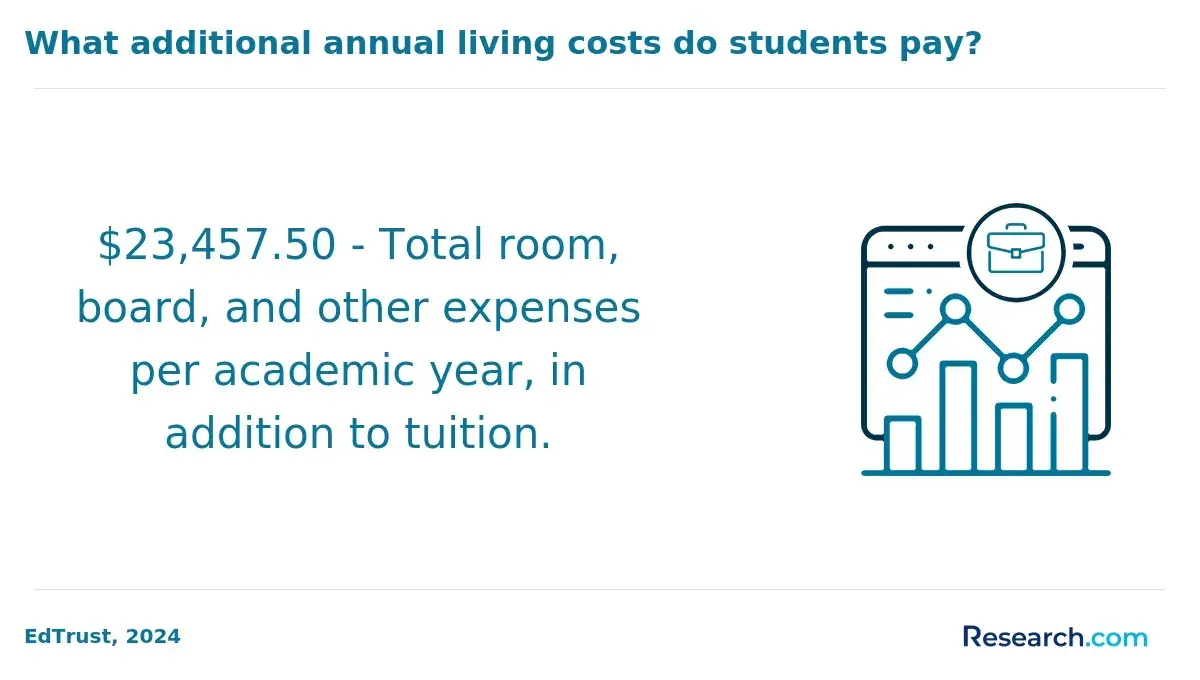
Choosing to transfer from an associate degree program at a community college to a bachelor's in legal studies & law offers a practical way to cut overall education expenses without sacrificing academic standards. Community college tuition rates average around 60% less per credit hour than those at public four-year universities, making initial coursework considerably more affordable.
Beyond tuition, savings also come from reduced campus fees and potentially lower student loan interest, which together ease the financial burden. This approach often results in tens of thousands of dollars saved, making it a smart financial decision for many students pursuing a legal studies & law degree.
A student who followed this transfer pathway described the experience as both challenging and rewarding. "Balancing work and school was tough, especially while navigating credit transfers and course requirements," he shared, "but knowing I was saving money made it feel worthwhile." He noted the importance of proactive advising and staying organized to ensure smooth credit acceptance, which ultimately led to graduating with significantly less debt and greater peace of mind about managing expenses through the process.
Are there scholarships available for students transferring to a Bachelor's in Legal Studies & Law?
Many colleges and professional organizations provide targeted financial aid to support students transferring from an associate degree to a bachelor's in Legal Studies & Law. Nearly 65% of these transfer students benefit from scholarships or grants, with awards typically ranging between $1,500 and $4,000 annually.
Here are some common funding sources to explore:
- Institutional Transfer Scholarships: Offered by four-year institutions to reward prior academic success, these scholarships often require a minimum GPA and completion of around 60 credits. Some schools automatically grant these based on transfer eligibility criteria.
- State Grants: Many states have dedicated grant programs targeting transfer students entering law-related fields. Eligibility usually hinges on residency, continuous enrollment, and satisfactory academic progress. These grants aim to strengthen the legal workforce through targeted financial support.
- Professional Organization Scholarships: Legal associations and bar groups frequently offer scholarships emphasizing commitment to legal research, community impact, or diversity in the profession. Examples include awards from local bar associations and national diversity-focused law organizations.
- Academic Performance Awards: Scholarships rewarding strong academic achievement during associate studies or early bachelor coursework are common. Maintaining a competitive GPA and demonstrating clear career objectives in legal studies are typical requirements.
Are Legal Studies & Law transfer pathways eligible for employer tuition reimbursement?
Many professionals pursuing a bachelor's in legal studies & law find they can significantly offset tuition costs by utilizing employer-sponsored education benefits designed to support degree advancement. Around 60% of U.S. employers provide some form of tuition reimbursement, often aligning with IRS guidelines for tax-free education assistance.
Here are key factors to keep in mind when considering these programs:
- Annual Benefit Caps: Employers typically set yearly limits on tuition reimbursement, commonly around $5,000 to $5,250. These caps are designed to manage company budgets while encouraging continued education.
- Minimum Grade Requirements: To maintain eligibility, students usually must achieve a GPA of 2.5 or higher. This standard ensures that employees are making satisfactory academic progress.
- Employment Tenure: Eligibility often requires a minimum period of employment before accessing benefits, commonly six months to a year. Some programs also require recipients to remain with the company for a specified time after graduation.
- Degree Completion Focus: Many employers specifically support transfer pathways, encouraging employees to complete their bachelor's degrees by applying credits earned from associate degree programs.
These structured programs create valuable opportunities for students in legal studies & law to advance their education with tangible employer support while meeting specific academic and employment guidelines.
How will accreditation standards affect your Legal Studies & Law degree transfer?
Accreditation serves as a key quality guarantee, ensuring that an associate degree in Legal Studies & Law adheres to the rigorous academic standards needed for successful bachelor's degree completion. Over 75% of employers emphasize the importance of accredited programs, valuing institutional and programmatic accreditation as markers of academic and professional readiness, which directly impacts credit mobility and licensure opportunities.
Institutional accreditation certifies that an entire college or university meets established quality standards, which is essential for transfer pathways, especially since many four-year schools require transfer credits from regionally accredited institutions. In contrast, programmatic accreditation focuses specifically on the legal studies and law curriculum, verifying that the program aligns with employer expectations and licensing board competencies. Students should carefully verify both types of accreditation to protect their investment and avoid unexpected credit loss during transfer.
Maintaining transfer accreditation requirements for legal studies and law degrees in the United States ensures smoother credit transfer pathways and preserves the long-term value of the degree. For those exploring flexible education options, programs like an online MBA entrepreneurship degree may offer alternative pathways with robust accreditation frameworks.
What careers are available to graduates after completing a Bachelor's in Legal Studies & Law?
Advancing from an associate degree to a bachelor's in legal studies & law significantly enhances career prospects, qualifying individuals for leadership and specialized positions within the legal field. According to the U.S. Bureau of Labor Statistics, employment of paralegals and legal assistants is expected to increase by 12% between 2022 and 2032, highlighting strong demand for professionals with bachelor's-level expertise.
Below are some common career paths where a bachelor's degree is particularly valuable:
- Paralegal Specialist: This role involves complex case management and detailed legal research that requires a thorough understanding of legal principles, which a bachelor's program provides. Graduates are better prepared to work independently and handle sophisticated documentation.
- Compliance Officer: Compliance officers ensure organizations follow laws and regulations, necessitating specialized knowledge of regulatory environments gained from a bachelor's degree. This position often includes managerial duties and risk assessment.
- Court Clerk: Managing court records and supporting judicial processes require excellent organizational and legal knowledge skills usually developed through advanced study. A bachelor's degree helps candidates meet the demands of this role with greater responsibility.
- Legal Analyst: Legal analysts interpret laws and assist with case strategy, tasks benefiting from the critical thinking and research skills emphasized in a bachelor's curriculum. This position demands expertise that goes beyond entry-level understanding.
What are the most common pitfalls to avoid in a Legal Studies & Law transfer?
While the path from an associate to a bachelor's degree in Legal Studies & Law is often structured to be seamless, administrative oversights can lead to unexpected delays or significant credit loss. Research indicates that up to 30% of college credits may not transfer smoothly during this process, underscoring the need for careful academic planning.
Below are some common pitfalls students should avoid.
- Credit Loss: A major challenge is the loss of transferable credits, which can occur due to differences in curriculum alignment and accreditation standards. This forces students to retake courses, delaying graduation and increasing educational expenses.
- Program Misunderstanding: Legal Studies & Law programs vary widely in focus and prerequisites. Failing to thoroughly review transfer guides and degree requirements can result in coursework that doesn't count toward the bachelor's degree, requiring additional classes.
- Poor Academic Advising: Underestimating the importance of early and proactive advising may lead students to select non-transferable or irrelevant courses at the associate level. Regular consultation with advisors helps ensure course selections meet the bachelor's program requirements.
- Major Changes: Switching into Legal Studies & Law from unrelated fields often necessitates completing foundational courses, adding at least one semester on average to degree completion time. This can lengthen a student's overall educational journey significantly.
- Administrative Barriers: Differences in application deadlines, financial aid policies, and residency requirements between institutions can complicate transfer planning. Proper organization and early communication with both colleges are essential for a smooth transition.
Students exploring transfer pathways in 2024 should consider these factors carefully. For those interested in comparisons across fields, programs like the best online physics degree may offer interesting approaches to credit transfer and affordability that can inform strategies in Legal Studies & Law.
What Graduates Say About Transferring from an Associate to Bachelor's in Legal Studies & Law
- Orlando: "Choosing to transfer from an associate degree to a bachelor's in legal studies & law was a game-changer for me, especially because I wanted a deeper understanding of the legal system to strengthen my career prospects. The affordability of the transfer pathway made it feasible, allowing me to continue my education without overwhelming debt. This journey not only enhanced my knowledge but also opened doors to opportunities I hadn't imagined possible."
- Zion: "Reflecting on my experience, what stood out was how seamlessly the legal studies & law transfer program recognized my associate credits, saving me both time and money. The cost-effectiveness was a major factor for me since I needed a program that balanced quality education with financial responsibility. Ultimately, completing my bachelor's has equipped me with confidence and skills that have positively impacted my professional and personal growth."
- Wyatt: "From a professional perspective, transferring into a bachelor's in legal studies & law allowed me to build upon my foundational credits and specialize in areas that align with my career goals. The reasonable tuition for the transfer pathway made it accessible without compromising on academic rigor. Pursuing this pathway has significantly improved my credentials and prepared me for a competitive legal environment."
Other Things You Should Know About Legal Studies & Law Degrees
Typically, general education courses and foundational legal studies courses transfer from an associate to a bachelor's program in legal studies & law. However, specialized or technical courses might require evaluation by the receiving institution's admissions office to ensure they meet program requirements.
In 2027, credits from an associate degree in legal studies & law can often be transferred to bachelor's programs in the same field. Acceptance of these credits varies by institution, so it's important to check specific transfer agreements and policies at your chosen school.
Eligibility criteria typically include completion of an associate degree with a minimum GPA, fulfillment of prerequisite courses, and submission of official transcripts. Some programs may require letters of recommendation or a personal statement for 2027 admissions.
References
- Client Challenge https://es.scribd.com/document/732896392/why-law
- Transfer/Visiting Applicants · Delaware Law: Widener University https://delawarelaw.widener.edu/prospective-students/jd-program/apply/transfer-visiting-applicants/
- Legal Studies/Paralegal Post Baccalaureate https://www.westerntc.edu/legal-studies-paralegal-post-baccalaureate
- Financial Aid - Paralegal College | Center for Advanced Legal Studies https://paralegal.edu/financial-aid/
- Tuition Reimbursement Policy | Practical Law https://content.next.westlaw.com/practical-law/document/I3a9a0d69ef1211e28578f7ccc38dcbee/Tuition-Reimbursement-Policy
- The Lesser-Known Benefits of Studying a Law-Related Degree | British Style Society https://britishstylesociety.uk/the-lesser-known-benefits-of-studying-a-law-related-degree/
- 40 Associate Degree Legal Studies Scholarships available https://www.hotcoursesabroad.com/study/international-scholarships/all/associate-degree/legal-studies/cid/123/j1/scholarship.html
- What Can I Do with a Legal Studies Degree? https://www.herzing.edu/degree/legal-studies
- Alternative careers with a law degree https://www.lawsociety.org.uk/en/career-advice/becoming-a-solicitor/alternative-careers-with-a-law-degree
- Legal Studies A.A.S. - Career Degree - College of Lake County https://www.clcillinois.edu/programs/bssdv/legal-studies/legal-studies-aas-career-degree