2027 Can You Get a Legal Studies & Law Bachelor's Degree After 30?

Co-Founder and Chief Data Scientist
Facing the challenge of earning a legal studies & law bachelor's degree after 30 often means balancing work, family, and financial responsibilities. Unlike traditional students, many adult learners report difficulties enrolling in programs that accommodate their schedules and prior experience.
According to the National Center for Education Statistics, over 40% of undergraduates aged 30 and above pursue part-time studies, reflecting this struggle.
This article explores the realities and resources of earning a legal studies & law degree as an adult-examining enrollment patterns, program flexibility, and strategies to accelerate completion and funding options for busy learners.
Key Things to Know About Getting a Legal Studies & Law Bachelor's Degree After 30
- Admission often values professional experience-many programs accept transfer and prior learning credits to accelerate completion for students over 30.
- Financial aid, employer tuition benefits, and flexible payment plans help balance education costs with family and work obligations.
- Graduates typically see significant salary growth over 10 years, making delayed entry a financially viable investment despite shorter earning timelines.
Can You Really Get a Legal Studies & Law Bachelor's Degree After 30?
Adult learners aged 25 and older now represent a growing segment of bachelor's degree enrollees, including fields like Legal Studies & Law. Data from the National Center for Education Statistics (NCES) highlights this upward trend, illustrating that earning a legal studies & law degree as an adult learner over 30 is not only possible but increasingly common.
Many colleges and universities have responded by designing flexible, accelerated, and online programs tailored to adult students balancing work, family, and other commitments.
Returning to college after 30 involves unique challenges, yet millions of adults complete their bachelor's each year.
- Enrollment Trends: NCES data reveals a steady increase in adults 25+ enrolling in bachelor's programs, including legal studies & law, reflecting a shift toward lifelong learning and career sustainability.
- Program Flexibility: Many institutions offer part-time, evening, and online legal studies & law programs to accommodate work and family demands, including accelerated pathways like a 6 month degree course.
- Financial Considerations: Managing tuition alongside other expenses is common, but federal aid, employer tuition reimbursement, and credits for prior experience can ease the financial load.
- Career Impact: A bachelor's in legal studies & law can open doors to promotions, new roles, or career changes, especially valuable for adult learners over 30 seeking advancement or shifts in their professional lives.
- Support Systems: Schools increasingly offer resources like academic advising, veteran services, and childcare support designed to help adult students succeed.
This article explores key factors that influence adult students in legal studies & law programs: time management, financing strategies, career implications, program options, and available support systems. With the right approach, transitioning into or advancing within the legal field is achievable.
Why Are More Adults Over 30 Pursuing a Legal Studies & Law Bachelor's Degree?
More adults over 30 are pursuing a legal studies & law bachelor's degree, reflecting a significant shift in higher education and workforce needs.
Longitudinal data from the Lumina Foundation, the National Center for Education Statistics (NCES), and the American Council on Education (ACE) highlight this growing trend of adult learners returning to college to complete bachelor's degrees, especially in legal studies & law-related fields.
The rise in adult enrollment is driven by several key factors:
- Career Transitions: Many adults pursue legal studies & law degrees to pivot into new careers offering stability and advancement after years in other sectors.
- Employer Tuition Benefits: Increasingly, companies provide tuition assistance or reimbursement programs, making higher education more affordable for working adults.
- Layoffs and Economic Shifts: Post-pandemic layoffs have encouraged experienced professionals to obtain new qualifications in resilient fields like legal studies & law.
- Online Program Availability: The expansion of fully online or hybrid legal studies & law programs enables adults to balance studies with family and job commitments.
- Wage Premiums: Credentials in legal studies & law consistently correlate with higher earning potential and improved job security, motivating adults to complete degrees later in life.
Post-pandemic workforce shifts have made legal studies & law increasingly accessible and attractive to adults over 30, meeting rising demands for compliance, regulation, and legal support across industries.
Strong institutional supports-such as credit for prior learning, flexible scheduling, and dedicated advising-create an environment tailored to adult learners' needs. This positive outlook can guide adult learners considering legal studies and law degrees, reassuring them that the infrastructure and labor market demand are aligned with their ambitions.
For adults seeking practical and affordable options, programs like the most affordable bachelor's degree online provide viable pathways to completing legal studies & law credentials.
What Are the Most Common Challenges Adults Over 30 Face When Pursuing a Legal Studies & Law Degree?
Adults over 30 pursuing a legal studies & law degree frequently face multiple obstacles linked to their life stage.
These challenges have practical solutions, which will be addressed in time management tips, financing strategies, technology training, confidence-building methods, and guidance for navigating academic systems.
Recognizing that encountering two or three of these difficulties simultaneously is normal helps dispel self-blame and supports resilience in advancing through the legal studies & law program.
- Time Constraints: Juggling full-time jobs, caregiving responsibilities, and academic demands often limits availability for coursework and attendance.
- Financial Pressures: Tuition, materials, and living costs create heavy burdens, especially for those who support families or are repaying prior debts-Complete College America identifies money problems as a common reason adult students pause or stop out of programs.
- Technology Gaps: Adapting to new digital platforms, learning management systems, and online resources can challenge adult learners unfamiliar with current educational tools, potentially hindering early progress.
- Imposter Syndrome: Feelings of self-doubt or not fitting in with younger classmates can undermine confidence and persistence.
- Academic Bureaucracy: Complex processes like course registration, credit transfers, and degree requirements often create confusion without prior experience, as noted by the Bill & Melinda Gates Foundation, contributing to dropout rates.
One professional who enrolled in a legal studies & law bachelor's degree after 30 shared how balancing work and family 'felt like running a marathon every day.' He recalled moments where 'the technology was overwhelming-I wasn't sure if I'd keep up,' and admitted struggling to feel like he belonged among younger classmates.
Nevertheless, he emphasized that breaking tasks into smaller goals and seeking support from advisors helped him regain control and stay motivated. Reflecting on the journey, he said, 'It wasn't easy, but understanding you're not alone in these struggles makes all the difference.'
What Types of Legal Studies & Law Bachelor's Degree Programs Are Best Suited for Adults Over 30?
Adult learners pursuing a legal studies and law bachelor's degree over 30 can choose from diverse program formats tailored to fit their busy lives. The careful selection among these options depends on balancing flexibility, pace, and presence requirements to match lifestyle and career goals.
- Fully Online: Programs delivered entirely online offer the greatest flexibility, ideal for working adults and parents. Institutions like WGU and Arizona State Online have developed strong support systems that empower students with interactive tools and accessible faculty.
- Hybrid: Combining virtual lessons with occasional on-campus sessions, hybrid options suit those valuing both convenience and face-to-face interaction, though they may require local travel.
- Evening and Weekend On-Campus: These traditional formats hold classes outside typical work hours, catering to adults preferring in-person learning but demanding regular campus presence, potentially extending degree completion time.
- Competency-Based Education (CBE): Learners progress by demonstrating mastery at their own pace, accelerating degree completion-an attractive path especially for military veterans and transfer students with prior experience.
- Accelerated Cohort Models: Intense, structured programs bundle coursework into shorter terms, fostering peer support and helping adults eager for rapid credentialing and career transitions.
For those exploring best online legal studies and law degrees for students over 30, examining program formats is key. In addition, resources on affordable pathways can be found through a criminal justice major guide, offering insights into cost-effective choices within related fields.
How Long Does It Take to Earn a Legal Studies & Law Bachelor's Degree After 30?
Adult learners pursuing a legal studies & law bachelor's degree after 30 generally face varied timelines influenced by enrollment status, prior credits, and program structure. Full-time students often finish in about four years, while part-time study commonly extends completion to six years or more due to external commitments.
Transfer credits and prior learning assessments like CLEP exams, military experience, and previous coursework can reduce required credits by up to 50%, accelerating degree completion considerably.
Flexible delivery methods such as accelerated online programs and competency-based models enable students to progress at personalized paces, sometimes shortening the path to as little as two to three years for those with significant prior credits and dedicated study time.
Evaluating one's transferable credits, available weekly hours, and target graduation date can help develop a realistic timeline tailored to individual circumstances.
Recent data shows that close to 40% of adult legal studies & law degree earners utilize prior learning credits, highlighting their growing importance in adult education pathways.
- Enrollment Intensity: Full-time study averages around four years, whereas part-time enrollment often extends completion to six years or beyond due to balancing work and family demands.
- Prior Credit Impact: Transfer credits, CLEP exams, and military service can reduce degree requirements by 30-50%, enabling significant time savings.
- Flexible Programs: Accelerated and online formats allow adult learners to customize their study pace, often achieving graduation within two to three years with adequate prior credits.
- Personalized Planning: Assessing transferable credits and weekly availability is essential to crafting a feasible completion plan that fits one's lifestyle.
- Growing Trends: Approximately 40% of adult degree completers leverage prior learning credits, emphasizing their role in reducing time to degree.
A professional who forged a career after earning her legal studies & law bachelor's degree after 30 shared that managing coursework alongside a demanding job and family required careful scheduling and resilience.
She recalled relying heavily on her military training credits to waive foundational courses, which allowed her to focus more on advanced topics.
Mapping out my study hours weekly and prioritizing accelerated online classes made all the difference,' she said, reflecting that despite occasional doubts, the flexibility and credit recognition systems helped her surpass initial expectations on time.
Her experience underscores how personalized timelines combined with institutional support can empower adult learners to navigate this path successfully.
How Can Adults Over 30 Pay for a Legal Studies & Law Bachelor's Degree?
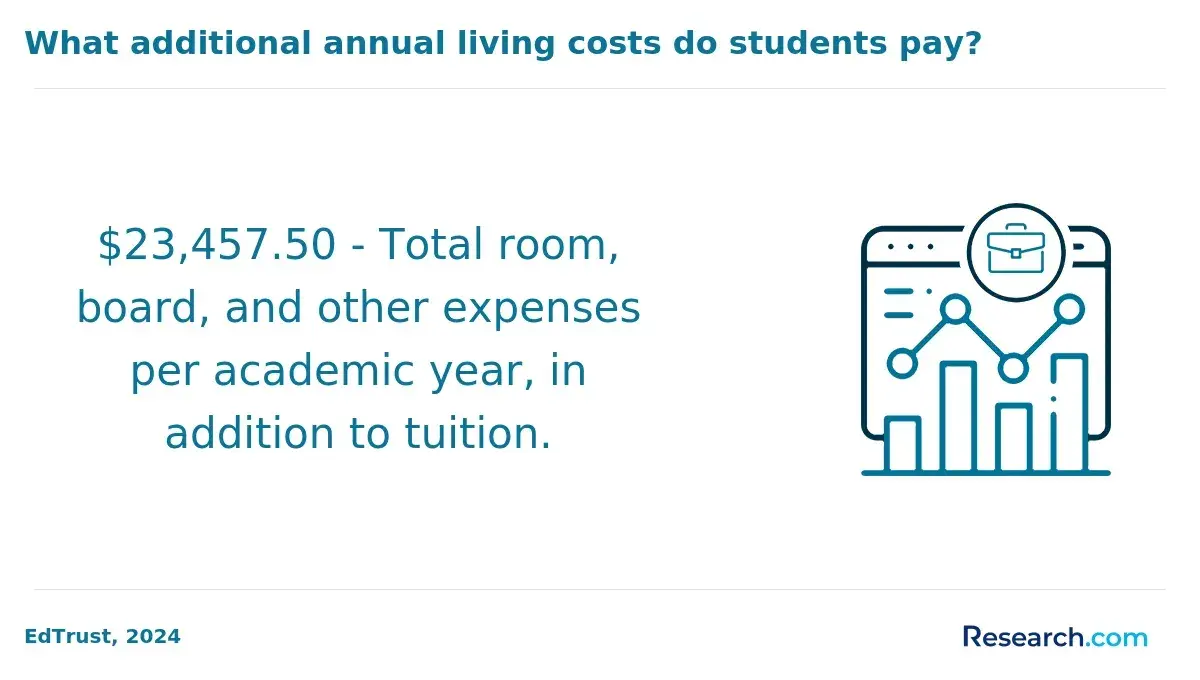
Financial aid for adults pursuing a bachelor's degree in Legal Studies & Law extends far beyond recent high school graduates-a fact supported by federal data showing that about 45% of undergraduate aid recipients are 25 or older. Completing the Free Application for Federal Student Aid (FAFSA) remains essential for access to federal grants and loans.
Pell Grants help reduce tuition costs without requiring repayment, while subsidized loans pause interest accrual during enrollment. Unsubsidized loans offer additional funds but begin accruing interest immediately, with eligibility based on income, enrollment, and program length rather than age.
- Employer Tuition Assistance: Many employers provide tuition reimbursement or assistance, which can significantly lower costs for adults returning to school. Checking with human resources can reveal such benefits linked to career advancement or job-related education.
- State Adult Learner Grants: Numerous states offer grants or scholarships aimed specifically at adult students in high-demand areas like legal studies & law, though qualifications and amounts differ widely.
- Professional Association Scholarships: Organizations tied to legal studies & law may offer scholarships targeted at nontraditional or career-changing students, often based on merit or financial need.
- Income-Share Agreements (ISAs): These arrangements defer tuition payments until after employment, requiring repayment as a fixed percentage of income over time. ISAs can ease upfront costs but warrant careful scrutiny of payment terms.
Tuition costs vary significantly between program types-online degrees typically charge less and provide flexibility for working adults, while public institutions are generally more affordable than private colleges. Comparing these options can uncover substantial savings.
To maximize aid and minimize debt, adults should complete the FAFSA early, research employer benefits, apply for relevant state and association funding, weigh online versus campus programs, and consider ISAs where appropriate.
Will Employers Respect a Legal Studies & Law Bachelor's Degree Earned After 30?
Employers widely respect a legal studies & law bachelor's degree earned after age 30-especially when from a regionally accredited institution. Data from the Society for Human Resource Management (SHRM) and the National Association of Colleges and Employers (NACE) show that hiring managers focus more on the degree credential itself than the graduate's age or time taken to complete the program.
- Employer Perception: Many employers view adult learners positively because they bring professional maturity, practical experience, and strong perseverance-qualities highly valued in legal and compliance roles.
- Credential Importance: In fields like compliance, paralegal work, and court administration, a bachelor's degree is often a strict minimum requirement. Thus, completing the degree after 30 holds equal weight compared to younger graduates.
- Resume Presentation: The diploma and transcript do not reveal the graduate's age-only the degree earned. Employers see the same credentials whether the degree was earned at 22 or 32.
- Industry Demand: Legal services, government agencies, and corporate compliance departments increasingly value diverse educational backgrounds and life experiences in their candidates.
- Recent Trend: According to a LinkedIn Workforce Insights report, hiring of adult learners in legal and compliance sectors rose by 12% over five years, underscoring growing acceptance and demand.
For career changers, veterans, and parents returning to the workforce, earning a legal studies & law degree after 30 not only meets essential professional criteria but also positions applicants as experienced professionals ready to contribute meaningfully in their fields.
How Does Prior Work Experience Factor Into a Legal Studies & Law Bachelor's Degree Program After 30?
Adult learners pursuing a legal studies & law bachelor's degree after 30 often convert years of prior work experience credit for legal studies and law degree programs through several established pathways that recognize professional expertise as equivalent to academic learning.
According to the Council for Adult and Experiential Learning (CAEL), adult learners utilizing PLA credits typically earn 12 to 30 credits, cutting degree time by one to two years.
Admissions offices carefully evaluate resumes to identify skills like leadership, research, critical thinking, and familiarity with legal procedures-framing work experience as disciplined, results-driven learning instead of gaps.
- Prior Learning Assessment (PLA): Many colleges assess experiential learning outside the classroom by interviewing students, administering exams, or reviewing portfolios that showcase work achievements aligned with course outcomes. Accepted PLA credits can substantially reduce the number of credits required to graduate.
- Portfolio Evaluation: Adult learners compile comprehensive portfolios detailing legal training, certifications, career milestones, and relevant skills. Faculty review these to confirm if they satisfy course requirements. Institutions like Excelsior College and Thomas Edison State University stand out for their strong PLA and portfolio evaluation options in legal studies & law.
- CLEP and DSST Exams: The College-Level Examination Program (CLEP) and DANTES Subject Standardized Tests (DSST) enable students to earn credit by passing exams on topics relevant to legal studies, such as government or ethics, accelerating degree completion.
- ACE-Recommended Credit: The American Council on Education (ACE) recommends college credit for professional certifications related to legal and law enforcement fields, which institutions may accept toward degree requirements.
For those considering a career change, such as whether can you become a speech pathologist with an education degree, understanding how prior experience converts to credit in legal studies & law programs is essential to choosing the fastest, most efficient academic pathway available.
What GPA and Admission Requirements Apply to Legal Studies & Law Bachelor's Programs for Adult Learners?
Adult learners pursuing a legal studies & law bachelor's degree often face admission criteria that differ significantly from traditional programs-especially for students over 30. These programs typically feature more flexible policies tailored to the complexities of adult education.
- GPA Requirements: Most programs expect a minimum cumulative GPA from prior college coursework, usually between 2.0 and 2.5 on a 4.0 scale. However, many institutions serving adult learners have open or rolling admissions that do not strictly enforce these thresholds, accommodating those with gaps or lower earlier GPAs.
- Standardized Test Waivers: Applicants over 25 frequently qualify for SAT or ACT waivers, recognizing that prior college credits or professional experience better reflect their academic capabilities than traditional high school tests.
- Letters of Recommendation: While not universally required, letters from employers, professors, or community leaders are common. Adult learners' letters often emphasize professional skills, maturity, and commitment to completing a degree.
- Personal Statements: These essays allow applicants to discuss their motivation for studying legal studies & law, explain academic histories, and outline career goals, which is particularly important for those with nontraditional backgrounds or earlier academic challenges.
- Residency and Transfer Credits: Schools usually require completing a set number of credits on campus or online through that institution. Transfer credit policies vary; adult learners should prioritize transfer-friendly programs to shorten time to degree completion.
- Academic Renewal and Conditional Admission: Applicants with low prior GPAs can often benefit from academic renewal or grade forgiveness policies that exclude older grades from GPA calculations. Conditional admissions may allow students to prove their abilities through successful initial coursework before full acceptance.
Honest self-assessment of past academic performance and finding programs with adult-learner-friendly admission criteria are essential steps for career changers, military veterans, or parents reentering education.
Those seeking the cheapest online college options should also consider how transfer credits and flexible admission policies can affect time-to-completion and overall return on investment.
How Do Family and Work Responsibilities Affect Completing a Legal Studies & Law Degree After 30?
Adult learners pursuing a legal studies & law bachelor's degree frequently face competing demands from caregiving duties and full-time jobs, which often extend their time to completion or lead to temporary breaks.
Research from the Institute for Women's Policy Research highlights how these responsibilities create significant challenges, especially when financial pressures add stress.
Successful students often adopt structured time management strategies such as block scheduling-reserving specific time blocks for study-and organizing priorities by assignment deadlines and exam dates. Establishing a consistent daily routine helps maintain focus and reduces anxiety.
Flexibility at work-including adjustable hours or remote work options-substantially eases balancing academic and professional responsibilities.
- Caregiving Demands: Balancing family responsibilities reduces study time, necessitating flexible scheduling and strong personal support systems.
- Employment Flexibility: Jobs with adaptable hours or telework enable learners to allocate sufficient time for coursework.
- Time Management Strategies: Structured approaches like block scheduling and prioritizing tasks increase focus and academic efficiency.
- Institutional Support: Campus childcare and emergency funds offer vital aid; specialized adult learner advising guides student success.
- Support System Audit: Evaluating personal and professional resources beforehand helps in realistic planning and timely accommodations.
Family involvement, whether through shared domestic tasks or emotional encouragement, also plays an essential role in sustaining progress. Campuses that offer childcare services and emergency financial aid provide crucial support buffers. Additionally, adult learner services tailored for flexible advising and resource navigation enhance persistence and academic success.
Prospective students should assess their support networks and work-life commitments carefully before enrolling. Open dialogue with academic advisors and utilization of campus resources increases the likelihood of degree completion in legal studies & law fields.
What Campus and Online Support Services Help Adults Over 30 Succeed in a Legal Studies & Law Program?
Data from the National Student Clearinghouse and Complete College America reveals that strong advising substantially boosts adult learner persistence and graduation in legal studies & law programs. Institutions that provide intensive, tailored support help non-traditional students navigate challenges like work, family, and time restrictions more effectively.
- Dedicated Adult Learner Advisors: Advisors specializing in adult education guide students through credit transfers, course planning, and career alignment, creating clearer, more manageable paths to degree completion.
- Prior Learning Assessment (PLA) Offices: These offices evaluate professional experience, military service, or certifications for academic credit, often decreasing the time and money needed to earn a degree.
- Evening and Weekend Tutoring: Flexible tutoring sessions outside traditional hours accommodate adults juggling multiple responsibilities, enhancing comprehension of complex legal topics.
- Virtual Library and Research Access: Around-the-clock access to digital legal resources supports students conducting essential research despite busy or irregular schedules.
- Career Services for Career Changers: Specialized counseling connects adult learners with internships, job placement, and networking opportunities tailored to those entering new legal fields.
- Peer Networks for Non-Traditional Students: Community groups reduce isolation and encourage motivation by fostering peer support among adult learners.
Prospective legal studies & law students should directly inquire about these support structures when comparing programs. The availability of these services is a key indicator of an institution's commitment to adult learner success and can significantly influence degree completion outcomes.
What Graduates Say About Getting a Legal Studies & Law Bachelor's Degree After 30
- Orlando: "Enrolling in the legal studies & law bachelor's degree after 30 was a game changer for me-especially because of the financial support options that made the program affordable while I balanced work and family. The accreditation of the program assured me that my degree would be respected by employers, which boosted my confidence throughout the journey. Looking back, I am grateful for the practical experience and networking opportunities that have opened doors in the legal field far beyond my expectations."
- Zion: "Choosing to pursue legal studies & law later in life was a reflective decision-one that paid off in ways I hadn't anticipated. The program's solid accreditation reinforced the value of my commitment, and the availability of scholarships made continuing my education manageable. Most importantly, the diverse career pathways the degree opened for me have solidified my sense of professional purpose and growth at this stage of life."
- Wyatt: "Continuing education in legal studies & law after 30 allowed me to pivot professionally with confidence. The financial aid options effectively eased the burden, enabling me to focus fully on my studies. The program's recognized accreditation was critical for me as I transitioned into a new career, helping me secure roles that align with my long-term goals in the justice sector-something I'm genuinely proud of today."
Other Things You Should Know About Legal Studies & Law Degrees
Earning a legal studies & law bachelor's degree after 30 can significantly improve long-term earning potential. Many adult learners leverage their degree to access higher-paying roles in compliance, paralegal services, or legal consultancy. While early career entry may be delayed, adult graduates often benefit from increased job stability and salary growth as they gain experience in the field.
Yes, several institutions offer accelerated or credit-for-experience programs tailored for adults over 30 pursuing a legal studies & law bachelor's degree. These programs recognize prior work, military, or professional experience to reduce time-to-degree. This flexibility helps adult learners balance education with other responsibilities and enter the workforce more quickly.
A common misconception is that returning to school after 30 limits career success in legal studies & law. In reality, many employers value the maturity and diverse professional backgrounds adult learners bring. Another myth is that programs for older students are less rigorous-adult programs generally maintain the same academic standards as those for younger students.
References
- Four Must-Read Tips for Starting Law School at 30 https://jdadvising.com/four-must-read-tips-starting-law-school-at-30/
- Can I Become a Lawyer at 30, 40 or 50? Absolutely | BARBRI - Barbri - Barbri Portal https://www.barbri.com/resources/can-i-become-a-lawyer-at-30-40-or-50-absolutely-heres-how-and-why-you-should
- Mature law student at 30 https://www.thestudentroom.co.uk/showthread.php
- What A-levels do you need to be a lawyer? | Whatuni https://www.whatuni.com/advice/clearing/entry-requirements-to-study-a-law-degree/92408/
- Bachelor of Law https://www.upng.ac.pg/programs-courses/undergraduate-programs/bachelor-of-laws
- Typical Law School Requirements/Prerequisites |ONU https://law.onu.edu/news/law-school-admissions-101-typical-law-school-requirements-prerequisites
- Common Challenges New Law Students Face and How They Adapt - Leaders in Law https://www.leaders-in-law.com/common-challenges-new-law-students-face-and-how-they-adapt/
- Disadvantages of Going to Law School at a Later Age - Things to Ponder - Law Office Study.Net https://lawofficestudy.net/2023/02/20/disadvantages-of-going-to-law-school-at-a-later-age-things-to-ponder/
- Becoming a solicitor as a mature student or career changer https://www.lawsociety.org.uk/en/career-advice/becoming-a-solicitor/mature-students-and-career-changers
- Top 8 Concerns That Law Students Have | Ginny Law Blogs https://ginnylawblogs.com/top-8-concerns-that-law-students-have/