2027 Is 40 Too Late to Earn a Legal Studies & Law Bachelor's Degree?

Co-Founder and Chief Data Scientist
Facing a career plateau at 40 often sparks doubts about returning to school, especially for a demanding field like legal studies & law. Juggling family duties, job commitments, and studies requires a careful balancing act. Yet the legal industry continues evolving; employment for those with a bachelor's in legal studies & law is projected to grow 6% through 2032, reflecting expanding opportunities.
Leveraging life experience and modern flexible learning formats can ease the transition back to academia. This article explores whether 40 is too late to earn a legal studies & law bachelor's degree and examines key factors to consider in making this pivotal decision.
Key Things to Know About Whether 40 Is Too Late to Earn a Legal Studies & Law Bachelor's Degree
- Many legal employers value diverse life experiences, making a bachelor's in legal studies & law at 40 relevant for midlife career shifts or advancement.
- Flexible online and part-time programs accommodate adult learners balancing work and family, improving degree accessibility and completion rates.
- Completing the degree supports long-term professional growth and personal fulfillment, with 63% of graduates reporting improved job security within five years.
Can You Start a Legal Studies & Law Bachelor's Degree at 40?
Age does not prevent enrollment in undergraduate programs, so starting a legal studies and law bachelor's degree at 40 is both feasible and increasingly popular. Institutions today emphasize accessibility and welcome adult learners who bring diverse experiences to their studies.
Returning to college for a legal studies and law degree over 40 offers opportunities to engage with rich academic content without facing age-related barriers. Evolving higher education pathways accommodate learners at various life stages, making legal education attainable for many.
Colleges and universities support adult learners through inclusive admissions policies and academic structures that recognize prior learning and experience. These pathways are designed specifically for non-traditional students, providing tailored resources and fostering a collaborative environment.
Students can benefit from academic advising and peer mentorship aimed at promoting success and engagement. For those interested in further advancing their education, exploring the cheapest SLP master's programs may also offer valuable opportunities.
What Are the Biggest Challenges of Going Back to College at 40?
Returning to college at 40 to pursue a Legal Studies & Law bachelor's degree often involves unique challenges, as adult learners must juggle many competing demands. Studies show that nearly 40% of adult learners struggle with time management strategies for adult learners in legal studies, highlighting the critical role of effective scheduling and prioritization.
Understanding these challenges can help prospective students prepare and excel.
Time Management: Balancing study hours with family and other commitments requires disciplined planning. Adult learners must prioritize tasks carefully to allocate sufficient time for reading, classes, and assignments without neglecting other responsibilities.
Balancing Work and Family: Many students around 40 are caregivers or parents, making it tough to meet both family obligations and academic deadlines. Building a reliable support system, such as involving family or joining study groups, can ease these pressures.
Financial Concerns: Managing tuition alongside living expenses creates stress, even when scholarships or aid are available. Careful budgeting and exploring all financial assistance options are essential steps in minimizing financial strain.
Adapting to Technology: Modern education relies heavily on online platforms, digital research tools, and academic software. Some returning learners may find adapting to these new learning environments challenging but can overcome this by seeking technical support and practicing regularly.
Overcoming Self-Doubt: After a long gap since formal education, it's common to feel uncertain about keeping pace with younger classmates. Building confidence through small accomplishments and using campus resources like tutoring or counseling can help students stay motivated.
Adult learners interested in law-related degrees also often explore options to study psychology online, which can complement their Legal Studies & Law education.

Can You Work Full-Time While Earning a Legal Studies & Law Degree at 40?
Managing a full-time job while pursuing a legal studies & law bachelor's degree at age 40 is challenging but achievable with effective time management and prioritization. Many adult learners find that their professional experience and maturity help maintain focus and motivation despite the demanding schedule.
Success often hinges on setting realistic goals, maintaining open communication with employers, and developing a steady routine that balances study, work, and rest. This balance shows that pursuing higher education at 40 is well within reach and can lead to personal growth and enhanced discipline alongside academic advancement.
A professional over 40 currently enrolled in a legal studies & law degree shared that balancing coursework with a full-time job requires a high level of organization and flexibility. He explained, "I often use weekends and late evenings to catch up on assignments, which means sacrificing some free time, but the progress feels rewarding."
He also mentioned navigating moments of stress, especially when work deadlines and exams coincide, yet emphasized that "the sense of purpose keeps me going." Reflecting on the journey, he noted that the challenge is significant but manageable, and the experience fuels both his confidence and commitment to completing the degree.
What Are the Most Flexible Ways to Earn a Legal Studies & Law Bachelor's Degree at 40?
Flexibility plays a crucial role for learners around 40 pursuing a legal studies & law bachelor's degree, as they often juggle work, family, and other commitments. Programs designed with adaptable structures help ease these pressures, enabling students to advance without overwhelming their existing responsibilities.
Online learning: This approach offers remote access to courses, removing commuting barriers and widening school choices. Many adult learners appreciate that virtual classrooms and recorded lectures fit more naturally into busy schedules, making online legal studies & law bachelor's degree options for working professionals over 40 particularly appealing.
Part-time enrollment: Taking fewer classes each term lightens the weekly academic load, allowing students to maintain a healthier balance between education and other aspects of life. This option suits those who prefer a slower, more manageable pace.
Evening or weekend classes: Institutions offering classes outside traditional hours accommodate students with daytime jobs. This scheduling flexibility helps adult learners participate fully without disrupting their work routines.
Self-paced study: For maximum control, self-paced programs enable students to move through coursework on their own timeline, ideal for learners with unpredictable schedules. This autonomy supports continuous progress despite fluctuating demands.
Many adults also explore options such as masters in criminology online to complement their bachelor's studies and expand career prospects.
How Long Does It Take to Finish a Legal Studies & Law Bachelor's Degree at 40?
Completing a legal studies & law bachelor's degree around age 40 depends greatly on personal circumstances and commitments. While the typical full-time path takes about four years, many adult learners experience varying timelines based on several important factors.
- Course Load: Full-time enrollment usually leads to finishing within four years, but many around 40 choose part-time studies to balance work and family. This often extends the duration to six years or more but provides manageable pacing.
- Prior Credits: Previous college experience or transferred credits can significantly reduce the time needed, sometimes by a year or longer, allowing students to avoid repeating coursework.
- Life Responsibilities: Jobs, caregiving, and other duties impact study time and may necessitate stretching out courses over more semesters to maintain balance without burnout.
- Course Availability: The scheduling and frequency of required classes can affect progress. Some courses are only offered once per year, which might delay completion if missed or postponed.
An adult learner who resumed college at 40 to earn her legal studies & law degree shared that juggling full-time work and family made the journey both challenging and rewarding. She described needing to carefully plan each semester, sometimes feeling overwhelmed but motivated by clear goals.
Her experience highlighted how important persistence and flexibility are, noting, "There were moments I doubted I could keep up, but breaking it down term by term helped me stay on track." Despite the longer timeline, she celebrated how the degree opened new opportunities and proved that it's never too late to pursue educational goals.
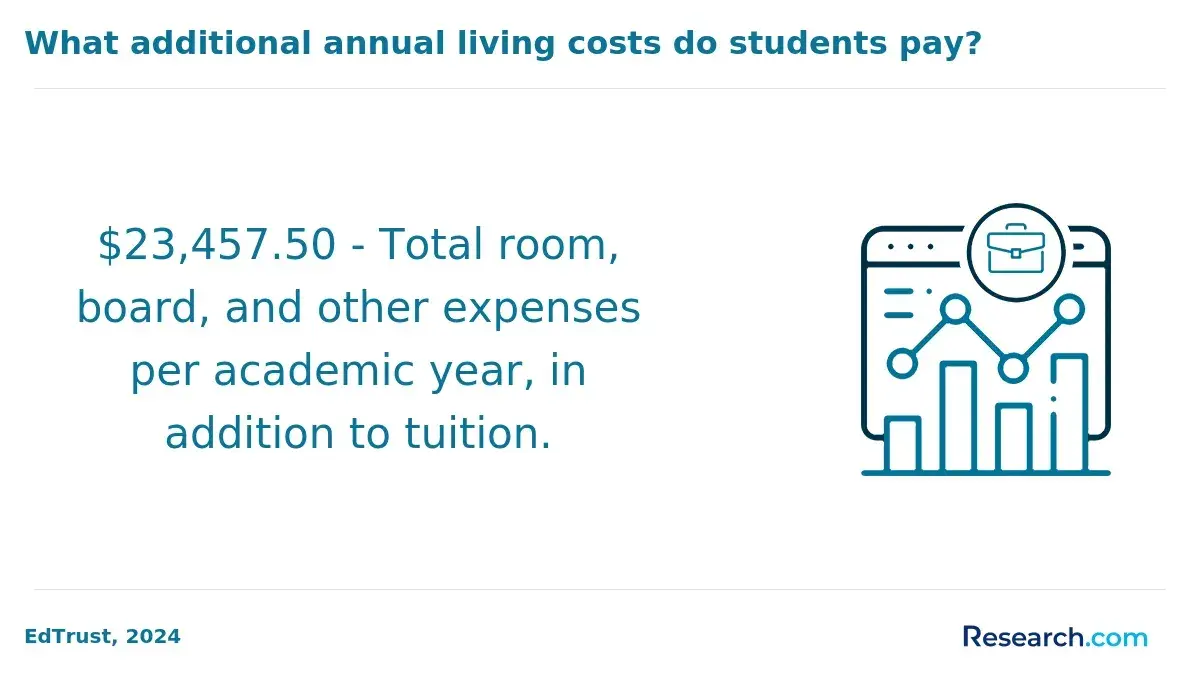
How Much Does It Cost to Get a Legal Studies & Law Bachelor's Degree at 40?
The average cost for earning a legal studies & law bachelor's degree can vary significantly, with many programs ranging from tens of thousands to over $50,000 in total tuition. Several factors influence the final price, making it important to understand the key expenses involved.
- Tuition Fees: This is usually the biggest cost and depends on whether the school is public, private, or online. Tuition rates fluctuate widely, and part-time enrollment options can spread out payments, affecting total expenditure.
- Learning Materials: Students should budget for textbooks, legal databases, case studies, and software. Some courses include digital resources to lower these costs, but additional expenses often accumulate throughout the program.
- Enrollment Intensity: Full-time study may increase semester costs but allows quicker degree completion, potentially reducing extra expenses like transportation or childcare. Part-time study lowers per-term fees but can lengthen the overall timeline, raising cumulative costs.
- Additional Fees: Expect charges for technology use, student activities, applications, exams, and professional certifications. These mandatory fees vary by institution and contribute to the total financial commitment.
- Financial Aid Impact: Scholarships, grants, and employer support can offset expenses, though availability varies. While helpful, these should not be assumed and initial budgeting should reflect potential out-of-pocket costs.
What Are the Risks of Going Back to College at 40?
Returning to college at age 40 to earn a legal studies & law bachelor's degree involves navigating several challenges that can affect academic success and personal balance. While not insurmountable, these risks deserve thoughtful consideration to set realistic expectations and prepare for the journey ahead.
Prospective students should be aware of key factors that commonly impact mature learners:
- Academic Workload: The demands of coursework, including assignments, research, and exams, can be intense, especially after a long break from formal study. Developing effective study habits and managing time efficiently are essential for success.
- Balancing Responsibilities: Many students around 40 juggle family obligations, such as parenting or caregiving, alongside part- or full-time jobs. This balancing act may increase stress and limit available study time.
- Social Adjustment: Returning students might feel disconnected from younger classmates or out of place in traditional campus environments, which can challenge motivation. However, many institutions now offer support programs tailored to mature students.
- Technological Adaptation: Mastery of digital learning platforms and online academic tools is increasingly necessary, posing an initial hurdle for those less familiar with current technology.
Can You Start a New Career at 40 With a Legal Studies & Law Bachelor's Degree?
Starting a new career at 40 with a legal studies & law bachelor's degree is entirely feasible. This degree equips adult learners with a solid foundation in legal principles, critical thinking, and analytical skills, which are useful for roles such as paralegal, compliance officer, or legal consultant.
Education at this stage can bridge gaps between past experiences and new career goals, making a career change after 40 with a legal studies & law bachelor's degree an achievable pursuit. Many find that gaining such a degree bolsters confidence and opens doors to diverse opportunities within the legal sector.
Current workforce trends increasingly support adults returning to education and shifting careers later in life. Employers and educational institutions are recognizing lifelong learning as essential, creating more accessible pathways for mature learners.
This evolving environment embraces nontraditional career trajectories, valuing diverse backgrounds and perspectives. For those interested in exploring other fields, options like the cheapest online master's in human resources highlight how adult learners can successfully pivot beyond their initial degree focus.
Do Employers Value Legal Studies & Law Bachelor's Degrees Earned at 40?
Employers generally value legal studies and law bachelor's degrees earned at age 40, recognizing that such degrees often indicate a strong commitment to continuous learning and professional growth. Combining formal education with extensive life and work experience tends to enhance a candidate's appeal in dynamic professional settings.
Notably, adults over 25 make up nearly 40% of undergraduate students nationwide, reflecting growing acceptance of non-traditional education pathways.
When considering legal studies and law degrees earned at this stage, employers often assess several key factors:
- Skill Relevance: Employers evaluate whether the degree's curriculum aligns with current legal industry standards and practices, ensuring the graduate's knowledge remains applicable in today's workforce.
- Professional Experience Integration: Candidates who effectively merge prior career experiences with academic insights are seen as better equipped to handle complex legal challenges.
- Adaptability: The ability to adjust to evolving legal frameworks and emerging workplace technologies is a valuable trait that employers seek in mature graduates.
- Commitment to Lifelong Learning: Pursuing a degree at 40 demonstrates motivation to stay competitive by updating and expanding professional skills continuously.
- Interpersonal and Leadership Qualities: Experience managing teams or navigating complex situations adds significant employability advantages, highlighting maturity and strategic thinking.
Overall, the career benefits of earning a legal studies and law degree at 40 include enhanced critical thinking, problem-solving abilities, and emotional intelligence-qualities essential for success in many legal professions. For adult learners exploring their options, it may be useful to compare educational alternatives such as a physics degree online to understand varied pathways toward advancing one's career goals.
What Steps Should I Take Before Applying to a Legal Studies & Law Bachelor's Program?
Preparing to apply for a legal studies & law bachelor's program involves thoughtful planning to ensure you meet academic standards and make informed choices. Early preparation is especially important for adult learners around age 40 or older, as it helps balance past experience with current educational goals.
A 2023 survey by the National Center for Education Statistics found that 62% of adult students who enrolled in bachelor's programs credited thorough preparation as vital to their admission success.
Consider these essential steps before submitting your application:
- Academic Review: Assess your previous coursework and degrees to determine if any credits transfer or satisfy prerequisites. This review can streamline your path to graduation and highlight areas needing extra study.
- Program Requirements: Examine different schools' course structures, specialization options, and grading policies. An informed understanding helps you select a program that aligns with your career ambitions and learning style.
- Learning Formats: Identify whether online, evening, or hybrid classes fit your schedule best. Choosing the right format supports consistent progress while accommodating personal commitments.
- Document Preparation: Collect transcripts, recommendation letters, and personal statements early to avoid delays and reduce application stress.
What Graduates Say About Earning a Legal Studies & Law Bachelor's Degree at 40
- Orlando: "Returning to school at 42 was a leap of faith fueled by a desire for personal growth and a career pivot. Choosing a legal studies & law bachelor's degree allowed me to combine my passion for justice with practical skills. Earning the degree has opened doors I never thought possible and proved that it's never too late to follow your ambitions."
- Zion: "I decided to pursue a legal studies & law bachelor's degree after years of working in unrelated fields, seeking a meaningful career that impacts society. Studying law at 45 challenged me intellectually and gave me a new perspective on problem-solving. Graduating later in life has not only boosted my confidence but also significantly enhanced my professional opportunities."
- Wyatt: "At 48, I chose legal studies & law because I wanted a discipline that merges critical thinking with real-world application. It was daunting returning to academia but rewarding, as it reinvigorated my professional path and expanded my network. With this degree, I have gained credibility and a fresh sense of purpose in my career."
Other Things You Should Know About Legal Studies & Law Degrees
A legal studies & law bachelor's degree opens doors to various career paths beyond practicing law. Graduates can work in fields like paralegal services, compliance, mediation, legal research, and law enforcement. Many also find opportunities in government agencies, corporate legal departments, or non-profits, leveraging their degree to support legal processes without attending law school.
Completing a legal studies & law degree as a mature student helps refine critical thinking, analytical reasoning, and written communication skills. These abilities are highly valued in numerous professions, including business and public administration. Additionally, adult learners often bring real-world experience, which can deepen their understanding of legal principles and improve practical application.
In 2027, networking for older students pursuing a legal studies & law degree is generally feasible, as many universities offer networking events, online communities, and alumni associations. These platforms are open to students of all ages, facilitating connections that can support career transitions or advancements.
Colleges and universities often offer tutoring, writing centers, and counseling services designed to support adult learners in legal studies & law. Many institutions understand the unique challenges faced by older students and provide flexible advising, time management workshops, and technology training. Such resources aim to help students balance their studies with personal and professional responsibilities successfully.
References
- Mature Law Student Guide https://www.thelawyerportal.com/study-law/undergraduate/mature-student/
- 6 Tips for Older Law School Applicants - Legal Reader https://www.legalreader.com/6-tips-for-older-law-school-applicants/
- Applying to Law School When You’re Over 40 — Barrier Breakers®, Inc. https://barrier-breakers.org/blog/applying-to-law-school-when-youre-over-40
- Students Returning to Education and Mature Students https://www.law.ac.uk/students/support/mature-students/
- How Old is Too Old For Law School? - St Francis School of Law https://stfrancislaw.com/blog/how-old-is-too-old-for-law-school/
- To change careers at nearly 40 and study law? | Mumsnet https://www.mumsnet.com/talk/am_i_being_unreasonable/3731816-To-change-careers-at-nearly-40-and-study-law
- How Old is Too Old for Law School? (And How to Get In) | Leland https://www.joinleland.com/library/a/how-to-get-into-law-school-as-a-mature-candidate
- Common Obstacles for Mature-Age Students Returning to Study - Sero Institute https://seroinstitute.com.au/common-obstacles-for-mature-age-students-returning-to-study/
- 88 Mature students Bachelor Degree Legal Studies Scholarships available https://www.hotcoursesabroad.com/study/international-scholarships/all/Postgraduate/legal-studies/mature-students/all/cid/124/j1/1175/nty/scholarship5
- Work While In Law School | LAWCLERK https://www.lawclerk.legal/blog/can-you-work-while-in-law-school/