2027 Is an Online Legal Studies & Law Bachelor's Degree Worth It?

Co-Founder and Chief Data Scientist
Considering a career pivot into legal studies & law but tied down by a full-time job or geographic limits? An online bachelor's degree in legal studies & law offers flexibility, yet questions about its value and recognition persist. Recent data shows a 15% growth in employment for paralegals and legal assistants-roles often accessible with this degree-reflecting strong industry demand.
This article examines whether an online legal studies & law bachelor's degree delivers practical benefits, credible accreditation, and meaningful career advancement. It aims to guide prospective students weighing the investment against their professional goals and market realities.
Key Things to Know About the Value of an Online Legal Studies & Law Bachelor's Degree
- Online legal studies & law degrees offer flexibility for working parents, veterans, and mid-career professionals balancing education with personal commitments, enabling progress toward long-term life and career goals.
- Accredited programs often provide strong return on investment, with military-friendly options and transferable credits reducing time and cost to degree completion.
- Graduates typically improve employment prospects in legal support and compliance roles, while also gaining eligibility for graduate law school, enhancing overall professional advancement opportunities.
What are the real costs of earning an online legal studies & law bachelor's degree, and how do they compare to on-campus programs?
Online legal studies & law bachelor's programs generally offer lower tuition per credit hour compared to traditional on-campus options. According to IPEDS data and the College Board's Trends in College Pricing report, online tuition typically ranges from $300 to $450 per credit, while public on-campus rates average $400 to $600 for in-state students and can exceed $1,000 for out-of-state students.
This cost comparison of online legal studies and law bachelor's degrees versus on-campus programs highlights significant savings potential for online learners.
- Fees: Many online students face additional technology or distance education fees between $50 and $150 per semester, which are less frequent or waived for campus-based students.
- Required Technology: Budgeting for reliable internet, a capable computer, and specialized software can add several hundred to over a thousand dollars upfront. Campus students often access labs or libraries that reduce these expenses.
- Indirect Costs: Online learners avoid expenses such as room and board, commuting costs, and parking fees, which typically add thousands annually for traditional students.
The four accredited programs priced below national averages for online legal studies & law bachelor's degrees are:
- Southern New Hampshire University
- Liberty University
- University of Massachusetts Lowell
- Oregon State University E-campus
These institutions offer recognized regional accreditation and affordability, providing valuable options for cost-conscious students.
The sticker price often overstates actual costs, as net price accounts for scholarships, federal Pell Grants, and institutional aid that can lower expenses by thousands annually. Grants, employer tuition reimbursement, and veteran benefits can further enhance affordability, making online degrees viable alternatives.
For those weighing the full financial picture, including average tuition and fees for online legal studies and law bachelor's degrees, strategies around financial aid and transfer credits play critical roles in long-term return on investment. Explore more options and insights about the best online degrees to find a program that matches your career goals and budget.
What is the Return on Investment (ROI) of an online legal studies & law bachelor's degree over a career lifetime?
Return on investment (ROI) in higher education compares the total cost of earning a degree with the financial returns graduates can expect throughout their careers. For an online legal studies and law bachelor's degree, this calculation weighs tuition, fees, and related expenses against projected lifetime earnings in law-related professions.
The Georgetown University Center on Education and the Workforce offers valuable data on median wages for graduates, while the PayScale College ROI Report contextualizes these earnings relative to degree costs, providing a solid basis for evaluating long-term return on investment of online legal studies degree programs.
To estimate ROI, consider the typical tuition cost of an online legal studies and law bachelor's program-which tends to be lower than traditional on-campus degrees-plus costs for materials, technology, and any fees. Compare this investment against median starting salaries and salary growth over 10 and 20 years. This framework is especially useful for working parents, military veterans, or mid-career professionals assessing programs that align with their goals.
Key comparison points include:
- 10-Year ROI: Low-cost online programs generally show a positive return within ten years, often exceeding the national average ROI for all bachelor's degrees due to lower initial debt and tuition.
- 20-Year ROI: Over two decades, earnings potential in legal-related roles and career advancement opportunities typically improve ROI well beyond entry-level figures.
- National Average Comparison: While some legal studies and law graduates may earn less initially compared to STEM or business majors, the total investment required tends to be smaller, improving the cost-benefit ratio.
Beyond salary, non-monetary returns impact overall degree value:
- Job Satisfaction: Graduates often report fulfillment from working in roles that support justice and community well-being.
- Career Mobility: The degree opens doors across government, nonprofit, corporate compliance, and further law education.
- Professional Credibility: Holding a bachelor's in legal studies and law adds credibility that can enhance networking and job prospects.
Students should weigh financial outcomes alongside factors such as transfer credit policies, financial aid availability, and program accreditation to make a confident enrollment decision.
For those comparing options, looking at psychology degrees can also offer insight into affordable online program structures and ROI strategies applicable to legal studies and law.
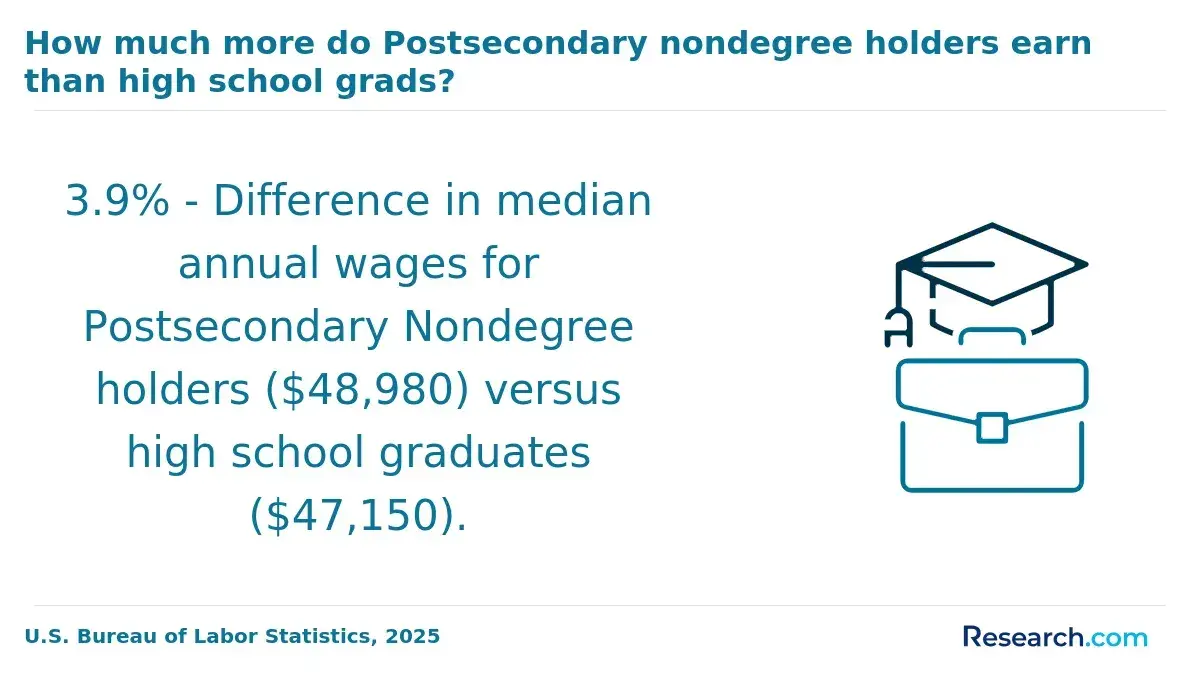
How do the salary outcomes for online legal studies & law bachelor's graduates compare to those with traditional degrees?
Data from the Bureau of Labor Statistics, PayScale, and LinkedIn Salary Insights show that the compensation for graduates holding online legal studies & law bachelor's degrees aligns closely with those from traditional campuses. Mode of delivery has less effect on earnings than factors such as institutional reputation, geographic region, chosen specialization, and professional experience.
- Median Starting Salary: Entry-level salaries for online legal studies & law graduates usually fall between $45,000 and $50,000 annually, mirroring figures reported by their on-campus peers.
- Mid-Career Earnings: After five to ten years, median salaries commonly increase to a range of $70,000 to $85,000, often bolstered by career progression and advanced specialization.
- Institutional Reputation: Graduates from highly ranked or regionally accredited institutions may benefit from higher pay due to employer recognition and networking advantages.
- Geographic Market: Urban areas and job markets with strong demand for legal professionals tend to offer superior wage potential compared to rural locations.
- Specialization Impact: Concentrations such as compliance, paralegal studies, or criminal justice can positively influence salary trajectories over time.
Some institutions share graduate earnings through IPEDS and transparency reports, confirming that online graduates' financial outcomes often echo those of traditional students after accounting for these variables. A viable projection suggests starting incomes near $45,000 with steady growth through the first decade of employment, supported by continued skills development and possible graduate education.
A professional who completed an online legal studies & law bachelor's degree described his journey as both challenging and rewarding. Balancing family responsibilities alongside coursework required strict time management and persistence. He noted, "The flexibility of the program was crucial, especially when I had to juggle work and home life."
Despite initial doubts, his employers valued the degree equivalently to traditional credentials. He felt the program's practical approach and ability to transfer his prior service credits accelerated his progress, ultimately leading to roles with competitive compensation. "It proved that an online degree, paired with dedication, can open doors just as wide."
What career paths and job opportunities are available to online legal studies & law bachelor's degree graduates?
Bachelor's degree holders in legal studies & law have several career paths, varying by additional credentials or education. Many roles can be accessed directly with the degree, while others require licensure or graduate studies.
- Paralegal and Legal Assistant: These professionals aid attorneys by researching, drafting legal documents, and maintaining case files. A bachelor's in legal studies & law typically meets entry requirements. The Bureau of Labor Statistics (BLS) forecasts about 7% growth in this field through 2032, indicating steady demand.
- Compliance Officer: Tasked with making sure organizations obey laws and regulations, these officers often possess legal studies backgrounds. This area is also expected to grow by roughly 7% as regulatory environments become more complex.
- Legal Analyst or Consultant: Evaluating policies, contracts, and legal risks, these roles rely on a strong foundation in legal studies. Growth varies among sectors, but this field continues to expand moderately.
- Law Enforcement and Public Safety: Some graduates enter roles such as federal agents or policy advisors. While typically requiring further training, a legal studies degree enhances career advancement opportunities.
- Further Education Paths: Pursuing law school or graduate degrees enables careers as licensed attorneys, judges, or specialized legal experts, also opening fields in academia or consultancy.
Opting for concentrations like criminology, corporate law, or cyber law within an online legal studies & law bachelor's program can sharpen skills for niche roles and improve long-term career outcomes. For those comparing options, programs like online MFT programs accredited illustrate how specialized credentials impact career trajectories and employer recognition.
What student support services do online legal studies & law bachelor's programs provide to promote success and retention?
Online legal studies and law bachelor's programs have moved beyond standard video lectures, offering a specialized support ecosystem designed to mimic the high-stakes environment of a law firm.
- Academic Advising: Specialized advisors guide students through course selection, degree requirements, and transfer credits, helping especially veterans and working adults balance education with other commitments.
- Tutoring and Writing Labs: Focused support in legal terminology, analysis, and research is available through live or online tutoring. Writing labs assist in refining legal writing to meet professional standards.
- Mental Health Counseling: Telehealth services provide accessible counseling to manage stress and maintain focus throughout demanding programs.
- Career Services: Proven programs offer internship placements, job search support with legal employers, and mentorship from alumni. Many maintain connections with law firms and organizations to facilitate direct employment opportunities.
Findings from the National Survey of Student Engagement (NSSE) and institutional data consistently show that students enrolled in programs with strong support systems experience higher retention and graduation rates. A well-developed support infrastructure is one of the best indicators for timely degree completion in online legal studies and law bachelor's programs.
A professional who established her career following an online legal studies & law bachelor's program recalled how vital the support network was. She described initial struggles balancing coursework with parenting and work but found her academic advisor instrumental in creating a manageable plan. Tutoring sessions clarified complex subjects she otherwise would have found overwhelming.
Meanwhile, telehealth counseling helped ease her anxiety during exams. The career services team connected her with internships that led to job interviews. Reflecting on this, she noted, "Without these resources, I doubt I would have stayed on track or felt confident pursuing opportunities after graduation."
Is an online legal studies & law bachelor's degree respected by employers and recognized across industries?
Data from the Society for Human Resource Management (SHRM) reveals that over 70% of employers regard online degrees as equal to traditional on-campus qualifications when programs are accredited and offered by reputable institutions. This shift shows growing acceptance of online education across various professional areas, including legal studies & law.
Online legal studies & law degrees offer full parity with in-person programs in roles such as paralegal positions, compliance, and legal administration. Large employers, including Deloitte and UnitedHealth Group, actively recruit from accredited online programs, focusing on candidates' skills and credentials rather than delivery format. However, certain legal roles requiring courtroom experience or bar admission may still prioritize traditional degrees.
The recognition of online legal studies & law degrees also hinges on curriculum relevance and program rigor, which many institutions now tailor to meet industry standards. This adaptability benefits working parents, veterans, and others needing flexible study options without career disruption.
Prospective students should evaluate employer perceptions in their desired field, connect with alumni, and analyze graduate employment outcomes to make informed decisions aligned with career goals.
- Employer Acceptance: Accredited online legal studies & law degrees are widely accepted by employers, expanding access to diverse legal career paths.
- Field Equivalence: Online degrees hold strong value in paralegal and compliance areas, while some courtroom-focused roles maintain preference for traditional credentials.
- Recruitment Patterns: Major companies emphasize skills and accreditation over the modality of the degree when sourcing talent from online programs.
- Program Quality: Alignment with industry standards and accreditation is essential for employer recognition and professional success.
- Personal Considerations: Evaluating employer preferences alongside credit transfer options and costs helps candidates choose suitable programs.
What accreditation standards should an online legal studies & law bachelor's program meet to be considered legitimate?
Accreditation strongly influences the value of an online legal studies & law bachelor's degree by impacting credit transferability, employer recognition, and graduate school admission.
Regional accreditation is widely regarded as superior to national accreditation within this field because it signals rigorous institutional quality and facilitates smoother credit transfers.
Regional vs. National Accreditation
Regional accreditation offers greater acceptance by employers and graduate programs, particularly important in legal studies & law. National accreditation often applies to vocational or career-focused schools and may limit opportunities to transfer credits or pursue advanced degrees.
- HLC: Higher Learning Commission (Midwest states)
- SACSCOC: Southern Association of Colleges and Schools Commission on Colleges (Southern states)
- NECHE: New England Commission of Higher Education (New England region)
- MSCHE: Middle States Commission on Higher Education (Mid-Atlantic)
- NWCCU: Northwest Commission on Colleges and Universities (Northwestern states)
- WSCUC: WASC Senior College and University Commission (Western states)
Students can verify a program's accreditation through the Council for Higher Education Accreditation (CHEA) or the U.S. Department of Education (ED) databases, ensuring enrollment in credible institutions. Unlike ABA-accredited law schools, legal studies & law bachelor's programs do not have specialized programmatic accreditation, making regional accreditation crucial for credit validation and graduate study eligibility.
Attending unaccredited or lapsed accreditation programs risks loss of federal financial aid, poor employer acceptance, and credit transfer difficulties. Over 85% of employers prefer candidates with degrees from regionally accredited institutions for legal and paralegal roles, highlighting the long-term career impact of accreditation status.
How long does it take to complete an online legal studies & law bachelor's degree, and what factors affect the timeline?
Most online legal studies & law bachelor's degrees require about 120 credit hours, typically completed over four years of full-time study, with students taking roughly 15 credits per semester across two semesters annually. This is the standard framework, but several factors can accelerate or extend the timeline depending on a student's circumstances and program format.
Accelerated course formats significantly shorten completion times. Many programs offer eight-week terms instead of the traditional 15-week semesters, enabling year-round enrollment and more courses per calendar year. Institutions like Southern New Hampshire University and Liberty University report average online legal studies & law degree completion times closer to three years for students leveraging these fast-track schedules.
Competency-based education (CBE) pathways present another option-Western Governors University's model allows students to progress by demonstrating mastery rather than fixed credit hours, letting highly motivated learners, including military veterans, finish their degrees in as little as two years.
Year-round enrollment options reduce gaps between semesters, appealing to working adults, parents, and veterans balancing education with other commitments. These flexible schedules help manage opportunity costs by decreasing both direct tuition expenses and the time delayed before full-time employment or graduate school entry.
Costs, accreditation, and transfer credit policies are important factors for students evaluating how long an online legal studies & law bachelor's degree will take. Careful consideration of these elements-and understanding career outcomes-can optimize financial aid strategies and improve long-term return on investment. For those interested in related fields, exploring options such as a masters in human resources may complement the degree and advance career prospects.
- Standard Timeline: Most online legal studies & law bachelor's programs require 120 credits, generally completed over four years of full-time study with two semesters per year.
- Accelerated Courses: Eight-week terms and continuous enrollment enable students to finish their degrees in approximately three years by taking more courses annually.
- Competency-Based Education: Certain universities allow progression by skill mastery, cutting completion time to about two years for dedicated students, including military veterans.
- Flexible Scheduling: Year-round classes and shorter terms help students balance education with work, family, or service responsibilities, speeding up graduation timelines.
- Cost and Opportunity Benefits: Faster completion reduces tuition and fees and minimizes lost income potential by enabling earlier workforce entry or pursuit of graduate education.
What financial aid, scholarships, and tuition assistance are available for online legal studies & law bachelor's students?
Financial aid options for online legal studies and law bachelor's degree students include several federal, state, and institutional programs that help reduce the cost of higher education.
- Federal Pell Grants: Need-based and requiring no repayment, Pell Grants are awarded based on the Free Application for Federal Student Aid (FAFSA) data. They assist lower-income students by covering tuition and related expenses.
- Direct Subsidized and Unsubsidized Loans: These federal loans offer low-interest borrowing, with subsidized loans having the government cover interest while the student remains enrolled. FAFSA completion is mandatory, and borrowing limits vary by academic year and dependency status.
- Institution-Specific Scholarships: Numerous online programs grant scholarships specifically to legal studies and law students. For example, the American Bar Association's Legal Education Scholarship awards up to $3,000 annually to students demonstrating academic merit and community involvement. The National Association for Legal Professionals Scholarship offers up to $2,500 for students enrolled fully online in law-related programs.
- State Grant Programs: These vary by state and frequently support residents pursuing legal studies degrees. Some states designate resources especially for online students or returning adult learners.
The FAFSA process is essential for accessing federal aid and qualifying for other financial support. Filing FAFSA promptly after October 1 each year is critical since funds are limited and granted on a first-come, first-served basis. Completing this step also affects eligibility for many scholarships and state grants.
Students seeking financial aid for accredited online legal studies and law degrees are encouraged to combine multiple sources-grants, scholarships, employer tuition reimbursement, and federal work-study programs. Layering aid can significantly minimize out-of-pocket expenses and reduce dependence on loans.
Those considering transferring credits or earning credentials quickly might explore options like 1 year associate degree programs online, which can sometimes accelerate progression toward a bachelor's in legal studies or law.
What are the admission requirements for online legal studies & law bachelor's degree programs?
Admission criteria for online legal studies & law bachelor's programs vary between selective and open-enrollment schools, influencing which applicants are best suited for each. Most programs require a high school diploma or GED as a foundational credential to ensure students are prepared for collegiate studies.
- Minimum GPA: More competitive programs often mandate a cumulative GPA between 2.5 and 3.0 on a 4.0 scale, while open-access institutions may accept lower GPAs or none at all.
- Standardized Tests: Since many schools have adopted test-optional policies post-2020, SAT or ACT scores are usually not required, though some selective programs may still request or recommend them to evaluate academic readiness.
- Prerequisite Coursework: Competitive programs can require prior classes in English, history, government, or social studies. Prospective students lacking these may bolster their application by completing related courses at community colleges.
- Rolling Admissions and Flexibility: A common feature of online legal studies & law programs is continuous admissions, removing fixed deadlines and offering greater access for working parents, military veterans, and career changers.
- Strengthening Your Application: Applicants not meeting minimum academic standards may enhance their eligibility by:
- Taking relevant community college coursework;
- Obtaining professional or paralegal certifications;
- Providing compelling letters of recommendation highlighting applicable skills and experience.
How should prospective students evaluate and choose the right online legal studies & law bachelor's degree program for their goals?
Selecting the right online legal studies or law bachelor's program requires balancing academic prestige with the practical "technical" skills the legal market now demands. Here's what you need to consider:
Accreditation: Ensure your chosen school holds regional accreditation, which guarantees quality education and ensures credits are respected by employers and graduate programs alike. Use resources like the IPEDS Data Center to verify institutional credentials.
Cost and ROI: Examine not just tuition but also additional expenses such as technology fees, proctored exam charges, textbooks, and any mandatory residencies. Utilize the U.S. Department of Education's College Scorecard and school-specific net price calculators to compare total costs and potential earnings after graduation, helping estimate your return on investment accurately.
Program Format and Flexibility: Look for asynchronous courses that fit your schedule, particularly if balancing work or family commitments. Pay attention to course length and pacing to confirm they align with your timeline.
Career Outcomes Data: Analyze graduation rates, alumni employment statistics, and common job titles to assess how effectively programs prepare graduates for the workforce. Transparent post-graduation data provides insight into long-term career prospects.
Student Support Services: Access to advising, tutoring, career counseling, and technical assistance is critical for online learners who must juggle multiple responsibilities. Confirm that support services meet your needs.
Transfer Credit Policies: Investigate how many of your prior credits-including military or other college coursework-are accepted to avoid redundancy and reduce time to degree completion.
What Graduates Say About the Value of Their Online Legal Studies & Law Bachelor's Degree
- Orlando: "I chose the online legal studies & law bachelor's degree program because it gave me the flexibility to balance work and family. The cost was surprisingly affordable compared to other programs, and I feel the investment has definitely paid off with the career advancement opportunities I've earned. Completing this degree has expanded my understanding of the legal field and boosted my confidence in professional settings."
- Zion: "Reflecting on my experience, the online legal studies & law bachelor's program was more than just convenient-it was a strategic move to enhance my skill set. The affordable tuition saved me from onerous debt, and the knowledge I gained has proven invaluable in my current role. This program deepened my analytical thinking and helped me approach legal challenges with a nuanced perspective."
- Wyatt: "The online legal studies & law bachelor's degree offered a practical path to elevate my career without relocating. The return on investment was clear as I secured a higher-paying position shortly after graduation-proof that the program's comprehensive curriculum equips you with essential tools needed in the legal profession. I appreciate how the instructors connected theory with real-world application throughout the course."
Other Things You Should Know About Legal Studies & Law Degrees
Online legal studies & law bachelor's programs typically deliver coursework through learning management systems where students access lectures, readings, assignments, and exams. Many programs offer asynchronous formats allowing students to study at their own pace, while some include live sessions for interaction. The student experience often requires strong time management and self-discipline, but robust support services such as virtual libraries, tutoring, and academic advising are usually available to assist students.
Students can often choose from specializations such as criminal justice, paralegal studies, legal research, corporate law, or public policy within online legal studies & law bachelor's programs. These concentrations help tailor the degree to specific career paths or graduate study goals. Availability varies by institution, so students should review program options carefully to align their focus with long-term objectives.
Many online legal studies & law programs allow transfer credits from regionally accredited institutions, with limits typically ranging from 50% to 75% of the total credit hours needed for graduation. Some schools also accept prior learning assessments such as military training or professional certifications. Prospective students should consult specific transfer policies of programs to maximize applicable credits and reduce time to degree completion.
References
- 11 Benefits of Earning an Online Law Degree Today - Leaders in Law https://www.leaders-in-law.com/11-benefits-of-earning-an-online-law-degree-today/
- Top 87 Law School Scholarships to Apply For in December 2025 https://bold.org/scholarships/by-major/law-school-scholarships/
- Twelve jobs you can do with a law degree https://targetjobs.co.uk/careers-advice/law/twelve-jobs-you-can-do-law-degree
- Law School Scholarship Databank https://www.accesslex.org/databank
- ROI in Higher Education - FREOPP https://freopp.org/roi-in-higher-education/
- Law School Scholarships Guide https://onlinemasteroflegalstudies.com/resources/law-school-scholarships/
- Admission Requirements - Purdue Global Law School https://www.purduegloballawschool.edu/admissions/requirements
- Tuition and Financial Aid https://onlinegrad.pepperdine.edu/law/admissions/tuition-and-financial-aid/
- Typical Law School Requirements/Prerequisites |ONU https://law.onu.edu/news/law-school-admissions-101-typical-law-school-requirements-prerequisites
- Understanding Educational ROI https://www.larson.com/educational-roi/