2027 Online Legal Studies & Law Bachelor's Degree Programs With Monthly Start Dates

Co-Founder and Chief Data Scientist
Many prospective students seeking flexibility face the challenge of aligning traditional academic calendars with unpredictable work schedules or family obligations. This issue intensifies in Legal Studies & Law bachelor's degree programs where start dates often restrict timely enrollment. Monthly start dates offer a vital solution, allowing learners to begin their studies without long delays. According to recent data, programs with monthly intakes have seen a 25% increase in enrollment among working adults over the past five years, reflecting a growing demand for adaptable education formats. This article examines key factors in selecting and succeeding in online Legal Studies & Law bachelor's programs with monthly starts, guiding readers through accreditation, cost, curriculum, and career implications.
Key Things to Know About Online Legal Studies & Law Bachelor's Degree Programs With Monthly Start Dates
- Accredited online legal studies & law programs with monthly start dates offer flexible enrollment and typically require a high school diploma or equivalent plus transcripts for transfer credit evaluation.
- Curriculums balance foundational courses, specialized electives, and practical skills training-average annual tuition ranges from $8,000 to $15,000, often with financial aid options.
- Graduates qualify for diverse careers including paralegal roles, compliance, and law enforcement-with employment projected to grow 10% by 2030 according to the U.S. Bureau of Labor Statistics.
What Are Online Legal Studies & Law Bachelor's Degree Programs With Monthly Start Dates, and How Do They Work?
Online legal studies & law bachelor's degree programs with flexible monthly enrollment offer significant advantages over traditional semester systems by allowing students to begin their education at multiple points throughout the year. This flexible structure is often paired with asynchronous course delivery or competency-based models, which enable students to progress at their own pace by mastering material rather than attending fixed seat-time classes. Such programs are ideal for working adults, military personnel, and others balancing multiple commitments.
Typically, these online legal studies & law bachelor's programs require between 120 and 130 credit hours. Coursework usually moves from foundational legal principles to more specialized areas such as criminal law and constitutional law. While many programs demand students complete courses sequentially, competency-based options provide alternative pathways for advancement based on demonstrated mastery. This hybrid combination of structured curricula with rolling start dates creates a flexible yet academically rigorous learning environment.
Enrollment in online legal studies & law bachelor's degree programs with monthly start dates has risen sharply, reflecting their widespread acceptance and mainstream status. Data from the National Center for Education Statistics and the Online Learning Consortium confirm that learners increasingly prefer this model for its convenience and ability to fit busy lifestyles without sacrificing quality or accreditation. Prospective students looking for an easy university experience often find these flexible options particularly appealing.
- Monthly Start Dates: Offer nearly year-round enrollment opportunities, providing superior scheduling flexibility for those juggling work, family, or military service.
- Program Structure: Require about 120+ credit hours with courses arranged to build legal knowledge progressively; some incorporate competency-based advancement to accommodate individualized pacing.
- Delivery Models: Primarily asynchronous formats allow students to complete coursework on their own schedules, supporting varied learning styles and speeds.
- Enrollment Growth: Flexible-start online legal studies & law programs have moved into the educational mainstream, driven by documented increases in student demand for adaptive, high-quality online learning.
- Article Preview: Upcoming sections will detail accreditation, admissions criteria, curriculum insights, cost considerations, financial aid opportunities, and career pathways to assist students in making informed decisions.
Which Regional Accreditation Bodies Approve Online Legal Studies & Law Bachelor's Programs With Monthly Start Dates?
Regional accreditation is the gold standard for online legal studies & law bachelor's degrees, recognized by most employers, graduate schools, and licensure boards. It differs significantly from national accreditation, which typically applies to trade, vocational, or religious institutions and may lack broad acceptance. When selecting a program, ensuring it has regional accreditation is paramount for academic credibility and career opportunities.
The approved accrediting agencies for online Legal Studies & Law programs in the United States include several regional bodies:
- Higher Learning Commission (HLC): accredits institutions in Midwest states like Illinois, Michigan, and Ohio;
- Southern Association of Colleges and Schools Commission on Colleges (SACSCOC): covers the Southern U.S., including Texas and Florida;
- New England Commission of Higher Education (NECHE): serves New England states such as Massachusetts and Connecticut;
- WASC Senior College and University Commission (WSCUC): focuses on California and Hawaii;
- Middle States Commission on Higher Education (MSCHE): accredits colleges in New York, New Jersey, and Pennsylvania; and
- Northwest Commission on Colleges and Universities (NWCCU): oversees institutions in Washington and Oregon.
To verify a program's regional accreditation, prospective students should consult the U.S. Department of Education's Database of Accredited Postsecondary Institutions and Programs (DAPIP) or the Council for Higher Education Accreditation (CHEA) database. These resources allow searching by institution name to confirm accreditation status, a crucial step before enrollment.
Beyond general accreditation, some programs earn programmatic approval from bodies such as the American Bar Association (ABA), which lends extra credibility to paralegal and legal studies education. Checking a program's website or contacting its admissions office can reveal whether it holds such respected recognition.
Be cautious of diploma mills and non-accredited providers that advertise convenient monthly start dates. These institutions may offer degrees lacking acceptance by employers or graduate schools, ultimately harming your career prospects. Prioritizing programs with regional accreditation-and recognized programmatic approvals-ensures your degree retains value and meets professional standards.
For those interested in accelerated pathways, exploring accelerated online degrees can offer a way to complete your legal studies with monthly enrollment options while maintaining quality and recognition.
How Do Monthly Start Dates in Online Legal Studies & Law Programs Differ From Traditional Semester or Quarter Systems?
- Rolling Enrollment: Online legal studies & law programs with monthly start dates allow students to begin classes every month, unlike traditional semester or quarter systems where start and end dates are fixed for all learners.
- Course Progression: These programs often follow a cohort model with students advancing together through a set sequence of courses, promoting cohesion and steady pacing. Some programs integrate self-paced elements within structured curricula, giving learners flexibility in how quickly they complete assignments.
- Community Dynamics: Monthly cohorts tend to be smaller and more varied, which can boost peer interaction but may require intentional effort to foster lasting relationships compared to typical semester groups that share longer terms.
- Instructor Support: Instructors support multiple staggered cohorts year-round, providing ongoing access and timely feedback despite rolling admissions.
- Financial Aid Considerations: Federal Title IV aid depends on enrollment and payment periods aligned with academic calendars. For monthly-start programs, students must verify that payment periods meet federal requirements to ensure proper disbursement.
- Verifying Aid Compatibility: Consulting resources from the U.S. Department of Education's Federal Student Aid office can confirm whether a program's monthly calendar complies with federal financial aid rules. Institutions typically provide documentation or certification detailing compliance.
One professional who pursued an online legal studies & law bachelor's degree with monthly start dates shared that initially, juggling start dates felt unfamiliar compared to traditional semesters. "I appreciated being able to begin right when I was ready without waiting for months," he said, though he also noted the challenge of staying connected with peers given frequent new cohorts. The structure helped him maintain consistent progress, but he found that balancing self-paced assignments required discipline. He emphasized that confirming financial aid details upfront was critical-"Knowing my aid would be properly disbursed removed a lot of stress." This flexibility ultimately supported his career ambitions while adapting to his busy schedule.
What Are the Admission Requirements for Online Legal Studies & Law Bachelor's Programs With Monthly Start Dates?
Applicants to online legal studies & law bachelor's programs with monthly start dates typically need a high school diploma or GED, along with official transcripts from all previous institutions. Many programs with flexible enrollment criteria do not require standardized tests like the SAT or ACT, reflecting a shift to boost accessibility. Selective online legal studies & law degree programs often maintain minimum GPA standards near 2.5 to 3.0 to uphold academic rigor and credential value.
Most reputable programs fall into the selective category, which means they thoroughly evaluate academic records and may request supplemental materials such as personal statements and letters of recommendation. Transfer students usually submit unofficial transcripts for initial application review but must provide official transcripts prior to enrollment. Documentation of prior learning-such as military or professional training-is also necessary for credit assessment.
Applicants with less competitive academic backgrounds can strengthen their applications by including thoughtful personal statements, securing strong recommendation letters, or completing bridge/preparatory courses to demonstrate readiness. Exploring easy associate degrees that pay well can also provide complementary educational options for those considering related fields.
- High School Diploma or GED: Required to establish foundational education.
- Official Transcripts: Mandatory from prior schools; unofficial versions often accepted early.
- GPA: Selective programs usually require 2.5-3.0; many rolling admissions waive strict minimums.
- Standardized Tests: Frequently not required in flexible enrollment programs.
- Transfer Admissions: Official transcripts required before enrollment; prior learning documentation essential for credit evaluation.
- Additional Materials: Personal statements, strong recommendations, and preparatory coursework boost weaker records.
What Is the Minimum GPA Requirement for an Online Legal Studies & Law Bachelor's Program With Monthly Start Dates?
Admission to online legal studies & law bachelor's programs with monthly start dates generally requires a minimum GPA between 2.0 and 2.5 on a 4.0 scale. More competitive schools often set higher thresholds, reflecting a demand for stronger academic records. Once enrolled, students usually must maintain a cumulative GPA of at least 2.0 to keep their enrollment status and qualify for financial aid. Graduation requirements commonly align with or slightly exceed these benchmarks to uphold degree quality and institutional standards.
For those whose GPAs fall below the minimum, options such as provisional admission and academic probation can provide pathways to continue. Provisional status allows students to prove their capabilities through initial coursework, while probation periods offer structured support and time to improve academic standing. Appeal processes also play a role, enabling students to request reconsideration based on special circumstances.
Program selectivity influences GPA expectations significantly. Open-admission schools tend to have lower GPA bars, making them more accessible, while moderately selective and highly competitive programs require stronger prior academic achievement. Prospective students should carefully review each institution's academic catalog online, as GPA criteria and related policies can change annually.
- Minimum Admission GPA: Typically ranges from 2.0 to 2.5, with selective schools demanding higher performance reflecting academic rigor.
- Satisfactory Academic Progress: A 2.0 cumulative GPA is usually essential for continued enrollment and maintaining financial aid eligibility.
- Graduation GPA Requirements: Standards often match or slightly exceed admission criteria to ensure academic quality.
- Below Minimum GPA Options: Provisional admissions, academic probation, and formal appeals offer flexible solutions for those with lower GPAs.
- Program Selectivity Impact: GPA thresholds differ across open, moderate, and competitive programs, so checking each school's latest catalog is advised.
A professional who completed an online legal studies & law bachelor's degree with monthly start dates shared that initially, meeting the GPA expectations felt daunting. "I was concerned about maintaining my grades while balancing work and family," she recalled. When her early term GPA dipped slightly below the threshold, provisional admission allowed her to continue while demonstrating improvement. Academic support services and the probationary framework became essential tools, providing encouragement rather than penalties. She emphasized how the appeals process offered a valuable second chance when personal challenges affected her academic progress. Reflecting on her journey, she said, "The flexibility in GPA requirements didn't just help me stay enrolled - it made the entire experience manageable and ultimately rewarding."
How Long Does It Take to Complete an Online Legal Studies & Law Bachelor's Degree With Monthly Enrollment Options?
The path to completing an online legal studies & law bachelor's degree frequently involves finishing about 120 semester credit hours, with the time frame influenced by course load, transfer credits, and scheduling flexibility. Monthly enrollment dates enable students to start programs without waiting for traditional semester cycles, potentially speeding up their progress.
- Full-Time: Enrolling full time usually means taking 12 to 15 credit hours per term, which often results in graduation in roughly four years when starting fresh. The monthly start model reduces downtime between terms, allowing quicker momentum toward degree completion.
- Part-Time: Students balancing work, family, or military obligations often opt for 6 to 9 credits per term. This slower pace tends to extend completion to five or six years, but the option to begin monthly can minimize scheduling gaps.
- Transfer Credits and Prior Learning: Transfer students or those leveraging prior learning assessments may cut their requirements by 30 or more credits, sometimes finishing in as few as two years. However, it is essential to confirm how many credits an institution accepts to avoid underestimating study length.
- Credit Load and Course Sequencing: Taking heavier course loads can accelerate completion, but students must consider prerequisite structures. Required foundational courses must be completed before advancing, so poor planning can lead to delays despite flexible starts.
- Flexibility: Many programs with monthly enrollment allow pauses or leaves of absence without losing academic progress. This is critical for working adults and military personnel who may need to temporarily halt studies but intend to resume without restarting the program.
Overall, the combination of credit load, transfer policies, and monthly start options creates a flexible yet structured pathway that can adapt to various life situations while maintaining steady progress toward earning a legal studies & law bachelor's degree.
What Does an Online Legal Studies & Law Bachelor's Program With Monthly Start Dates Typically Cost, and What Financial Aid Is Available?
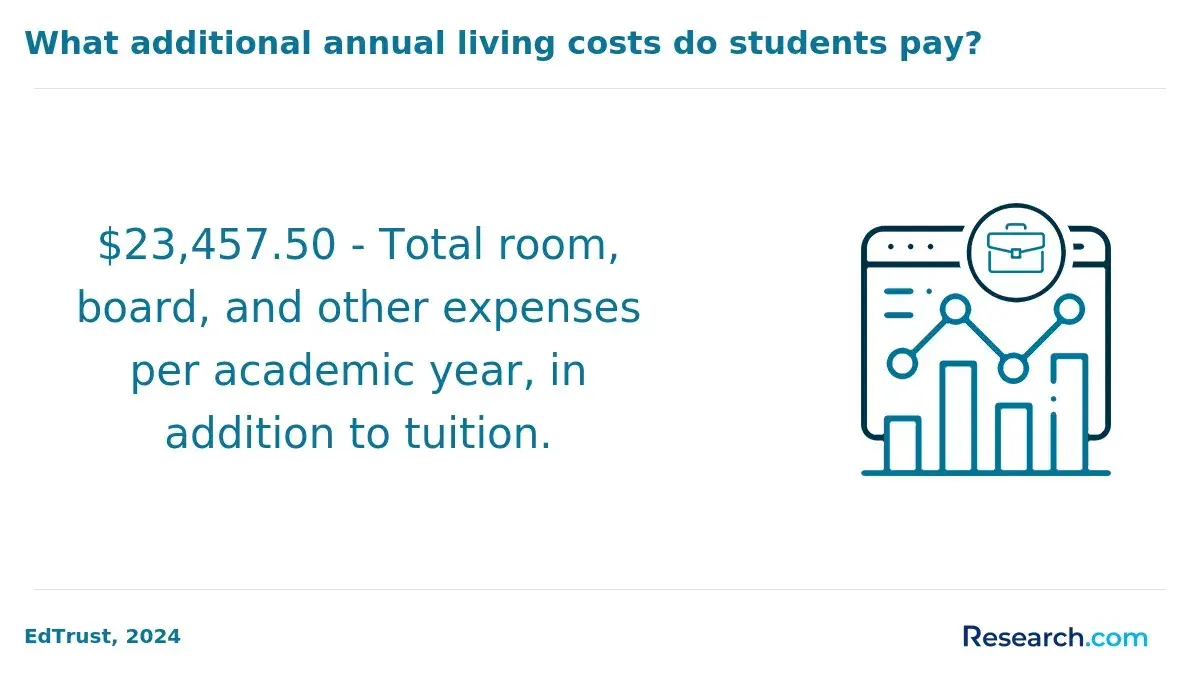
Costs for an online legal studies & law bachelor's program with monthly start dates vary widely, generally depending on tuition rates, fees, and additional expenses. Most institutions charge per credit hour, typically between $300 and $600, with differences based on whether the school is public or private. Students should also budget for technology fees-around $50 to $150 per term-covering online platform access and support. Course materials such as textbooks and case law databases may add $500 or more annually. While these programs remain primarily online, occasional in-person residencies or practicums may be required, resulting in extra travel and lodging costs.
Federal financial aid options include Pell Grants-need-based awards that do not require repayment-and Direct Loans, which are available in subsidized forms (where the government covers interest while the student is enrolled) and unsubsidized versions (with interest accruing immediately). Federal Work-Study provides part-time employment linked to financial need. Because monthly start programs allow rolling enrollment, it is crucial to submit the FAFSA as early as October to maximize aid availability, since some funding is granted on a first-come, first-served basis.
Scholarships tailored to legal studies & law students are offered by professional associations such as the American Bar Association, individual colleges, and state grant programs. Students can explore the College Board Scholarship Search and Fastweb to find awards based on area of study and eligibility criteria.
Cost comparisons illustrate typical variations:
- Lower-Cost Program: Around $15,000 total tuition with financial aid lowering net cost to approximately $10,000
- Mid-Range Program: Roughly $30,000 tuition with grants and scholarships reducing out-of-pocket expenses to near $20,000
- Higher-Cost Program: Tuition exceeding $45,000, with financial aid assistance bringing net costs down to $30,000
Which Schools Offer the Most Reputable Online Legal Studies & Law Bachelor's Degree Programs With Monthly Start Dates?
Several institutions stand out for offering reputable online Legal Studies & Law bachelor's degree programs with monthly start dates, combining flexibility with strong academic credentials for working adults, military personnel, career changers, and recent high school graduates.
- Arizona State University: Accredited by the Higher Learning Commission, ASU provides a comprehensive legal studies bachelor's degree online at competitive tuition rates. The program supports transfer credits to accelerate completion and emphasizes practical skills and ethical foundations. Partnerships with law firms and legal organizations enhance career prospects. ASU reports favorable graduation and employment outcomes and maintains a low student-to-instructor ratio.
- Southern New Hampshire University: With accreditation from the New England Commission of Higher Education, SNHU offers a fully online legal studies bachelor's program with monthly start dates and moderate tuition. Generous transfer credit policies and a curriculum focusing on real-world legal applications boost student success. Extensive career services and employer connections strengthen strong alumni placement in the legal sector.
- Liberty University: Regionally accredited by the Southern Association of Colleges and Schools Commission on Colleges, Liberty's legal studies degree online features monthly admissions and affordable tuition. The program focuses on Christian ethics alongside legal principles and supports accelerated paths with transfer credits and intensive courses. Faculty expertise and accessible student support enhance the educational experience.
- Fordham University: Accredited by the Middle States Commission on Higher Education, Fordham offers a flexible legal studies bachelor's degree with frequent start dates. Tuition is higher but reflects the university's prestigious reputation. The program balances theory with experiential learning and highlights strong faculty credentials, employer engagement, and alumni networks that aid career advancement.
- Everest University: This regionally accredited program includes monthly starts suited for working adults. Tuition is competitive, and transfer credits are accepted to expedite degree completion. The curriculum emphasizes foundational knowledge and practical application, backed by dedicated academic advising and job placement assistance geared toward legal careers.
When exploring accredited online legal studies and law bachelor's degree programs with rolling admissions, it is crucial to evaluate program reputation beyond rankings. Key factors include employer partnerships that provide internships and job placement, alumni outcomes data demonstrating graduate success, faculty members' professional and academic credentials, and favorable student-to-instructor ratios that ensure personalized attention. The program's reputation within the legal community and alignment with the career goals of target employers weigh heavily in making informed decisions.
For those also interested in design fields, consider exploring a well-ranked ux design degree online to complement your legal education, opening interdisciplinary career paths.
What Courses and Curriculum Can Students Expect in an Online Legal Studies & Law Bachelor's Program?
Students pursuing an online legal studies & law bachelor's degree engage with a well-rounded curriculum that balances general education with specialized legal content. Early coursework includes core subjects in online legal studies and law degree programs such as English composition, mathematics, social sciences, and humanities-building critical thinking and communication skills essential for legal professions.
Foundational legal courses at the lower division cover essential topics like:
- Introduction to Law: Overview of the legal system, court structures, and terminology.
- Legal Research and Writing: Methods for finding legal resources and drafting clear, persuasive documents.
- Criminal Law and Procedure: Fundamentals of criminal justice processes and substantive laws.
- Constitutional Law: Principles of constitutional governance and civil rights.
Upper-division major courses deepen expertise with subjects such as:
- Contracts and Torts: Study of civil obligations and personal injury law.
- Evidence and Trial Practice: Courtroom procedures and rules of evidence.
- Business Law: Legal issues in commerce and corporate regulation.
- Ethics and Professional Responsibility: Standards and dilemmas in legal practice.
Programs often offer elective tracks or specializations tailored to career goals, including paralegal studies, criminal justice, compliance, or dispute resolution-allowing students to align learning with specific sectors and enhance career readiness within a typical curriculum for legal studies and law bachelor's with flexible start dates.
Applied learning components set quality programs apart. Students engage in capstone projects, simulations replicating courtroom or negotiation scenarios, and practicums or internships coordinated with employers for real-world experience. Access to law databases, digital research tools, and memberships in professional organizations further support study and professional networking.
For those interested in alternative or supplemental credentials, some might explore quick certifications that pay well to complement their legal studies education and improve job prospects.
How Do Online Legal Studies & Law Programs With Monthly Start Dates Support Working Adults and Non-Traditional Students?
Monthly-start online legal studies & law programs are tailored to fit the complex schedules of working adults and caregivers by offering asynchronous courses that students can access anytime. These programs provide on-demand lectures and course materials, allowing learners to study when convenient. Flexible deadlines further accommodate personal and professional commitments, while mobile-friendly platforms make it possible to engage from anywhere.
Strong student support sets reputable programs apart. Learners benefit from dedicated academic advisors who personalize guidance, career services focusing on adult learners' goals, and specialized assistance for military personnel, veterans, and students with disabilities. Peer tutoring and help centers often extend hours beyond the typical workday to increase accessibility.
Adult students face distinct obstacles like imposter syndrome, technology challenges, and relearning academic writing after time away from school. Programs that provide workshops, writing labs, and tech training help ease these struggles. Many institutions also recognize prior learning through CLEP tests, portfolio reviews, or military credits-speeding degree completion and lowering costs. Notably, over 40% of undergraduates are now adult learners, signaling growing demand for flexible educational opportunities.
- Flexible Course Delivery: Asynchronous classes with on-demand materials enable study around personal and work schedules.
- Comprehensive Support: Academic advising, career counseling, and extended-hours tutoring meet adult learner needs.
- Overcoming Barriers: Programs offer resources for imposter syndrome, tech proficiency, and academic skill refreshment.
- Credit for Prior Learning: Credits from exams, portfolios, or military service can reduce time and expense.
- Increasing Adult Learner Presence: Adult learners now represent over 40% of undergraduates, emphasizing flexible program importance.
What Career Outcomes and Salary Expectations Are Realistic for Legal Studies & Law Bachelor's Graduates?
- Employment Growth: Careers accessible to legal studies & law bachelor's graduates, like paralegals and legal assistants, are projected to expand by about 7% from 2022 to 2032 according to the Bureau of Labor Statistics. This growth exceeds the average for most occupations, driven by increasing needs in legal services and corporate compliance.
- Salary Expectations: Entry-level roles typically offer median annual wages near $56,000, with experienced professionals in specialized fields earning over $80,000. Pay varies widely based on industry, experience, and location, with urban centers generally providing higher salaries due to demand and living costs.
- Career Pathways: A bachelor's degree qualifies graduates for roles such as paralegals, court clerks, and compliance officers. Advancement into roles like legal analysts or law librarians often requires additional certifications or graduate education, while positions including attorneys or judges demand advanced degrees and licensing.
- Regional Variations: Job opportunities and earnings in legal studies & law concentrate in metropolitan areas such as New York, Washington D.C., and California, although remote work is becoming more common. Evaluating local market trends is crucial to understanding the return on investment for online programs relative to one's geographical situation.
- Emerging Roles and Growth Areas: Expanding sectors include cyber law compliance, intellectual property, and legal technology support. Graduates with cross-disciplinary expertise are increasingly sought for positions involving data privacy, regulatory compliance, and legal operations management-areas poised for significant growth amid digital transformation.
What Graduates Say About Their Online Legal Studies & Law Bachelor's Degree Programs With Monthly Start Dates
- Orlando: "The accreditation of the online legal studies & law bachelor's degree program truly gave me confidence in my education's value - it ensured the coursework met rigorous standards. Admission was straightforward, which helped me start quickly with the monthly enrollment options. The curriculum was comprehensive yet affordable, balancing foundational principles with practical insights that prepared me for diverse career paths."
- Zion: "Reflecting on my journey, I appreciate how the curriculum combined theory and hands-on learning, offering a well-rounded legal education. The flexible monthly start dates made it possible for me to tailor my studies around my job. Most importantly, graduating opened doors for me professionally, paving the way to meaningful work in legal services and advocacy."
- Wyatt: "From a professional standpoint, the program's emphasis on career outcomes was impressive - I gained a clear understanding of potential job markets and roles within the legal field. The admission requirements were transparent and accessible, which eased my entry. Cost-wise, the program offered real value, and the curriculum's depth gave me a competitive edge in my legal career."
Other Things You Should Know About Legal Studies & Law Degrees
Most online Legal Studies & Law bachelor’s programs with monthly start dates are not designed to meet state licensure or certification requirements, as they typically focus on foundational legal knowledge rather than specialized or jurisdiction-specific qualifications required for licensure. Always check individual program details and consult relevant licensing authorities.
Many online legal studies & law programs with monthly starts offer flexible transfer credit policies for previously completed college-level courses. Prior learning assessments (PLAs) may also be available, allowing students to earn credit for relevant work experience, certifications, or military training. Policies vary by institution, so it is important to review course equivalencies and documentation requirements before enrolling.
Online legal studies & law programs generally use learning management systems (LMS) such as Blackboard, Canvas, or Moodle to deliver coursework. Students access video lectures, discussion boards, and digital legal databases through these platforms. Additional tools may include virtual simulations, research software, and collaboration apps to support interactive skill development in legal writing and analysis.
Employers increasingly recognize accredited online legal studies & law bachelor's degrees as credible credentials, especially when programs are offered by regionally accredited institutions. Monthly start dates provide flexibility that can appeal to working students, but the quality and rigor of the degree remain the primary factors in employer evaluations. Demonstrated skills and relevant experience often weigh as heavily as the mode of delivery.
References
- Online Law Degrees Explained: Key Facts & Benefits https://dsuonline.com/resources/blogs/online-degrees-courses-in-law-explained-key-facts-benefits/
- Understanding Regional Accreditation for Online Law Degree Programs https://www.lawdegreeresource.com/accreditation-for-online-law-degrees-regional-accreditation-for-online-law-degree-programs
- Online Bachelor in Legal Studies (BSLS) Degree https://www.southuniversity.edu/online/degrees-programs/criminal-justice-and-legal-studies/legal-studies-bs
- Admission Requirements - Trinity Law School https://www.tiu.edu/law/admission-requirements/
- Bachelor of Science in Legal Studies https://www.herzing.edu/legal-studies/bachelors-degree
- What is the Difference Between Quarters, Semesters, and Trimesters? https://www.studyusa.com/en/a/1235/what-is-the-difference-between-quarters-semesters-and-trimesters
- OSCASUSC Online Law Degree: Costs And Financial Aid https://nation.steveharveyfm.com/free-minds/oscasusc-online-law-degree-costs-and-financial-aid-1767648104
- Typical Law School Requirements/Prerequisites |ONU https://law.onu.edu/news/law-school-admissions-101-typical-law-school-requirements-prerequisites
- Knowledge Article View https://nmlsportal.csbs.org/csm
- Semesters vs. Trimesters in College: Pros & Cons https://www.collegexpress.com/articles-and-advice/majors-and-academics/blog/college-calendar-pros-and-cons-semesters-vs-trimesters/