2027 Online Counselor Education Degree Programs Costs: Tuition & Fees

Co-Founder and Chief Data Scientist
Before enrolling in an online Counselor Education program, the key question is not simply “Can I afford tuition?” It is “Will this program meet licensure, career, accreditation, and budget requirements without creating more debt than the credential can reasonably support?” Counselor Education degrees often prepare students for roles in school counseling, clinical mental health counseling, supervision, or counselor education, and many programs require substantial graduate coursework, supervised field experience, and state-specific licensure planning.
Online study can reduce relocation, commuting, and campus-related costs, but it does not automatically make a counseling degree inexpensive. Tuition varies widely by institution type, residency status, credit requirements, accreditation, required residencies, technology fees, and clinical placement costs. This guide explains the average cost of an online Counselor Education degree, what tuition usually includes, which expenses students often overlook, how online and campus programs compare, and how to evaluate financial aid and return on investment before committing.
Key Points About Online Counselor Education Degree Costs
- Average tuition for online Counselor Education degrees in 2024 ranges between $15,000 and $45,000, depending on program length and institution type.
- Costs fluctuate based on factors such as residency status, accreditation, and additional fees for materials or practicum supervision.
- Investing in these programs can lead to higher earning potential and licensure eligibility, supporting career advancement in counseling fields.
What Is the Average Cost of an Online Counselor Education Degree?
The average tuition for an online Counselor Education degree during the 2025-2026 academic year typically ranges from around $14,100 to $136,320. The large range reflects differences in school type, residency rules, degree level, credit load, and per-credit tuition. Most master's degree programs require about 60 credit hours, so even a modest difference in the per-credit rate can change the total cost substantially.
At the lower end, in-state students at public universities may pay roughly $235 per credit. At the higher end, private institutions may charge as much as $2,272 per credit. For a standard 60-credit master's program, this means public in-state options can be dramatically less expensive than private or out-of-state programs.
Doctoral programs, including online PhDs in Counselor Education, frequently cost more than $60,000. They may also require residencies, research-related expenses, supervision costs, or other mandatory program requirements that are not always obvious from the headline tuition rate.
When comparing programs, use the total estimated program cost rather than only the per-credit price. A lower per-credit rate may not be the cheapest option if the program requires more credits, frequent residencies, or high fees. Conversely, a higher-priced program may be worthwhile if it offers the accreditation, licensure preparation, clinical placement support, and faculty expertise required for your career goal.
What Is Typically Included in the Tuition for an Online Counselor Education Degree?
Tuition for online Counselor Education master's programs is usually billed per credit hour. Rates can range from around $235 to $2,272 depending on the institution and residency status. For a 60-credit program, total tuition usually ranges between approximately $14,000 and $136,000.
Tuition generally pays for the academic part of the program, but it does not always cover every cost required to graduate or qualify for licensure. Students should separate “tuition,” “mandatory fees,” and “personal or professional expenses” when building a budget.
Common costs covered by tuition
- Instruction and faculty support: Tuition covers course delivery, instructor access, grading, feedback, and academic guidance within the program.
- Online course access: Students typically receive access to the learning management system, digital classrooms, syllabi, assignments, discussion boards, and course materials provided through the platform.
- Academic advising: Many programs include advising to help students plan course sequences, understand program requirements, and prepare for practicum or internship milestones.
- Technology-supported learning: Some schools include technology resources in tuition, while others list them separately as technology fees, online learning fees, or platform charges such as "LiveText" fees.
Common costs not fully covered by tuition
- Mandatory institutional fees: Registration and student service fees frequently vary from $50 to over $500 per term.
- One-time fees: Application fees of $50 and graduation fees of $150 are common, and some programs require enrollment deposits that apply toward tuition.
- Books and course materials: Textbooks, assessment tools, and supplemental readings may be billed separately.
- Clinical and professional expenses: Practicum, internship, travel to approved sites, background checks, professional liability insurance, and licensure-related costs may not be included.
- Residency or campus visits: If a program requires in-person sessions, students may need to pay for transportation, lodging, meals, and time away from work.
Financial aid, including federal loans through FAFSA, may be available when the student and institution meet eligibility requirements. Before enrolling, ask for a written cost-of-attendance estimate that includes tuition, fees, field placement expenses, and any required in-person components.
What Factors Influence the Cost of Pursuing an Online Counselor Education Degree?
The cost of an online Counselor Education degree depends on more than the advertised tuition rate. A program that looks affordable at first may become more expensive after residency fees, technology charges, practicum expenses, or out-of-state tuition are included. The most important cost drivers are school type, residency status, credit requirements, fees, and program design.
- Type of school: Public universities usually offer lower tuition for in-state residents, while private schools often charge higher rates regardless of residency. For example, Augusta University's in-state tuition is about $235 per credit, but out-of-state can exceed $820 per credit.
- Residency status: Many public institutions still charge different rates for in-state and out-of-state online students. Others use a flat online tuition model. Some online programs, such as UW-Superior's, apply the same tuition rates for all students, which can make budgeting simpler for nonresident students.
- Credit-hour requirements and program length: Most master's degrees in Counselor Education demand around 60 credit hours. Total tuition can range from $14,000 up to $60,000 depending on the credit requirement and per-credit price. Accelerated options may shorten the calendar time to graduation, but they do not always reduce the number of credits required.
- Technology and mandatory fees: Online learning fees, graduation fees, application charges, registration fees, and student service fees may add hundreds or thousands to the final cost.
- Program features and support: Programs with required residencies, intensive practicum supervision, specialized faculty, strong advising, and clinical placement support may cost more. These features can be valuable, especially when they help students meet licensure or employment requirements.
- Accreditation and licensure alignment: A lower-cost program is not a good value if it does not meet the requirements for the state or counseling role you want. Always compare cost with accreditation status, fieldwork requirements, and exam or licensure preparation.
Students trying to shorten their time in school may also want to review one year master degree programs, but counselor education students should be careful: licensure-oriented counseling programs often have fixed credit and clinical-hour requirements that cannot be meaningfully compressed.
Are Online Counselor Education Programs Cheaper Than Traditional Programs?
Online Counselor Education programs can be cheaper than traditional on-campus programs, but the savings are not guaranteed. Tuition may be similar across formats, especially at private institutions. The biggest savings often come from avoiding relocation, commuting, parking, campus housing, and lost income from leaving a job.
For the 2025 academic year, tuition for online programs generally ranges from $25,000 to $80,000 for the full degree. In-state online programs can be much more affordable, sometimes between $14,000 and $30,000. On-campus tuition is usually similar or slightly higher, particularly at private institutions.
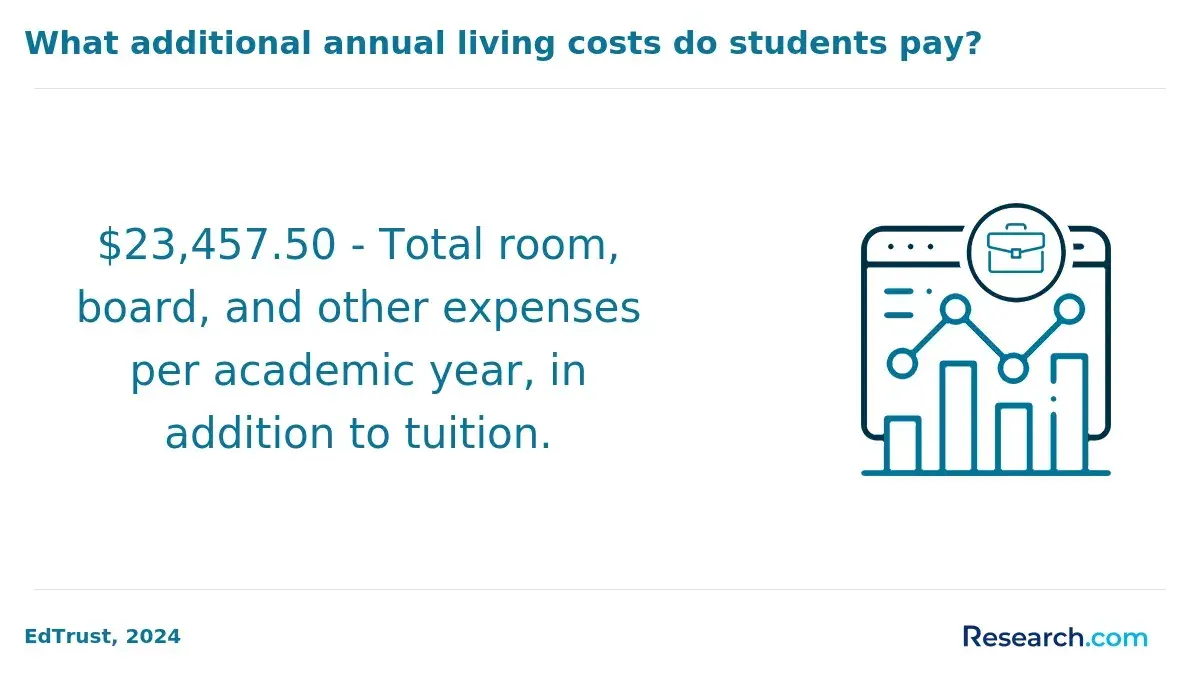
The online vs traditional counselor education program tuition costs differ most in indirect expenses. Online students may pay technology or online learning fees, but these are often lower than room and board, campus service fees, transportation, or relocation costs. Online study can also allow students to remain employed locally, which may reduce the opportunity cost of graduate school.
However, both online and campus programs may require textbooks, practicum, and clinical training fees, which typically add $3,000 to $6,000 to the total cost. Online students may also need to travel for residencies or arrange approved local clinical placements, which can create additional expenses.
The practical comparison is this: if two programs meet the same accreditation and licensure standards, the online option may be financially better when it allows you to keep working and avoid relocation. If the online program charges high tuition, requires travel, or provides limited placement support, the cost advantage may shrink. Students comparing broader low-cost education pathways may also review the easiest associate's degree to get, though associate degrees do not replace graduate-level counseling credentials.
Are There In-state and Out-of-state Tuition for Online Counselor Education Programs?
Yes. Many online Counselor Education programs, especially those offered by public universities, still use in-state and out-of-state tuition rates. This means residency can significantly affect the final cost, even when the student never attends classes on campus.
Public universities often subsidize tuition for state residents, so nonresident students may pay more. Some schools, however, use a single online tuition rate for all students. This flat-rate model can make private, nonprofit, or distance-focused programs easier to compare because the cost does not depend on where the student lives.
Regional tuition agreements may also reduce costs for some out-of-state students, but these arrangements vary by institution and are not automatic. Eligibility can depend on the student’s state, the program format, the degree level, and whether the program participates in the agreement.
Before applying, confirm three details directly with the program: whether online students pay resident or nonresident tuition, whether the rate changes if you move during the program, and whether your state has any restrictions or additional requirements for licensure or field placement. A program with low tuition is only useful if it is available in your state and supports your intended credential.
Which Schools Offer the Most Affordable Counselor Education Degree Programs?
The most affordable online Counselor Education degree programs are typically public universities, regional institutions, or schools with flat-rate online tuition. Affordability should be evaluated alongside accreditation, licensure preparation, field placement support, and whether the program serves the counseling specialization you need, such as school counseling or clinical mental health counseling.
Examples of some of the cheapest online master's in counseling 2025 include the following:
- University of the Cumberlands (KY): Offers a fully online Master of Arts in Education-School Counseling (P-12) with flat-rate annual tuition of $7,087. This regionally accredited program may appeal to students seeking an affordable and flexible pathway into school counseling.
- Nelson University (TX): Provides an online school counseling master's program costing $7,120 per year, combining lower annual tuition with counseling-focused preparation.
- Chadron State College (NE): Offers a program with a 100% student recommendation rate at $7,644 annually, making it a notable option for budget-conscious students.
Among the most affordable online CACREP accredited counseling programs, North Carolina Central University stands out by offering CACREP-accredited clinical mental health counseling at an in-state tuition of $17,954 for the full program, or about $299 per credit hour. Eastern Carolina also provides affordable CACREP school counseling degrees.
When comparing low-cost programs, look beyond the annual price. Ask whether tuition is charged by credit or term, whether fees are included, whether there are required campus visits, and whether the program meets the requirements for your state and counseling role. Students exploring broader affordable online pathways may also compare affordable online associate degree programs, though graduate counseling careers generally require a master’s-level credential.
Which Schools Offer the Most Expensive Counselor Education Degree Programs?
The most expensive online Counselor Education programs tend to be private institutions, doctoral programs, or master's programs with specialized faculty, residencies, extensive supervision, or strong clinical training structures. A high price does not automatically mean a better fit, but it may reflect program depth, institutional resources, or advanced professional preparation.
Examples of higher-tuition online counselor education master's programs and doctoral programs include the following:
- The Chicago School of Professional Psychology Online: Offers an online PhD in Counselor Education and Supervision with a rigorous curriculum and specialized faculty. The program charges approximately $35,319 in annual tuition and prepares graduates for leadership, teaching, supervision, and advanced counseling roles.
- University of New Haven: Provides an online Master of Arts in Clinical Mental Health Counseling with an average cost of $769 per credit, totaling about $46,140 for the full 60-credit program. The program includes advanced coursework, a focus on advocacy and social justice, and in-person residencies that contribute to the higher price.
- Liberty University: Offers a flexible online master's program with tuition ranging from approximately $565 to $615 per credit. For a 60-credit degree, total costs can reach up to $36,900. The program is known for its national reputation and specialized clinical training.
Students considering higher-cost programs should ask what the additional tuition buys. Important questions include whether the program has the accreditation needed for licensure, how practicum and internship placements are supported, whether residencies are required, what student support is available, and how graduates perform in the job market. If the program requires borrowing, review repayment options early and compare institutions that participate in federal aid. One place to start is this guide to online schools that accept fafsa.
How Long Does It Take to See a Return on an Online Counselor Education Degree?
Many graduates begin to see a financial return on an online Counselor Education degree within 2 to 5 years of employment, but the timeline depends heavily on tuition, debt, salary, licensure progress, location, and whether the student worked while enrolled.
Salaries for licensed counselors, including roles such as school counselors or marriage and family therapists, generally fall between $59,190 and $65,140 annually, with some professionals earning upwards of $100,000. Job demand remains strong with approximately 29,100 annual openings and steady growth, which can support employment prospects and long-term advancement.
The return can be faster for students who choose a lower-cost program, receive scholarships or employer support, avoid relocation, and continue working while studying. It can take longer for students who borrow heavily, attend higher-priced private programs, live in lower-paying regions, or need additional time to complete supervised hours and licensure steps after graduation.
One cost comparison sometimes cited is that average master's degree tuition ranges from $8,000 to $10,000. For students who keep total borrowing near that level, repayment may be manageable. However, many Counselor Education programs cost far more, so applicants should calculate return on investment using their actual program price, expected debt, likely starting salary, and state licensure timeline.
Are Online Counselor Education Students Eligible for Financial Aid?
Yes. Students in online Counselor Education programs are generally eligible for financial aid if they attend an accredited degree-granting institution and meet aid requirements. The main starting point is the Free Application for Federal Student Aid, or FAFSA. Eligibility typically depends on enrollment status, program accreditation, citizenship or eligible noncitizen status, and the school’s participation in federal aid programs.
Financial aid can reduce upfront costs, but it should not be treated as free money unless it is a grant, scholarship, or employer-paid benefit. Loans must be repaid, and graduate borrowing can become expensive if students do not plan carefully.
- Federal Student Aid: FAFSA may provide access to federal loans and need-based grants that may cover most or all tuition and fees, such as those for a 60-credit master's program priced around $825 per credit hour. Eligibility depends on FAFSA completion and enrollment in an accredited online Counselor Education program.
- Texas State Financial Aid for Online Counseling Degrees: Texas and other states may offer grants and scholarships for eligible residents enrolled in online counseling programs. Some opportunities are designed to reduce out-of-pocket costs for students who plan to work in high-need or underserved communities.
- Employer Tuition Assistance: Working professionals in education, mental health, healthcare, human services, or related fields may qualify for partial or full tuition reimbursement. Coverage varies by employer and may require advance approval, minimum grades, or a work commitment after graduation.
- Scholarships and institutional aid: Schools may offer merit scholarships, need-based awards, diversity scholarships, or aid tied to counseling specializations.
- Loan forgiveness: Some graduates may qualify for loan forgiveness if they work in qualifying public service or nonprofit sectors and meet program rules.
Before enrolling, contact the financial aid office and ask for the total cost of attendance, available institutional aid, loan limits, scholarship deadlines, and whether online students receive the same aid consideration as campus students. Students considering additional career-focused credentials may also explore what certifications can i get online that pay well.
Are Online Counselor Education Programs Expected to Increase in the Coming Years?
Online Counselor Education programs are likely to remain in demand because they offer flexibility for working adults, career changers, educators, and mental health professionals who cannot relocate for graduate school. However, demand does not mean every program will become cheaper or more accessible.
Tuition rates for online Counselor Education degrees currently vary widely by institution type, location, and level of study. Public universities often provide lower tuition than private institutions, especially for in-state students. Graduate-level programs tend to cost more because they include advanced coursework, clinical preparation, supervision, and field experience requirements.
Some schools also charge separate fees for practicum supervision, technology access, application processing, graduation, or required residencies. These costs can increase the true price even when the published tuition rate appears competitive.
Tuition trends suggest moderate increases over the next few years, paralleling general higher education inflation. At the same time, the growth of online education may encourage some institutions to offer more competitive pricing, flat-rate tuition, or expanded financial aid. Students should evaluate future cost increases alongside accreditation, licensure preparation, field placement quality, graduation requirements, and career outcomes.
What Students Say About The Cost of Pursuing Online Counselor Education Programs
- Jireh: "Pursuing an online Counselor Education degree was a game-changer for my career and personal growth. Despite the average cost being around $15,000 to $25,000, the investment has already paid off with greater job opportunities and a higher salary. I'm grateful for the flexibility and affordability that made it possible to earn my degree while working full-time."
- Henrik: "Reflecting on my journey, the cost of an online Counselor Education program seemed steep initially, but the return on investment is undeniable. I spent roughly $20,000, and now I'm equipped with the skills and credentials to help others while advancing my career in counseling. It's a commitment, but the long-term benefits truly outweigh the expenses."
- Weston: "The professional edge I gained from completing my online Counselor Education degree justifies every cent of the $18,000 I invested. The program's affordability compared to traditional routes made it accessible, and now I'm seeing a tangible boost in my counseling career. For anyone weighing the cost, I'd say it's a smart, worthwhile choice."
Other Things You Should Know About Counselor Education Degree Program Costs
Common extra charges include technology fees, online course fees, application fees, and graduation fees. Many programs also charge per credit for distance learning support, and some universities add a clinical practicum or internship fee for supervision and placement processing.
Tuition fees for online Counselor Education degree programs vary significantly: public institutions typically charge around $15,000–$20,000 annually, while private institutions may range from $25,000–$40,000 per year. These differences reflect institutional funding and operational costs.
References
- Tuition and Financial Aid https://counseling.education.wm.edu/admissions/tuition-and-financial-aid
- Online vs In Person Master’s in Counseling: Which is for You? - Cairn University https://cairn.edu/online-vs-in-person-masters-in-counseling-which-is-for-you/
- Tuition & Financial Aid https://online.marquette.edu/counseling/admissions/tuition-and-financial-aid
- 2025 Most Affordable Online Master's Degrees in School Counseling https://www.onlineu.com/most-affordable-colleges/school-counseling-masters-degrees
- Predictors of counselor trainees’ satisfaction with online learning during COVID‐19 https://pmc.ncbi.nlm.nih.gov/articles/PMC9878041/
- The Top Online Master’s Programs That Offer the Best ROI https://moneyinc.com/the-top-online-masters-programs-that-offer-the-best-roi/
- Program Tuition and Fees Details https://www.augusta.edu/tuition/program.php
- PhD in Counselor Education and Supervision https://www.waldenu.edu/online-doctoral-programs/phd-in-counselor-education-and-supervision