2027 Online Creative Writing Degrees for Students With Prior Journalism Coursework

Co-Founder and Chief Data Scientist
Journalism coursework can shorten the path to an online creative writing degree, but only if the program accepts your credits and fits your career goal. The timing matters: the U.S. Bureau of Labor Statistics projects about 4% growth for writers and authors from 2024 to 2034, roughly in line with the overall labor market.
This guide is for reporters, student journalists, communications majors, and transfer students who want to turn newswriting skills into fiction, nonfiction, screenwriting, editing, publishing, or content careers while choosing a credible and cost-aware program.
Key Things You Should Know
- Prior journalism coursework may transfer as lower-division writing, communication, media law, editing, or elective credit, but schools usually require a transcript review before confirming how many credits count toward the creative writing major.
- Online creative writing degrees are most useful when they combine workshop feedback, genre study, portfolio development, and career-facing skills such as editing, digital publishing, grant writing, or content strategy.
- Cost and outcomes vary widely; College Board data for 2024-25 lists average published tuition and fees at $11,610 for in-state public four-year colleges and $43,350 for private nonprofit four-year colleges, so transfer credit and total program length can strongly affect ROI.
What is an online creative writing degree and how does prior journalism coursework apply?
An online creative writing degree is an undergraduate or graduate program focused on producing, revising, critiquing, and publishing original work. Depending on the school, the degree may be a Bachelor of Arts, Bachelor of Fine Arts, Master of Arts, Master of Fine Arts, or a concentration within English, professional writing, communication, or liberal arts.
For students with prior journalism coursework, the main advantage is overlap. Newswriting, feature writing, copy editing, media ethics, interviewing, multimedia storytelling, and publication production can support creative nonfiction, narrative journalism, memoir, podcast scripting, magazine writing, and editorial careers.
However, journalism credits do not automatically replace creative writing workshops, literature requirements, or capstone portfolio courses.
The table below shows how journalism coursework commonly maps into online creative writing programs. Use it as a planning tool before speaking with an admissions or transfer-credit advisor:
| Prior journalism coursework | Possible application in a creative writing degree | What to verify |
| Newswriting and reporting | Writing elective, nonfiction foundation, communication credit | Whether the course is considered composition, journalism, or major credit |
| Feature writing | Creative nonfiction, magazine writing, narrative writing elective | Whether the syllabus includes long-form narrative work |
| Copy editing | Editing, publishing, professional writing, or elective credit | Whether the program requires a separate literary editing course |
| Media law and ethics | Communication elective or upper-division elective | Whether it applies to major requirements or only general electives |
| Student newspaper, magazine, or broadcast practicum | Experiential learning, portfolio evidence, internship-related credit | Whether credit was transcripted and graded |
A creative writing degree is usually a good fit if you want structured feedback, a publishable portfolio, mentorship, and a broader command of literary forms. It may be less efficient if your only goal is a short-term skill boost in copywriting, blogging, or self-publishing; in that case, a certificate, workshop series, or targeted professional course may be faster and cheaper.
How do online creative writing programs differ from campus-based options for journalism-trained students?
Online creative writing programs usually emphasize flexibility, asynchronous workshops, digital discussion boards, video conferences, and cloud-based portfolio submission. Campus-based programs often offer more in-person readings, literary events, residency experiences, informal peer communities, and access to print publications or local arts networks.
For journalism-trained students, the best format depends on how you write, how much feedback you need, and whether you already have professional or campus publication experience.
Students who are balancing newsroom work, freelancing, caregiving, or full-time employment often benefit from online delivery, while students who want an immersive literary community may prefer campus study.
The table below compares the formats by decision factor rather than by reputation. A strong online program can be more useful than a weak campus program if it has serious workshops, qualified faculty, and clear portfolio outcomes:
| Decision factor | Online creative writing degree | Campus-based creative writing degree |
| Schedule | Better for working writers, parents, military students, and transfer students who need flexibility | Better for students who can attend scheduled workshops, readings, and office hours |
| Peer feedback | Often written, asynchronous, and revision-focused | Often live, discussion-based, and community-driven |
| Networking | Depends on virtual readings, alumni groups, faculty access, and internship support | May be stronger for local literary scenes, campus publications, and in-person events |
| Technology fit | Requires comfort with learning platforms, file sharing, digital critique, and remote collaboration | May rely less on online tools but still uses digital submission and communication |
| Best fit | Students with discipline, prior writing experience, and clear portfolio goals | Students who want daily immersion, live discussion, and campus arts culture |
If speed is the priority, check whether the school offers accelerated terms, generous transfer evaluation, or prior learning assessment. Students comparing flexible completion paths can also review options for the best accelerated bachelor's degree online, then compare those structures with creative writing-specific requirements.
What accreditation should online creative writing degrees have in the U.S.?
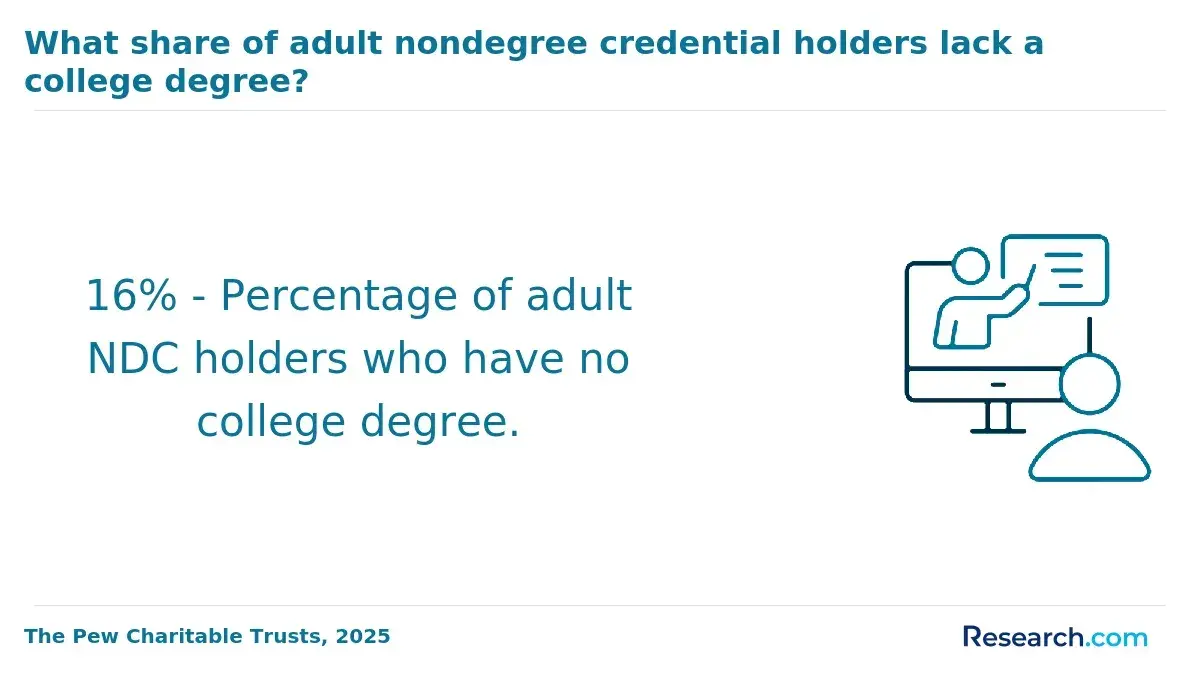
In the U.S., the most important accreditation for an online creative writing degree is institutional accreditation from an agency recognized by the U.S. Department of Education or the Council for Higher Education Accreditation. This matters for federal financial aid eligibility, transfer credit, graduate school recognition, and employer confidence.
Creative writing does not usually require programmatic accreditation in the way nursing, education licensure, counseling, or accounting programs might. Instead, students should focus on whether the institution is accredited, whether the degree is clearly listed in the catalog, and whether online students receive the same transcript designation and academic rights as other students.
The table below separates the accreditation checks that matter from the ones that are often misunderstood:
| Accreditation or approval item | Why it matters | What students should do |
| Institutional accreditation | Supports financial aid access, credit transfer, and degree recognition | Verify the school in official accreditation databases before applying |
| State authorization for online education | Allows the school to serve students in specific states | Ask whether the program is authorized for your state of residence |
| Programmatic accreditation | Usually not required for creative writing | Do not reject a creative writing program simply because it lacks field-specific accreditation |
| Graduate school recognition | Important for students planning an MFA, MA, PhD, or teaching path | Ask whether graduates have entered reputable graduate programs |
| Transcript wording | Employers and graduate schools may review the official degree title | Confirm whether the degree says creative writing, English, writing, or communication |
A major red flag is any school that avoids direct accreditation questions, pressures you to enroll before a transcript review, or claims that accreditation does not matter. It does matter, especially if you plan to use federal aid, transfer again, teach, or continue to graduate school.
What admission requirements apply to online creative writing programs for applicants with journalism credits?
Admission requirements vary by degree level. Undergraduate programs usually evaluate high school records, college transcripts, transfer GPA, and completed general education courses. Graduate programs may require a bachelor's degree, writing sample, statement of purpose, recommendation letters, and sometimes a minimum GPA.
Applicants with journalism credits should prepare more than a transcript. A strong application shows how reporting experience, publication work, and editing practice connect to creative writing goals. This is especially important for programs that require a portfolio or writing sample.
Before applying, gather the documents most likely to affect admission and transfer evaluation. These items help the school decide both whether to admit you and how much prior work can count:
- Official transcripts from every college where you completed journalism, communication, English, or general education coursework.
- Course syllabi for journalism classes that may be evaluated for major credit, especially feature writing, magazine writing, editing, media ethics, or literary journalism.
- A writing sample that matches your intended concentration, such as short fiction, creative nonfiction, poetry, script pages, or narrative journalism.
- A statement of purpose explaining why you are moving from journalism into creative writing and what portfolio or career outcome you want.
- Published clips, student media work, or editorial projects that demonstrate revision, deadlines, audience awareness, and professional discipline.
One common mistake is assuming that a published article is automatically the best writing sample. For fiction, poetry, or screenwriting tracks, admissions readers may prefer a sample in that genre. If your background is journalism, use your statement to explain the transfer of skills, then submit work that fits the program's creative expectations.
What core courses and writing workshops are typically included in online creative writing curricula?
Online creative writing curricula usually combine workshop courses, literature study, craft analysis, revision practice, and a final portfolio or thesis. Undergraduate degrees tend to include general education and broad genre exposure, while graduate degrees typically demand more advanced craft work and a substantial manuscript.
Journalism-trained students often have an advantage in deadlines, research, interviewing, concision, and audience awareness. The adjustment is that creative writing workshops often prioritize voice, structure, character, scene, image, and experimentation rather than only factual clarity and timely publication.
The table below summarizes common curriculum areas and how they build on journalism experience:
| Curriculum area | Typical courses | How journalism experience helps |
| Genre workshops | Fiction, poetry, creative nonfiction, screenwriting, playwriting | Builds on drafting discipline and comfort with critique |
| Craft studies | Narrative structure, voice, point of view, character, scene, form | Extends feature-writing and storytelling skills beyond news conventions |
| Literature and reading | Contemporary literature, genre traditions, multicultural literature, literary theory | Strengthens context, style awareness, and analytical reading |
| Editing and publishing | Copyediting, literary magazine production, publishing industry, digital publishing | Connects directly to newsroom editing and publication workflows |
| Professional writing electives | Grant writing, copywriting, technical writing, content strategy | Creates employment options beyond book publication |
| Capstone or thesis | Portfolio, manuscript, senior project, MFA thesis | Uses revision habits developed through reporting and editorial deadlines |
Students interested in visual storytelling, digital magazines, comics, book design, or multimedia publishing may benefit from electives outside writing. Comparing creative writing coursework with graphic design programs can help you decide whether to add design skills or keep your focus on writing and editing.
How long do online creative writing degrees take and what do they cost?
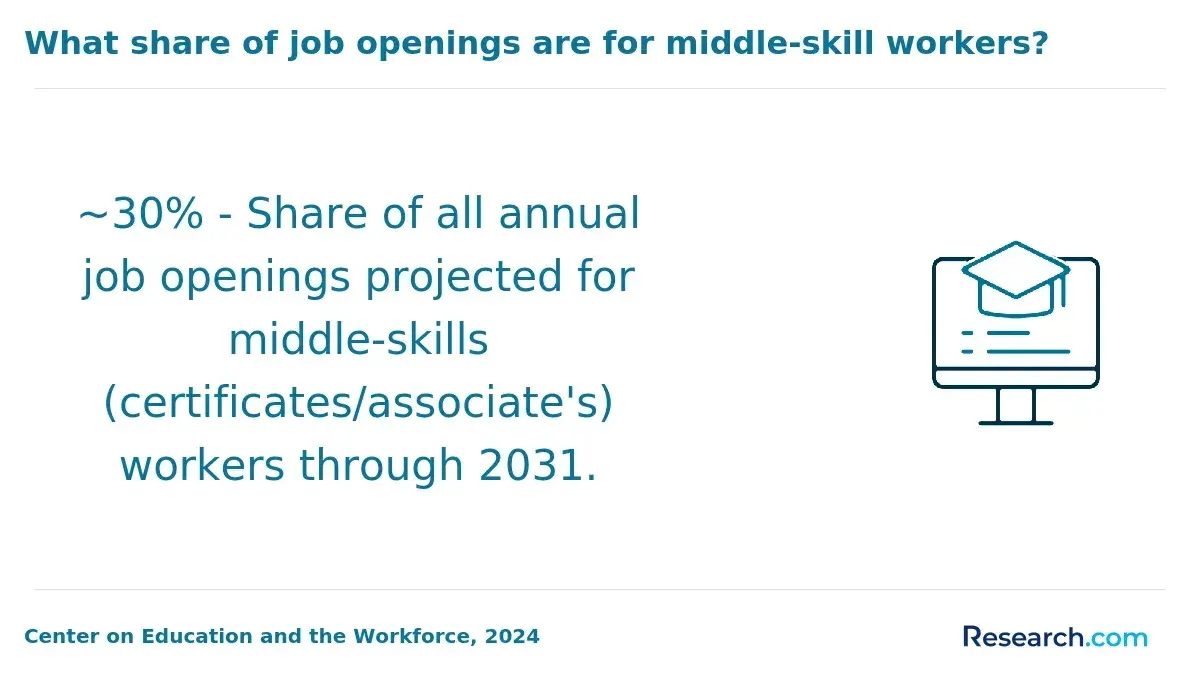
Completion time depends on degree level, transfer credit, course load, and whether the program uses traditional semesters or accelerated terms. Journalism credits can reduce time to graduation if they meet general education, elective, or major requirements, but upper-division creative writing workshops are often still required in residence at the degree-granting school.
For cost planning, look beyond tuition. College Board's 2024-25 data shows that published tuition and fees average $11,610 at public four-year in-state institutions and $43,350 at private nonprofit four-year institutions. Online students may pay different rates, but this comparison shows why transfer credit, residency requirements, and fees can change the total investment substantially.
Typical timeline ranges include the following. Treat these as planning ranges, not promises, because each school's transfer policy and course availability can change your actual schedule:
- Bachelor's degree with many accepted transfer credits: often about 1 to 3 years of remaining study.
- Bachelor's degree with few accepted transfer credits: often about 3 to 4 years of study.
- Master's degree or MFA: often about 2 to 3 years, depending on residency, thesis, and full-time or part-time enrollment.
- Undergraduate or graduate certificate: often a few months to 1 year, depending on credit load and course sequencing.
Common cost categories include the following. Request a written estimate from each school so you can compare total cost, not just advertised tuition:
- Tuition per credit or per term.
- Online learning, technology, graduation, portfolio, or course fees.
- Books, literary journal subscriptions, software, and writing conference costs.
- Residency or travel expenses if the program includes low-residency workshops.
- Lost income or reduced work hours if you study full time.
The smartest cost strategy is to compare your remaining credits, not only the sticker price. A school with higher per-credit tuition may be cheaper overall if it accepts more journalism coursework and lets you graduate sooner; a lower-cost school may be better if it has strong transfer pathways and predictable course availability.
What creative, editorial, and communications careers can follow an online creative writing degree?
An online creative writing degree can support several career paths, especially when paired with journalism coursework and a portfolio. The degree is not limited to writing novels or poetry; many graduates use creative writing skills in editorial, communications, publishing, content, nonprofit, education, and media roles.
The table below organizes career options by the kind of work involved. This can help you decide whether you need a full degree, a certificate, an internship, or a stronger portfolio:
| Career path | Typical responsibilities | How journalism coursework helps |
| Author or creative writer | Develop fiction, nonfiction, poetry, essays, scripts, or hybrid work | Supports research, discipline, interviews, and factual grounding |
| Editor | Review manuscripts, revise copy, manage style, coordinate publication schedules | Directly builds on copyediting, newsroom workflow, and audience judgment |
| Content writer or strategist | Create articles, newsletters, web copy, brand stories, and editorial calendars | Applies reporting, source evaluation, deadlines, and clear structure |
| Publishing assistant | Support acquisitions, production, marketing, permissions, or literary magazine operations | Helps with editorial judgment and publication logistics |
| Communications specialist | Write press materials, stories, speeches, web content, and internal communications | Uses media literacy, news judgment, and concise writing |
| Teaching or workshop facilitation | Lead community writing classes, tutoring, or continuing education workshops | Supports feedback, revision coaching, and publication experience |
If your goal is management, entrepreneurship, or operations rather than writing-centered work, compare the creative writing path with a cheapest business administration degree online option. A business degree may be more practical for running an agency, managing teams, or moving into marketing leadership, while creative writing is stronger for portfolio-based communication roles.
What salary ranges and job outlook can creative writing graduates with journalism backgrounds expect?
Salary depends on role, industry, location, experience, portfolio quality, and whether you work full time, freelance, or in a hybrid writing job. A creative writing degree should be evaluated as a skills-and-portfolio investment, not as a guaranteed salary pathway.
The U.S. Bureau of Labor Statistics provides useful labor-market benchmarks for related occupations. These figures describe occupations, not degree outcomes, so use them to compare career directions rather than to predict your personal earnings:
| Occupation | Recent U.S. salary context | Job outlook context | What it means for journalism-trained creative writing students |
| Writers and authors | BLS lists May 2024 median annual pay at about $72,000 | Projected growth from 2024 to 2034 is about as fast as average | Portfolio strength, genre, publishing model, and freelance stability matter as much as the degree title |
| Editors | BLS lists May 2024 median annual pay at about $75,000 | Employment is more constrained in traditional publishing and news environments | Journalism editing experience can be valuable, but digital publishing and content skills improve flexibility |
| Technical writers | BLS lists May 2024 median annual pay above many general writing occupations | Demand is tied to technology, healthcare, engineering, and regulated industries | Students willing to pair creative clarity with technical subject matter may find stronger salary potential |
| Public relations specialists | BLS lists May 2024 median annual pay in the upper five figures | Projected growth is stronger than some traditional writing roles | Reporting skills translate well to media relations, organizational storytelling, and messaging work |
AI is changing entry-level writing work, especially simple web copy, summaries, and formulaic content. That does not remove the value of strong writers, but it raises the bar: employers increasingly value judgment, original reporting, interviewing, editing, fact-checking, audience strategy, and the ability to revise AI-assisted drafts responsibly.
Students who want the best employment flexibility should build a portfolio that shows more than literary talent. Include polished creative work, reported narrative pieces, editing samples, digital content, and evidence that you can write for real audiences under deadlines.
Are there certificates or professional credentials that complement an online creative writing degree?
Certificates can be useful when they add a marketable skill that the degree does not fully cover. They are especially helpful for journalism-trained students who want to move into editing, publishing, content design, grant writing, technical communication, or AI-assisted writing workflows.
The table below compares common add-ons by career purpose. Choose credentials that fill a specific gap rather than collecting certificates without a clear portfolio or job target:
| Credential or certificate area | Best for | How it complements creative writing |
| Copyediting or proofreading certificate | Editorial assistants, freelance editors, publishing roles | Adds practical style, grammar, and production skills |
| Technical writing certificate | Documentation, software, healthcare, engineering, and compliance communication | Turns strong writing into higher-structure professional communication |
| Grant writing certificate | Nonprofits, arts organizations, schools, and public agencies | Combines narrative persuasion with funding strategy |
| Digital marketing or content strategy certificate | Brand publishing, SEO writing, newsletters, and web content | Connects storytelling to audience growth and measurable communication goals |
| Publishing certificate | Book, magazine, literary journal, and small press roles | Explains acquisitions, production, permissions, and editorial workflow |
| AI or data-related coursework | Writers working with automation, research tools, and content systems | Builds literacy in AI-assisted drafting, prompt evaluation, and ethical editing |
Writers who want a deeper technical edge can compare short AI coursework with full AI degree programs. A full AI degree is usually unnecessary for creative writing careers, but AI literacy can help editors and content professionals use tools responsibly without outsourcing judgment.
How can students evaluate and choose a reputable online creative writing program?
The best online creative writing program is the one that matches your transfer credits, writing goals, budget, schedule, and desired career path. Reputation matters, but it should not replace a careful review of accreditation, curriculum, faculty, portfolio outcomes, and student support.
Use the following steps to compare programs before enrolling. This sequence helps you avoid costly surprises and choose based on evidence rather than marketing language:
- Verify institutional accreditation and state authorization for your location before discussing tuition or enrollment.
- Request a written transfer-credit evaluation showing exactly how your journalism coursework will apply to general education, electives, and major requirements.
- Compare workshop structure, including class size, critique format, faculty feedback, revision expectations, and genre options.
- Review faculty publishing, editing, industry, or teaching experience in the genres you plan to study.
- Ask for sample course sequences so you can see whether required workshops are offered often enough for on-time completion.
- Calculate total cost after transfer credit, fees, books, residency travel, and expected time to graduation.
- Examine career services, internship access, literary magazine opportunities, alumni outcomes, and portfolio support for online students.
- Read policies on AI use, academic integrity, portfolio ownership, and publication rights if you plan to use digital writing tools.
Watch for red flags that can weaken the value of the degree. Common mistakes include enrolling before receiving a transfer review, choosing the cheapest tuition without checking total credits required, assuming all online workshops are equally interactive, ignoring accreditation, or selecting a program that focuses on poetry or literary fiction when your goal is editing, publishing, or content strategy.
A reputable program should be transparent. If admissions staff cannot explain transfer policies, faculty access, workshop expectations, student support, and total cost in writing, keep comparing options before committing.
Other Things You Should Know About Creative Writing
Students with journalism backgrounds should highlight storytelling skills by including articles that showcase narrative elements. Adding short stories, poems, or creative essays demonstrates genre versatility, while a personal statement can explain the transition from journalism to creative writing, thus enhancing the portfolio.
It depends on the teaching setting. Community workshops, continuing education programs, and private classes may not require an MFA. College-level teaching often prefers or requires a graduate degree, and tenure-track university roles can be highly competitive.
Early students often benefit from studying multiple genres because fiction, nonfiction, poetry, and scripts teach different craft skills. Specializing makes more sense once you know what kind of portfolio, thesis, or career direction you want to pursue.
References
- Creative Writing BA (Hons) (Online) https://www.falmouth.ac.uk/study/online/undergraduate/creative-writing
- How to choose the best online creative writing course step-by-step https://nationalcentreforwriting.org.uk/writing-hub/best-online-creative-writing-courses/
- How NOT to Choose Your MFA Writing Program (And 7 Tips on How to Do It Right!) - Eva Langston https://evalangston.com/2017/07/12/mfa-writing-program/
- Creative Writer Certifications: Best Credentials to Advance Your Career | Teal https://www.tealhq.com/career-paths/creative-writer-certifications
- Online Master’s in Creative Writing Degree Programs: MA vs MFA Programs https://www.mastersincommunications.com/related-degrees/masters-in-creative-writing
- Career options for creative writing graduates https://online.hull.ac.uk/blog/creative-writing-careers
- From Newsrooms to Boardrooms: 10 High-Impact Jobs You Can Land With a Journalism Degree https://www.ucumberlands.edu/blog/high-impact-jobs-with-a-journalism-degree
- Online Creative Writing Courses https://www.interlochen.org/online/online-creative-writing-courses
- Creative Writing and Journalism (BA) https://www.viu.ca/programs/arts-humanities-social-sciences/creative-writing-and-journalism-ba
- Writing Certificates | San Juan College https://www.sanjuancollege.edu/education-training/programs/writing-certificates/