2027 How to Become a Criminal Psychologist in South Carolina

Co-Founder and Chief Data Scientist
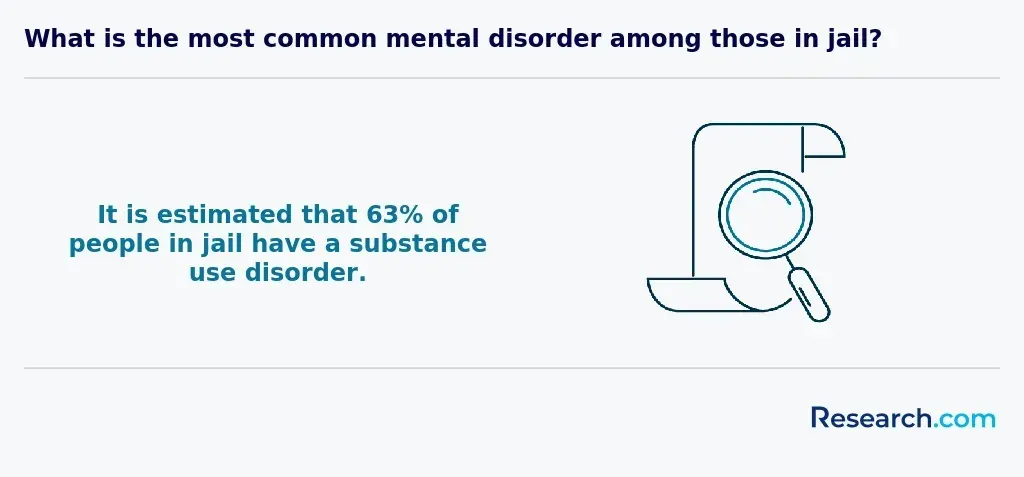
Becoming a criminal psychologist in South Carolina means preparing for work at the intersection of psychology, courts, corrections, public safety, and mental health treatment. The need is not abstract: South Carolina has an incarceration rate of 606 per 100,000 residents (Prison Policy Initiative, n.d.), and about 60% of people with mental health conditions do not receive appropriate treatment while incarcerated in state or federal facilities (NAMI, n.d.). For future psychologists, that creates a clear professional challenge: how to assess, treat, and advise within systems where legal decisions and mental health needs often overlap.
This guide explains how to become a criminal psychologist in South Carolina, including degree expectations, licensure steps, supervised experience, internship options, salary information, job outlook, work settings, and career advancement paths. It is written for students comparing psychology, criminal justice, forensic science, and social work routes, as well as working professionals considering graduate study or a shift into forensic mental health.
Quick answer: How do you become a criminal psychologist in South Carolina?
To work as a criminal psychologist in South Carolina, you generally need a strong undergraduate foundation, graduate training in psychology, a doctoral degree for psychologist licensure, supervised professional experience, and approval from the South Carolina Board of Examiners in Psychology. South Carolina licenses psychologists; “criminal psychologist” is typically a specialization or work focus rather than a separate state license. Candidates should plan for doctoral study, 3,000 hours of supervised professional experience, the Examination for Professional Practice in Psychology (EPPP), an oral examination, background checks, and a $500 Preliminary Application for Licensure fee.
Key points about becoming a criminal psychologist in South Carolina
- South Carolina’s projected job growth for criminal psychologists is 12% over the next decade, with demand tied to mental health assessment, forensic evaluation, and criminal justice reform needs.
- The average annual salary for criminal psychologists in South Carolina is around $86,126, although pay varies by employer, city, specialization, credentials, and experience.
- The University of South Carolina offers an accredited doctoral program in psychology, which is the minimum academic requirement for becoming a licensed psychologist in the state.
- Criminal psychologists may work in forensic evaluations, criminal profiling, competency-related assessments, risk assessment, offender rehabilitation, correctional mental health, expert testimony, and policy consultation.
- Education requirements for criminal psychologists in South Carolina
- Best undergraduate majors for this career path
- How to choose a criminal psychology or forensic psychology program
- South Carolina psychologist licensure steps
- Internship and field experience options
- Job outlook in South Carolina
- Salary expectations by role and location
- Research and continuing education opportunities
- Legal and ethical issues in forensic practice
- How a forensic psychology master’s degree can support advancement
- How forensic science training can strengthen practice
- Technology and interdisciplinary trends
- Common workplaces for criminal psychologists
- Advanced career paths
- How state regulations affect practice
- Substance abuse rehabilitation and criminal psychology
- Using counseling techniques in forensic work
- Policy reform opportunities
- Professional resources in South Carolina
- Behavior analysis certification and forensic practice
- Collaboration with social workers
What are the academic requirements to become a criminal psychologist in South Carolina?
The academic path is long because criminal psychologists often perform high-stakes work: evaluating mental state, assessing risk, advising attorneys or courts, treating justice-involved clients, and documenting findings that may affect legal outcomes. In South Carolina, the practical goal is usually to become a licensed psychologist and then build forensic or criminal psychology expertise through coursework, supervised experience, internships, research, and continuing education.
| Academic stage | Why it matters | What to prioritize |
| Bachelor’s degree | This stage builds the base for graduate study in psychology, research, statistics, human development, mental health, and criminal behavior. In 2023, South Carolina institutions conferred 1,873 bachelor’s degrees in psychology. | Choose courses in abnormal psychology, research methods, statistics, criminology, ethics, trauma, substance use, and social inequality. |
| Master’s degree | A master’s in psychology, forensic psychology, counseling-related fields, or criminal justice can strengthen applications and provide applied research or clinical exposure, although some students enter doctoral study directly. | Look for forensic assessment, psychopathology, legal psychology, interviewing, and practicum experiences. |
| Doctorate | A doctoral degree is typically required for psychologist licensure and independent practice. The University of South Carolina offers the only program accredited by the American Psychological Association (APA). | Confirm APA accreditation where relevant, faculty research fit, internship match support, forensic training access, and supervised clinical opportunities. |
| Supervised clinical and forensic experience | Practicums, internships, and postdoctoral supervision help students apply psychological science to real cases and ethical decision-making. | Seek placements in correctional mental health, courts, hospitals, law enforcement-related programs, VA settings, or community behavioral health agencies. |
A useful way to think about the path is this: undergraduate study helps you understand behavior, graduate study teaches you assessment and research, doctoral training prepares you for professional-level psychological practice, and supervised forensic experience teaches you how to work responsibly in legal settings.
What undergraduate majors are recommended for aspiring criminal psychologists in South Carolina?
The best undergraduate major depends on whether you want to emphasize clinical assessment, criminal justice systems, rehabilitation, research, or investigative support. Psychology is the most direct route, but it is not the only useful starting point.
| Major | Best for students who want to | South Carolina examples mentioned |
| Psychology | Prepare for graduate study in assessment, mental health, research methods, abnormal behavior, trauma, development, and treatment. | Clemson University and the College of Charleston offer undergraduate psychology options. |
| Criminal justice or criminology | Understand policing, courts, corrections, crime patterns, legal procedures, victimization, and institutional decision-making. | The University of South Carolina offers a BA in Criminology and Criminal Justice. |
| Social work | Focus on client advocacy, community services, intervention planning, trauma-informed support, and systems affecting offenders, victims, and families. | Winthrop University offers a BS in Social Work. |
| Forensic science | Build stronger knowledge of evidence, crime scene procedures, lab processes, and the scientific side of investigations. | Students comparing flexible options may also review forensic science schools online. |
If you are aiming for psychologist licensure, make sure your undergraduate plan includes the prerequisites expected by graduate psychology programs. A criminal justice major can be valuable, but you may still need psychology coursework in statistics, research methods, biological psychology, abnormal psychology, and developmental psychology before entering a doctoral program.
What should students look for in a criminal psychology program in South Carolina?
Choosing a program should be a licensing and career decision, not just an admissions decision. A program may sound appealing because it uses terms such as “criminal psychology,” “forensic psychology,” or “behavioral analysis,” but students should verify whether it actually supports the professional outcome they want.
- Accreditation: Check whether the institution is accredited by the Southern Association of Colleges and Schools Commission on Colleges (SACSCOC). For doctoral psychology training, APA accreditation can be especially important for internship competitiveness, licensure mobility, and employer recognition.
- Licensure alignment: Ask whether the curriculum and supervised training meet South Carolina psychologist licensure expectations. Do not assume every online or out-of-state program satisfies local licensing requirements.
- Cost and funding: Tuition for public universities offering criminal psychology-related programs in South Carolina is typically around $13,205 per year, but the total cost can change substantially once fees, books, transportation, living expenses, internship travel, and lost work hours are included.
- Forensic training depth: Look for courses and placements in forensic assessment, correctional psychology, risk assessment, competency issues, trauma, substance use, psychological testing, ethics, and expert testimony.
- Internship and practicum access: Programs with relationships in courts, hospitals, correctional facilities, law enforcement agencies, veterans’ health systems, and community mental health organizations can make it easier to gain relevant experience.
- Faculty expertise: Review faculty publications, clinical backgrounds, forensic interests, and mentoring availability. Faculty fit matters, especially at the doctoral level.
- Graduate outcomes: Ask about internship placement, EPPP preparation, licensure outcomes, dissertation support, and where graduates work.
| Question to ask before enrolling | Why it matters |
| Is the program designed for licensure as a psychologist, or is it an academic/non-licensure program? | The wrong program can delay or prevent independent practice. |
| Does the program offer forensic or criminal justice placements? | Relevant fieldwork can make you more competitive for internships and jobs. |
| Who supervises practicum students? | Supervision quality affects professional development and ethical readiness. |
| What is included in the advertised tuition? | Fees, travel, testing, background checks, and internship costs can change the real price. |
| How does the program prepare students for the EPPP and oral examination? | Licensure exams are major milestones after doctoral training and supervision. |
What are the steps for obtaining licensure as a criminal psychologist in South Carolina?
South Carolina’s licensing process is designed to confirm that psychologists have the education, supervised experience, ethics knowledge, and professional judgment required for independent practice. Because criminal psychology often involves courts, incarcerated people, defendants, victims, attorneys, and law enforcement agencies, licensing standards are especially important.
- Complete the required graduate psychology education, including doctoral-level training for psychologist licensure.
- Submit a Preliminary Application for Licensure to the South Carolina Board of Examiners in Psychology. The application includes an Affidavit of Eligibility, a detailed Curriculum Vitae, and a $500 fee.
- Complete at least 3,000 hours, or two years, of supervised professional experience. If the experience is part of an internship, the supervising psychologist must complete a Predoctoral Supervision Form.
- Pass the Examination for Professional Practice in Psychology (EPPP), the national examination used to assess foundational professional knowledge.
- Complete the Oral Examination, which generally evaluates professional competence, ethical reasoning, case analysis, and the ability to apply psychological principles in practice.
- Complete required background checks, including state and national fingerprint checks.
According to the APA, 7% of psychologists in the nation are board-certified in the field of forensics, and 3% identified forensic psychology as their primary specialty (Page et al., 2024). That helps explain why students should not treat forensic practice as a simple add-on. It is a specialized area that requires targeted training, careful documentation, legal awareness, and ongoing professional development.
Are there internship opportunities for criminal psychologists in South Carolina?
Internships, practicums, research assistantships, and volunteer roles are essential because criminal psychology cannot be learned from coursework alone. Students need supervised exposure to assessment interviews, documentation, ethical dilemmas, trauma histories, correctional environments, court-related questions, and interdisciplinary teamwork.
- University of South Carolina: Students may find opportunities through research labs, faculty projects, clinical training, and community-based initiatives related to behavioral health, criminal behavior, intervention, and assessment.
- Columbia VA Health Care System: This setting can expose trainees to complex mental health needs among veterans, including PTSD, treatment planning, forensic concerns, and justice-system involvement.
- South Carolina State Law Enforcement Division: The Student Internship Program can help students understand investigative processes, law enforcement operations, and the practical context in which behavioral expertise may be used.
- Local correctional facilities: Some facilities may offer volunteer or supervised learning opportunities that help students observe correctional mental health assessment, treatment planning, and rehabilitation challenges.
Field experience is particularly important in South Carolina because the justice system includes people at different stages of the legal process. The Prison Policy Initiative reports that 73% of South Carolinians in prisons or jails have not been convicted of a crime (Prison Policy Initiative, n.d.), which means forensic professionals must understand pretrial detention, competency questions, risk, due process, and the ethical limits of evaluation.
Students who need flexibility while building foundational knowledge can also compare an accredited online forensic science bachelor’s degree with campus-based psychology or criminal justice pathways. Online study can help with scheduling, but students should still plan for in-person supervised experience where required.
What is the job outlook for criminal psychologists in South Carolina?
The career outlook for criminal psychologists in South Carolina is positive, with job opportunities projected to grow by about 12% through 2030. The state is expected to have around 90 annual job openings by 2030. Demand is influenced by several overlapping needs: mental health screening in legal contexts, correctional treatment, risk assessment, trauma-informed services, expert consultation, and rehabilitation planning.
- Mental health needs in justice settings: Courts, jails, prisons, and diversion programs often require professionals who can evaluate psychological functioning and recommend appropriate interventions.
- Greater attention to treatment and rehabilitation: Criminal justice agencies increasingly need clinicians who can contribute to recidivism reduction, crisis intervention, substance use treatment, and reentry planning.
- Uneven access across regions: Job availability may differ by city, county, facility type, and funding source, so geographic flexibility can improve employment options.
- Competition for specialized roles: Advanced forensic positions often require doctoral training, licensure, supervised forensic experience, and strong documentation skills.
For students, the practical takeaway is straightforward: choose training experiences that prove you can work with complex cases, not just understand forensic theory. Employers will look for evidence of sound judgment, ethical awareness, assessment competence, and the ability to communicate clearly with non-psychologists.
How much do criminal psychologists in South Carolina make?
Criminal psychologists in South Carolina earn an average annual salary of around $86,126 (ZipRecruiter, 2024). Pay can differ widely because “criminal psychologist” may refer to licensed psychologists in corrections, forensic consultants, clinical forensic psychologists, expert witnesses, academic researchers, or psychologists working in related legal settings.
| Role or location | Reported annual salary | How to interpret the figure |
| Criminal psychologists in South Carolina | Around $86,126 | This is a broad estimate and may include varied forensic and criminal psychology-related roles. |
| Clinical psychologists in South Carolina | $64,990 | This BLS figure reflects clinical psychologist wages in the state. |
| All other types of psychologists in South Carolina | $116,200 | This category may include specialized psychologist roles outside standard clinical classifications. |
| Clinical psychologists in Charlotte-Concord-Gastonia (NC-SC) | $92,160 | Metro-area pay can differ from statewide averages. |
| All other psychologists in Charlotte-Concord-Gastonia (NC-SC) | $112,520 | Specialized roles may pay differently based on employer and scope. |
| Clinical psychologists in Charleston | $86,040 | Local market conditions can affect compensation. |
| All other psychologists in Charleston | $119,260 | Specialized positions may command higher pay in some settings. |
South Carolina salaries may be lower than those in states such as California and New Jersey, where average earnings can exceed $100,000. However, salary comparisons should also account for cost of living, employer benefits, caseload expectations, licensure level, supervision responsibilities, court testimony work, and whether the role is public-sector, private practice, consulting, academic, or correctional.
Students comparing return on investment should review degree cost alongside realistic employment pathways. Researching criminal justice degree salary potential can also help clarify how psychology, criminal justice, and forensic career paths differ financially.
This chart shows the average incomes of criminal psychologists.
What are the research and continuing education opportunities for criminal psychologists in South Carolina?
Continuing education is not optional in a field where legal standards, assessment tools, trauma research, correctional practices, and ethics expectations continue to evolve. Criminal psychologists in South Carolina can develop expertise through university-based research, professional workshops, peer consultation, forensic assessment training, conference sessions, and interdisciplinary projects with courts, hospitals, corrections, and community agencies.
Students and licensed professionals can also review psychology colleges in South Carolina to identify institutions with research activity, faculty expertise, clinical training options, and seminars that align with forensic or criminal psychology interests.
What are the key legal and ethical considerations for criminal psychologists in South Carolina?
Forensic work requires a different mindset from standard therapy. A criminal psychologist may be asked to evaluate a defendant, advise a court, assess risk, consult with attorneys, or provide treatment in a correctional setting. Each role has different obligations, and the psychologist must be clear about confidentiality, informed consent, recordkeeping, third-party access to information, conflicts of interest, and the limits of the referral question.
- Clarify the role: A treating clinician and a forensic evaluator do not have the same responsibilities. Mixing roles can create ethical problems.
- Protect confidentiality appropriately: Clients and examinees must understand when information may be shared with courts, agencies, attorneys, or supervising entities.
- Use evidence-based methods: Opinions should be grounded in accepted psychological assessment practices, not speculation.
- Document carefully: Court-involved records may be reviewed by attorneys, judges, agencies, or other experts.
- Stay within competence: Psychologists should not accept forensic cases without adequate training, supervision, or consultation.
Professionals who want broader family systems or court-adjacent clinical knowledge may also compare related pathways, including how to become a marriage and family therapist in South Carolina.
How can a forensic psychology master’s degree impact career advancement?
A forensic psychology master’s degree can be useful for students who want specialized coursework before doctoral training or professionals who work in adjacent roles such as case management, research, victim services, court programs, corrections, or law enforcement support. It can deepen knowledge of criminal behavior, assessment concepts, legal systems, ethics, trauma, and rehabilitation.
However, students should be realistic: a master’s degree alone may not qualify someone for independent practice as a licensed psychologist. Before enrolling in forensic psychology master's programs, ask whether the program is intended for licensure preparation, doctoral preparation, research, or professional advancement in non-psychologist roles.
How does a forensic science degree enhance criminal psychology practice in South Carolina?
Forensic science training can help criminal psychologists understand the evidence environment in which psychological opinions are used. Knowledge of crime scene procedures, evidence handling, toxicology, laboratory methods, and investigative documentation can improve communication with forensic scientists and law enforcement professionals.
A forensic science degree in South Carolina is not a substitute for psychology licensure, but it can complement criminal psychology practice when a professional works on multidisciplinary teams or needs to interpret how behavioral evidence fits within a broader investigation.
How are emerging technologies and interdisciplinary approaches shaping criminal psychology practice in South Carolina?
Technology is changing how criminal psychologists collect information, communicate findings, and collaborate with other professionals. Digital records, telehealth tools, data-informed risk assessment, electronic monitoring data, and AI-supported behavioral analytics can all influence forensic work. These tools may improve efficiency, but they also raise concerns about bias, privacy, explainability, overreliance on automated outputs, and the need for human clinical judgment.
Interdisciplinary training is also becoming more valuable. Criminal psychologists increasingly work with counselors, social workers, forensic scientists, psychiatrists, attorneys, correctional officers, substance abuse professionals, and community reentry teams. Students comparing clinical and counseling routes can review clinical psychology vs counseling psychology degree programs key differences to understand how training models may shape future practice.
Where do criminal psychologists in South Carolina typically work?
Criminal psychologists in South Carolina may work wherever psychological expertise is needed in connection with law, crime, correctional systems, or public safety. The right setting depends on whether the professional prefers evaluation, treatment, research, consultation, testimony, administration, or policy work.
| Work setting | Typical responsibilities | Who may be a good fit |
| Law enforcement agencies | Behavioral consultation, interview strategy, training, crisis response support, and investigative assistance. | Professionals comfortable with fast-moving, multidisciplinary environments. |
| Correctional facilities | Mental health assessment, treatment planning, crisis intervention, risk evaluation, rehabilitation programming, and reentry support. | Clinicians prepared for complex trauma, substance use, personality disorders, and institutional constraints. |
| Courts and legal consulting | Forensic evaluations, competency-related questions, expert testimony, report writing, and attorney consultation. | Psychologists with strong assessment, writing, ethics, and courtroom communication skills. |
| Hospitals and forensic mental health settings | Evaluation and treatment of individuals with serious mental illness and justice-system involvement. | Clinicians interested in severe psychopathology, stabilization, and interdisciplinary care. |
| Private practice and consulting | Independent evaluations, expert witness work, consultation, training, and specialized assessment services. | Experienced licensed psychologists with established forensic competence and referral networks. |
| Universities and research organizations | Teaching, research, grant-funded projects, program evaluation, and policy analysis. | Professionals interested in evidence development and training the next generation. |
For students just beginning, entry-level criminal justice jobs can provide exposure to courts, corrections, victim services, probation, law enforcement administration, or community programs before graduate training.
This chart reveals the top-paying employers of psychologists.
What types of advanced roles can criminal psychologists explore in South Carolina?
Advanced criminal psychology roles usually require a doctoral degree, licensure, specialized forensic training, strong supervision history, and experience with complex cases. Some positions also require courtroom credibility, publication history, administrative leadership, or expertise in a narrow assessment area.
- Forensic consultant: Advises legal teams, law enforcement agencies, correctional systems, or public agencies on behavior, risk, evaluation strategy, and case interpretation.
- Clinical forensic psychologist: Evaluates and treats individuals involved in the legal system, including defendants, incarcerated people, victims, or people referred by courts.
- Expert witness: Provides professional opinions based on psychological evaluation, records, testing, and accepted forensic methods.
- Researcher or academic: Studies criminal behavior, assessment tools, treatment outcomes, violence risk, correctional programming, or policy interventions.
- Policy advisor: Uses psychological evidence to inform mental health, correctional, diversion, reentry, and public safety policy.
- Program director or clinical supervisor: Leads teams in correctional mental health, forensic hospitals, community programs, or justice-involved treatment services.
Professionals exploring advanced routes can compare top forensic psychology jobs to understand how requirements, responsibilities, and work environments differ across the field.
How do evolving state regulations impact criminal psychology practice in South Carolina?
State rules affect who may practice, how supervision is documented, what examinations are required, how records are handled, and when professionals must seek additional training. Criminal psychologists must monitor regulatory changes because forensic practice often involves vulnerable clients, legal deadlines, court orders, protected health information, and high-impact opinions.
Prospective licensees should verify requirements directly and review South Carolina psychology license requirements before choosing a program, accepting supervised hours, or applying for licensure.
How can criminal psychologists optimize substance abuse rehabilitation in South Carolina?
Substance use concerns frequently overlap with criminal justice involvement. Criminal psychologists can support rehabilitation by assessing risk factors, identifying co-occurring mental health disorders, recommending evidence-based treatment, coordinating with counselors, and helping agencies design interventions that address behavior change rather than punishment alone.
Because substance abuse treatment is often delivered by specialized professionals, criminal psychologists benefit from strong referral networks and shared case planning. Understanding how to become a substance abuse counselor in South Carolina can help psychologists collaborate more effectively with addiction treatment providers.
How can integrating counseling techniques benefit criminal psychology practice in South Carolina?
Forensic assessment and counseling are not the same, but counseling skills can improve rapport, interviewing, motivation, treatment planning, and crisis response. Techniques such as active listening, trauma-informed communication, motivational interviewing, and structured goal-setting can help justice-involved clients engage with services more effectively.
Psychologists must still respect role boundaries. A forensic evaluator should not casually shift into a treating role without considering consent, confidentiality, and conflicts of interest. Professionals who want stronger counseling preparation can review the fastest way to become a counselor in South Carolina to understand complementary training options.
How can criminal psychologists influence policy reform in South Carolina?
Criminal psychologists can contribute to policy reform by translating clinical evidence into practical recommendations for courts, jails, prisons, diversion programs, juvenile systems, and community reentry services. Their work can inform screening procedures, crisis response protocols, competency-related processes, treatment access, staff training, and rehabilitation program design.
Policy influence can happen through research, expert testimony, committee participation, agency consultation, professional association work, and collaboration with universities or community organizations. Related fields also offer useful models for prevention and systems-level change, including pathways such as how to become a school psychologist in South Carolina.
What professional resources are available to criminal psychologists in South Carolina?
Professional development should begin before licensure and continue throughout a criminal psychologist’s career. South Carolina offers training and networking resources that can help students and professionals build competence, find mentors, and stay current with forensic practice.
- Forensic Psychiatry Program at MUSC: This program offers specialized forensic training and consultation, including work related to competency to stand trial and fellowship training opportunities.
- South Carolina APA (SCAPA) conferences: These events can help students and psychologists connect with practitioners, attend workshops, learn about current research, and build professional networks.
- Workshops and seminars: Local and regional organizations may offer training in trauma, assessment, ethics, forensic reporting, legal issues, and psychological evaluation methods.
- Peer consultation groups: Forensic work benefits from structured consultation, especially when cases involve risk, court testimony, conflicting referral questions, or ethical complexity.
- University research networks: Students can seek research assistantships, faculty mentorship, and conference presentation opportunities to strengthen graduate applications and professional credibility.
| Common mistake | Better approach |
| Choosing a program because the title sounds forensic | Verify accreditation, licensure alignment, supervised placement options, and graduate outcomes. |
| Looking only at tuition | Compare total cost, funding, assistantships, internship travel, fees, and time away from work. |
| Assuming online programs automatically meet South Carolina licensure rules | Confirm requirements with the licensing board before enrolling. |
| Waiting until graduate school to seek experience | Build early exposure through research, volunteer work, criminal justice roles, or community mental health settings. |
| Equating criminal psychology with profiling only | Learn the broader field: assessment, treatment, corrections, courts, ethics, research, and policy. |
| Assuming salaries are guaranteed | Evaluate pay by employer type, city, licensure level, specialization, benefits, and workload. |
What criminal psychologists in South Carolina say about their careers
- “This work rarely follows a predictable script. In South Carolina, I have used my training in crisis situations, risk evaluations, consultation, and program planning. The responsibility is serious, but seeing better decisions and better care come from psychological input makes the work meaningful.” — Brenton
- “The professional community here has mattered a great deal. Mentors, conferences, and collaborative projects helped me understand how psychology fits into courts, corrections, and community treatment. That support made a difficult career path feel possible.” — Sydney
- “After years of training, my first criminal psychology role felt intimidating. I quickly learned that empathy, careful listening, and strong documentation are just as important as theory. Whether I am conducting assessments or working with law enforcement, the learning never stops.” — Kiara
Can board certification in behavior analysis enhance a criminal psychologist’s practice in South Carolina?
Board certification in behavior analysis can strengthen a criminal psychologist’s intervention skills, especially when cases involve behavior change, reinforcement patterns, functional assessment, aggression, compliance, or structured treatment planning. It may be especially useful for professionals working with correctional programs, developmental disabilities, court-involved youth, or multidisciplinary treatment teams.
This credential does not replace psychologist licensure or forensic training, but it can add a practical behavioral framework. Professionals interested in this additional route can review how to become a board certified behavior analyst in South Carolina.
How can criminal psychologists collaborate with social workers in South Carolina?
Social workers often understand housing, family systems, benefits, child welfare, community resources, reentry support, and case coordination in ways that complement psychological assessment and treatment. Criminal psychologists can collaborate with social workers through shared case conferences, coordinated referrals, release planning, victim support, substance abuse treatment coordination, and community reintegration programs.
Strong collaboration can reduce fragmented care. A psychologist may identify mental health risks, while a social worker helps connect the person to practical supports that make treatment and compliance more realistic. Reviewing social worker education requirements in South Carolina can help psychologists understand the training and scope of their social work colleagues.
Related Articles for Nearby States
- 2027 How to Become a Criminal Psychologist in Georgia
- 2027 How to Become a Criminal Psychologist in North Carolina
- 2027 How to Become a Criminal Psychologist in Florida
- 2027 How to Become a Criminal Psychologist in Tennessee
- 2027 How to Become a Criminal Psychologist in Alabama
- 2027 How to Become a Criminal Psychologist in Virginia
- 2027 How to Become a Criminal Psychologist in Kentucky
- 2027 How to Become a Criminal Psychologist in Mississippi
- 2027 How to Become a Criminal Psychologist in West Virginia
- 2027 How to Become a Criminal Psychologist in Louisiana
References:
- American Psychological Association. (2024). Degrees in Psychology [Interactive data tool]. Retrieved December 9, 2024, from https://www.apa.org/workforce/data-tools/degrees-psychology
- National Alliance on Mental Illness. (n.d.). Mental Health Treatment While Incarcerated. Retrieved December 9, 2024, from https://www.nami.org/advocacy/policy-priorities/improving-health/mental-health-treatment-while-incarcerated
- ONET OnLine. (2024, November 19). Clinical and Counseling Psychologists. South Carolina Employment Trends. Retrieved December 9, 2024, from https://www.onetonline.org/link/localtrends/19-3033.00?st=SC
- Page, C., Stamm, K., Assefa, M., & Khaddouma, A. (2024, March 1). Datapoint: The most and least common specialty areas for licensed psychologists. American Psychological Association. https://www.apa.org/monitor/2024/03/top-psychology-specialties
- Prison Policy Initiative. (n.d.). South Carolina Profile. Retrieved December 9, 2024, from https://www.prisonpolicy.org/profiles/SC.html
- U.S. Bureau of Labor Statistics. (2024, April 3). May 2023 state occupational employment and wage estimates - South Carolina. Occupational Employment and Wage Statistics. https://www.bls.gov/oes/current/oes_sc.htm
- ZipRecruiter. (2024, December 1). Criminal Psychologist Salary in South Carolina. Retrieved December 9, 2024, from https://www.ziprecruiter.com/Salaries/Criminal-Psychologist-Salary--in-South-Carolina
Key insights
- South Carolina does not typically license a separate “criminal psychologist” title; the usual route is to become a licensed psychologist and build forensic or criminal psychology specialization through training and supervised experience.
- The core pathway includes undergraduate preparation, graduate psychology study, a doctorate, 3,000 hours of supervised professional experience, the EPPP, an oral examination, background checks, and a $500 Preliminary Application for Licensure fee.
- Program choice matters. Prioritize accreditation, licensure alignment, forensic placements, faculty expertise, internship support, and total cost rather than relying only on a program name.
- Criminal psychology is broader than profiling. Many professionals work in assessment, treatment, corrections, courts, expert testimony, risk evaluation, substance abuse rehabilitation, research, and policy consultation.
- Salary potential in South Carolina varies by role and location, with criminal psychologists earning around $86,126 annually and specialized psychologist categories reporting different wage levels.
- The strongest candidates build practical experience early through research labs, internships, correctional or mental health placements, law enforcement-related programs, and interdisciplinary collaboration.
- Ethics and legal awareness are central to the work. Forensic psychologists must be precise about role boundaries, confidentiality, documentation, evidence-based methods, and competence.
Other Things to Know About Being a Criminal Psychologist in South Carolina
Many South Carolina employers require a state and federal criminal background check before hiring a criminal psychologist, especially in correctional, court, or public-safety settings. If the role involves licensure or security clearance, fingerprints and a review of disciplinary history may also be required by the agency or employer.
To practice as a criminal psychologist in South Carolina in 2027, candidates must pass the Examination for Professional Practice in Psychology (EPPP) after earning their doctoral degree and completing the required supervised professional experience.