2027 How to Become a Substance Abuse Counselor in South Carolina

Co-Founder and Chief Data Scientist
Choosing substance abuse counseling as a career in South Carolina means preparing for work that is clinically demanding, emotionally intense, and urgently needed. Prospective counselors often have the same core questions: What degree do I need? Which certification applies? How many supervised hours are required? What jobs are available, and will the salary support my goals?
This guide explains the South Carolina path in practical terms. You will learn the education and certification steps, what counselors actually do, how salary and job demand vary, which legal and ethical rules matter, how to finance training, and how to avoid common mistakes when choosing a program or planning your career.
Quick answer: How do you become a substance abuse counselor in South Carolina?
To become a substance abuse counselor in South Carolina, you generally need a bachelor’s degree, addiction-specific training, supervised experience, a background check, and certification through the appropriate state-recognized process. Many candidates pursue credentials such as Certified Addictions Counselor I (CAC-I), Certified Addictions Counselor II (CAC-II), or Certified Clinical Supervisor (CCS), depending on their education, training hours, clinical experience, and career goals.
A bachelor’s degree is commonly the entry point, while a master’s degree can improve eligibility for advanced counseling roles, supervision, leadership, and broader mental health career options. South Carolina candidates should verify requirements directly with the relevant certification body before enrolling in a program or counting work hours toward certification.
Key things to know before pursuing substance abuse counseling in South Carolina
- A prior projection from the South Carolina Department of Alcohol and Other Drug Abuse Services indicated a need for over 1,000 additional counselors by 2025, reflecting the pressure on addiction treatment systems and workforce capacity.
- As of 2024, the average salary for substance abuse counselors in South Carolina is approximately $55,090 per year, though pay can differ by employer, region, credential level, and years of experience.
- The U.S. Bureau of Labor Statistics anticipates a 19% growth in employment for substance abuse counselors, and behavior nationwide from 2020 to 2030. The same broad demand pattern is relevant for South Carolina because addiction treatment, behavioral health, and recovery services continue to require trained professionals.
- South Carolina’s cost of living can affect the real value of a counseling salary. The state’s cost index is around 88.5 compared to 100 nationally, which may make some salaries stretch further than they would in higher-cost states.
- The state’s ongoing opioid crisis has contributed to expanded attention, funding, and treatment resources for substance use disorder services.
- How can you become a substance abuse counselor in South Carolina?
- What is the minimum educational requirement to become a substance abuse counselor in South Carolina?
- What does a substance abuse counselor do?
- What is the certification and licensing process for a substance abuse counselor in South Carolina?
- What legal and ethical considerations must a substance abuse counselor consider in South Carolina?
- How much can you earn as a substance abuse counselor in South Carolina?
- How can substance abuse counselors collaborate with mental health professionals in South Carolina?
- What is the job market like for a substance abuse counselor in South Carolina?
- Can integrating family and marriage counseling enhance your practice?
- How can substance abuse counselors effectively manage self-care and prevent burnout in South Carolina?
- How can integrating forensic insights enhance substance abuse counseling in South Carolina?
- How can integrating behavior analysis improve treatment outcomes in South Carolina?
- What career and advancement opportunities are available for a substance abuse counselor in South Carolina?
- How can telehealth and digital innovations optimize substance abuse counseling in South Carolina?
- How can insights from criminal psychology expand your counseling approach in South Carolina?
- How can substance abuse counselors collaborate with educational institutions for early intervention?
- What professional development and continuing education opportunities are available for substance abuse counselors in South Carolina?
- What challenges should you consider as a substance abuse counselor in South Carolina?
- How can you finance your education and training as a substance abuse counselor in South Carolina?
How can you become a substance abuse counselor in South Carolina?
The most efficient way to enter this field is to map your education, supervised experience, and certification requirements before you start applying for jobs. Addiction counseling is not a career where a degree alone is enough; employers and certification bodies usually expect proof of relevant training, direct practice experience, ethical readiness, and competency in core counseling functions.
- Earn the right degree. Most candidates begin with a bachelor’s degree in psychology, social work, human services, counseling, or a related discipline. A master’s degree is not always the first requirement, but it can strengthen your qualifications for clinical, supervisory, and leadership roles.
- Complete addiction-focused coursework. Prioritize classes in substance use disorders, assessment, counseling methods, ethics, trauma, case management, group counseling, and relapse prevention.
- Gain supervised field experience. South Carolina certification pathways commonly require documented supervised experience. Candidates should confirm which hours count, who can supervise them, and how documentation must be submitted.
- Prepare for required exams. Certification may involve written and oral examinations that evaluate knowledge of addiction counseling, client care, ethics, and professional practice.
- Complete background check requirements. Candidates should allow enough time for fingerprinting and criminal background review because delays can slow the certification process.
- Apply for certification or licensure as appropriate. Follow the application instructions from the relevant South Carolina credentialing organization and keep copies of transcripts, training certificates, supervision forms, and exam results.
- Build a targeted job search plan. Treatment centers, community agencies, hospitals, correctional programs, recovery organizations, and behavioral health providers may hire substance abuse counselors at different credential levels.
Students comparing counseling careers across states can also review licensed counselor pathways in Florida, but South Carolina candidates should rely on South Carolina-specific requirements when making education and certification decisions.
| Step | What to do | Why it matters |
| Education | Complete a bachelor’s degree and consider graduate study for advanced roles. | Your degree affects eligibility, job competitiveness, and long-term career flexibility. |
| Training | Take courses in addiction counseling, ethics, assessment, intervention, and treatment planning. | Certification requires more than general counseling knowledge. |
| Supervised hours | Document approved clinical or counseling experience under a qualified supervisor. | Incomplete or poorly tracked hours can delay certification. |
| Examination | Prepare for required written and oral assessments. | Exams confirm that you can apply counseling knowledge safely and professionally. |
| Career launch | Apply to employers that match your credential level and population interests. | Your first role can shape your supervision access, specialty area, and advancement path. |
What is the minimum educational requirement to become a substance abuse counselor in South Carolina?
The minimum education commonly expected for substance abuse counseling in South Carolina is a bachelor’s degree. The degree may be in any field, but programs in psychology, social work, human services, counseling, or behavioral science usually provide the most relevant preparation.
A bachelor’s degree typically takes about four years. A master’s program generally adds another two years, so students pursuing graduate-level preparation should plan for around six years of study. A PhD may be considered by professionals who want research, senior academic, policy, or high-level leadership roles, but it is not the standard entry requirement for most counseling positions.
Cost should be evaluated early. The average cost for a bachelor’s degree can range from $20,000 to $50,000, while a master’s program may cost between $30,000 and $60,000, depending on whether the school is public or private. Tuition is only one part of the total expense; students should also compare fees, books, commuting, technology, lost work time, and internship requirements.
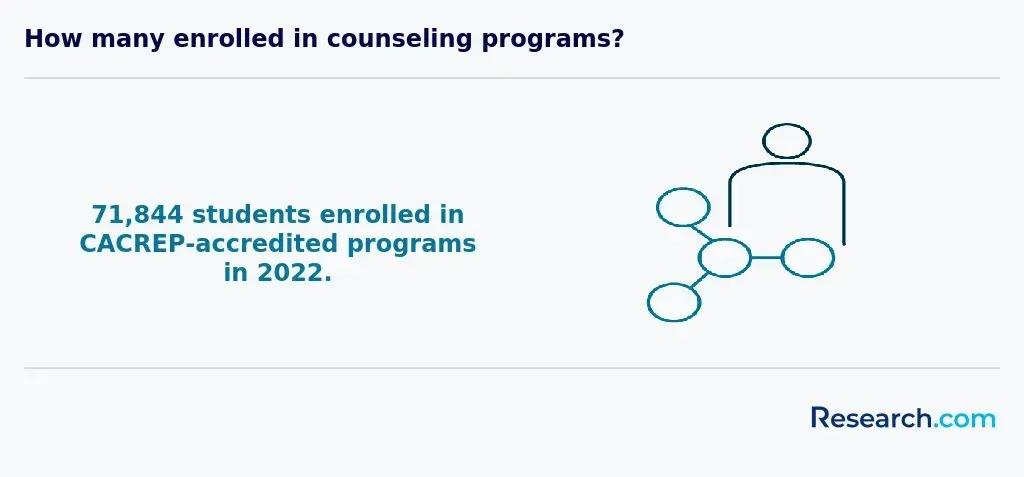
Accreditation also matters. Programs accredited by recognized bodies, such as the Council for Accreditation of Counseling and Related Educational Programs (CACREP), may give students stronger assurance that the curriculum aligns with national professional expectations. The University of South Carolina is one South Carolina institution that offers relevant preparation for students interested in counseling and human services careers.
Students comparing counseling credentials in other states may find it useful to review the process for becoming an LPC in Maryland, but they should not assume Maryland requirements apply in South Carolina.
| Education option | Best fit | Typical value for substance abuse counseling |
| Bachelor’s degree | Students seeking entry into addiction counseling roles. | Often the baseline academic credential for certification preparation and entry-level employment. |
| Master’s degree | Candidates who want stronger clinical preparation, broader counseling options, or leadership potential. | Can support advancement, supervision pathways, and specialized practice. |
| PhD | Professionals interested in research, teaching, executive leadership, or policy work. | Usually beyond what is required for direct entry-level counseling practice. |
What does a substance abuse counselor do?
A substance abuse counselor helps people understand, manage, and recover from substance use disorders. The work combines assessment, treatment planning, individual counseling, group counseling, client education, documentation, relapse prevention, crisis response, and referrals to medical, psychiatric, housing, employment, or social service resources.
Day-to-day responsibilities may include:
- Screening clients for substance use patterns, mental health concerns, risk factors, and treatment readiness.
- Creating treatment plans with measurable goals and appropriate interventions.
- Leading individual and group counseling sessions using evidence-informed approaches.
- Teaching coping skills, relapse prevention strategies, and recovery planning tools.
- Coordinating care with physicians, mental health counselors, social workers, probation officers, family members, or community agencies when appropriate.
- Maintaining accurate records that meet ethical, legal, and employer documentation standards.
- Supporting clients through setbacks without ignoring accountability, safety, or treatment boundaries.
Effective counselors need strong communication skills, emotional steadiness, cultural awareness, patience, documentation discipline, crisis judgment, and the ability to work with clients who may be ambivalent about change. The role is not simply “giving advice.” It requires structured clinical thinking, ethical decision-making, and careful collaboration with clients and other professionals.
What is the certification and licensing process for a substance abuse counselor in South Carolina?
South Carolina candidates should review the requirements set by the South Carolina Association of Alcoholism and Drug Abuse Counselors (SCAADAC) and related credentialing resources before beginning the process. Certification expectations can vary by credential level, so it is important to match your education, training, and work experience to the correct application category.
South Carolina recognizes several addiction counseling credential levels, including Certified Addictions Counselor I (CAC-I), Certified Addictions Counselor II (CAC-II), and Certified Clinical Supervisor (CCS). CAC-I requires 4,000 hours of supervised experience over two years. CAC-I candidates must complete 270 hours of training in core addiction counseling functions, while CAC-II requires 450 hours. Candidates may also need to pass written and oral exams.
Before applying, candidates should prepare for a criminal background check that includes fingerprinting. This step can take several weeks, so it should not be left until the last moment. Supervised experience must also be tracked carefully and verified by an eligible supervisor. Missing signatures, unclear job duties, or poorly documented direct supervision hours can create avoidable delays.
| Requirement area | What candidates should verify | Common risk |
| Credential level | Whether CAC-I, CAC-II, or CCS matches your education and experience. | Applying for a level before meeting all prerequisites. |
| Training hours | Whether your coursework counts toward required addiction counseling functions. | Assuming any counseling class automatically qualifies. |
| Supervised experience | Whether your hours, supervisor, and work setting meet certification rules. | Waiting too long to organize documentation. |
| Exams | Which written and oral exams apply and what fees are required. | Underestimating preparation time and cost. |
| Background check | Fingerprinting instructions, timing, and required disclosures. | Starting the process late and delaying approval. |
If you want to compare how counseling credentials differ across states, you can review the licensed professional counselor path in New Jersey, but South Carolina addiction counseling applicants should follow South Carolina’s credentialing instructions.
What legal and ethical considerations must a substance abuse counselor consider in South Carolina?
Substance abuse counselors handle sensitive health information, high-risk client situations, and complex boundaries. Legal and ethical competence is not optional; it is part of safe practice.
- Confidentiality: Counselors must understand state confidentiality rules as well as federal requirements such as the Health Insurance Portability and Accountability Act (HIPAA) and 42 CFR Part 2, which applies to substance use disorder patient records.
- Mandatory reporting: South Carolina counselors may have legal duties to report suspected child abuse or neglect. Counselors must explain confidentiality limits clearly so clients understand when information may need to be disclosed.
- Scope of practice: Counselors should not provide services beyond their training, credential level, supervision status, or employer authorization.
- Dual relationships: Small communities can create boundary challenges. Counselors may encounter clients in social, religious, school, or community settings and must manage those situations carefully.
- Informed consent: Clients should understand the purpose of treatment, confidentiality limits, fees, documentation practices, telehealth policies, and referral options.
- Documentation: Accurate records protect clients, support continuity of care, and demonstrate that treatment decisions were clinically appropriate.
Ethical counseling means balancing compassion with accountability. Counselors must respect client dignity while also responding appropriately to safety concerns, relapse risk, impaired judgment, and legal obligations.
How much can you earn as a substance abuse counselor in South Carolina?
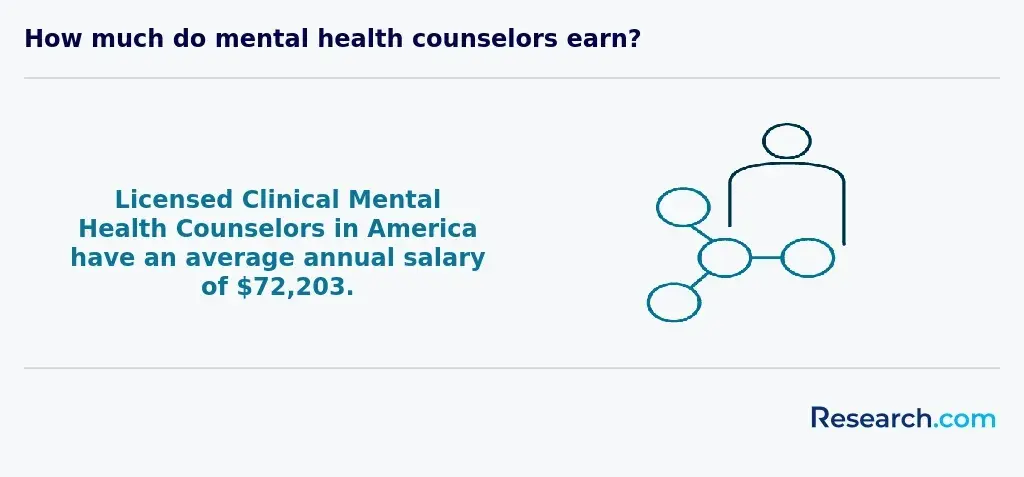
Salary estimates vary by data source, job title, credential level, and employer type. One cited estimate places the average annual salary for substance abuse counselors in South Carolina at approximately $55,000, with most earning between $48,530 and $62,660. Another figure cited for 2024 lists the average salary at approximately $55,090 per year. The national average salary for substance abuse counselors is stated as $53,710 per year.
Other market summaries cite an average salary of around $43,000 annually in South Carolina. Because these figures differ, candidates should treat salary data as a planning range rather than a guarantee. When evaluating offers, compare base pay, supervision access, caseload size, benefits, continuing education support, schedule expectations, and advancement potential.
| Salary factor | How it can affect earnings | What to ask employers |
| Credential level | Advanced certification or supervision credentials may qualify you for higher-responsibility roles. | Does this position support certification advancement? |
| Experience | Entry-level counselors may earn less than clinical supervisors, program managers, or directors. | What is the promotion structure after one to three years? |
| Location | Charleston, Greenville, and Columbia are noted as higher-paying areas for substance abuse counselors. | Does pay reflect local cost of living and commute time? |
| Employer type | Hospitals, public agencies, nonprofit treatment centers, private programs, and correctional settings may pay differently. | What benefits, supervision, and training are included? |
| Role scope | Clinical director, program manager, and substance abuse treatment specialist roles may offer higher compensation. | What duties are required beyond direct counseling? |
Salary should be weighed against workload and mission fit. A higher-paying role with excessive caseloads may not be sustainable, while a lower-paying role with excellent supervision and training may be valuable early in your career.
How can substance abuse counselors collaborate with mental health professionals in South Carolina?
Many clients with substance use disorders also need help with trauma, depression, anxiety, family conflict, medical conditions, housing instability, or legal issues. Collaboration allows counselors to coordinate care rather than treating addiction in isolation.
Effective collaboration may involve shared treatment planning, referrals to psychiatric providers, communication with social workers, case conferences, crisis planning, and coordinated discharge support. Counselors should obtain proper releases of information and follow confidentiality rules before sharing client information. Professionals who want a broader behavioral health path can review how to become a mental health counselor in South Carolina.
What is the job market like for a substance abuse counselor in South Carolina?
The job market is shaped by demand for addiction treatment, behavioral health integration, opioid response services, and support for underserved communities. The U.S. Bureau of Labor Statistics projects employment for substance abuse counselors to grow by 19% from 2023 to 2033, significantly faster than the average for all occupations.
In South Carolina, demand may be especially visible in community treatment agencies, rural programs, recovery services, correctional and reentry programs, outpatient clinics, residential treatment centers, and integrated behavioral health settings. Competition can still exist in larger urban labor markets such as Charleston and Columbia, especially where many graduates seek similar entry-level roles.
- Strong-fit candidates often have addiction-specific coursework, supervised experience, documentation skills, group counseling exposure, and comfort working with complex client needs.
- Entry-level applicants may improve their chances by accepting roles that provide structured supervision and certification support.
- Career changers should highlight transferable skills such as crisis communication, case coordination, peer support, community outreach, or healthcare experience.
- Rural applicants may find meaningful opportunities where provider shortages are more visible, though resources and supervision availability can vary.
Can integrating family and marriage counseling enhance your practice?
Family systems often influence recovery. Partners, parents, children, and other relatives may affect relapse risk, treatment engagement, communication patterns, and long-term support. Substance abuse counselors who understand relationship dynamics can create more complete treatment plans and make better referrals when family therapy is appropriate.
This does not mean every addiction counselor should practice marriage and family therapy without the proper credential. Instead, counselors can build family-informed skills, collaborate with licensed marriage and family therapists, and consider additional training if they want to expand their scope. South Carolina professionals exploring this direction can review marriage counselor education requirements in South Carolina.
How can substance abuse counselors effectively manage self-care and prevent burnout in South Carolina?
Substance abuse counseling can involve crisis calls, relapse events, trauma histories, court-related stress, family conflict, and high documentation demands. Burnout prevention should be treated as a professional skill, not a personal luxury.
- Use supervision consistently, especially when cases involve safety risk, grief, relapse, or ethical uncertainty.
- Set boundaries around availability, after-hours communication, and emotional overextension.
- Build peer consultation networks to reduce isolation and improve clinical judgment.
- Track signs of compassion fatigue, including irritability, detachment, sleep disruption, and reduced empathy.
- Choose employers carefully by asking about caseload expectations, crisis coverage, documentation time, and training support.
Counselors considering graduate education as part of their long-term resilience and advancement strategy can review whether a master’s in counseling is worth it.
How can integrating forensic insights enhance substance abuse counseling in South Carolina?
Some clients enter treatment through court orders, probation, diversion programs, correctional reentry, child welfare involvement, or impaired-driving interventions. Forensic awareness can help counselors understand risk, accountability, documentation, and collaboration with justice-system partners.
Forensic insight should support—not replace—addiction counseling. Counselors must remain within their scope and avoid acting as investigators unless properly trained and authorized. Those interested in justice-related career intersections can explore how to become a forensic scientist in South Carolina.
How can integrating behavior analysis improve treatment outcomes in South Carolina?
Behavioral strategies can make treatment more measurable. Counselors may use goal tracking, trigger identification, reinforcement planning, coping-skills rehearsal, and progress reviews to help clients understand patterns and change behavior over time.
Behavior analysis can be especially useful when treatment goals are concrete: attending sessions, reducing substance use, avoiding high-risk environments, improving medication adherence, or building recovery routines. Counselors interested in formal behavioral credentials can learn how to become a behavior analyst in South Carolina.
What career and advancement opportunities are available for a substance abuse counselor in South Carolina?
Substance abuse counseling can lead to direct practice, supervision, program leadership, community prevention, policy, training, and integrated behavioral health work. Advancement usually depends on education, certification level, supervised experience, employer type, and performance.
| Career stage | Example roles | Typical focus |
| Entry level | Counselor aide, case manager | Client support, intake assistance, service coordination, documentation, and learning under supervision. |
| Established counselor | Substance abuse counselor, treatment specialist, group counselor | Assessment, counseling, treatment planning, relapse prevention, and client education. |
| Mid-level leadership | Program coordinator, clinical supervisor | Program quality, supervision, staff development, compliance, and treatment oversight. |
| Senior leadership | Director of treatment services, executive director of a rehabilitation facility | Strategic planning, operations, policy advocacy, funding, partnerships, and organizational leadership. |
Career growth is easier to plan when you ask employers about supervision, promotion criteria, continuing education funding, and whether the organization supports advanced certification.
How can telehealth and digital innovations optimize substance abuse counseling in South Carolina?
Telehealth can improve access for clients who live far from treatment centers, lack reliable transportation, have work or caregiving barriers, or need continuity after leaving residential care. Digital tools can also help with scheduling, documentation, screening, treatment-plan updates, and team communication.
However, telehealth must be used carefully. Counselors need secure platforms, clear emergency protocols, informed consent, privacy safeguards, and procedures for clients who may be in unsafe or unstable environments during sessions. Students looking for efficient pathways into counseling careers can review the quickest way to become a counselor in South Carolina.
How can insights from criminal psychology expand your counseling approach in South Carolina?
Criminal psychology can help counselors better understand behavior patterns, motivation, risk factors, decision-making, and the overlap between substance use and justice involvement. This perspective may be helpful when working with clients facing probation conditions, mandated treatment, reentry stress, or recurring legal consequences tied to substance use.
Counselors should use these insights to improve assessment and treatment planning, not to label clients or move beyond their professional role. Those interested in the field can explore how to become a criminal psychologist in South Carolina.
How can substance abuse counselors collaborate with educational institutions for early intervention?
Schools can be important partners in prevention and early intervention. Substance abuse counselors may collaborate with school counselors, administrators, families, and community health organizations to identify risk factors, deliver prevention education, support referral pathways, and connect students to appropriate services.
School-based collaboration requires careful attention to confidentiality, parental involvement, mandated reporting, and age-appropriate interventions. Counselors interested in school mental health roles can review South Carolina school psychologist certification requirements.
What professional development and continuing education opportunities are available for substance abuse counselors in South Carolina?
Continuing education keeps counselors current on treatment methods, ethics, laws, documentation standards, trauma-informed care, co-occurring disorders, and population-specific needs. South Carolina counselors can look to organizations such as the South Carolina Association of Alcoholism and Drug Abuse Counselors (SCAADAC), the National Association for Alcoholism and Drug Abuse Counselors (NAADAC), and the South Carolina Department of Alcohol and Other Drug Abuse Services (DAODAS) for training resources.
The state mandates that licensed counselors complete 40 hours of continuing education every two years. Counselors should confirm which courses count, whether ethics hours are required, how certificates must be stored, and what documentation is needed for renewal.
- Useful training topics include motivational interviewing, trauma-informed care, relapse prevention, co-occurring disorders, adolescent substance use, veteran-specific care, crisis intervention, family dynamics, and telehealth ethics.
- Professional organizations can provide networking, exam preparation, policy updates, webinars, and conference opportunities.
- Supervision and peer consultation can deepen clinical judgment beyond what one-time workshops provide.
- Career advancement often depends on choosing training that aligns with your desired population, setting, or leadership track.
What challenges should you consider as a substance abuse counselor in South Carolina?
This career can be meaningful, but it is not easy. Candidates should understand the realities before committing to a program or accepting a role.
- Client ambivalence: Many clients are not ready to change when treatment begins. Counselors must know how to work with denial, fear, shame, and external pressure.
- Relapse risk: Addiction recovery can include setbacks. Broad claims such as over 85% of individuals returning to substance use within a year after treatment should be interpreted carefully and checked against current research, but relapse remains a serious clinical planning issue.
- Stigma: Clients may face judgment from family, employers, courts, or healthcare systems. Counselors must avoid adding bias to an already difficult process.
- Resource limitations: Underfunded programs may have high caseloads, limited referral options, staff turnover, or long waits for specialized care.
- Ethical pressure: Confidentiality, mandated reporting, court involvement, family requests, and safety concerns can create difficult decisions.
- Burnout risk: Emotional labor, crisis work, documentation, and client loss can affect counselor wellbeing without strong supervision and boundaries.
Prospective graduate students comparing counseling degrees may also want to understand the difference between MS vs MA in counseling qualifications before selecting a program.
Common mistakes to avoid
| Mistake | Why it causes problems | Better approach |
| Choosing a program without checking accreditation or credential alignment. | Your courses may not meet employer or certification expectations. | Ask the school how its curriculum maps to South Carolina addiction counseling requirements. |
| Looking only at tuition. | Fees, commuting, books, internship time, and lost wages can change the real cost. | Compare total cost of attendance and scheduling flexibility. |
| Assuming online coursework automatically qualifies. | Some online programs may not meet state-specific training or fieldwork expectations. | Confirm eligibility with the credentialing body before enrolling. |
| Waiting to track supervised hours. | Missing documentation can delay certification. | Use approved forms and get supervisor verification regularly. |
| Relying only on rankings or school reputation. | A well-known school may not be the best fit for your schedule, budget, or credential goal. | Evaluate outcomes, field placement support, faculty expertise, and certification preparation. |
| Assuming salary outcomes are guaranteed. | Pay varies by role, employer, location, and credential level. | Research local job postings and ask employers about advancement paths. |
How can you finance your education and training as a substance abuse counselor in South Carolina?
Financing your education requires more than finding the lowest tuition. You need to estimate the full cost of your degree, training hours, exam fees, background checks, transportation, technology, and unpaid or reduced-paid fieldwork time.
- Federal aid: Complete the FAFSA if you are enrolling in an eligible degree program and want access to federal grants, loans, or work-study options.
- State and institutional aid: Ask South Carolina schools about grants, scholarships, tuition assistance, and payment plans for counseling or human services students.
- Employer support: Some behavioral health employers may help with continuing education, certification fees, or graduate coursework after you are hired.
- Scholarships: Look for awards connected to counseling, social work, addiction recovery, rural healthcare, public service, or behavioral health workforce development.
- Online or hybrid study: Flexible formats may reduce relocation or commuting costs, but verify that fieldwork and training requirements can still be completed in South Carolina.
Students considering broader social work training can compare CSWE-accredited online MSW programs as part of their planning, especially if they want a degree that may support multiple human services or clinical pathways.
Can substance abuse counselors transition into marriage and family therapy in South Carolina?
Substance abuse counselors can move toward marriage and family therapy, but they should treat it as a separate credentialing path rather than an automatic extension of addiction counseling. The two fields overlap in areas such as family stress, communication, trauma, relapse support, and relationship repair, but marriage and family therapy has its own education and licensing expectations.
Counselors interested in this transition should compare graduate program requirements, supervised clinical hours, licensing rules, and whether their current experience will support the new pathway. A useful next step is reviewing how to become an MFT in South Carolina.
What do substance abuse counselors say about their careers in South Carolina?
- I see recovery change people’s lives in ways that are hard to describe. The work is not only about reducing substance use; it is about helping clients rebuild hope, stability, and purpose. Watching someone regain confidence is what keeps me committed. Elaine
- In South Carolina, the community network matters. Local agencies, counselors, and prevention programs often work together, and that collaboration can make the job feel less isolating. When the community is engaged, clients have more places to turn. Carly
- The need for counselors is clear. I hear stories of resilience every week, and they remind me that this career affects families, workplaces, and entire communities. It is challenging work, but it feels meaningful. Burke
Related Articles for Nearby States
- 2027 How to Become a Substance Abuse Counselor in Georgia
- 2027 How to Become a Substance Abuse Counselor in North Carolina
- 2027 How to Become a Substance Abuse Counselor in Florida
- 2027 How to Become a Substance Abuse Counselor in Tennessee
- 2027 How to Become a Substance Abuse Counselor in Alabama
- 2027 How to Become a Substance Abuse Counselor in Virginia
- 2027 How to Become a Substance Abuse Counselor in Kentucky
- 2027 How to Become a Substance Abuse Counselor in Mississippi
- 2027 How to Become a Substance Abuse Counselor in West Virginia
- 2027 How to Become a Substance Abuse Counselor in Louisiana
References:
- APSC. (n.d.). Alcohol and drug counselor (ADC) requirements. Addiction Professionals of South Carolina certification requirements. Retrieved November 23, 2024.
- Center for Addiction Studies and Research. (n.d.). South Carolina substance abuse certification: Self-paced distance learning program. South Carolina substance abuse certification information. Retrieved November 23, 2024.
- Human Services. (n.d.). South Carolina substance abuse counselor certification to become a CAC-I, CAC-II or CCS in SC. Human Services Edu South Carolina counselor certification guide. Retrieved November 23, 2024.
- KFF. (2023, March 20). Mental health and substance use state fact sheets. KFF South Carolina mental health and substance use data. Retrieved November 23, 2024.
- Salary.com. (2024, November 1). Substance abuse counselor salary in South Carolina (November, 2024). Salary.com substance abuse counselor salary in South Carolina. Retrieved November 23, 2024.
- U.S. BLS. (2024, August 29). Occupational outlook handbook: Substance abuse, behavioral disorder, and mental health counselors. U.S. Bureau of Labor Statistics occupational outlook. Retrieved November 23, 2024.
Key Insights
- South Carolina substance abuse counseling usually starts with a bachelor’s degree, but addiction-specific training, supervised experience, background checks, and certification steps are what make a candidate job-ready.
- Credential planning matters. CAC-I, CAC-II, and CCS have different requirements, including 4,000 hours of supervised experience over two years for CAC-I, 270 training hours for CAC-I, and 450 training hours for CAC-II.
- Salary estimates vary. Cited figures include approximately $55,090 per year, approximately $55,000 with most earning between $48,530 and $62,660, and around $43,000 annually, so candidates should compare actual job postings and benefits before making financial assumptions.
- The job outlook is favorable, with BLS projecting 19% employment growth from 2023 to 2033, but competition, caseloads, supervision access, and rural resource limits can affect the day-to-day career experience.
- The best program is not always the cheapest or highest-ranked. Choose based on accreditation, South Carolina credential alignment, fieldwork support, total cost, flexibility, and the quality of supervision opportunities.
- Strong counselors build interdisciplinary skills. Collaboration with mental health providers, family therapists, schools, justice-system partners, and community agencies can improve client support while keeping counselors within their ethical scope.
- Burnout prevention should be part of career planning from the beginning. Ask employers about caseload size, crisis coverage, supervision, documentation time, and continuing education before accepting a role.
Other Things You Should Know About Becoming a Substance Abuse Counselor in South Carolina
To obtain licensure, complete a relevant bachelor's degree, gain supervised clinical experience, and pass the IC&RC Alcohol and Drug Counselor (ADC) exam. You must then apply through the South Carolina Department of Labor, Licensing and Regulation.
Becoming a substance abuse counselor in South Carolina is a journey that requires careful consideration of time and commitment. But how long does this process truly take?
- Education: Typically, a bachelor’s degree in psychology, social work, or a related field is essential, which can take about four years. Some may opt for a master’s degree, extending this period by an additional two years.
- Exam: After completing your education, you must pass a relevant exam. Preparing for this can take several months, depending on your study habits and familiarity with the material.
- Licensing: Obtaining a license involves submitting an application and fulfilling supervised experience requirements, which can take another year or more.
- Certification: Finally, pursuing certification through organizations like the National Association for Alcoholism and Drug Abuse Counselors (NAADAC) may require additional time for preparation and testing.
In total, expect a commitment of approximately 5 to 7 years. Are you ready to invest this time in a career that profoundly impacts lives?
Do you need a license to become a substance abuse counselor in South Carolina? The answer is a resounding yes. Practicing as a substance abuse counselor without the appropriate licensure can lead to serious legal ramifications, including fines and potential criminal charges. Imagine a scenario where an unlicensed individual provides counseling services, only to face legal action when a client suffers due to inadequate support.
Consider these key points:
- Licensure Requirements: South Carolina mandates specific educational qualifications and supervised experience for licensure.
- Legal Consequences: Practicing without a license can result in civil penalties, loss of employment, and damage to one’s professional reputation.
However, are there instances where one might operate without a license? Some may argue that volunteer roles or peer support positions exist outside of formal licensure requirements. Yet, does this truly serve the best interests of those seeking help? Reflecting on these questions can deepen your understanding of the ethical responsibilities inherent in this vital profession.
In 2027, to become a substance abuse counselor in South Carolina, you need at least a bachelor's degree in a relevant field such as psychology or social work. Additional requirements include completing state-approved training, supervision hours, and passing the relevant certification exam.