
2027 South Carolina Psychology Licensure Requirements – How to Become a Psychologist in South Carolina

Co-Founder and Chief Data Scientist
Becoming a licensed psychologist in South Carolina is a long but structured path: you need the right degree sequence, supervised clinical experience, board approval, exams, and ongoing continuing education. The decision matters because psychology is not a field where a bachelor’s or master’s degree alone usually allows independent practice as a psychologist. Students must plan early for accreditation, doctoral admissions, internship and postdoctoral hours, licensure costs, and the type of population they want to serve.
This guide explains how psychology licensure works in South Carolina, what education and supervised experience are typically required, how long programs take, what costs to expect, which in-state schools offer psychology programs, and how related paths such as counseling, school psychology, substance abuse counseling, social work, human services, forensic psychology, and behavior analysis compare. It also highlights salary and job outlook considerations, online Psy.D. options, telepsychology issues, continuing education, and practical questions to ask before choosing a program. If you are still exploring the field, reviewing career options with a psychology degree can help you understand how broad the discipline can be.
South Carolina Psychology Licensure Guide: Contents
- Quick answer: How do you become a psychologist in South Carolina?
- Is psychology a strong career choice in South Carolina?
- Step-by-step path to South Carolina psychologist licensure
- How long psychology programs take in South Carolina
- Psychology program tuition and other costs in South Carolina
- Career options for psychology graduates in South Carolina
- How to evaluate psychology programs in South Carolina
- How substance abuse counseling can expand a psychology career
- How human services training can strengthen psychology work
- How psychology can support a BCBA pathway in South Carolina
- Pros and cons of becoming a psychologist in South Carolina
- How social work principles can improve psychology practice
- Telepsychology considerations for South Carolina psychologists
- Professional organizations and career development
- Moving from psychology into counseling roles
- Malpractice and risk management for psychologists
- Continuing education requirements in South Carolina
- Specialized psychology careers in South Carolina
- Other licensed mental health careers in South Carolina
- Psychologist license vs. counseling licenses in South Carolina
- Online Psy.D. programs and South Carolina licensure planning
Quick answer: How do you become a licensed psychologist in South Carolina?
To become a licensed psychologist in South Carolina, you generally need to complete a bachelor’s degree, earn a doctoral degree in psychology such as a Ph.D. or Psy.D., complete the required supervised professional experience, apply through the South Carolina Board of Examiners in Psychology, pass the Examination for Professional Practice in Psychology (EPPP), and satisfy state requirements such as a jurisprudence exam or background check. The licensure path is designed for professionals who will assess, diagnose, treat, and research human behavior within ethical and legal standards.
The process is demanding because psychologists work with sensitive clinical, educational, organizational, and behavioral issues. South Carolina requires candidates to demonstrate advanced academic preparation, supervised practice competence, and knowledge of professional rules before practicing independently.
| Licensure milestone | What it means for applicants |
| Bachelor’s degree | Builds the academic foundation in psychology, statistics, research methods, human development, and behavior. |
| Doctoral degree | Required for psychologist licensure; candidates typically pursue a Ph.D. or Psy.D. depending on whether they prefer research, clinical practice, or both. |
| Supervised experience | South Carolina requires two years of supervised experience, including 1,500 hours per year post-doctoral. |
| Board application | Candidates submit the Preliminary Application for Licensure and required documentation to the state board. |
| Exams and checks | Applicants must pass the EPPP and meet state-specific requirements such as a jurisprudence exam or background check. |
| License renewal | Licensed psychologists must renew their licenses every two years and complete continuing education. |
Is psychology a strong career choice in South Carolina?
Psychology can be a strong career choice in South Carolina for people who are prepared for graduate-level training, supervised clinical work, ethical decision-making, and continuous professional learning. The field is broad: psychologists may work in hospitals, private practices, schools, universities, correctional settings, community agencies, businesses, research centers, and telehealth environments.
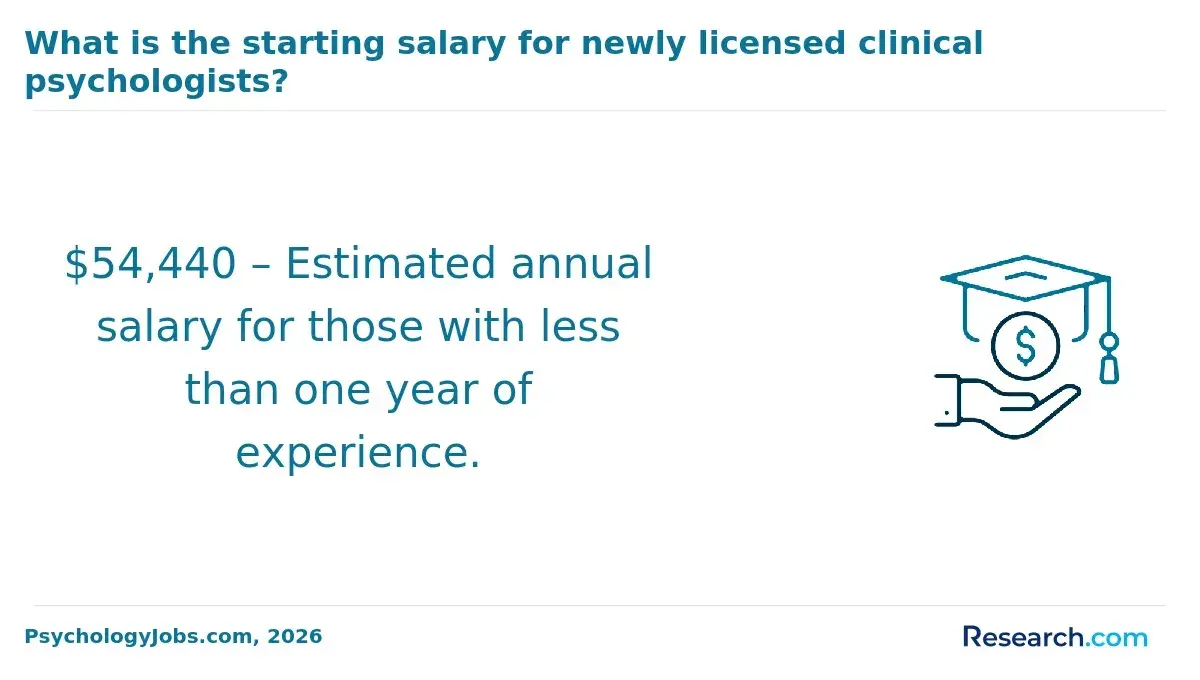
Nationally, employment for psychologists is projected to grow six percent from 2024 to 2034, and this broader outlook is relevant for students evaluating opportunities in South Carolina. Salary data should be read carefully because figures vary by source, specialty, work setting, location, and experience. The median annual wage for psychologists is listed as $94,310. Clinical psychologists in South Carolina are reported at an average salary of $116,498 per year, compared with the national average of $129,957. Another cited clinical psychologist figure is $113,052 per year. These numbers are useful for comparison, but they should not be treated as guaranteed outcomes.
Students interested in child and adolescent mental health should also compare South Carolina career prospects with national guidance on child psychologist earnings and training requirements. Pediatric, school-based, and family-focused work often requires targeted practicum, internship, or postdoctoral experience.
| Career factor | Why it matters in South Carolina |
| Education length | The psychologist pathway usually requires doctoral study, so students should plan for several years beyond the bachelor’s degree. |
| Licensure requirements | Independent practice depends on meeting South Carolina Board requirements, not simply finishing a degree. |
| Specialization | Clinical, counseling, school, forensic, health, and industrial-organizational psychology can lead to different credentials and work settings. |
| Location | Opportunities may differ between urban healthcare markets, rural communities, university towns, school districts, and telehealth roles. |
| Salary variability | Pay depends on specialty, setting, experience, employer type, insurance reimbursement, and whether the psychologist is employed or self-employed. |
Step-by-step path to South Carolina psychologist licensure
The South Carolina psychology licensure process begins long before the state application. Students should use each stage of education to build research skills, clinical readiness, ethical judgment, and a record of supervised experience. A bachelor’s degree in psychology or a related behavioral science field is usually the first step. Students comparing undergraduate options may want to review programs connected to the best behavioral science colleges if they are still choosing an academic starting point.
The central requirement is a doctoral degree in psychology, usually a Ph.D. or Psy.D. A Ph.D. often emphasizes research, teaching, and clinical science, while a Psy.D. typically emphasizes clinical practice and applied training. After doctoral preparation, South Carolina requires two years of supervised experience, with 1,500 hours per year post-doctoral. After completing the required education and supervised experience, candidates submit the Preliminary Application for Licensure, pay required fees, complete the EPPP, and satisfy state-specific requirements such as a jurisprudence exam or background check.
| Application Fee | $500 |
| Biennial Renewal of License | $395 |
| Late fee | $395 |
| Temporary Permit | $250 |
Practical licensure planning checklist
- Confirm the license you actually need. Psychologist, school psychologist, LPC, MFT, BCBA, social worker, and substance abuse counselor are separate pathways with different education and supervision rules.
- Prioritize accreditation early. For doctoral training, accreditation can affect internship placement, licensure review, employer acceptance, and mobility to other states.
- Track supervised hours carefully. Keep documentation of supervisors, dates, settings, client contact, assessment work, and training activities.
- Prepare for exams before applying. The EPPP is a major licensing milestone, so candidates should plan study time and budget for exam-related costs.
- Check board rules directly. Requirements can change, so applicants should verify current instructions with the South Carolina Board before making enrollment or application decisions.
How long psychology programs take in South Carolina
Program length depends on the degree level and the student’s enrollment pace. A bachelor’s degree in psychology usually takes four years and can support entry-level roles in human services, research assistance, case management, behavioral health support, or graduate school preparation. Students who want a business-focused behavioral science route may compare a traditional psychology major with a business psychology degree online.
Master’s programs are usually shorter than doctoral programs but do not typically qualify a graduate for independent psychologist licensure. For example, the Master of Science in Clinical Psychology program at the University of South Carolina Aiken takes two to three years for full-time students. Students who need flexibility can compare campus-based graduate study with a master’s degree in psychology online, especially if their goals are research support, organizational psychology, or preparation for doctoral admissions.
| Degree or training stage | Typical purpose | Time information stated in this guide |
| Bachelor’s degree | Foundation for graduate school or psychology-related entry-level work | Typically four years |
| Master’s degree | Advanced study, research preparation, or specialization; may support non-psychologist mental health paths depending on the program | University of South Carolina Aiken MS in Clinical Psychology: two to three years for full-time students |
| Doctoral degree | Core academic credential for psychologist licensure | Varies by program and training model |
| Postdoctoral supervised experience | Required supervised professional practice before independent licensure | Two years of supervised experience, with 1,500 hours per year post-doctoral |
Psychology program tuition and other costs in South Carolina
Psychology program costs in South Carolina vary by institution type, residency status, degree level, delivery format, and clinical training requirements. For in-state students at a public institution completing a four-year degree, average tuition is listed as $12,288 per semester or $24,576 annually. For out-of-state students at public institutions, average tuition is listed as $36,976 per semester or $73,952 annually. The University of South Carolina also lists psychology-related undergraduate and graduate options, with students charged $620 per credit in the example cited here.
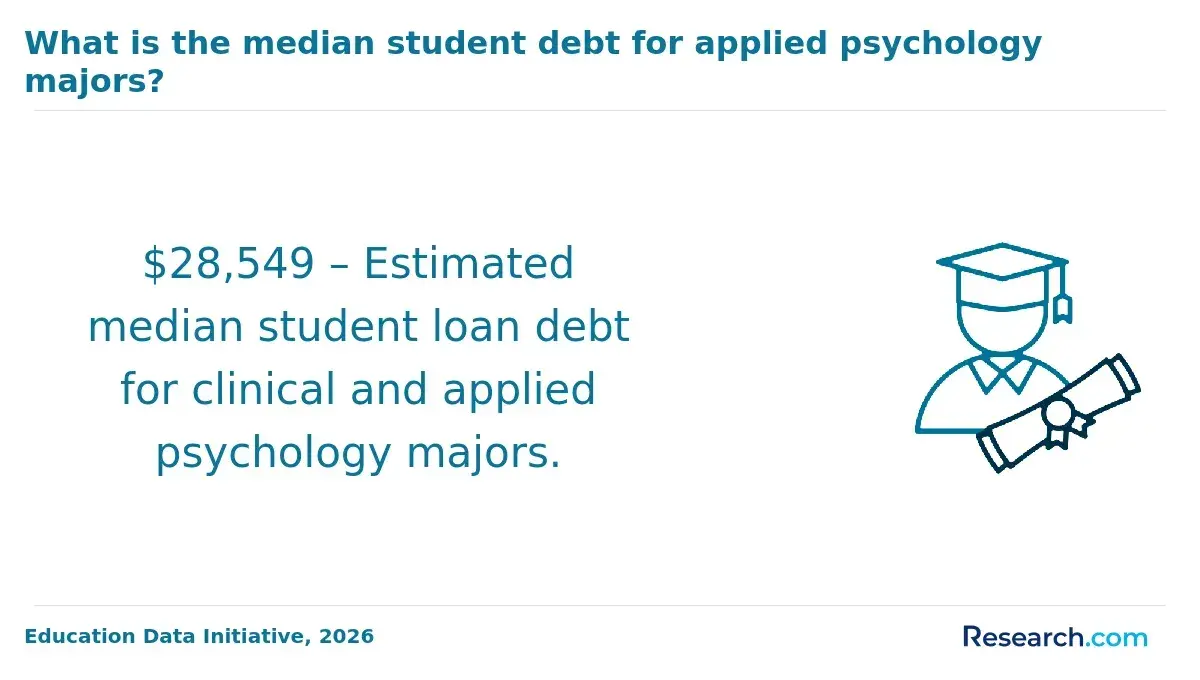
Tuition is only one part of the full cost. Psychology students should also budget for fees, books, research supplies, technology, transportation to field placements, background checks, liability insurance when required, internship-related expenses, exam preparation, and licensure fees. Doctoral students may also need to consider the financial impact of practicum, internship, and postdoctoral placements that limit full-time work availability.
Financial aid can reduce out-of-pocket costs, but students should compare grants, loans, assistantships, scholarships, work-study, and employer support carefully. South Carolina institutions may offer institutional aid, and psychology students can also explore professional awards and funding opportunities through organizations such as the American Psychological Association. When comparing affordability, include both degree costs and future licensing expenses.
Cost questions to ask before enrolling
- What is the total estimated program cost, not just tuition per credit? Ask about fees, health insurance, technology, supervision-related costs, and clinical placement expenses.
- Does tuition differ for in-state, out-of-state, online, and graduate students? Residency and delivery format can change the final price substantially.
- Are assistantships or tuition waivers available? This is especially important for doctoral students.
- Will transfer credits reduce the cost? Policies vary, and not all credits apply to psychology major, master’s, or doctoral requirements.
- What are the licensure-related costs after graduation? Include application fees, renewal fees, exam costs, continuing education, and liability coverage.
South Carolina schools offering psychology programs
South Carolina students can begin psychology training at several in-state institutions. The right program depends on whether the student wants broad undergraduate preparation, research experience, school psychology, clinical preparation, forensic interests, neuroscience exposure, or a pathway toward doctoral study. Students should also compare these options with Research.com’s guide to the best colleges for psychology in South Carolina when building a school list.
University of South Carolina
The University of South Carolina offers psychology training that introduces students to scientific study of the mind, brain, development, families, cognition, and social behavior. The department includes research areas such as child and family psychology, cognitive neuroscience, and social psychology. Graduate students may also find school psychology preparation. Students planning for psychologist licensure should verify how each degree level connects to doctoral training, supervised experience, and South Carolina Board expectations.
- Program Length: 5 years
- Tracks/concentrations: Bachelor of Arts in Psychology
- Cost per Credit: $1,615
- Required Credits to Graduate: 120
- Accreditation: American Psychological Association
Charleston Southern University
Charleston Southern University offers psychology study through the College of Humanities and Social Sciences. Students examine topics such as abnormal psychology, social psychology, and developmental psychology while also having access to research and internship experiences. For students considering graduate school, applied experience and faculty mentorship can be useful when preparing doctoral applications.
- Program Length: 4 years
- Tracks/concentrations: Bachelor of Arts in Psychology
- Cost per Credit: $495
- Required Credits to Graduate: 120
- Accreditation: Southern Association of Colleges and Schools Commission on Colleges
Coastal Carolina University
Coastal Carolina University’s Department of Psychology offers a Bachelor of Science in Psychology with an emphasis on psychology as a scientific discipline. Students can pursue concentrations in behavioral neuroscience and forensics, which may be useful for those considering clinical, legal, research, or graduate-school pathways. Internship and research participation can also help students clarify whether they want direct practice, applied behavioral work, or further study.
- Program Length: 4 years
- Tracks/concentrations: Bachelor of Science in Psychology
- Cost per Credit: $487
- Required Credits to Graduate: 120
- Accreditation: Southern Association of Colleges and Schools Commission on Colleges
Furman University
Furman University provides undergraduate psychology training focused on psychological science, analysis, application, and communication. Students may participate in research and internship activities, which can strengthen preparation for graduate programs, research roles, or related human services careers. Students aiming for psychologist licensure should treat the bachelor’s program as an early step toward later doctoral work.
- Program Length: 4 years
- Tracks/concentrations: Bachelor of Science in Psychology
- Cost per Credit: $425
- Required Credits to Graduate: 128
- Accreditation: Southern Association of Colleges and Schools Commission on Colleges
Winthrop University
Winthrop University offers undergraduate psychology study as well as graduate preparation in school psychology. The psychology major can support students interested in education, personnel work, guidance, counseling-related careers, research support, or graduate training. Students interested in school-based mental health should compare school psychology certification requirements with psychologist licensure requirements because they are not identical pathways.
- Program Length: 3 years
- Tracks/concentrations: Bachelor of Science in Psychology
- Cost per Credit: $637
- Required Credits to Graduate: 120
- Accreditation: Southern Association of Colleges and Schools Commission on Colleges
Career options for psychology graduates in South Carolina
Psychology graduates in South Carolina can pursue many roles, but the level of responsibility depends heavily on the degree earned and the credential held. A bachelor’s degree may support roles in case management, research assistance, behavioral health support, human resources, or social services. A master’s degree may open additional applied roles, depending on the program and license pursued. Independent practice as a psychologist generally requires doctoral training and South Carolina licensure.
Clinical and counseling psychologists may work in hospitals, community mental health centers, group practices, private practices, colleges, correctional settings, and integrated healthcare environments. School psychologists support student learning, behavior, evaluation, crisis response, and mental health needs in public and private education settings. Health psychologists may work with patients managing chronic illness, stress, adherence to treatment, and behavior change. Forensic psychologists may contribute to evaluations, legal consultation, correctional treatment, or expert testimony depending on training and role.
Psychology also extends outside traditional therapy settings. Industrial-organizational psychologists apply behavioral science to hiring, assessment, leadership, employee engagement, training, productivity, and workplace systems. Research-focused graduates may work in universities, policy organizations, healthcare systems, or private research settings.
| Psychology path | Common work settings | Best fit for students who want to... |
| Clinical psychology | Hospitals, practices, clinics, community agencies | Assess, diagnose, and treat mental health conditions |
| Counseling psychology | Colleges, private practices, community centers | Help clients with relationships, adjustment, wellness, and emotional concerns |
| School psychology | Public and private schools | Support student learning, behavior, assessment, and school-based interventions |
| Industrial-organizational psychology | Businesses, government agencies, consulting firms | Improve workplace performance, selection, leadership, and employee experience |
| Forensic psychology | Courts, correctional systems, legal settings, private practice | Apply psychology to legal questions, assessments, and justice-related issues |
| Health psychology | Hospitals, clinics, rehabilitation centers | Address behavioral factors connected to illness, stress, and health outcomes |
How to evaluate psychology programs in South Carolina
A psychology program should be judged by how well it supports your end goal, not only by name recognition or tuition. A student preparing for doctoral licensure needs different features than a student seeking a human services role, a school psychology credential, or an industrial-organizational career.
- Accreditation: Confirm institutional accreditation and, when relevant, programmatic accreditation. APA accreditation is especially important for many doctoral psychology pathways and can affect internship competitiveness, licensure review, and professional credibility.
- Program length and format: Compare full-time, part-time, online, hybrid, and campus-based options. Flexibility matters, but not if it weakens access to research, practicum, or supervision.
- Clinical and field experience: Ask how students secure practicum, internship, and supervised placements. Strong programs should explain where students train and how placements are evaluated.
- Faculty fit: Look for faculty whose research, clinical expertise, and mentorship style align with your goals, especially if you plan to apply to graduate school.
- Career outcomes: Ask where graduates go after completing the program: doctoral programs, school systems, research roles, clinical training, corporate positions, or related licensed professions.
- Cost of living: South Carolina is described as having a cost of living generally six percent lower than the national average, but costs differ by city, housing market, and student lifestyle.
| Housing (Buy and Rent) | 21% lower |
| Utilities (Monthly) | 4% higher |
| Food | 2% higher |
| Healthcare | 6% lower |
| Transportation | 5% lower |
| Goods & Services | 1% lower |
Common mistakes when choosing a psychology program
| Mistake | Why it can hurt you | Better approach |
| Choosing a program without checking accreditation | Licensure, internship eligibility, transfer options, and employer acceptance may be affected. | Verify institutional and programmatic accreditation before applying. |
| Assuming any psychology degree leads to psychologist licensure | Bachelor’s and master’s degrees do not usually qualify someone for independent psychologist practice. | Map the exact degree and supervision path required for the license you want. |
| Focusing only on tuition | Fees, relocation, placements, lost work time, exam costs, and licensure expenses can change total cost. | Calculate total cost of attendance and post-graduation licensing expenses. |
| Ignoring practicum and internship support | Weak placement support can delay training milestones or limit specialization options. | Ask where students train and how the program helps secure placements. |
| Relying only on rankings | A highly ranked school may not fit your specialty, schedule, budget, or licensure needs. | Use rankings as one input, then compare accreditation, outcomes, faculty, and training fit. |
| Assuming salary outcomes are guaranteed | Pay varies by role, location, employer, experience, specialty, and market conditions. | Review multiple salary sources and speak with professionals in your target setting. |
How substance abuse counseling can expand a psychology career in South Carolina
Substance abuse counseling can complement psychology by adding specialized knowledge in addiction, relapse prevention, crisis response, motivational interviewing, family dynamics, and recovery planning. For psychologists or psychology students interested in addiction treatment, this area can broaden service options and improve collaboration with treatment teams, community agencies, hospitals, and justice-related programs.
This pathway has its own credentialing expectations, so students should not assume that psychology coursework automatically satisfies addiction counseling requirements. If addiction treatment is central to your career plan, compare psychology licensure with the separate steps described in Research.com’s guide on how to become a substance abuse counselor in South Carolina.
How human services training can strengthen psychology work
A human services degree can be useful for students who want to understand client needs beyond diagnosis and therapy. Human services training often emphasizes case coordination, community resources, family support, social welfare systems, advocacy, and service delivery. These skills can support psychology-related work in schools, nonprofits, behavioral health agencies, correctional reentry programs, and community mental health settings.
For future psychologists, human services knowledge can improve interdisciplinary collaboration. For students who decide not to pursue doctoral psychology training, human services can also provide a practical route into helping professions that may require less time than psychologist licensure.
How psychology can support a BCBA pathway in South Carolina
A psychology background can be valuable for professionals interested in applied behavior analysis because both fields examine behavior, learning, motivation, assessment, and intervention. However, becoming a Board Certified Behavior Analyst is a distinct pathway with its own coursework, supervised experience, examination, and practice standards.
Psychologists who add behavior analysis expertise may be better prepared to design targeted interventions, especially in settings involving developmental disabilities, autism services, schools, parent training, and behavior support. Students considering this route should review the separate steps in Research.com’s guide on how to become a BCBA in South Carolina.
Pros and cons of becoming a psychologist in South Carolina
Psychology can offer meaningful work, professional autonomy, and multiple specialty options, but the path requires time, money, supervised experience, examination, and ongoing compliance. Before committing to doctoral study, students should compare the benefits and trade-offs honestly. A broader national discussion is available in Research.com’s guide to the pros and cons of being a psychologist.
| Potential advantages | Potential challenges |
| Multiple settings, including healthcare, education, business, research, and private practice | Doctoral education and supervised experience can take many years |
| Opportunity to help individuals, families, schools, organizations, and communities | Licensure requirements are detailed and must be documented carefully |
| Specialization options such as clinical, forensic, health, school, and I-O psychology | Training costs, exam fees, renewal fees, and continuing education add up |
| Potential for independent practice after licensure | Clinical work can involve emotional strain, liability risk, and administrative burden |
| Telepsychology may improve access for some clients and providers | Remote practice requires careful attention to privacy, technology, jurisdiction, and ethics |
How to obtain a psychology license in South Carolina
Obtaining a South Carolina psychology license requires matching your education, supervised experience, examination record, and application documents to state board rules. Students should review official state information and not rely only on school marketing materials or informal advice. General summaries of South Carolina psychology license requirements can be useful, but applicants should always verify final requirements with the licensing board.
The safest strategy is to plan backward from the license. Identify the specialty you want, confirm the degree required, choose an accredited program, document supervised hours, prepare for the EPPP, complete the state application steps, and maintain continuing education after licensure. This approach reduces the risk of completing a degree that does not align with your intended scope of practice.
How social work principles can improve psychology practice in South Carolina
Social work principles can strengthen psychology practice by helping clinicians understand clients within family, community, economic, cultural, and systems-level contexts. This perspective can be especially important when clients face housing instability, school challenges, disability services, healthcare barriers, family stress, legal involvement, or limited access to care.
Psychologists do not need to become social workers to use systems-informed thinking, but professionals considering broader community practice may want to compare psychology with social work education and licensure. Research.com’s guide on what degree you need to be a social worker in South Carolina can help clarify the differences.
Telepsychology considerations for South Carolina psychologists
Telepsychology has changed how many psychologists deliver care, especially for clients who face travel, mobility, scheduling, or rural access barriers. In South Carolina, psychologists using virtual services must think carefully about privacy, informed consent, emergency planning, recordkeeping, client location, technology security, and whether the service is permitted across state lines.
Telepsychology is not simply video conferencing. It requires clinical judgment about whether remote care is appropriate for the client’s condition, risk level, environment, and access to technology. School-based providers also need to consider assessment validity, student privacy, parent involvement, and school district policies. Students interested in school settings can compare digital service issues with the route explained in how to become a school psychologist in South Carolina.
Professional organizations and career development
Professional organizations can help psychology students and licensed psychologists stay connected to ethics updates, continuing education, mentorship, research, policy changes, peer consultation, and specialty networks. Membership can be especially useful during transitions from graduate school to internship, postdoctoral practice, licensure, private practice, or specialization.
Students should choose organizations based on their career direction rather than joining every available group. A forensic-focused student, for example, may need different mentorship and training resources than someone pursuing child assessment, health psychology, or organizational consulting. If legal and correctional settings are your goal, Research.com’s guide on how to become a criminal psychologist in South Carolina can help you compare forensic preparation options.
Moving from psychology into counseling roles
Some psychology graduates decide that counseling licensure fits their goals better than psychologist licensure. Others may already be licensed psychologists and want to understand counseling credentials because they plan to broaden services, supervise other professionals, or work in settings where multiple mental health licenses are represented.
The transition is not automatic. Counseling roles may require specific graduate coursework, supervised counseling hours, examinations, and state approval. A psychology background can help with assessment, research literacy, diagnosis, and human development, but candidates still need to verify counseling-specific requirements. For a focused comparison, review Research.com’s guide to the shortest path to become a counselor in South Carolina.
Malpractice and risk management for South Carolina psychologists
Psychologists should build risk management into daily practice. Good documentation, clear informed consent, confidentiality procedures, emergency protocols, secure technology, consultation, scope-of-practice awareness, and professional liability insurance can reduce avoidable risk and protect both clients and clinicians.
Risk increases when psychologists expand into new modalities or related services without checking training and legal requirements. This is especially important for telepsychology, forensic evaluation, high-risk clinical work, couples or family services, and counseling-adjacent roles. Professionals considering counseling services should review the South Carolina LPC license requirements to understand how counseling scope, documentation, supervision, and ethical obligations may differ.
Continuing education requirements in South Carolina
After earning a psychology license in South Carolina, psychologists must keep the license active through renewal and continuing education. Continuing education helps practitioners stay current on ethics, law, assessment, treatment methods, research findings, technology, cultural competence, and specialty practice changes.
- Renewal cycle: Licensed psychologists in South Carolina must renew their licenses every two years.
- Required CE hours: Psychologists must complete 24 hours of continuing education every two years.
- Ethics or legal requirement: Of those hours, 3 hours must focus on ethics or legal standards in psychology.
- Remaining CE hours: The remaining 21 hours may address relevant areas such as clinical practice, research, child psychology, behavioral therapy, neuropsychology, or other professional topics.
- Approved providers: CE should come from approved organizations such as the APA or recognized educational institutions, including qualifying conferences, workshops, and online courses.
- Documentation: Psychologists should keep completion certificates and accurate CE records because the South Carolina Board may audit licensees.
Specialized psychology careers in South Carolina
Specialization affects your degree choice, practicum sites, internship applications, postdoctoral experience, license planning, and job search. Students should choose electives, research projects, supervisors, and field placements that match the population and setting they want to serve.
Clinical psychologist
Clinical psychologists assess, diagnose, and treat mental health conditions through psychotherapy, psychological testing, consultation, and treatment planning. In South Carolina, this path typically requires a Psy.D. or Ph.D. in psychology, supervised training, EPPP completion, and satisfaction of state licensure requirements. Clinical psychologists may work in hospitals, clinics, community agencies, correctional settings, or private practice.
Counseling psychologist
Counseling psychologists often focus on emotional well-being, relationships, adjustment, identity, work-life issues, stress, and life transitions. Their training path is similar to clinical psychology when pursuing psychologist licensure, though programs may emphasize wellness, development, and strengths-based approaches. Common workplaces include private practices, universities, community health centers, and integrated care settings.
Industrial-organizational psychologist
Industrial-organizational psychologists apply psychological science to workplaces. Their work may involve hiring systems, employee selection, leadership development, performance management, training, organizational culture, and employee satisfaction. Students interested in this field may compare graduate options, including an affordable online master's in organizational psychology, especially if they want a business-oriented psychology career rather than a clinical practice route.
Forensic psychologist
Forensic psychology connects psychology with courts, correctional systems, law enforcement, and legal decision-making. Professionals may conduct assessments, consult on cases, provide treatment in justice settings, or offer expert testimony depending on training and role. This specialization usually requires doctoral preparation plus focused training in forensic assessment, ethics, legal procedure, and report writing.
School psychologist
School psychologists support students’ academic, social, emotional, and behavioral development. They may conduct assessments, consult with teachers, respond to crises, support intervention plans, and collaborate with families. In South Carolina, this path commonly involves a specialist-level degree such as an Educational Specialist or Ed.S. in school psychology and state certification. Students should distinguish school psychology certification from psychologist licensure because the requirements and practice settings can differ.
Health psychologist
Health psychologists work where mental and physical health intersect. They may help patients manage chronic illness, pain, treatment adherence, stress, lifestyle change, rehabilitation, or adjustment to medical diagnoses. This work may take place in hospitals, clinics, rehabilitation centers, primary care settings, or research environments. Doctoral training and preparation in behavioral medicine or health promotion are often important.
Other licensed mental health careers in South Carolina
Psychologist licensure is not the only route into mental health work in South Carolina. Depending on your interests, timeline, preferred client population, and desired scope of practice, counseling, marriage and family therapy, substance abuse counseling, school psychology, social work, or behavior analysis may be a better fit.
For example, students who want to work with couples and families may compare psychology with the requirements for an MFT license in South Carolina. Marriage and family therapy emphasizes relational systems, family dynamics, couple conflict, and family-based intervention, and it follows a separate licensure process.
Psychologist license vs. counseling licenses in South Carolina
A psychology license and a counseling license can both involve mental health services, but they are not interchangeable. A psychologist license generally requires doctoral-level psychology education, broad training in assessment and research, supervised professional experience, the EPPP, and state board approval. Counseling licenses typically emphasize counseling theory, human development, diagnosis, treatment planning, supervised counseling practice, and a counseling-specific exam process.
The best choice depends on your career target. Choose the psychologist pathway if you want doctoral-level clinical practice, psychological assessment, research-intensive training, or certain specialty roles. Consider counseling licensure if you want a therapy-focused route that may not require a psychology doctorate. Research.com’s guide on how to become an LPC in South Carolina can help you compare requirements.
| Question | Psychologist pathway | Counseling pathway |
| Typical degree level | Doctoral degree in psychology | Graduate counseling degree, depending on license requirements |
| Core emphasis | Assessment, diagnosis, treatment, research, psychological science | Counseling theory, therapy skills, client development, supervised counseling practice |
| Licensing exam | EPPP plus state-specific requirements | Counseling-specific exam process, depending on license type |
| Best fit | Students seeking doctoral-level clinical, assessment, academic, or specialty psychology roles | Students seeking a therapy-centered professional counseling role |
Online Psy.D. programs and South Carolina licensure planning
An online Psy.D. program can be attractive for students who need flexibility, but applicants must evaluate these programs carefully. South Carolina licensure still depends on meeting education, supervised experience, exam, and state board requirements. Online coursework alone is not enough; students also need appropriate clinical training, practicum, internship, supervision, and documentation.
Why students consider online Psy.D. programs
- Flexibility: Online coursework may help working adults or students with family responsibilities complete didactic requirements without relocating full time.
- Access: Students who live far from campus-based doctoral programs may have more options if a program supports distance learning.
- Reduced commuting or relocation burden: Online study may lower travel-related costs, although clinical training can still require in-person placements.
- Local supervised experience: Some students may complete approved clinical experiences near where they live, if the program and licensing rules allow it.
What to verify before choosing an online Psy.D.
- Accreditation: Confirm whether the program has APA accreditation or another recognized status relevant to your licensure goal.
- Clinical placement support: Ask how the program helps students secure practicum, internship, and supervised experiences in or near South Carolina.
- Licensure alignment: Request written information on how the program meets South Carolina psychologist licensure requirements.
- Residency requirements: Some online programs still require campus visits, intensives, assessment training, or in-person clinical skills evaluation.
- Specializations: Compare tracks such as child psychology, forensic psychology, neuropsychology, health psychology, or general clinical practice.
- Faculty and supervision: Review faculty expertise, research opportunities, supervision structure, and student outcomes.
How to compare online Psy.D. options
If an online doctoral route fits your life circumstances, use Research.com’s guide to the best online Psy.D. programs as a starting point. Then verify every program directly with the South Carolina Board before enrolling. The key question is not simply whether the program is convenient; it is whether the degree, clinical training, supervision, and documentation will support licensure.
Current trends affecting psychology training and practice
Psychology education and practice are being shaped by telehealth, digital assessment tools, AI-supported administrative workflows, increased attention to mental health access, and employer demand for measurable outcomes. These trends make technology literacy important, but they do not replace clinical judgment, ethical reasoning, cultural competence, or supervised training. Students should seek programs that teach both traditional psychological science and responsible use of newer tools.
Key Insights
- Psychologist licensure in South Carolina is a doctoral-level path. A bachelor’s degree can start the journey, but independent practice as a psychologist generally requires a Ph.D. or Psy.D., supervised experience, exams, and board approval.
- South Carolina requires substantial supervised experience. The path includes two years of supervised experience, with 1,500 hours per year post-doctoral.
- Licensure costs should be built into your budget. The application fee is $500, biennial renewal is $395, the late fee is $395, and a temporary permit is $250.
- Salary data varies by source and role. Figures cited in this guide include $94,310 for psychologists, $116,498 for clinical psychologists in South Carolina, $129,957 as a national clinical psychologist average, and $113,052 from another clinical psychologist salary source.
- Program choice should start with your end goal. Clinical psychology, school psychology, counseling, MFT, BCBA, social work, substance abuse counseling, and I-O psychology can require different credentials.
- Accreditation and supervised placement support are critical. Do not choose a program based only on price, convenience, or rankings; verify whether it supports licensure and career outcomes.
- Online Psy.D. programs can be flexible but require careful review. Students must confirm accreditation, clinical training arrangements, residency expectations, and South Carolina licensure alignment before enrolling.
- Continuing education is mandatory after licensure. South Carolina psychologists must complete 24 hours of continuing education every two years, including 3 hours focused on ethics or legal standards.
Related Articles for Nearby States
- 2027 Georgia Psychology Licensure Requirements – How to Become a Psychologist in Georgia
- 2027 North Carolina Psychology Licensure Requirements – How to Become a Psychologist in North Carolina
- 2027 Florida Psychology Licensure Requirements – How to Become a Psychologist for Florida
- 2027 Tennessee Psychology Licensure Requirements – How to Become a Psychologist in Tennessee
- 2027 Alabama Psychology Licensure Requirements – How to Become a Psychologist in Alabama
- 2027 Virginia Psychology Licensure Requirements – How to Become a Psychologist in Virginia
- 2027 Kentucky Psychology Licensure Requirements – How to Become a Psychologist in Kentucky
- 2027 Mississippi Psychology Licensure Requirements – How to Become a Psychologist in Mississippi
- 2027 West Virginia Psychology Licensure Requirements – How to Become a Psychologist in West Virginia
- 2027 Louisiana Psychology Licensure Requirements – How to Become a Psychologist in Louisiana
References:
- Bureau of Labor and Statistics. (2025). Occupational Outlook Handbook: Psychologist. Retrieved from: https://www.bls.gov/ooh/life-physical-and-social-science/psychologists.htm
- Indeed. (2026). Clinical Psychologist Salary in South Carolina. Retrieved from: https://www.indeed.com/career/clinical-psychologist/salaries/SC
- Indeed. (2026). How Much Does a Degree Increase Your Earnings? Retrieved from: https://www.indeed.com/career-advice/pay-salary/how-much-does-degree-increase-earnings
- South Carolina Board of Examiners in Psychology. Licensure information. Retrieved from: https://llr.sc.gov/psych/licensure.aspx
- National Center for Education Statistics. Digest table. Retrieved from: https://nces.ed.gov/programs/digest/d21/tables/dt21_330.20.asp
- Rent Cafe. (2026). Cost of Living in South Carolina. Retrieved from: https://www.rentcafe.com/cost-of-living-calculator/us/sc/
- ZipRecuiter (2026). Clinical Psychologist Salary in South Carolina. Retrieved from: https://www.ziprecruiter.com/Salaries/Clinical-Psychologist-Salary--in-South-Carolina
- ZipRecruiter (2026). Psychologist Salary in South Carolina. Retrieved from: https://www.ziprecruiter.com/Salaries/Psychologist-Salary--in-South-Carolina
Other Things You Should Know About The South Carolina Psychology Licensure Requirements
The South Carolina Board of Examiners in Psychology issues psychologist licenses and sets the state’s licensure standards. It handles application review, supervision requirements, the jurisprudence and oral examinations, and final approval for licensure under South Carolina rules.
To obtain a psychology license in South Carolina in 2027, candidates must first complete a doctoral degree in psychology from an accredited program. After the degree, they must complete two years of supervised experience, pass the Examination for Professional Practice in Psychology (EPPP), and then apply to the South Carolina Board of Examiners in Psychology for licensure.
In 2027, South Carolina requires aspiring psychologists to complete 1,500 hours of supervised experience over at least 12 months. This experience must be under a licensed psychologist and meet the standards set by the South Carolina Board of Examiners in Psychology.
In 2027, South Carolina requires aspiring psychologists to pass the Examination for Professional Practice in Psychology (EPPP) and the South Carolina Psychology Jurisprudence Exam. These exams assess competency in both general psychology principles and state-specific laws and regulations.


