2027 Best Online Creative Writing Degrees for Novel Writers

Co-Founder and Chief Data Scientist
Choosing an online creative writing degree is really a choice about time, feedback, cost, and your long-term writing goals. The U.S. Bureau of Labor Statistics reported a 2024 median annual wage of $72,270 for writers and authors, but fiction income varies widely, so program fit matters.
This guide is for aspiring novelists comparing online bachelor's, master's, and MFA options. You'll learn which degrees fit different writing goals, how online programs work, what they cost, and how to choose a reputable program without overpaying.
Key Things You Should Know
- The strongest online creative writing degrees for novel writers usually combine fiction workshops, literature study, revision practice, publishing knowledge, and a capstone manuscript or thesis.
- College Board's 2024-25 benchmark lists average published tuition and fees at $11,610 for in-state public four-year colleges and $43,350 for private nonprofit four-year colleges.
- Creative writing income is not guaranteed by a degree; the BLS reported a 2024 median annual wage of $72,270 for writers and authors, but novelists often combine book income with editing, teaching, content, or communications work.
What are the best online creative writing degrees for novel writers?
The best online creative writing degree for a novel writer is the one that matches the student's stage: learning craft, building a portfolio, revising a manuscript, or preparing for teaching and publishing-adjacent work.
For most aspiring novelists, the strongest options are bachelor's degrees with a creative writing concentration, bachelor of fine arts programs, master's degrees in English or creative writing, and low-residency or fully online MFA programs.
Use the comparison below to decide which degree type fits your writing goal. The "best" option is not always the most advanced degree; a student who needs broad undergraduate training may benefit more from a BA than from waiting to apply to a graduate program:
| Degree option | Best fit for novel writers who want to | Typical strengths | Possible trade-offs |
| BA in English with creative writing concentration | Build a foundation in fiction, literature, research, and communication | Flexible curriculum, transfer-friendly structure, strong preparation for editing or communications roles | May include fewer intensive workshops than a BFA or MFA |
| BA or BS in Creative Writing | Focus directly on writing while completing a broad undergraduate degree | Good balance of general education, genre study, writing practice, and portfolio development | Quality depends heavily on workshop size and faculty feedback model |
| BFA in Creative Writing | Pursue intensive artistic training at the undergraduate level | More studio-style writing, critique, revision, and manuscript development | Can be less flexible if the student later changes career direction |
| MA in English or Creative Writing | Deepen literary analysis, criticism, and advanced writing skills | Useful for students considering editing, teaching support roles, or doctoral study | May be more academic than manuscript-centered |
| MFA in Creative Writing | Complete a publishable-quality manuscript and work closely with faculty mentors | Most focused graduate path for serious fiction writers; often includes thesis-length creative work | Can be expensive, competitive, and not necessary for every writing career |
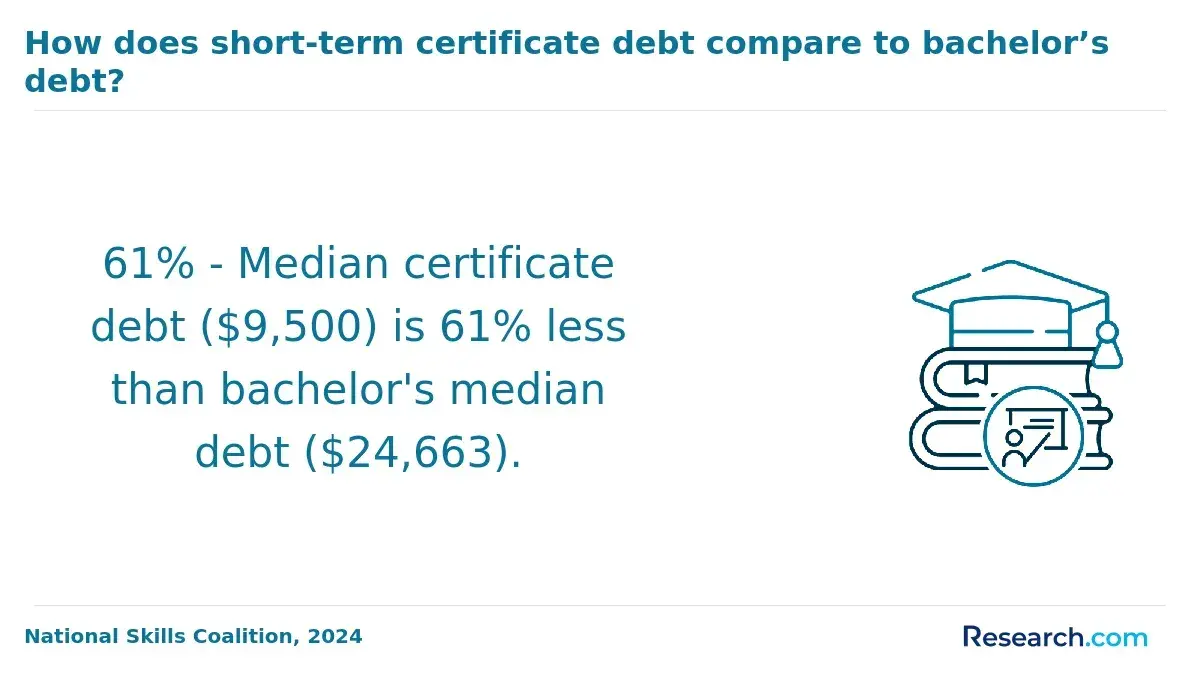
| Certificate in Creative Writing | Test the field, improve craft, or add skills without committing to a full degree | Lower time commitment and often easier admission | Usually less valuable than a degree for roles requiring a bachelor's or graduate credential |
For novelists, program design matters more than the label alone. Look for fiction workshops, long-form narrative courses, revision requirements, genre options, publishing courses, and a final portfolio or manuscript project.
Students who want a creative degree but are unsure that fiction is the only path can also compare related online programs. For example, a game design and development degree may make more sense for writers interested in interactive narrative, worldbuilding, and story design for games.
How do online creative writing degrees differ from campus programs?
Online creative writing degrees usually deliver the same academic credential as campus programs, but the learning experience is different. The biggest differences are workshop format, scheduling, community-building, and access to live events such as readings or residencies.
The table below summarizes the practical differences that matter most to novel writers. It can help you decide whether online learning supports your writing habits or whether you need the structure of a campus workshop:
| Feature | Online creative writing degree | Campus creative writing degree |
| Workshop participation | Often asynchronous discussion boards, annotated drafts, peer critique, and occasional live sessions | Usually live classroom critique with real-time discussion |
| Schedule | Better for working adults, parents, military students, and students outside commuting distance | Better for students who want fixed class times and daily campus structure |
| Writing community | Can be strong if the program uses small cohorts, live workshops, and faculty mentoring | Often easier to build through campus events, readings, journals, and informal peer groups |
| Residency options | Some graduate programs include short campus residencies; others are fully online | Residency is built into the daily experience |
| Technology requirements | Requires comfort with learning platforms, file sharing, video meetings, and digital annotation | May use technology, but less of the core workshop experience depends on it |
Online programs can work especially well for novelists because writing is already a self-directed discipline. However, students who struggle without face-to-face accountability should choose programs with synchronous workshops, required mentorship meetings, or cohort-based pacing.
Is creative writing accreditation important for online degree programs?
Yes. Accreditation is important because it affects credit transfer, graduate school eligibility, employer recognition, and access to federal financial aid. In the United States, students should first check whether the institution is accredited by an accreditor recognized by the U.S. Department of Education or the Council for Higher Education Accreditation.
Creative writing itself usually does not require a specialized programmatic accreditor in the way nursing, social work, or education often does. That means institutional accreditation is the core quality check, followed by program-level evidence such as faculty credentials, curriculum depth, student publishing opportunities, and clear academic policies.
Before applying, students should verify the following items because they directly affect the value and usability of the degree:
- Institutional accreditation status through official accreditor or federal databases, not only the school's marketing page.
- Whether online students receive the same transcript and degree title as campus students.
- Transfer credit limits, residency requirements, and minimum credits that must be completed at the institution.
- Faculty experience in fiction, long-form prose, publishing, editing, or the student's preferred genre.
- Complaint history, student support availability, and clear refund or withdrawal policies.
A common mistake is assuming that a polished website means the program is reputable. Accreditation does not prove that a creative writing program is a perfect fit, but lack of recognized accreditation is a major red flag for degree-seeking students.
What courses are in an online creative writing degree?
Online creative writing degrees for novel writers usually combine craft, workshop, literature, editing, and professional-practice courses. A strong curriculum should help students move from isolated scenes to complete narratives, revised chapters, and a polished portfolio.
The table below shows common course areas and why each matters to a fiction writer. Course names vary by school, but the learning goals are similar across many reputable programs:
| Course area | What students learn | Why it matters for novel writing |
| Introduction to Creative Writing | Core craft concepts across fiction, poetry, nonfiction, and sometimes drama | Helps students understand narrative tools before specializing |
| Fiction Workshop | Draft submission, peer critique, revision, and close reading of student work | Builds the feedback discipline novelists need to improve chapters |
| Novel Writing or Long-Form Fiction | Plot structure, pacing, point of view, character arcs, and chapter development | Directly supports manuscript planning and sustained storytelling |
| Literature Courses | Study of novels, short fiction, literary movements, genre traditions, and critical methods | Shows how successful writers solve craft problems across time and genre |
| Revision and Editing | Line editing, developmental editing, proofreading, and rewriting strategies | Teaches students to improve a manuscript beyond the first draft |
| Publishing and Professional Practice | Query letters, literary journals, agents, small presses, self-publishing basics, and author platforms | Helps students understand how writing reaches readers |
| Capstone, Portfolio, or Thesis | Final collection, manuscript excerpt, full thesis, or polished writing portfolio | Creates a concrete outcome that can support applications, submissions, or further study |
Novelists should pay close attention to how many courses allow long-form fiction rather than only short stories. Short fiction workshops can be valuable, but students writing novels need sustained feedback on structure, continuity, character development, and revision over time.
What admissions requirements do online creative writing programs use?
Admissions requirements depend on degree level. Bachelor's programs usually emphasize academic readiness, while graduate programs often place more weight on a writing sample and statement of purpose.
Applicants should prepare different materials depending on whether they are applying to undergraduate, graduate, or certificate programs. The list below shows the requirements students most commonly encounter and why each one matters.
- Undergraduate application: Usually includes high school transcripts or GED documentation, prior college transcripts if applicable, and basic identity or residency information.
- Transfer evaluation: Important for students who have prior credits and want to reduce time and cost.
- Writing sample: More common in selective BA, BFA, MA, and MFA programs; fiction applicants may submit short stories, novel chapters, or a portfolio.
- Statement of purpose: Explains the applicant's writing goals, preferred genre, reasons for choosing the program, and readiness for critique.
- Letters of recommendation: Often required for graduate programs and sometimes optional for undergraduate admission.
- Minimum GPA: Varies by school and degree level; some programs allow conditional admission or holistic review.
Graduate creative writing applicants should not rush the writing sample. A polished sample usually matters more than a long sample. It should show control of scene, voice, character, pacing, and revision rather than simply demonstrating that the applicant has started a novel.
How long does an online creative writing degree take?
Program length depends on degree level, transfer credit, enrollment intensity, and whether the program uses traditional semesters, accelerated terms, or low-residency formats. Most bachelor's degrees require about 120 credits, while master's and MFA programs commonly require fewer credits but more advanced manuscript work.
The table below gives a practical timeline for planning. Actual completion time can change if students attend part time, pause enrollment, repeat courses, or transfer credits from another institution:
| Program type | Typical full-time timeline | Best for | Time-saving factors |
| Certificate in Creative Writing | Several months to about 1 year | Students testing the field or strengthening a portfolio | Short course sequence, no full general education core |
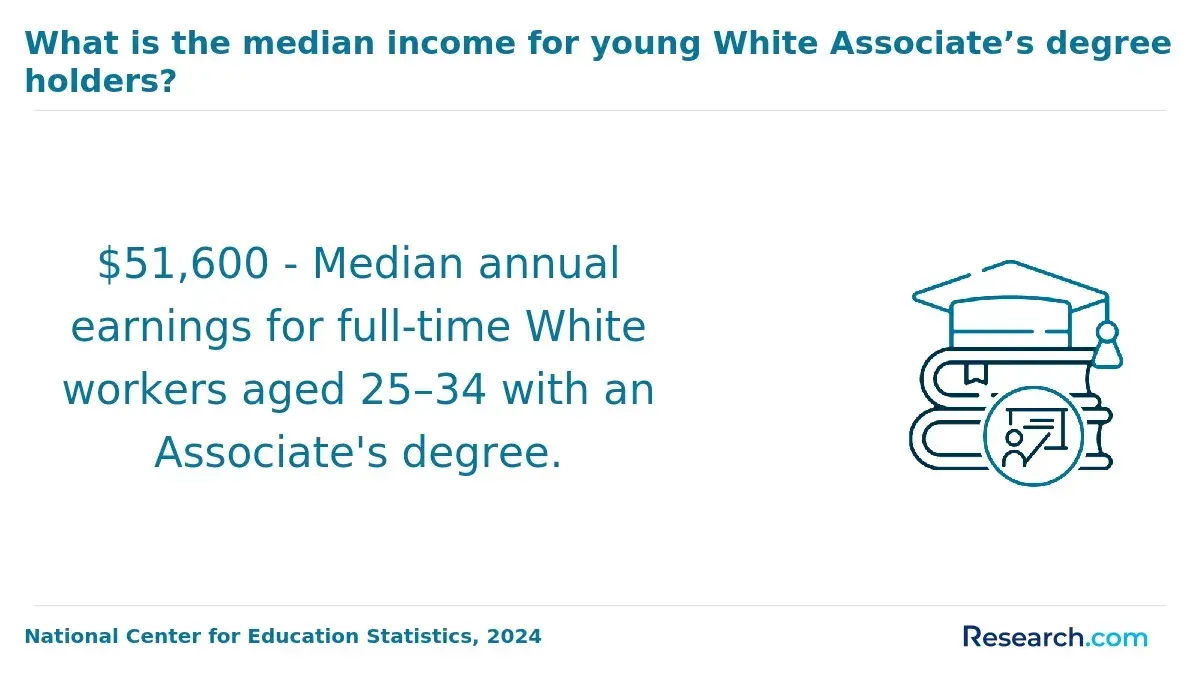
| Associate degree with writing or English focus | About 2 years | Students planning to transfer into a bachelor's program | Community college transfer pathways and lower-division credits |
| Bachelor's degree in English or Creative Writing | About 4 years | Students seeking a full undergraduate credential | Transfer credits, prior learning assessment, summer courses, accelerated terms |
| Master's degree in Creative Writing or English | About 1 to 2 years | Students who already have a bachelor's degree and want advanced study | Full-time enrollment and clear thesis planning |
| MFA in Creative Writing | About 2 to 3 years | Students seeking intensive manuscript development and advanced workshop training | Low-residency models, focused thesis progress, cohort structure |
Accelerated programs can be helpful, but faster is not always better for novel writing. Students need enough time to draft, receive critique, revise, and rethink major structural choices. A highly compressed program may work for a disciplined writer with an existing manuscript, but it may feel rushed for someone still learning craft fundamentals.
How much do online creative writing degrees cost?
Online creative writing degree costs vary by school type, residency rules, credit requirements, transfer credits, fees, and whether the program is undergraduate or graduate. College Board's 2024-25 tuition-and-fees benchmarks are useful for context, but online programs may charge different rates than campus programs.
- Public four-year in-state average published tuition and fees: $11,610.
- Public four-year out-of-state average published tuition and fees: $30,780.
- Private nonprofit four-year average published tuition and fees: $43,350.
Those figures are not creative-writing-specific prices, but they help students understand the broader tuition environment. The smarter comparison is total program cost: tuition, mandatory fees, books, technology costs, residency travel if required, and the number of credits left after transfer evaluation.
Students trying to control costs should compare affordable online options across majors, not just creative writing. A guide to a cheap bachelor degree online can help students understand how tuition models, transfer policies, and public-university options affect affordability.
Before enrolling, ask each school for a written cost estimate. Make sure it includes tuition per credit, online fees, graduation fees, residency expenses, payment-plan charges, and whether financial aid applies to the specific program format.
What careers can a creative writing degree lead to?
A creative writing degree can support fiction writing, but most novelists need a broader career plan. Book advances, royalties, freelance income, and self-publishing revenue are unpredictable, so many graduates use writing skills in communications, publishing, education support, marketing, editing, and digital content roles.
The table below shows common career directions connected to creative writing. It focuses on responsibilities rather than promising outcomes, because job requirements vary by employer, portfolio quality, experience, and location:
| Career path | Typical responsibilities | How a creative writing degree helps |
| Novelist or author | Drafts, revises, submits, publishes, markets, and manages long-form fiction projects | Builds craft, critique habits, revision discipline, and manuscript development skills |
| Editor or editorial assistant | Reviews manuscripts, checks structure, edits language, coordinates revisions, and supports publication workflows | Strengthens close reading, line editing, developmental feedback, and genre awareness |
| Content writer or copywriter | Creates articles, web copy, brand stories, email campaigns, and marketing content | Applies audience awareness, clarity, voice, and deadline-based writing practice |
| Technical or grant writer | Explains complex information, prepares proposals, and organizes documentation | Uses research, structure, revision, and reader-focused communication skills |
| Publishing assistant | Supports acquisitions, production, author communication, publicity, or rights workflows | Benefits from knowledge of manuscripts, genre conventions, and publishing processes |
| Writing tutor or academic support specialist | Helps students develop essays, arguments, drafts, and revision strategies | Uses workshop experience, feedback skills, and writing-process knowledge |
| Narrative designer or story developer | Creates characters, dialogue, branching storylines, lore, and worldbuilding for interactive media | Connects fiction craft with collaborative storytelling and digital production |
Technology is changing these careers. Generative AI tools can assist with brainstorming, outlining, summarizing, and copy variation, but employers still need writers who can judge quality, voice, originality, audience fit, and ethics. Novelists should learn to use AI carefully without outsourcing the creative judgment that makes their work distinctive.
Creative writers who are drawn to visual and spatial storytelling may also compare adjacent fields. An architecture degree online is a very different path, but it may interest students who want structured design training rather than a primarily text-based creative career.
How much do novel writers earn in the United States?
Novel writer earnings vary more than salaries in many traditional careers because income can come from advances, royalties, self-publishing sales, speaking, teaching, freelance work, editing, and full-time writing jobs. A debut novelist may earn little from fiction alone, while an established author with a backlist, active readership, or media rights may earn substantially more.
The best national benchmark is the broader writers and authors category. The U.S. Bureau of Labor Statistics reported a 2024 median annual wage of $72,270 for writers and authors. This figure includes many types of writers, not only novelists, so students should treat it as labor-market context rather than a prediction of book income.
The table below separates common income models so readers can compare stability and risk. This is important because the same creative writing degree can support both artistic and employment-based paths:
| Income model | How money is typically earned | Stability considerations |
| Traditional publishing | Advance payments, royalties, subsidiary rights, and sometimes speaking or teaching opportunities | Highly competitive; income depends on contract terms, sales, agent representation, and publisher support |
| Self-publishing | Direct book sales, subscription platforms, series readership, audiobooks, and marketing funnels | Greater control, but the writer often pays for editing, cover design, advertising, and production |
| Writing-related employment | Salary or hourly pay from content, communications, editing, technical writing, or education-support roles | More predictable than book income, but may leave less time for fiction |
| Hybrid writing career | Combination of books, freelance work, teaching, editing, and full-time or part-time employment | Common for novelists because it spreads risk across multiple income sources |
Students evaluating return on investment should be realistic. A creative writing degree can improve craft and expand professional options, but it does not guarantee publication, representation, or a specific income level.
How do you choose a reputable online creative writing program?
Choosing a reputable online creative writing program means looking beyond rankings and reading the academic details closely. The best program for a novelist should offer recognized accreditation, strong fiction faculty, meaningful feedback, transparent costs, and a curriculum that supports long-form writing.
Use the steps below before you apply or deposit. They are designed to help you compare programs on evidence rather than marketing language:
- Verify institutional accreditation through an official accreditor or federal database before reviewing anything else.
- Read the curriculum and confirm that fiction, novel writing, revision, literature, and portfolio or thesis work are included.
- Check workshop structure, including class size, critique format, faculty interaction, and whether students receive feedback on longer manuscripts.
- Review faculty backgrounds to see whether instructors publish or work in fiction, editing, publishing, genre writing, or the student's area of interest.
- Ask whether online students have access to writing centers, libraries, career services, literary journals, readings, internships, and alumni networks.
- Request a full cost estimate and compare it with transfer-credit options, scholarships, employer tuition benefits, and federal aid eligibility.
- Look for student outcomes that are specific and verifiable, such as portfolio expectations, internship access, graduate placement support, or alumni publication examples.
- Avoid programs that pressure you to enroll quickly, hide fees, lack recognized accreditation, promise publication, or cannot explain how online workshops operate.
Students who like creative writing but want stronger quantitative or technical career flexibility may compare alternatives before committing. For example, an online math bachelor's degree serves a very different goal, but it may be a better fit for students who want analytical career paths while writing fiction independently.
A good final test is simple: can the program explain exactly how it will help you produce better writing? If the answer is vague, keep comparing.
Other Things You Should Know About Creative Writing
Often, yes, but policies and faculty interests vary. If you write fantasy, romance, mystery, horror, science fiction, or young adult fiction, look for genre-friendly workshops, faculty with relevant experience, and course descriptions that mention popular fiction or long-form narrative.
They should. Strong programs use peer critique, instructor notes, revision assignments, live discussions, and portfolio review. Before enrolling, ask how often students submit creative work and whether feedback comes only from classmates or also from faculty.
Finishing a novel before applying to an MFA program demonstrates commitment and provides a portfolio piece that shows your writing capability. This can strengthen your application, as it highlights your dedication to the craft and offers faculty a concrete example of your narrative skills.
Yes, many online programs are designed for working adults. Part-time enrollment is often the safer choice if you need time for reading, drafting, critique, and revision alongside professional or family responsibilities.
References
- Key Takeaways from the Authors Guild's 2023 Author Income Survey https://authorsguild.org/news/key-takeaways-from-2023-author-income-survey/
- 25 best creative writing courses and classes you can’t afford to miss – Creativindie https://www.creativindie.com/best-online-writing-courses-for-authors/
- Jobs you can do with a creative writing degree https://www.whatuni.com/advice/career-advice/10-jobs-you-can-do-with-a-creative-writing-degree/57602/
- How to choose the best online creative writing course step-by-step https://nationalcentreforwriting.org.uk/writing-hub/best-online-creative-writing-courses/
- Creative Writing BA(Hons) (Online) https://www.falmouth.ac.uk/study/online/undergraduate/creative-writing
- Creative Writing Degree | Online Creative Writing Degree https://www.creativewritingedu.org/degree-creative-writing/
- Making a Living as a Writer — Jennifer Ellis - Writing https://www.jenniferellis.ca/making-a-living-as-a-writer
- Ursula K. Le Guin — Ursula on Writing: What Writers Get Paid and How https://www.ursulakleguin.com/what-writers-get-paid-and-how
- Best Online Creative Writing Degrees 2026 https://www.onlineu.com/degrees/creative-writing
- BA Hons Creative Writing Enrolment Form https://www.oca.ac.uk/courses/ba-creative-writing/