2027 Online Creative Writing Degrees for Students Re-entering College

Co-Founder and Chief Data Scientist
Re-entering college can feel complicated when you want a creative degree that also supports practical career goals. Online creative writing programs can help adults build portfolios, finish unfinished credits, and prepare for writing, editing, communications, and publishing-related roles.
The U.S. Bureau of Labor Statistics projects employment for writers and authors to grow 5% from 2023 to 2033, making skill quality and portfolio strength especially important. This guide explains degree options, costs, accreditation, admissions, careers, and red flags so you can choose a program with clearer expectations.
Key Things You Should Know
- Online creative writing degrees are usually offered as certificates, associate degrees, bachelor's degrees, master's degrees, or MFAs, with bachelor's programs commonly requiring about 120 credits and graduate programs often requiring 36 to 60 credits.
- College Board's 2024 pricing data lists average published 2024-25 tuition and fees at $11,610 for in-state public four-year colleges and $43,350 for private nonprofit four-year colleges, so transfer credit and total program length matter heavily for returning students.
- BLS 2024 wage data shows median annual pay of $73,690 for writers and authors, $75,260 for editors, and $91,670 for technical writers, but outcomes vary by portfolio, industry, experience, location, and writing specialty.
What is an online creative writing degree and how does it work for returning students?
An online creative writing degree is a college program that teaches students how to write, revise, critique, and publish original work across forms such as fiction, poetry, creative nonfiction, screenwriting, digital storytelling, and professional writing. For students re-entering college, the key advantage is that many programs are built around asynchronous coursework, allowing you to complete weekly readings, workshops, and revisions around work and family responsibilities.
Most online programs use a learning management system for lectures, discussion boards, peer critique, instructor feedback, and file submissions. Creative writing courses often rely less on exams and more on drafts, revision notes, reading responses, and final portfolios. That structure can be a good fit for adults who are self-directed, comfortable receiving feedback, and interested in producing polished work over time.
The degree can make sense if you want structured mentorship, a stronger writing portfolio, a credential for communications-related roles, or a path toward graduate study. It may not be the best investment if your only goal is to publish a book quickly, because publishing depends on market fit, persistence, networking, revision, and business decisions beyond the degree itself.
How do online creative writing programs compare to campus-based options for adult learners?
Online and campus-based creative writing programs can both be academically serious, but they create different learning conditions. Returning students should compare format, schedule, workshop style, networking access, and how much structure they need to stay on track.
| Comparison area | Online creative writing program | Campus-based creative writing program | Best fit for returning students |
| Schedule | Often asynchronous or hybrid, with weekly deadlines | Usually scheduled class meetings | Online works better for students balancing jobs, caregiving, or unpredictable hours |
| Workshop experience | Feedback often happens through written critiques, discussion boards, video meetings, or annotated drafts | Feedback often happens in live classroom workshops | Choose online if you prefer time to reflect before responding; choose campus if you thrive in live discussion |
| Networking | May include virtual readings, online literary journals, remote internships, and faculty conferences | May include campus readings, local literary events, and in-person peer groups | Campus may offer stronger local community; online may offer broader geographic access |
| Cost considerations | Can reduce relocation, commuting, and parking expenses, but tuition varies widely | May involve housing, transportation, and campus fees | Online can be more flexible, but students should compare total cost, not tuition alone |
| Learning style | Requires strong time management and comfort with digital tools | Provides more physical structure and immediate face-to-face accountability | Online is strongest for independent learners; campus may be better for students who need routine |
The biggest mistake is assuming online automatically means easier or lower quality. A strong online creative writing program should still require substantial reading, revision, critique, faculty interaction, and portfolio development.
What types of online creative writing degrees can re-entering college students pursue?
Returning students can pursue creative writing at several academic levels. The right choice depends on how many credits you already have, whether you need a first degree, and whether your goal is career entry, career change, graduate study, or personal artistic growth.
| Credential | Typical purpose | Common student profile | Important trade-off |
| Undergraduate certificate | Build focused writing skills without completing a full degree | Students who already have a degree or want a low-commitment option | Shorter and often less expensive, but may not meet degree requirements for employers that require a bachelor's |
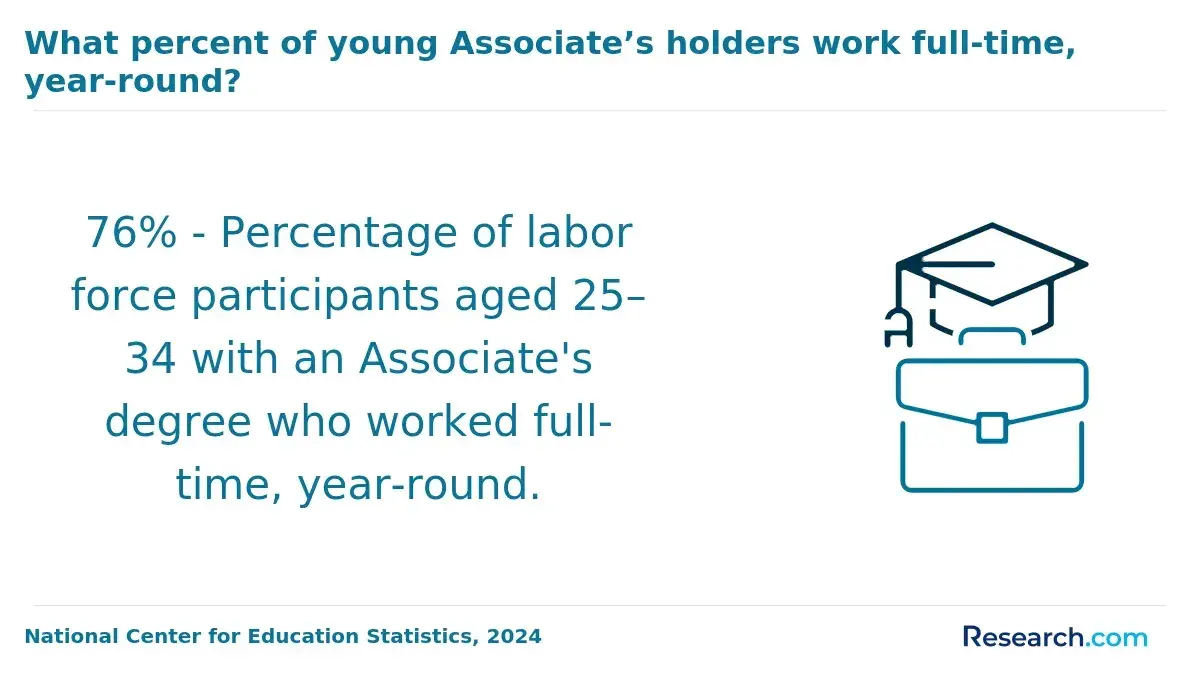
| Associate degree | Complete lower-division coursework and explore creative writing, English, or communications | Students restarting college with few prior credits | Can be affordable, but career options may be limited without a bachelor's |
| Bachelor's degree | Develop writing, literature, editing, research, and communication skills | Students seeking a first four-year credential or finishing credits started earlier | Broader career utility, but requires more time and credits |
| Master's degree | Advance craft, literary analysis, professional writing, or teaching preparation | Students with a bachelor's who want advanced study but may not need an MFA | Can deepen expertise, but career payoff depends on goals and industry |
| Master of Fine Arts | Intensive creative practice, manuscript development, and advanced workshop training | Writers seeking high-level mentorship, teaching preparation, or a terminal creative degree | Often demanding and portfolio-centered; applicants should evaluate funding and career fit carefully |
If your main goal is simply to complete a bachelor's as efficiently as possible, compare creative writing with broader options such as an easiest bachelor's degree pathway. Creative writing can be rewarding, but it is still reading- and revision-intensive, so it should match your interests rather than serve only as a quick completion strategy.
How can students verify that an online creative writing program is properly accredited?
Accreditation is one of the most important checks before enrolling because it affects credit transfer, federal financial aid eligibility, graduate school recognition, and employer confidence. For creative writing, the most important form is usually institutional accreditation from an accreditor recognized by the U.S. Department of Education or the Council for Higher Education Accreditation.
Use a step-by-step verification process before you submit an application fee or sign an enrollment agreement:
- Confirm the school's exact legal name, because some institutions use similar brand names or operate multiple campuses.
- Search the U.S. Department of Education's Database of Accredited Postsecondary Institutions and Programs or the Council for Higher Education Accreditation directory for the institution.
- Check whether the accreditation is current, whether there are sanctions, and which campus or online division is covered.
- Ask the admissions office whether online students earn the same degree as campus students and whether the transcript identifies the delivery format.
- Verify transfer policies with both the school you are entering and any school where you may later continue your education.
Creative writing programs usually do not require specialized programmatic accreditation the way nursing, counseling, or teacher preparation programs may. However, if your plan includes teaching in K-12 schools, you must separately confirm state educator preparation and licensure requirements because a creative writing degree alone may not meet them.
What coursework and specializations are typically offered in online creative writing programs?
Creative writing coursework typically combines craft study, literature, revision practice, and portfolio development. The strongest programs help students connect artistic work with practical writing skills that can transfer into publishing, communications, editing, marketing, or graduate study.
| Course or specialization area | What students usually practice | Why it matters |
| Fiction writing | Character, plot, dialogue, point of view, scene structure, and revision | Builds narrative craft for short stories, novels, games, scripts, and brand storytelling |
| Poetry | Imagery, rhythm, form, compression, voice, and line editing | Strengthens precision, language control, and stylistic range |
| Creative nonfiction | Memoir, essays, researched narrative, ethics, and scene-based nonfiction | Useful for essays, long-form journalism, personal narrative, and content work |
| Screenwriting or playwriting | Dialogue, pacing, visual storytelling, scene construction, and script formatting | Supports writing for film, theater, television, games, and multimedia projects |
| Editing and publishing | Copyediting, developmental editing, literary magazine production, and publishing workflows | Helps students understand how manuscripts become publishable work |
| Professional and digital writing | Audience analysis, web writing, content strategy, technical clarity, and multimodal storytelling | Connects creative skill with workplace writing needs |
Students interested in visual storytelling, publishing design, or digital media may also compare creative writing with an online graphic design degree. That comparison is especially useful if you want to work on books, comics, marketing campaigns, websites, or multimedia narratives where words and visuals are closely connected.
Before enrolling, review sample syllabi or course descriptions for evidence of substantial feedback. A program that promises creativity but offers little revision, critique, or portfolio work may not provide the depth returning students need.
What admission requirements do online creative writing degrees have for returning students?
Admission requirements vary by degree level, but returning students should expect schools to evaluate both academic history and readiness for college-level writing. Many adult learners worry about old grades, stopped-out credits, or transcript gaps; those issues are common and usually manageable if you prepare early.
Typical application requirements may include the following items, depending on the credential level:
- Official transcripts from every college previously attended, even if the credits are old or incomplete.
- A high school transcript, GED record, or equivalent documentation for undergraduate admission if you have limited college credit.
- A personal statement explaining your goals, educational history, and reason for returning to college.
- A writing sample or creative portfolio, especially for selective bachelor's concentrations, graduate programs, or MFA programs.
- Letters of recommendation for many graduate programs and some competitive undergraduate programs.
- English placement, transfer evaluation, or general education review for students entering with prior credits.
Returning students should request transcripts before applying because transcript delays can slow admission and financial aid processing. If your prior GPA is low, ask whether the school offers academic renewal, probationary admission, conditional admission, or a transfer pathway through a community college.
A common mistake is submitting only polished creative work and ignoring the personal statement. Admissions reviewers often want to see whether you understand the workload, can accept critique, and have realistic goals for the degree.
How long do online creative writing programs take, and what do they cost?
Program length depends on degree level, transfer credit, course load, and whether you study year-round. Returning students should ask for a written degree plan showing exactly how many credits remain after transfer evaluation, because advertised completion times often assume a student starts with a specific number of accepted credits.
| Program type | Common credit range | Typical time pattern | Key cost variable |
| Certificate | Often 12 to 24 credits | Several months to about one year | Whether credits can later apply to a degree |
| Associate degree | About 60 credits | Two years full time, longer part time | Community college tuition and transfer agreements |
| Bachelor's degree | About 120 credits | Four years full time from the beginning, shorter with transfer credit | Accepted prior credits and upper-division tuition |
| Master's or MFA | Often 36 to 60 credits | One to three years depending on format and residency requirements | Graduate tuition, residency travel, and assistantship availability |
For a national cost benchmark, College Board's 2024 Trends in College Pricing reports the following average published tuition and fees for 2024-25:
- $11,610 for in-state students at public four-year colleges
- $30,780 for out-of-state students at public four-year colleges
- $43,350 at private nonprofit four-year colleges
These figures are not online creative writing prices specifically, but they help you judge whether a program's tuition is above or below broad national benchmarks. Online students should also compare technology fees, graduation fees, course materials, residency travel, and whether tuition is charged per credit or as a flat term rate.
Financing also matters because federal student loans became more expensive for many borrowers in the 2024-25 award year, with Direct Subsidized and Unsubsidized Loans for undergraduates carrying a 6.53% fixed interest rate and graduate Direct Unsubsidized Loans carrying an 8.08% fixed interest rate. That means reducing borrowed credits through transfer evaluation, employer tuition assistance, scholarships, and lower-cost institutions can affect total repayment cost.
If affordability is your top priority, compare creative writing programs with broader lists of the cheapest bachelor degree online options. The lowest tuition is not always the best choice, but it can help you identify schools worth evaluating for accreditation, transfer policy, and curriculum fit.
What creative writing careers can graduates pursue and what do these roles involve?
Creative writing graduates do not all become novelists or poets. Many use writing, editing, storytelling, audience analysis, and revision skills in communications, publishing, marketing, education support, media, nonprofit, and corporate roles. The strongest career outcomes usually come from combining the degree with a portfolio, internships, publication credits, technical tools, or industry-specific knowledge.
| Career path | Typical responsibilities | Helpful preparation |
| Writer or author | Create fiction, nonfiction, scripts, essays, books, articles, or branded narrative content | Strong portfolio, revision discipline, publication strategy, and genre awareness |
| Editor | Review structure, clarity, grammar, style, accuracy, and audience fit for written work | Copyediting practice, style guides, publishing experience, and attention to detail |
| Content writer or copywriter | Write web pages, campaigns, product copy, newsletters, scripts, and social content | SEO basics, marketing knowledge, analytics familiarity, and adaptable voice |
| Technical writer | Translate complex information into manuals, guides, help content, and documentation | Clear explanation skills, subject-matter learning, software tools, and usability awareness |
| Communications specialist | Develop internal messages, press materials, speeches, stories, and stakeholder content | Professional writing, audience strategy, editing, and organizational judgment |
| Publishing assistant | Support acquisitions, editorial production, permissions, marketing, or literary magazine work | Knowledge of publishing workflows, proofreading, and professional communication |
Creative writing can also support freelance work, but freelancing is a business path as much as a writing path. Students who want independent work should learn contracts, pricing, client communication, taxes, revision boundaries, and portfolio marketing.
What is the salary outlook and job demand for creative writing-related careers?
Salary and job demand depend more on role, industry, experience, portfolio quality, and technical skills than on the creative writing degree title alone. BLS wage data is useful for context, but it should not be treated as a promise of what an individual graduate will earn.
| Occupation | Median annual wage, May 2024 | Projected employment change, 2023 to 2033 | What the data suggests |
| Writers and authors | $73,690 | 5% growth | Opportunities exist, but competition can be strong because many people want creative and flexible writing work |
| Editors | $75,260 | Decline expected | Editing skills remain valuable, but applicants may need digital publishing, content strategy, or specialized subject knowledge |
| Technical writers | $91,670 | 4% growth | Writers who can explain complex products, software, health, science, or policy topics may find stronger wage potential |
| Public relations specialists | $69,780 | 6% growth | Strong writing can transfer well into communications roles that require audience judgment and fast revision |
AI is also changing the writing labor market. Employers increasingly expect writers to understand content strategy, fact-checking, voice control, audience needs, ethical AI use, and revision of machine-generated drafts. For returning students, this means a degree program is stronger when it teaches human judgment, research, editing, and originality rather than only basic composition.
The practical takeaway is to build a portfolio that targets a specific market. A student seeking literary publishing may need manuscripts and publication credits, while a student targeting technical writing may need documentation samples, software familiarity, and examples that explain complex information clearly.
How can returning students choose a reputable online creative writing program that fits their goals?
A reputable online creative writing program should fit your academic history, budget, writing goals, schedule, and career plan. Instead of choosing based only on a school's name or a ranking, compare programs using evidence you can verify.
Use the following checklist before enrolling:
- Confirm institutional accreditation through recognized databases and save a copy of what you find.
- Request a transfer credit evaluation before committing, especially if you previously attended multiple colleges.
- Ask whether online courses are asynchronous, synchronous, hybrid, or residency-based, and confirm any required campus visits.
- Review faculty backgrounds to see whether instructors publish, edit, teach, or work in fields connected to your goals.
- Look for portfolio-based coursework, workshops, revision cycles, and opportunities for publication or professional writing samples.
- Compare total cost, including fees, books, residency travel, technology, and the number of credits you still need.
- Ask career services how they support writers, editors, communications students, freelancers, and graduate school applicants.
- Check student support services such as tutoring, library access, disability accommodations, advising, and adult learner resources.
Red flags include pressure to enroll immediately, unclear accreditation claims, no written transfer estimate, vague tuition explanations, limited faculty information, or promises that the degree will lead to a specific income or publishing outcome. Students using military benefits or exploring visual creative fields may also want to compare writing programs with options such as a photography degree online for veterans if their long-term goal involves multimedia storytelling.
The best program is not necessarily the fastest, cheapest, or most selective. It is the one that gives you a credible credential, meaningful feedback, manageable cost, and a realistic path toward the kind of writing life or writing-related career you want.
Other Things You Should Know About Creative Writing
A degree is not required to publish books, stories, essays, or poems. The degree can help by providing structure, feedback, reading depth, and deadlines, but publication depends on the quality of the work, revision, persistence, submissions, market fit, and sometimes representation.
In most cases, students retain copyright to their original creative work, but policies can vary for school-sponsored publications, collaborative projects, or work created under employment or assistantship arrangements. Review the student handbook and ask the program directly if you plan to submit or commercialize class projects.
Most students need reliable internet, word processing software, video meeting access, and the ability to upload documents. Some courses may use screenwriting software, publishing tools, learning platforms, library databases, or digital portfolio systems.
References
- Creative Writing MFA https://www.fullsail.edu/degrees/creative-writing-mfa
- Is Your Online Degree Legitimate? How to Verify Private University Approval https://matchtocollege.com/blog/verify-private-university-online-degree-approval
- Creative Writing: Exciting Career Paths https://www.creativewritingacademy.uk/blog/creative-writing--exciting-career-paths
- Online Creative Writing Courses https://www.interlochen.org/online/online-creative-writing-courses
- How to choose the best online creative writing course step-by-step https://nationalcentreforwriting.org.uk/writing-hub/best-online-creative-writing-courses/
- Creative Writers Career Guide: Salary, Skills, Education & Outlook https://www.assessment.com/arts-and-design-careers/creative-writers
- Creative Writing Classes for Adults: Everything to Know | Writers.com https://writers.com/creative-writing-classes-for-adults
- 15 Inspiring Online Creative Writing Courses | Blog | Domestika https://www.domestika.org/en/blog/8475-15-inspiring-online-creative-writing-courses
- The MFA Checklist: Keys to Choosing Graduate Writing Programs - Dronile Hiraldo https://dronilehiraldo.com/choosing-a-graduate-writing-program/