2027 Best Online Bachelor's in Creative Writing With Asynchronous Coursework

Co-Founder and Chief Data Scientist
Choosing an online bachelor's in creative writing is really a decision about flexibility, portfolio growth, and career fit. The U.S. Bureau of Labor Statistics' 2024 Occupational Outlook Handbook projects 5% growth for writers and authors from 2023 to 2033, so strong writing skills still matter even as AI changes content work.
This guide is for students who need asynchronous coursework, want an accredited degree, and need help comparing schools, costs, admissions, curriculum, and career outcomes before enrolling.
Key Things You Should Know
- Most online creative writing bachelor's programs require about 120 credits and are designed for students who need flexible weekly deadlines rather than scheduled campus attendance.
- College Board's 2024 pricing data shows a wide tuition gap across institution types, so transfer credits, residency status, and online fees can matter as much as the posted per-credit rate.
- BLS 2024 outlook data shows stronger growth in adjacent writing fields such as public relations and marketing management than in traditional editing, making portfolio breadth important.
What is an online bachelor's in creative writing with asynchronous coursework?
An online bachelor's in creative writing with asynchronous coursework is a four-year undergraduate degree that teaches fiction, poetry, screenwriting, creative nonfiction, professional writing, editing, literary analysis, and digital storytelling through an online learning platform. "Asynchronous" means students usually do not have to log in at a fixed class time. Instead, they complete readings, workshop comments, drafts, discussions, quizzes, and projects by weekly or module-based deadlines.
This format is best for students who need control over when they study, including working adults, military students, caregivers, transfer students, and learners in different time zones. It can also work well for writers who need quiet drafting time before submitting work to a class workshop.
The strongest programs do more than assign writing exercises. They help students build a polished portfolio, understand publishing and revision, practice genre conventions, and develop marketable communication skills. A good online creative writing degree should connect artistic development with practical skills such as copyediting, content strategy, research, audience analysis, and professional collaboration.
Students should know the difference between a creative writing major and a general English degree. English programs often emphasize literature, interpretation, rhetoric, and research. Creative writing programs usually include literature, but they add more workshop-based writing and portfolio development. Some schools combine both areas in a degree such as "English and Creative Writing," which can be useful for students who want both literary depth and writing practice.
How does asynchronous online creative writing study compare with campus-based programs?
Asynchronous online study and campus-based creative writing programs can lead to similar academic outcomes when the school is accredited, the faculty are qualified, and the workshop structure is strong. The main difference is how students interact: online programs rely on written peer critique, learning management systems, recorded lectures, discussion boards, and scheduled deadlines, while campus programs offer face-to-face workshops, readings, literary events, and informal networking.
The table below compares the trade-offs that matter most when choosing between asynchronous online and campus-based creative writing study.
| Factor | Asynchronous online program | Campus-based program | Best fit |
| Schedule | Students complete coursework around weekly deadlines. | Students attend classes at set times. | Online works better for students balancing work, caregiving, or military obligations. |
| Workshop experience | Feedback is usually written and may be more reflective. | Feedback often happens live in class discussions. | Online fits students who prefer time to prepare detailed critiques; campus fits students who want live discussion. |
| Networking | Networking depends on virtual readings, faculty contact, and online writing communities. | Networking may include campus publications, local readings, and literary events. | Campus can be stronger for local arts communities; online can be broader geographically. |
| Cost and relocation | Students may avoid housing, commuting, and relocation costs. | Students may pay campus-related living costs. | Online is often more practical for students who cannot relocate. |
| Accountability | Requires self-management and comfort with written communication. | Provides more built-in structure through class meetings. | Campus may suit students who need frequent live accountability. |
Online is not automatically easier. In a writing-intensive degree, students should expect frequent drafting, revision, peer review, and reading. The best asynchronous programs create a steady rhythm: read, write, critique, revise, and reflect. Students who struggle with self-paced work should look for programs that provide clear module calendars, proactive advising, tutoring, and instructor feedback timelines.
Which accredited schools offer fully online creative writing bachelor's degrees?
Several accredited U.S. institutions offer fully online or online-friendly bachelor's programs in creative writing, English with creative writing, or professional writing with creative writing coursework. Because program names, delivery formats, and state authorization rules can change, students should verify the current catalog, accreditation status, and online availability before applying.
The schools below are examples of accredited options to consider, not a universal ranking. They are useful starting points because they offer online bachelor's-level writing pathways with creative writing, professional writing, or closely related coursework.
| School | Example online program | Accreditation type to verify | Why it may fit |
| Southern New Hampshire University | BA in Creative Writing and English | Institutional accreditation by a recognized accreditor | Good for students who want genre options, frequent start dates, and a broadly accessible online format. |
| National University | BA in Creative Writing or related writing pathway | Institutional accreditation by a recognized accreditor | May fit students who prefer shorter course blocks and a career-focused adult learner model. |
| Full Sail University | BFA in Creative Writing | Institutional accreditation by a recognized accreditor | Useful for students interested in entertainment, media, storytelling, and script-oriented projects. |
| Liberty University | Online English and writing pathway with creative writing coursework | Institutional accreditation by a recognized accreditor | May fit students seeking a large online university with flexible transfer policies. |
| Regent University | BA in English with writing-focused coursework | Institutional accreditation by a recognized accreditor | Can work for students who want literature, writing, and faith-based academic context. |
| Central Washington University | Professional and creative writing pathway with online availability to confirm | Institutional accreditation by a recognized accreditor | Worth considering for students who want a public university writing program with professional writing elements. |
When comparing schools, do not assume that "online" always means "fully asynchronous." Some programs include optional live sessions, required residencies, synchronous workshops, or timed assessments. Before enrolling, ask admissions whether every major course can be completed asynchronously and whether any campus visit, internship, practicum, or proctored exam is required.
What admission requirements and application materials do online creative writing programs expect?
Admission requirements for online creative writing bachelor's programs are usually similar to other online undergraduate degrees. Most schools ask for proof of high school completion or prior college coursework, while transfer-friendly programs may focus heavily on previous credits, GPA, and academic standing.
Applicants should prepare the following materials early because missing documents can delay admission, financial aid review, or transfer evaluation.
- Official high school transcript, GED documentation, or homeschool completion record, depending on the applicant's background.
- Official transcripts from every college previously attended, even if the student does not plan to transfer those credits.
- Completed online application and any required application fee or fee waiver request.
- Personal statement or writing sample if the program uses selective admission or scholarship review.
- FAFSA submission if the student plans to use federal financial aid, grants, loans, or work-study.
- Proof of English proficiency for applicants whose prior education was not completed in English, if required by the school.
A portfolio is not always required for bachelor's admission, but it can matter for scholarships, honors tracks, selective writing programs, or later capstone placement. If a school asks for a sample, submit polished work that shows control, voice, and revision. A short, clean story or essay is usually better than an ambitious piece with unresolved errors.
Transfer students should pay close attention to credit evaluation. A program that accepts many general education credits may still require students to complete most upper-division writing workshops at the home institution. Ask how many credits can transfer, how many must be completed in residence, and whether prior creative writing courses satisfy major requirements or only count as electives.
What courses and concentrations are typically included in an online creative writing curriculum?
An online creative writing curriculum typically combines general education, literature study, writing workshops, editing practice, and a final portfolio or capstone. The goal is to help students write original work, understand literary and media traditions, revise based on feedback, and apply writing skills in professional settings.
The table below summarizes common curriculum areas and why each one matters for academic and career readiness.
| Curriculum area | Typical courses | What students build |
| Creative writing workshops | Fiction, poetry, creative nonfiction, screenwriting, genre writing | Drafting, peer critique, revision, voice, structure, and portfolio pieces. |
| Literature and reading | American literature, world literature, contemporary fiction, literary theory | Knowledge of form, tradition, audience, and close reading. |
| Professional writing | Technical writing, business writing, editing, copywriting | Workplace communication skills that can support nonliterary career paths. |
| Digital and media writing | Writing for digital media, storytelling for games, scriptwriting, web content | Adaptability across platforms and formats. |
| Capstone or portfolio | Senior seminar, thesis project, final manuscript, professional portfolio | Evidence of writing ability for jobs, graduate school, or publication goals. |
Concentrations vary by school. Common options include fiction, poetry, screenwriting, creative nonfiction, genre fiction, publishing, professional writing, digital media writing, and technical communication. Students who want to write novels or literary work should prioritize workshop depth. Students who want steadier employment options should look for programs that include editing, content strategy, technical writing, and communications electives.
AI is also changing what students need to learn. Employers may expect writers to understand prompt drafting, AI-assisted research limits, fact-checking, originality, and brand voice. A strong program should not replace writing craft with tool use, but it should teach students how to use digital tools ethically while protecting accuracy, attribution, and creative ownership.
How long do online creative writing bachelor's programs take, and what do they cost?
Most bachelor's programs require about 120 credits. A first-time full-time student typically needs about four academic years, while transfer students may finish faster depending on accepted credits, course availability, and whether the school offers accelerated terms. Students comparing speed-focused options may also want to review accelerated degree programs online to understand how compressed terms affect workload.
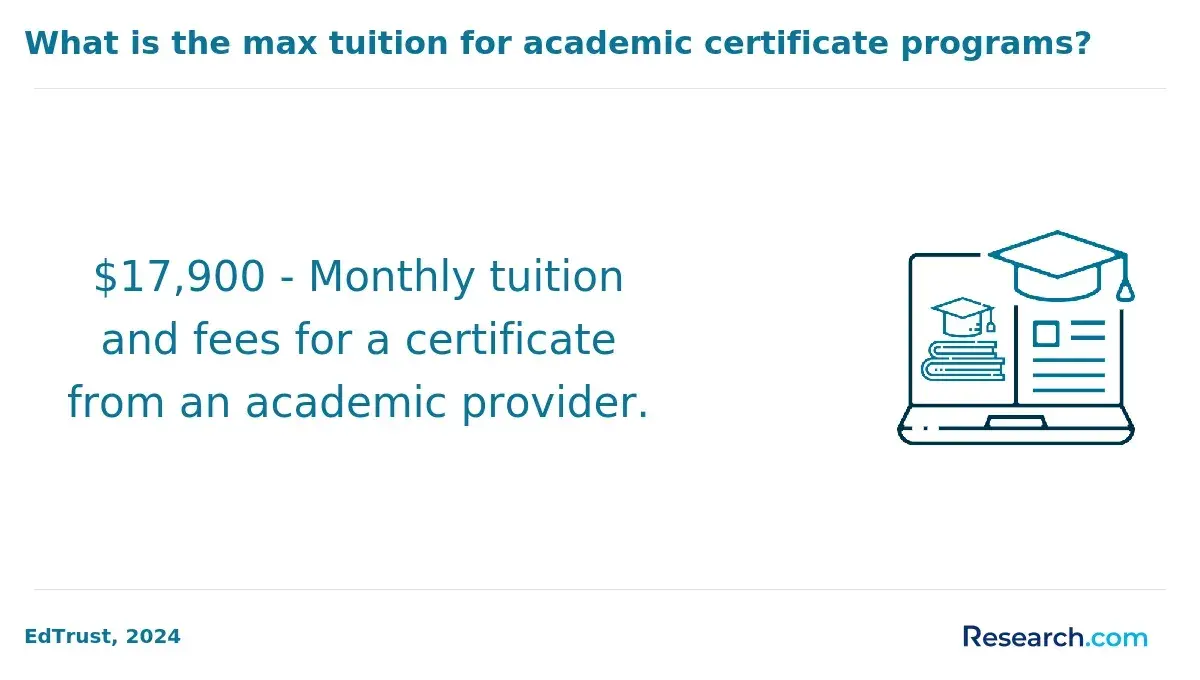
Published tuition is only one part of the cost picture. College Board's 2024 Trends in College Pricing reports these national tuition-and-fee benchmarks for the 2024-25 academic year, which can help students judge whether a quoted online rate is unusually high or low.
- Public four-year in-state tuition and fees averaged $11,610 for 2024-25.
- Private nonprofit four-year tuition and fees averaged $43,350 for 2024-25.
These figures are not online-program averages, but they are useful reference points. Online students may pay per-credit tuition, technology fees, course materials, transcript fees, graduation fees, and sometimes out-of-state rates. They may also save on relocation, campus housing, transportation, and parking.
Students can reduce total cost by approaching the degree strategically. The steps below are practical ways to compare affordability beyond the advertised tuition rate.
- Ask for a written total-cost estimate based on your transfer credits, not a generic annual tuition figure.
- Confirm whether online students pay in-state, out-of-state, flat-rate, or separate online tuition.
- Request a degree audit before committing if you have prior college credits.
- Compare the cost of textbooks, digital access codes, software, and portfolio tools.
- Check whether scholarships apply to online students and whether they renew automatically.
- Estimate loan payments before borrowing, especially if you plan to enter a lower-paid writing or publishing role first.
The fastest program is not always the best value. Accelerated courses can help motivated students finish sooner, but writing workshops require time for drafting and revision. If a student is working full time, a slower pace may produce a stronger portfolio and lower the risk of withdrawing from courses.
What career paths can graduates with an online creative writing degree pursue?
Creative writing graduates can pursue literary, communications, media, education-adjacent, publishing, nonprofit, and business roles. The degree is most useful when students graduate with a strong portfolio and a practical understanding of audiences, deadlines, revision, and digital communication.
The table below shows common career directions and how creative writing training may apply in each area.
| Career path | Typical responsibilities | What to build during the degree |
| Author or freelance writer | Draft books, essays, stories, scripts, articles, or client content. | Publication samples, genre knowledge, revision discipline, and pitching skills. |
| Copywriter or content writer | Create marketing copy, web content, email campaigns, product descriptions, or brand stories. | Portfolio samples tied to audience, SEO basics, content strategy, and brand voice. |
| Editor or publishing assistant | Review manuscripts, proofread text, coordinate submissions, and support production workflows. | Editing experience, style guide knowledge, literary journal work, and attention to detail. |
| Technical writer | Translate complex information into manuals, help articles, documentation, or training materials. | Technical communication electives, research skills, and ability to write clearly for users. |
| Communications or public relations specialist | Write press releases, social content, newsletters, speeches, and organizational messaging. | Professional writing samples, media awareness, interviewing skills, and deadline management. |
| Game, film, or interactive media writer | Develop scripts, dialogue, story worlds, character arcs, or narrative documentation. | Screenwriting, narrative design samples, collaborative projects, and genre fluency. |
Students should choose electives based on the kind of work they want after graduation. Someone aiming for advertising or brand work may benefit from marketing, analytics, or business electives; someone more interested in management or entrepreneurship might compare this path with a cheap online business degree before deciding which degree offers the better fit.
This degree may not be the right investment for students who want a clearly licensed profession, such as nursing, accounting, or teaching in a public school system. Creative writing careers are often portfolio-driven and competitive. That does not make the degree impractical, but it means students should treat every course as a chance to produce samples they can show to employers, clients, graduate programs, or publishers.
What salary ranges and job outlook are associated with creative writing-related careers?
Creative writing-related salaries vary widely by role, region, industry, experience, and whether the worker is salaried, freelance, or self-employed. BLS data is helpful because it gives a national labor-market baseline, but it should not be read as a promise for any individual graduate.
The table below uses U.S. Bureau of Labor Statistics 2024 Occupational Outlook Handbook data to compare several writing-adjacent occupations by median pay and projected employment change from 2023 to 2033.
| Occupation | Median annual pay reported in BLS 2024 OOH | Projected employment change, 2023-2033 | How to interpret it |
| Writers and authors | $73,150 | 5% | Creative and professional writing skills remain relevant, but income can vary sharply for freelancers. |
| Editors | $75,020 | -2% | Traditional editing roles are competitive, so digital publishing and content operations skills can help. |
| Technical writers | $80,050 | 4% | This path can reward writers who can explain complex products, software, or procedures clearly. |
| Public relations specialists | $66,750 | 6% | Writing ability pairs well with media relations, social strategy, and organizational communication. |
| Advertising, promotions, and marketing managers | $156,580 | 8% | Higher pay usually reflects management responsibility, experience, and business strategy skills beyond writing alone. |
The outlook is mixed rather than universally strong. AI tools may reduce demand for routine content production, but they can also increase the value of writers who can verify facts, shape voice, interview sources, edit AI-assisted drafts, and produce original thinking. Students should prepare for a market where writing skill is necessary but often not sufficient by itself.
A practical career plan should include internships, campus publications, freelance samples, content management systems, basic analytics, and a portfolio website. Graduates who combine creative craft with technical, marketing, or communications skills may have more entry points than graduates who leave school with only workshop manuscripts.
How can students evaluate the quality and reputation of an online creative writing program?
Program quality depends on more than the school's brand name. Students should evaluate accreditation, curriculum fit, faculty engagement, transfer policy, student support, portfolio outcomes, and the actual online course design. A famous university with limited online support may be a worse fit than a less famous institution with strong advising, clear feedback, and robust writing workshops.
Use the checklist below when speaking with admissions counselors, department staff, or current students. These questions help reveal whether the program is built for online writers or simply adapted from campus courses.
- Verify institutional accreditation through a recognized accrediting agency and confirm that the degree is eligible for federal financial aid if you plan to use it.
- Ask whether major courses are fully asynchronous or whether any live sessions, campus visits, proctored exams, or residency requirements apply.
- Review faculty biographies to see whether instructors publish, edit, work in media, or bring professional writing experience.
- Request sample course schedules so you can judge weekly workload, workshop format, and revision expectations.
- Ask how peer critique is moderated and how quickly instructors typically return feedback.
- Confirm whether the program includes a capstone, portfolio review, internship option, literary journal, or publication opportunity.
- Compare student support services, including online tutoring, library access, career coaching, disability services, and academic advising.
Common red flags include vague accreditation language, pressure to enroll immediately, unclear transfer-credit rules, no public course catalog, limited faculty information, and promises of specific salaries or publication outcomes. Students should also be cautious if a program has creative writing in the title but offers very few actual writing workshops.
Some students discover during comparison that a different online major better matches their goals. For example, students who prefer quantitative problem-solving, analytics, or technical industries may want to compare writing programs with online math degrees before committing to a creative writing path.
Are there certificates, portfolios, or professional credentials that enhance creative writing careers?
Creative writing careers are portfolio-driven, so additional credentials can help when they produce evidence of skill. A certificate, workshop, internship, publication credit, or graduate degree is most valuable when it adds a concrete sample, specialized knowledge, or professional network.
Students considering add-on credentials should think about the career gap they are trying to close. The options below can strengthen a creative writing background when chosen strategically.
- Editing or publishing certificate for students who want work in book publishing, journals, academic publishing, or content operations.
- Technical writing certificate for students who want to move into software, healthcare, engineering, user documentation, or instructional content.
- Digital marketing or content strategy certificate for students pursuing copywriting, brand storytelling, SEO content, or social media roles.
- Portfolio website with writing samples, author bio, project descriptions, and contact information for freelance or employment opportunities.
- Internship or practicum in publishing, communications, media, nonprofit writing, or marketing to gain supervised experience.
- Literary journal, contest, or publication credits to show revision discipline and external editorial review.
A graduate degree can make sense for students who want advanced literary study, university teaching pathways, deeper manuscript development, or a stronger writing network. Students comparing graduate options should evaluate cost carefully; an MFA online may fit writers who need flexibility, but funding, mentorship quality, workshop culture, and thesis support matter more than format alone.
Do not collect credentials without a goal. A stronger strategy is to identify the job or writing outcome you want, find the missing skill, and choose the smallest credible credential that helps you prove it.
Other Things You Should Know About Creative Writing
Many students submit poems, essays, stories, scripts, or articles while enrolled. Check each course's policies on submitting class work elsewhere, and keep careful records of publication rights, simultaneous submissions, and contest rules.
In 2027, an online bachelor's degree in creative writing typically requires reading varied literary styles, essays, and critical analyses. Expect weekly reading assignments spanning novels, poetry, and short stories to cultivate diverse literary perspectives and support your creative development.
Often, yes, but it depends on the program and instructor. Students interested in fantasy, romance, horror, mystery, young adult fiction, or science fiction should look for genre-writing courses, faculty interests, and capstone flexibility.
Expect substantial reading. Strong writers study published work to understand structure, style, audience, and form. A program that requires both reading and writing usually provides better preparation than one focused only on producing drafts.
References
- Synchronous, Asynchronous, or Hybrid Learning: Which is Best for Students? https://campus.edu/blog/community-college/synchronous-asynchronous-hybrid-learning
- Creative Writer Certifications: Best Credentials to Advance Your Career | Teal https://www.tealhq.com/career-paths/creative-writer-certifications
- Which Writing Certification is Best? https://blog.nobledesktop.com/learn/writing/writing-certifications-and-certificates
- BA Hons Creative Writing Enrolment Form https://www.oca.ac.uk/courses/ba-creative-writing/
- How to choose the best online creative writing course step-by-step https://nationalcentreforwriting.org.uk/writing-hub/best-online-creative-writing-courses/
- Creative Writing Degree | Online Creative Writing Degree https://www.creativewritingedu.org/degree-creative-writing/
- Creative Writers Career Guide: Salary, Skills, Education & Outlook https://www.assessment.com/arts-and-design-careers/creative-writers
- Careers options in MA Creative Writing https://online.hull.ac.uk/courses/ma-creative-writing/careers
- 10 Considerations Before You Apply to a Creative Writing MFA Program — Set Your Muse on Fire! https://www.setyourmuseonfire.com/blog/10-considerations-before-you-apply-to-a-creative-writing-mfa-programnbspnbsp
- Online Creative Writing Certificate Programs vs. Traditional Writing Workshops: Which Is Best for You? https://www.interlochen.org/stories/online-creative-writing-certificate-programs-traditional-writing-workshops-best-for-you