
2027 How Much Does a Counselor Education Degree Program Cost? Tuition, Fees & Total Expense Breakdown

Co-Founder and Chief Data Scientist
Many students underestimate the true cost of a counselor education degree program due to rising tuition and hidden fees. Recent data shows that average tuition rates for these programs have increased by nearly 15% over the past five years, making budgeting more challenging. Understanding the full expense beyond just tuition is essential for accurate financial planning.
This article breaks down tuition, mandatory fees, and additional costs associated with counselor education programs. With this information, prospective students can better compare school options, plan their finances, and avoid unexpected expenses during their studies. Clear insights into these costs empower informed decisions about educational investment.
Key Benefits of Knowing the Counselor Education Degree Program Cost in 2026
- Knowing the total cost of a counselor education degree helps students plan finances effectively, avoiding unexpected debt and ensuring affordability over the entire program duration.
- Understanding detailed expenses, including tuition, fees, and materials, enables better comparison across schools, fostering smarter choices that align quality with budget.
- Breaking down costs highlights hidden fees such as practicum or licensing expenses, empowering students to anticipate all financial obligations tied to counselor education.
What Expenses Are Included in the Full Cost of a Counselor Education Degree?
Accurately planning for the full cost breakdown of counselor education degree requires understanding all expense components beyond just tuition. These costs vary widely depending on the institution and program format, but each plays a crucial role in the total financial commitment a student must make.
- Tuition: This is typically the largest expense, ranging from $7,000 to $30,000 annually for master's programs, influenced by whether a school is public or private and a student's residency status.
- Mandatory fees: Charged by institutions, these cover registration, campus facilities, technology, and student services, adding several hundred to a few thousand dollars yearly.
- Books and supplies: Counselor education programs require textbooks, manuals, and sometimes software, costing students approximately $500 to $1,200 per year based on course requirements.
- Technology requirements: Essential for coursework, particularly in hybrid or online settings, students must have a capable computer, reliable internet, and sometimes software subscriptions, though these costs are often not itemized.
- Clinical or lab fees: For programs with practicum or internships, fees cover supervision and facilities, ranging roughly from $1,000 to $3,000 per semester depending on program structure.
- Living expenses: Housing, meals, transportation, and personal costs can total between $12,000 and $18,000 annually, varying significantly by location as also noted in counselor education degree expenses and fees.
Prospective students comparing costs should also explore options like accelerated online bachelor's degree programs, which may offer different tuition and fee structures to better fit individual budgets.
What Is the Average Total Cost of a Counselor Education Degree Program in 2026?
In 2026, the average total cost of a counselor education degree program in the U.S. ranges from approximately $20,000 to $60,000. The total cost typically includes tuition, mandatory fees, supplies, and living expenses, all of which are important considerations for students planning their academic and financial futures. Public universities tend to offer more affordable options, generally charging between $15,000 and $25,000 for in-state students. Private institutions often have tuition costs exceeding $50,000. Online programs can sometimes reduce overall costs by minimizing fees related to campus facilities and commuting.
Several factors influence counselor education degree program expenses. These include the type of institution, the program's format, and its geographical location, with urban and coastal areas usually commanding higher costs. Additional expenses such as technology fees, student activity charges, and practicum costs may add $2,000 to $5,000. Program length also matters, as master's degrees commonly require two years, while doctoral programs extend longer, increasing cumulative expenses. For those interested in alternative academic pathways, exploring easy PhDs can be a helpful resource.
What Mandatory Fees Do Schools Charge for a Counselor Education Program in 2026?
Mandatory fees are charges separate from tuition that support essential services and resources critical to counselor education students. These required fees ensure access to technology, facilities, assessments, and practical learning opportunities, adding to the total cost beyond tuition alone.
Below is a breakdown of typical school fees for a counselor education degree students should consider.
- Technology fees: Cover access to online platforms, software licenses, and IT support, usually ranging from $100 to $500 per semester.
- Clinical or lab fees: Required due to practicum and internship demands, these fees fund supervision, materials, and placement services, typically between $200 and $600.
- Student services fees: Support counseling centers, workshops, and career services, generally costing $150 to $400 each term.
- Assessment and testing fees: Apply for standardized exams such as the National Counselor Examination (NCE), with costs ranging from $100 to $300.
- Campus facilities fees: Help maintain libraries, study spaces, and labs, usually amounting to $100 to $300 per semester.
For those exploring graduate studies and weighing investment in their future careers, it is helpful to review the masters that make the most money to align educational choices with long-term financial goals.
Are There Additional Program Fees for the Counselor Education Major in 2026?
Students enrolled in a counselor education program in 2026 should anticipate additional fees beyond regular tuition and university charges. These supplementary costs reflect the specialized nature of the field and cover essential resources and activities.
Common fees include the following:
- Lab and materials fees: Charges for access to counseling simulation labs or specialized equipment, typically ranging from $100 to $500 per semester.
- Program-specific software: Costs for licensed software used in assessment tools or data analysis, often between $50 and $200 annually.
- Licensing and certification preparation: Expenses related to study guides, preparatory courses, or materials required for licensure exams, usually falling between $200 and $600.
- Practicum and fieldwork costs: Fees for activities such as background checks, professional liability insurance, supervision, and travel during internships or practicum placements that add several hundred dollars to the total.
According to accreditation bodies like CACREP and institutional reports, these additional fees can increase total degree expenses by an estimated 10% to 20%. Prospective students are advised to review individual program details carefully to plan effectively for these necessary costs associated with counselor education training.
How Much Do Required Supplies or Equipment Cost for a Counselor Education Major?
Accurately estimating the cost of supplies and equipment is essential when budgeting for a counselor education program. These expenses contribute to the overall financial commitment beyond tuition and fees.
Common supplies necessary for this field include:
- Professional textbooks: Core reading materials required each semester, often costing between $100 and $300 depending on the course load.
- Specialized software: Programs for data analysis or virtual counseling simulations, sometimes supplied via subscriptions to platforms like Moodle or Zoom.
- Confidentiality tools: Secure notebooks or digital encryption software used to protect client records and maintain privacy.
- Audio/video recording devices: Equipment to record practice sessions, typically ranging from $50 to $200, to support skill development and supervision.
- Liability insurance: Professional coverage occasionally mandated during internships, with annual costs generally between $100 and $300.
These practical resources are necessary for hands-on training but represent a smaller financial impact compared with tuition expenses.
What Are the Typical Living, Food, and Travel Expenses for Counselor Education Students?
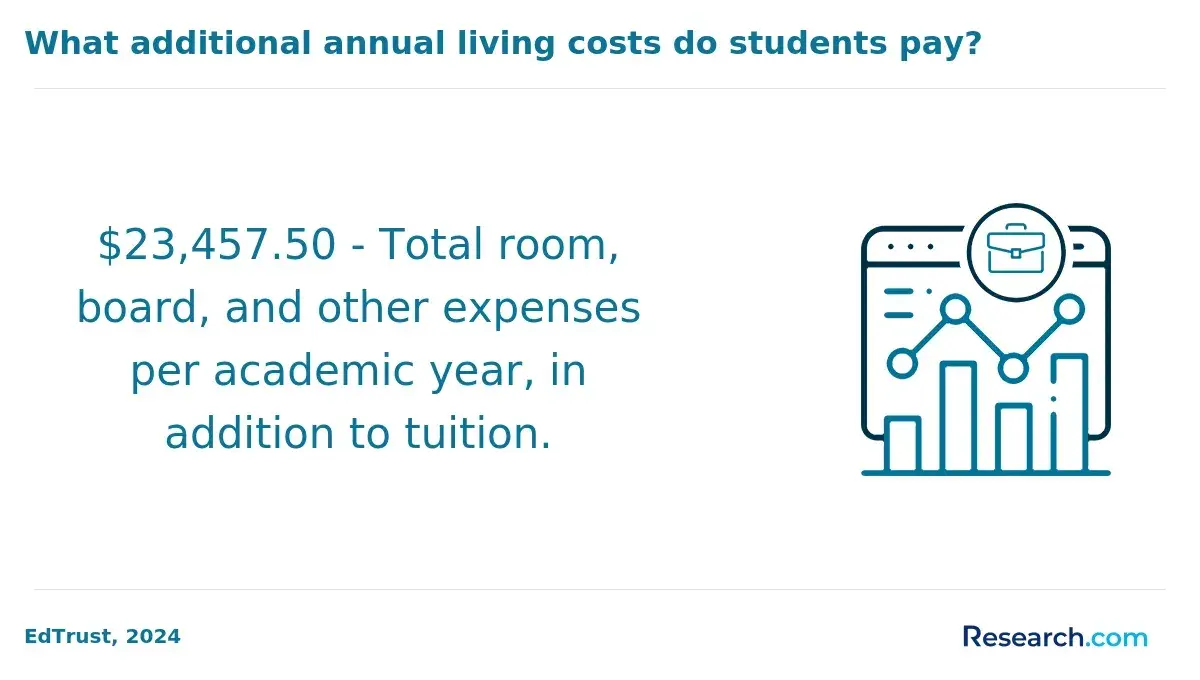
Living, food, and travel expenses form an essential portion of the overall costs for students pursuing a counselor education degree. These expenses fluctuate greatly based on geographic location, accommodation choices, and personal habits, making individual budgeting a key factor for managing affordability.
Several categories contribute to these variable costs, including:
- Housing: On-campus housing in metropolitan areas typically ranges from $8,000 to $15,000 annually, while off-campus rents may be lower but vary depending on neighborhood and amenities.
- Utilities and amenities: Costs for electricity, water, internet, and other services differ widely, often influenced by whether a student lives on or off campus.
- Groceries and dining: Food expenses commonly fall between $3,000 and $5,000 per year, with significant savings possible when preparing meals at home rather than relying on campus dining facilities or restaurants.
- Local transportation: Daily commuting costs include public transit passes or fuel and maintenance for personal vehicles, depending on the program's proximity to campus and local transit availability.
- Travel for internships or practicums: Off-site placements often require additional travel funds, with annual costs ranging from $1,000 to $2,500 based on distance and frequency of travel.
Do Counselor Education Programs Require Internships or Residencies that Add Cost?
Most counselor education programs require internships or residencies as essential parts of their curricula, designed to provide hands-on training in real counseling environments. These practical experiences are typically mandatory to fulfill state licensure requirements and to help students develop clinical skills. Internships often take place in settings such as mental health clinics, schools, or community organizations, with required supervised hours commonly ranging between 600 and 1,000 depending on the program and location. Because of their integral role, these placements contribute to the overall cost and duration of the degree.
Additional expenses associated with internships can include travel to placement sites, housing when internships are located away from home, professional liability insurance, background checks, health screenings, and necessary materials such as assessment tools. Although academic supervision fees are generally covered by the program, these out-of-pocket costs can add several thousand dollars to a student's budget. Careful planning and consultation with program advisors are recommended to effectively anticipate and manage these financial responsibilities.
Are Online Counselor Education Programs Cheaper Than On-Campus Programs in 2026?
Students in counselor education programs can generally switch between part-time and full-time enrollment, although this option is guided by institutional policies. Most schools require submission of a formal request or a change of enrollment form, which usually needs approval from an academic advisor or program coordinator. Before making this shift, students should reflect on several important factors to ensure their academic progress remains steady. These include how the change fits with their personal schedules and whether it aligns with program expectations. Careful planning helps avoid disruptions in meeting degree milestones.
Requirements to switch often include maintaining satisfactory academic standing and obtaining approval from advisors to coordinate course loads. Financial aid eligibility may change since many grants or loans require at least half-time enrollment. Course availability can also limit options-some classes needed for full-time study might not be offered every semester. Adjusting enrollment status may affect graduation timelines, as part-time study can prolong completion, while moving to full-time may demand balancing other life commitments.
How Much Does a Full-Time Counselor Education Program Cost Compared to Part-Time?
Deciding between full-time or part-time enrollment often depends on personal financial planning and professional commitments.
Full-time counselor education program cost 2026
- Tuition per credit: Full-time students typically pay between $400 and $700 per credit hour. Enrolling in 12 to 18 credits each semester leads to a higher immediate tuition expense compared to part-time enrollment.
- Total program cost: Annual tuition usually ranges from approximately $9,600 to $15,750 for 24 to 27 credits per academic year, enabling completion of the degree more quickly than part-time options.
- Mandatory fees: Fees such as technology, library, and student activities are charged per semester, often making up a smaller proportion of costs for full-time students compared to part-time peers.
- Supply and equipment costs: Textbooks and required software expenses are generally consistent per course but concentrated over a shorter program duration.
- Living and travel expenses: Full-time study compresses living and travel costs into a shorter timeframe, causing a larger financial burden upfront but potentially reducing long-term expenditures.
Part-time counselor education tuition and fees 2026
- Tuition per credit: Part-time learners commonly pay similar tuition rates per credit but enroll in fewer credits per semester (often 6 to 9), lowering term costs but extending total program duration.
- Total program cost: Spreading coursework over a longer period often increases overall living and miscellaneous expenses even if immediate tuition fees per semester are less.
- Mandatory fees: These fees remain relatively fixed per semester regardless of credit load, which can raise the proportional cost for part-time students.
- Supply and equipment costs: Expenses for supplies are consistent per course but occur over more years, which may affect yearly budgeting.
- Living and travel expenses: Extended program duration may lead to increased travel and living costs, but part-time scheduling offers more flexibility for balancing work and study.
Prospective students can also explore options at accredited universities online with no cost to apply that may offer flexibility and cost benefits suited to their needs.
What Hidden Fees Increase the Cost of a Counselor Education Program in 2026?
When planning the total cost of a counselor education degree program in 2026, students should account for various hidden fees that often go unnoticed but significantly increase overall expenses. These unexpected costs can impact budgeting and financial preparedness beyond tuition and mandatory fees.
Below are common hidden fees to consider that affect the final price of counselor education programs:
- Late registration fees: Charged when enrollment or tuition payments are submitted past deadlines, these fees typically range from $25 to $100 and add avoidable costs.
- Library or printing fees: Some programs require payments for special printing quotas, color copies, or access to premium research databases essential for coursework and thesis work.
- Lab consumables or materials fees: Applicable in practicum-based courses, these fees cover supplies used during training sessions and can total several hundred dollars per semester.
- Exam or certification fees: Licensing exams for professional counselor credentials usually cost between $200 and $500 per attempt, representing a major financial consideration.
- Parking or transportation fees: Students attending campus classes may face permit charges or transit expenses that can add $300 or more annually.
Accurately anticipating these hidden fees ensures better financial planning and avoids unexpected setbacks or increased student debt. Prospective students interested in related fields may also explore options within top skilled trades jobs, which frequently feature different cost structures.
What Graduates Say About the Cost of Their Counselor Education Degree
- Jireh: "Investing in my counselor education degree was definitely a significant financial commitment, with average costs around $30,000. Balancing living expenses during the program was challenging, but the flexible course options helped me manage both work and study. In the end, the return on investment was clear as I secured a fulfilling counseling position with a competitive salary shortly after graduation."
- Henrik: "Pursuing a counselor education degree opened my eyes to the realities of financial planning; the cost of attendance was high, but manageable with scholarships and part-time work. Juggling living expenses alongside coursework required discipline, yet it enriched my learning experience by teaching resilience. Reflecting now, the degree's value is undeniable given the career opportunities and personal growth I gained."
- Weston: "As a professional, I viewed the counselor education degree as a calculated investment with an average cost that aligned with industry expectations. I strategically managed living expenses by budgeting carefully, allowing me to focus on my studies without overwhelming debt. The ROI has been impressive, evidenced by my rapid advancement in counseling roles and increased earning potential within just a few years."
Other Things You Should Know About Counselor Education Degrees
In 2027, the average tuition for a counselor education degree program can vary significantly based on the institution. Public universities might charge between $10,000 and $20,000 per year for in-state students, while private universities could range from $30,000 to $50,000 annually. Always check specific institutions for exact figures.
In 2027, counselor education students can access several financial aid options, including scholarships offered by professional organizations, federal loans, and assistantships. Many universities provide program-specific scholarships for eligible students. It's crucial to explore each option to cover tuition and related expenses effectively.
Mandatory fees in a counselor education degree program can include facility fees, technology fees, health service fees, and student activity fees. These can add up to several hundred dollars per semester, depending on the institution, and are separate from tuition costs.
References
- Most Affordable Online Counseling (LPC) Programs for 2025–2026 - Master of Social Work Degrees https://www.mswdegrees.org/degrees/online/most-affordable-counseling-programs/
- Counselor Education https://www.lehman.edu/academics/education/counseling-leadership-literacy-special-education/Graduate-Programs/Counselor-Education/
- Counselor Education: M.Ed. - Master of Education | UVA School of Education and Human Development https://education.virginia.edu/academics/programs/counselor-education-med-master-education
- 2025 Most Affordable Online PhDs in Counseling https://www.onlineu.com/most-affordable-colleges/counseling-doctoral-degrees
- 2025-2026 Graduate Tuition + Fees - Tuition Information - Adams State University https://www.adams.edu/administration/business/tuition-information/graduate/
- 2026 Best Master’s in Counseling Texas - Online & Affordable Options https://www.counselingpsychology.org/counseling/schools/texas/
- Hidden Costs of Studying Abroad: What Every Student Should Know https://gradright.com/hidden-costs-of-studying-abroad-student-should-know/
- Evaluating the Scope and Cost of School Counselor Licensing https://csorwvu.com/scope_and_cost_school_licensure/
- Master's in Counseling Cost https://und.edu/programs/counseling-ma/cost.html
- Ph.D. in Counselor Education and Supervision Tuition and Fees https://www.ccu.edu/ccu/counseling/counselor-education-and-supervision/tuition/


